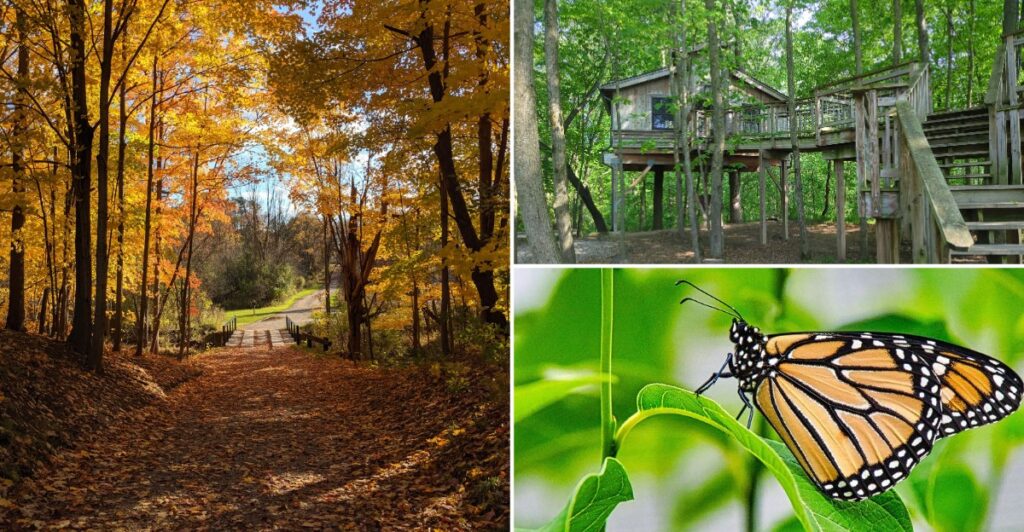
Old farmland can take on a completely different life when nature and community take over. In Burton, Michigan, For-Mar Nature Preserve & Arboretum now spreads across 383 acres where visitors can walk trails, watch wildlife, explore plant life, and spend time in the butterfly house.
The appeal comes from how much the land has changed while still remaining a place people can gather, learn, and slow down outdoors. What was once a dairy farm now gives the community room for recreation, education, and quiet time in nature.
For anyone looking for an easy Michigan escape with trails and plenty to notice along the way, For-Mar offers a lot to explore.
A Farm’s Second Life in Michigan
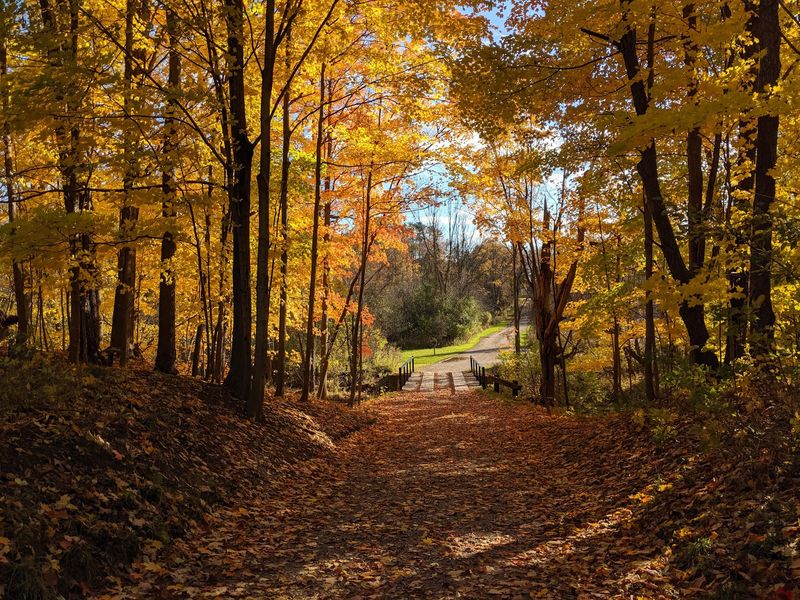
Picture a dairy farm, then replace the daily work of milking and tending fields with walking paths, gardens, and wildlife habitat. That change is the heart of For-Mar Nature Preserve & Arboretum.
Donated farm land became a public preserve, giving Burton a place where outdoor learning can happen right on the ground beneath your shoes.
The preserve has covered 383 acres since 1970. Its size matters: there is room for wooded paths, open areas, and an arboretum with many kinds of trees and shrubs.
You do not have to study plants to notice the difference between a sunny clearing and a shaded trail. A short walk can show you both.
It is tempting to imagine exactly what the farm looked like, but the present landscape tells a clearer story than a made-up picture of its past. Land that once had one main job now supports many.
You can come for exercise, bring a child to look for insects, or spend an afternoon learning how a tree changes through the seasons.
Keep that history in mind as you explore, without expecting a farm museum. For-Mar is a working nature preserve, not a display frozen in time.
Its paths and learning spaces invite you to pay attention to what lives here now. Staying on marked trails helps protect the ground and plants that make those experiences possible.
For a first visit, start with a relaxed walk rather than trying to cover every acre. Notice where planted trees give way to less formal woodland, and pause when the view opens up.
The farm’s most striking change is not a single landmark. It is the amount of land now set aside for people and nature to share.
Follow the Trails, Not a Stopwatch
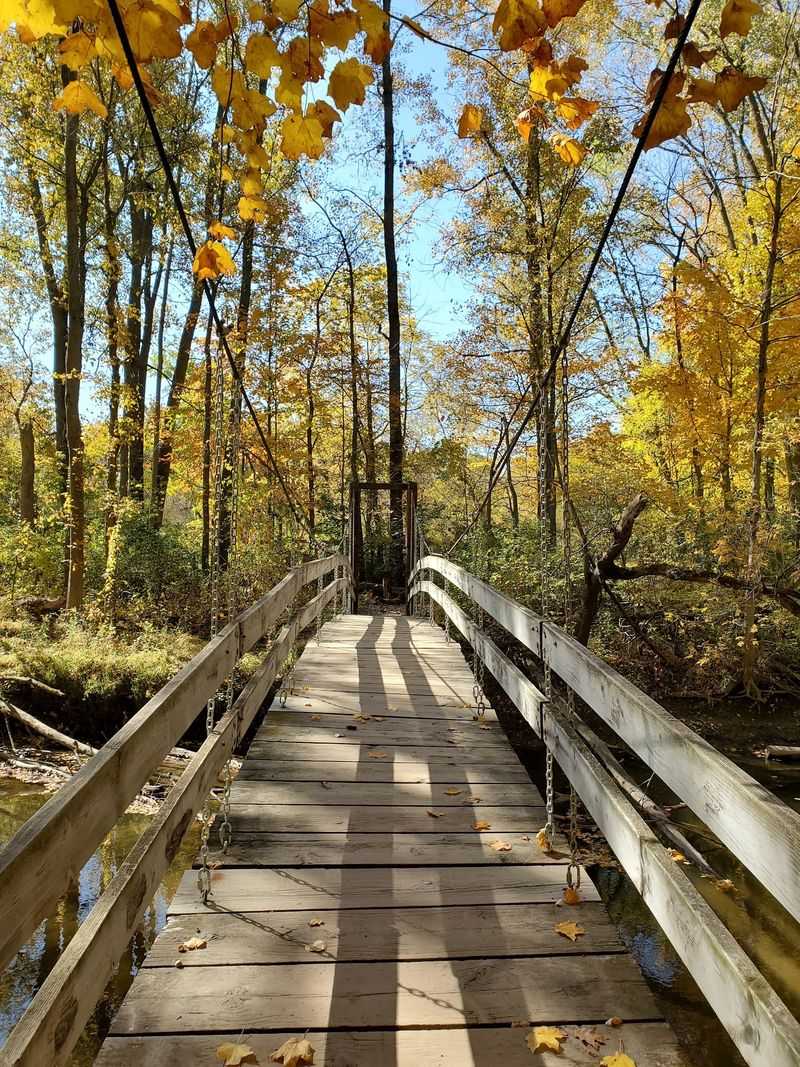
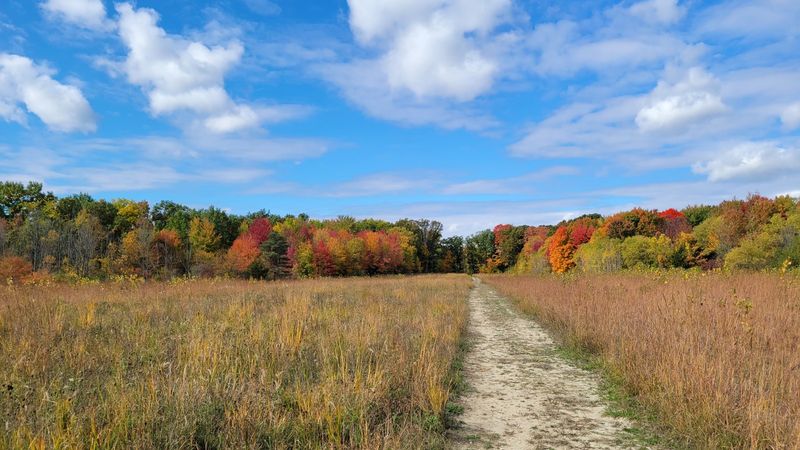
A bridge around the next bend can turn an ordinary walk into a small adventure. For-Mar’s trails offer several ways to explore its 383 acres, so you can choose a route that suits your time and energy.
Paths pass through different parts of the preserve, giving you more to notice than a single loop around a lawn.
Before setting off, check the trail map and pay attention to posted markers. Numbered routes and branching paths make it easier to plan a walk, but it still helps to know which way leads back.
If you are walking with children, pick a shorter route first. You can always add another stretch if everyone has energy left.
Bring sturdy shoes, especially after rain. Soft ground can turn muddy, and a path near water may feel quite different from a dry section under trees.
Walk at a pace that lets you watch your footing while noticing the changing light above. A bench can be a useful break, not a sign that the walk is over.
Wildlife is easiest to spot when you slow down and leave some space. Watch the edges of a trail for movement, listen before crossing a bridge, and resist the urge to follow an animal into the brush.
Staying on the path protects its habitat and helps you avoid getting turned around. Binoculars can bring a distant sight closer.
You do not need to finish every trail to have a good outing here. A simple route with time for a few stops can be more rewarding than a rushed hike across the property.
Start near the visitor center, note your return point, and let the next trail marker guide your choice.
The Butterfly House Calls for a Closer Look
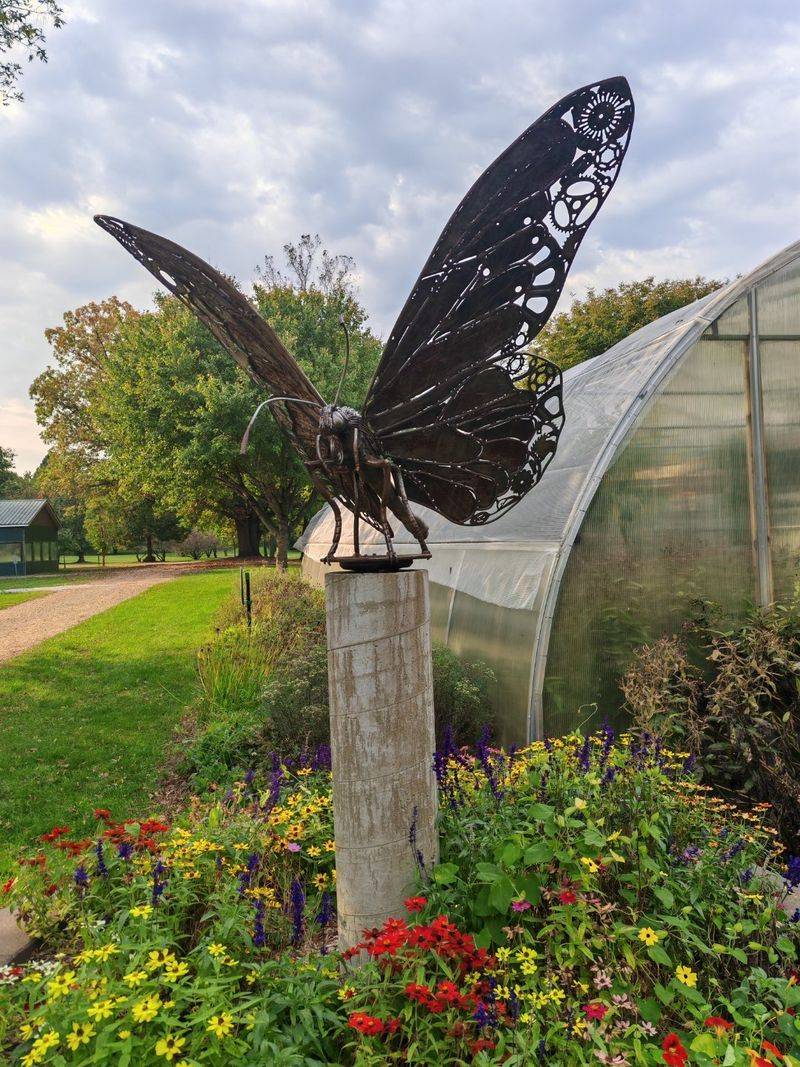
Some of For-Mar’s smallest sights deserve the longest look. The butterfly house adds a close-up experience to a preserve best known for its wide trails.
Instead of scanning the woods for movement, you can slow your eyes down to the size of a flower. A butterfly may be resting quietly rather than fluttering across your view.
Approach the house with flexible expectations. Butterfly activity can change with the season, weather, and timing of your visit, so a packed display is not guaranteed.
Look carefully around leaves and blooms before deciding there is nothing to see. Small changes in color or a slow opening of wings are easy to miss when you rush.
Nearby planted areas can make the visit more interesting, even if you see only a few butterflies inside. Flowers offer a chance to talk about why pollinators need food and shelter.
If you are with a child, try asking which blooms seem easiest for an insect to land on. The question turns a brief stop into an observation game.
Give butterflies room and avoid touching them or the plants around them. Keeping hands back is useful for another reason: you can watch what they do without changing their behavior.
Look for where they settle, how long they stay, and whether other insects visit the same flowers. Quiet watching beats chasing wings every time.
If the butterfly house is the main reason for your trip, check its current availability before you go. Treat it as one part of a larger day, not the only destination.
The surrounding gardens, paths, and visitor center leave plenty to explore when butterfly activity is light. A patient visitor may still find the best sight on a single leaf.
Trees With More Than One Story
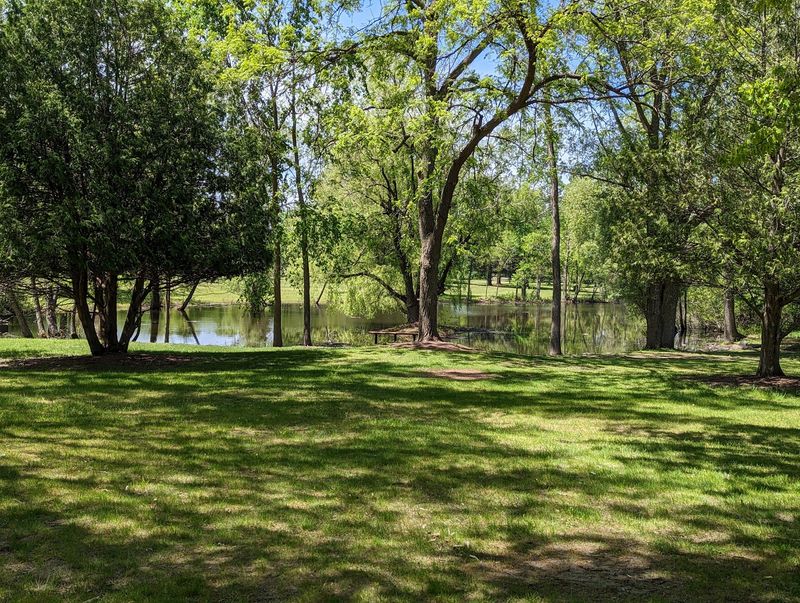
A tree collection can sound like homework until you stand beside two very different trunks. At For-Mar, the arboretum’s many woody specimens invite that kind of easy comparison.
Some trees spread their branches wide; others grow in a tighter shape. Their bark, leaves, and shadows give you simple clues about how varied one landscape can be.
Try choosing just three trees to study on your walk. Compare the shapes of their leaves, the roughness of their bark, or how much light reaches the ground below them.
You do not need to know their names to begin. If a plant has a label, use it to put a name to the details you have already noticed.
Different seasons give you different evidence. Spring brings fresh growth, summer fills the canopy, and fall can make leaf shapes easier to pick out as colors change.
Even when branches are bare, you can compare their patterns against the sky. That makes the arboretum useful for repeat visits, not just a single sunny afternoon.
Looking closely also changes how you move through the preserve. You may stop beside a shrub you would normally pass without a glance, then spot an insect or a bird using it.
Leave leaves, seeds, and branches where they are so others can see them too. A photograph or quick sketch is enough to help you remember a favorite.
If your group has different walking speeds, the arboretum gives everyone a reason to pause without calling the outing a rest stop. Pick a tree as a meeting point, compare what each person noticed, and continue together.
The best detail may be at eye level, not high in the canopy: a patch of bark or a leaf’s edge.
A Treehouse Changes the View
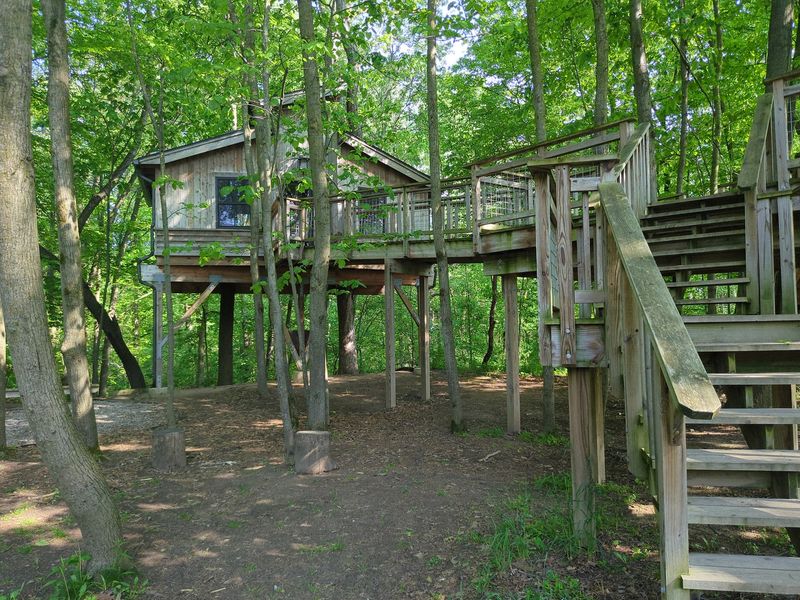
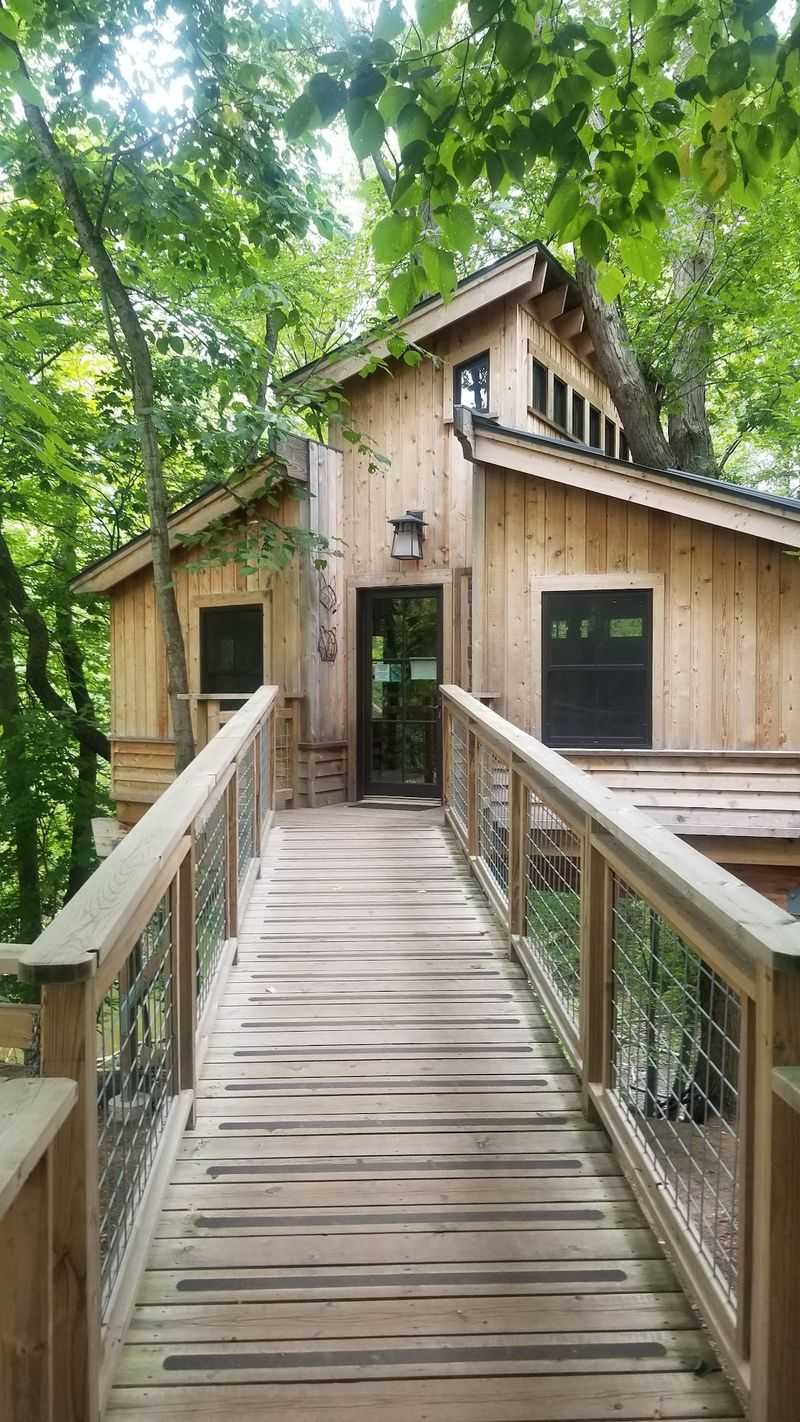
Looking up is part of the fun at For-Mar, where a treehouse adds a different angle to the woods. It is an easy landmark to build into a family outing, especially when smaller explorers need a destination beyond the next bend.
The structure gives the preserve a playful side without turning the woodland into a playground.
Plan for a little uncertainty: access to the treehouse can vary. If going inside is important to your group, ask staff about its current status before making it the center of your visit.
An outdoor look can still be interesting. Notice how the stairs and ramps guide your view upward, then compare that raised perspective with what you see at ground level.
A treehouse also offers a useful way to talk with children about observing nature. Ask them to look across the branches rather than only down at their feet.
Where might a bird find shelter? Which leaves are catching the most sunlight?
Questions like those give the climb a purpose without turning it into a lesson they must get right.
Keep an eye on children near steps, railings, and other raised areas, and follow any posted rules. Give others room to pass instead of lingering in a narrow spot.
If the structure is closed, do not try to enter. The surrounding trails offer plenty of places to practice the same skill: looking carefully at layers of the woods.
Pair the treehouse with a short walk rather than rushing there and back. Along the way, notice how the path changes as it approaches the trees.
Your destination may be built by people, but much of its appeal comes from what surrounds it: branches at different heights, shifting light, and a view that rewards a slower pace.
Start Indoors, Then Spot More Outdoors
A trail map is helpful, but a live reptile can grab your attention faster. For-Mar’s visitor center gives you a place to learn about nature before or after you head outside.
Displays and animal exhibits make it more than a stop for directions. They also offer a welcome change of pace when a group needs a break from walking.
Start here if you are new to the preserve. Ask about trail choices, current activities, and whether features such as the treehouse or butterfly house are available that day.
Staff can help you build a plan around the time you have. Check for any activity materials offered during your visit, since options may change.
Inside, take time with the live animals and other nature displays instead of treating them as a quick preview. A close look at a reptile can help you think about its scales, movement, and shelter.
Then, outside, you can watch for the habitats that support wild animals while leaving them undisturbed. The indoor stop sharpens what you notice later.
For families, the center is a useful meeting point before everyone sets out. Agree on a route, fill water bottles, and make sure each person has comfortable shoes.
You can also stop back after a walk to connect something you saw on the trail with a display. A question found outdoors may be easier to explore indoors.
Allow time for both parts of the visit. If you spend the whole morning on trails, you might rush past the exhibits on your way out.
If you stay indoors too long, you may miss the chance to see the preserve firsthand. A simple plan works well: get oriented, walk, then return with one thing you want to learn more about.
Make Room for the Unexpected
A deer at the edge of a path can stop a conversation mid-sentence. For-Mar offers chances to watch wildlife, from animals near wooded trails to smaller creatures around water.
No sighting is promised, and that is part of the point. You are entering their habitat, not visiting a scheduled show with a start time.
Begin by listening. A rustle in leaves or a call from above may point you toward something you would otherwise miss.
Deer and turkeys need plenty of space, so watch from the trail rather than moving closer. Near a pond, scan slowly for turtles or activity at the water’s edge.
Keep your hands out of the water.
Timing can change your walk. A quiet stretch of trail may make movement easier to notice, while a warm day can draw your attention to insects near flowers.
Dress for the weather and bring water, especially if you plan to explore beyond a short loop. Bug spray may be useful near wetter areas during mosquito season.
For-Mar is at 2142 N Genesee Road in Burton, and the listed preserve hours are 9 AM to 8 PM daily. Hours for particular features or programs may differ, so check current details before a visit built around one activity.
Give yourself enough time to get back from the trails before closing rather than starting your longest route late.
Pack out what you bring and leave wildlife alone, including animals that seem used to people. Those habits protect the preserve and keep its surprises possible for the next walker.
One visit might center on a turtle, another on a stand of trees or a quiet bridge. With 383 acres to explore, there is no need to force a highlight.
Share this story