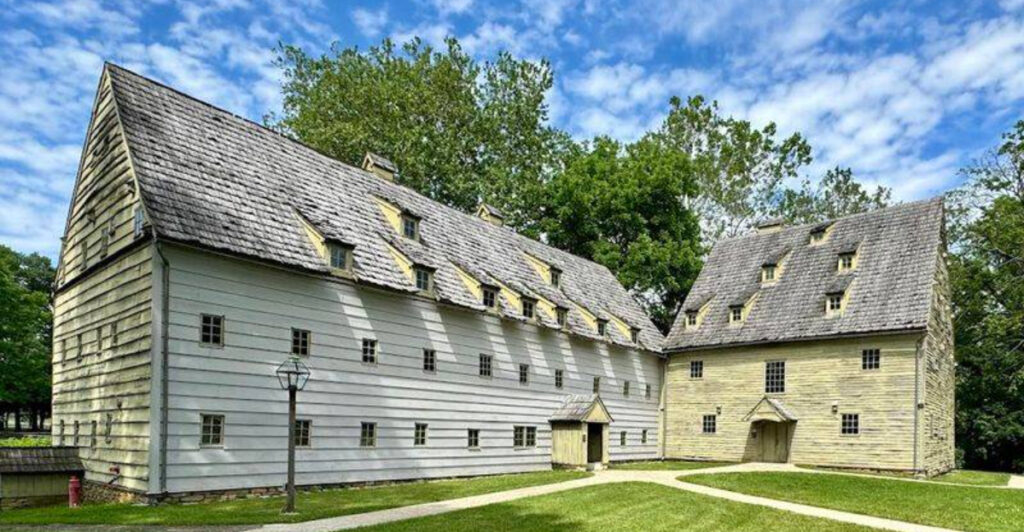
Tucked along Main Street in Ephrata, this remarkably preserved religious village feels like a place most travelers somehow missed. Historic Ephrata Cloister is one of Pennsylvania’s most unusual destinations, where German settlers built a disciplined spiritual community unlike anything around them.
Walking the grounds today, you can still sense the ambition, mystery, and quiet beauty that shaped daily life here in the 1700s. If you love places with strange stories, original buildings, and a strong connection to early American history, this stop is hard to forget.
1. A radical religious community took root here in 1732
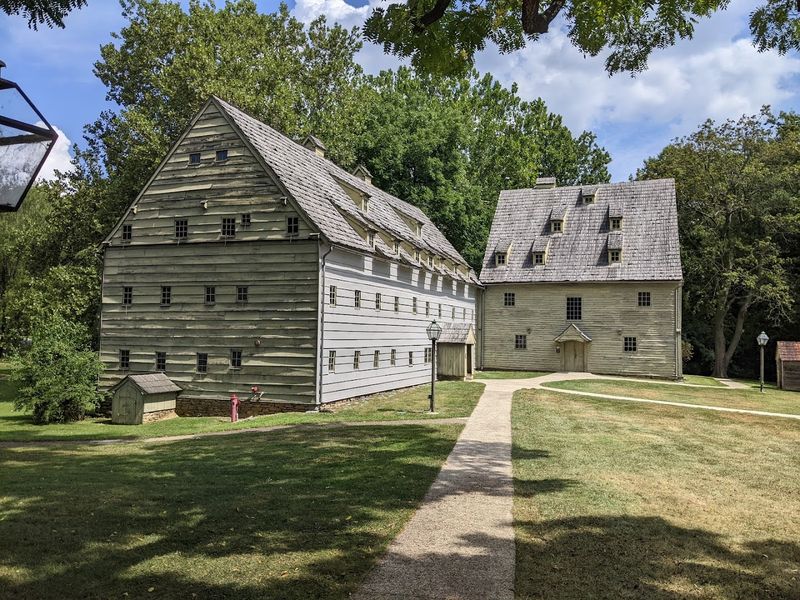
What makes Ephrata Cloister so fascinating is that it was never just another colonial settlement.
Founded in 1732 by Johann Conrad Beissel, this community grew from a religious movement seeking spiritual purity, simplicity, and distance from established churches.
The members, many of them German immigrants, created a place that reflected their beliefs in every detail of daily life.
When you visit, you are not looking at a recreated village but at a surviving landscape shaped by real devotion and discipline.
The community included celibate brothers and sisters as well as married householders who lived nearby and supported the settlement.
That unusual structure gave Ephrata a rhythm unlike most towns in early Pennsylvania.
Its story also speaks to a larger American theme: the search for religious freedom.
Standing here today, you can see how bold that experiment really was.
2. The architecture feels austere, beautiful, and completely distinctive
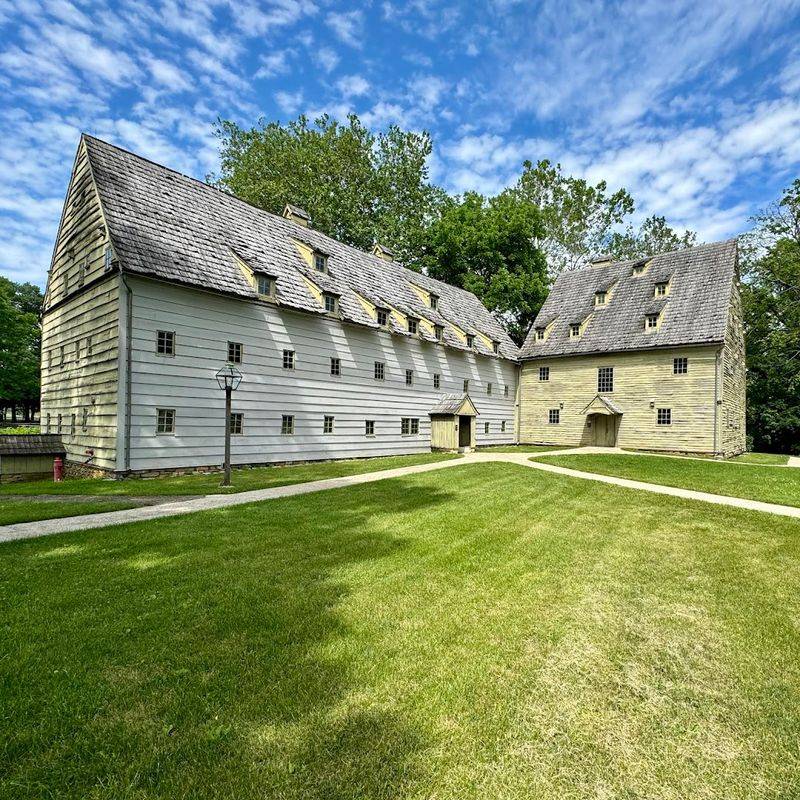
One of the first things you notice at Ephrata Cloister is how different the architecture feels from grand colonial mansions or familiar farmhouses.
The buildings are plain yet striking, with steep roofs, tall facades, and a handmade quality that fits the community’s disciplined way of life.
Nothing here seems designed to impress in a flashy sense, yet the result is unforgettable.
The structures were built to serve spiritual practice, communal living, and practical work, and you can feel that purpose in the timber, proportions, and layout.
Preservation here is especially impressive because so much of the site still communicates its original character.
Rather than polished perfection, you get a sense of lived-in history.
That honesty is part of the appeal.
If you enjoy places where architecture reveals belief, Ephrata Cloister offers one of the clearest and most unusual examples in Pennsylvania.
3. The Sisters’ and Brothers’ living spaces reveal a severe daily routine
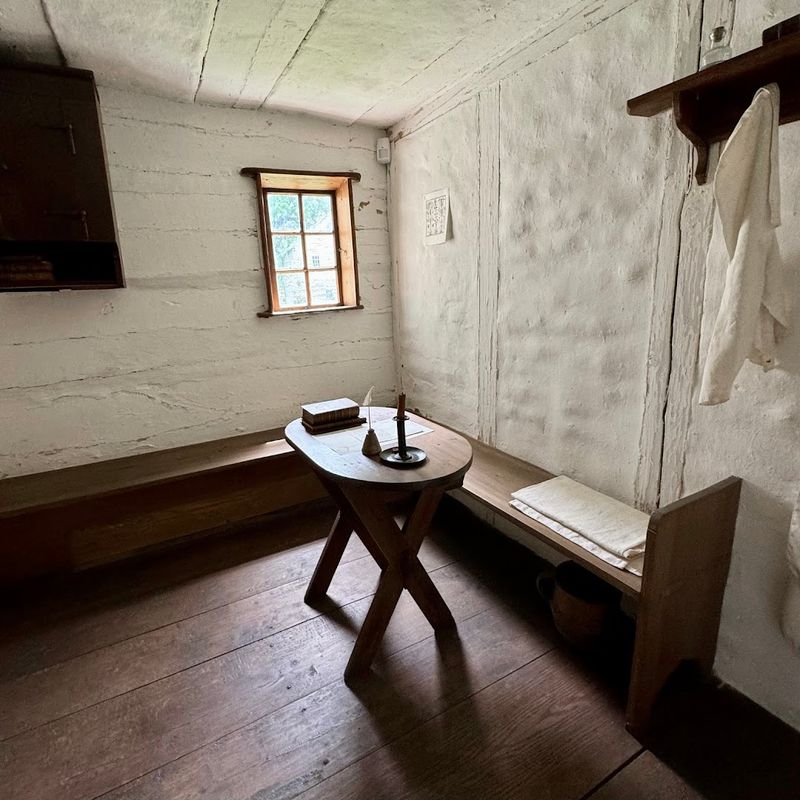
The most memorable part of visiting Ephrata Cloister may be learning how intensely the community organized everyday life.
Members embraced sleep deprivation, simple meals, hard work, and minimal physical comfort as part of their religious discipline.
Accounts of wooden benches used as beds and midnight worship services give the place an almost otherworldly quality.
On a guided tour, spaces such as the Sisters’ Dormitory help that history land in a more human way.
Instead of reading abstract facts, you begin picturing what it meant to live here through long winters, shared labor, and strict expectations.
The rooms make their values visible.
That is where Ephrata becomes more than an old site with pretty buildings.
You start to understand the cost of devotion in this community, and that deeper understanding gives the entire village a powerful emotional weight that stays with you.
4. Music and worship shaped the soul of the settlement
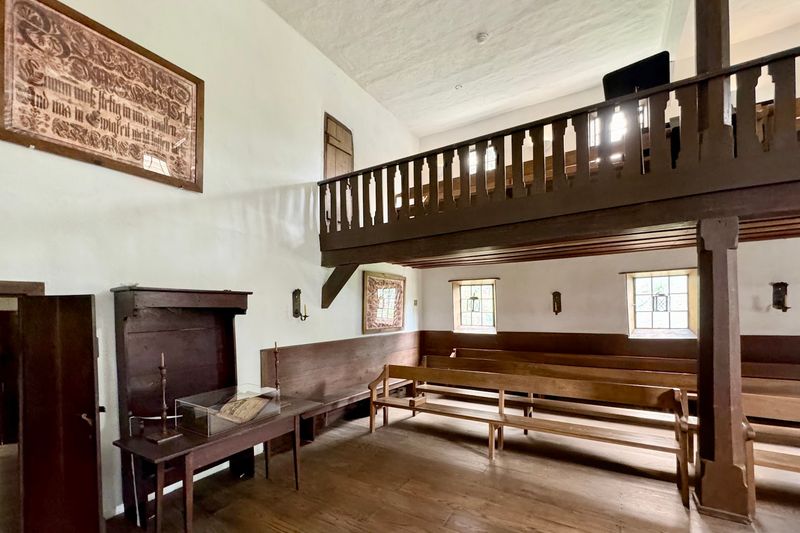
Ephrata Cloister was not only a place of labor and self-denial.
It was also a place of worship, hymn singing, and creative religious expression that gave the community a distinct spiritual identity.
Music played an important role here, and the settlement became known for its original hymnody and devotional culture.
That artistic side makes the site especially compelling because it adds depth to a story that could otherwise seem only severe.
The residents were disciplined, yes, but they were also deeply invested in creating beauty that reflected faith.
Their worship life blended theology, ritual, and artistry in ways that still set Ephrata apart from other early American religious communities.
As you walk the grounds, it helps to imagine voices rising inside these buildings after dark, long before modern noise or electric light.
That thought changes the atmosphere completely and makes the village feel intimate, strange, and moving at once.
5. Its printing and calligraphy legacy adds another layer of significance
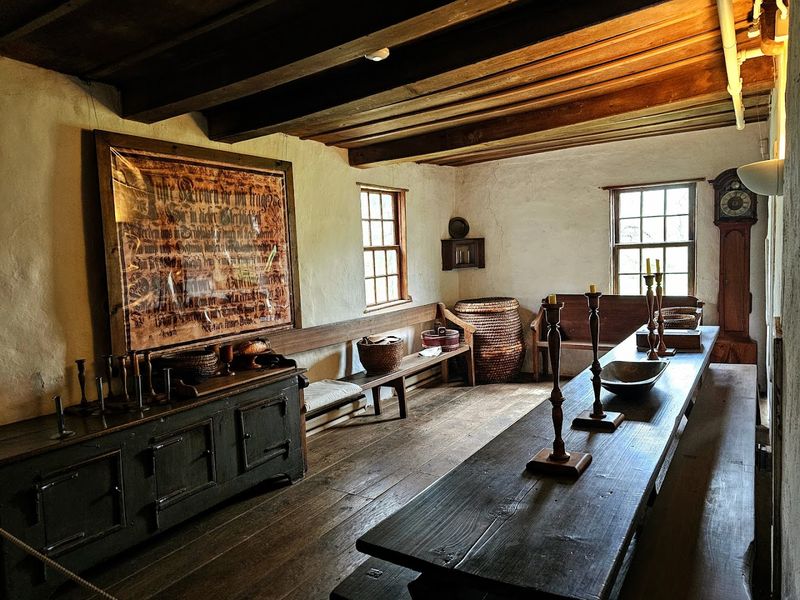
Another reason Ephrata Cloister stands out is its importance as a center of printing, bookmaking, and calligraphy in colonial Pennsylvania.
The community produced beautifully written and printed works that reflected both religious commitment and remarkable craftsmanship.
For many visitors, this artistic legacy becomes one of the biggest surprises on site.
It is easy to think of an isolated spiritual settlement as cut off from cultural influence, but Ephrata produced objects of real historical value.
Their manuscripts and printed materials reveal patience, skill, and a desire to preserve ideas in lasting form.
That makes the site significant not only for religious history but also for the history of communication and early American art.
If you are drawn to the handmade world, this part of the story is especially rewarding.
It shows that even an austere community could leave behind work of extraordinary delicacy and care.
6. The guided tour is the best way to make the place come alive
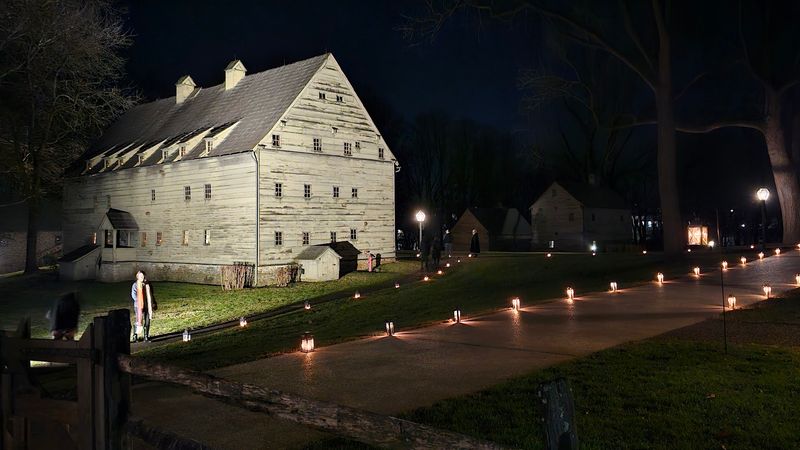
If you go, take the guided tour if one is available during your visit.
Review after review praises the knowledgeable guides, and that makes sense because Ephrata Cloister is the kind of place that becomes richer once someone explains the beliefs, routines, and personalities behind the buildings.
Without that context, you might admire the preservation but miss the deeper story.
The site also offers a visitor center, museum exhibits, and an introductory film that many guests mention as a helpful starting point.
Those features give you a framework before you head outside to explore the grounds.
By the time you step into the historic area, the village feels connected rather than mysterious in a distant way.
With a 4.7-star rating and hundreds of reviews, this museum clearly leaves an impression.
The strongest advice from past visitors is simple: let the interpreters show you why it matters.
7. The grounds still feel peaceful despite being easy to reach
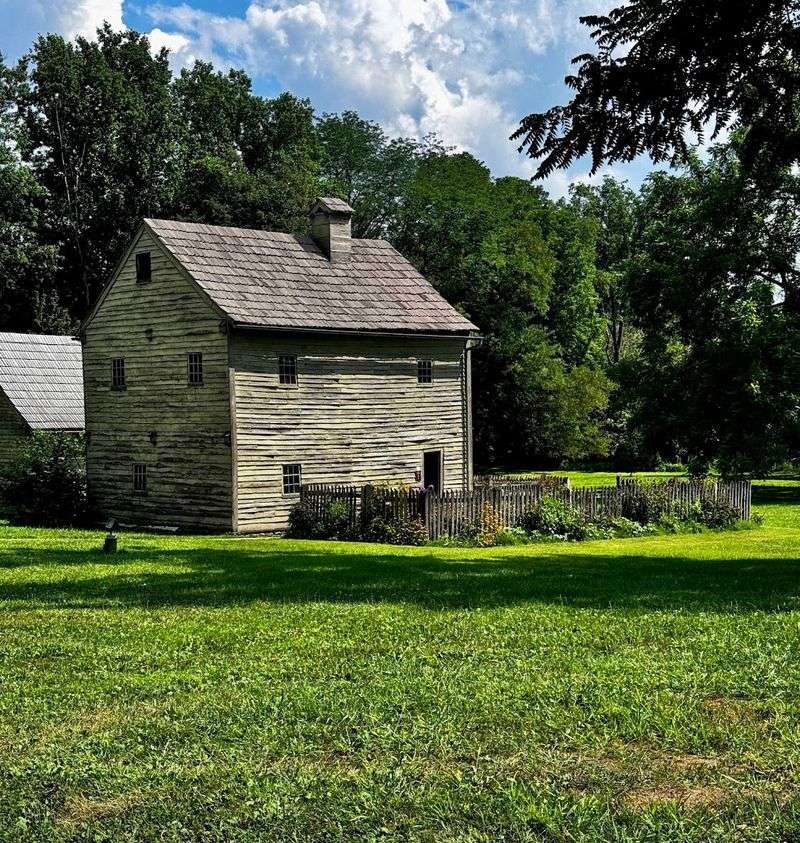
Part of Ephrata Cloister’s appeal is the contrast between how accessible it is and how removed it feels once you are there.
Located at 632 W Main St in Ephrata, the site sits within town, yet visitors often describe the grounds as scenic, calm, and unexpectedly transporting.
That sense of separation gives the experience real atmosphere.
You do not need to hike into the wilderness to feel the quiet that once defined this religious settlement.
The preserved buildings, open space, and careful interpretation create a setting where it is easy to slow your pace and look closely.
Even people who arrive knowing little about the community often leave surprised by how immersive it feels.
That tranquility matters because Ephrata was designed around spiritual focus.
The landscape still supports that mood today, which is one reason the visit feels more personal than a typical museum stop in a busy historic district.
8. Planning your visit is simple, and the experience rewards curiosity
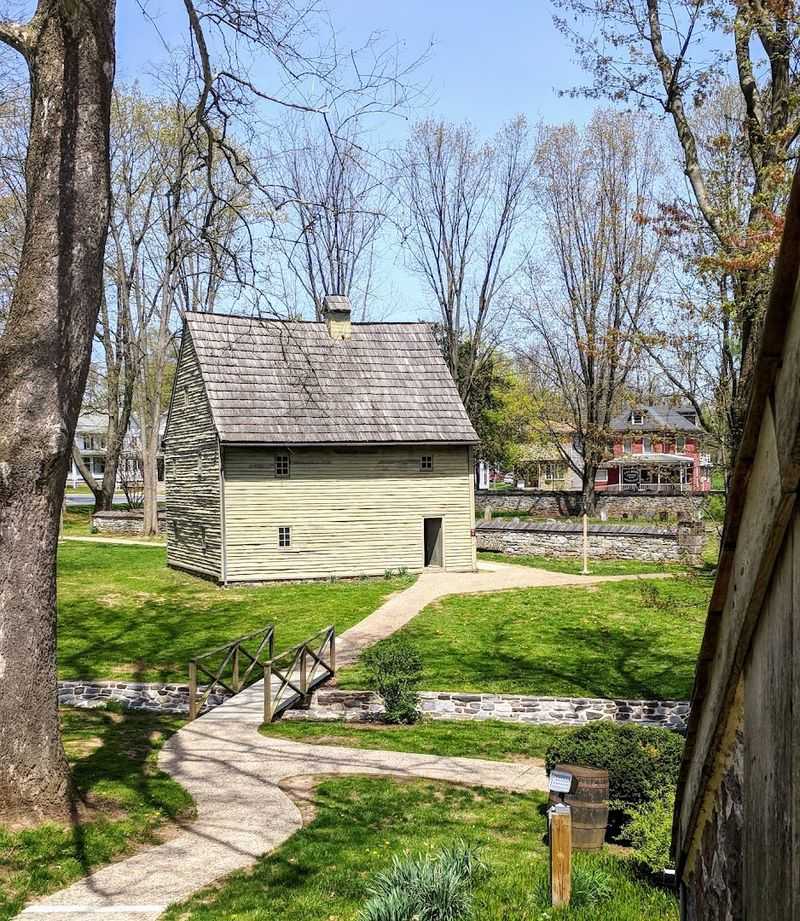
Historic Ephrata Cloister is open Wednesday through Saturday from 9 AM to 4 PM and Sunday from 12 PM to 4 PM, with the site closed Monday and Tuesday.
That schedule makes it easy to pair with a Lancaster County day trip, but it is worth giving yourself enough time to watch the film, see the exhibits, and walk the grounds without rushing.
Calling ahead at 717-733-6600 or checking ephratacloister.org is a smart move before you go.
The strongest visitor advice is practical and useful: wear comfortable walking shoes and do the tour.
People consistently mention how much more meaningful the buildings become once a guide explains the unusual customs and history.
This is not a flashy attraction, and that is exactly why it works.
If you enjoy places that reward attention, Ephrata Cloister delivers a memorable visit rooted in authenticity, preservation, and one truly singular American story.
Share this story