Midwest Railway Preservation Society Inc. in Cleveland is a place where old railroad history still feels big, loud, and full of life. Visitors come to see giant steam machines, a rare roundhouse, and the careful work that keeps these pieces of the past from being lost.
It matters because trains helped build cities like Cleveland, and this site helps younger generations understand that story in a real way. If you like huge engines, hands-on history, or hidden local gems, this rail site gives you plenty to remember.
1. The Roundhouse That Still Commands Attention
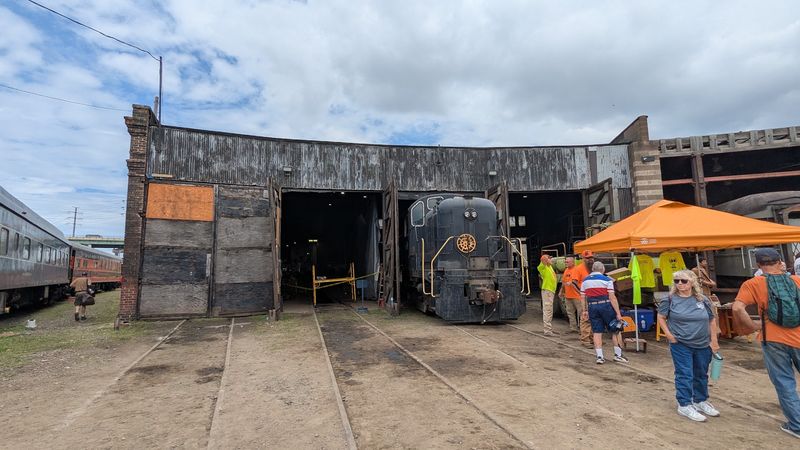
Walking into the old roundhouse feels like stepping inside a giant wheel made of brick and steel. At Midwest Railway Preservation Society Inc., the historic B and O Roundhouse is one of the biggest reasons rail fans make the trip to Cleveland.
Its curved shape once helped crews move engines into service bays fast.
Now, that same building helps visitors picture how busy steam era railroading used to be. You can look up at heavy beams, study the worn work areas, and imagine smoke, sparks, and mechanics rushing from job to job.
Few places still show this kind of railroad design so clearly.
If you visit, slow down and notice the building itself, not only the trains inside it. Ask guides how engines were turned, parked, and repaired here.
The roundhouse tells a story before anyone even blows a whistle for the day or starts a tour with fresh eyes today.
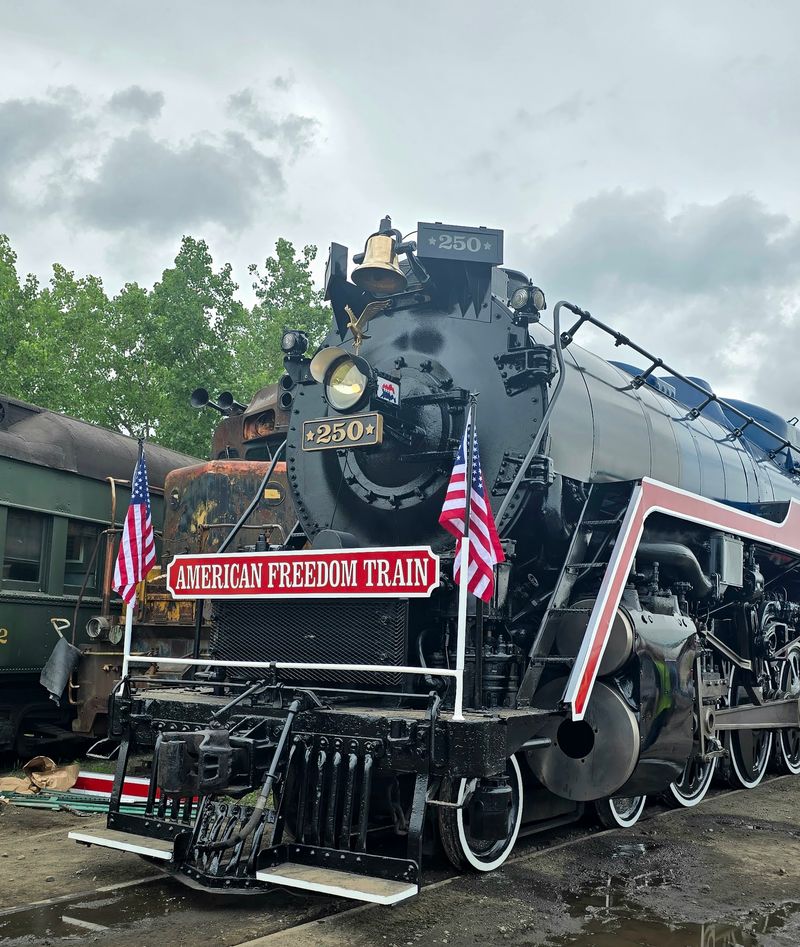
2. Steam Locomotive No. 250 Comes Alive
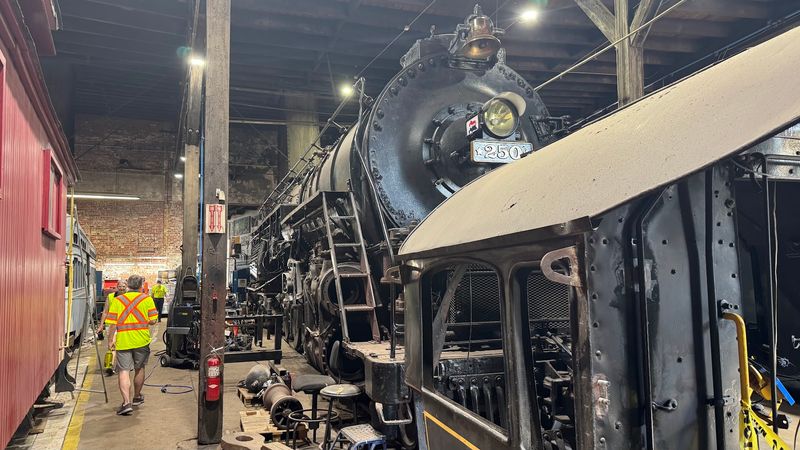
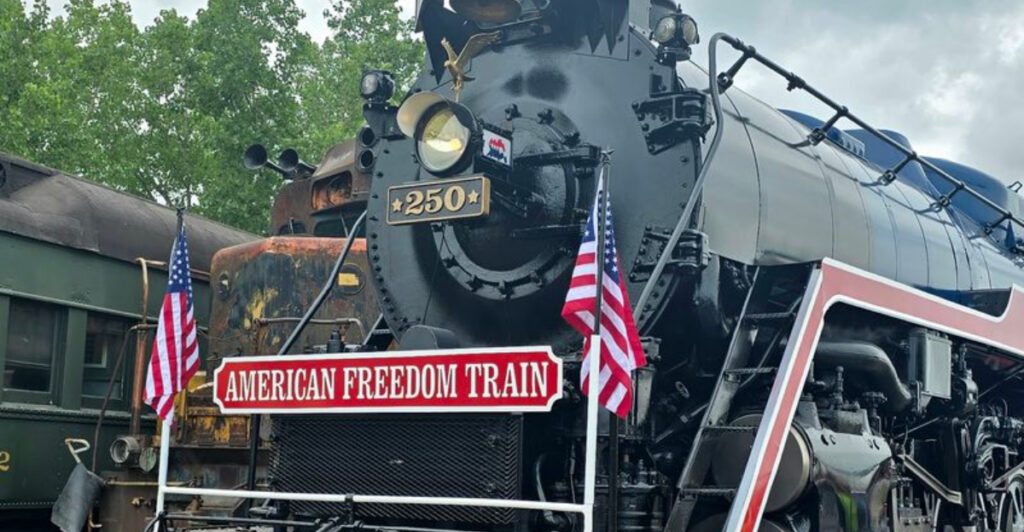
Nothing grabs attention faster than a living steam engine, and No. 250 has that star power. Visitors have reported seeing it under steam and hearing its whistle, a moment that turns a normal tour into a memory that sticks.
Heat, motion, and sound make railroad history feel real in seconds.
Unlike a silent display, a working steam locomotive shows how much effort preservation takes. Water, fire, pressure, valves, and careful inspection all matter before a machine like this can safely come alive.
When guides explain the process, kids and adults quickly see why steam engines were once called iron horses.
Try to stand where you can watch both the engine and the crew around it. Their teamwork helps you understand that big locomotives were never magic machines.
They depended on skill, timing, and plenty of hard work every single day on busy rail lines across Ohio and the nation then.
3. Locomotive 4070 Shows Restoration Up Close
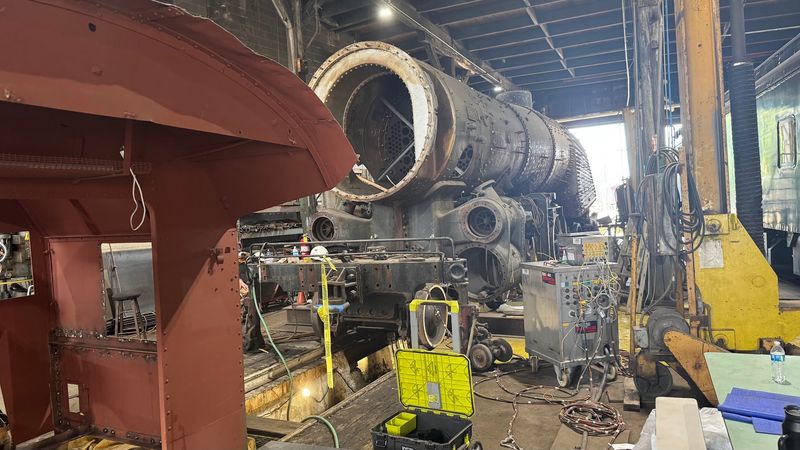
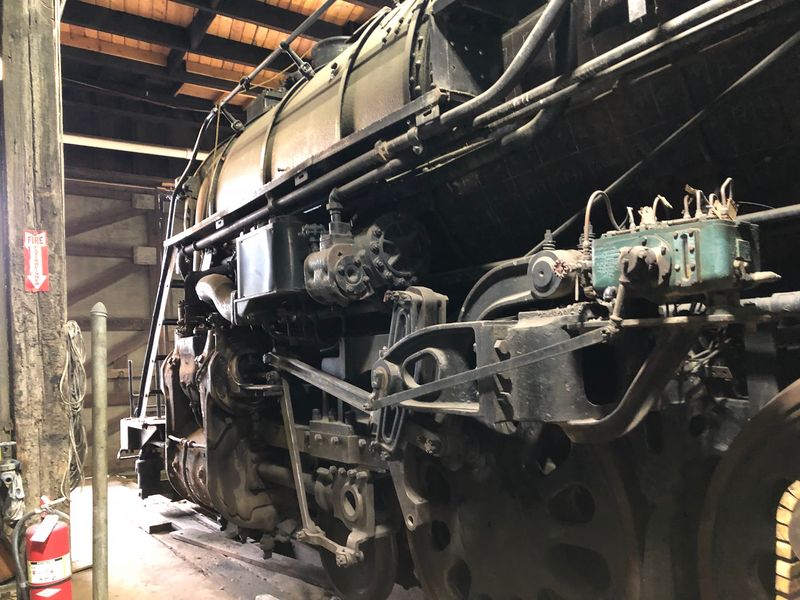
Some railroad treasures do not look polished yet, and that is part of their appeal. Locomotive 4070 gives visitors a close look at restoration in progress, where missing parts, opened panels, and inspection work reveal the hard truth of saving giant machines.
It is history with its sleeves rolled up.
Seeing a locomotive mid-project teaches patience better than any signboard could. Restorers must inspect boilers, track down rare components, follow safety rules, and make careful choices about what to repair or replace.
Each step takes money, time, and skilled hands, which helps explain why preservation moves slowly.
When you stand near 4070, notice the little details instead of only the unfinished look. Rivets, rods, wheels, and piping all tell you how complex steam power really was.
A half-restored engine can teach more than a perfect one because you see its bones laid bare for curious visitors during the tour today.
4. Inside the Busy Restoration Shops
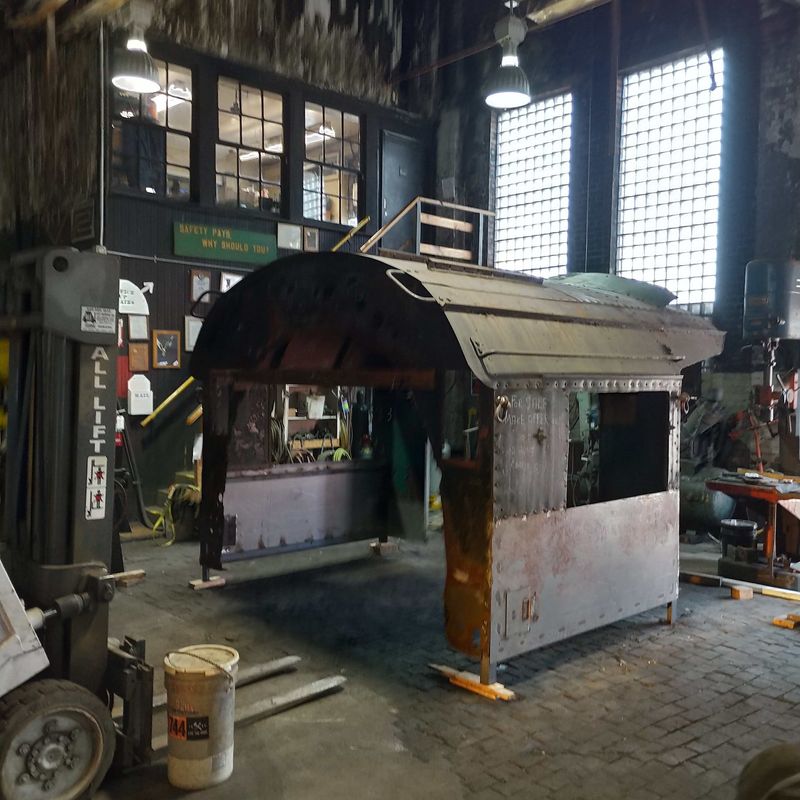
Behind the excitement of famous locomotives, the restoration shops quietly do the heavy lifting. Reviews often praise the facility tour because it lets people see paint areas, work spaces, and the practical side of bringing old railroad equipment back to life.
It feels more like a workshop than a polished museum.
That difference is actually the point. Inside the shops, you learn that preservation is not only about displaying the past.
It also means scraping rust, measuring parts, checking systems, and solving problems that were never simple even when these trains were new.
Ask questions while you are there, especially about tools, safety steps, and how volunteers learn specialized jobs. The answers can make the visit much richer.
Watching real work happen helps visitors respect every restored car, coach, or locomotive they later admire on the property from the doorway to the final freshly painted finish nearby each season soon.
5. Passenger Cars Add a Human Story
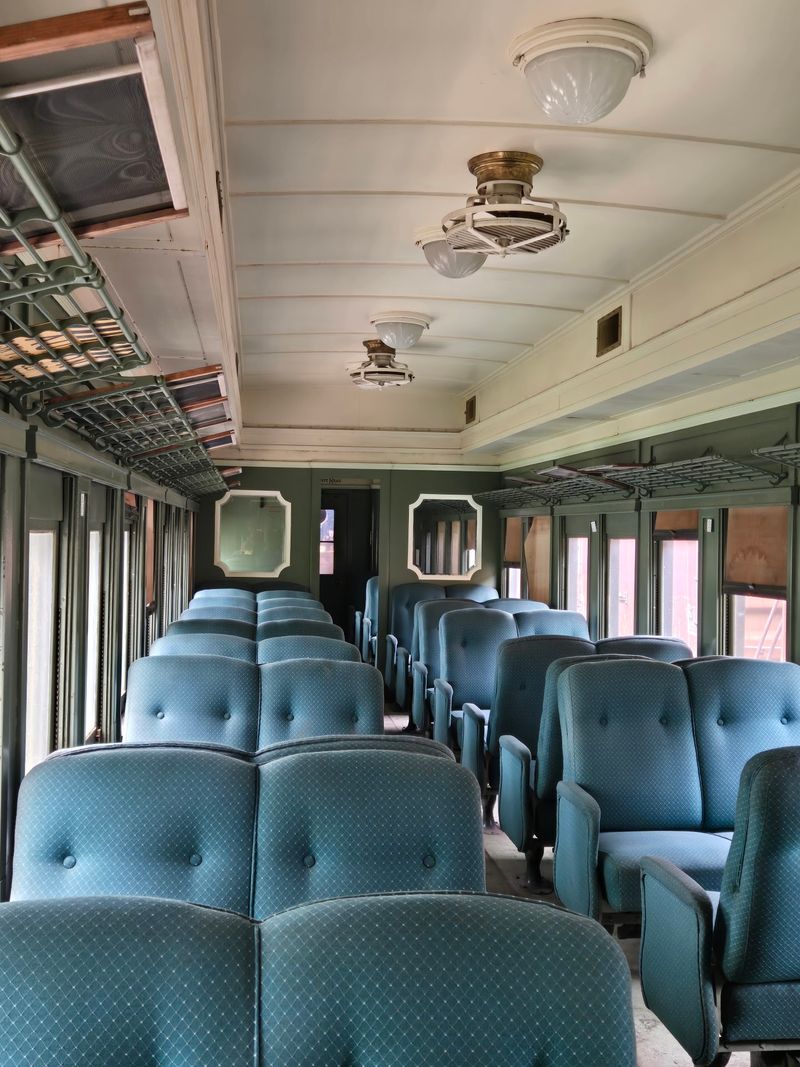
Shiny locomotives get the headlines, but the passenger cars add a different kind of magic. At Midwest Railway Preservation Society Inc., coaches and special railcars help visitors imagine what travel once felt like, from everyday trips to high-profile journeys.
One standout story involves the railcar America, linked to John Kennedy’s early campaign travel.
Cars like that show railroad history from the rider’s side, not only the engineer’s. Seats, windows, interiors, and updated systems reveal how comfort, politics, and technology all met on the rails.
Volunteers have shared how America was refurbished to modern requirements, which shows how preservation can connect old design with present-day standards.
During a visit, pay attention to the smaller details inside and outside the cars. Lettering, fixtures, and layout choices often say as much as a locomotive’s size.
Passenger equipment makes the site feel personal because people can picture themselves along for the ride there easily.
6. Volunteers Keep the Place Full of Energy
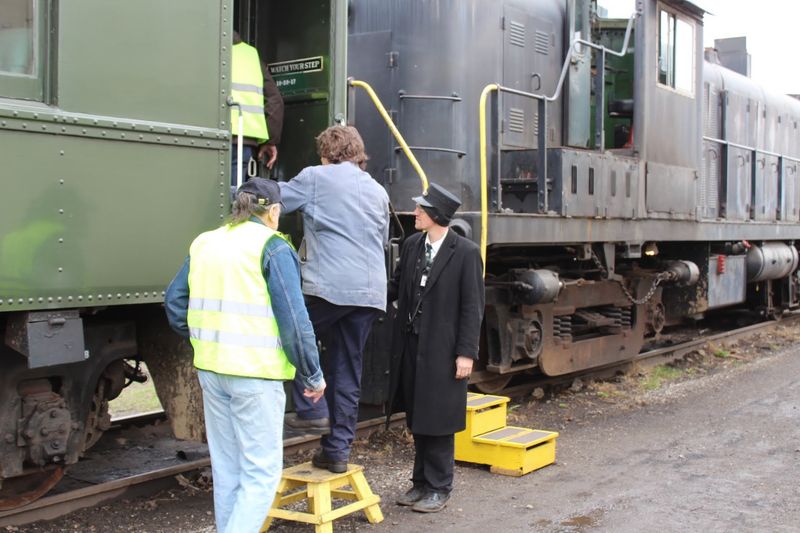
The heart of the place may be the people in work clothes and tour badges. Review after review mentions friendly staff, knowledgeable guides, and volunteers who clearly care about every engine, car, and story on the grounds.
Their enthusiasm turns technical facts into something lively and easy to follow.
Many historic sites depend on signs, but this one often works best through conversation. A guide might explain boiler inspections, share a family memory about steam days, or answer a child’s simple question with real patience.
That human touch makes a complicated subject feel welcoming instead of overwhelming.
If you go, do not be shy about speaking with the team. Ask what project excites them most or how they got started in railroad preservation.
People who love a place usually reveal its best details, and here they are a major part of the experience for first-time visitors and longtime railfans alike.
7. Tours Make the History Feel Active
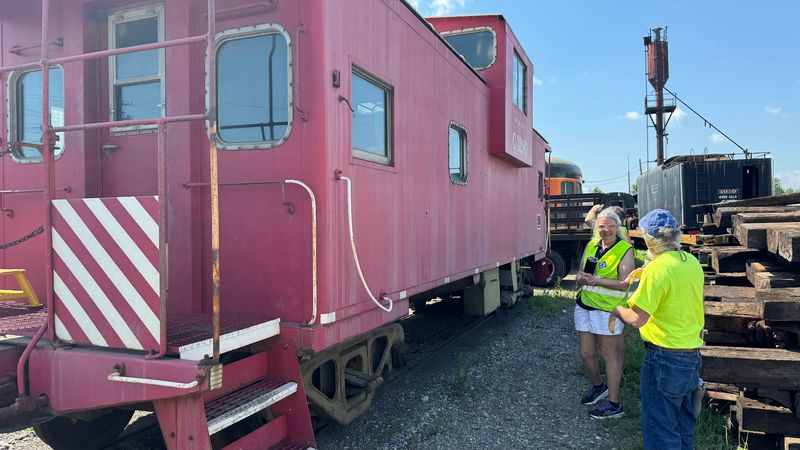
A tour here is not just walking from one exhibit to the next. Past visitors have described guided trips through the property, chances to see restoration up close, and even a train ride that adds movement to the day.
That mix helps the site feel active rather than frozen in time.
Because the experience is more workshop tour than traditional museum visit, it helps to arrive with the right expectations. You may spend more time hearing how things are repaired than stepping inside every engine or car.
For many guests, that behind-the-scenes look is exactly what makes the visit special.
Comfort matters too, especially since reviews mention blacktop, gravel, and dirt along parts of the route. Wear shoes that can handle uneven ground and plan for weather changes near the lake.
A little preparation makes it easier to focus on whistles, wheels, and the stories being shared that day together.
8. Cleveland Railroad History Comes Into Focus
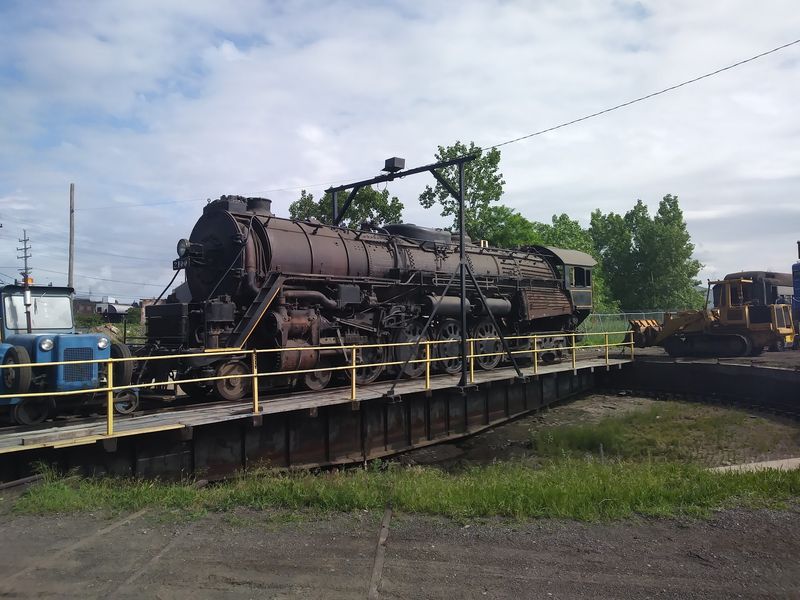
Cleveland has long been a city of industry, steel, shipping, and rails, and this site ties those threads together. Midwest Railway Preservation Society Inc. helps visitors see how trains powered work, travel, and growth across Ohio and beyond.
The machines here are not random antiques. They are pieces of the region’s larger story.
Steam locomotives once moved raw materials, passengers, and mail with a force that reshaped daily life. Standing near them makes history feel bigger than a textbook chapter because you can judge their scale with your own eyes.
The roundhouse setting adds another layer, showing where that movement was supported behind the scenes.
One helpful way to enjoy the visit is to connect what you see to Cleveland outside the gates. Think about factories, lakefront trade, and neighborhoods built around rail lines.
When local history clicks into place, the site becomes more than a collection of old equipment.
9. A Hidden Gem for Families and Railfans
Plenty of Cleveland residents pass nearby without realizing how much railroad history sits behind the fences. That hidden-gem feel gives the site a fun surprise factor, especially for families, train fans, and curious locals looking for something different.
It is not a giant theme attraction. Its charm comes from discovery.
Parents should know the experience can be both exciting and educational. Kids may love the whistle, huge wheels, and short ride, while adults often enjoy the stories and technical explanations.
Since parts of the property are industrial and active, it helps to keep children close and listen carefully to guide instructions.
Bring water, wear practical shoes, and check the group’s tour schedule before heading over. A camera or phone is useful because the engines, roundhouse, and railcars offer strong photo moments.
If your family likes places with character instead of polished perfection, this Cleveland stop can be a memorable afternoon.
10. Preservation Work Needs Ongoing Support
Saving railroad history is expensive, slow, and sometimes messy, which makes this organization’s mission easy to respect. Midwest Railway Preservation Society Inc. keeps mighty steam-era machines visible not by luck, but through donations, volunteer labor, technical skill, and public interest.
Every restored part represents hours of effort that most visitors never fully see.
That mission matters because once historic engines and railcars disappear, they are gone for good. A preserved locomotive can teach engineering, local history, industrial labor, and design all at once.
For younger visitors, it may even spark an interest in mechanics, welding, museum work, or transportation careers.
If the visit means something to you, consider supporting the group in a practical way. Attend a tour, tell friends, follow project updates, or donate if you can.
Small acts help keep Cleveland’s steam story alive, so future families can stand beside these huge machines and feel the ground tremble.
Share this story