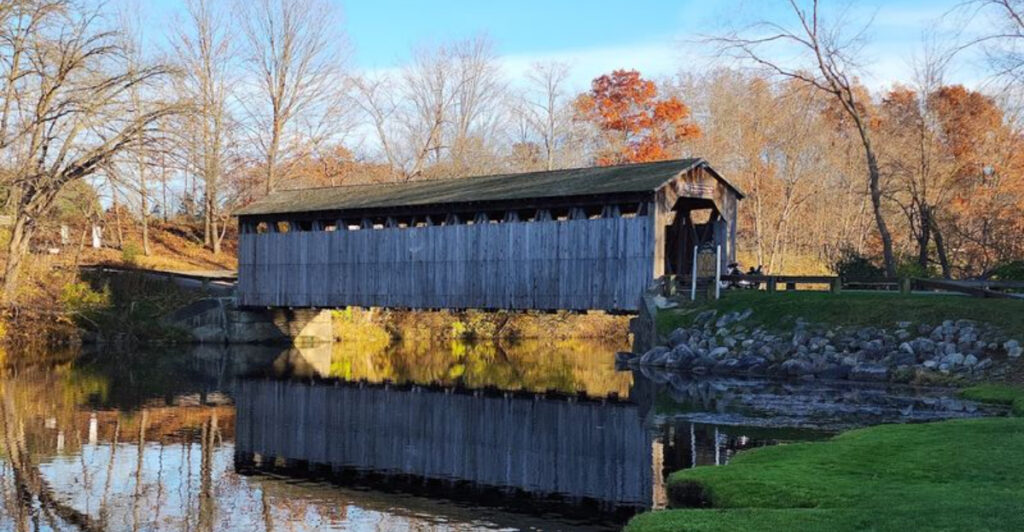
Covered bridges already feel rare in Michigan, but this one near Lowell carries extra presence. Fallasburg Covered Bridge stretches roughly 100 feet across the Flat River, giving it a longer, more dramatic profile than many visitors expect from a quiet roadside stop.
At first glance, the scene feels simple: wood beams, moving water, nearby parkland, and a slower pace. Look a little longer, though, and the bridge starts to feel like a piece of local history that still belongs naturally in the landscape.
For anyone who enjoys scenic detours, old structures, and Michigan places with a story built into the view, Fallasburg Covered Bridge is worth seeking out.
A 100-Foot Wooden Surprise Over the River
Long before the park comes fully into view, the bridge already sets the tone. Fallasburg Covered Bridge is not a tiny decorative structure tucked into a garden corner.
Its 100-foot length gives it real presence, so the first look lands more like a landmark than a quick roadside curiosity.
That size matters because it changes how the bridge reads against the landscape. Instead of appearing short and toy-like, it stretches across the Flat River with a steady, workmanlike shape.
The wooden sides, roofline, and enclosed form make the crossing look sturdy, practical, and deeply tied to another era of travel.
Seen from the bank, the bridge frames the water and trees in a clean, simple way. The red exterior stands out against green grass, leafy branches, and the darker river below.
During fall, the same structure picks up even more contrast as orange and yellow leaves surround the entrance.
Up close, the bridge looks even more interesting because the length becomes easier to judge. A person walking beside it can see how much timber was needed to carry a road over moving water.
That visual scale gives the site a stronger impact than many first-time visitors expect from a small-town historic stop.
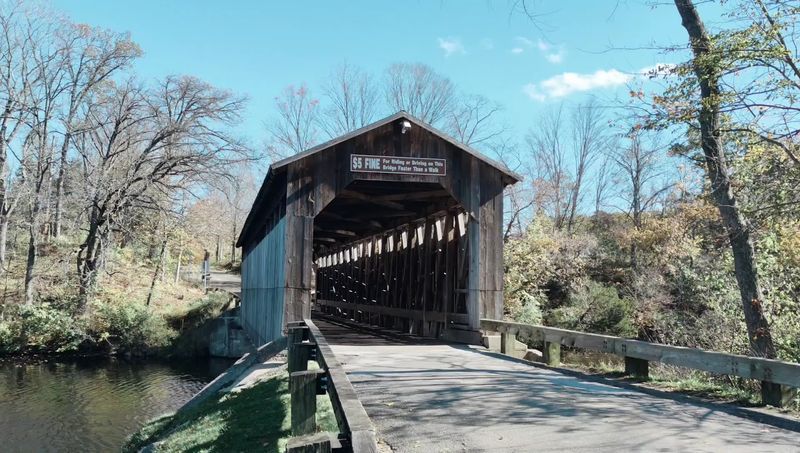
Cars can still pass through, which adds motion and helps show how long the enclosed span really is. One vehicle moving slowly through the center creates a scene that feels almost staged for a postcard.
Yet the setting remains relaxed, with grass, shade, and river views softening the structure’s bold lines.
For travelers who enjoy places that are easy to understand at a glance, this bridge delivers quickly. It is long enough to impress, simple enough to photograph, and old enough to spark curiosity.
In only a few minutes, the bridge explains why this Lowell landmark deserves far more attention than it usually gets.
One of the Rare Michigan Bridges You Can Still Drive Through
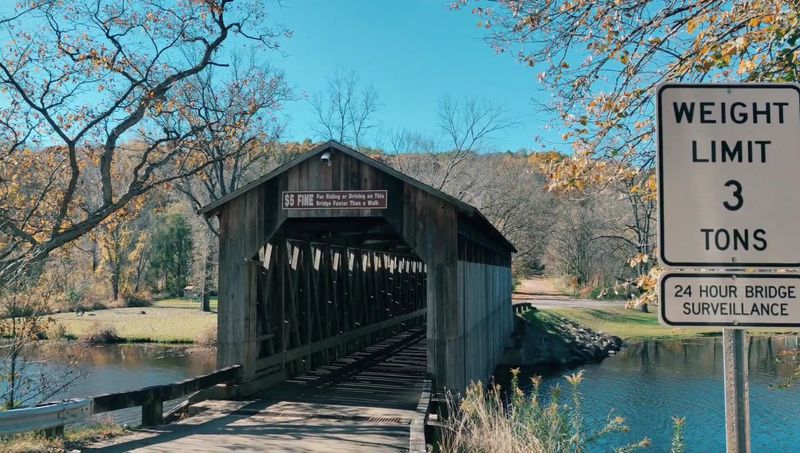
Few details make this place more fun than the fact that it still works as a real crossing. Fallasburg Covered Bridge is not sealed off as a display piece behind fencing.
It remains a one-lane bridge that carries vehicles at a slow pace, turning local history into an experience instead of a museum label.
That simple drive-through feature changes the mood right away. A covered bridge is nice to look at from the outside, but rolling through the wooden interior gives the structure a stronger sense of purpose.
The road narrows, the light shifts, and the beams overhead make the trip feel slower and more deliberate.
Because only one lane fits at a time, the crossing asks drivers to pay attention. There is no rush built into the design, and that is part of the appeal.
The bridge naturally encourages care, patience, and a pace that fits the calm river setting around it.
Walking through is rewarding too, especially for anyone who wants to notice details that are easy to miss from a car. The wood framing, the enclosed sides, and the length of the passage create a tunnel effect that feels old-fashioned in the best possible way.
Even a short walk across can feel more memorable than a much bigger modern bridge.
For families, the drive-through aspect gives children an easy hook. It is one thing to hear about a historic bridge and another to move through one that still serves the road.
That hands-on quality helps the site feel lively and real, not distant or untouchable.
Michigan has only a small number of covered bridges still open to vehicle traffic, which adds extra interest here. Fallasburg does not rely on gimmicks or heavy promotion.
Its strongest trick is wonderfully straightforward: it lets people cross the river the old way, one careful car at a time.
Flat River Views Turn the Stop Into More Than a Bridge Visit
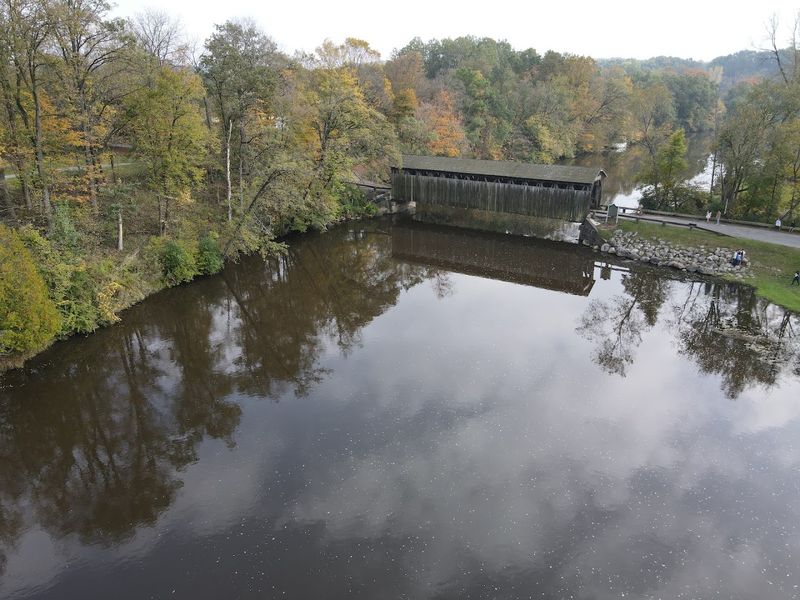
A bridge may be the headline, but the river setting gives the stop its staying power. Fallasburg Covered Bridge sits beside the Flat River, and that water adds movement, light, and a wider sense of space.
Without the river, the structure would still be interesting. With it, the whole scene becomes fuller and more inviting.
From the banks, the view changes throughout the day. Morning light can make the water look smooth and pale, while afternoon sun brings brighter reflections under the bridge.
Trees along the edge help frame the crossing, so even simple snapshots often come out balanced and scenic.
The parkland around the bridge adds another layer that travelers appreciate quickly. There are picnic areas, open lawns, and spots where families can settle in without feeling crowded.
Instead of pulling over for a two-minute look and leaving, many people end up staying longer because the space supports a slower outing.
Fishing and paddling fit naturally into the setting as well. The river is not just background decoration.
Seeing kayaks, canoes, or anglers along the bank reminds visitors that the area is active in a quiet, local way, with the bridge serving as both landmark and backdrop.
Shade matters here too, especially in warmer months. Mature trees help soften the summer heat and make a picnic or short walk easier.
That comfort level can shape the whole visit, especially for families with children or anyone hoping to relax before getting back on the road.
The best part is how easily the bridge and river work together in one compact stop. Architecture, water, and park space sit close enough that nothing feels disconnected.
A traveler can cross the bridge, look down at the Flat River, eat lunch nearby, and watch the landscape do the rest.
History Lives in the Landscape Around Fallasburg
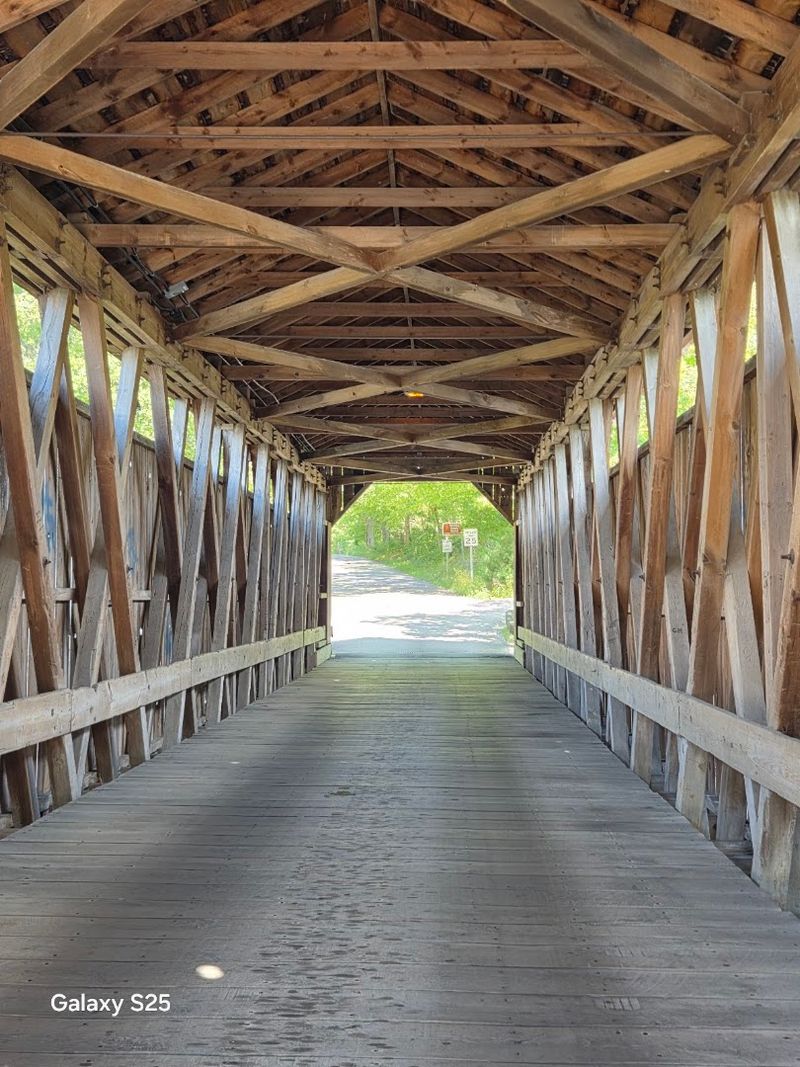
Some historic sites depend on signs to explain why they matter. Fallasburg has an easier job because the setting already carries much of the story.
The covered bridge stands in an area connected to the old village of Fallasburg, so the crossing is not isolated from its past. It remains part of a larger historic landscape.
That context makes a real difference. A covered bridge placed in a random roadside field might be attractive, but here the surroundings support the structure’s age and purpose.
The road, river, trees, and preserved character of the area help visitors picture a time when this crossing was a practical part of daily life.
The bridge itself reflects that older form of community travel. Long before fast highways shaped movement across Michigan, local roads depended on sturdy river crossings.
A covered bridge protected important wooden parts from weather, which helped extend the life of the structure and kept traffic moving through the area.
Nearby historic features in the Fallasburg area deepen the experience for anyone willing to explore beyond the bridge opening. The result is not a single object on display but a small cluster of reminders from an earlier chapter of Kent County life.
Even a short walk nearby can make the bridge feel more grounded and less separate from its surroundings.
Children often respond well to this kind of history because it is easy to see. There is no need to imagine tiny objects inside a case.
The road is still there, the river still runs below, and the bridge still spans the gap in a way that makes local history tangible.
For adults, the appeal is slightly different. The site offers a chance to connect architecture, transportation, and settlement patterns in one simple stop.
That blend gives Fallasburg more depth than a standard scenic pull-off, while still keeping the visit easy, open-air, and approachable.
Where to Stand for the Best Photos and the Quietest Moments
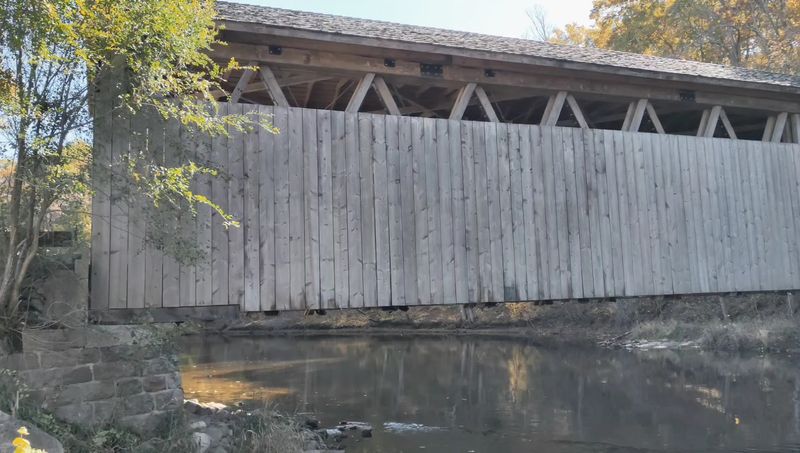
Timing can change this place more than people expect. Fallasburg Covered Bridge is photogenic at almost any hour, but the quietest moments usually come earlier in the day.
When the area is less busy, the bridge, river, and tree line are easier to frame without extra movement in the middle of every shot.
For classic pictures, the riverbank gives the strongest angle. Standing off to the side allows the full length of the bridge to show, which matters because its 100-foot span is a major part of the appeal.
From that position, the red exterior, the dark roof, and the water below all read clearly in one image.
Another smart approach is to shoot from near the entrance rather than directly inside the opening. That angle captures the geometric shape of the bridge while still showing the road leading toward it.
It also helps emphasize that this is a real crossing, not just an old structure placed for decoration.
Season matters too. Autumn can bring the boldest color around the bridge, while winter adds a quieter, sharper look if snow settles on the roof and surrounding ground.
Summer works well for green scenery and family photos, especially when the park is full but not overcrowded.
Anyone hoping for portraits should plan with patience. The bridge is a popular background for family pictures, engagement shots, and senior photos because the wood tones and simple lines do not compete with the subject.
A slower pace usually leads to better results than trying to rush through a crowded moment.
Even without a camera, the same advice applies. Walk a bit, pause by the water, and view the structure from more than one side.
The bridge changes character depending on light, season, and angle, which is exactly why a short stop here can stretch into a much longer visit.
An Easy Day Trip With Room to Picnic, Walk, and Slow Down
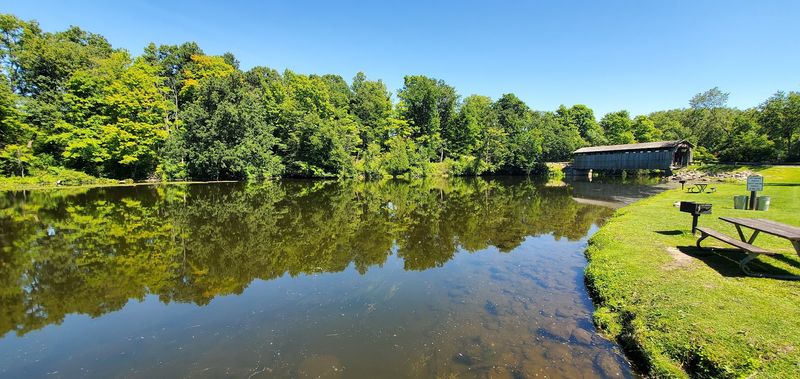
Not every historic landmark works well for a laid-back outing, but this one does. Fallasburg Covered Bridge is easy to pair with a picnic, a short walk, or a quiet break from the car.
The park setting gives the site flexibility, which helps it appeal to road trippers, couples, families, and local explorers alike.
Parking nearby makes the visit simple from the start. Instead of a long hike just to reach the main attraction, the bridge is accessible enough for people who want a short stop.
That convenience is especially helpful for grandparents, young kids, or anyone building the bridge into a larger day around Lowell.
Once parked, there is no need to rush. Picnic tables and open green space turn the stop into more than a quick photo errand.
Bringing lunch, snacks, or drinks can make the outing feel fuller, especially on a mild day when the shade from the trees keeps the area comfortable.
Walkers also get an easy reward here. Crossing the bridge on foot, looking toward the river, and exploring nearby paths can add just enough movement without turning the visit into a demanding outdoor trip.
That balance makes the site approachable for casual visitors who want scenery without a packed schedule.
Families often appreciate how many types of activity fit in one place. One person can take pictures while another watches the water, and children can burn off energy in the park area rather than standing still the whole time.
The bridge anchors the outing, but the surrounding grounds keep everyone engaged in different ways.
That versatility is a big reason the stop works so well. Some landmarks ask visitors to admire one object and move on.
Fallasburg offers a broader rhythm: arrive, cross, wander, rest, and take another look. It is a simple pattern, yet it turns a brief detour into a relaxed half day.
Why This Lowell Landmark Leaves Bigger Impressions Than Flashier Stops
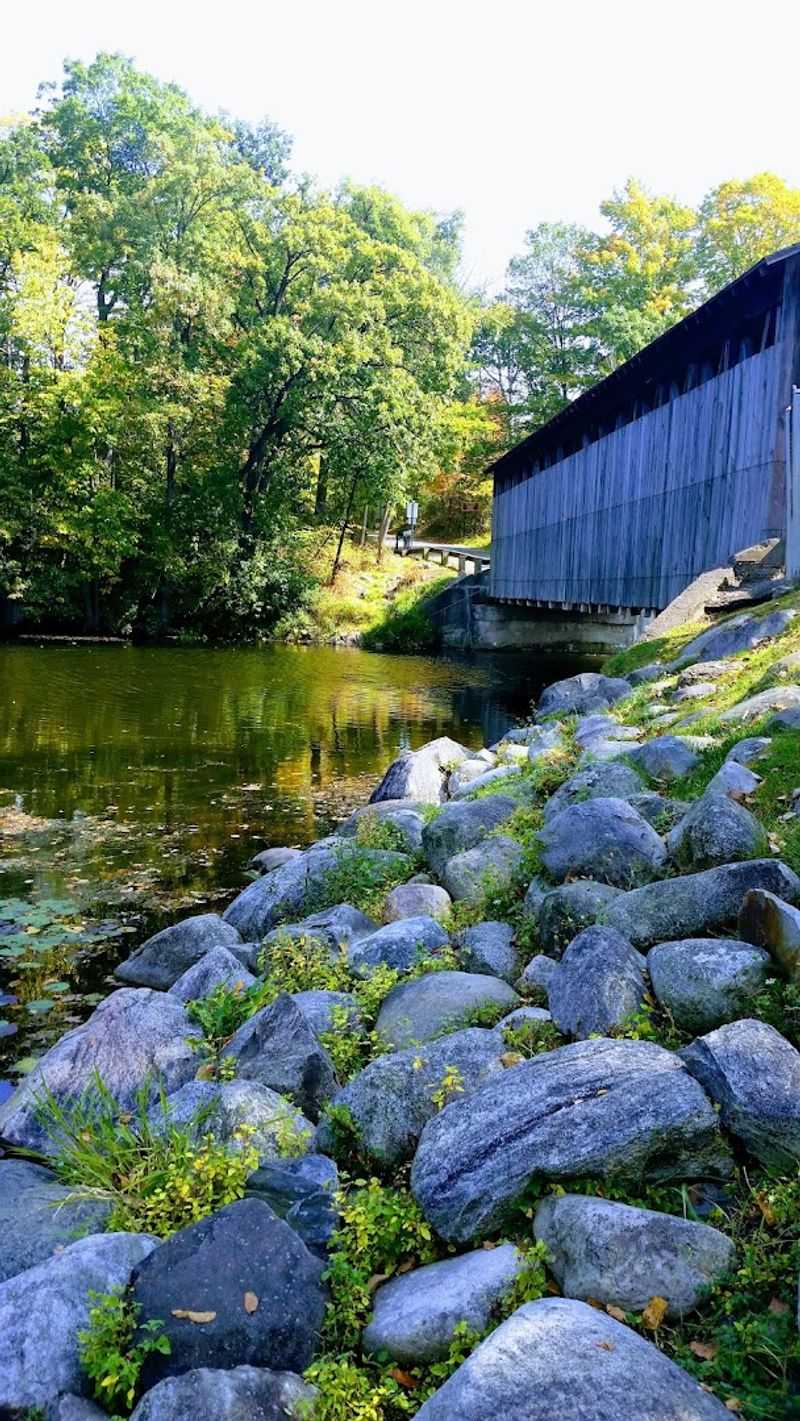
Some places grab attention with size, noise, or nonstop activity. Fallasburg Covered Bridge takes the opposite route, and that is exactly why it stands out.
The landmark does not need bright attractions around it because the bridge itself, the river, and the historic setting create a complete experience with very little extra help.
Part of its strength comes from balance. The site is scenic, but not overproduced.
It is historic, but not stiff or overly formal. It is easy to reach, yet once there, the landscape can seem pleasantly removed from busier roads and modern clutter.
The 100-foot span gives the bridge a stronger visual identity than many people expect from a rural crossing. Add the fact that it is still drivable, and the place gains another layer of interest right away.
Visitors are not just looking at preserved wood. They are watching an old structure continue to do its job.
Lowell benefits from having a landmark that works for several kinds of travelers at once. History fans can focus on the age and setting.
Photographers can study angles, light, and reflections. Families can enjoy the park, while casual explorers can simply pause for a peaceful stop and keep moving afterward.
That range matters because it broadens the bridge’s appeal without changing its basic character. Nothing about the site feels forced to entertain.
The experience depends more on noticing details, choosing a good time to visit, and letting the surrounding river landscape shape the mood.
In a state filled with lakeshores, dunes, and famous scenic drives, a covered bridge might seem like a smaller attraction. Fallasburg proves otherwise.
Its length, rarity, and setting combine into something clear and memorable: a Michigan landmark that stays simple, stays useful, and quietly outperforms bigger stops with less effort.
Share this story