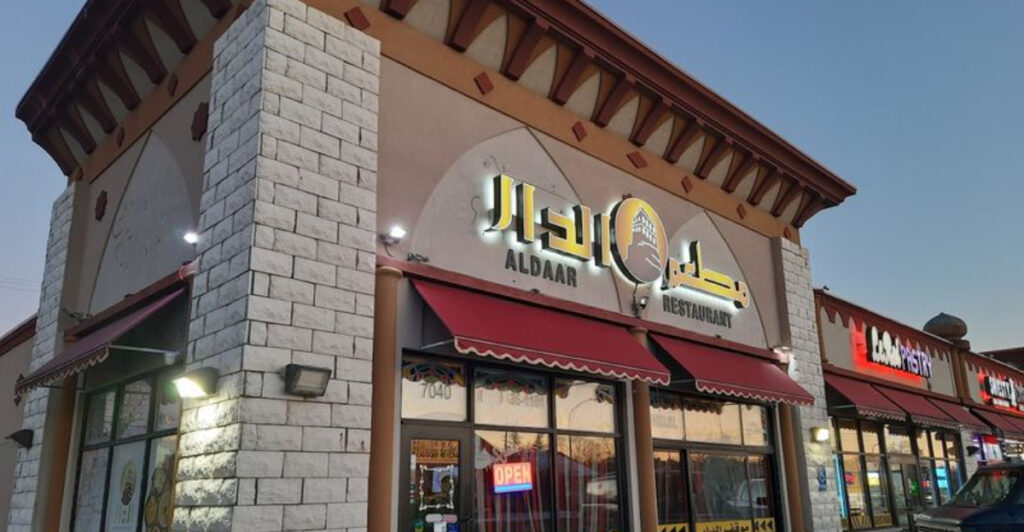
Tucked along Schaefer Road in Dearborn, Aldaar Restaurant has quietly built a reputation that spreads mostly by word of mouth. It serves traditional Yemeni food in a setting that feels genuinely rooted in culture rather than designed for Instagram.
For anyone curious about bold flavors, slow-cooked meats, and bread that comes out of a clay oven, this place has been on locals’ radar for good reason. The story of what makes Aldaar stand out goes well beyond a single dish.
The Fahsa That Regulars Keep Coming Back For
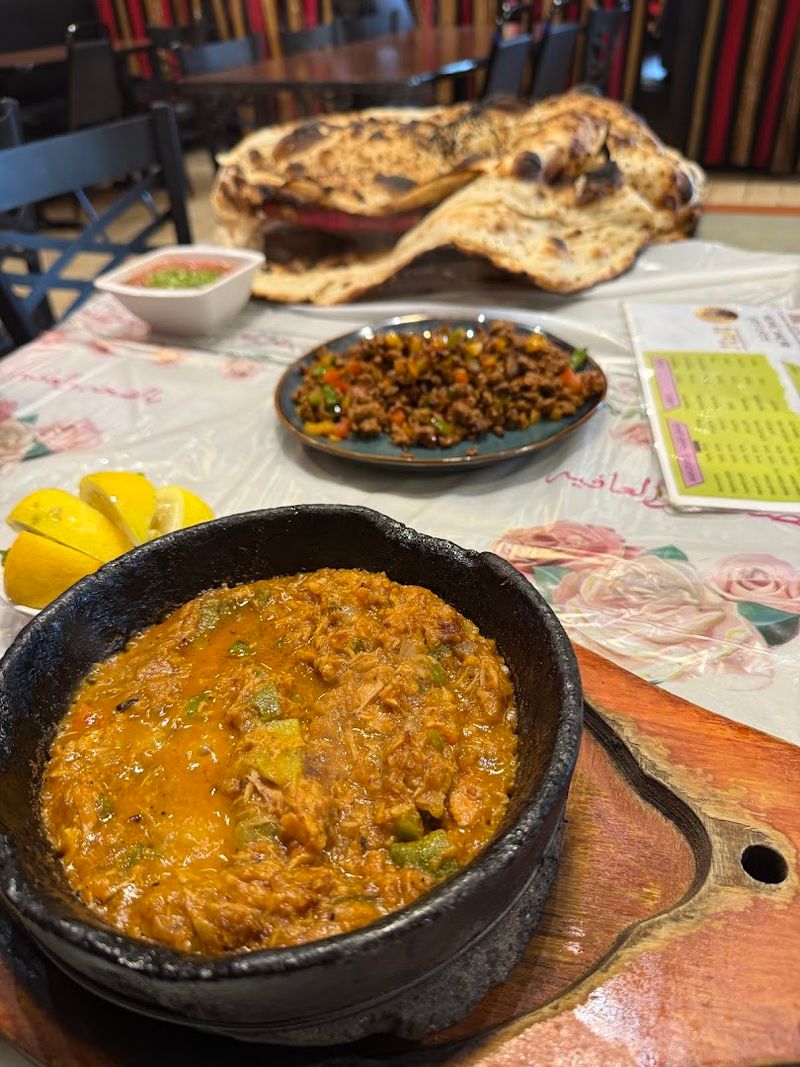
There is a dish at Aldaar that seems to come up in nearly every conversation about the place. Fahsa is a slow-simmered Yemeni stew, and the version here arrives in a small stone pot still bubbling at the edges.
The smell hits before the bowl even lands on the table.
Lamb or tuna, both versions have earned praise from people who know this dish well. The broth carries a deep, earthy warmth that comes from fenugreek and a careful layering of spice.
It is the kind of food that makes you slow down and pay attention to what you are eating.
One reviewer described it as rich, flavorful, and clearly prepared with care. That is not a small thing.
Fahsa is a dish with a very specific texture and aroma profile, and getting it right requires real kitchen discipline. When it misses, you know immediately.
When it lands, you remember it.
The bread that accompanies it deserves its own mention. Tanoor bread, especially the double portion, arrives warm and slightly charred at the edges.
It is the kind of bread that makes scooping the stew feel like the whole point of being there.
Fahsa is not a subtle dish. It asks something of the person eating it, a willingness to sit with bold flavor and let it work.
For first-timers, ordering it might feel like a leap. But most people who take that leap end up making it the reason they return.
The kitchen at Aldaar clearly puts real attention into this one, and it shows in every bowl that comes out.
Haneeth With Rice and What It Tells You About the Kitchen
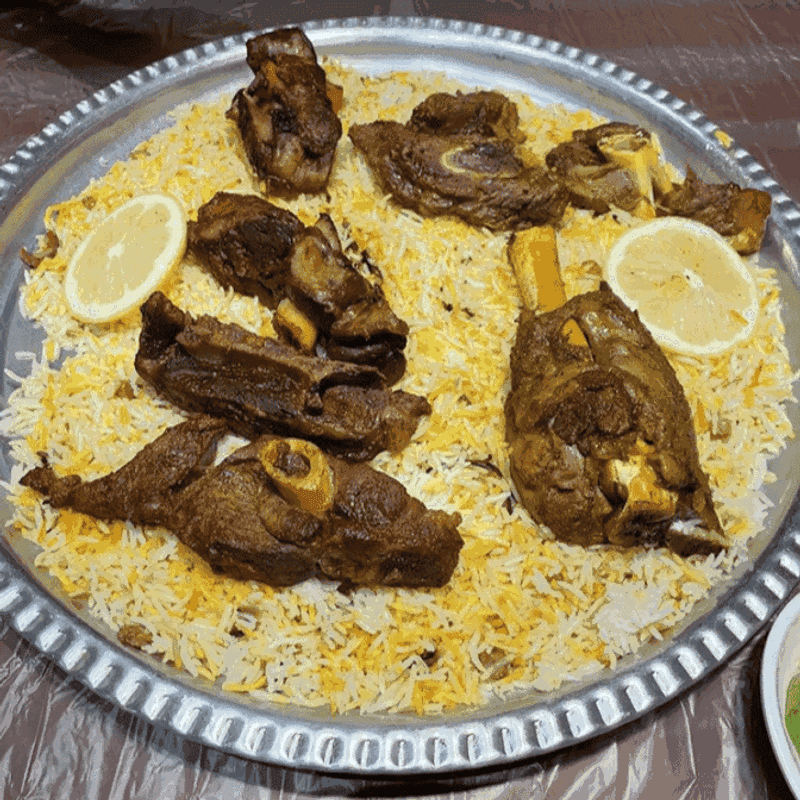
Slow-roasted lamb is one of those meals that either justifies the wait or makes you question every decision that led you there. At Aldaar, the lamb haneeth with rice falls firmly into the first category.
Multiple reviewers have called it out specifically, and one described it as affordable and delicious in the same breath, which is a combination that does not come around often.
Haneeth is a traditional Yemeni preparation where the meat is marinated and then slow-cooked until it pulls apart without any real effort. The rice underneath absorbs everything that drips from the meat during cooking, which means even the base of the dish carries flavor.
You are not eating rice as a side. You are eating it as part of the whole thing.
What this dish communicates about the kitchen is something useful to know before you visit. It suggests patience.
Slow-cooked food cannot be rushed, and a restaurant that does it well has clearly made a decision about how they want to cook rather than how quickly they want to turn tables.
The portions at Aldaar have been noted as generous across several reviews. For a mid-priced restaurant, that matters.
You are not leaving with the vague feeling that something was held back. The plate arrives like it was meant to satisfy, not impress from a distance.
If you visit with someone who has never tried Yemeni food, haneeth is a reasonable starting point. It is recognizable enough in concept, slow-roasted lamb and rice, but distinct enough in flavor that it opens up a real conversation about what you are eating.
That is a good quality in a dish.
The Bread Situation at Aldaar Is Worth the Trip on Its Own
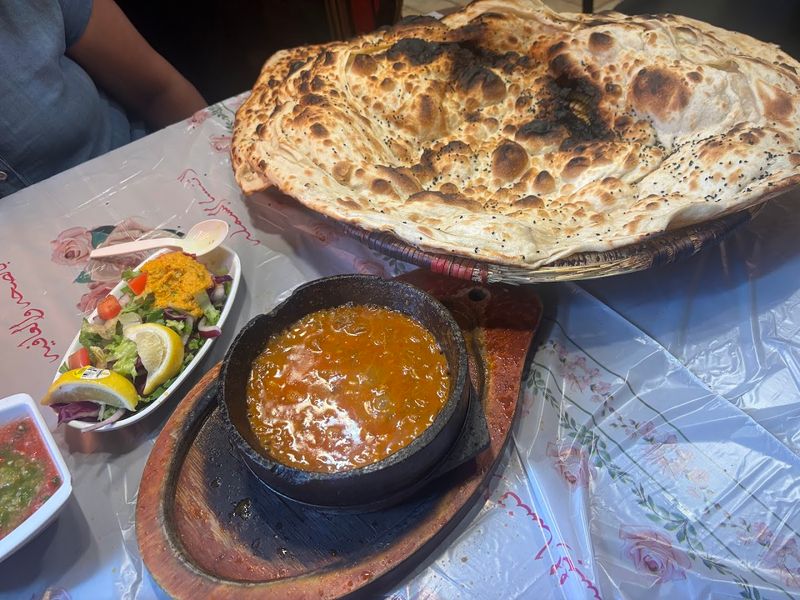
Bread at most restaurants is background noise. It shows up in a basket, you eat a piece, and then the real food arrives.
At Aldaar, the bread is the real food. Multiple people who have reviewed the restaurant specifically called out the tanoor bread as the best they have had, and a few made it the centerpiece of their entire visit.
Tanoor bread is baked in a clay oven, and the process gives it a texture that regular oven bread simply cannot replicate. The outside has a slight pull to it, with occasional char marks that carry a faint smokiness.
The inside stays soft. When it arrives at the table still warm, it is the kind of thing that disappears before any other dish is touched.
One reviewer mentioned stopping by specifically for breakfast and leaving with the impression that Aldaar has the best Yemeni bread they have encountered. That is a specific claim made by someone who presumably has a baseline for comparison.
It carries more weight than a general compliment.
The double tanoor option has been described as heavenly, which is the sort of word people usually hold back unless something genuinely surprises them. Ordering the double portion is a reasonable decision for anyone sharing a meal, and it pairs well with both the fahsa and the haneeth.
Bread as a cultural anchor is something Yemeni cuisine takes seriously, and Aldaar seems to understand that. It is not an afterthought or a way to fill the table.
It is a deliberate part of the meal, and the kitchen treats it accordingly. That alone separates this place from a lot of what you find in the area.
What the Space Feels Like When You Walk In
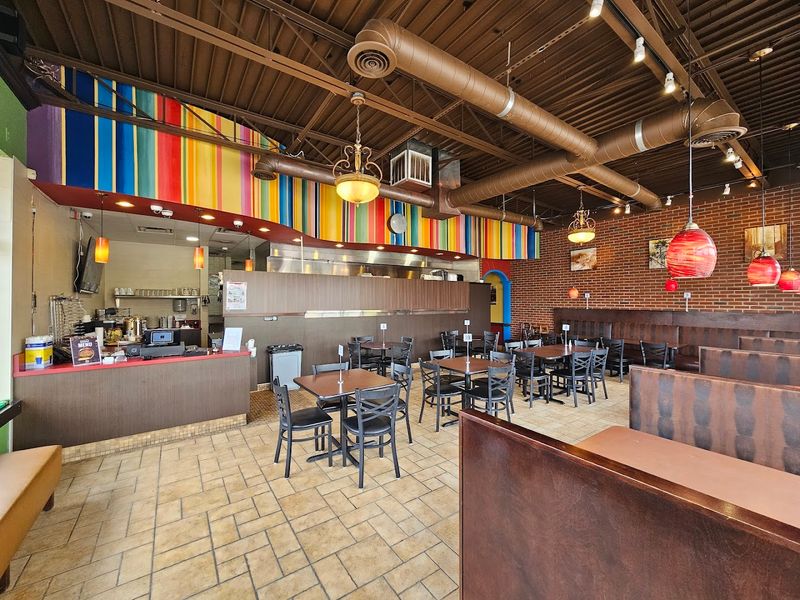
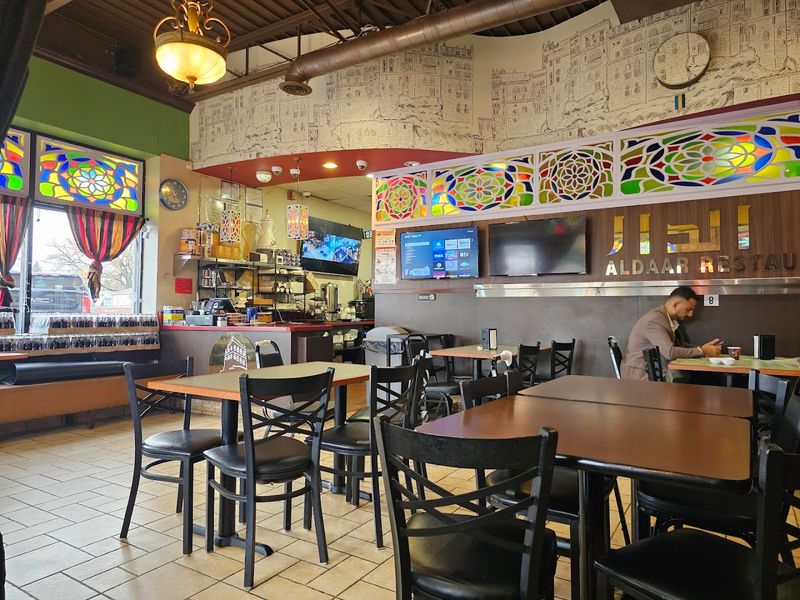
Aldaar is not a large restaurant. That comes up in reviews often enough to be worth mentioning before you arrive, because it shapes the whole feel of the place.
Smaller rooms create a different kind of energy than sprawling dining halls. The noise stays contained, conversations feel closer, and the food arrives from a kitchen that is not far away.
The restaurant has private booths available for groups or families who want a bit of separation from the main dining area. There is no extra charge for these, which is a detail that reviewers appreciated and mentioned unprompted.
For a family meal or a dinner where you want to actually hear the people you came with, that option matters.
The decor leans into traditional Yemeni style rather than trying to modernize or westernize the space. It is not flashy.
The focus is on the table, the food, and the people sitting around it. Some diners respond well to that kind of restraint.
Others might find it sparse. But the consistency between the food and the environment does make the whole visit feel coherent.
Parking is available on the side of the building, which is a practical detail that removes one layer of friction from the visit. On a busy night, that matters more than it sounds.
The owner, Khaleel, has been noted by name in multiple reviews as someone who is present during service and occasionally comes out to serve guests himself. That level of personal investment in a restaurant is something you either feel immediately or not at all.
At Aldaar, by most accounts, you feel it. The space is modest, but it has a clear sense of purpose behind it.
The Mandi Question and Why It Actually Matters
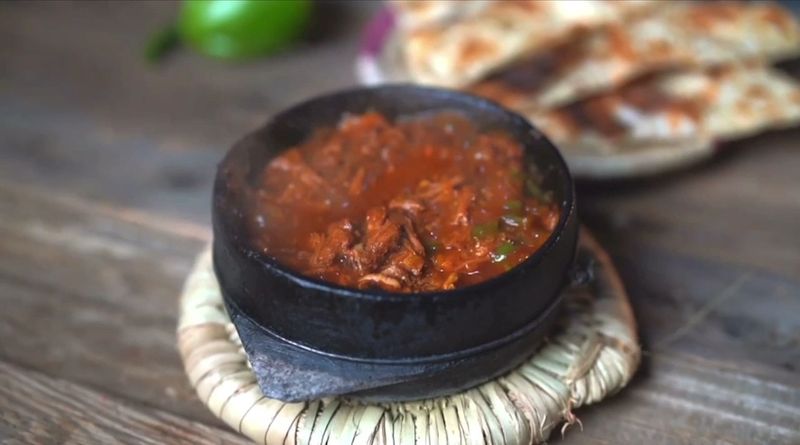
Mandi is one of the most recognized dishes in Yemeni cuisine. It is slow-cooked meat, usually lamb or chicken, prepared in a way that gives it a distinct smokiness and a tenderness that sets it apart from other roasted preparations.
At Aldaar, the mandi is made fresh daily and available until it sells out. That last part is the key piece of information.
A few reviewers have arrived hoping to order mandi and found it unavailable. The restaurant has explained that it sells out during busy periods, which is a reasonable explanation but also a source of real frustration for someone who planned the visit around that specific dish.
If mandi is your primary reason for going, calling ahead is a smart move.
One reviewer who did get the mandi chicken described it as delicious, noting the pepper that comes alongside it as a nice touch. The online ordering system apparently makes it easier to plan the meal in advance, though at least one person had their order canceled without notification, which is worth keeping in mind.
The mandi situation at Aldaar reflects something true about restaurants that cook in smaller batches. The food is fresher and more carefully prepared, but availability is not guaranteed the way it would be at a larger operation.
That trade-off is real, and knowing about it before you visit removes the disappointment factor entirely.
Chicken mandi specifically has come up in several reviews as a favorite. The flavor profile is distinct, and the way it pairs with the rice underneath has been noted more than once.
When it is available, it seems to land well for most people who order it. The trick is simply making sure it is on the table before you make the drive.
Lahm Seghar and the Small Details That Separate Good From Great
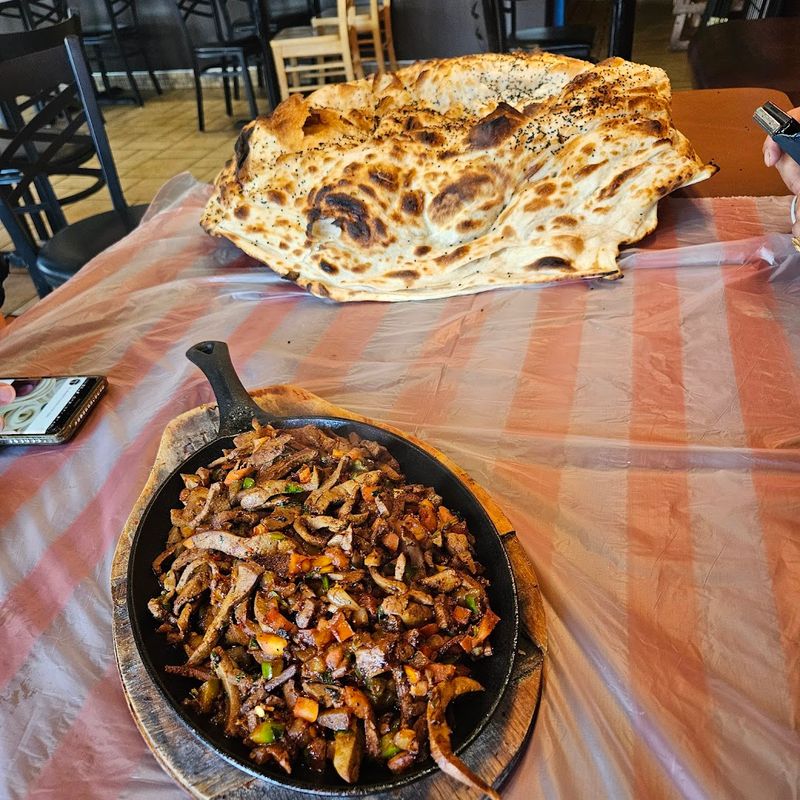
Not every dish at a restaurant needs to be the centerpiece. Lahm seghar, small cuts of lamb served with rice, is the kind of dish that earns its place on the table by being exactly what it is supposed to be.
At Aldaar, it has been ordered and reviewed alongside the more prominent dishes, and it holds its own.
One reviewer suggested adding more vegetables to the lahm seghar if you want a heartier base. That is the kind of practical note that comes from someone who actually ate the dish rather than just photographed it.
The restaurant responded warmly to that feedback, which says something about how they handle suggestions.
The lamb at Aldaar generally appears to be a strength of the kitchen. Whether it is the slow-roasted haneeth, the simmered fahsa, or the smaller cuts in lahm seghar, the meat preparation seems consistent.
That consistency across different preparations is harder to achieve than it sounds, and it suggests the kitchen has a clear approach rather than a collection of unrelated recipes.
Salad and soup come out quickly after you are seated, sometimes before you have fully decided what to order. Reviewers have noted this as a welcome gesture rather than an interruption.
It sets a pace that feels attentive without being rushed.
The price point across the menu sits at a range that most people would describe as reasonable for the portion sizes and the quality of ingredients involved. Lahm seghar fits into that pattern.
It is not the cheapest thing on the menu, but it is priced in a way that makes ordering it alongside another dish feel sensible rather than extravagant. Sometimes the supporting dishes tell you the most about a kitchen.
Why Dearborn Is the Right Place for a Restaurant Like This
Dearborn has one of the largest Arab-American communities in the country. That fact shapes everything about eating along Schaefer Road, from the variety of options available to the standards that locals hold restaurants to.
When a Yemeni restaurant earns a strong reputation in this neighborhood, it is not because the competition is thin.
Aldaar sits at 7040 Schaefer Road, which puts it in the middle of a corridor where food culture runs deep. The people eating at these restaurants often grew up with the dishes being served.
They know what fahsa is supposed to taste like, what good tanoor bread feels like in your hand, and whether the mandi was cooked with the right wood smoke. Impressing this crowd requires actual skill.
That context makes the consistent positive reviews at Aldaar more meaningful. A 4.3-star rating across hundreds of reviews in a neighborhood with serious culinary expectations is not something that happens by accident.
It reflects a kitchen that has found its footing and a front-of-house that mostly delivers on the promise of the food.
For visitors coming from outside Dearborn, the neighborhood itself is part of what makes the meal feel different. The shops nearby, the sounds, the mix of languages you might hear at adjacent tables, all of it adds something to the visit that a restaurant in a generic strip mall simply cannot replicate.
Aldaar is open seven days a week, starting at 10 AM. The restaurant can be reached at +1 313-439-8591, and there is an online presence at aldaar-restaurant.com for anyone who wants to check the menu before making the drive.
Coming in knowing what you want to order makes the whole visit run more smoothly.
Share this story