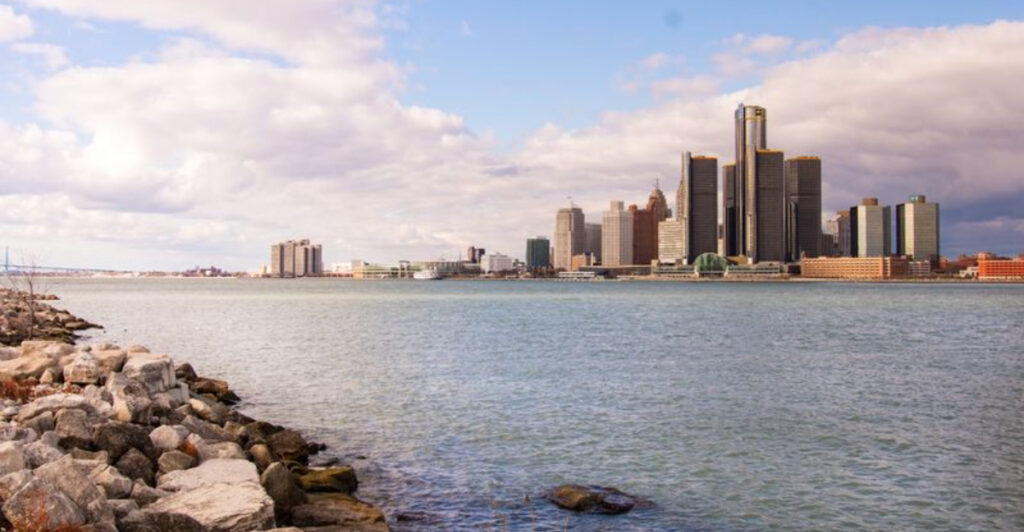
Detroit does not need much time to make a strong impression. This Michigan city brings together music history, bold public art, sports energy, riverfront views, inventive food, and neighborhoods that tell their own stories block by block.
The appeal comes from that mix of grit, creativity, and momentum — a place still building forward while holding tightly to the roots that made it famous. A few well-planned days here can move from museums and murals to coney dogs, live music, skyline views, and meals that feel unmistakably local.
For travelers who want a city break with personality, history, and real energy, Detroit delivers plenty to remember.
Riverfront Views That Set the Tone
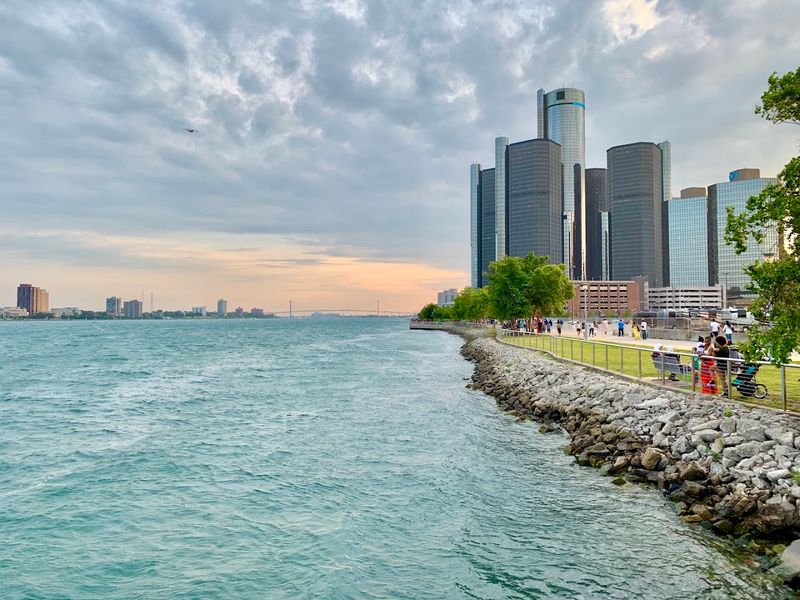
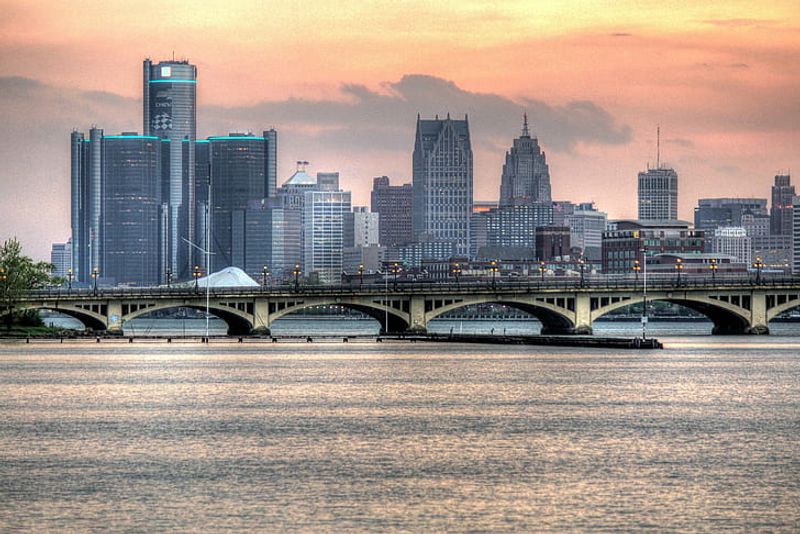
Detroit knows how to make a first impression, and the riverfront does the job fast. Water, skyline, and open walking space come together in a way that makes the city seem bigger, brighter, and easier to explore.
The Detroit Riverwalk is one of the smartest places to begin a short trip because it explains the city without needing a long lesson. On one side, glass towers and older buildings show Detroit’s mix of past and present.
On the other, the river keeps everything moving, with boats, changing light, and long views that make even a simple walk feel active.
Morning works well here if the goal is a calmer start. The path is good for a slow stroll, quick photos, or a coffee break on a bench while the skyline wakes up.
Later in the day, the area gets more energetic, with joggers, families, and groups moving between parks and public spaces.
Hart Plaza adds another layer, giving the waterfront a civic, event-ready edge. This part of downtown often acts like Detroit’s outdoor front room, where festivals, concerts, and public gatherings bring extra life when the calendar is busy.
Travelers who only have a weekend should use the riverfront as a map in motion. It connects nicely to downtown attractions and helps with direction, especially for anyone trying to understand how the city fits together.
Comfortable shoes matter, because the best way to enjoy this stretch is to keep walking a little farther than planned.
By sunset, the color on the water changes the whole mood. Buildings pick up warm light, the path slows down, and Detroit starts to look less like a headline and more like a place with room to breathe.
Inside the Detroit Institute of Arts, Michigan’s Big Cultural Win
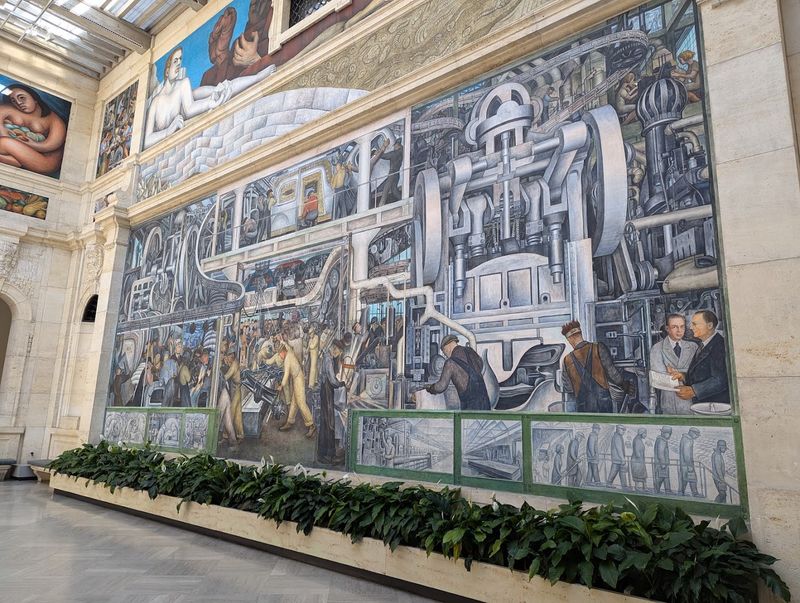
Few city breaks improve as quickly as one that includes a great museum, and Detroit has a standout. The Detroit Institute of Arts gives the trip depth, color, and a strong sense that this city has always taken creativity seriously.
The building itself feels grand without becoming stiff. Wide galleries, high ceilings, and a thoughtful layout make it easy to move from ancient objects to modern works without feeling lost or rushed.
Even travelers who do not usually plan museum time can settle in here because the collection offers constant variety.
The best-known stop is the Detroit Industry Murals by Diego Rivera. They are bold, busy, and packed with machinery, workers, motion, and detail tied to the city’s industrial story.
Standing in that space helps connect art to labor, history, and Detroit’s role in making things that shaped daily life across the country.
Other rooms reward curiosity in quieter ways. Decorative arts, paintings from different centuries, and changing exhibitions keep the visit from turning into one long history class.
There is always another corner that shifts the mood, whether through color, scale, or subject.
A short city break needs smart pacing, and this museum helps with that. Two hours can cover key highlights, while a half day allows time to wander, pause, and revisit favorite galleries.
It also works well in bad weather, making it one of the safest plan anchors in any Detroit itinerary.
Midtown adds to the appeal once the museum visit ends. The surrounding area gives travelers nearby streets to explore, places to eat, and a college-district energy that keeps the day moving.
Art here does not sit apart from the city. It fits directly into Detroit’s wider story of skill, work, and imagination.
Motown’s Small House With an Outsized Story
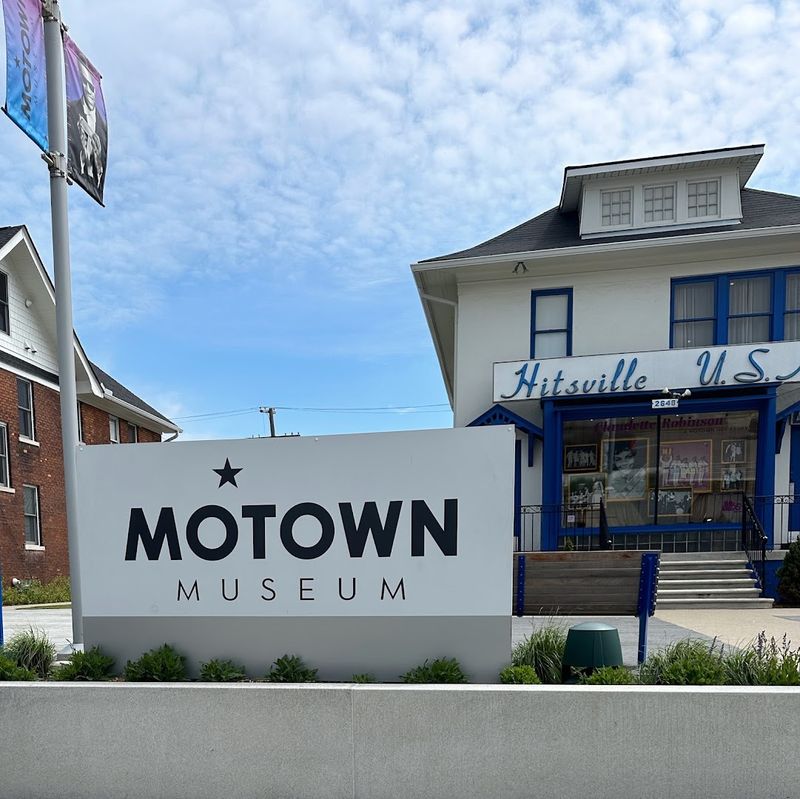
A small building can carry enormous cultural weight, and that is exactly the case at Motown Museum. The former Hitsville U.S.A. headquarters turns a regular street into one of Detroit’s most meaningful stops.
Scale is part of the power here. Instead of a giant complex that buries everything under flashy effects, the museum keeps the story close and personal.
Rooms where songs were written, recorded, and shaped remind travelers that world-changing music often begins in ordinary-looking spaces.
Detroit’s link to Motown is not just about famous names, though there are plenty of those. The deeper point is that the city helped build a sound that crossed age, race, and regional lines.
That history gives the museum energy beyond nostalgia, because it shows how local talent and strong vision can travel everywhere.
Inside, details matter. Studio spaces, photographs, costumes, and stories from the label’s rise make the visit feel grounded in real work rather than distant legend.
The setting helps explain how discipline, creativity, and timing all mattered in turning a Detroit label into a global force.
For a weekend traveler, this stop adds balance to the trip. After skyline views and major museums, Motown brings in sound, personality, and a more intimate slice of city history.
It is a strong choice for families too, since younger visitors can connect quickly to music even if they do not know every artist in advance.
Planning ahead is useful because the museum is one of Detroit’s signature attractions. A timed visit can help the day run smoothly, especially when paired with Midtown or downtown plans.
By the time the tour ends, Detroit no longer seems defined only by cars or industry. It starts to sound like harmony, ambition, and rhythm built room by room.
Motor City Energy Beyond the Nickname

Detroit carries the nickname Motor City with pride, but the story goes further than old slogans and factory images. Car history here is part invention, part labor story, part design lesson, and part civic identity.
Travelers can understand that legacy through museums, architecture, and the city layout itself. The auto industry shaped jobs, neighborhoods, road culture, and the way Detroit entered the world’s imagination.
Even for someone who is not especially interested in cars, the subject becomes more compelling once it is tied to people, growth, and the making of modern urban America.
The Henry Ford, in nearby Dearborn, is often included in a Detroit city break for good reason. It offers a wider view of innovation, manufacturing, and transportation in a way that adds context to Detroit’s rise.
Inside Detroit proper, signs of automotive influence continue through public art, old commercial buildings, and long-standing ties to engineering and production.
Design lovers will notice how deeply cars affected local style. Sleek lines, industrial materials, and practical beauty turn up in surprising places, from museum collections to theater details and downtown towers.
Detroit’s visual identity often reflects the same mix of boldness and utility that defined its factories.
This angle of the city works best when approached with curiosity rather than hero worship. The full story includes success, struggle, labor power, and change over time.
That makes it richer, and it gives a short trip more substance than a simple list of landmarks.
Anyone building a weekend schedule should place the auto story alongside music and art, not apart from them. In Detroit, those themes overlap constantly.
Machines helped build wealth, culture grew alongside industry, and the city’s character formed in the space where work, motion, and ambition met.
Markets, Coney Dogs, and a Table Full of Detroit Flavor
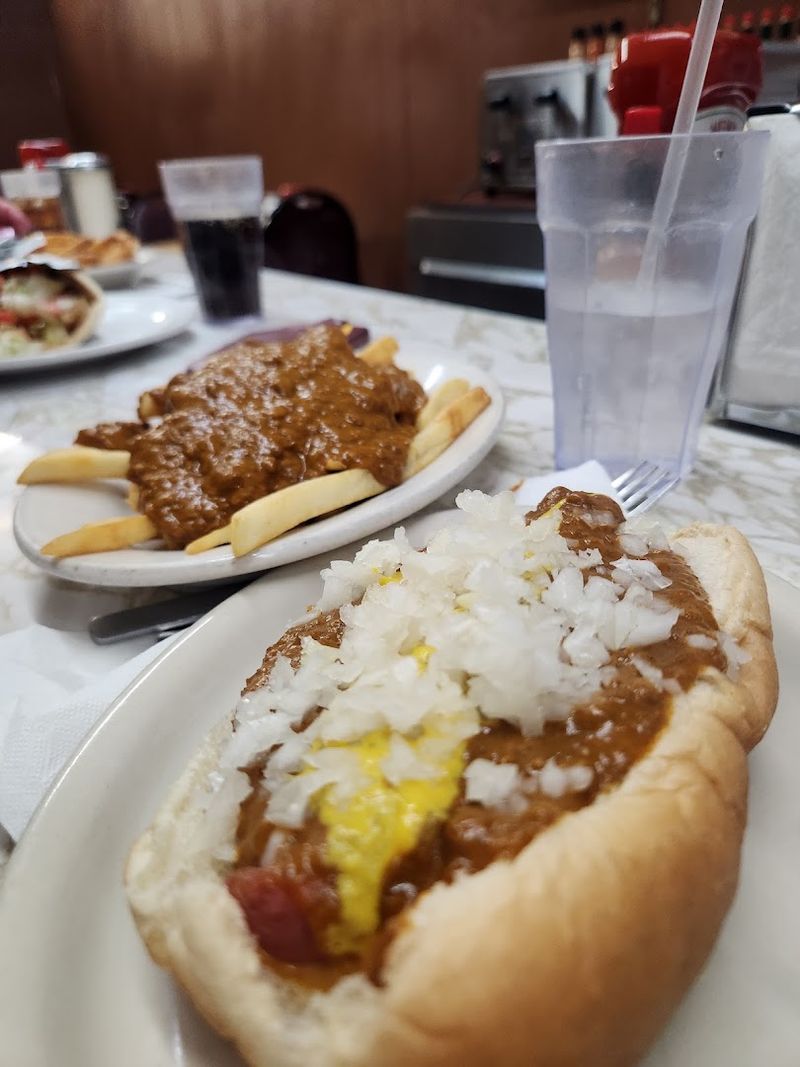
Any city break gets better when the meals tell part of the story, and Detroit delivers that in a direct, no-fuss way. The food scene mixes working-class classics, neighborhood tradition, and newer creative spots without losing its local backbone.
Coney dogs are one of the city’s best-known bites, and they are more than a quick lunch. Their place in Detroit food culture speaks to comfort, routine, and the kind of meal that belongs to everyday life rather than special occasions.
Trying one in the city where it matters most adds a sense of place that fancy dining cannot replace.
Detroit-style pizza brings another layer, especially for travelers who only know standard round pies. The thick, rectangular shape, crisp edges, and sauce placement give it a look and texture that stand apart immediately.
One slice can easily turn into a full meal, which is helpful on a packed sightseeing day.
Then there is Eastern Market, one of the strongest daytime stops for anyone who likes cities at street level. Produce, flowers, specialty foods, murals, and the movement of shoppers all create a setting that feels useful, social, and grounded.
Even without filling a bag, walking the area gives a sharp picture of local rhythm.
Detroit’s dining range keeps expanding, but the best approach is to mix old and new. A classic lunch, a market wander, and a dinner in a lively neighborhood can show more about the city than sticking to one style.
Food here often carries the marks of immigration, industry, and reinvention.
That combination makes meals part of the itinerary, not just breaks between attractions. In Detroit, a simple counter stool or market aisle can explain the city as clearly as any museum label.
Neighborhood Miles That Show Detroit’s Range
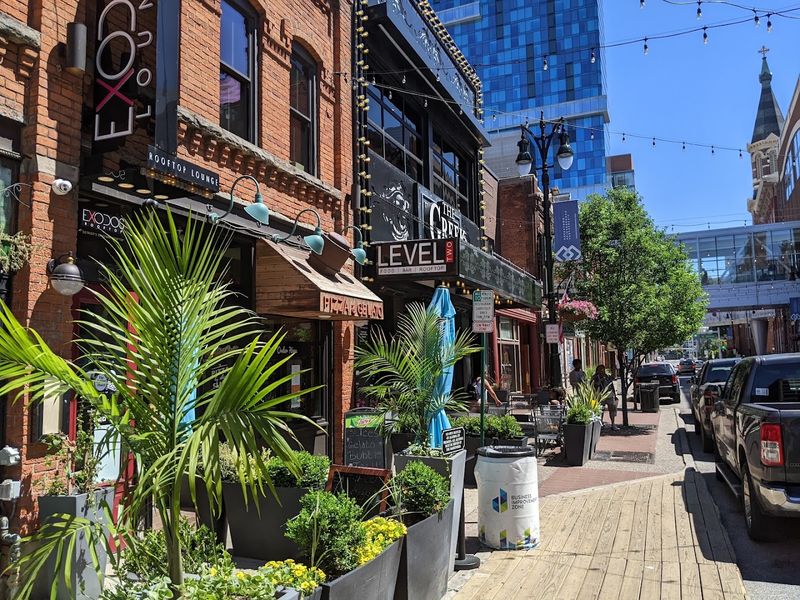
Detroit becomes more interesting once the trip moves beyond headline attractions and into its neighborhoods. Street by street, the city starts showing different personalities instead of one single image.
Corktown is often a favorite because it blends older buildings, restaurant energy, and a sense of ongoing change. Historic textures sit next to fresh businesses, creating blocks that reward slow walking.
It is the kind of area where lunch can easily turn into an extra hour of browsing, looking up at brickwork, or stopping for coffee.
Midtown offers a different mood. Cultural institutions, student life, and active streets give it a more academic and arts-centered rhythm.
The area works especially well for travelers who want a day that connects museums, dining, and easy movement without constant car trips.
Greektown adds another note, with bright signage, downtown buzz, and a location that fits nicely into evening plans. Nearby sports venues can change the pace of the whole district, especially on game days when the streets fill up and the city leans into its loud, social side.
Looking across neighborhoods also helps explain Detroit’s scale. This is not a place that reveals itself in one neat downtown square.
Distances, architecture, and block-to-block differences matter, which means planning smarter routes can save time and make the visit feel smoother.
Rideshares, walking sections, and selective use of a car often make the best combination for a short stay. Instead of trying to cover everything, it is better to choose two or three areas and pay close attention to how they differ.
One district may feel polished, another scrappier, another deeply residential.
That range is part of the city’s appeal. Detroit does not hand over one easy version of itself.
It asks travelers to notice contrast, and the neighborhoods provide the clearest introduction.
How to Shape a Smart Weekend in Detroit
A good Detroit weekend works best with a little structure and plenty of room for detours. The city offers enough variety that smart timing can turn a crowded plan into a smooth, satisfying break.
Start with geography. Downtown, Midtown, the riverfront, and a few chosen neighborhoods can cover a lot without making the trip feel rushed.
Grouping attractions by area is the easiest way to avoid spending too much time moving between places.
One strong first day might pair the Riverwalk, downtown landmarks, and an evening in Greektown or near the stadium district. That setup gives a clear opening picture of the city, mixing outdoor views with urban energy after dark.
On game nights or event nights, the atmosphere shifts quickly, so earlier dinner plans can help.
A second day often works well in Midtown, with the Detroit Institute of Arts and Motown Museum as anchors. Add time for a relaxed meal or coffee stop nearby, and the day stays full without becoming exhausting.
If the schedule allows, a market visit or a trip toward Dearborn can round out the broader Detroit story.
Weather matters in Michigan, so packing for changing conditions is a practical move in every season. Comfortable walking shoes, a light layer, and some flexibility can make a big difference, especially when indoor and outdoor plans are mixed together.
Detroit also rewards travelers who stay curious after the obvious stops are done. Public art, historic buildings, local shops, and small street details often give the trip its sharpest moments.
There is no need to force a checklist mentality here.
The city’s strength lies in balance. Big institutions, local food, music history, design legacy, and waterfront space all fit into one weekend without blending into the same experience. That is why Detroit stands out as a city break with real shape, not just scattered attractions.
Share this story