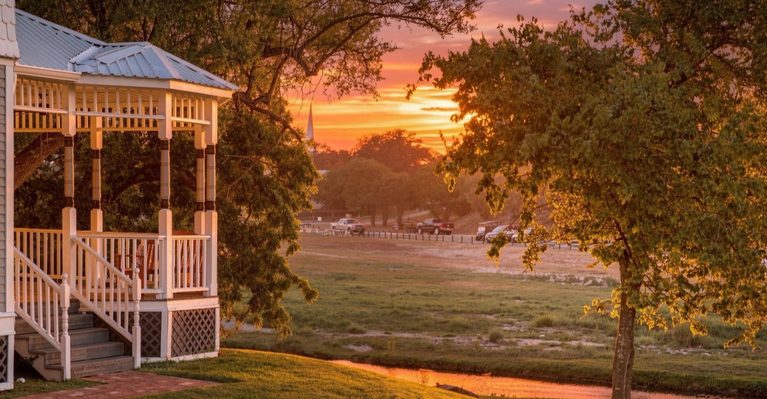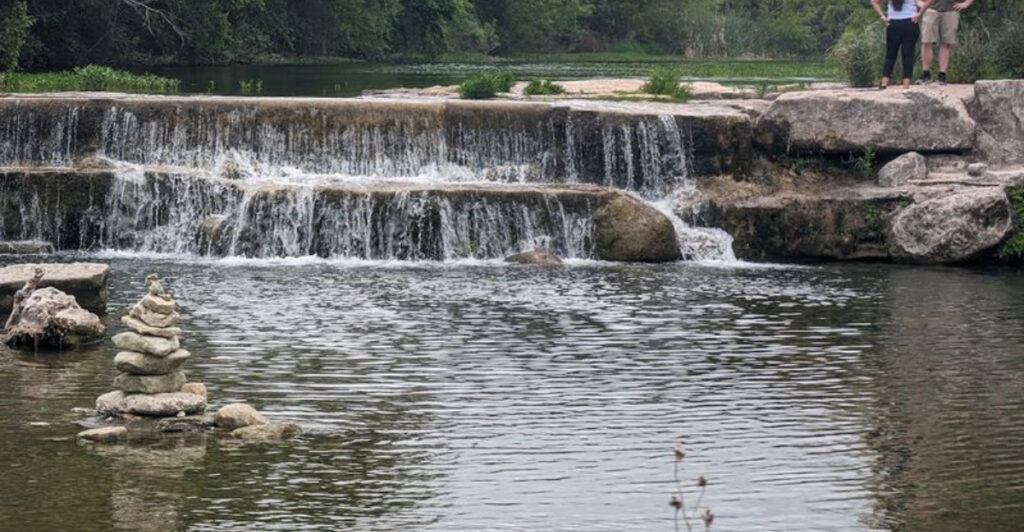
Right in the heart of Austin sits a trail that feels like stepping into a hidden canyon world, complete with waterfalls, limestone walls, and pools perfect for cooling off after a good trek. The Barton Creek Greenbelt offers one of the best quick escapes in Central Texas without requiring a long drive or an entire day of planning. Whether you’re chasing waterfalls, looking for a solid workout, or just want to let your dog splash around in the creek, this 1.3-mile stretch has something for everyone who loves the outdoors.
1. Irving and Hazeline Smith Memorial Trail: Your Gateway to Adventure
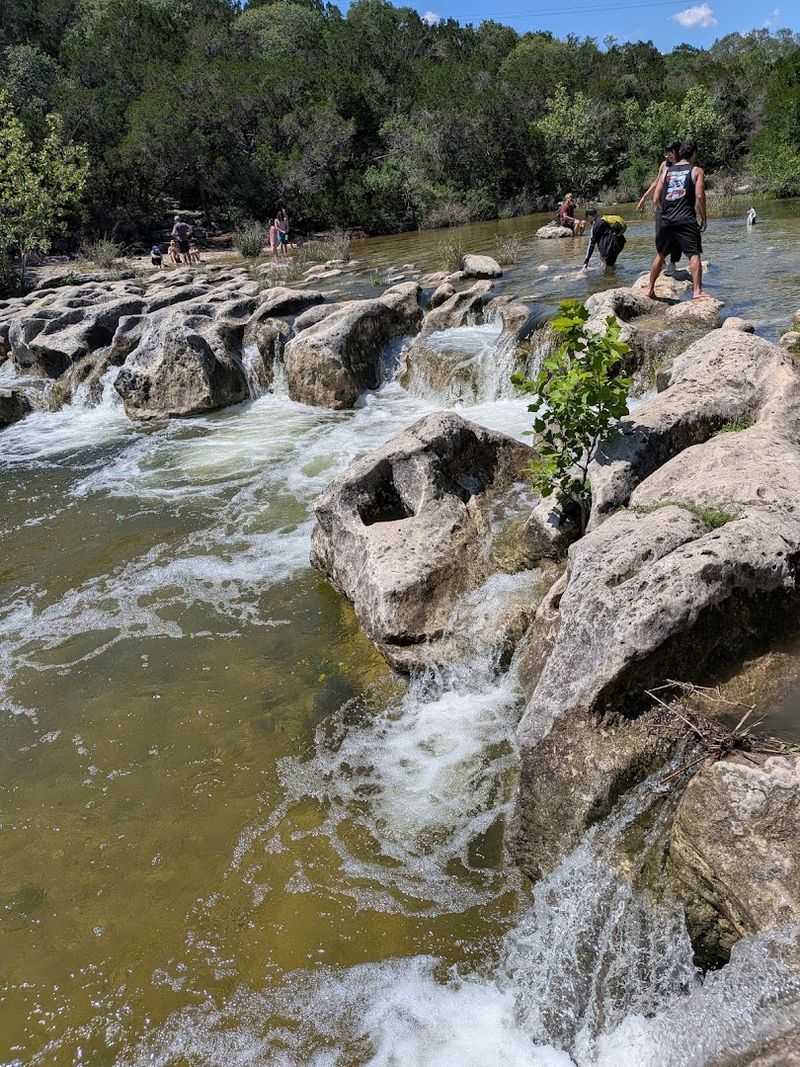
Most folks don’t realize that the Irving and Hazeline Smith Memorial Trail serves as one of the main arteries into the Barton Creek Greenbelt system. Named after two Austin conservation champions, this section connects you directly to some of the best natural features in the area. The trailhead sits conveniently off South Capital of Texas Highway, making it easy to access even if you’re coming from downtown or the suburbs.
What makes this particular entry point special is how quickly it drops you into a completely different world. Within minutes of leaving the parking area, you’re surrounded by towering live oaks and cedar elms that create a thick canopy overhead. The temperature drops noticeably once you’re under that shade, which becomes a lifesaver during those brutal Texas summer months.
The trail itself follows the natural contours of the land, winding alongside Barton Creek as it carves through layers of ancient limestone. You’ll notice the rock formations change color depending on the time of day and how the sunlight filters through the trees. Early morning hikers often catch glimpses of deer moving through the underbrush, while evening walks bring out the bats and night birds.
Parking can fill up fast on weekends, especially during spring when the weather is perfect and the water is flowing strong. Arriving before 8 AM gives you the best shot at snagging a spot without circling the neighborhood. Just remember not to leave valuables visible in your car, as several visitors have reported break-ins over the years.
2. Twin Falls: Double the Beauty, Double the Reward
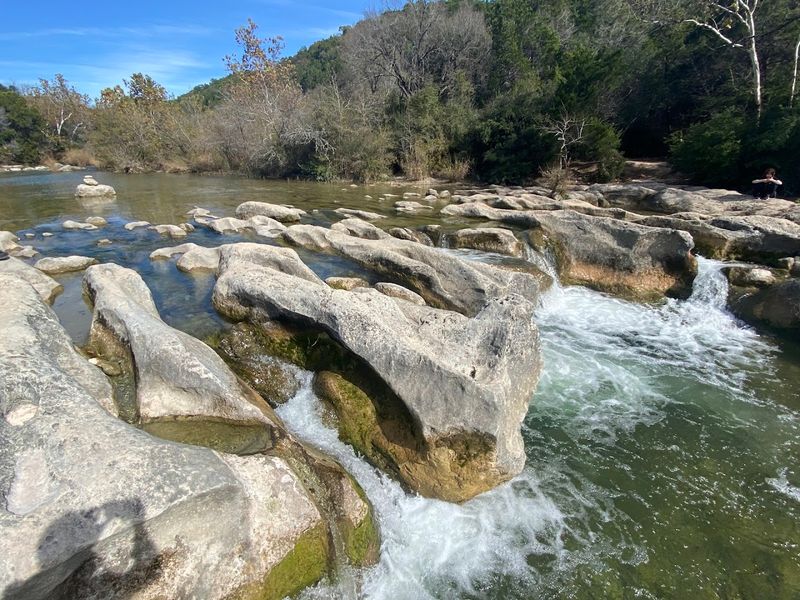
About 0.6 miles into your hike, you’ll hear the sound of water before you see it. Twin Falls earned its name honestly, featuring two separate cascades that tumble over smooth limestone ledges into crystalline pools below. When the creek is running strong after good rains, this spot transforms into one of the most photogenic locations in all of Austin.
The falls aren’t massive by any means, but their beauty lies in the intimate setting. Limestone walls frame both sides, creating a natural amphitheater that amplifies the sound of rushing water. During peak flow in spring and after heavy storms, the pools at the base become deep enough for a refreshing dip, though the water stays bracingly cold year-round thanks to the constant shade.
Here’s the reality check though: Twin Falls is heavily dependent on recent rainfall. During dry spells, especially in late summer and fall, the falls can disappear entirely, leaving only dry rock formations and shallow puddles. Checking recent rain reports or looking at current photos on social media before your visit saves disappointment.
Even without water, the geological features remain impressive, showcasing millions of years of erosion and limestone deposition.
The area around Twin Falls sees heavy foot traffic on nice weekends, so expect company if you visit during prime hours. Weekday mornings offer a much quieter experience, letting you actually hear the water and birds instead of competing conversations. Dogs absolutely love this spot, splashing through the shallows and cooling off between stretches of trail.
3. Limestone Cliffs That Tell Million-Year Stories
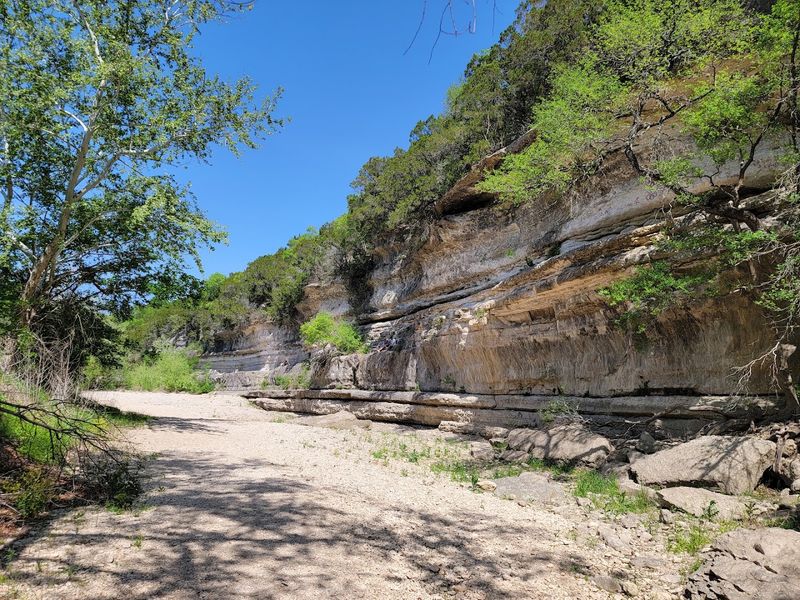
Walking through the Greenbelt feels like flipping through a geology textbook that actually makes sense. The limestone cliffs rising on both sides of the trail weren’t formed yesterday; they represent millions of years of ancient sea beds compressed into solid rock. You can actually see distinct layers in the stone, each one representing a different era when this part of Texas sat underwater.
These aren’t just pretty rocks either. The cliffs provide critical habitat for numerous species, from nesting birds to small mammals that make homes in the crevices and caves. Rock climbers also love these walls, and you’ll occasionally spot someone scaling the vertical faces with ropes and harnesses.
The textured surface of the limestone offers excellent grip, making it popular for both beginners and experienced climbers.
Fossil hunters keep their eyes peeled along these cliffs too. Ancient marine creatures left their marks in the stone, and patient observers can spot shell imprints and other remnants of prehistoric life. Kids especially get excited when they discover these natural treasures, turning a regular hike into an impromptu science lesson.
The cliffs also play a practical role in making this hike so enjoyable. They block wind and create natural shade corridors that keep temperatures manageable even when the rest of Austin is baking. Their presence also means the trail stays relatively dry and firm, since the rock walls channel water away from the main path during storms.
4. Crystal-Clear Creek Swimming Holes
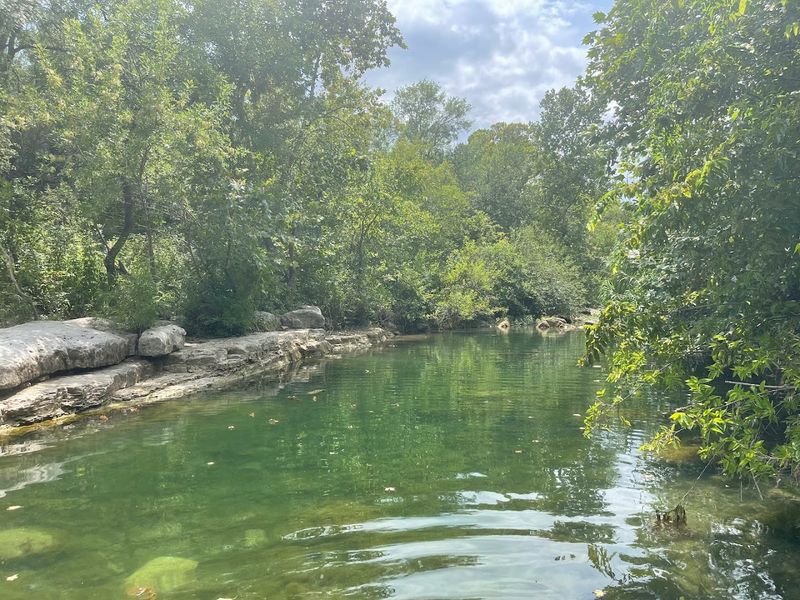
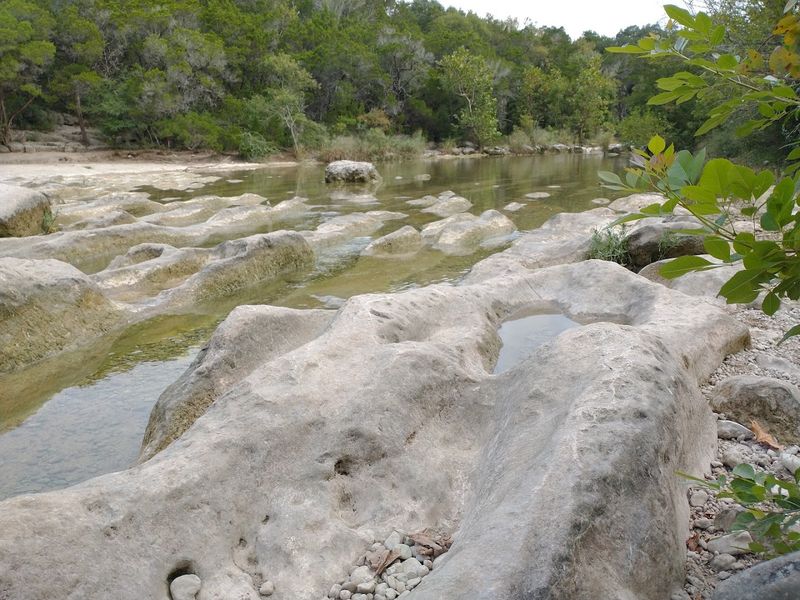
When Barton Creek is flowing, it runs with some of the clearest water you’ll find in Central Texas. The limestone bedrock acts as a natural filter, and the spring-fed nature of the creek keeps it cool and transparent. On sunny days, you can see straight to the bottom even in pools that are several feet deep, watching minnows dart between rocks and aquatic plants sway in the gentle current.
Several swimming holes dot this 1.3-mile stretch, ranging from ankle-deep wading spots perfect for kids to deeper pools where adults can actually swim a few strokes. The most popular spots develop naturally where the creek widens and slows, allowing sediment to settle and creating those picture-perfect turquoise pools. Smooth limestone shelves provide natural seating areas where you can dangle your feet or lay out and dry off after a dip.
Fair warning: this water stays cold. Even in the middle of August, the spring-fed creek hovers around 68-72 degrees, which feels absolutely shocking when you first jump in. Most people ease in gradually, though there’s always someone brave enough to cannonball straight into the deepest section.
After hiking in the heat, though, that cold shock becomes incredibly refreshing.
Water levels fluctuate dramatically based on rainfall patterns. After a good storm, the creek can swell from a gentle trickle to a rushing torrent within hours. During extended dry periods, some sections dry up completely, leaving only damp rocks and occasional puddles.
Checking recent weather and water reports before your visit helps set proper expectations.
5. The Infamous Stairway to the Gods Climb
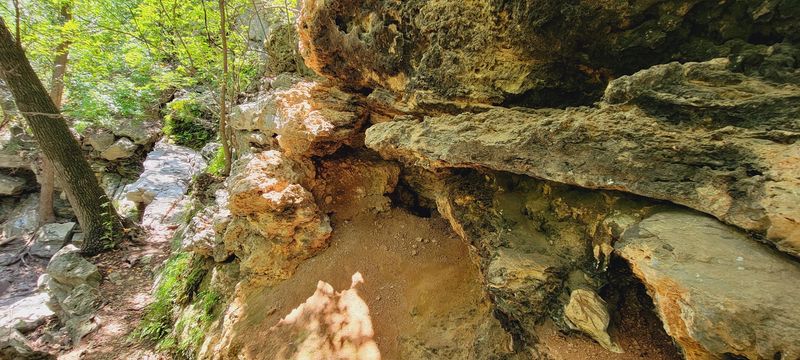
Every Greenbelt regular knows about the Stairway to the Gods, that final punishing climb that waits for you just when your legs are already tired from the hike. This isn’t an official name you’ll find on any map, but ask any local and they’ll know exactly what you’re talking about. The nickname comes from how the steep, rocky ascent seems to go on forever, testing your endurance right at the end.
Technically, this section consists of a series of natural limestone steps and switchbacks that gain elevation quickly over a relatively short distance. Your calves and quads will definitely feel the burn, especially if you’ve been hiking for a while already. Some people power through it as a workout challenge, while others take their time, pausing to catch their breath and admire the view that improves with each step upward.
The climb serves as a reminder that what goes down must come back up. Since the trail descends into the Greenbelt at the beginning, you’re essentially hiking out of a natural bowl on your return trip. That elevation change isn’t huge in terms of raw numbers, but after walking on relatively flat terrain alongside the creek, the sudden vertical challenge catches many hikers off guard.
Despite the intimidating nickname, the Stairway to the Gods is totally manageable for most people with average fitness levels. Taking breaks is perfectly acceptable, and there’s no shame in pausing to let faster hikers pass. Many people actually use nature identification apps during these rest stops, turning the climb into an opportunity to learn about local plants and birds.
6. Dog Paradise with Off-Leash Freedom
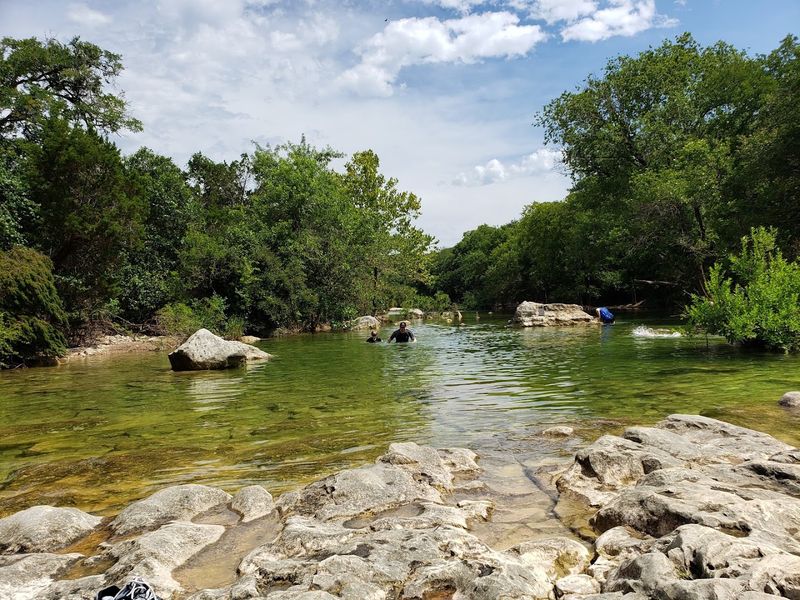
If your dog could choose their favorite Austin destination, the Barton Creek Greenbelt would probably top the list. This trail system allows off-leash dogs in certain sections, making it one of the most popular spots for canine adventures in the entire city. You’ll see everything from tiny Chihuahuas to massive Great Danes, all equally thrilled to be exploring the great outdoors.
The creek itself becomes the main attraction for water-loving breeds. Labs, retrievers, and other swimming enthusiasts make a beeline for the pools, splashing around and cooling off with obvious joy. Even dogs who normally avoid water often can’t resist wading through the shallow sections, especially on hot days when that cold creek feels like heaven.
Bring an old towel for the car ride home, because your pup will definitely get wet and muddy.
Trail etiquette matters here since the path sees heavy use from hikers, runners, and mountain bikers. Even in off-leash areas, your dog should have solid recall skills and respond to voice commands. Not everyone loves dogs, and some people feel uncomfortable around off-leash animals, regardless of how friendly they are.
Keeping your dog under control and being respectful of other trail users helps maintain the privilege of off-leash access.
Pack extra water for your furry friend, especially during warmer months. While the creek provides natural hydration opportunities, you can’t always count on water being present during dry spells. Collapsible bowls work great for trail use and take up minimal space in your backpack.
Watch for signs of overheating, and don’t push your dog to keep pace if they’re struggling with the heat or terrain.
7. Best Times to Visit for Optimal Conditions
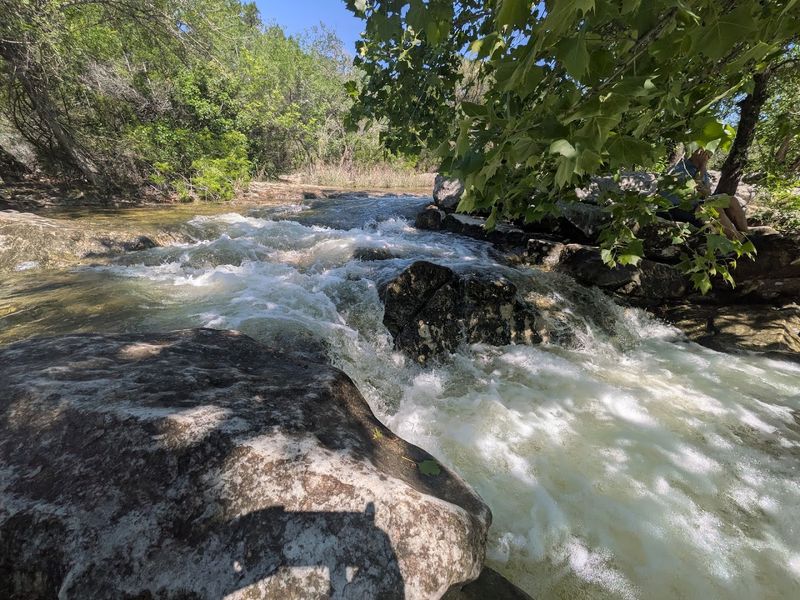
Timing your visit to the Greenbelt can make the difference between a magical experience and a frustrating one. Spring, particularly March through May, offers the sweet spot when wildflowers bloom, temperatures stay comfortable, and the creek typically flows strong from winter and spring rains. You’ll find the waterfalls at their most impressive during these months, with enough water volume to create that satisfying rushing sound and deep pools perfect for cooling off.
Fall brings its own appeal, though water levels tend to drop significantly by October and November after the long Texas summer. The upside is that cooler temperatures make hiking much more pleasant, and the reduced crowds mean you can actually find solitude on the trail. Early morning visits during fall often bring misty conditions that create ethereal lighting through the tree canopy.
Summer hiking requires strategy and preparation. The heat can be absolutely brutal from June through September, with temperatures regularly climbing above 95 degrees. If you’re determined to visit during these months, aim for the earliest possible start time, ideally hitting the trail by 7 AM or earlier.
The shade helps, but there’s no escaping the humidity, and water becomes absolutely essential for both humans and dogs.
Winter offers surprisingly pleasant hiking conditions, with mild temperatures and fewer crowds. The creek may run low or dry depending on rainfall patterns, but the comfortable weather makes up for potentially reduced water features. Weekday mornings during winter provide the quietest trail experience, sometimes feeling like you have the entire Greenbelt to yourself.
8. Practical Tips for a Smooth Visit
Successfully navigating the Barton Creek Greenbelt requires a bit of planning beyond just showing up with good intentions. The trail marking system could definitely use improvement, and several reviewers mention taking wrong turns or getting temporarily disoriented. Download an offline map on your phone before heading out, since cell service can be spotty in the deeper sections of the Greenbelt.
Apps like AllTrails provide detailed maps that show your exact location even without signal.
Footwear matters more than you might think. Those limestone rocks stay slippery when wet, and the trail includes plenty of uneven surfaces, loose gravel, and occasional steep sections. Proper hiking shoes or trail runners with good tread prevent twisted ankles and provide the grip you need on wet rocks.
Leave the flip-flops and fashion sneakers at home, no matter how short you think your hike will be.
The parking situation deserves mention since it causes frustration for many visitors. The main access points fill up quickly on weekends and holidays, sometimes as early as 9 AM during peak season. Street parking in nearby neighborhoods is an option, but be respectful of residents and follow all posted signs.
Never block driveways or park in spots marked for residents only. The unfortunate reality is that car break-ins do occur, so take valuables with you or leave them at home entirely. An empty, unlocked car is actually safer than a locked one with a visible phone or bag inside.
Bring more water than you think you’ll need, especially during warmer months. That 1.3-mile distance sounds short, but the combination of heat, humidity, and the final climb out can leave you surprisingly dehydrated. A small first-aid kit, sunscreen, and bug spray round out the essentials for a comfortable hike.
Share this story