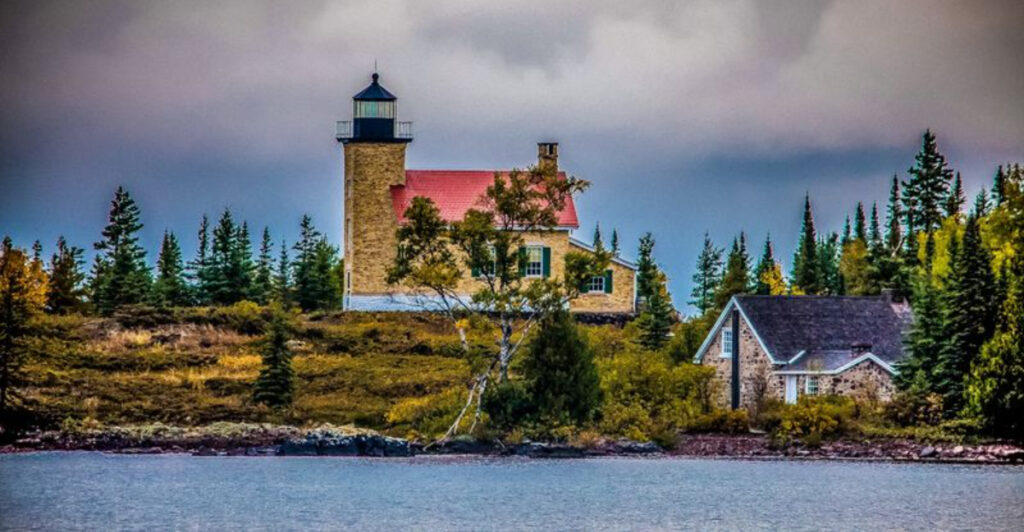
Michigan is full of surprises hiding in plain sight. Some of the state’s most memorable places don’t make the top travel lists, and that’s exactly what makes them worth the detour.
From ghost towns to gravity-defying hills to towns literally named Hell, this road trip is anything but ordinary. Pack some snacks, charge your phone, and get ready to see Michigan in a way most people completely miss.
1. St. Ignace and the Mystery Spot
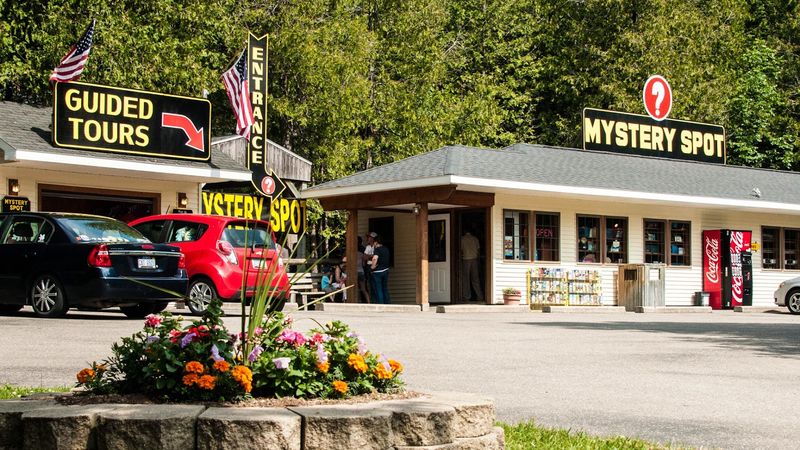
Somewhere between the Upper Peninsula’s rugged forests and the busy Mackinac Bridge, there’s a crooked little shack that has been messing with people’s heads since 1953. The Mystery Spot in St. Ignace is one of Michigan’s most beloved roadside oddities, and it earns every bit of that reputation.
Balls roll uphill, people seem to shrink and grow, and guides stand at impossible angles without falling over.
Science-minded folks will tell you it’s all an optical illusion created by the tilted environment. But standing inside it, your brain refuses to cooperate with that explanation.
The disorientation is real, the laughter is contagious, and the whole experience costs very little money.
St. Ignace itself is a small town that most people just pass through on their way to Mackinac Island. That’s a mistake.
The waterfront is genuinely beautiful, the fudge shops are dangerously good, and the local history tied to French explorers and Native American culture runs deep. There’s a reason people have been stopping here for generations.
The Mystery Spot draws visitors from across the country, and the gift shop alone is worth a few minutes of your time. Bumper stickers, t-shirts, and classic tourist trinkets fill every shelf.
It’s wonderfully cheesy in the best possible way.
If you’re traveling with kids, this stop will absolutely become the highlight of the trip. Adults enjoy it just as much, even if they pretend to be skeptical at first.
St. Ignace rewards the curious traveler who slows down long enough to notice what’s actually there. Give it more than a quick glance and it’ll give you a story worth telling for years.
2. Vanderbilt
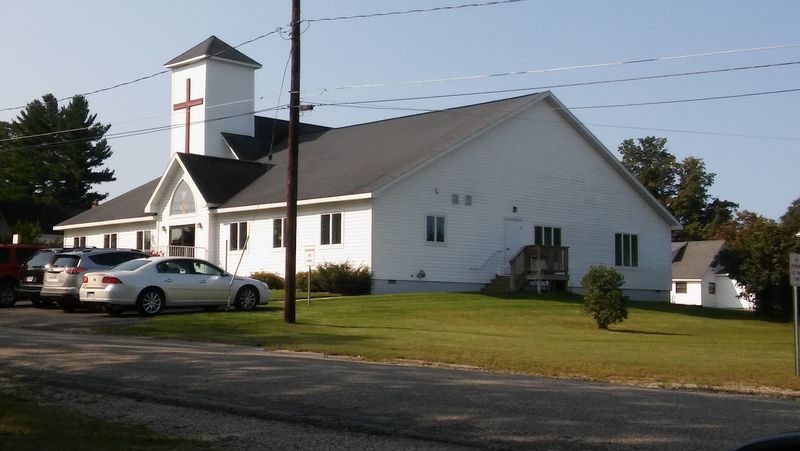
Most people pass through Vanderbilt without realizing they are standing at the edge of one of Michigan’s wildest places. The village itself is small and quiet, the kind of northern Michigan stop where a gas station, a few local businesses, and a stretch of road can look like the whole story.
But just beyond town sits the Pigeon River Country State Forest, often called “The Big Wild,” and that changes everything.
Vanderbilt calls itself the gateway to the Pigeon River Country Forest, and it earns the title. This is the part of Michigan where the Lower Peninsula starts to feel much larger than people expect.
The forest stretches across thousands of acres of undeveloped land, with sandy two-tracks, dark pines, trout streams, hidden lakes, and the kind of silence that makes you instinctively lower your voice.
The biggest surprise is the elk. Michigan’s free-roaming elk herd lives in this region, and the Pigeon River Country area is one of the best places in the state to try to spot them.
Early morning and dusk are the magic hours, especially in fall when the bulls are bugling and the woods feel almost western for a moment. You may not see one every time, but the possibility gives even a simple drive down a gravel road a little charge of excitement.
Vanderbilt itself is not flashy, and that is part of why it works. It does not feel polished for tourists or dressed up for postcards.
It feels like a real northern village that happens to sit beside something extraordinary. Stop for supplies, take the slower road, and let the forest do the talking.
Some places impress you right away. Vanderbilt waits until you have driven a few miles past town, rolled down the windows, and realized the boring little village was actually the doorway to Michigan’s wild side.
3. Onsted and the Irish Hills
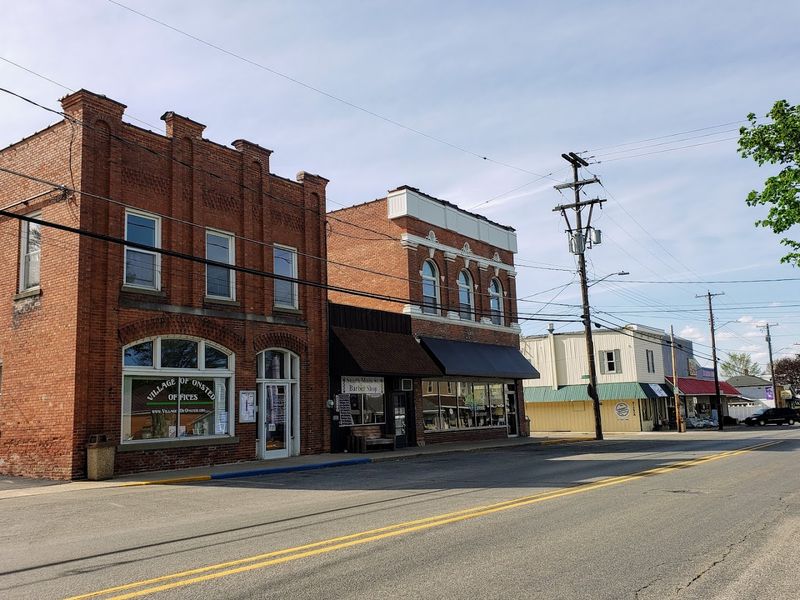
Pull off US-12 between Detroit and Chicago and you’ll find a stretch of southern Michigan that looks like someone dropped a piece of Ireland into the middle of the Midwest. The Irish Hills near Onsted are defined by dozens of small glacial lakes, rolling terrain, and a general sense of being somewhere that doesn’t quite match the flat farmland surrounding it.
The geology here is genuinely interesting — glaciers shaped every curve and hollow thousands of years ago.
Onsted is a small, quiet town that serves as a good home base for exploring the area. It’s the kind of place where the diner has been open since before your parents were born and the regulars all know each other’s names.
There’s comfort in that kind of consistency, and it’s increasingly rare to find.
The Irish Hills used to be a major tourist destination in the mid-20th century, packed with roadside attractions, go-kart tracks, and amusement parks that catered to families driving between Detroit and Chicago. Many of those attractions are gone now, leaving behind a bittersweet nostalgia that roadside history fans absolutely love.
The ruins of old tourist traps are strangely beautiful.
Today, the area draws visitors who enjoy hiking, kayaking, and fishing across the many lakes. Hidden Lake Gardens, managed by Michigan State University, offers stunning botanical displays across nearly 700 acres.
It’s free to explore and genuinely peaceful in every season.
The Irish Hills reward people who enjoy discovering places that used to be famous and are quietly becoming interesting again. It’s not a comeback story yet, but the bones of something wonderful are absolutely still there.
Onsted is the kind of town that anchors all of it without demanding any attention for itself.
4. Caseville and the Cheeseburger in Caseville Festival
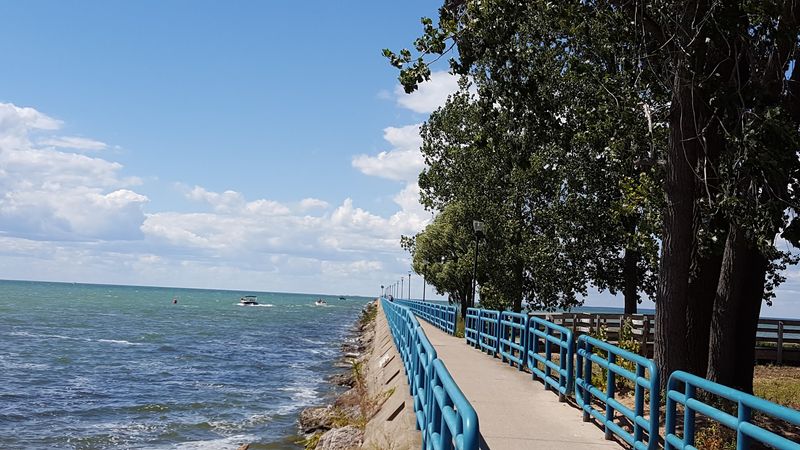
Every August, a small lakeside town on the Thumb of Michigan turns into a tropical party zone that has absolutely no business being this fun. Caseville hosts the Cheeseburger in Caseville Festival, a ten-day celebration inspired by the laid-back spirit of Jimmy Buffett’s music that draws tens of thousands of visitors to a town with a year-round population that fits in a high school gymnasium.
The contrast is hilarious and wonderful in equal measure.
People arrive in Hawaiian shirts, grass skirts, and shark hats. They eat enormous cheeseburgers, drink cold beverages on the beach, and dance to live music with the kind of unself-conscious joy that most adults abandon after college.
Lake Huron glitters in the background, and the whole scene feels like a fever dream of a summer vacation.
Outside of festival season, Caseville is a genuinely pretty little beach town. The sunsets over Saginaw Bay are legitimately stunning, the kind that make you stop whatever you’re doing and just stand there for a while.
Caseville County Park has a long sandy beach that rivals anything on the west side of the state, though it gets far fewer visitors.
The town has good local restaurants, a relaxed pace of life, and the kind of friendly energy that comes from a community that actually enjoys having guests. You won’t feel like a tourist burden here — people are genuinely happy to see you show up.
Caseville is proof that a small town doesn’t need a massive budget or a famous landmark to create something memorable. Sometimes all you need is a good burger, a great beach, and the collective decision to have as much fun as humanly possible for ten days straight.
5. Copper Harbor
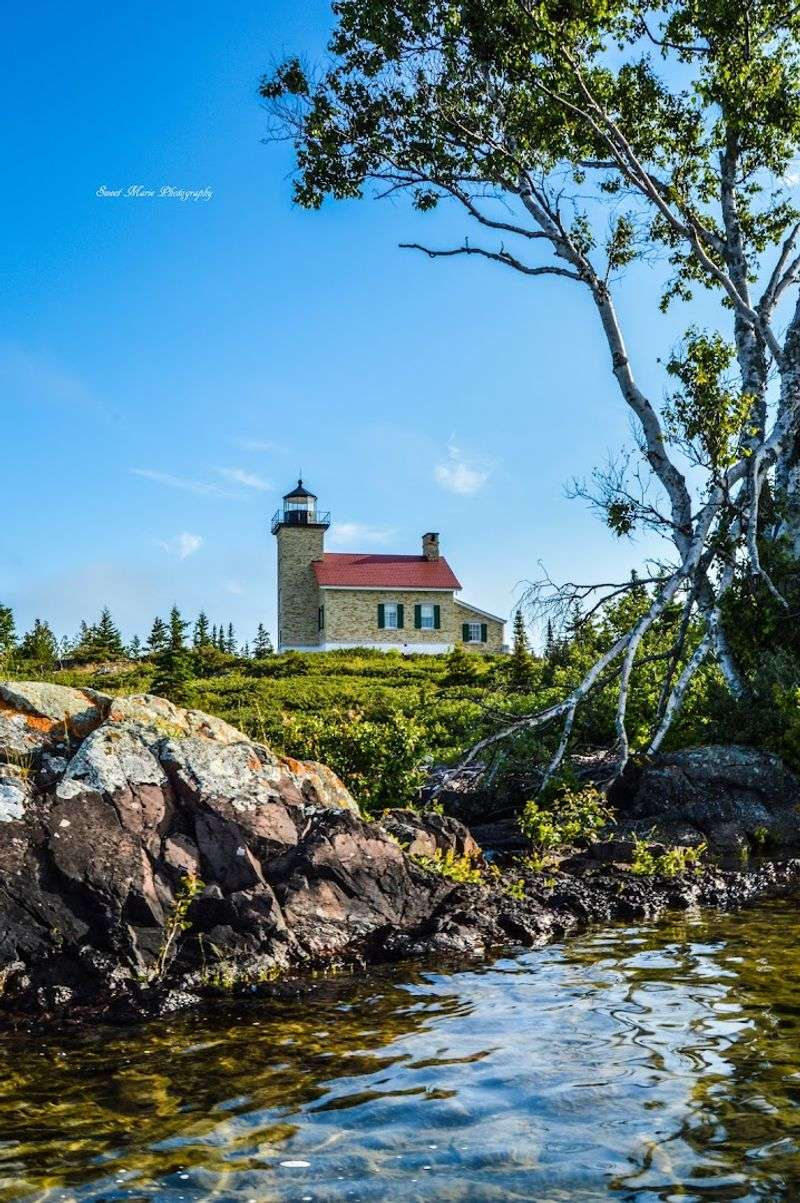
At the very tip of the Keweenaw Peninsula, so far north it almost falls off the map of Michigan, sits Copper Harbor. Getting there requires commitment — it’s a long drive no matter where you start — but arriving feels like reaching the edge of something vast and wild.
Lake Superior stretches out beyond the harbor with a scale that’s genuinely difficult to process until you’re standing right in front of it.
Copper Harbor has a permanent population of just a few hundred people, which means the town itself is tiny. But the surrounding landscape is enormous.
Porcupine Mountains, Brockway Mountain Drive, and miles of mountain biking trails have turned this remote outpost into a destination for outdoor enthusiasts who want their adventures to feel earned.
The copper mining history of the Keweenaw Peninsula is fascinating and underappreciated. Fort Wilkins State Park, located right at Copper Harbor, preserves a mid-1800s military post in remarkable condition.
Walking through it gives you a tangible sense of how isolated and demanding life was for the people who came here chasing mineral wealth in a wilderness that didn’t care about their ambitions.
Brockway Mountain Drive offers one of the most spectacular views in all of the Great Lakes region. On a clear day you can see Isle Royale, a national park accessible only by ferry or small plane, sitting quietly on the horizon.
That view alone is worth the drive up.
Copper Harbor operates on its own schedule and doesn’t apologize for it. Shops close early, the internet is unreliable, and the stars at night are almost aggressively bright.
For people who need that kind of reset, it delivers completely. For everyone else, it’s still one of Michigan’s most unexpectedly beautiful corners.
6. Fenton and the Fenton Hotel Tavern Ghost
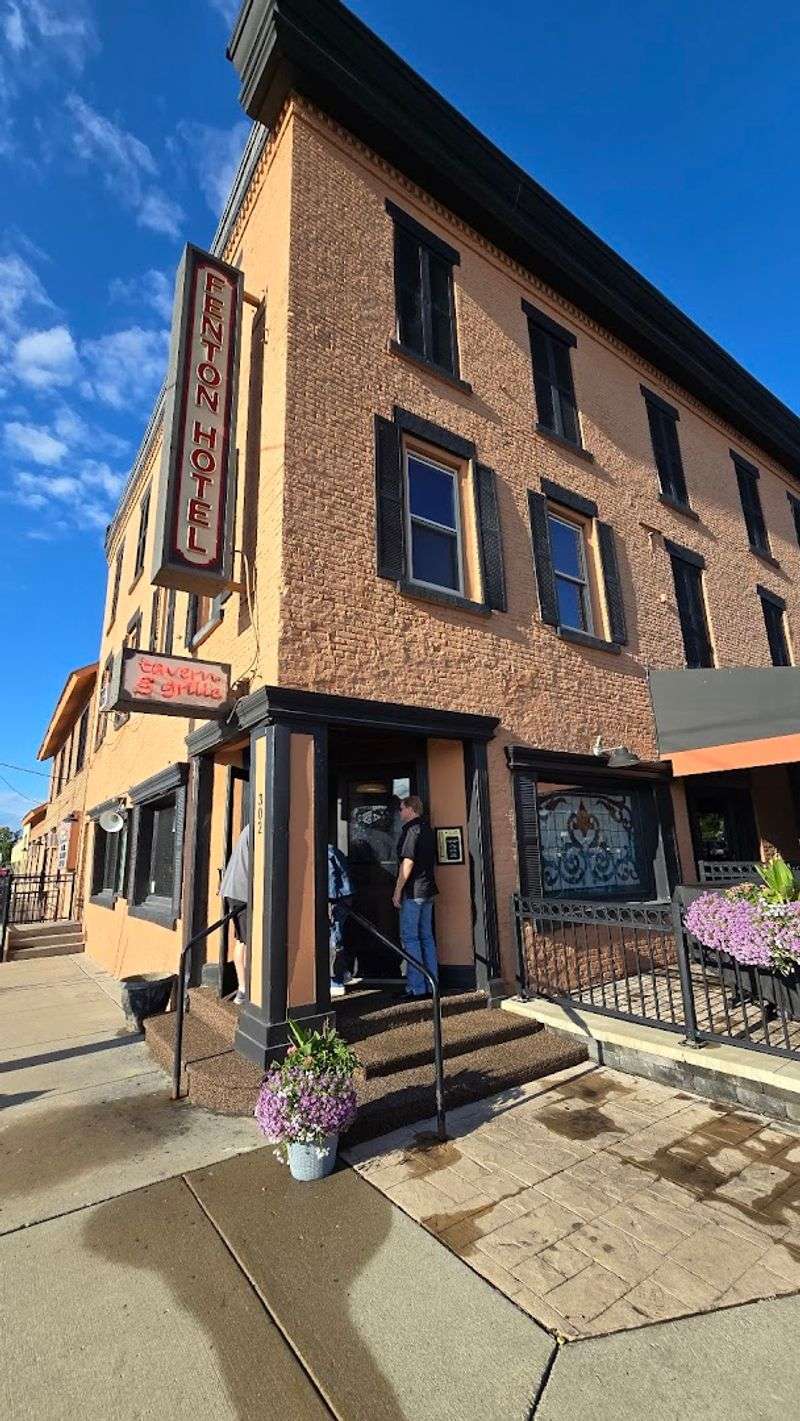
Downtown Fenton looks like a perfectly pleasant small Michigan city — clean streets, local shops, a nice little lake nearby. Nothing about it screams haunted.
But the Fenton Hotel Tavern, which has been operating continuously since 1856, has a reputation that goes well beyond its excellent steaks and historic bar. People who work there and people who eat there have reported unexplained experiences for decades.
The most frequently mentioned presence is a spirit believed to be a former guest who never quite checked out. Cold spots, moving objects, and the occasional apparition have kept paranormal investigators and curious diners coming back to this building year after year.
Whether you believe any of it or not, the atmosphere inside is undeniably thick with history.
The building itself is worth visiting for purely non-supernatural reasons. The woodwork, the old bar, the photographs lining the walls — it all adds up to an interior that feels genuinely preserved rather than artificially restored.
Eating dinner here feels different from eating at a chain restaurant, and that difference is hard to quantify but impossible to ignore.
Fenton as a whole is a pleasant surprise. Silver Lake sits right in the middle of town, surrounded by a walkable downtown that has managed to keep independent businesses alive and thriving.
That’s not easy to do in a mid-size Michigan city, and it says something good about the community’s character.
Ghost or no ghost, the Fenton Hotel Tavern earns its reputation as one of Michigan’s most interesting dining destinations. Order the prime rib, sit near the old bar, and pay attention to the corners of the room.
Something about this place holds your attention in a way that ordinary restaurants simply do not.
7. Owosso and the Steam Railroading Institute
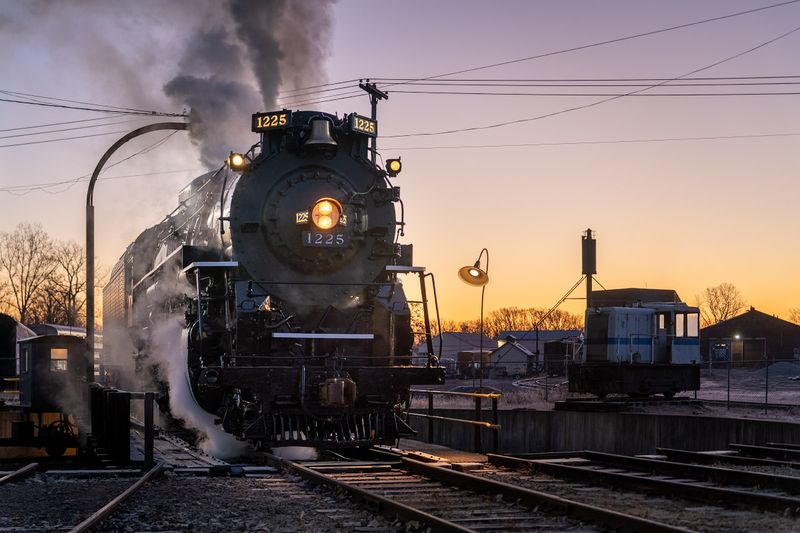
Steam locomotives are loud, enormous, and deeply satisfying in a way that’s hard to explain until you’re standing next to one as it builds pressure. Owosso is home to the Steam Railroading Institute, one of the most significant collections of working steam-era railroad equipment in the entire country.
For train enthusiasts, this place is essentially sacred ground.
The institute operates Pere Marquette 1225, a massive steam locomotive that happens to be the real-world inspiration for the train in the movie The Polar Express. Every November and December, the 1225 runs special holiday excursions that sell out months in advance.
Children and adults alike lose their composure the moment the whistle blows and the wheels begin to turn.
But the Steam Railroading Institute is worth visiting outside of the holiday season too. The museum houses an impressive collection of equipment in various stages of restoration, and staff members are the kind of passionate volunteers who can talk about valve gear and boiler pressure for hours if you let them.
That enthusiasm is contagious even if you arrived knowing nothing about trains.
Owosso itself is a small city with a surprisingly rich history. It was the birthplace of Thomas Dewey, the presidential candidate famously depicted in the “Dewey Defeats Truman” newspaper headline.
The downtown has some handsome historic architecture and a community working hard to reinvent itself.
Visiting the Steam Railroading Institute feels like getting access to something most people don’t know exists. The scale of the equipment is staggering in person, and the sounds and smells of a working steam locomotive are the kind of sensory experience that photographs simply cannot capture.
Owosso is worth the drive for this alone.
8. Bad Axe, Michigan
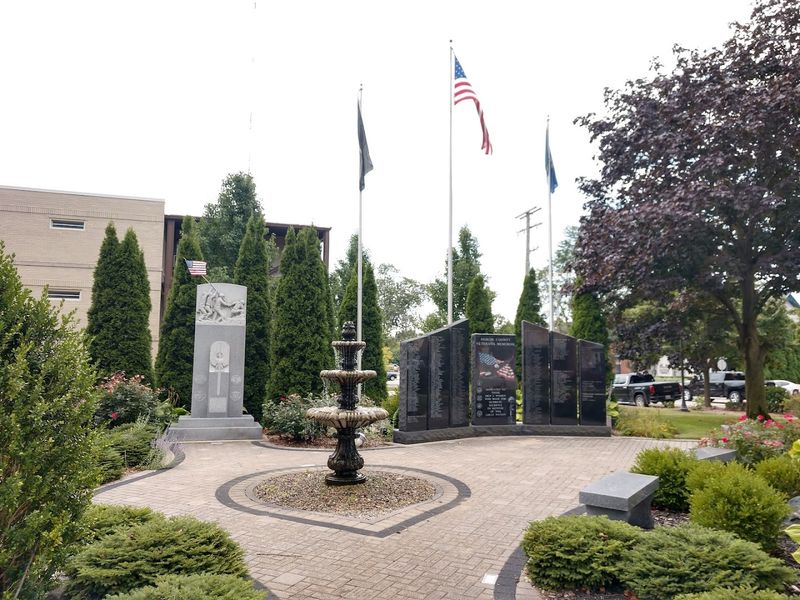
The name alone is enough to make you slow down and look at the map twice. Bad Axe is the county seat of Huron County, sitting in the heart of Michigan’s Thumb region, and it wears its unusual name with complete confidence.
According to local history, early surveyors found a damaged axe at their campsite and named the location accordingly. It’s a wonderfully practical origin story for a wonderfully practical town.
Bad Axe doesn’t pretend to be something it isn’t. It’s an agricultural service town, the kind of place where the hardware store and the farm supply shop are more important to daily life than any tourist attraction.
That honesty is refreshing. The people here are straightforward and friendly in the way that comes from actually knowing your neighbors rather than performing friendliness for visitors.
The Thumb region surrounding Bad Axe is a genuinely underexplored part of Michigan. The coastline along Lake Huron offers miles of undeveloped shoreline, quiet beach towns, and a pace of life that feels like the state’s best-kept secret.
Port Crescent State Park is a short drive away and consistently ranks among Michigan’s most beautiful state parks.
Every year the Huron County Fair draws the community together in a celebration that feels rooted and real. It’s not flashy, but it’s honest, and that counts for a lot in an era when authenticity is increasingly hard to find in travel destinations.
Bad Axe sticks in your memory not because of any single dramatic attraction but because of the cumulative impression it leaves. It’s a place that exists entirely for the people who live there, and being welcomed into that as a visitor, even briefly, feels like a genuine privilege rather than a transaction.
9. Colon, Michigan
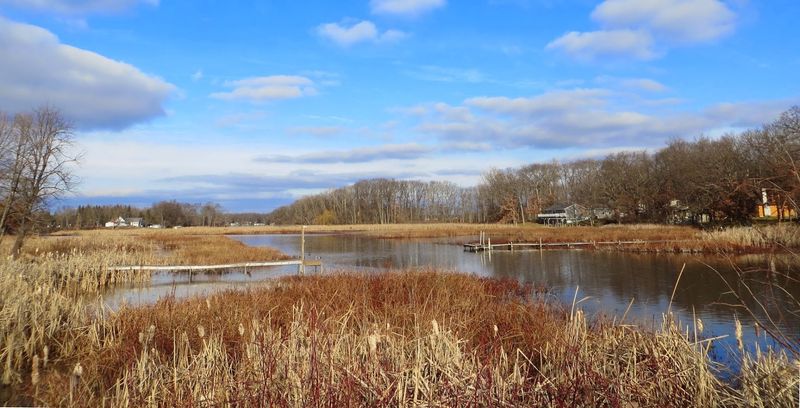
A small town in southwest Michigan has claimed one of the most unexpected titles in the entire country: the Magic Capital of the World. Colon, population roughly 1,200, has been the home of Abbott’s Magic Company since 1934, and that single fact has shaped the town’s identity in the most delightfully peculiar way imaginable.
Professional magicians from around the world make pilgrimages here every August for Abbott’s Magic Get-Together, a convention that has been running for decades.
Walking through Colon during the annual magic convention is a genuinely surreal experience. Card tricks happen on street corners, illusions are performed in parking lots, and the whole town leans into its weird identity with obvious pride.
It’s one of those places where the local culture is so specific and so committed that it feels like nowhere else on earth.
Abbott’s Magic Company itself is open to visitors outside of convention season, and the shop is a wonderland for anyone who has ever been curious about how magic tricks work. The staff are knowledgeable and enthusiastic, and browsing the shelves feels like being let in on secrets that most people never get to hear.
Colon sits on the shores of Palmer Lake, which adds a scenic layer to what would otherwise be a fairly flat stretch of southwestern Michigan. The lake is clean, the fishing is decent, and the surrounding area has enough natural beauty to justify spending a full day exploring rather than just stopping for a quick look.
What makes Colon genuinely special is the commitment of its residents to something wonderfully odd. They could have just been another small Midwest town.
Instead, they chose magic, and that choice has made all the difference for everyone curious enough to find their way here.
10. Hell, Michigan
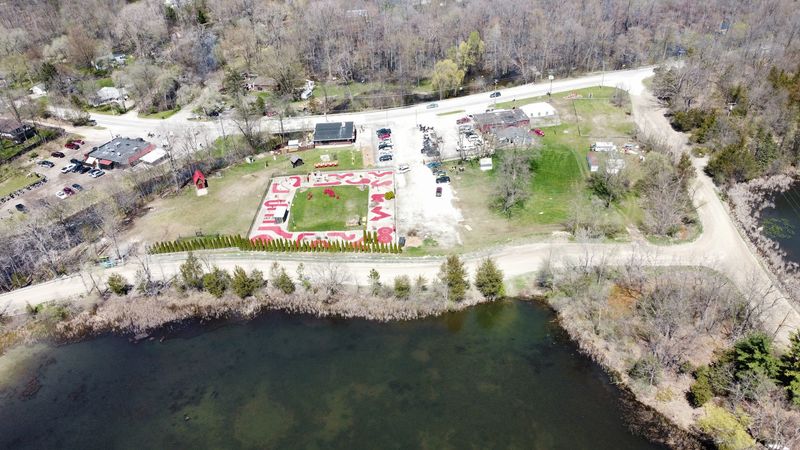
You can tell people you’ve been to Hell and have photographic proof. Hell, Michigan, a small unincorporated community in Livingston County, has built an entire identity around its remarkable name and runs with the joke in the most enthusiastic way possible.
The town sells “Hell Freezes Over” t-shirts, offers the chance to be “Damned Mayor of Hell for a Day,” and leans into every pun available with cheerful shamelessness.
The origin of the name is disputed, which somehow makes it better. Some accounts trace it to early German settlers whose exclamations were misinterpreted as a place name.
Others point to a mill owner who, when asked what the town should be called, reportedly said something along the lines of “call it Hell for all I care.” Michigan officially recorded it as Hell in 1841, and the rest is delightful history.
Hell sits within the Pinckney Recreation Area, which means the surrounding landscape is actually quite beautiful. Hiking trails, canoe routes, and swimming lakes are all within easy reach of the novelty shops and the famous Hell sign.
It’s a genuinely good outdoor recreation destination wearing a Halloween costume year-round.
The community hosts events throughout the year that play on the theme — including a Halloween celebration that draws visitors from across the state and an annual freezing-over event in winter that is exactly as silly and wonderful as it sounds. There’s a refreshing self-awareness to the whole operation.
Hell is one of those places that sounds like a gimmick until you actually go there and find yourself genuinely charmed by the whole absurd package. The people who run the local businesses clearly love what they do, and that energy makes the stop feel worth every mile of the drive.
11. Pere Cheney
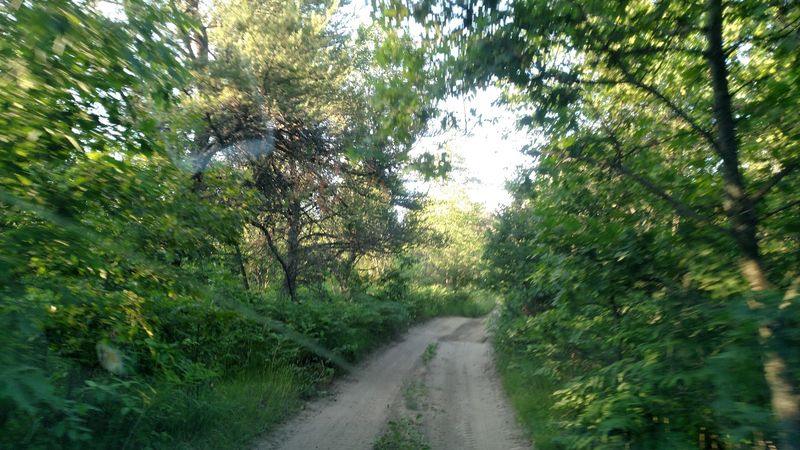
Pere Cheney is a ghost town in the most literal sense of the phrase. Located in Crawford County in the northern Lower Peninsula, this once-thriving lumber town was completely abandoned by the early 1900s after its forests were stripped bare and disease swept through what remained of the population.
All that’s left today is a small, weathered cemetery hidden in a regrown pine forest, and a reputation as one of Michigan’s most genuinely unsettling places to visit.
The cemetery contains the graves of men, women, and children who lived and died in a community that no longer exists. Reading the headstones — many of them worn nearly smooth by over a century of Michigan weather — gives you a quiet, somber feeling that no haunted house attraction could ever replicate.
This isn’t manufactured spookiness. It’s the real weight of forgotten history.
Local legends have grown up around Pere Cheney over the decades, including stories of a witch’s curse, glowing orbs, and spectral figures seen among the trees at dusk. Paranormal enthusiasts visit regularly, and the site has appeared in numerous Michigan ghost-hunting publications.
Whether those stories hold any truth is entirely up to you to decide.
Finding the cemetery requires a bit of navigation along unpaved forest roads, which adds to the sense of discovery when you finally arrive. It’s not a place with a parking lot and interpretive signs.
You have to want to be there.
Pere Cheney serves as a reminder that Michigan’s landscape is layered with histories that didn’t get happy endings. Visiting it doesn’t feel like entertainment so much as bearing witness to something that deserves to be remembered, even if the town itself has long since returned to forest.
12. Frankenmuth, Michigan
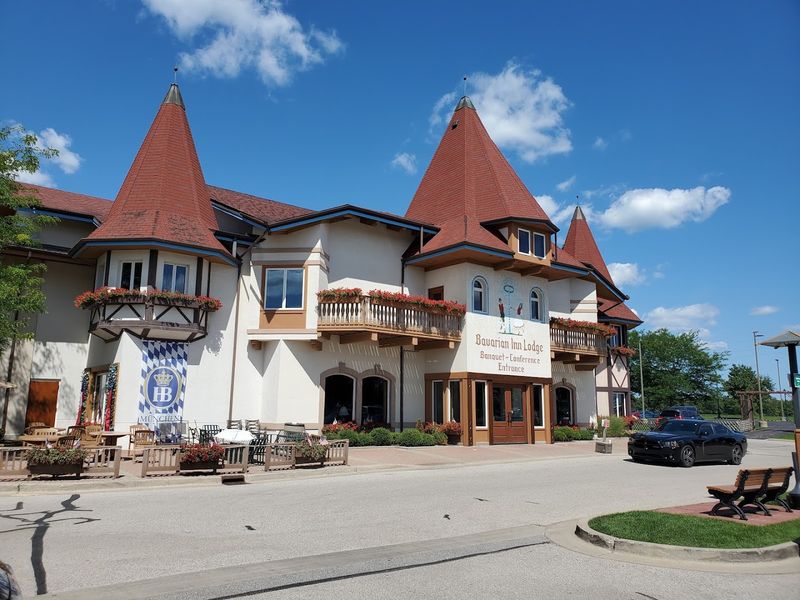
Frankenmuth looks like someone picked up a Bavarian village, carried it across the Atlantic Ocean, and set it down in the middle of Michigan’s Thumb region. The Bavarian-style architecture, the glockenspiel tower, the shops selling nutcrackers and Christmas ornaments year-round — it all adds up to an experience that is genuinely unlike anything else in the state.
And somehow, despite being extremely well-known, it still manages to deliver on its promise.
The food here is the real anchor. Zehnder’s and the Bavarian Inn have been serving family-style chicken dinners for generations, and the portions are the stuff of legend.
People plan road trips around these restaurants. The chicken is roasted and served with all the sides, and eating it in one of those enormous dining rooms surrounded by hundreds of other happy people is a communal experience that’s hard to replicate anywhere else.
Bronner’s CHRISTmas Wonderland deserves its own mention. Billing itself as the world’s largest Christmas store, Bronner’s occupies a building the size of a small airport and contains more holiday decorations than most people will see in a lifetime.
It’s open almost every day of the year and draws visitors from around the world who arrive with empty car trunks and leave with full ones.
Beyond the tourist infrastructure, Frankenmuth sits on the Cass River, and the covered bridge near the Bavarian Inn is genuinely charming. The riverside area invites slower walking and quieter appreciation of the town’s setting.
Frankenmuth earns its popularity without relying on irony or novelty. It’s just a place that does what it does extremely well, year after year, and welcomes everyone who shows up with consistent warmth and an impressive quantity of schnitzel.
13. Climax, Michigan
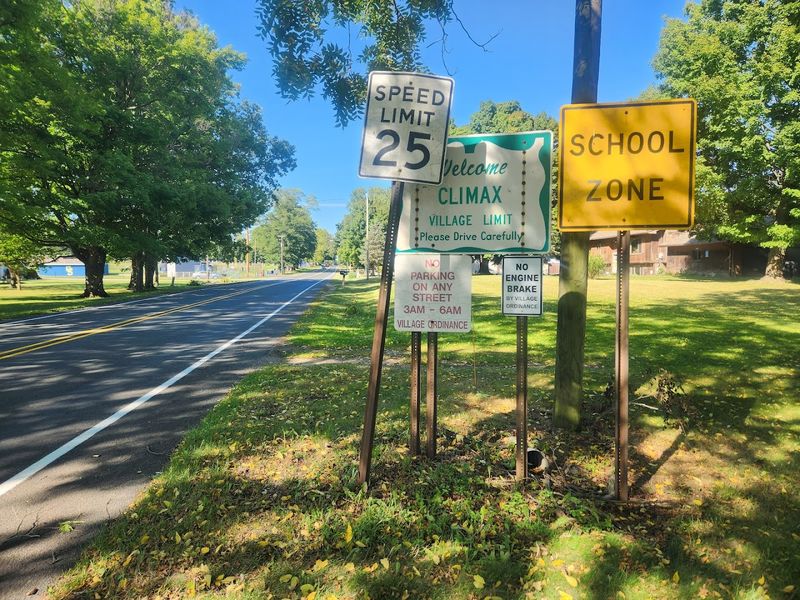
Climax Township in Kalamazoo County is another entry in Michigan’s long and proud tradition of towns with names that make people do a double-take on road signs. Unlike some of the other memorably named towns on this list, Climax doesn’t lean into its name for tourism purposes.
It’s just a quiet agricultural community that happens to have one of the most attention-grabbing names in the state, and it seems entirely unbothered by that fact.
The township is surrounded by some of southwestern Michigan’s most productive farmland. Driving through in late summer, when the corn is tall and the soybeans are turning gold, gives you a sense of the agricultural backbone that holds rural Michigan together.
It’s not dramatic scenery, but it has a quiet, steady beauty that rewards patient observation.
Climax is close enough to Kalamazoo to benefit from that city’s arts scene, brewery culture, and dining options while remaining its own distinct, rural place. That proximity to a mid-size city is something a lot of small Michigan townships share, and it makes them more livable and more interesting than their quiet exteriors might suggest.
The Kalamazoo County area has a strong agricultural fair tradition, and the communities surrounding Climax participate in events that celebrate the farming identity of the region with genuine enthusiasm. These aren’t staged performances for tourists — they’re expressions of a culture that is still actively lived.
Climax reminds you that not every interesting stop on a Michigan road trip needs a famous attraction or a quirky festival. Sometimes a name on a sign makes you slow down, look around at the fields and the sky, and appreciate the uncomplicated, honest character of a place that exists entirely on its own terms.
That’s worth something.
Share this story