Deep in the heart of Texas Hill Country, there’s a place where presidential history and ranching traditions blend together under wide-open skies. The LBJ Ranch in Stonewall isn’t just another historical site—it’s a living, breathing piece of Texas heritage where longhorn cattle still wander freely across the landscape just like they did when President Lyndon B. Johnson called this place home.
Whether you’re a history buff, nature lover, or just looking for an authentic Texas experience, this ranch offers something special that you won’t find anywhere else.
1. The Working Ranch That Never Quit
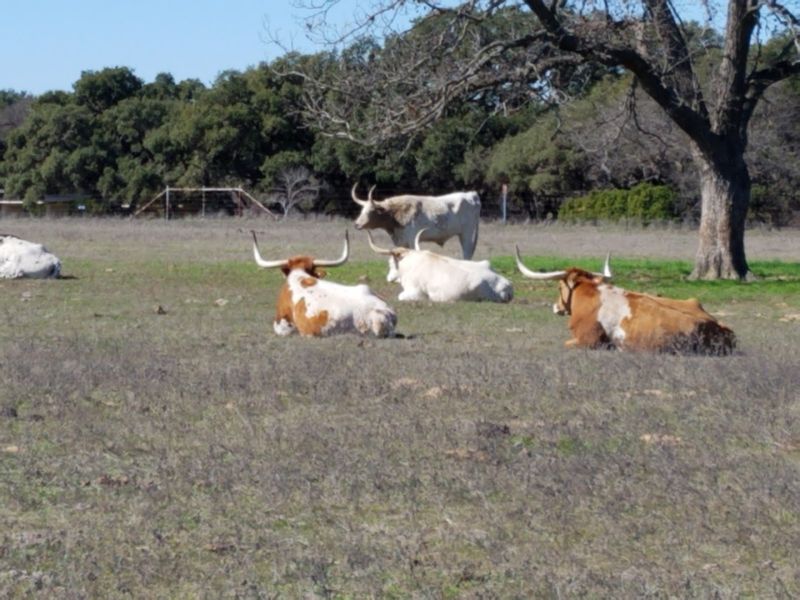
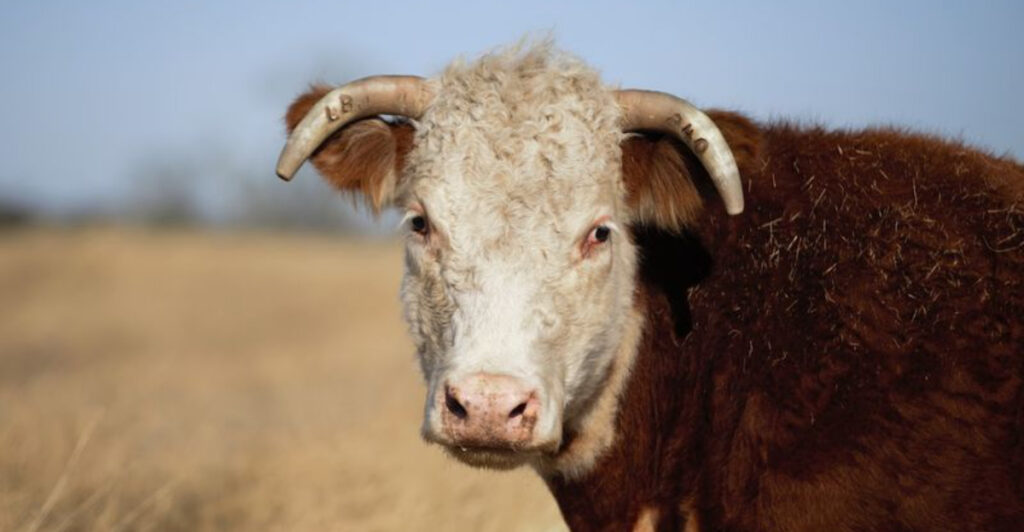
Most presidential homes become frozen museums, but LBJ Ranch breaks that mold completely. This remains the only working ranch in the entire National Park Service system, which means real cattle operations continue just like they did during Johnson’s presidency. You’ll see Hereford cattle and Texas longhorns roaming the same pastures where LBJ once conducted international diplomacy.
The ranch spans thousands of acres across the Pedernales River valley. Oak trees dot the landscape everywhere you look, a testament to Johnson’s deep love for these native Texas giants. He planted them throughout the property and made sure they’d be protected for generations to come.
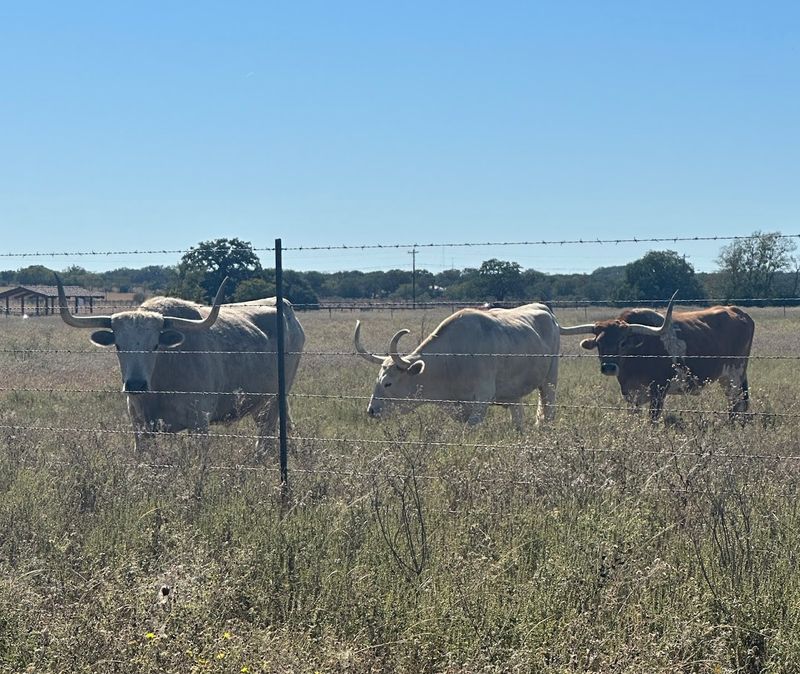
When you drive through the ranch today, cattle might wander right across your path. It’s not unusual to find yourself waiting while a longhorn takes its sweet time crossing the road. That’s just part of the authentic ranch experience here—no hurrying, no rushing, just respecting the rhythms of ranch life.
The working ranch aspect means you’re witnessing genuine Texas agriculture, not a recreation. Rangers maintain the property using traditional ranching methods, keeping Johnson’s vision alive while educating visitors about both presidential history and Hill Country ranching heritage.
2. Self-Guided Driving Adventures Through Presidential Property
Forget stuffy guided tours where you shuffle along in a group. At LBJ Ranch, you hop in your own vehicle and explore at whatever pace suits you best. The self-guided driving tour takes you through the actual ranch property, giving you freedom to stop, look, and soak in the scenery whenever something catches your eye.
Download the free National Park Service app before you arrive, and you’ll have a virtual tour guide right in your car. The app provides fascinating commentary as you drive, sharing stories about specific locations and historical events that happened at various spots around the ranch. It’s like having a knowledgeable ranger riding shotgun without anyone actually being there.
The route winds past the Texas White House, the airstrip, the family cemetery, and countless spots where Johnson made history. You’ll drive within feet of grazing cattle and might spot deer, wild turkeys, or other Hill Country wildlife. Many visitors say this driving tour feels more intimate than traditional walking tours because you’re experiencing the ranch landscape the same way LBJ did.
Plan to spend at least an hour on the driving loop, though history enthusiasts often take much longer. There’s no rush, no schedule to keep, just you and Texas history unfolding through your windshield.
3. The Living History Farm Experience
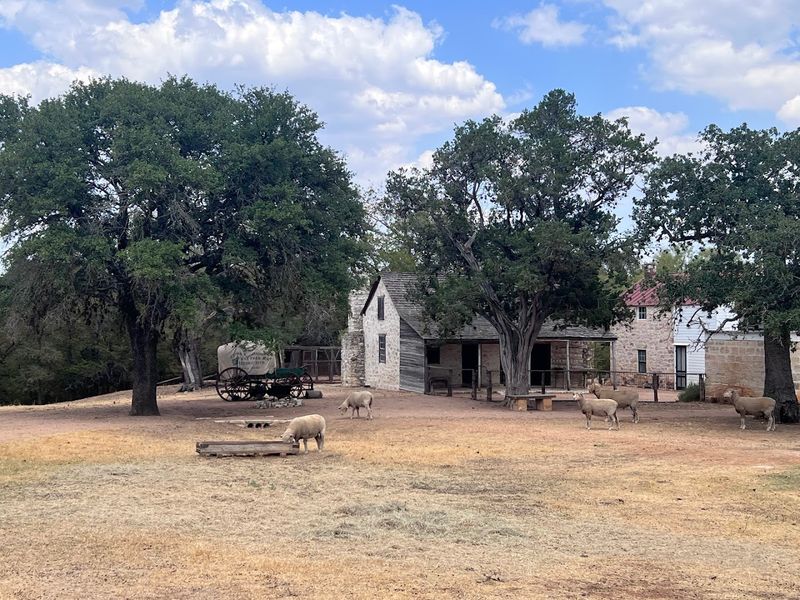
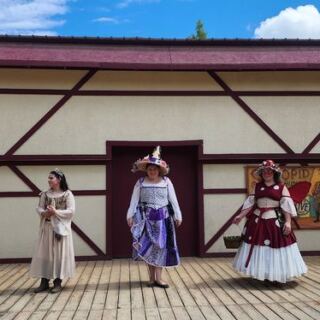
Step back to the 1860s at the Living History Farm, where interpreters in period clothing demonstrate how Texas German settlers lived and worked. This isn’t your typical boring historical display—people are actually doing the work, using authentic tools and techniques that German immigrants brought to the Hill Country generations ago.
You’ll see heritage breed animals that would have been common on Texas farms in the 19th century. Sheep, goats, chickens, and other livestock roam the farmyard while interpreters explain their importance to pioneer survival. Kids especially love getting close to the animals and watching demonstrations of butter churning, blacksmithing, or whatever farm activities are happening that day.
The farm buildings themselves tell stories through their construction. Built using traditional methods with local materials, they show how German settlers adapted their Old World building techniques to Texas conditions. You can walk through the structures and imagine daily life for families who carved out homesteads in this rugged landscape.
Interactive elements make history tangible here. You might get to try your hand at a pioneer task or handle reproduction tools. The interpreters love answering questions and sharing details about everything from cooking methods to crop cultivation, making the past feel surprisingly relevant and real.
4. Air Force One-Half and the Presidential Hangar
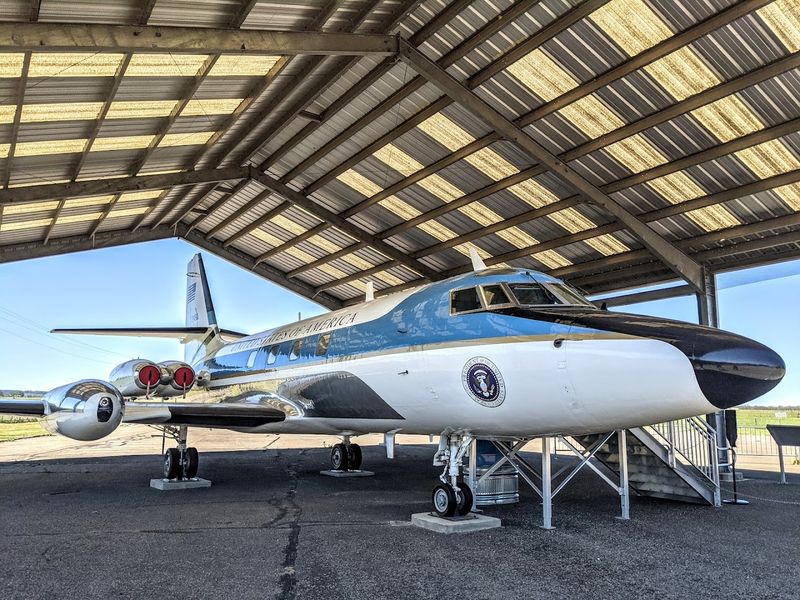
Johnson’s Lockheed JetStar sits proudly on the tarmac, earning the nickname “Air Force One-Half” because it served as a smaller presidential aircraft. This wasn’t just any plane—LBJ used it for shorter trips and ranch visits, making it an essential part of his presidency. Standing near this aircraft gives you chills when you realize the historical conversations and decisions that happened aboard.
The hangar area houses fascinating exhibits about Johnson’s use of aviation and his time at the ranch. You’ll find displays featuring gifts from foreign dignitaries, photographs documenting important visits, and artifacts that paint a picture of how Johnson conducted business from his Texas headquarters. The “gift room” alone contains treasures from around the world, each with its own diplomatic story.
Note that renovation work has affected access to some areas in recent years. The hangar and certain exhibits close periodically for restoration projects aimed at preserving these historical treasures for future generations. Always call ahead or check the National Park Service website for current access information before planning your visit.
Even when buildings are closed, the aircraft remains visible and impressive. Its presence reminds visitors that this ranch wasn’t just a retreat—it served as an actual command center where presidential business continued regardless of LBJ’s physical distance from Washington.
5. The Texas White House Where History Happened
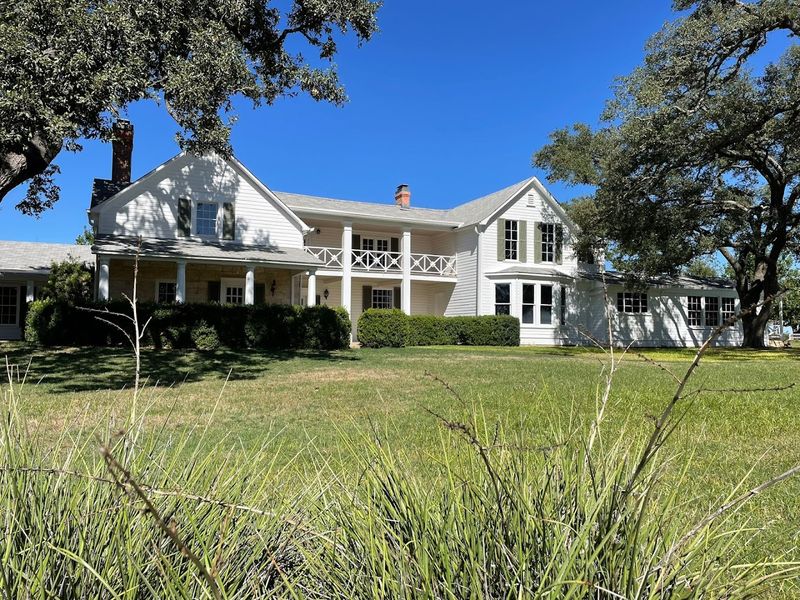
Johnson called his ranch home the “Texas White House,” and for good reason—he spent nearly a quarter of his presidency here. This wasn’t a vacation spot but a genuine working office where LBJ hosted world leaders, signed legislation, and made decisions that shaped American history. The house itself embodies Johnson’s personality: practical, unpretentious, and deeply rooted in Texas soil.
Extensive restoration work has limited access to the house interior in recent years, with projects extending through 2025. While this disappoints some visitors who travel long distances specifically to tour the home, the restoration ensures future generations will experience the Texas White House in its authentic glory. The work includes structural repairs, historical accuracy improvements, and conservation of original furnishings and artifacts.
Even from outside the fence line, you can appreciate the house’s simple elegance. Large oak trees shade the structure, creating the kind of peaceful setting Johnson craved away from Washington’s pressures. The surrounding ranch landscape—rolling hills, grazing cattle, and the nearby Pedernales River—provides context for understanding why this place meant so much to the president.
When tours resume after restoration, visitors will walk through rooms where Johnson strategized with advisors, entertained guests, and relaxed with family. Until then, ranger talks and exhibits at the visitor center share stories that bring the Texas White House to life.
6. The Johnson Family Cemetery and Final Resting Place
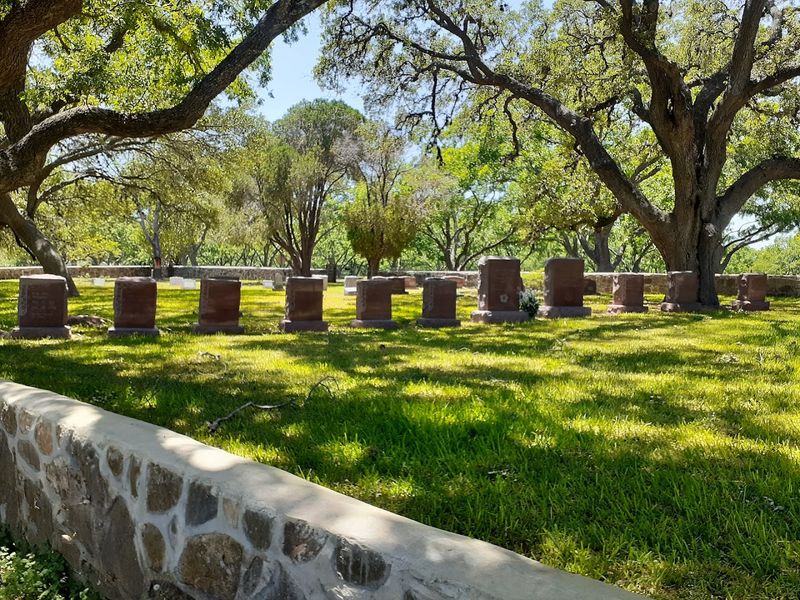
Tucked beneath sprawling oak trees, the Johnson family cemetery occupies one of the most tranquil spots on the ranch. Both President Lyndon B. Johnson and Lady Bird Johnson rest here, surrounded by other family members in a setting that perfectly captures their connection to Texas.
The simplicity of their graves surprises many visitors who expect something grander for a president and first lady.
Johnson specifically chose this location and insisted on understated memorials. No elaborate monuments or fancy structures—just simple markers in the land he loved. This humility reflects the values Johnson wanted remembered: service, family, and deep roots in Texas soil.
An American flag waves nearby, the only indication that someone of national significance lies here.
The cemetery remains accessible even during renovation periods affecting other ranch areas. Visitors can walk the grounds respectfully, reading family markers and reflecting on the Johnson legacy. Many people find this the most moving part of their ranch visit because it connects them personally to history in a way museums cannot.
The surrounding oak trees create dappled shade, and the quiet broken only by birdsong and wind through branches offers a contemplative atmosphere. You can park nearby and bike around the airstrip area, combining cemetery visits with exploration of other accessible ranch features. It’s a reminder that even presidents return to the earth they cherished.
7. Free Admission With Ranger Expertise
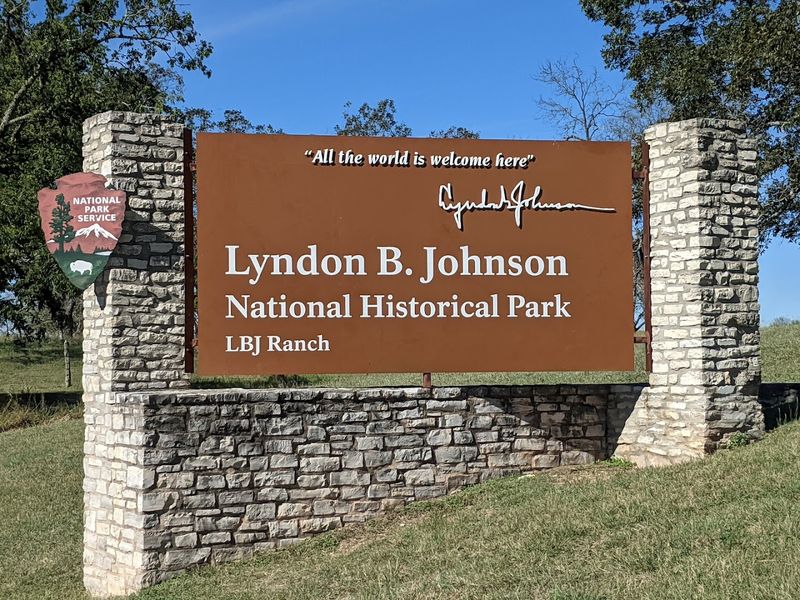
Here’s something rare in today’s world: the LBJ Ranch charges absolutely nothing for admission. As part of the National Park Service, the site relies on federal funding and donations rather than entrance fees, making presidential history accessible to everyone regardless of budget. Free parking sweetens the deal even more, though donations are always welcomed and appreciated for maintaining this national treasure.
Start your visit at the visitor center, where rangers provide maps, current information about what’s open, and insider tips for making the most of your time. These aren’t just employees reading scripts—they’re knowledgeable historians who genuinely love sharing LBJ stories. Ask them anything, from where to spot the best wildlife to which exhibits you shouldn’t miss.
The rangers excel at personalizing recommendations based on your interests and available time. Traveling with kids? They’ll point you toward the Living History Farm and animal viewing areas.
History buff with hours to spare? They’ll suggest the complete driving tour plus time at various exhibits. Their enthusiasm and expertise transform a good visit into a great one.
The visitor center itself houses exhibits, a gift shop with unique LBJ-themed items, and clean facilities. Many visitors underestimate how much time they’ll want here, so rangers suggest arriving early, especially during busy seasons. The combination of free admission and expert guidance makes this one of Texas’s best values for educational family outings.
8. Wildlife Encounters Across Hill Country Habitat
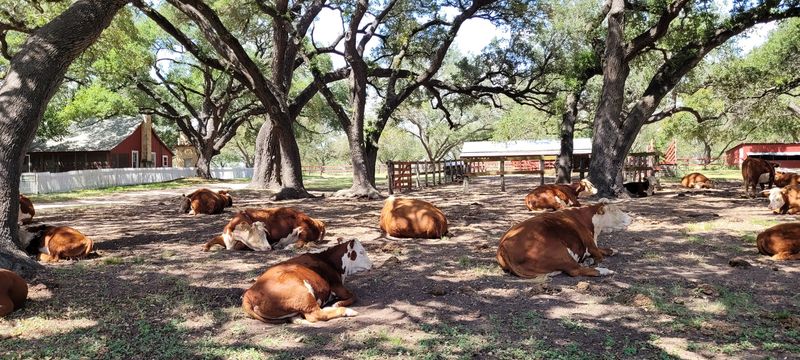
The ranch serves as protected habitat for incredible Hill Country wildlife. White-tailed deer are practically guaranteed sightings, often appearing in groups near the road or grazing alongside cattle in open pastures. Their comfort around vehicles means you’ll get surprisingly close views without disturbing them, creating fantastic photo opportunities for wildlife enthusiasts.
Beyond deer, sharp-eyed visitors spot wild turkeys strutting through the grass, various hawk species soaring overhead, and numerous songbirds flitting among the oak branches. The Pedernales River corridor attracts additional species, making the ranch a birder’s paradise. Early morning and late afternoon offer the best wildlife viewing when animals are most active and temperatures are cooler.
The bison herd deserves special mention. These magnificent animals represent efforts to preserve native species that once roamed Texas in massive numbers. Seeing bison on the ranch connects visitors to a deeper environmental history, reminding us what Texas landscapes looked like before extensive settlement.
Rangers can direct you to areas where bison are most likely visible.
Photographers love the ranch for wildlife shots with authentic Texas backgrounds. Imagine capturing a longhorn silhouetted against a Hill Country sunset or deer grazing beneath ancient oaks. The combination of accessible animals and stunning scenery creates conditions that professional wildlife photographers would envy, all available to regular visitors with nothing more than a smartphone camera.
9. Planning Your Visit to Beat the Crowds
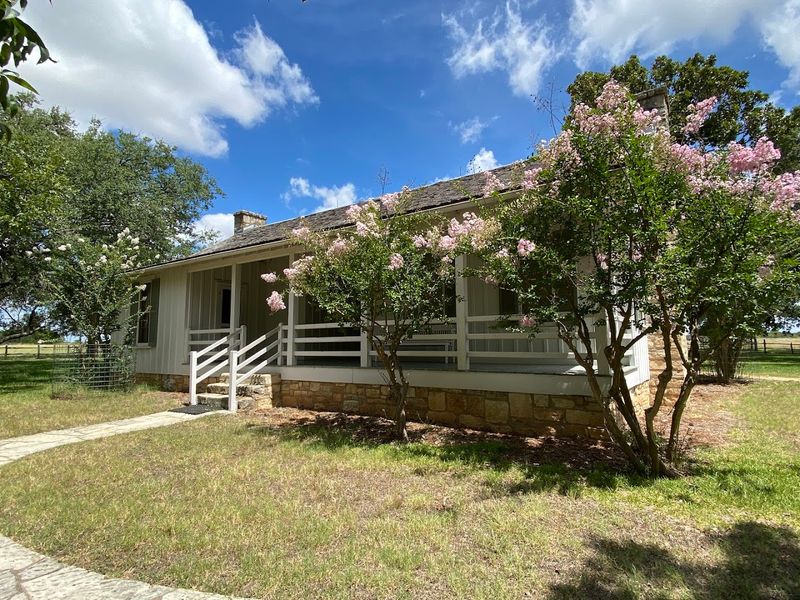
The ranch operates Wednesday through Sunday from 9 AM to 4:30 PM, giving you plenty of options for scheduling your visit. Weekday mornings typically see fewer crowds, offering a more peaceful experience where you might have entire sections of the driving tour to yourself. Weekend afternoons get busier, especially during spring and fall when Hill Country weather is absolutely perfect.
Before making the drive, always call ahead at 830-868-7128 or check the National Park Service website for current conditions. Ongoing restoration projects can affect access to specific areas, and you don’t want to discover your must-see attraction is temporarily closed after driving an hour from Austin or San Antonio. Rangers appreciate informed visitors and happily answer questions about what’s currently accessible.
Plan at least two to three hours for a satisfying visit, though history lovers easily spend half a day or more. The driving tour alone takes an hour if you’re not stopping much, but most people want to pause frequently for photos, wildlife watching, and simply absorbing the landscape. Add time for the visitor center, Living History Farm, and any special exhibits.
The Hill Country location means gorgeous scenery year-round, but summer heat can be intense. Bring water, wear sunscreen, and remember that most of your time will be outdoors or in your vehicle. Spring wildflower season transforms the ranch into a photographer’s dream with bluebonnets and other native flowers carpeting the hills.
Share this story