Wyoming might be known for Yellowstone and wide-open spaces, but the real hidden gems are tucked away in its smaller towns. From rodeo culture and hot springs to mountain trails and quirky local museums, this state offers something for every kind of traveler without draining your wallet. Whether you are a history buff, an outdoor adventurer, or just someone looking for a laid-back road trip, Wyoming delivers big experiences at surprisingly small prices.
The towns on this list are proof that you do not need a luxury budget to have an unforgettable trip. Each one brings its own personality, its own story, and its own set of reasons to slow down and stay a while. Wyoming sits in the heart of the American West, bordered by Montana, Idaho, Colorado, Utah, Nebraska, and South Dakota, making it a natural crossroads for road trippers heading in any direction.
The state is home to just over 576,000 people, making it the least populated state in the country, which means fewer crowds and more room to breathe. Travelers who skip the big-name parks and spend time in Wyoming’s towns often say those experiences end up being the most memorable part of the whole trip. The people are friendly, the food is hearty, and the landscapes are jaw-dropping at every turn. These ten towns were chosen for their affordability, charm, and the variety of fun things they offer visitors of all ages and interests.
1. Cody
If you have ever wanted to feel like you stepped straight into a classic Western movie, Cody is the place to make that happen.
Founded in 1896 by the legendary Buffalo Bill Cody, this town wears its Wild West identity proudly and pulls it off with genuine style.
It sits on the eastern edge of Yellowstone National Park, making it a perfect base camp without the sky-high Yellowstone-area prices.
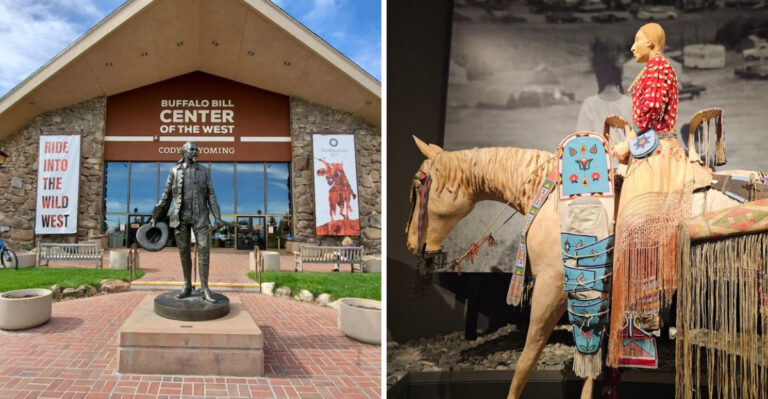
The Buffalo Bill Center of the West is the crown jewel of the town and one of the most impressive museum complexes in the entire country.
Five separate museums cover everything from Plains Indian art and culture to natural history and firearms.
Admission is very reasonable, and you could easily spend a full day inside without getting bored.
Every summer evening from June through August, the Cody Nite Rodeo runs seven nights a week, giving visitors a chance to watch bull riding, barrel racing, and calf roping up close.
Tickets are affordable, the atmosphere is electric, and kids absolutely love it.
It is one of those experiences that feels both educational and wildly entertaining at the same time.
Outdoor options around Cody are plentiful and mostly free or low-cost.
The Shoshone River runs right through town and offers rafting and fishing adventures.
Nearby Shoshone National Forest, the oldest national forest in the United States, has hundreds of miles of hiking and horseback riding trails.
Dining in Cody leans toward hearty American comfort food with a cowboy twist.
You will find bison burgers, smoked ribs, and homemade pies at prices that will not shock your budget.
The town has a warm, welcoming energy that makes visitors want to linger longer than planned.
2. Sheridan
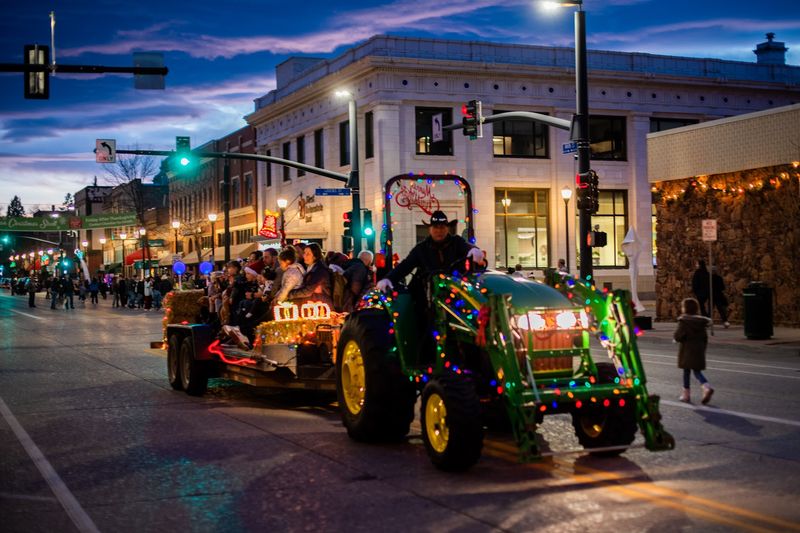
Tucked against the base of the stunning Bighorn Mountains in northern Wyoming, Sheridan has the kind of charm that makes you want to park the car, walk the streets, and forget your schedule entirely.
This town punches well above its weight when it comes to culture, history, and outdoor access, all wrapped up in a surprisingly affordable package.
Main Street Sheridan is a genuine delight.
The historic downtown is lined with well-preserved early 20th-century buildings, independent boutiques, art galleries, and some seriously good restaurants.
King’s Saddlery, a legendary Western gear shop that has been operating since 1946, is a must-visit even if you are not in the market for a custom saddle.
The attached museum inside is free and fascinating.
The Bighorn Mountains provide a stunning natural playground just minutes from downtown.
Bighorn National Forest offers camping, fishing, hiking, and snowmobiling, depending on the season, all at very accessible price points.
Medicine Wheel National Historic Landmark, a mysterious ancient stone structure high in the mountains, is one of those places that leaves a lasting impression on everyone who visits.
Polo might not be the first thing that comes to mind when thinking about Wyoming, but Sheridan hosts professional polo matches on summer Sundays, and admission is completely free.
The Big Horn Polo Club draws players from around the world and creates a surprisingly festive atmosphere on the field.
Lodging options in Sheridan range from cozy bed and breakfasts to budget-friendly motels, with plenty of choices under $100 a night.
The Historic Sheridan Inn, where Buffalo Bill once held auditions for his Wild West Show, offers tours and a peek into the past that history lovers will treasure.
3. Lander
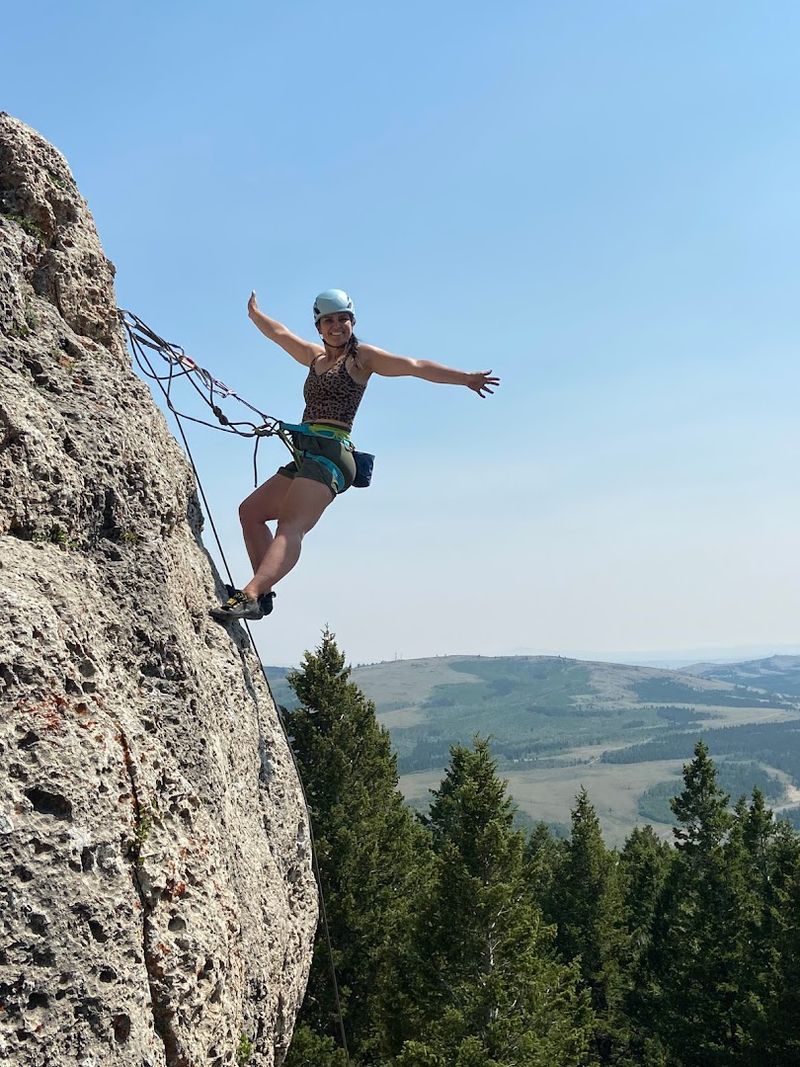
Ask any serious outdoor enthusiast about Lander, and watch their eyes light up.
Nestled in the foothills of the Wind River Mountains in central Wyoming, Lander has built a well-earned reputation as one of the top outdoor adventure towns in the entire country.
What makes it even better is that it remains refreshingly affordable and free from the tourist-trap atmosphere that plagues more famous destinations.
Rock climbing is the big draw here.
Sinks Canyon and the surrounding areas offer world-class climbing routes on beautiful sandstone and limestone walls.
The National Outdoor Leadership School, known as NOLS, is headquartered in Lander and has trained wilderness leaders for decades, giving the town a strong culture of outdoor education and environmental respect.
Sinks Canyon State Park is a short drive from downtown and is genuinely one of Wyoming’s most underrated natural wonders.
The Popo Agie River disappears underground at a place called The Sinks, then reappears a quarter mile downstream at a spot called The Rise.
Watching that happen is oddly magical, and the park charges no entrance fee.
Trout visibly swim in the crystal-clear pool at The Rise, and watching them is oddly mesmerizing.
The Wind River Indian Reservation borders the town, and several cultural events and powwows are open to respectful visitors throughout the year.
These gatherings offer a meaningful connection to the traditions of the Eastern Shoshone and Northern Arapaho peoples.
Downtown Lander has a friendly, artsy vibe with local coffee shops, craft breweries, and farm-to-table restaurants that feel unpretentious and welcoming.
Accommodations are reasonably priced, and the campgrounds in the area are among the most scenic you will find anywhere in the Rocky Mountain West.
4. Buffalo
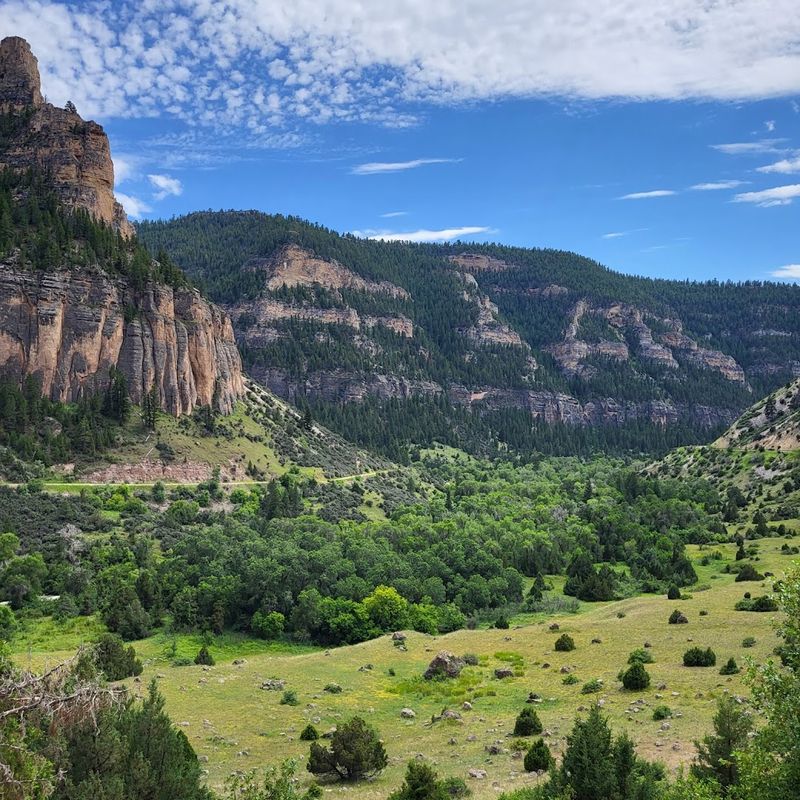
There is a quiet confidence about Buffalo, Wyoming, that draws visitors back year after year.
Sitting at the foot of the Bighorn Mountains in Johnson County, this small town of about 4,500 people carries a history as rich and dramatic as the landscape surrounding it.
The Johnson County War of 1892, a violent conflict between large cattle barons and small ranchers, played out right here, and the town has not forgotten it.
The Jim Gatchell Memorial Museum on Main Street does an excellent job of telling that story along with the broader history of the region.
Exhibits cover Native American history, frontier life, and the infamous cattle war with remarkable depth.
Admission is affordable, and local volunteers often add personal touches to tours that you simply cannot get at bigger institutions.
Clear Creek runs right through town and is stocked with trout, making casual fishing a popular activity for visitors who just want to relax.
The creek trail system offers a lovely walk through town that connects parks and historic sites in a way that feels both leisurely and educational.
Kids enjoy the trail, and dogs are welcome too.
Cloud Peak Wilderness, part of Bighorn National Forest, is accessible from Buffalo and offers some of the most remote and rewarding backpacking in Wyoming.
Day hikes are also plentiful for those who prefer to keep things simple.
The scenery involves alpine lakes, wildflower meadows, and granite peaks that look almost too perfect to be real.
Dining in Buffalo leans toward satisfying, no-fuss American fare with generous portions and fair prices.
The town also hosts a number of summer festivals that celebrate local culture, rodeo traditions, and Wyoming heritage in an atmosphere that feels genuinely community-driven rather than staged for tourists.
5. Pinedale
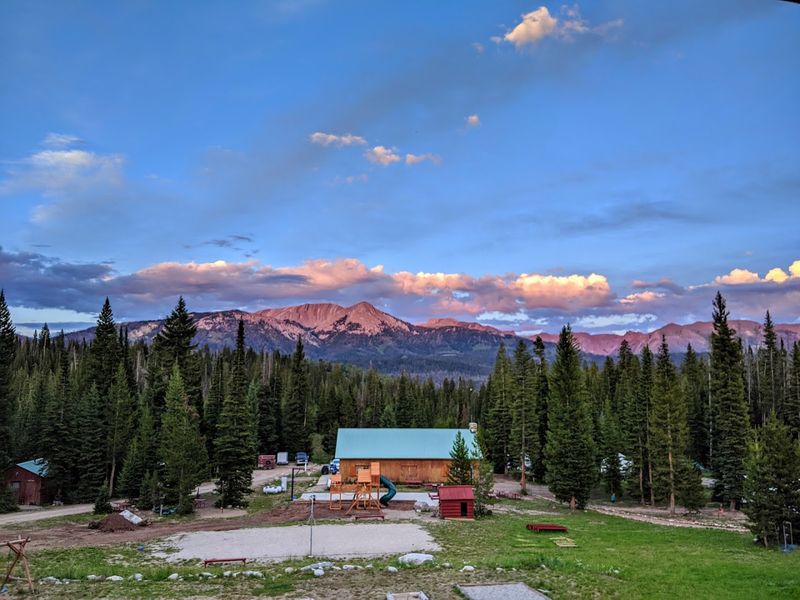
Pinedale sits at an elevation of over 7,100 feet in the Upper Green River Valley, surrounded by some of the most spectacular mountain scenery in Wyoming.
With the Wind River Range to the east and wide-open rangeland in every direction, this little town of around 2,000 people offers a sense of remoteness and grandeur that is genuinely hard to replicate anywhere else.
Fremont Lake, just a few miles from downtown, is one of the largest natural lakes in Wyoming and a stunning spot for kayaking, fishing, boating, and camping.
The water is a deep, brilliant blue, and the mountains reflected in its surface make for jaw-dropping photographs at any time of day.
A public campground sits right on the shore and is very reasonably priced.
The Museum of the Mountain Man in downtown Pinedale is a hidden gem that tells the story of the fur trade era and the legendary mountain men who roamed the Rocky Mountains in the early 1800s.
Annual Rendezvous reenactments held every July bring that history to life with costumed participants, period crafts, and lively demonstrations that families genuinely enjoy.
Pinedale is also one of the best spots in Wyoming for wildlife watching.
Pronghorn antelope, mule deer, and elk are commonly spotted right from the road, especially during the famous Sublette County migration season when thousands of animals move through the valley.
Wildlife photographers come from across the country for this annual event.
The town itself has a handful of good local restaurants, a craft brewery, and several outfitter shops where you can rent gear or book guided fishing trips.
Prices here are noticeably lower than in more tourist-heavy areas, making Pinedale a genuinely smart budget choice for mountain lovers.
6. Thermopolis
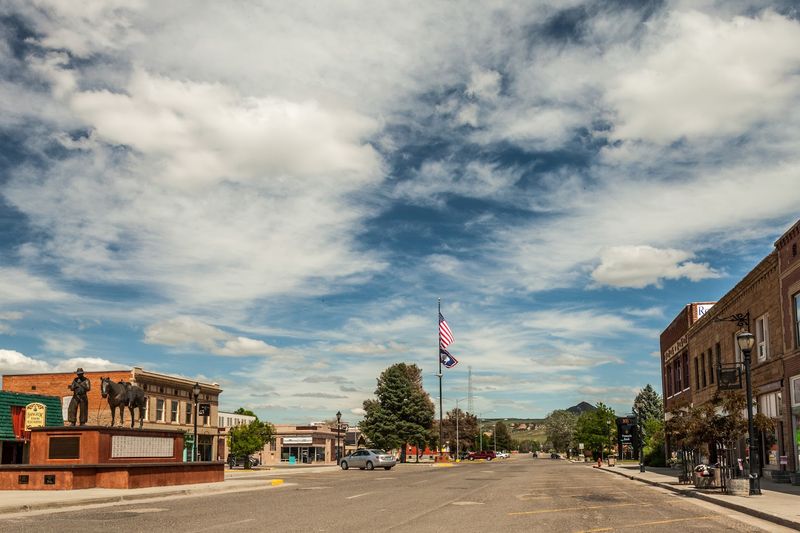
Soaking in a natural hot spring for free sounds like a dream, but in Thermopolis, it is just a Tuesday.
This small central Wyoming town sits on top of one of the largest known mineral hot springs in the world, and the state actually requires that a portion of the water remain free and open to the public.
That alone makes Thermopolis one of the most uniquely generous travel destinations in the country.
Hot Springs State Park is the heart of the experience.
The park features free soaking pools, a bison herd that roams a dedicated pasture, and gorgeous terraced mineral formations that look almost otherworldly in the morning light.
The Big Horn River runs alongside the park and offers excellent fishing, particularly for rainbow trout.
Admission to the park itself is free.
For those who want a more spa-like experience, the Star Plunge and Hellie’s Tepee Spa are just steps from the free pools and offer waterslides, private soaking rooms, and a variety of wellness services at very reasonable prices.
Spending a full day between the free pools and a paid attraction is an easy way to stretch your budget without missing anything.
The Wyoming Dinosaur Center is another unexpected highlight.
The area around Thermopolis has yielded remarkable fossil discoveries, and the museum houses an impressive collection of full dinosaur skeletons including a Supersaurus that stretches over a hundred feet.
Guided dig site tours let visitors try their hand at real paleontological fieldwork, which is an experience kids and adults find equally thrilling.
Thermopolis has a small but welcoming downtown with affordable motels and a few good local diners.
The combination of free attractions, natural beauty, and unique experiences makes it one of Wyoming’s best value destinations by a wide margin.
7. Dubois
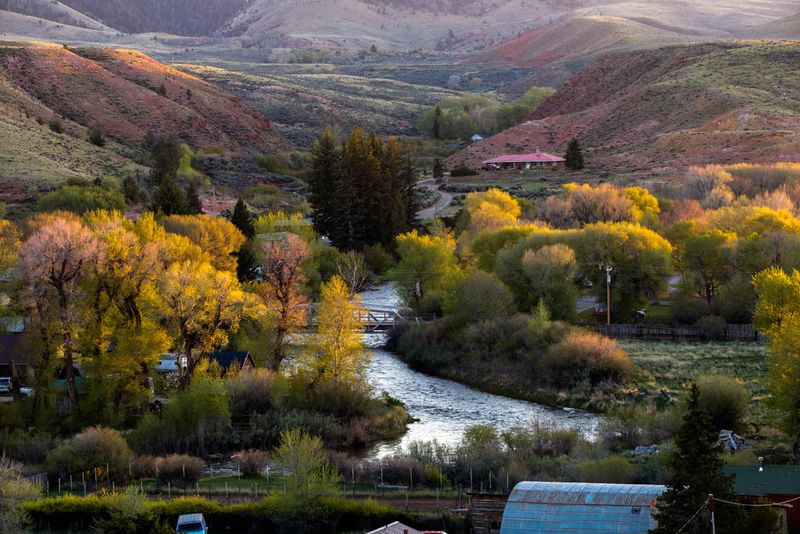
Driving into Dubois feels like entering a painting.
The town sits in a narrow valley carved by the Wind River, flanked on all sides by brilliantly colored badlands and the jagged peaks of the Absaroka and Wind River ranges.
With a population of just under 1,000 people, Dubois is one of Wyoming’s smallest towns, but it delivers experiences that many larger places simply cannot match.
The National Bighorn Sheep Center is one of the best wildlife education facilities in the Rocky Mountain region and a must-see for animal lovers.
Interactive exhibits explain the ecology, behavior, and conservation of Rocky Mountain bighorn sheep, and guided tours to nearby viewing areas give visitors a real chance to spot these magnificent animals in the wild.
The center is affordable and kid-friendly.
Dubois is also a gateway to the Fitzpatrick Wilderness and the Shoshone National Forest, offering some of the most remote and rewarding hiking and horseback riding in Wyoming.
Several outfitters in town offer pack trips into the backcountry that are surprisingly accessible for first-timers.
The trails wind through old-growth forests, past glacier-fed lakes, and over high mountain passes that offer views worth every step.
The quirky local culture of Dubois is part of its charm.
Tie-dye shops sit next to Western outfitters, and the annual Dubois Longboard Classic draws skateboarders from across the region to race down a local hill, creating an unexpectedly festive atmosphere in this tiny mountain town.
Local art galleries showcase work from resident artists who clearly draw endless inspiration from the surrounding landscape.
Lodging is affordable, with several small motels and guest ranches offering clean, comfortable rooms at prices well below what you would pay in more crowded Wyoming destinations.
Dubois rewards travelers who are willing to venture off the beaten path.
8. Saratoga
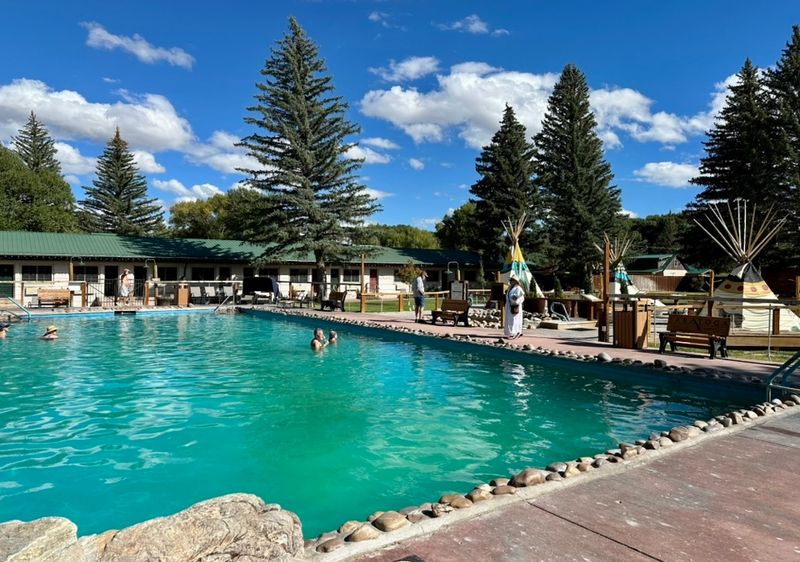
Some towns have one great thing going for them.
Saratoga has several, and they all happen to be free or extremely affordable.
Tucked into the North Platte River valley in southern Wyoming, this small community of about 1,700 people has built a devoted following among travelers who discover it almost by accident and end up staying much longer than they planned.
The Hobo Pool is Saratoga’s most beloved attraction and costs absolutely nothing to use.
This outdoor geothermal pool sits right on the banks of the North Platte River and is open around the clock, every day of the year.
The water stays naturally warm regardless of the season, and soaking in it while watching the river flow past is one of those simple pleasures that feels genuinely luxurious without costing a single dollar.
The North Platte River itself is widely regarded as one of the top blue-ribbon trout fisheries in the United States.
Fly fishing guides operate out of Saratoga and offer half-day and full-day float trips at competitive prices.
Even if you are not a seasoned angler, learning to fly fish on these beautiful waters is an experience that tends to create lifelong converts to the sport.
The Saratoga Museum, housed in a historic railroad depot, tells the story of the town’s ranching and railroad heritage with engaging exhibits and genuine warmth.
Downtown has a handful of good local restaurants, a craft brewery, and a few charming shops that sell locally made goods.
The overall pace of life in Saratoga is slow in the best possible way.
Accommodations range from the historic Wolf Hotel, a beautifully restored 1893 building, to modern motels and RV parks.
Prices across the board are noticeably lower than in more heavily visited Wyoming destinations, making Saratoga an outstanding choice for budget-conscious travelers.
9. Laramie
College towns have a certain energy that is hard to fake, and Laramie has it in abundance.
Home to the University of Wyoming, the only four-year university in the state, Laramie blends cowboy culture with academic energy in a way that makes it one of the most interesting and affordable places to visit in all of Wyoming.
At an elevation of 7,165 feet, it is also one of the highest cities in the United States.
The Wyoming Territorial Prison State Historic Site is one of Laramie’s most fascinating attractions.
This was once the prison where the famous outlaw Butch Cassidy served time in the 1890s, and today it operates as a living history museum with costumed interpreters, period demonstrations, and engaging exhibits about frontier justice.
Admission is reasonably priced and the experience is memorable for visitors of all ages.
The University of Wyoming Art Museum offers free admission and houses a surprisingly impressive collection of American Western art, international prints, and rotating contemporary exhibitions.
The campus itself is beautiful and worth a stroll, with its distinctive yellow limestone buildings and wide-open quads that invite leisurely exploration regardless of whether you are enrolled in a class.
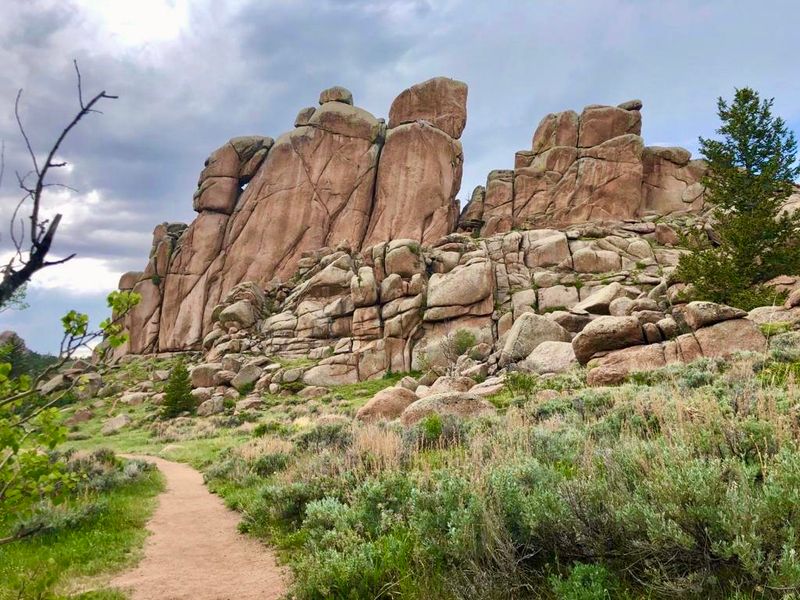
Vedauwoo, a remarkable rock formation located just east of Laramie near the Colorado border, looks like something from another planet.
Massive rounded granite boulders stacked in improbable formations create a climbing and hiking playground that draws visitors from across the region.
The scenery there is dramatic and completely unlike anything else in Wyoming.
Laramie’s downtown has a lively mix of independent restaurants, live music venues, breweries, and coffee shops that keep things interesting year-round.
Housing and food costs are lower here than in many Wyoming tourist hubs, making it an excellent base for exploring the southern part of the state on a budget.
10. Rawlins
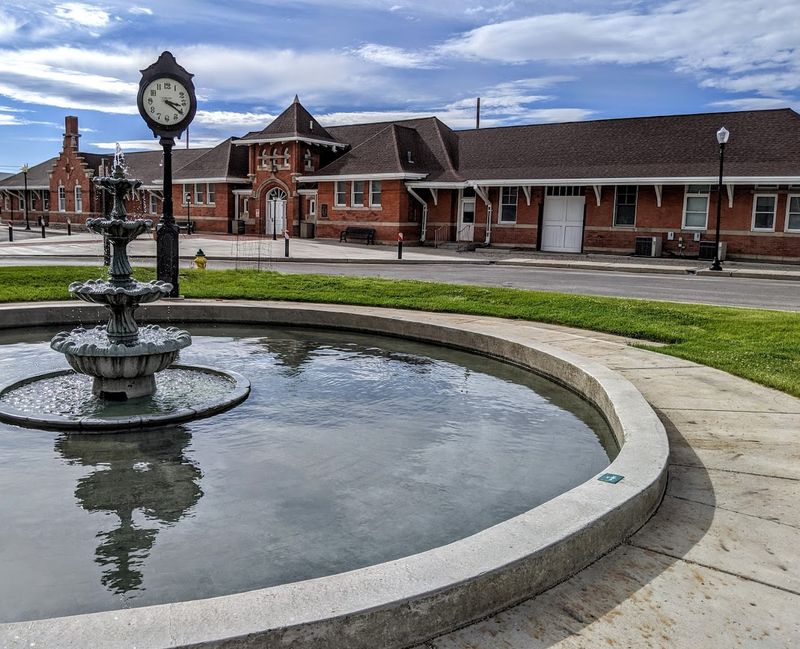
Rawlins does not show up on many travel bucket lists, and that is exactly what makes it worth visiting.
Sitting along Interstate 80 in Carbon County, this no-nonsense high desert town has a rugged, unpretentious character that feels refreshingly authentic in an era when so many travel destinations seem carefully curated for Instagram.
Rawlins is the real deal, and it rewards curious travelers who take the time to look beneath the surface.
The Wyoming Frontier Prison is the star attraction and one of the most genuinely compelling historic sites in the state.
This imposing stone penitentiary operated from 1901 to 1981 and housed some of Wyoming’s most notorious criminals during its eight decades of operation.
Guided tours led by knowledgeable and enthusiastic staff walk visitors through the cell blocks, solitary confinement, and the execution chamber with a level of candor and detail that makes history feel very real and very immediate.
The Carbon County Museum downtown is free to enter and tells the story of the region’s ranching, railroad, and mining heritage with a collection of artifacts that ranges from Native American tools to outlaw memorabilia.
It is the kind of small local museum where you expect to spend twenty minutes and end up staying for two hours.
Rawlins sits near some outstanding outdoor recreation areas that most tourists completely overlook.
Pathfinder Reservoir and Seminoe Reservoir, both within an hour’s drive, offer boating, fishing, and camping in dramatic high desert and canyon settings.
The Seminoe to Alcova Corridor, known locally as the Miracle Mile, is a legendary stretch of the North Platte River that draws serious fly fishermen from across the country.
Lodging in Rawlins is among the most affordable in Wyoming, with several clean chain hotels and independent motels charging rates that make extended stays very practical.
Gas, food, and entertainment are all priced for locals rather than tourists, which means your travel dollar goes noticeably further here.
Share this story