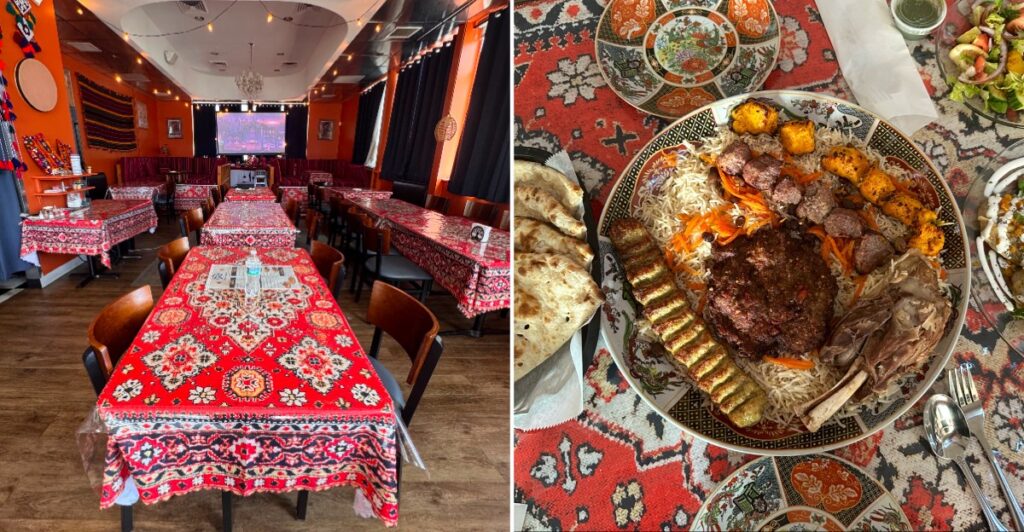
Trying a new cuisine feels a lot easier when one signature dish gives you a clear place to start. In Grand Rapids, Michigan, Rumi’s Garden puts Afghan flavors front and center with qabili palau, a colorful combination of seasoned rice, tender meat, carrots, and raisins that is widely considered Afghanistan’s national dish.
The appeal comes from how approachable the plate feels, even if Afghan food is completely new to you. Once you have tried the restaurant’s best-known specialty, there is plenty more on the menu worth exploring.
For anyone looking to shake up the usual Michigan dining routine, Rumi’s Garden offers a flavorful introduction to Afghan cuisine.
A Rice Dish That Gets the Spotlight
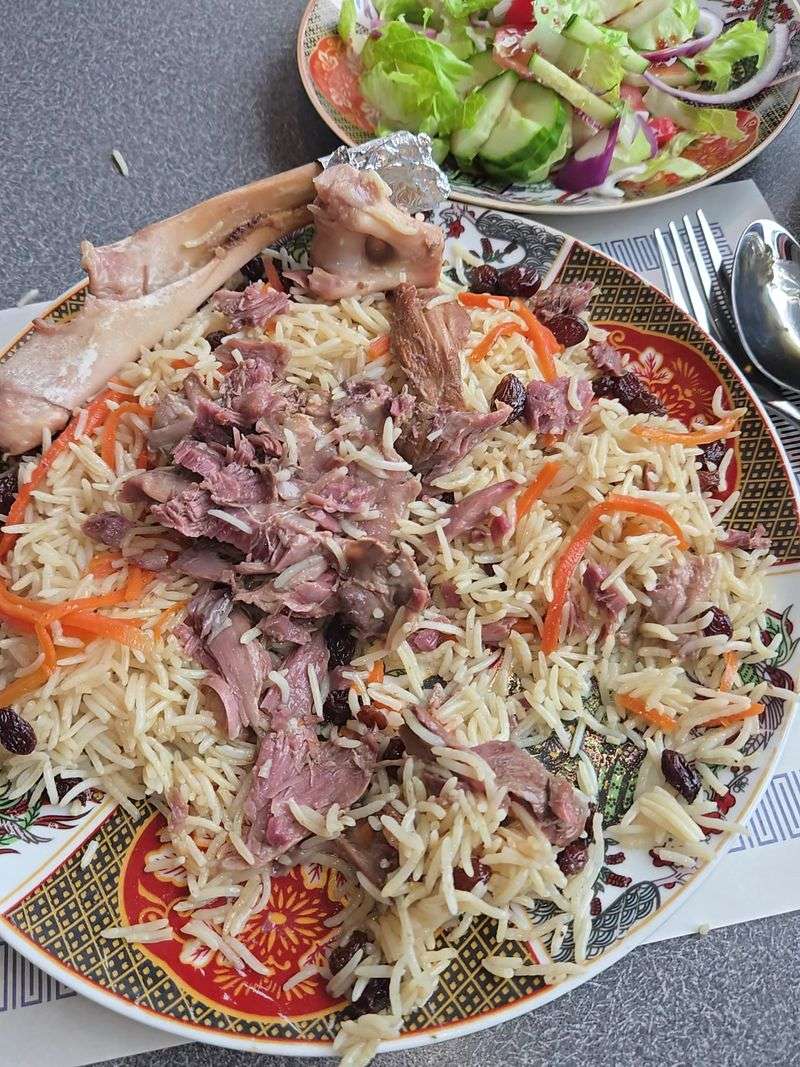
Look across a table at Rumi’s Garden, and the rice may catch your eye first. Qabili palau, also spelled qabuli pulao or qabili palow, has the kind of color that makes you pause before picking up your fork.
The dish is widely known as Afghanistan’s national dish. At this Grand Rapids restaurant, it gives you a clear starting point if Afghan food is unfamiliar.
Rather than guessing your way through the menu, you can begin with a meal built around a well-known tradition.
Rice forms the base, with meat adding a savory center. Carrots and raisins bring gentle sweetness, so each forkful can shift between rich and bright.
Those ingredients are part of the dish’s appeal, not decorations to push aside.
If you usually expect rice to stay in the background, slow down for a bite on its own. Then try it with meat, followed by a little carrot and raisin.
The small changes help you notice how the parts work together.
Rumi’s Garden has served versions featuring lamb, including lamb shank with palau. Check the current menu when you visit, since names and available options can change.
A quick question to the staff can help you choose the serving that fits your appetite.
This is also a useful dish for sharing. Someone at the table might focus on the meat, while another reaches for the sweet bits mixed through the rice.
Ordering it alongside one smaller plate gives everyone more to explore without losing the main event.
For a first visit, let the palau set the pace. Taste it before adding any sauce, and notice the contrast between the savory meat and sweet toppings.
Then decide which bite you want again.
That simple sequence tells you more about the dish than a long menu description could. At Rumi’s Garden, Afghanistan’s best-known plate earns its place at the center of the meal.
Michigan’s 44th Street Route to Afghan Food
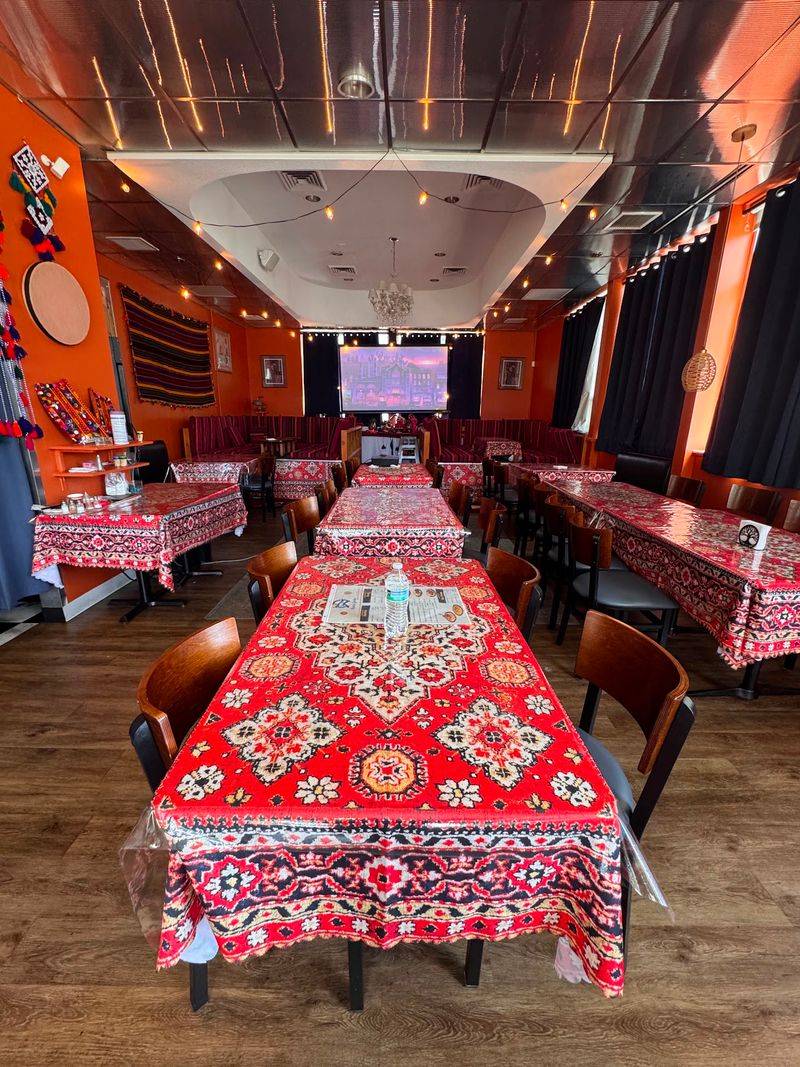
A great meal can begin with a small navigation puzzle. Rumi’s Garden is at 2222 44th St SE in Grand Rapids, and the street address is the most useful detail to keep handy as you head there.
The restaurant occupies a space that some earlier diners recognized by older signage. Because signs and neighboring businesses can change, rely on the address rather than an old photo when finding the entrance.
It is a simple step that can save a slow circle around the property.
Inside, the menu shifts attention from the road to Afghan cooking. Qabili palau is the natural anchor, but the restaurant also offers a chance to compare it with kebabs, dumplings, bread, and other dishes.
You do not need to know every name before arriving.
If you are bringing someone who has never tried Afghan food, start by describing the palau in familiar terms: rice, meat, carrots, and raisins. The sweetness may sound surprising, yet it sits beside savory flavors rather than turning the plate into dessert.
Grand Rapids has plenty of choices when dinner plans come together at the last minute. Rumi’s Garden works best when you give yourself enough time to sit down, ask about dishes, and let a full plate of rice become the main plan.
The location also makes practical details worth checking before you leave. The supplied hours list service from 11:30 a.m. to 9 p.m.
Wednesday through Monday, with Tuesday closed. Hours can change, especially around holidays, so confirm them before a special trip.
Once you arrive, keep the first order focused. A palau plate and one dish to share offer more contrast than a table crowded with choices you cannot identify yet.
The destination is specific: a 44th Street address where Afghanistan’s national dish gets a Grand Rapids table of its own.
Carrots, Raisins, and the Savory Side of Sweet
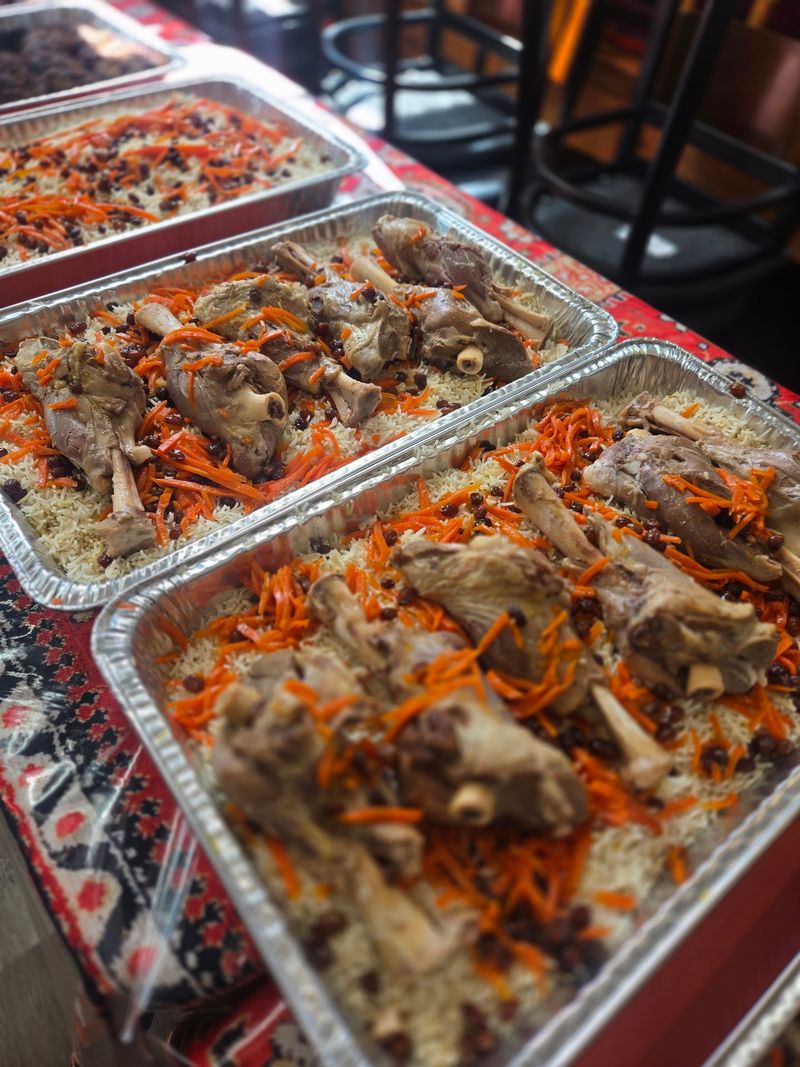
Raisins in a dinner entrée might sound like a bold move. On qabili palau, they have a job: their sweetness plays against the meat and rice, making the plate more varied than its simple ingredient list suggests.
Carrots add another kind of sweetness, plus a bright color that breaks up the rice. Together, the toppings make it easy to build different bites.
You can try more carrot on one forkful and more meat on the next.
That contrast is useful if Afghan food is new to you. There is no need to search for one powerful spice that explains the whole dish.
Pay attention instead to how mild, sweet, and savory parts take turns.
The lamb version at Rumi’s Garden offers a clear example. Rich meat sits alongside rice that can be enjoyed by itself, while the raisins provide brief sweet notes.
If you like dishes that mix flavors without covering them in heavy sauce, palau is a smart first order.
Start tasting at the edge of the plate, where you can pick out individual ingredients. After that, combine a little of everything.
Comparing those bites turns dinner into a quick lesson in why this dish holds such a central place in Afghan food.
If a green chutney arrives with your order, try the rice plain before adding it. The sauce can bring a sharper, brighter note, but you will understand the dish better if you first taste what is already there.
Sharing makes the contrast easier to spot, too. Ask a dining partner which bite they prefer, then trade a little of the topping each of you likes.
It is a low-pressure way to talk about food without needing expert words.
By the last forkful, the raisins no longer seem unusual. They are a small part of a carefully varied plate, sitting right beside the savory center.
Make Room for Mantu
Before the rice plate takes over your table, consider ordering mantu. These meat-filled Afghan dumplings offer a different shape, texture, and way to eat, making them a helpful companion to qabili palau rather than a repeat of it.
Palau arrives as a broad plate built for forkfuls. Mantu comes in separate pieces, so you can slow down and taste one dumpling at a time.
If a sauce or topping accompanies them, try a bite with it and another without.
At Rumi’s Garden, mantu is among the dishes that diners have singled out alongside the rice and lamb. Its role in your order is straightforward: it gives the table something to pass around while leaving the national dish at the center.
A shared dumpling plate can also make ordering easier for a group. One person may be ready for a full lamb meal, while another wants to sample Afghan food in smaller steps.
Mantu gives both people a place to begin.
Do not feel pressed to order every appealing starter at once. If it is your first visit, pair the dumplings with palau and see how much room remains.
Portions and menu choices can vary, so asking for guidance is more useful than guessing.
Bolani is another name you may notice while exploring Rumi’s Garden. If both dishes interest you, ask the staff how they differ and choose the one that adds the contrast you want.
That keeps the meal organized instead of turning it into a rushed tasting contest.
Take a moment between the dumplings and rice. The change from a compact, filled bite to a loose forkful of palau is part of the fun.
With mantu on the side, the table shows more than one way Afghan cooking brings meat, dough, and shared eating together.
A Low Table Changes the Pace
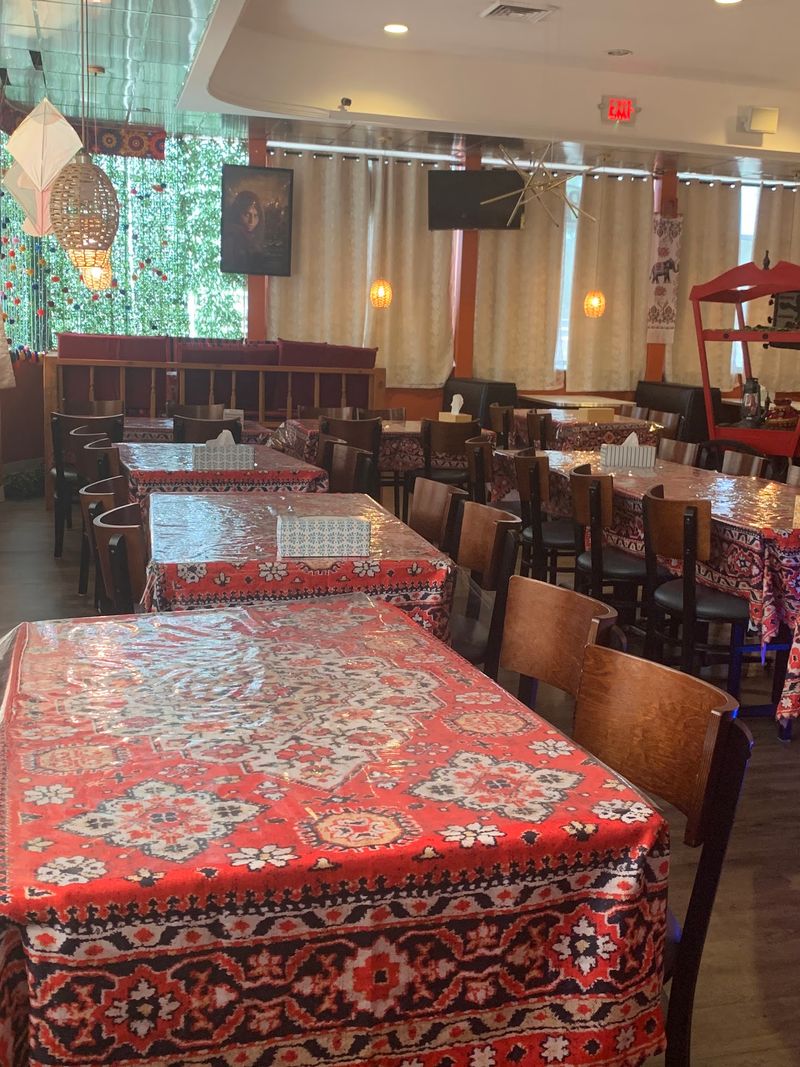
Your seat can change how a meal unfolds. Rumi’s Garden has offered traditional raised-platform seating with cushions and a low table, as well as standard tables and chairs.
The choice gives you two different ways to settle in.
The low seating invites a slower meal, especially when several dishes are meant to be shared. Place a plate of qabili palau between diners, and everyone can reach for a favorite combination of rice, meat, and toppings.
Mantu or naan can move around the table next.
For some guests, sitting on a platform may be the most unexpected part of the visit. Check with the staff before taking a spot, since the setup may involve removing your shoes.
If getting down to a low seat sounds uncomfortable, ask for a regular table instead.
That small choice matters when you bring family or friends with different needs. A group can enjoy the same menu without treating one seating style as a requirement.
Comfort makes it easier to pay attention to the food rather than your knees.
The setting also gives a shared platter a natural home. Instead of ordering separate meals and barely looking at one another’s plates, you can compare bites as they travel across the table.
Keep water and napkins within reach before the dishes arrive.
If children are joining you, ask which seating option best suits your group. A low table may work well for some families, while a standard chair or high chair may make the meal simpler for others.
There is no prize for choosing the less practical option.
Whichever seat you take, let the palau arrive before you start rearranging the whole table. Its generous spread of rice deserves a clear space.
At Rumi’s Garden, the seating choice is more than a visual detail. It helps you decide how your group will share Afghanistan’s national dish.
Build a Table Beyond the Main Plate
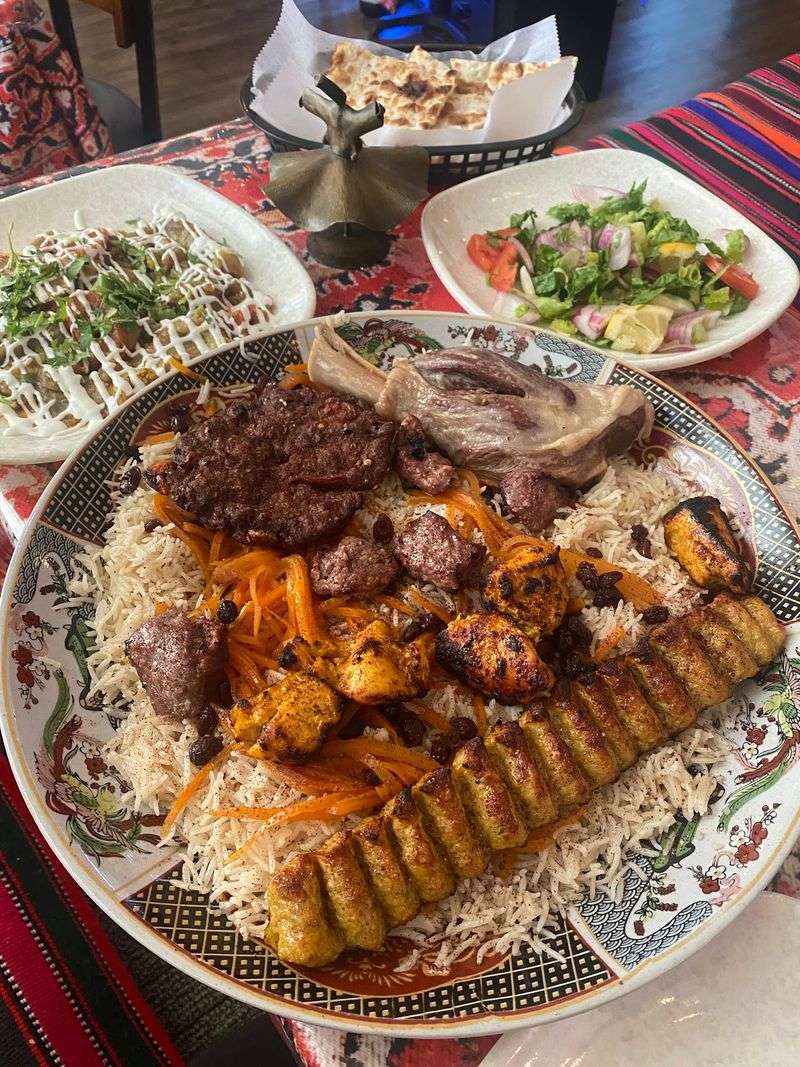
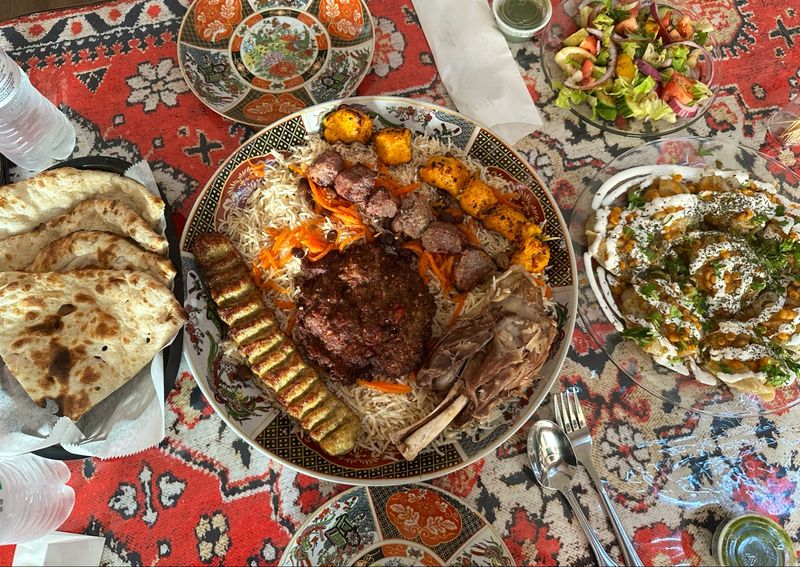
One strong main dish does not mean everyone must eat the same thing. At Rumi’s Garden, qabili palau can anchor a table while a few well-chosen extras show how the menu moves in other directions.
Chapli kebab offers a meat-focused contrast to the layered rice dish. Naan adds bread you can use between bites, and green chutney may bring a fresh, lively edge.
Ask what comes with each order before adding sides, since you may already have bread or sauce included.
For a bigger group, a platter can make sharing easier. Rumi’s Garden has offered options for two and larger gatherings, allowing diners to sample several foods in one order.
Check the current contents and serving size rather than assuming every platter includes the same dishes.
There is a simple way to avoid ordering too much: choose the palau first, then decide whether the group wants another meat dish, a dumpling, or bread. Each addition should do a different job on the table.
Three nearly identical choices will teach you less than two contrasting ones.
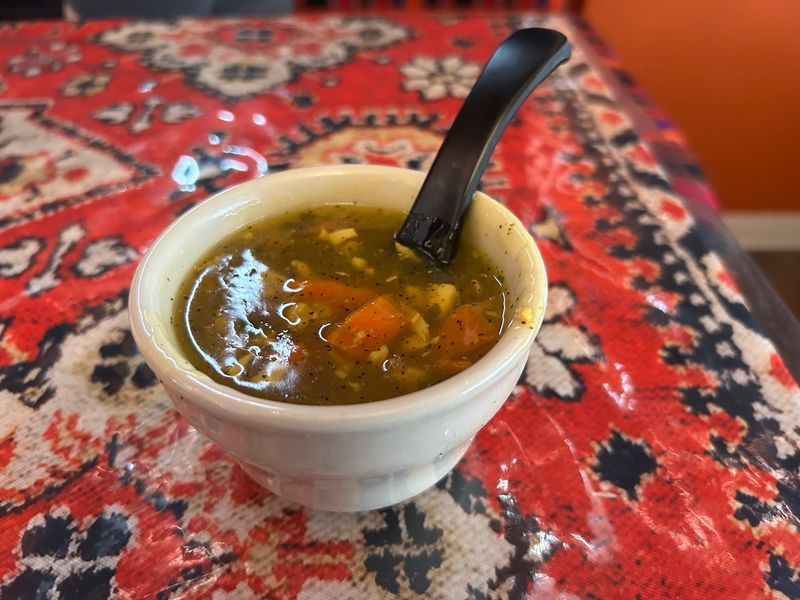
Chicken soup is another option to ask about if you want a warm start. It can give you a smaller first taste before the rice arrives.
Since availability and how it is served may change, treat it as a question for the staff, not a guaranteed part of every meal.
If someone at your table prefers chicken, ask about the current kebab or biryani choices. That lets the group explore without moving the spotlight entirely away from Afghanistan’s national dish.
Leave a little space as dishes arrive. A crowded table makes passing hot plates harder, especially when a large serving of rice needs a central spot.
The best spread has a clear plan: palau in the middle, with each extra adding a new bite rather than competing for attention.
The Smart Way to Plan Your First Visit
Tuesday is not the day to show up hungry at Rumi’s Garden. The supplied schedule lists the restaurant as closed that day and open from 11:30 a.m. to 9 p.m.
Wednesday through Monday. Confirm the hours before leaving, since restaurant schedules can shift.
For your first meal, begin with qabili palau. Ask which version is available and whether you are ordering a single plate or considering a platter.
That quick conversation helps you judge how many other dishes the table needs.
Arriving with a little time makes the experience simpler. You can look over unfamiliar names, ask for a recommendation, and choose between low platform seating and a standard table if both are available.
A meal built around several shared plates is easier when nobody is rushing.
Bring an appetite, but do not order based only on how many names sound tempting. Rice, meat, bread, and dumplings can add up quickly.
Begin with the national dish and one contrasting item, then use the portion sizes in front of you to guide any next choice.
If you are dining with someone who avoids particular ingredients, ask before ordering. The carrots and raisins in palau are easy to see, but sauces and dumpling fillings may need an explanation.
Staff can also help clarify how a dish is served that day.
The address, 2222 44th St SE, is worth checking as you travel. Older exterior details shown in photos may not match the current entrance.
Following the address keeps the focus on dinner, not a search for a familiar sign.
Once seated, take the first bite of palau without extras. Then add chutney or alternate it with a dumpling if those are on your table.
That plan is easy to remember: find the address, check the hours, order the rice dish, and give yourself time to enjoy it.
Share this story