Sequatchie Valley sits tucked between mountain ridges in southeastern Tennessee, and it’s one of those places that feels like stepping back in time. Most people drive through on their way to somewhere else, but those who stop for a weekend often find themselves imagining a completely different life.
The valley offers something rare these days: space to breathe, neighbors who wave, and a pace of life that actually lets you enjoy your days. By Sunday evening, you might catch yourself scrolling through real estate listings and wondering why you ever lived anywhere else.
The Valley Views Will Take Your Breath Away Every Single Morning
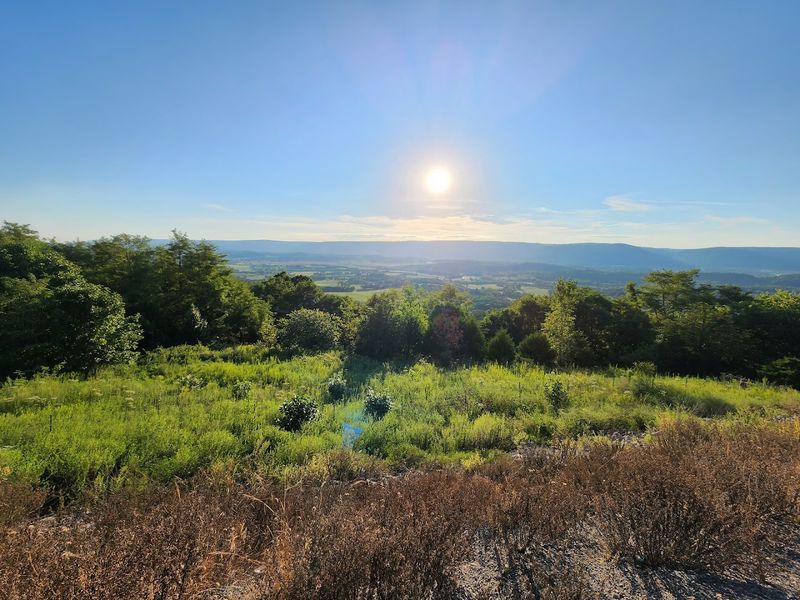
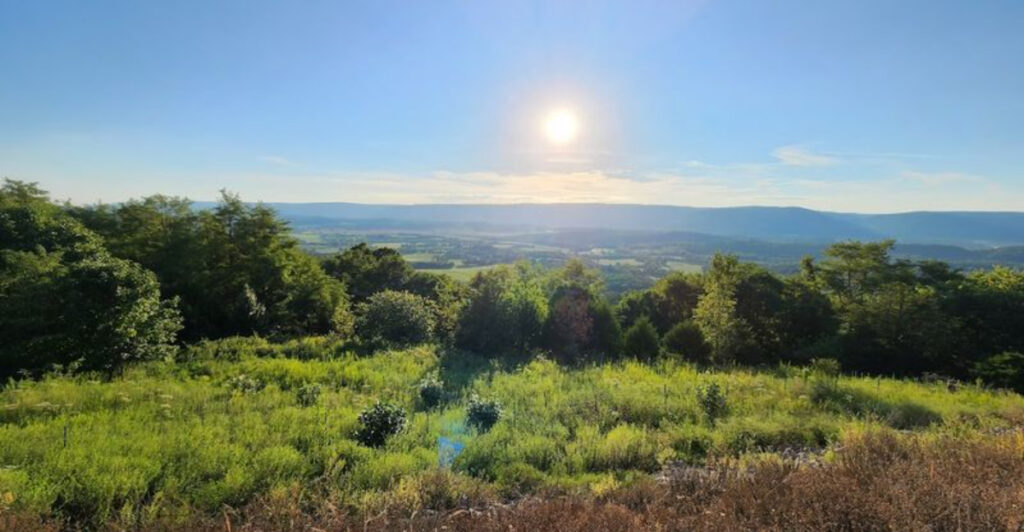
Waking up to a view that looks like a painting every single day. Sequatchie Valley stretches between two towering mountain ridges, creating a natural corridor that’s about 60 miles long and only a few miles wide.
The way the morning light hits those ridges creates colors you didn’t even know existed outside of Instagram filters.
People who live here never get tired of the scenery, and that’s saying something. You can stand in your yard and see for miles in both directions down the valley floor.
During fall, the mountainsides explode with reds, oranges, and yellows that make you want to take photos every five minutes.
The geography here is special because the valley sits at a lower elevation than the surrounding Cumberland Plateau. This creates unique weather patterns and microclimates that keep things interesting.
Some mornings, you’ll wake up to fog filling the entire valley like a river of clouds.
Sunset might be even better than sunrise, if you can believe it. The sun dips behind the western ridge and paints the sky in shades of pink and purple that reflect off the eastern mountains.
Local photographers have built entire careers around capturing these moments, and residents never miss a chance to sit on their porches and watch the show.
Living somewhere beautiful isn’t just about pretty pictures for social media. Studies show that being surrounded by natural beauty actually reduces stress and improves mental health.
When your daily commute includes these kinds of views instead of concrete and traffic, your whole outlook changes.
The valley also changes dramatically with the seasons, giving you four completely different landscapes throughout the year. Spring brings wildflowers covering the valley floor.
Summer turns everything lush and green. Winter occasionally dusts the ridges with snow, creating postcard-perfect scenes.
Real estate here often comes with expansive views as a standard feature, not a luxury upgrade. Even modest homes typically have sight lines that would cost millions in other parts of the country.
That’s the kind of daily experience that makes you seriously reconsider your current zip code after just one weekend visit.
Small-Town Communities Where Everyone Actually Knows Your Name
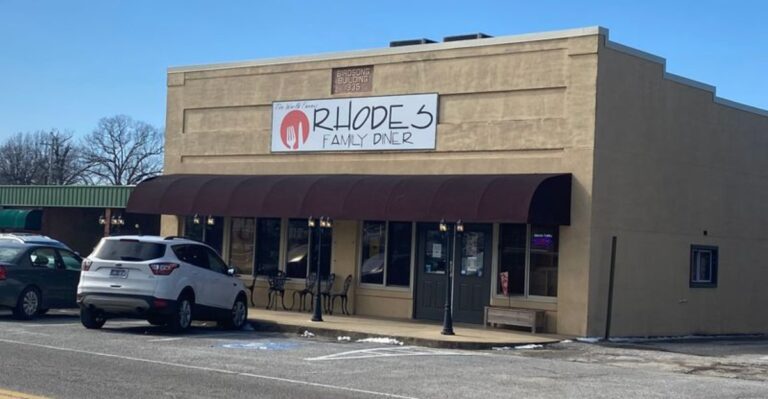
Walking into the local diner here is like stepping into a television show about the perfect small town. Except this isn’t scripted, and these relationships are genuinely real.
The waitress remembers how you like your coffee after your second visit, and by your third, people are asking if you’re planning to stick around.
The valley is home to several tiny communities like Dunlap, Pikeville, and Whitwell. None of them have big populations, and that’s exactly the point.
In towns this size, anonymity isn’t an option, which means people tend to treat each other better.
You’ll notice something different at the grocery store right away. People don’t avoid eye contact and rush through their shopping.
Instead, checkout lines become social hours where neighbors catch up on each other’s lives. Yes, this means shopping takes longer, but you’ll realize that’s actually a feature, not a bug.
Local events bring entire communities together in ways that feel almost forgotten in modern America. Friday night football games draw crowds from across the valley.
Church potlucks still happen regularly, and you don’t have to be a member to attend. Fourth of July celebrations and Christmas parades are genuine community affairs where everyone participates.
The school systems here are small enough that teachers know every student personally. Kids grow up with the same classmates from kindergarten through graduation, creating lifelong friendships.
Parents become friends too, building social networks that feel more like extended family.
Need help with something? Neighbors here actually show up with their tools and time.
Someone’s always willing to lend a hand, whether you’re moving furniture or trying to fix a fence. This isn’t the kind of place where you only interact with people through your Ring doorbell.
Crime rates in Sequatchie Valley are remarkably low because everyone knows everyone. It’s hard to get away with bad behavior when your reputation matters and word travels fast.
People still leave their doors unlocked, though newcomers take a while to feel comfortable doing that.
After spending a weekend experiencing this kind of community, going back to a city where you don’t know your neighbors’ names feels lonely. You’ll start wondering why you’re paying more to live somewhere less friendly.
Outdoor Adventures Are Literally Outside Your Back Door
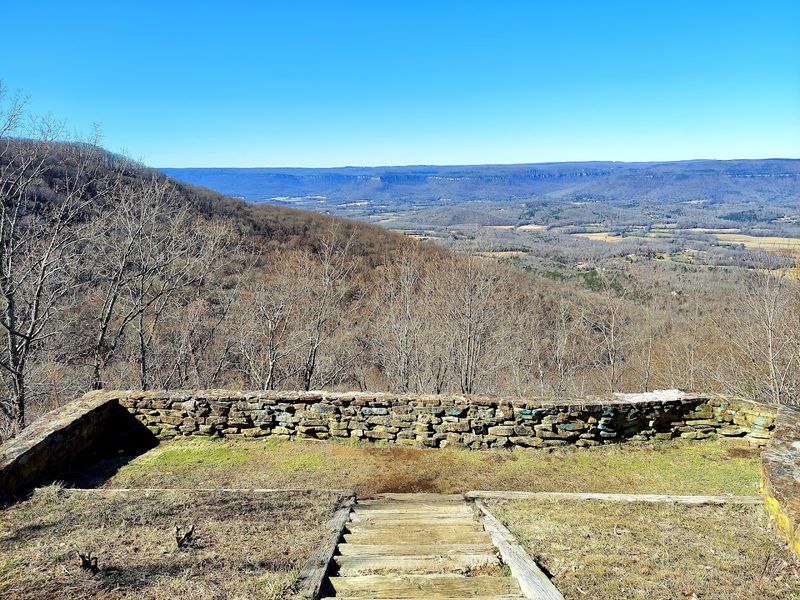
Here’s something wild: you don’t need to drive an hour to find nature when you live in Sequatchie Valley. The entire area is basically one giant outdoor playground.
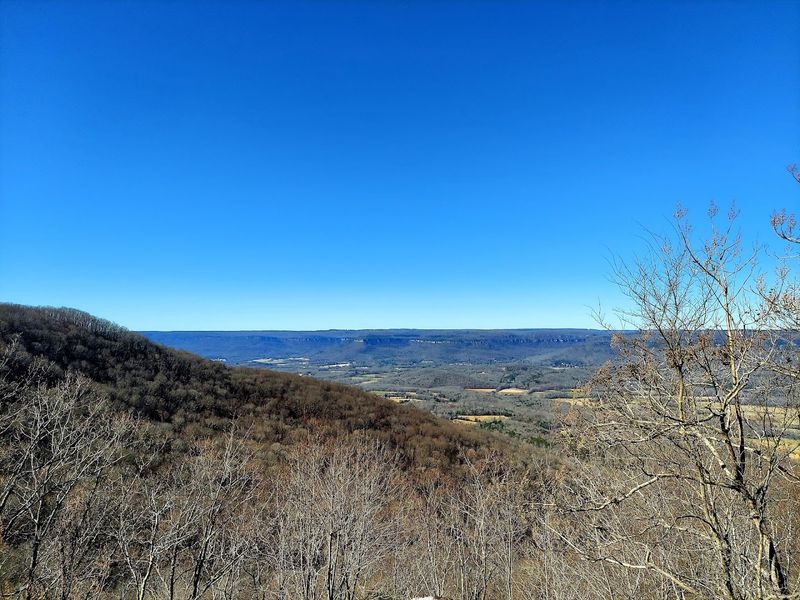
Trail systems, climbing spots, caves, rivers, and forests surround you on all sides, turning every day into a potential adventure.
Rock climbers from across the country come here specifically for the sandstone bluffs that line both sides of the valley. Foster Falls is probably the most famous spot, featuring a stunning 60-foot waterfall and surrounding cliffs that offer climbing routes for every skill level.
On any given weekend, you’ll see climbers tackling these walls while hikers explore the trails below.
The Sequatchie River runs the entire length of the valley, providing excellent opportunities for kayaking and fishing. Unlike major tourist rivers, this one stays relatively uncrowded even during peak season.
You can spend hours on the water without seeing another soul, which is increasingly rare in our connected world.
Savage Gulf State Natural Area sits just above the valley rim, offering over 50 miles of hiking trails through some of Tennessee’s most rugged terrain. Deep gorges, waterfalls, and virgin forests create an experience that feels genuinely wild.
Day hikes here range from easy family walks to challenging backpacking routes.
Mountain biking has exploded in popularity throughout the valley in recent years. New trail systems keep popping up, built and maintained by passionate local riders.
The terrain offers everything from flowy beginner trails to technical downhill runs that challenge experienced riders.
Cave explorers love this area too. Numerous caves dot the limestone formations throughout the region, ranging from simple walk-through caverns to complex systems that require serious spelunking skills.
Guided cave tours happen regularly for those who want to explore safely.
Hunting and fishing aren’t just hobbies here; they’re ways of life that connect people to the land. Deer, turkey, and small game are plentiful.
The forests and streams provide abundant opportunities for people who enjoy harvesting their own food.
Living somewhere with this much outdoor access changes your lifestyle completely. Exercise happens naturally when you can walk out your door and hit a trail.
Weekends become adventures instead of screen time. After one weekend experiencing this lifestyle, your current home might feel like a prison by comparison.
Your Dollar Stretches Further Than You Ever Imagined Possible
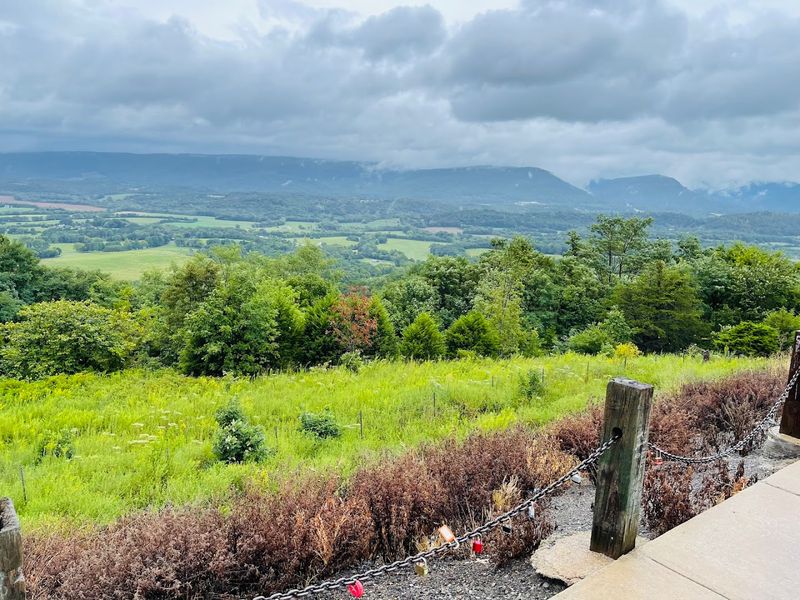
Let’s talk about something that matters to everyone: money. What you pay for a tiny apartment in most cities could buy you a house with acreage here.
The cost of living in Sequatchie Valley is dramatically lower than state and national averages, which means your salary goes much further.
Housing prices here feel like they’re from a different decade. You can find decent homes for well under $200,000, and that’s not a fixer-upper in a sketchy area.
We’re talking about solid houses with land, often featuring those valley views we mentioned earlier.
Property taxes are another pleasant surprise. Tennessee already has no state income tax, which helps considerably.
Local property tax rates in Sequatchie County remain reasonable compared to metro areas, meaning you keep more of what you earn every year.
Utility costs tend to be lower here too. Many homes use well water, eliminating one monthly bill entirely.
Smaller homes cost less to heat and cool. Some residents even generate their own electricity through solar panels, which work great given the valley’s open exposure to sunlight.
Grocery bills shrink when you shop locally and buy directly from farmers. The valley has numerous farms selling everything from fresh produce to grass-fed beef at prices that beat supermarket chains.
Many residents keep gardens and chicken coops, further reducing their food costs while improving quality.
Gas expenses drop significantly because distances are shorter and traffic is nonexistent. Your commute might be a few miles instead of 45 minutes of stop-and-go frustration.
Cars last longer when they’re not stuck in traffic jams and fighting through harsh city conditions.
Entertainment doesn’t require spending money when you’re surrounded by free outdoor activities. Instead of paying for gym memberships, movie tickets, or expensive weekend events, you hike, fish, and explore.
Your entertainment budget becomes almost optional.
The lack of nearby shopping might actually save you money too. Without constant temptation from malls and stores, impulse purchases decrease dramatically.
You learn to buy what you need rather than what marketing tells you to want.
Medical costs can be lower in rural areas, though this varies. The trade-off is that specialized care requires traveling to larger cities.
Most residents find this acceptable given the overall cost savings and improved quality of life.
After calculating how much money you could save living here versus your current location, those real estate listings start looking really tempting.
Historic Downtowns That Haven’t Been Destroyed By Chain Stores
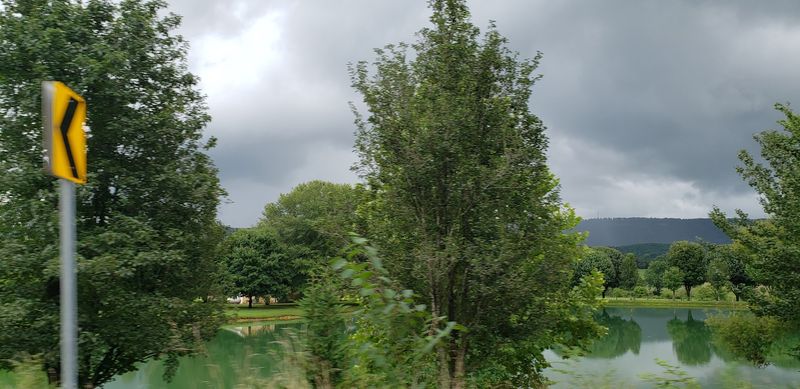
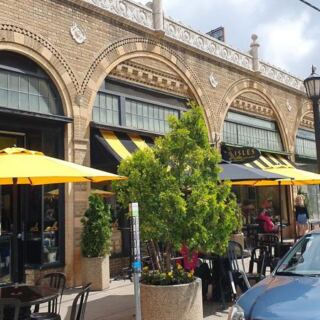
Downtown Dunlap looks like someone preserved a slice of 1950s America and kept it running. Old brick buildings line the main street, housing local businesses that have served the community for generations.
No Starbucks, no Walmart dominating the landscape—just real stores run by real people who live right here.
These historic downtowns weren’t created by developers trying to manufacture authenticity. They’re genuinely old, with buildings that date back a century or more.
The architecture tells stories about when these towns were thriving centers of rural commerce, before interstates and big box stores changed everything.
Walk into any downtown shop and you’ll probably meet the owner personally. The hardware store guy knows every product in his inventory and can tell you exactly how to fix whatever’s broken.
The antique shop owner has stories about every piece of furniture. Local restaurants serve recipes passed down through families.
There’s something deeply satisfying about shopping local in places like this. Your money stays in the community, supporting neighbors rather than distant corporate shareholders.
You see the direct impact of your spending when the store owner can afford to keep their business running another year.
Downtown events bring these spaces to life in special ways. Seasonal festivals, farmers markets, and community gatherings happen regularly in these town centers.
During the holidays, local shops decorate their windows and the whole downtown transforms into something magical.
Preservation efforts have kept many of these historic buildings standing despite economic challenges. Community members understand that once these structures are gone, you can’t get them back.
Local historical societies work hard to maintain the character that makes these downtowns special.
Some buildings house unusual finds you won’t see anywhere else. Old-fashioned soda fountains still operate in a few spots.
Vintage theaters show movies on weekends. Barber shops with the original chairs and mirrors give haircuts the old-fashioned way.
Visiting these downtowns feels like time travel, but it’s not just nostalgia—it’s functionality. These are working town centers that serve their communities’ actual needs.
You can get your prescriptions filled, buy fresh bread, find work clothes, and grab lunch all within a few blocks.
The slower pace downtown forces you to relax and actually enjoy shopping rather than rushing through it. You’ll find yourself stopping to chat with strangers, something that rarely happens in modern retail environments.
After experiencing downtown shopping here, going back to fluorescent-lit chain stores feels soulless. You’ll want to support communities that still value local character over corporate convenience.
Farm-Fresh Food Becomes Your Everyday Normal Instead Of Special Occasion Luxury
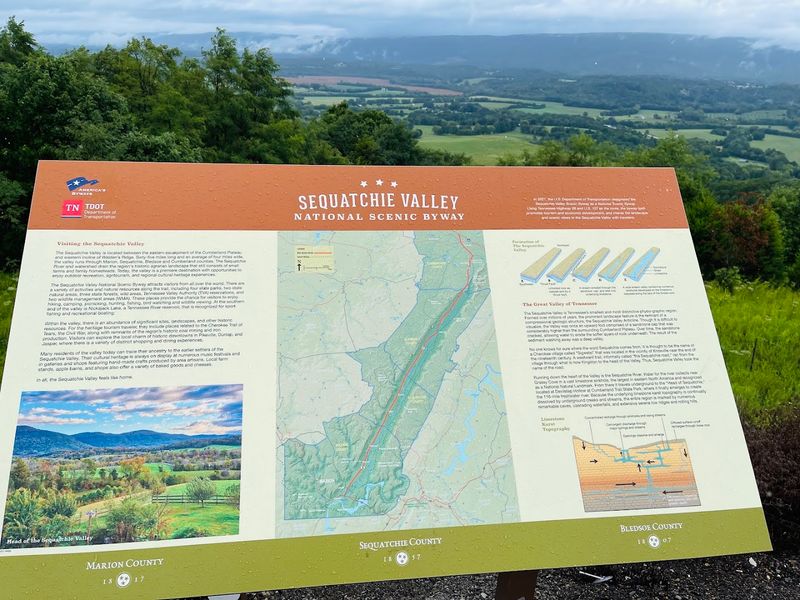
Ever wonder what tomatoes are supposed to actually taste like? The ones in the grocery store are bred for shelf life and shipping, not flavor.
In Sequatchie Valley, you’ll rediscover what real food tastes like when it’s grown locally and picked ripe.
Farmers markets happen regularly throughout the valley, but that’s almost unnecessary because farms sell directly to customers year-round. You can drive down country roads and see signs advertising everything from raw honey to free-range eggs.
Many farms operate on the honor system, with payment boxes where you leave money and take what you need.
The difference in quality becomes obvious immediately. Eggs from chickens that actually roam outside have deep orange yolks and rich flavor that makes store-bought eggs seem like different food entirely.
Beef from cattle raised on pasture tastes cleaner and more natural than feedlot meat.
Seasonal eating happens naturally here because that’s what’s available. Spring brings fresh greens and strawberries.
Summer means tomatoes, corn, and cucumbers by the bushel. Fall delivers apples, pumpkins, and squash.
Even winter offers root vegetables and preserved goods from the growing season.
Many residents keep their own gardens, even if they’re not farmers by trade. The long growing season and fertile valley soil make gardening relatively easy.
Neighbors share surplus produce, creating an informal food network throughout the community.
Canning and preserving food isn’t a trendy hobby here—it’s how people live. When tomatoes come in, everyone’s making sauce and salsa to last through winter.
Fruit becomes jam. Cucumbers turn into pickles.
These skills get passed down through generations as practical knowledge rather than Pinterest projects.
The valley supports several small-scale meat processors who help local farmers get their products to customers. You can buy a quarter or half cow directly from a farmer and have it butchered to your specifications.
Same goes for pork, lamb, and chicken.
Dairy products from small dairies taste completely different from industrial milk. Some farms offer raw milk to customers, which remains legal in Tennessee with proper licensing.
The cream is so thick you practically need a spoon.
Knowing where your food comes from and who grew it changes your relationship with eating. You appreciate meals more when you understand the work involved.
Health improves when your diet consists of real food rather than processed products.
Restaurant dining becomes less appealing when your home cooking uses ingredients this good. After eating farm-fresh food for a weekend, going back to grocery store produce feels like downgrading your entire life.
Silence And Stars Replace Sirens And Light Pollution
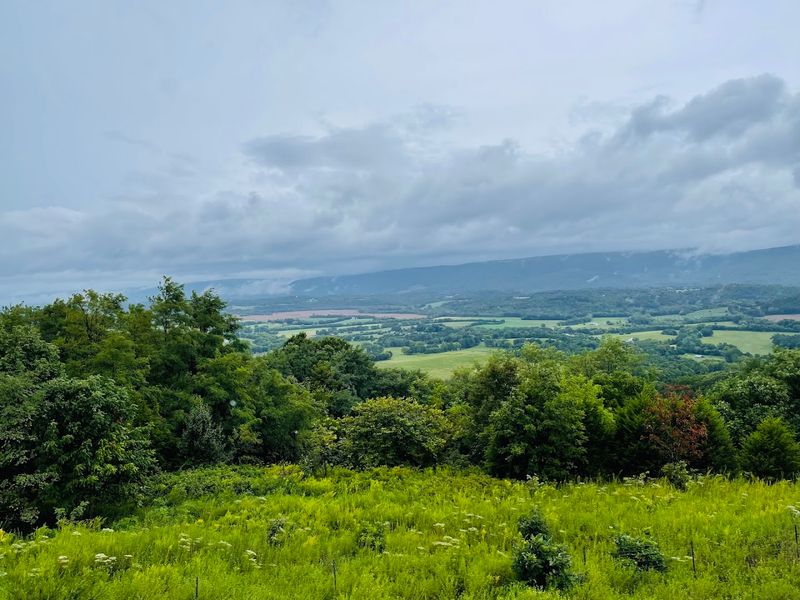
City dwellers forget what actual darkness looks like. Light pollution washes out the night sky, hiding thousands of stars you never knew existed.
In Sequatchie Valley, night arrives completely, and the sky reveals itself in ways that seem impossible if you’ve only lived in urban areas.
The Milky Way stretches across the sky like a cloudy river of stars. On clear nights, you can see it with your naked eye, no telescope required.
Constellations appear so bright and numerous that picking out individual patterns becomes challenging because there’s just too much to see.
Meteor showers become spectacular events here. During peak nights, you might see dozens of shooting stars per hour.
Grab a blanket, lie in your yard, and watch the universe put on a show that no streaming service can match.
The silence takes even longer to adjust to than the darkness. At first, the quiet feels almost unsettling if you’re used to constant background noise.
Car sounds, sirens, neighbors, traffic—all that urban white noise disappears. What replaces it seems like nothing until your ears adjust and you start hearing nature.
Night sounds here include crickets, tree frogs, and owls hunting in the darkness. Wind moving through the valley creates its own music.
Coyotes occasionally sing their strange chorus from the ridges. These sounds feel alive and purposeful rather than the mechanical chaos of city noise.
Sleep quality improves dramatically in this environment. Your body’s natural rhythms work better when darkness is actually dark and quiet is truly quiet.
Many people report sleeping better within their first few nights in the valley, waking up more refreshed than they have in years.
Morning arrives gently here too. Instead of traffic noise and car alarms, you might wake to birds singing and sunlight gradually filling the valley.
It’s a civilized way to start your day rather than being shocked awake by urban chaos.
The absence of constant stimulation gives your nervous system a chance to actually relax. Stress levels drop when you’re not bombarded by noise and activity every moment.
Your body gets to experience what baseline calm feels like.
Kids growing up here develop a completely different relationship with nature because they can actually see and hear it. They learn constellations, identify animal sounds, and understand darkness as natural rather than something to fear.
After spending a weekend in this kind of peace, returning to city noise feels overwhelming and unnecessary. You’ll wonder why you’re paying extra to live somewhere that never lets your senses rest.
Those real estate listings start looking like an escape plan to sanity.
Share this story