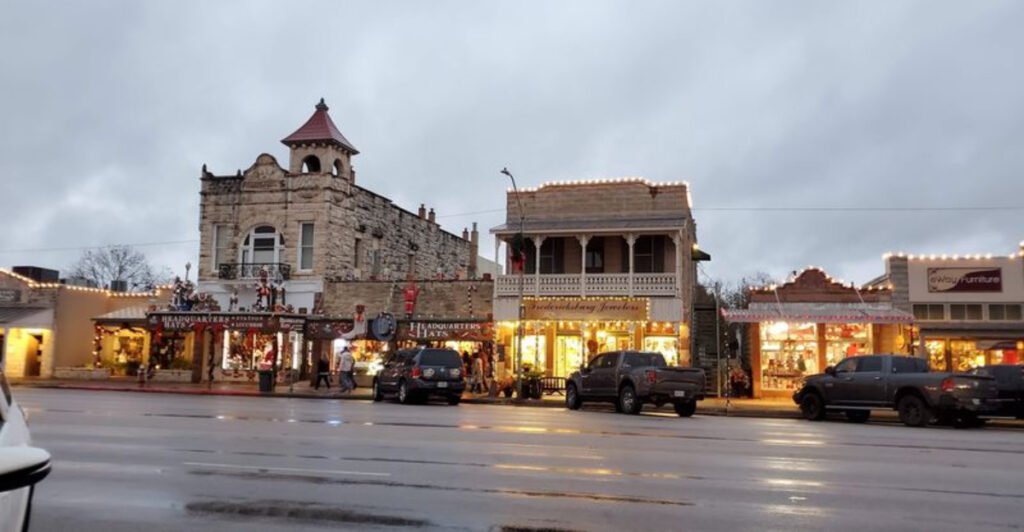
Fredericksburg sits in the heart of Texas Hill Country, where German heritage meets world-class wine country in the most unexpected way. This charming town has earned its reputation as one of America’s friendliest destinations, welcoming visitors with open arms and endless glasses of locally-produced wine. Whether you’re strolling down Main Street’s historic shops or exploring vineyard-dotted countryside, Fredericksburg offers an unforgettable escape that perfectly blends small-town hospitality with sophisticated wine culture.
1. Main Street’s German Heritage Charm
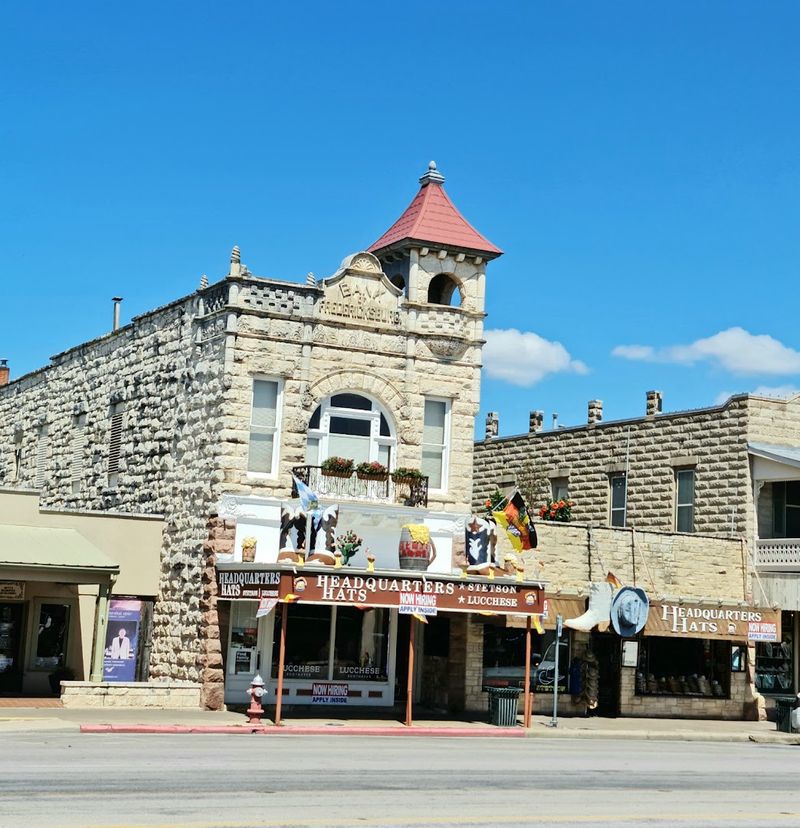
Walking down Main Street feels like stepping into a storybook village where European charm collides with Texas friendliness. The wide sidewalks are lined with buildings that showcase the town’s German roots, complete with stone facades and old-world architectural details that date back to the mid-1800s. Every storefront seems to invite you inside with displays of handcrafted goods, local art, and specialty foods.
The shops here aren’t your typical tourist traps. You’ll find family-owned businesses selling everything from authentic German imports to Texas-made gifts, and the owners actually remember your name after one visit. Many buildings have been standing since Fredericksburg’s founding in 1846, when German immigrants established this settlement and named it after Prince Frederick of Prussia.
What makes Main Street special is how it balances preservation with modern appeal. Yes, you can buy traditional German cuckoo clocks and lederhosen, but you’ll also discover contemporary art galleries and trendy boutiques. The street stretches for blocks, giving you plenty of room to explore without feeling crowded.
Local restaurants serve schnitzel alongside Texas barbecue, creating a unique fusion that exists nowhere else. The architecture tells stories of resilient pioneers who built these structures to last generations. On weekends, the street comes alive with live music, outdoor markets, and wine tastings that spill onto the sidewalks.
This historic corridor isn’t just preserved history—it’s a living, breathing community center where hospitality runs deep and every visitor becomes a temporary local.
2. Wine Trail Adventures Through Hill Country
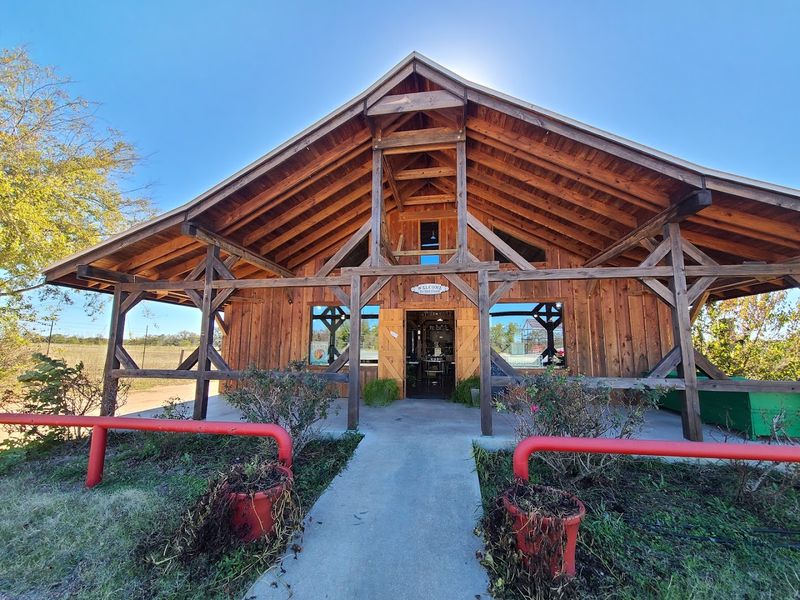
Hill Country’s wine scene exploded over the past two decades, transforming Fredericksburg into Texas’s premier wine destination with over 50 wineries within a short drive. The region’s unique climate and limestone-rich soil create growing conditions that rival California’s famous valleys. Winemakers here produce everything from bold Tempranillos to crisp Viogniers, proving Texas can hold its own against established wine regions.
Most wineries occupy converted farmhouses or purpose-built tasting rooms with sprawling views of vineyard-covered hills. You can spend entire weekends hopping between properties, sampling different varietals while chatting with winemakers who genuinely love sharing their craft. Many offer food pairings featuring local cheeses, meats, and artisan breads that complement their wines perfectly.
The wine trail isn’t just about drinking—it’s about experiencing the landscape. Driving between wineries takes you through scenic backroads where wildflowers blanket fields in spring and autumn leaves paint hillsides gold. Some vineyards host live music on weekends, creating relaxed atmospheres where strangers become friends over shared bottles.
What sets Fredericksburg’s wine culture apart is its approachability. Tasting room staff treat beginners and connoisseurs with equal enthusiasm, explaining flavor profiles without pretension. You won’t find snobbery here—just passionate people making quality wine and welcoming visitors like old friends.
Tours often include barrel rooms and production areas, giving insight into winemaking processes.
Whether you prefer dry reds or sweet dessert wines, the diversity along this trail ensures everyone discovers something they love.
3. Pioneer Museum’s Living History
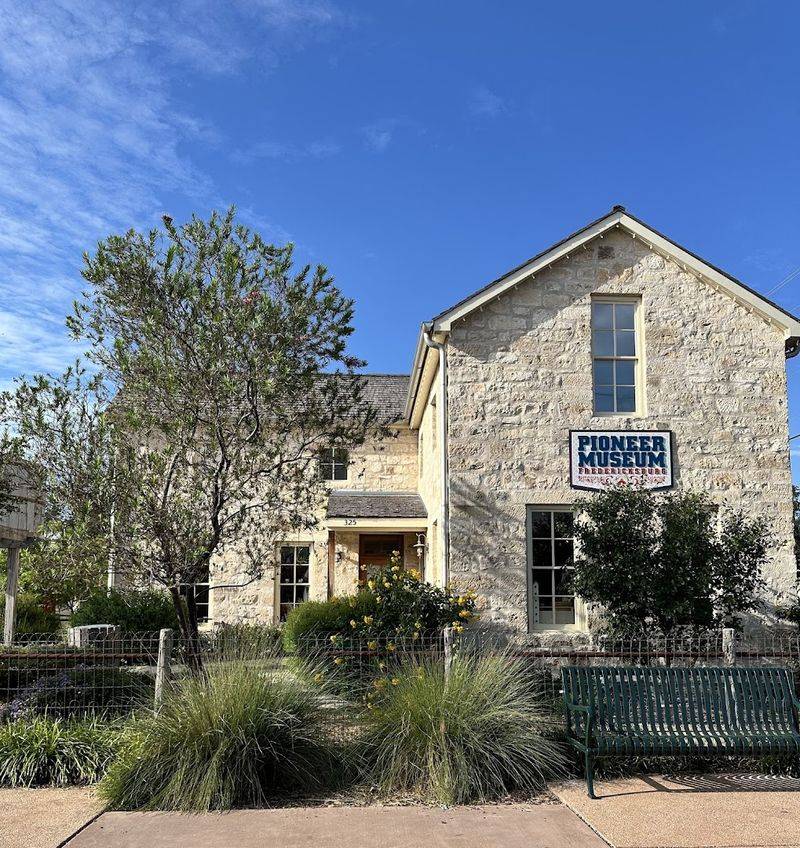
The Pioneer Museum complex sprawls across several acres, preserving authentic structures and artifacts that tell Fredericksburg’s founding story. Original settlers’ homes stand exactly as families left them, complete with handmade furniture, cooking implements, and personal belongings that make history tangible. Walking through these buildings connects you directly to the German immigrants who carved out lives in unfamiliar Texas wilderness.
Each structure serves a different purpose in understanding pioneer life. The Sunday Houses—tiny weekend cottages where rural families stayed during church visits—demonstrate ingenious space-saving designs. A fully-equipped blacksmith shop shows how settlers created necessary tools from scratch.
The smokehouse, barn, and general store recreate the self-sufficient community these pioneers built.
What makes this museum exceptional is its commitment to authenticity over spectacle. Nothing feels staged or artificial—these are real homes where real people lived, loved, and struggled. Docents share stories passed down through generations, bringing personality to historical facts.
You’ll hear about specific families, their triumphs and tragedies, making the past feel immediate and personal.
The grounds also include beautiful gardens showcasing plants German settlers brought from their homeland. These weren’t just decorative—they provided medicine, food, and comfort in a strange new world. Seasonal events like heritage festivals and craft demonstrations add interactive elements where visitors try traditional skills like butter churning or candle making.
Children especially love the hands-on activities that make history engaging rather than boring.
This museum doesn’t just display the past—it preserves the spirit of determination and community that still defines Fredericksburg today.
4. Marktplatz and Vereins Kirche Centerpiece
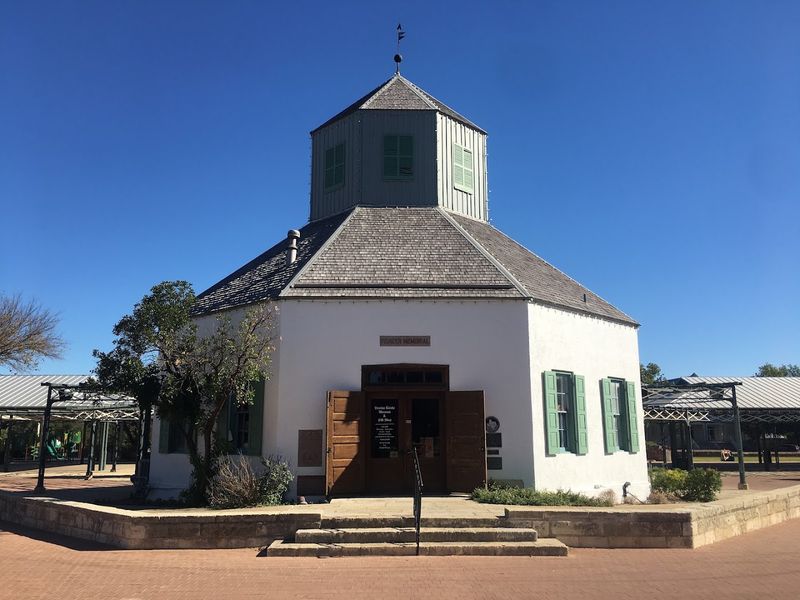
Marktplatz serves as Fredericksburg’s beating heart, a town square where community life revolves around the iconic Vereins Kirche. This octagonal building is actually a faithful replica of the original 1847 structure that served multiple purposes—church, school, meeting hall, and fortress during Indian raids. The unique eight-sided design wasn’t just aesthetic; it maximized interior space while providing defensive advantages during uncertain frontier times.
Today’s replica houses a museum explaining the original building’s significance to early settlers. Inside, you’ll find exhibits detailing how this single structure supported every aspect of community life before specialized buildings existed. The architecture itself tells stories—thick walls, strategic window placement, and sturdy construction reflect pioneers’ practical needs and limited resources.
The surrounding Marktplatz hosts countless community events throughout the year. Farmers markets fill the space with local produce and crafts on weekends. Holiday celebrations transform the square into festive gathering places where residents and visitors mingle freely.
The open design encourages spontaneous interactions, maintaining the communal spirit that defined early Fredericksburg.
Benches surrounding the Vereins Kirche offer perfect spots for people-watching and soaking in small-town atmosphere. You’ll see families taking photos, couples enjoying ice cream, and locals catching up on news. The square represents continuity—modern Fredericksburg still gathers here just as pioneers did 175 years ago.
Trees provide shade during hot Texas summers, while the building’s white exterior gleams against blue skies.
This isn’t just a historical landmark; it’s a living space where past and present converge, reminding everyone that community remains Fredericksburg’s foundation.
5. National Museum of the Pacific War
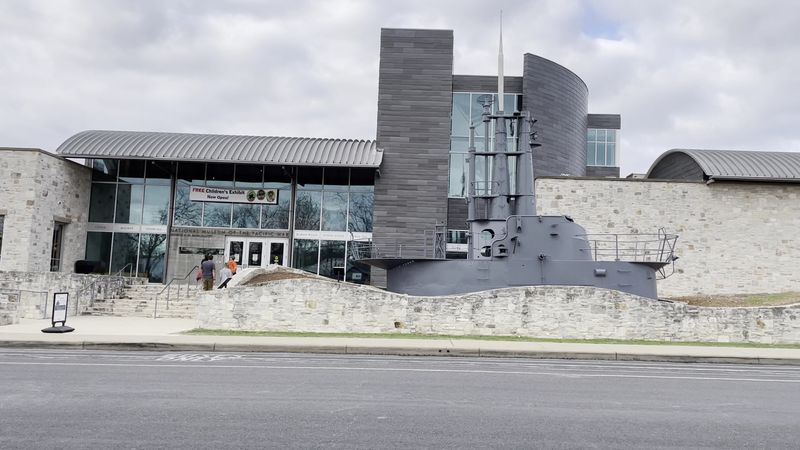
Most people don’t expect to find America’s premier Pacific War museum in small-town Texas, but Fredericksburg’s connection runs deep through Admiral Chester Nimitz, who was born here in 1885. The museum complex spans six acres and multiple buildings, offering the most comprehensive Pacific theater collection outside Washington D.C. Exhibits range from personal artifacts to full-scale aircraft and naval equipment that bring World War II history into sharp focus.
The George H.W. Bush Gallery houses the main exhibits, walking visitors through the war’s progression from Pearl Harbor to Japan’s surrender. Interactive displays let you experience aspects of military life—climbing into aircraft cockpits, operating communication equipment, and understanding strategic decisions commanders faced.
The level of detail is extraordinary, with personal stories balancing broader historical narratives.
Outside, the Plaza of Presidents features monuments and a recreated PT boat patrol base complete with authentic vessels. The Japanese Garden of Peace offers contemplative space acknowledging both sides of the conflict, promoting reconciliation and understanding. This thoughtful approach makes the museum educational rather than glorifying, honoring sacrifice while promoting peace.
What truly distinguishes this museum is its connection to Fredericksburg itself. The Nimitz family’s historic hotel still stands as part of the complex, showing where the famous admiral’s story began. Veterans often visit, sharing firsthand accounts that add living memory to historical exhibits.
School groups regularly tour, learning lessons that textbooks can’t teach. The museum doesn’t just preserve artifacts—it preserves stories, ensuring younger generations understand the sacrifices made for freedom.
For a town of 11,000 residents, maintaining this world-class facility demonstrates Fredericksburg’s commitment to education and remembrance.
6. Enchanted Rock State Natural Area
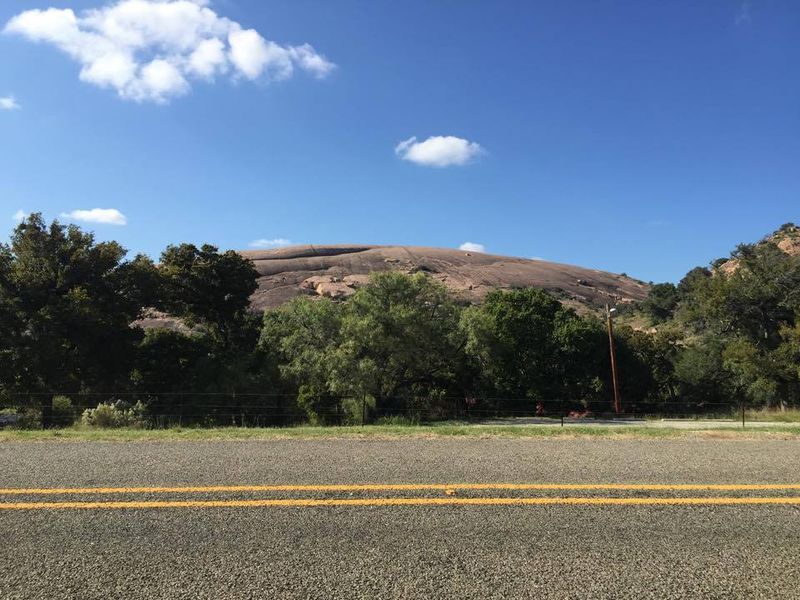
Just 18 miles north of Fredericksburg rises one of Texas’s most distinctive natural landmarks—a massive pink granite dome that towers 425 feet above surrounding Hill Country. Enchanted Rock has drawn humans for thousands of years, from Native Americans who considered it sacred to modern hikers seeking challenging trails and spectacular views. The dome’s name comes from creaking and groaning sounds it makes at night as the rock contracts after heating all day.
Hiking to the summit takes about an hour for average fitness levels, following a well-maintained trail up the dome’s sloping face. The climb requires sturdy shoes and plenty of water, especially during summer when exposed granite reflects intense heat. But reaching the top rewards you with 360-degree views stretching for miles across Hill Country’s rolling landscape.
The park offers more than just the main dome. Cave formations, seasonal waterfalls, and diverse ecosystems support wildlife ranging from deer to rare birds. Rock climbers tackle technical routes on the dome’s steeper sections, while families explore gentler trails around the base.
Wildflowers bloom spectacularly in spring, painting the landscape in vibrant colors.
Enchanted Rock connects Fredericksburg to the natural world that shaped its character. Early settlers saw this landmark from miles away, using it as a navigation point. Native American legends speak of spirits inhabiting the rock, and standing atop it at sunset, you understand why.
The vastness, the silence, the sense of ancient permanence—it puts human concerns into perspective.
Visiting requires advance reservations during peak seasons because this natural wonder draws crowds, but even sharing the experience with others doesn’t diminish its power to inspire awe.
7. Authentic German Cuisine and Bakeries
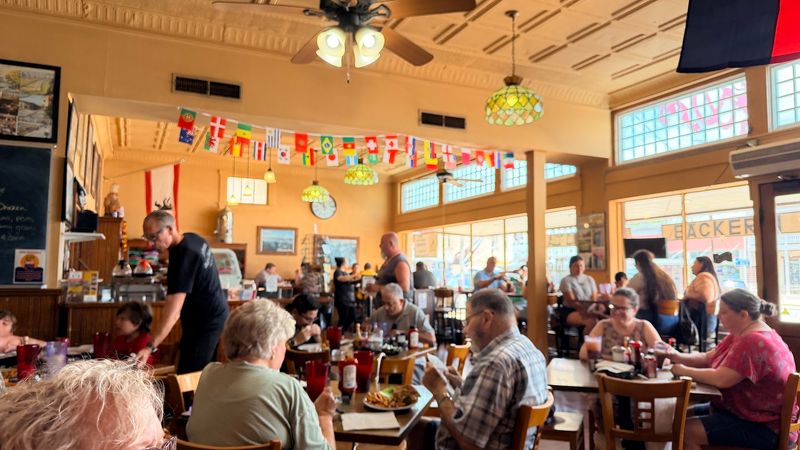
Fredericksburg’s German heritage isn’t just preserved in museums—it’s alive and delicious in bakeries and restaurants throughout town. Family recipes passed down through generations fill display cases with authentic strudels, kuchen, and soft pretzels that rival anything found in Bavaria. These aren’t Americanized versions; they’re the real deal, made by descendants of original settlers who guard traditional techniques fiercely.
Early morning visits to German bakeries reveal cases stocked with fresh-baked bread, pastries, and cookies still warm from ovens. The smell alone—butter, cinnamon, yeast, sugar—makes choosing difficult when everything looks incredible. Locals have their favorites, debating passionately about which bakery makes the best apple strudel or whose lebkuchen tastes most authentic.
Restaurants serve hearty German fare alongside Texas specialties, creating unique fusion dishes. Schnitzel prepared exactly as German grandmothers made it shares menus with smoked brisket and jalapeño sausage. Sunday brunches feature traditional German spreads—various wursts, potato pancakes, sauerkraut, and rye breads—accompanied by local wines instead of German beers.
What makes Fredericksburg’s food scene special is its authenticity without pretension. These aren’t themed restaurants putting on shows for tourists; they’re genuine establishments serving food their families have always made. Owners greet regulars by name, recommend dishes based on what’s freshest, and share stories about recipes’ origins.
You’ll overhear German spoken at neighboring tables, see handwritten signs in both languages, and taste ingredients imported directly from Germany. The food connects you to Fredericksburg’s roots in the most satisfying way possible—through flavor, tradition, and the universal language of breaking bread together.
Every bite tells a story of cultural preservation and culinary pride.
8. Sunday Houses and Bed-and-Breakfast Culture
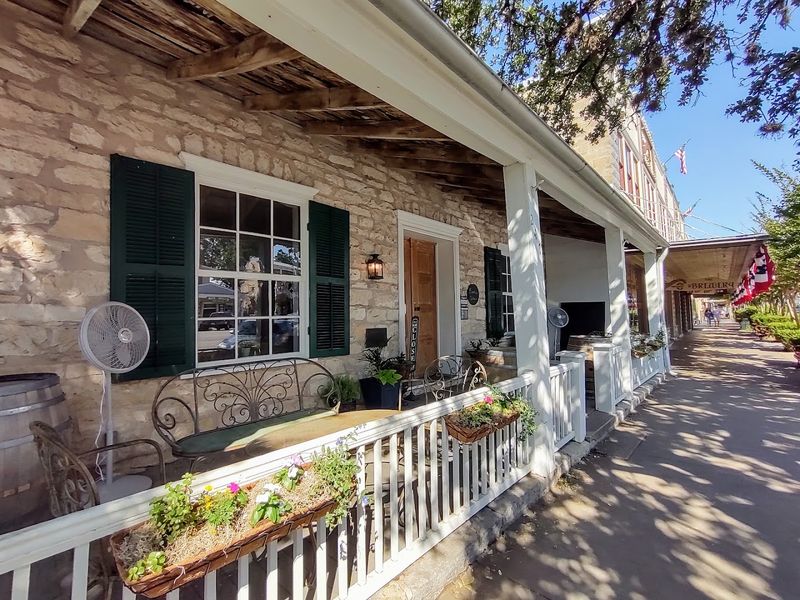
Fredericksburg pioneered a unique lodging tradition that continues delighting visitors today—Sunday Houses transformed into charming bed-and-breakfasts. Originally, rural German farmers built these tiny cottages in town for weekend stays, attending church and conducting business before returning to distant homesteads. The compact designs maximized limited urban lots, often featuring exterior staircases and sleeping lofts that accommodated entire families in minimal space.
Modern innkeepers have lovingly restored these historical structures, preserving original features while adding contemporary comforts. Staying in a Sunday House connects you directly to pioneer life—sleeping in rooms where generations of German families once rested, walking floors worn smooth by countless footsteps. Yet you’ll also enjoy modern amenities like comfortable beds, updated bathrooms, and air conditioning that pioneers couldn’t imagine.
The bed-and-breakfast culture here emphasizes personal hospitality over corporate efficiency. Owners often live on-property, greeting guests personally and sharing insider knowledge about hidden gems tourists typically miss. Breakfasts feature homemade specialties—often German-inspired—served with genuine warmth and conversation.
You’re not just renting a room; you’re joining a temporary community.
Beyond Sunday Houses, Fredericksburg offers diverse lodging options from historic hotels to modern inns, but all share that trademark hospitality. Innkeepers remember your preferences, recommend wineries matching your taste, and sometimes invite guests to join evening wine tastings on their porches. This personal touch explains why visitors return year after year, booking the same rooms and catching up with innkeepers like old friends.
The accommodations themselves become part of the experience—not just places to sleep, but integral pieces of Fredericksburg’s welcoming character that earned it recognition as America’s most hospitable town.
Share this story