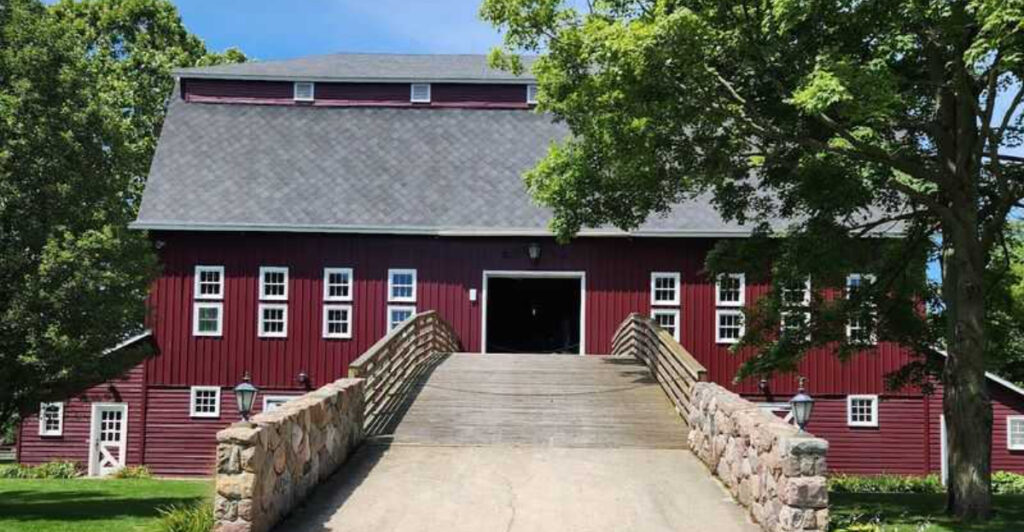
First impressions do not fully prepare you for what is waiting inside this Michigan museum. In Hickory Corners, the Gilmore Car Museum opens into a sweeping collection of classic vehicles, rare machines, historic buildings, and decades of automotive design that make a simple day trip feel much bigger than expected.
The appeal goes beyond polished chrome and beautiful cars; it shows how transportation shaped travel, style, industry, and everyday life. Serious car fans can get lost in the details, while families can still enjoy the scale, color, and surprise of the place.
For anyone looking for a Michigan museum that delivers more than it appears to promise, Gilmore is built to impress.
A Quiet Country Entrance With a Huge Surprise

A roadside setting in Hickory Corners gives almost no warning about the scale waiting inside. Trees, lawns, and barn-like buildings create a calm first impression, more like a country property than a museum packed with automotive treasures.
That contrast is part of the fun, because the place reveals itself slowly instead of showing everything at once.
Once past the entrance, the grounds spread out into a campus rather than a single hall. Separate buildings, covered walkways, and themed spaces turn the visit into a long stroll with fresh views around each corner.
Instead of rushing from case to case, people move through a landscape where cars are given room to breathe.
That layout changes how the collection is experienced. A shiny hood ornament catches light in one building, then a full row of grand prewar cars appears in another, and the day starts to feel much larger than expected.
The museum does not depend on one loud first moment. It builds excitement through steady discovery.
Even for someone who only knows a little about old cars, the setting makes the subject easier to enjoy. Large campuses can be tiring, but this one breaks the experience into manageable pieces, with spots to pause between exhibits.
Families, older visitors, and first-timers benefit from that rhythm.
There is also a practical side to the surprise. Reviews often note that seeing everything takes hours, and the open campus explains why.
Gilmore Car Museum is not a quick stop beside the road. It is a place where a modest exterior hides an oversized day of walking, looking, and noticing details that would be easy to miss in a tighter indoor museum.
Rows of History, From Early Motoring to Later Decades
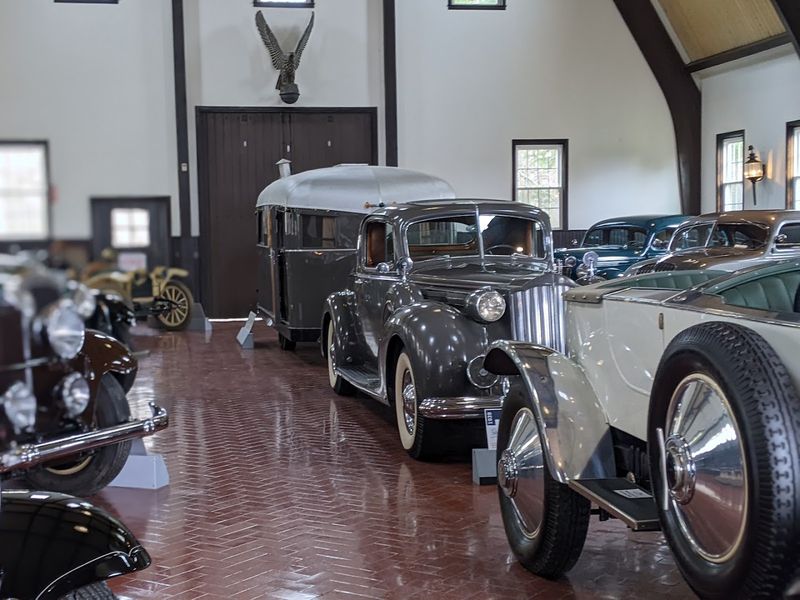
One of the strongest parts of Gilmore Car Museum is how clearly it shows the long story of the automobile. The collection is not trapped in a single favorite decade.
Early machines, elegant classics, and later models share space in a way that helps visitors see change happening step by step.
That wide time span matters because cars did more than get people from one place to another. Body shapes shifted, dashboards became more complex, engines improved, and comfort changed with each generation.
Walking through the exhibits is a simple way to understand how technology moved forward while style kept changing with the times.
Some museums focus only on rare, flashy cars, but Gilmore offers a broader picture. Grand luxury models sit alongside vehicles that connect to everyday life and familiar memories.
Even when a car is far older than the person looking at it, the design details still tell a story. Wheels, grilles, fenders, and interiors show what drivers once expected from the road.
The museum also benefits from space. Cars are not squeezed together in a cramped line, so visitors can actually study proportions and craftsmanship.
A tall roofline from one era looks different after seeing a lower, sleeker body from another, and the comparison becomes part of the lesson.
That approach keeps the experience interesting for more than dedicated enthusiasts. Kids can spot obvious differences between old and newer vehicles, while adults can connect the displays to family stories or favorite periods in American design.
By the time several buildings have been explored, the collection starts to read like a moving timeline, with each car marking another chapter in how travel, industry, and style grew together.
Michigan Motoring in Buildings That Act Like Time Capsules
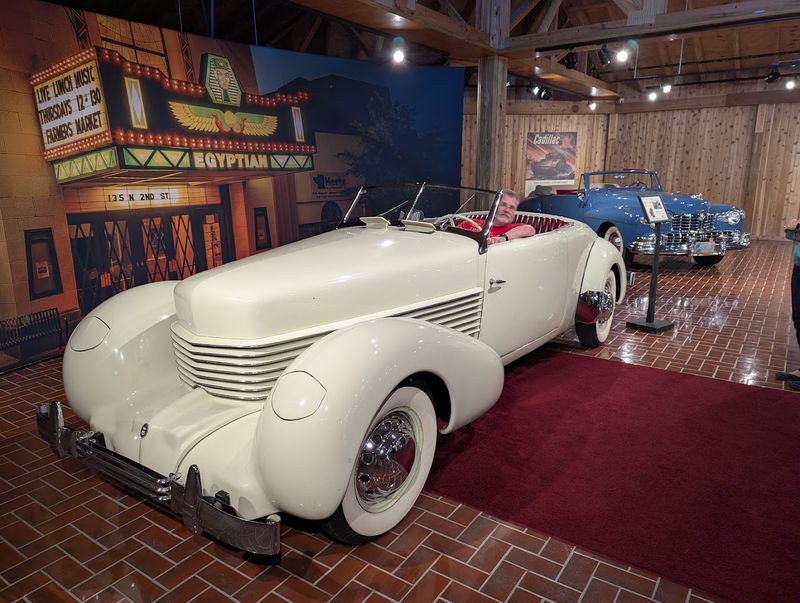
Plenty of museums place objects in clean rooms with labels and bright lights. Gilmore Car Museum does more than that by using buildings and themed settings that help the cars make sense.
Instead of feeling detached from history, many displays are surrounded by visual clues that pull the past closer.
Reviews often describe the buildings as time capsules, and that description fits the experience well. Walking from one area to another can feel like changing decades.
Architecture, signage, arrangement, and atmosphere all work together so the cars seem tied to the world they once belonged to, not stranded on plain concrete.
That choice adds depth for casual visitors. Someone who may not know engine sizes or model years can still understand a car better when it sits in a fitting environment.
A vehicle from the 1920s or 1930s becomes easier to read when the space around it suggests the style and pace of that period.
The result is less like scanning a storage warehouse and more like traveling through chapters of American road culture. Each building gives the eye a reset.
Colors change, shapes change, and the mood shifts enough to keep the visit from blending into one long line of shiny metal.
There is also a simple advantage for families and groups. Different people notice different things, so one person may focus on the cars while another studies the old-fashioned setting, signs, or furniture.
That layered design keeps conversations going as people compare what caught their attention.
For a museum in a rural Michigan setting, the presentation is especially effective. It transforms barns and galleries into story spaces without losing the clear focus on automobiles.
By the middle of the visit, the campus is doing two jobs at once, preserving remarkable vehicles and building a fuller picture of the eras that produced them.
More Than Cars – The Carriage House Adds the Missing Beginning
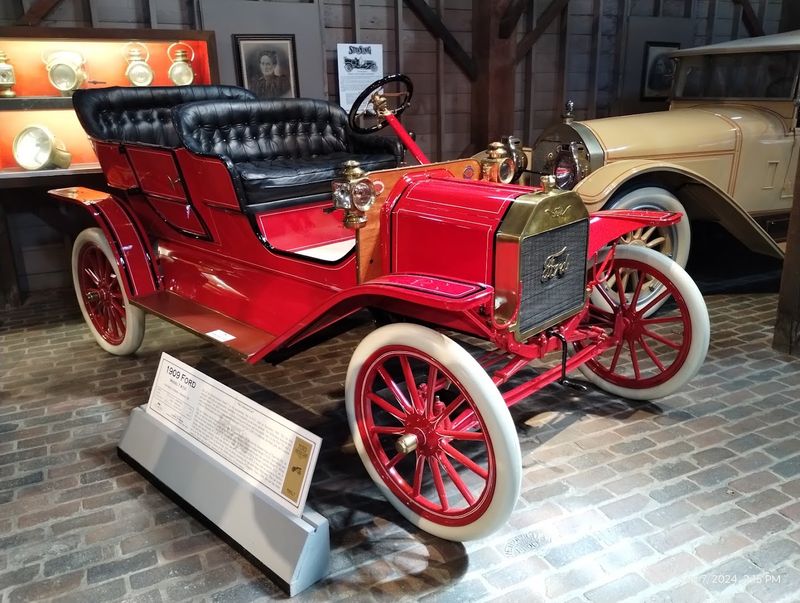
Long before gas pedals and chrome grilles, travel looked very different, and the Carriage House helps explain that earlier chapter. Stepping into a display of carriages adds useful context to the museum because it shows where personal transportation started before automobiles took over.
That makes the whole collection easier to understand.
Old carriages can sound like a side note next to famous classic cars, but they are not just extras. Their shapes, seating, storage space, suspension, and materials reveal problems that inventors and builders were already trying to solve.
Comfort, weather protection, and status mattered before engines arrived, and many of those same ideas carried into the auto age.
Visually, the Carriage House offers a different rhythm from rows of motor vehicles. Woodwork, large wheels, and hand-built details pull attention in a quieter direction.
Instead of polished metal and dashboards, the eye lands on craftsmanship that belonged to an earlier kind of road travel.
That shift is useful during a long visit. It breaks up the day and keeps the museum from feeling one-note.
Families with mixed interests often appreciate sections like this because they widen the subject beyond horsepower and brand loyalty. History becomes more approachable when the story starts before the engine.
The Carriage House also highlights a big idea without needing complicated language. Transportation did not suddenly appear in finished form.
It evolved through trial, design changes, and changing needs, and the move from carriage to automobile becomes clearer when both are part of the same museum experience.
For anyone planning a visit, this is not the section to rush past. Spending a little time here sharpens everything seen afterward.
Once the early forms of travel are in mind, the later cars across the campus look less like isolated showpieces and more like the next steps in a long, inventive journey.
Signature Marque Spaces and the Art of American Design
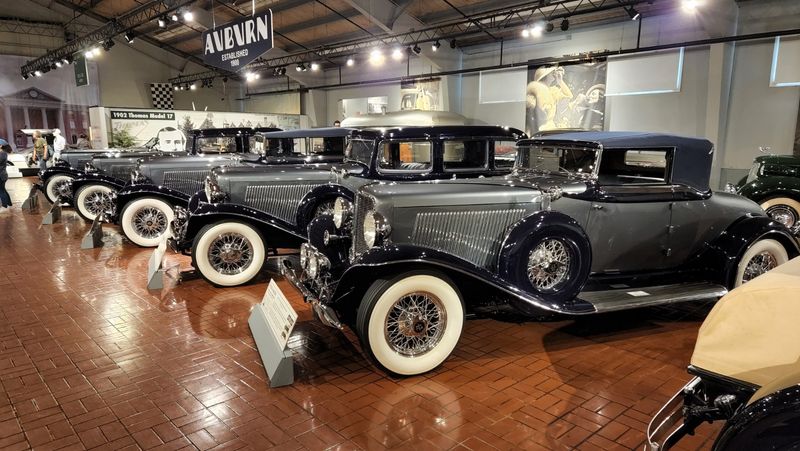
Not every car here is treated as part of one giant blur. Gilmore Car Museum gives certain brands and eras room to stand on their own, which helps visitors notice the personalities built into American automotive history.
A Ford does not speak the same design language as a Cadillac, and the separate spaces make that difference easier to see.
That brand focus matters because car history is also design history. Grilles grew bolder, hood lines stretched out, ornaments became more dramatic, and interiors shifted from strictly practical to proudly stylish.
Looking at several vehicles from a single maker can show how a company chased luxury, affordability, speed, or status over time.
There is a nice balance between beauty and information in these areas. Even someone who cannot name a model will notice the sweep of a fender, the sparkle of chrome, or the confidence of a huge front end from the classic era.
The museum turns styling choices into a visual lesson, not a technical lecture.
That is why the collection works well for mixed groups. Serious enthusiasts can compare engineering and production periods, while casual visitors can simply enjoy the drama of the shapes.
A big luxury car from the 1930s or a muscular later model can be appreciated on sight, no background required.
The American emphasis also gives the museum a strong identity. Rather than trying to cover every corner of world motoring equally, it leans into the brands and stories most connected to the country’s road culture.
That creates a clearer point of view and helps the collection avoid feeling random.
After spending time in these marque-focused spaces, the museum starts to read like a conversation between companies. Each one tried to define modern travel in its own way.
Put together, the displays show how competition shaped not only what cars looked like, but how Americans imagined movement, comfort, and success.
How to See the Museum Without Rushing Past the Best Parts
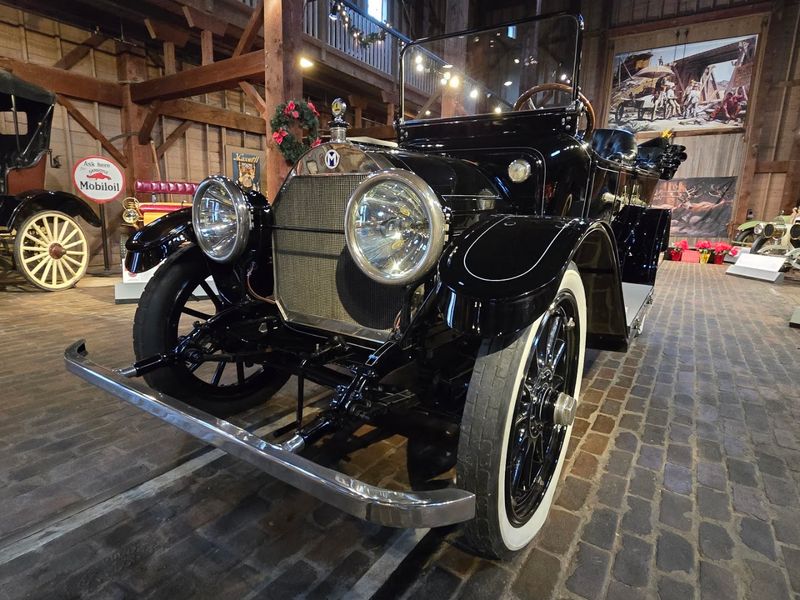
The smartest way to visit Gilmore Car Museum is to treat it like a full outing, not a quick indoor stop. The campus covers enough ground and includes enough variety that speed works against the experience.
A slower pace lets each building feel distinct instead of blending together by midafternoon.
Starting early helps. The museum opens at 9 AM, and arriving near opening gives cooler temperatures, easier walking, and more time to decide which areas deserve a second look.
Several reviews mention spending many hours on site, and that tracks with the size of the collection and the spread-out layout.
Comfort matters here more than at smaller museums. Good walking shoes, weather-aware clothing, and a plan for breaks can improve the day a lot.
One review pointed out chilly conditions inside a barn during cold weather, so layers are a smart move outside the warm season. The setting is part indoor gallery, part open campus.
It also helps to visit with a loose strategy. Begin with the sections that interest the group most, then leave room to wander into buildings that were not originally on the list.
Some of the best surprises come from stumbling across a vehicle or display that no one expected to care about.
Families should make peace with the fact that different ages move at different speeds. Some people want to study every placard, while others are drawn to standout shapes, themed buildings, or interactive moments.
The campus works well for that because it offers natural stopping points, restrooms, food options on the grounds, and places to sit.
By planning for a long, flexible visit, the museum becomes easier to enjoy. Instead of racing to check off every hall, visitors can notice how the collection unfolds across the property.
That approach turns a big day of walking into a smoother experience, with enough breathing room to appreciate both the famous vehicles and the smaller details around them.
Why the Collection Lands Even if Cars Are Not Your Main Hobby
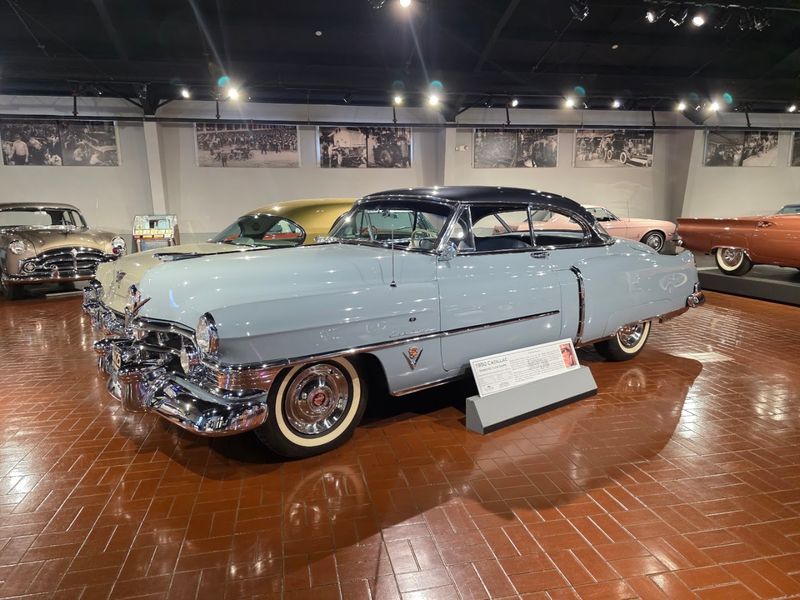
Here is the real trick behind Gilmore Car Museum. It works even for people who do not arrive with deep car knowledge or a long list of favorite models.
The collection is broad, the setting is engaging, and the objects are visually interesting enough to pull in people who came along for company and ended up paying close attention.
Part of that success comes from variety. The campus includes elegant early vehicles, familiar American classics, themed buildings, carriage displays, and a sense of movement from one era to the next.
A person who is not excited by engines alone can still connect to design, history, craftsmanship, or the simple scale of the place.
The museum also speaks to different generations in different ways. Older adults may recognize shapes tied to family stories, while younger visitors often respond first to the dramatic looks of the cars and the unusual setting.
Shared interest grows naturally when everyone can find a separate doorway into the subject.
That wide appeal gives the museum more staying power than a narrowly technical collection. It is educational without turning stiff, and impressive without becoming hard to approach.
Because the exhibits are spread across distinct spaces, the day keeps changing tone, which helps attention stay fresh over several hours.
There is a lesson tucked inside that broader appeal. Cars shaped everyday life in America, from work and travel to style and status, so automotive history overlaps with social history whether someone realizes it or not.
Seeing that story in person can make the subject feel larger and more relevant than expected.
By the end of a visit, the modest setting back at the entrance seems almost funny. A place that looks quiet from the road holds a collection with real range, strong presentation, and enough substance for a full day.
That is why the museum stands out. It turns casual curiosity into sustained attention, one building and one remarkable vehicle at a time.
Share this story