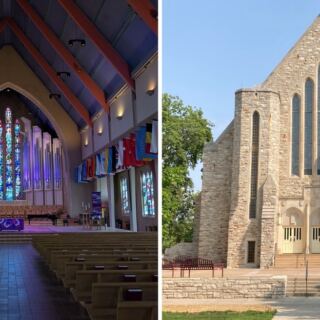
On North University Avenue in Ann Arbor, Michigan, the University Musical Society proves that a college town can carry a world-class cultural heartbeat. Known simply as UMS, this longtime performing arts organization has spent well over a century bringing extraordinary talent to Michigan, from major orchestras and celebrated dance companies to theater artists, global musicians, and boundary-pushing performers.
The range is impressive, but the magic is how close and alive it all feels once the lights go down. UMS has a way of making internationally recognized artistry feel personal, immediate, and unforgettable.
If you want to understand why Ann Arbor’s arts scene has such an outsized reputation, this is one of the clearest places to start.
A Campus Address That Carries Real Cultural Weight
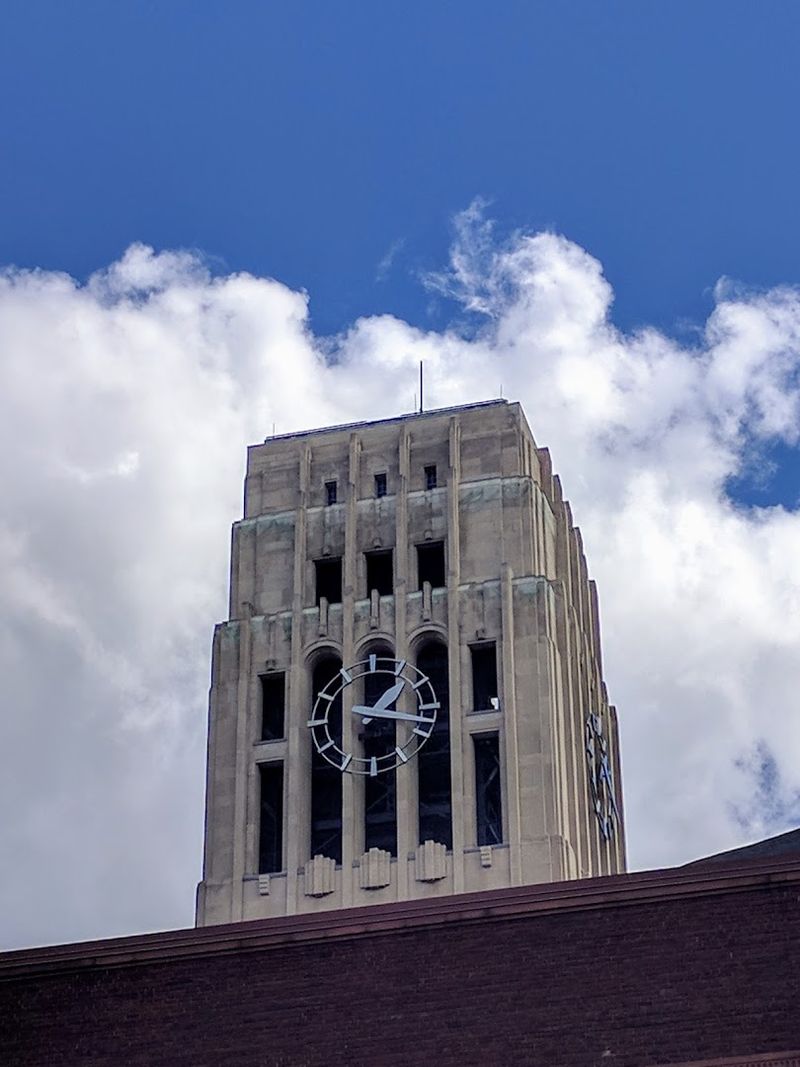
Standing at 881 N University Ave, the University Musical Society sits in one of the most intellectually charged zip codes in the Midwest. The address itself tells a story — nestled within the University of Michigan campus, UMS exists at the crossroads of academic rigor and artistic ambition.
That physical placement is not incidental. It shapes the entire character of the organization.
Being embedded in a major research university means UMS draws on a community that genuinely values complexity, craft, and creative risk-taking. The audiences here are not passive.
They show up prepared, curious, and engaged in ways that performers often describe as unusually energizing. Ann Arbor crowds have a reputation for listening hard and responding honestly.
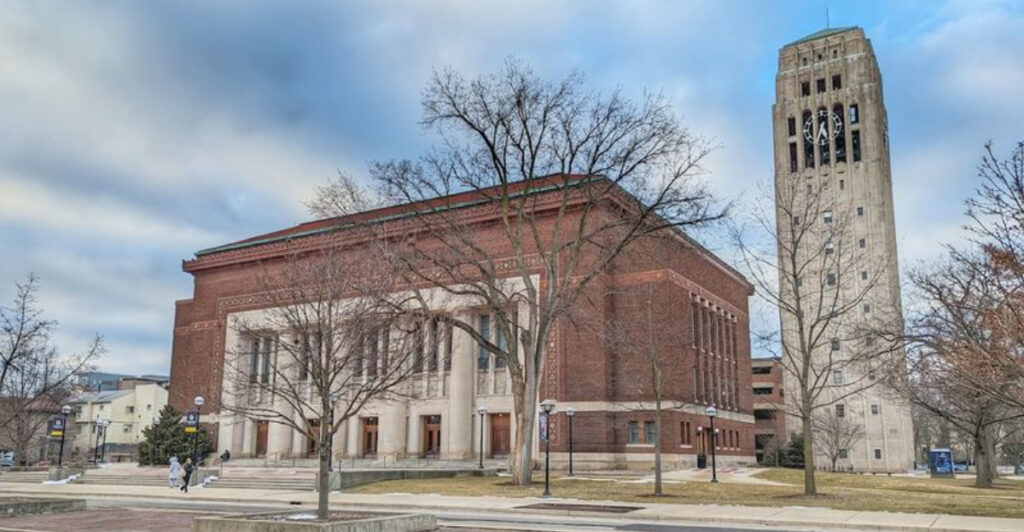
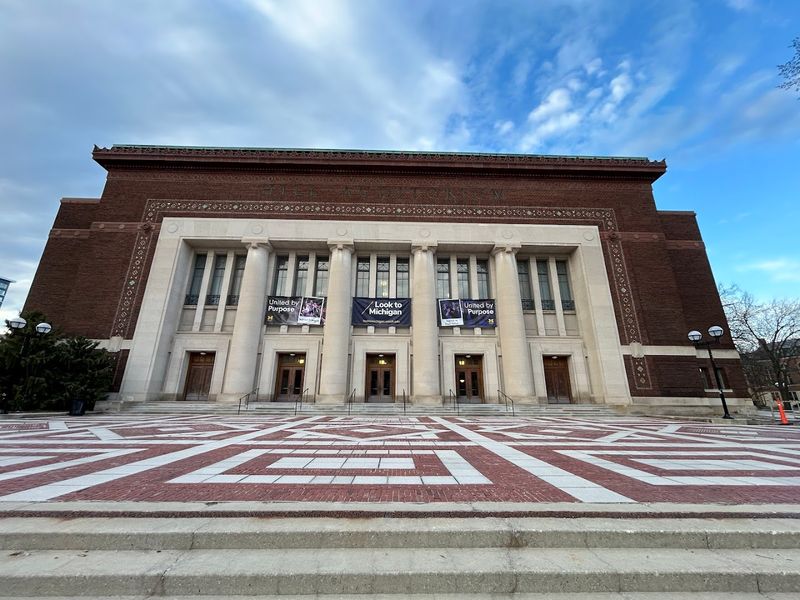
The campus setting also means the performances spread across some of Michigan’s most architecturally impressive venues. Hill Auditorium, with its sweeping acoustic design, stands as the crown jewel.
Power Center for the Performing Arts handles more intimate productions with precision. Each space brings its own personality to the performances held inside.
Walking to a UMS event from the surrounding streets feels different from arriving at a standalone concert hall in a commercial district. Students pass by on bikes.
Faculty cross the quad. The pre-show energy blends the casual and the anticipatory in a way that feels distinctly Ann Arbor.
There is no velvet-rope exclusivity here — just a community gathering around shared appreciation for serious artistic work.
That accessibility matters enormously. UMS has long prioritized making performances available to students, educators, and community members at various price points, ensuring that the address on North University Avenue functions as an open door rather than a gated event.
The location is not just convenient — it is part of the mission.
Over 130 Years of Bringing the World’s Best Performers to Michigan
Founded in 1879, UMS holds the distinction of being one of the oldest performing arts presenters in the United States. That kind of longevity does not happen by accident.
It requires consistent curatorial vision, deep community trust, and an institutional willingness to evolve without abandoning core principles. UMS has managed all three across more than thirteen decades.
The organization started with choral performances and classical music, reflecting the dominant artistic tastes of the late nineteenth century. Over time, it expanded its scope dramatically — incorporating international dance, world music, theater, and contemporary experimental work into a season that now spans genres most organizations would never attempt to combine.
That range is a deliberate editorial choice, not a compromise.
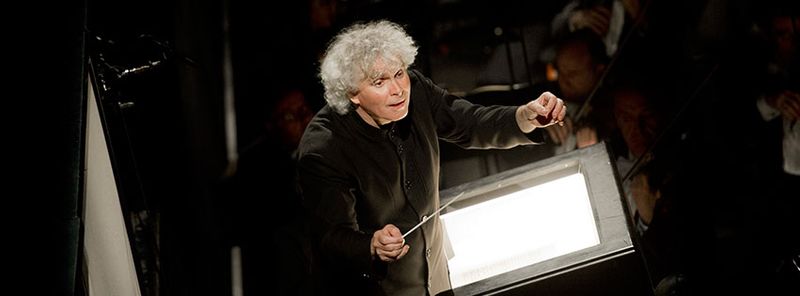
Legendary names have performed under the UMS banner across its history. The organization has hosted major symphony orchestras, celebrated soloists, and pioneering dance companies whose work has shaped global performance culture.
For many of these artists, an Ann Arbor engagement through UMS represents a meaningful stop on a world tour, not a detour from one.
The historical depth of UMS also means it has survived and adapted through major cultural shifts — two World Wars, the rise of television, the digital revolution, and the pandemic disruptions of the early 2020s. Each era tested the organization differently, and each time UMS recalibrated its programming and community engagement strategies to remain relevant without chasing trends superficially.
Local families in Ann Arbor often carry UMS memories across generations. Grandparents who attended Hill Auditorium performances decades ago now bring their grandchildren to the same stage.
That multigenerational continuity is one of the clearest signs that an arts institution has genuinely rooted itself in a community rather than simply operating within one.
Programming That Refuses to Play It Safe
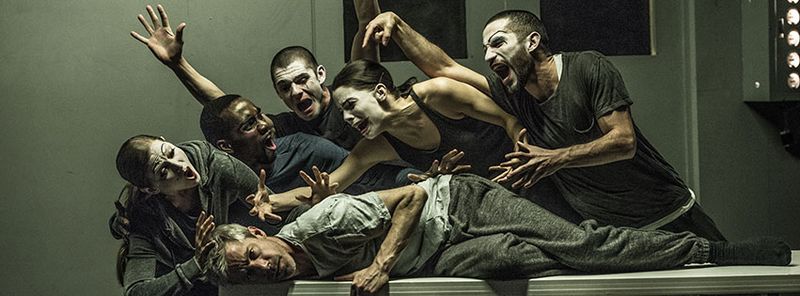
Plenty of performing arts organizations claim to be adventurous. UMS actually earns that description through the sheer breadth and unpredictability of its annual season.
A single UMS calendar might include a Baroque ensemble from Europe, a West African percussion collective, a contemporary American theater piece, and a boundary-pushing dance company from South Korea — all within the same few months.
That curatorial range reflects a deliberate philosophy: serious audiences deserve to be challenged, not just comforted. UMS programming does not default to safe crowd-pleasers or rely on nostalgia to fill seats.
The artistic team actively seeks out performers and ensembles working at the edges of their disciplines, people whose work raises questions rather than simply providing answers.
This approach occasionally produces performances that divide opinion. Not every UMS event lands the same way with every audience member, and the organization seems comfortable with that reality.
The alternative — programming only what is guaranteed to please — would hollow out the mission entirely. Artistic risk is baked into the UMS identity at an institutional level.
Educational components accompany many UMS productions, including pre-performance talks, artist residencies at local schools, and community workshops that extend the conversation beyond the concert hall. These programs turn a single performance into a broader cultural event with multiple entry points for different audiences.
Student ticket pricing and outreach initiatives ensure that the University of Michigan’s enormous student population has genuine access to the season. For many students, UMS provides a first encounter with art forms they might never have sought out independently — a gateway experience that occasionally reshapes creative interests for years afterward.
That kind of unexpected impact is difficult to quantify but easy to recognize in the people it touches.
Hill Auditorium — Michigan’s Most Iconic Concert Stage
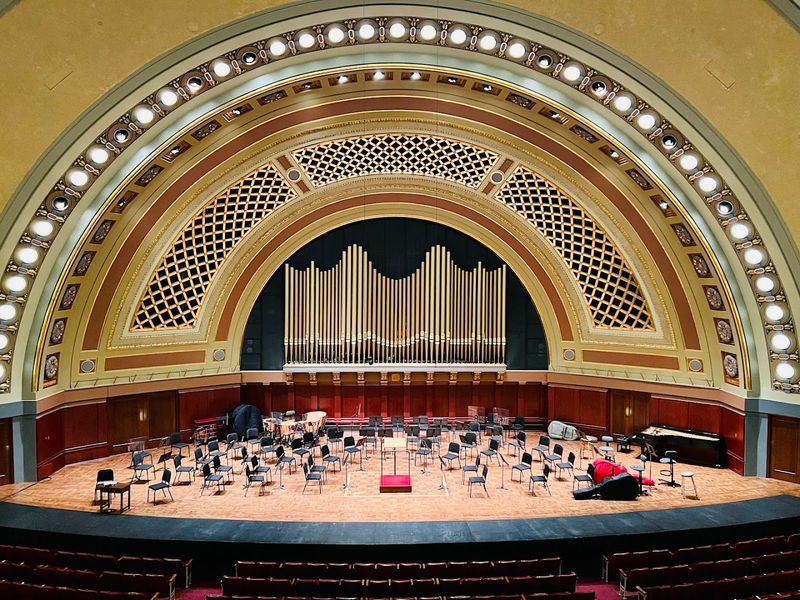
Hill Auditorium is the kind of room that makes performers stand straighter when they walk onto the stage. Built in 1913 and seating nearly 3,800 people, the auditorium on the University of Michigan campus ranks among the finest concert halls in the country — not just architecturally, but acoustically.
Sound behaves beautifully inside its curved walls, giving orchestral performances a clarity and warmth that smaller, modern venues often struggle to replicate.
The building underwent a major renovation in the early 2000s that preserved its historic character while upgrading technical systems and accessibility features. Walking in today, the balance between old-world grandeur and functional modernity is immediately apparent.
The ornate ceiling, wide balconies, and sweeping stage frame create a visual experience that sets the mood before a single note is played.
For UMS, Hill Auditorium functions as the flagship venue — the space reserved for the largest orchestral performances, major touring productions, and landmark events in the organization’s season. An evening at Hill carries a different weight than a performance at a smaller venue.
The scale of the room amplifies the sense of occasion without making the experience feel cold or impersonal.
Regulars know to arrive early enough to settle into the seats, absorb the room’s atmosphere, and read the program notes before the house lights dim. The auditorium’s sightlines are excellent from nearly every seat, which matters enormously during performances that blend music with movement or visual elements.
Outside Ann Arbor, Hill Auditorium is recognized by musicians, conductors, and touring companies as a genuinely special performance space. Being invited to perform there carries professional significance.
That reputation, built over more than a century of UMS programming, is one of the organization’s most valuable and least tangible assets.
How UMS Connects Artists Directly to the Ann Arbor Community

A performance organization that only operates inside concert halls is only doing half its job. UMS has long understood this, building an extensive community engagement infrastructure that extends artist presence well beyond ticketed events.
Residency programs bring performers into schools, community centers, and campus classrooms for sessions that feel nothing like a standard lecture or demonstration.
When a world-renowned percussionist spends a morning working directly with Ann Arbor middle schoolers, or when a contemporary dance company leads a movement workshop for university students the day before their main stage performance, the ripple effect is real. Students encounter artistic practice at a level of depth that no documentary or YouTube clip can replicate.
The encounter is physical, immediate, and often surprising.
These community touchpoints also shift the dynamic between performers and audiences. By the time ticketholders file into Hill Auditorium or Power Center, some of them have already spent time with the artists in a more informal setting.
That prior connection changes how the performance lands — there is a layer of personal investment that a cold first encounter cannot produce.
UMS also maintains strong relationships with Ann Arbor Public Schools, offering programming designed to align with educational goals while remaining genuinely artistic rather than watered-down. The organization treats young audiences as capable of handling complexity, which tends to produce more meaningful engagement than programming designed to be merely accessible.
Faculty at the University of Michigan frequently collaborate with UMS on interdisciplinary projects that connect artistic performances to academic research in fields like neuroscience, history, anthropology, and public policy. These partnerships give UMS a unique intellectual texture that distinguishes it from arts presenters operating in purely commercial contexts.
The community integration is structural, not ceremonial.
Planning Your Visit — Practical Details Worth Knowing Before You Go
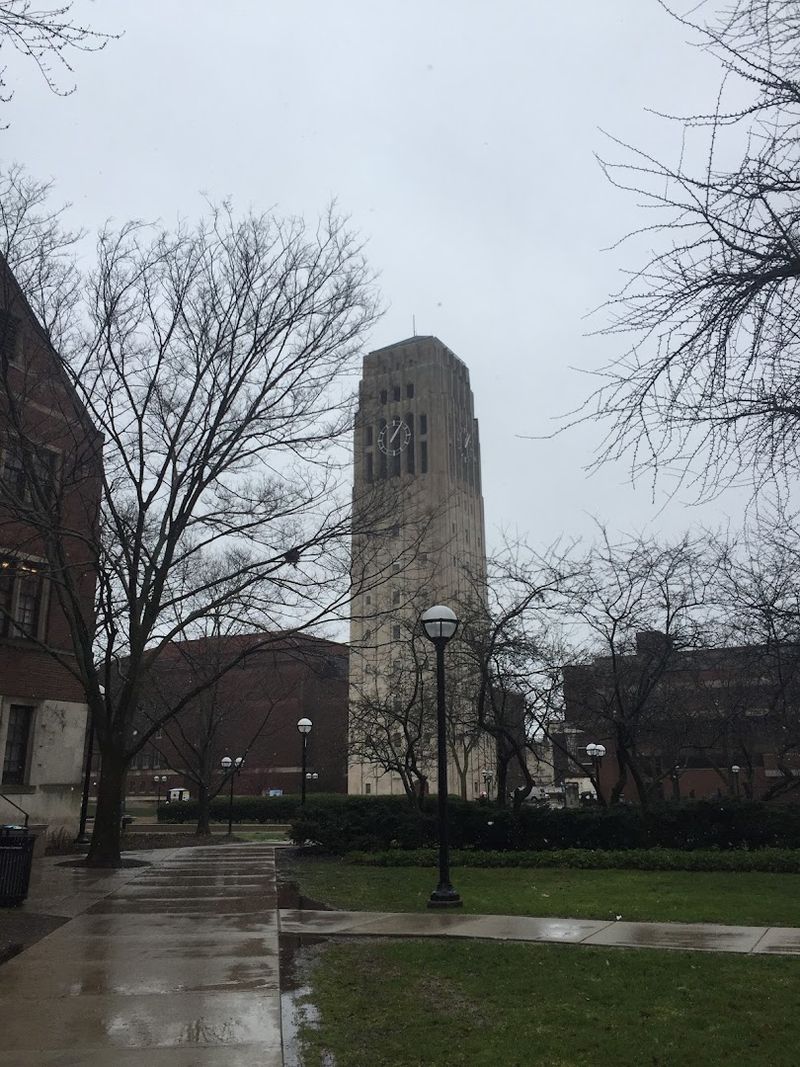
The UMS administrative offices at 881 N University Ave operate Monday through Friday, 10 AM to 5 PM. Saturdays and Sundays the offices are closed, so any in-person questions or ticketing needs are best handled during the weekday window.
Performances themselves happen across multiple campus venues, so confirming the specific location for your event before heading out is a smart first step.
Parking near the University of Michigan campus requires a little planning, especially on evenings when multiple events overlap. Ann Arbor has several parking structures within reasonable walking distance of Hill Auditorium and Power Center, and the city’s bus system provides solid coverage of the campus corridor.
Many regular UMS attendees prefer arriving early enough to walk from a nearby neighborhood rather than navigating structure parking on busy performance nights.
Ticket purchases can be made in advance, which is strongly recommended for high-demand events. Popular orchestral performances and internationally recognized dance companies tend to sell out well before the night of the show.
Checking the UMS season calendar early in the fall gives the clearest picture of what is coming and allows time to plan around specific events that match your interests.
Dress code at UMS events is relaxed by the standards of many classical music organizations. Ann Arbor crowds tend toward smart casual, though formal attire is not out of place at major orchestral evenings.
The general atmosphere is welcoming rather than stuffy — first-timers should not feel intimidated by the prestige of the programming.
Student rush tickets and discounted pricing tiers make UMS accessible to a wider economic range than the reputation might suggest. Checking availability close to performance dates can yield genuinely affordable options for events that might otherwise seem financially out of reach for younger or budget-conscious attendees.
Why UMS Stands Apart From Every Other Arts Presenter in the Region
Comparing UMS to regional arts organizations quickly reveals how unusual its position actually is. Most mid-sized American cities support performing arts presenters that work within predictable genre boundaries — a symphony series here, a touring Broadway package there.
UMS operates on a fundamentally different model, one that treats artistic genre as a tool rather than a boundary.
The organization’s ability to attract genuinely world-class talent to Ann Arbor, a city of roughly 120,000 people, comes down to institutional reputation built over generations. Artists and their management teams know that a UMS engagement means a serious, prepared audience, excellent venues, and an organization that handles logistics with professionalism.
That combination makes Ann Arbor a desirable stop rather than an obligatory detour.
The University of Michigan connection provides resources and credibility that independent arts presenters cannot easily replicate. Access to campus venues, faculty collaborators, student audiences, and university-affiliated funding streams gives UMS structural advantages that translate directly into programming ambition.
The university relationship is symbiotic — UMS enhances the campus cultural environment while the university provides the infrastructure UMS needs to operate at a high level.
Nationally, UMS is recognized among presenting organizations as a model for how to balance artistic adventurousness with long-term institutional sustainability. The organization has received significant support from major arts foundations, which reflects external confidence in both its programming vision and its operational management.
For anyone visiting Ann Arbor or living in southeast Michigan, a UMS season represents an extraordinary concentration of artistic excellence in a single city. The performances arrive from every corner of the world and land in venues designed to honor them properly.
Few places in Michigan — or the broader Midwest — offer that kind of consistent, curated access to the full spectrum of global performing arts.
Share this story