Fish opinions run strong in Michigan, especially near the water. Around the Great Lakes, small fish shacks, markets, and casual counters keep locals talking with whitefish, smoked catches, crispy baskets, and simple meals that taste best when they feel close to the source.
Some stops are known for old-school charm, others for fresh flavor or a plate that arrives hot, salty, and exactly right after a day outside. The appeal is not fancy presentation, but the kind of dependable fish stop people recommend with real confidence.
For anyone looking for a starter list that feels rooted in Michigan, these are the names that tend to come up fast.
1. Carlson’s Fishery – Leland, MI
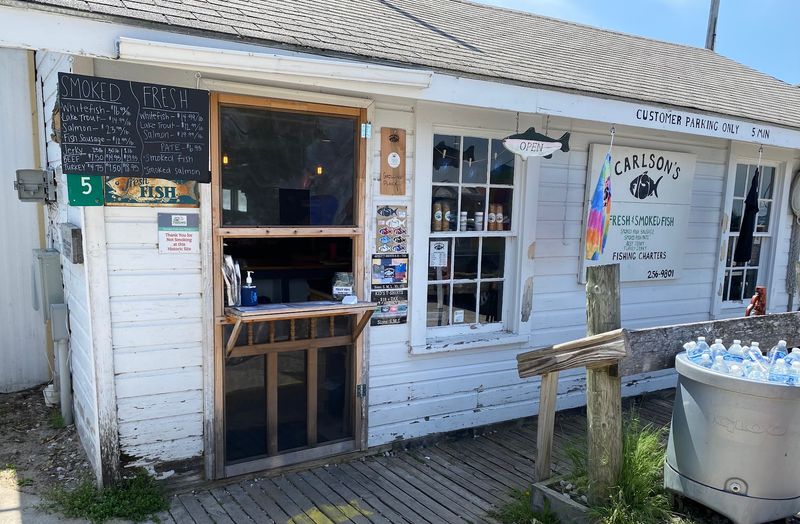
Right away, Carlson’s Fishery brings up the kind of lake-town food talk that gets very specific, very fast. People mention smoked fish, old-school dockside character, and the simple pleasure of eating near water that has shaped Michigan life for generations.
Leland is a natural place for a fish stop because the setting already does part of the work. Harbor views, working boats, and breezes off the water put Great Lakes fish into context, so a smoked fillet or fresh piece of whitefish does not feel random on the menu.
It feels connected to the place around it.
Regular visitors often go in with a plan. Smoked whitefish is an easy starting point for first-timers because it is mild, rich, and easy to share, while smoked chubs bring a stronger, more old-Michigan style that longtime fans look for.
Asking what looks especially good that day is smart, since a fishery visit is best when you stay a little flexible.
Another good move is keeping the rest of the meal simple. Crackers, bread, slaw, or potato salad let the fish stay front and center, and that matters when the whole point is tasting the catch rather than burying it under too many extras.
Bringing a cooler can also help if smoked fish is coming home with you.
Carlson’s belongs on this kind of list because it matches what many people want from a Great Lakes fish stop: direct, unfussy, and rooted in local taste. Go early if the day is busy, look around before choosing, and treat it like a place to sample Michigan’s fish tradition in a straightforward way.
That approach usually leads to the best order.
2. Moofinfries – Naubinway, MI
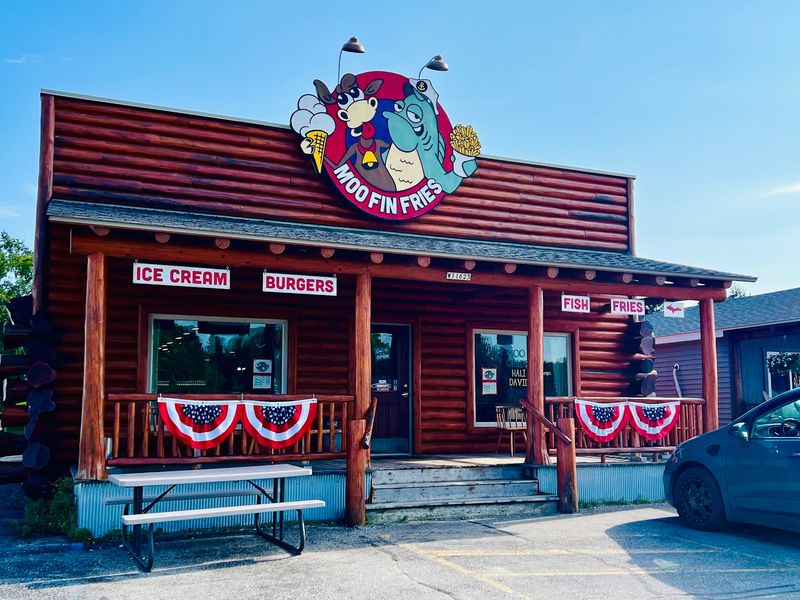
Some places get talked about because they sound a little unexpected, and Moofinfries is one of them. The name sticks in your head, but the reason it enters local fish conversations is much simpler: hungry travelers want a solid stop in the Upper Peninsula where the meal feels easy and satisfying.
Naubinway sits along a stretch of road where people are often moving between bigger destinations, which makes a reliable fish stop extra valuable. Instead of chasing a fancy setup, the smart play here is to lean into the casual format and order the food that fits the setting.
Great Lakes fish and fries make sense in a place where the day may include miles of driving, shoreline views, and a quick reset before heading onward.
Whitefish is the item many Michigan eaters look for first because it is tied so strongly to the region. A good basket should be hot, crisp outside, and still soft inside, while fries need enough structure to hold up until the last few bites.
Tartar sauce, lemon, and coleslaw can do a lot when they are fresh and balanced.
Timing matters more than people think at a small, popular stop. Going at an off-peak hour can mean a calmer line, fresher conversation with the staff, and a better chance to look over the menu without feeling rushed by a crowd.
That is helpful when traveling with kids or anyone who gets impatient fast.
Moofinfries earns mention because it fits a very Michigan pattern: modest place, direct food, real regional identity. Keep expectations tuned to a roadside shack experience, not a formal restaurant, and the whole visit makes more sense.
Order simply, eat while it is hot, and let the lake-country setting do the rest.
3. Keeper’s Fish Shack – Ludington, MI
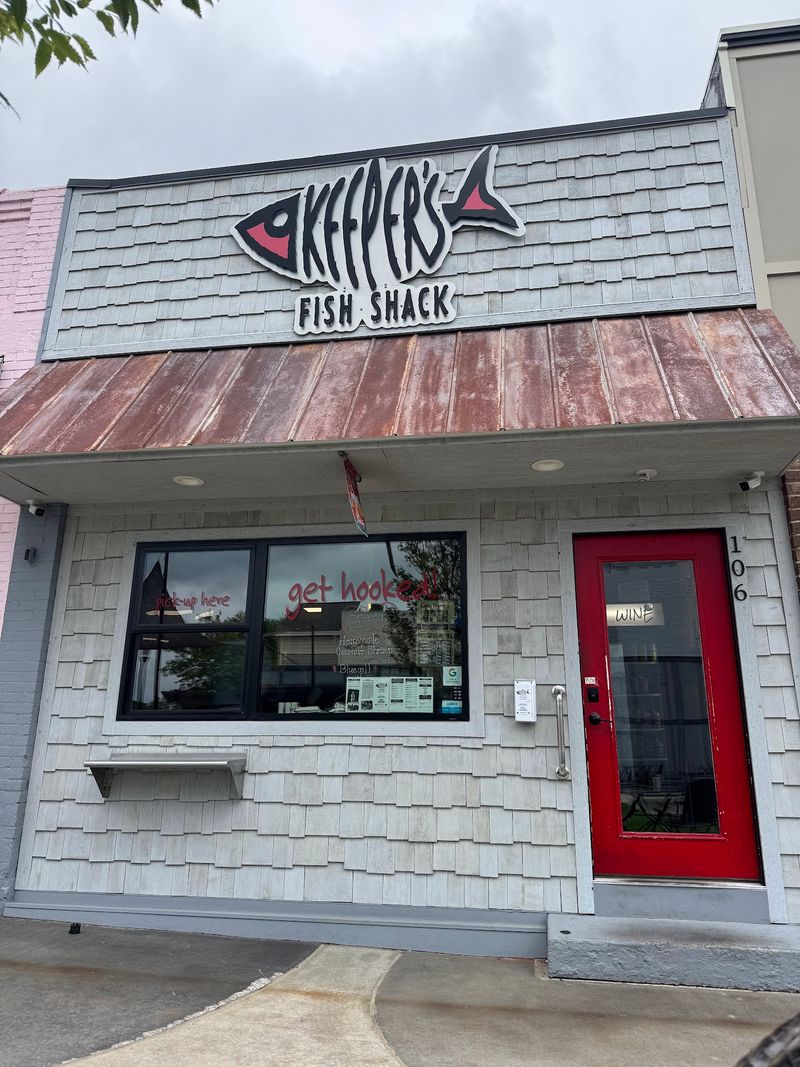
A beach town changes the mood of a fish meal, and Keeper’s Fish Shack fits that rhythm well. Ludington has that mix of harbor traffic, vacation energy, and lake weather that makes fried fish, sandwiches, and baskets sound like exactly the right plan.
At a place with “fish shack” in the name, most people are not hunting for a long formal dinner. They want a menu that gets to the point, portions that make sense after a day outside, and fish that tastes like the star instead of an afterthought.
That is why simple choices matter here. A whitefish basket, fish sandwich, or plate with slaw and fries usually tells you what you need to know.
One handy tip is to notice texture before anything else. Great Lakes fish done well should have a clean flake inside, a crust that stays crisp for more than a minute, and enough seasoning to lift the fish without turning it salty.
Lemon on the side helps, especially with a richer fried order, because it brightens every bite fast.
Ludington also invites a little planning around the rest of the day. Pick up fish after time at the beach, before a harbor walk, or as part of an easy dinner when nobody wants to change into nicer clothes.
Casual spots work best when you let them stay casual.
Keeper’s gets brought up in Michigan fish talk because it lines up with what people often want in a shore-town stop: straightforward Great Lakes flavor and a setting that does not overcomplicate things. Keep the order focused, grab extra napkins, and enjoy the kind of meal that belongs near sand, boats, and big water.
In Ludington, that style rarely needs much selling.
4. Manley’s Fish Market – St. Ignace, MI
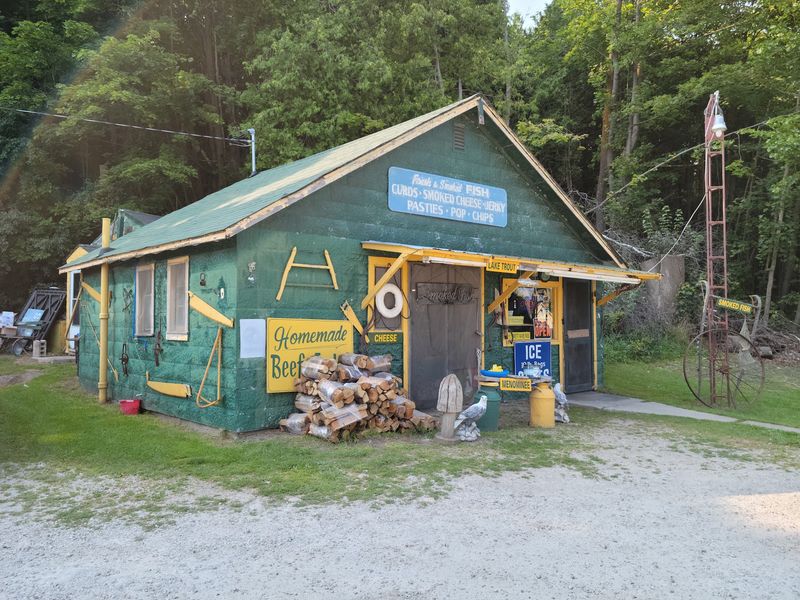
For many Michigan travelers, St. Ignace is a place of movement. Cars roll in, ferries are on people’s minds, and somewhere in the middle of all that, Manley’s Fish Market often enters the conversation as a practical stop for Great Lakes fish with local character.
A fish market offers a different kind of experience from a restaurant. Instead of settling into a table and waiting, you are usually thinking ahead about what to bring back to the cabin, hotel, cooler, or family kitchen.
That changes how you shop. Smoked fish becomes especially useful because it travels better than a fried meal and still delivers a strong taste of the region.
Whitefish is often the safest first choice for people who are new to Great Lakes fish. Its flavor is mild enough for cautious eaters, yet it still gives that clean lake profile many locals want.
Smoked versions can be eaten simply with crackers, folded into a dip, or added to a light lunch without much extra work.
St. Ignace also has a steady flow of people passing through, so being prepared helps. A small cooler, ice pack, or clear plan for when you will eat the fish makes the stop more useful.
If the case offers several options, compare sizes and ask which style best fits snacking, sandwiches, or a full meal later on.
Manley’s comes up often because markets like this represent a very real part of Michigan food culture. The appeal is not fancy presentation.
It is access to regional fish in a format that suits road trips, ferry days, and lake-country weekends. Buy what fits your schedule, keep the rest of the meal simple, and let the fish carry the flavor.
That is usually the smartest move.
5. Scalawags Whitefish & Chips – Mackinaw City, MI
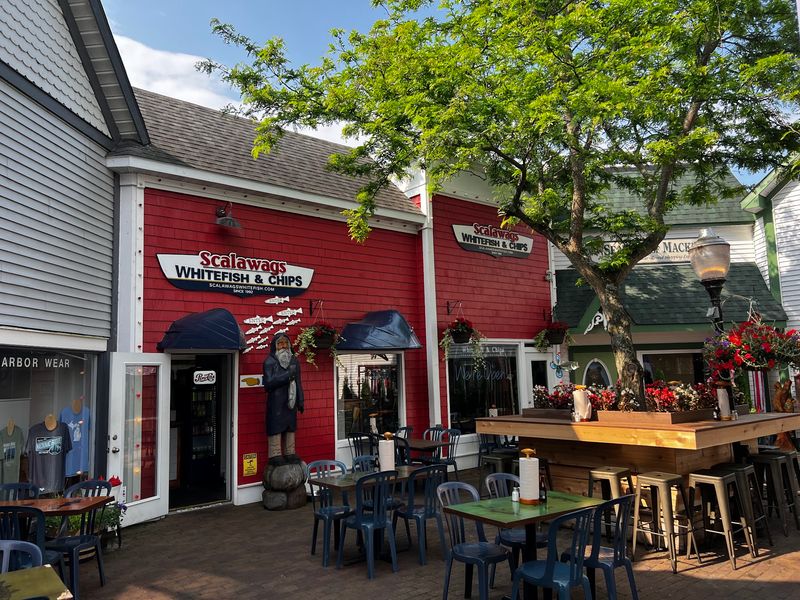
Say “whitefish” around Mackinaw City and Scalawags usually enters the chat pretty quickly. The name is playful, but the reason people remember it is plain enough: Great Lakes whitefish and fries are a combination that makes immediate sense in this part of Michigan.
Mackinaw City gets plenty of traffic, so a focused menu can be a real advantage. When a place is known for a specific pairing, ordering becomes easier, especially for groups with mixed tastes and limited patience.
Whitefish and chips is a smart anchor because it is familiar to almost everyone, but still tied closely to the lakes nearby.
Good whitefish should stay light rather than heavy, even when fried. The coating needs crunch, the inside should break into moist flakes, and the fries should arrive hot enough to matter.
Coleslaw gives a cool contrast, and tartar sauce works best when it supports the fish instead of taking over the whole basket.
One practical tip here is to plan around crowds. Mackinaw City can move fast during peak travel times, and a popular fish place may have a line to match.
If a quieter meal sounds better, an early lunch or slightly late afternoon stop can help. That also gives you more space to enjoy the food without feeling rushed by the next wave of visitors.
Scalawags gets listed again and again because it matches a strong local instinct: when in northern Michigan, order the whitefish. The appeal is direct, not complicated.
Pick the classic plate first, notice the texture and freshness, and save room to compare it with other fish stops on the trip. That is half the fun of eating around the Great Lakes in the first place.
6. Bortell’s Fisheries – Ludington, MI
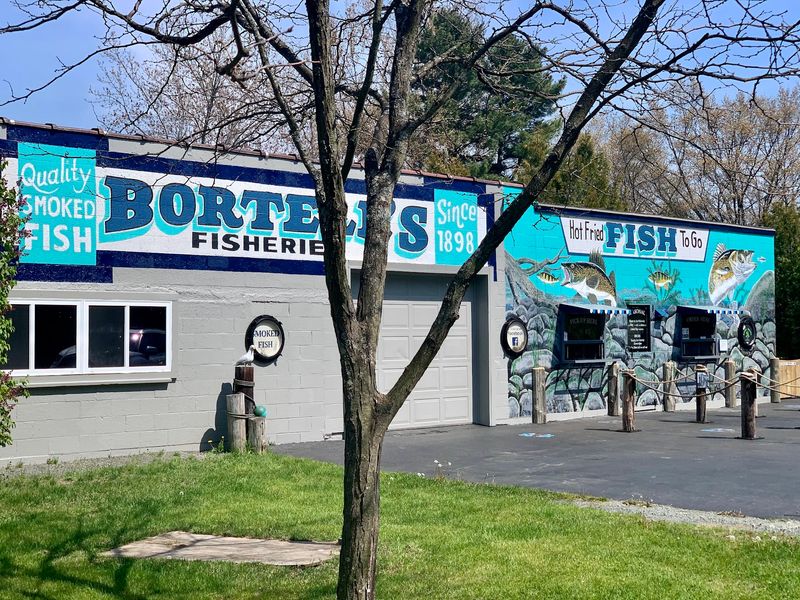
Old-fashioned fish markets have a pace all their own, and Bortell’s Fisheries is the kind of name that shows up when locals start comparing where to buy fish to take home. In Ludington, that matters because many visitors want more than one meal out of their lake trip.
A fisheries stop is less about table service and more about choosing well. That means looking carefully at what is available, thinking about how soon you will eat it, and deciding whether you want smoked fish for snacking or something that can anchor a fuller meal later.
It is a nice break from restaurant ordering because the experience feels a bit more hands-on.
Smoked fish often steals the spotlight in places like this for good reason. It keeps well, travels well, and works in several ways once you get back to where you are staying.
Whitefish is a common favorite, but other Great Lakes options may interest people who like stronger flavor or want to try more than one style. A mixed purchase can be the best move if everyone in the group has different tastes.
Ludington’s vacation pattern also helps explain why Bortell’s comes up so often. Beach houses, campgrounds, and weekend rentals all create demand for easy local food that does not require another sit-down stop.
Add bread, cheese, crackers, or a simple salad, and you have a low-stress meal with very little prep.
Bortell’s earns its place on a Michigan fish list because it supports the practical side of Great Lakes eating. You are not only buying dinner.
You are picking up part of the region’s food tradition in a form that fits travel, sharing, and laid-back evenings. Bring a cooler, ask a couple of questions, and shop with a plan.
The visit usually goes better that way.
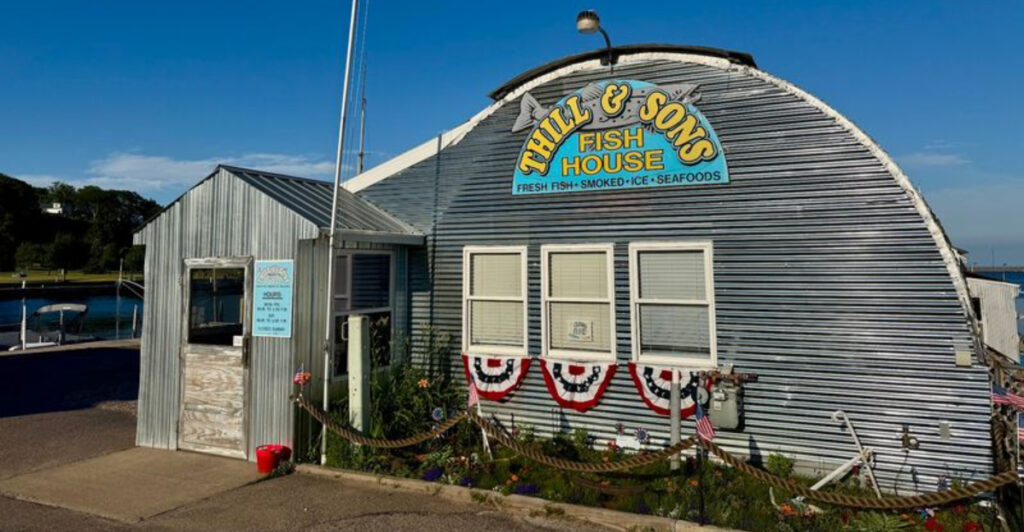
7. Thill & Son’s Fish House – Marquette, MI
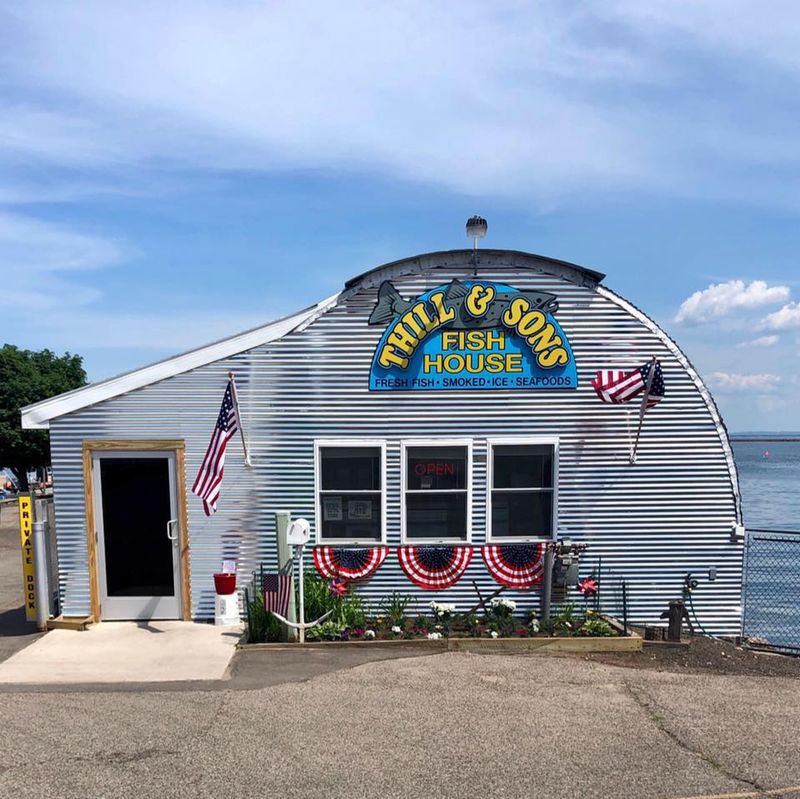
Up in Marquette, the fish conversation takes on a slightly different edge. Lake Superior changes the mood, the weather, and even the way people talk about food, so Thill & Son’s Fish House often gets mentioned with the steady respect given to places that fit the region well.
A fish house name suggests function first, and that can be a very good sign. Rather than chasing trends, spots like this are usually valued for direct access to local fish and straightforward handling of it.
For visitors, that means paying attention to basics: what species are available, whether smoked or fresh options make more sense for your plans, and how much food you actually need.
Marquette is the sort of place where conditions can shift quickly, and a flexible meal is useful. Smoked fish works for a picnic near the lake, a late lunch back at a rental, or a snack after time outdoors.
Whitefish is often a gentle place to start, while more experienced fish eaters may branch out when another local catch is available.
Here is a smart way to approach a stop like this. Buy one familiar item and one less familiar one.
That gives cautious eaters something safe while opening the door to a broader taste of the Great Lakes. Pairing the fish with plain crackers, rye bread, or a basic potato side keeps the flavors clear and easy to judge.
Thill & Son’s belongs on this list because it lines up with a northern Michigan truth: fish does not need much decoration when the source and handling are the main story. Keep expectations simple, ask what suits your schedule, and enjoy the contrast between Lake Superior’s rugged setting and the calm, clean flavor on the table.
8. Keyhole Bar & Grill – Mackinaw City, MI
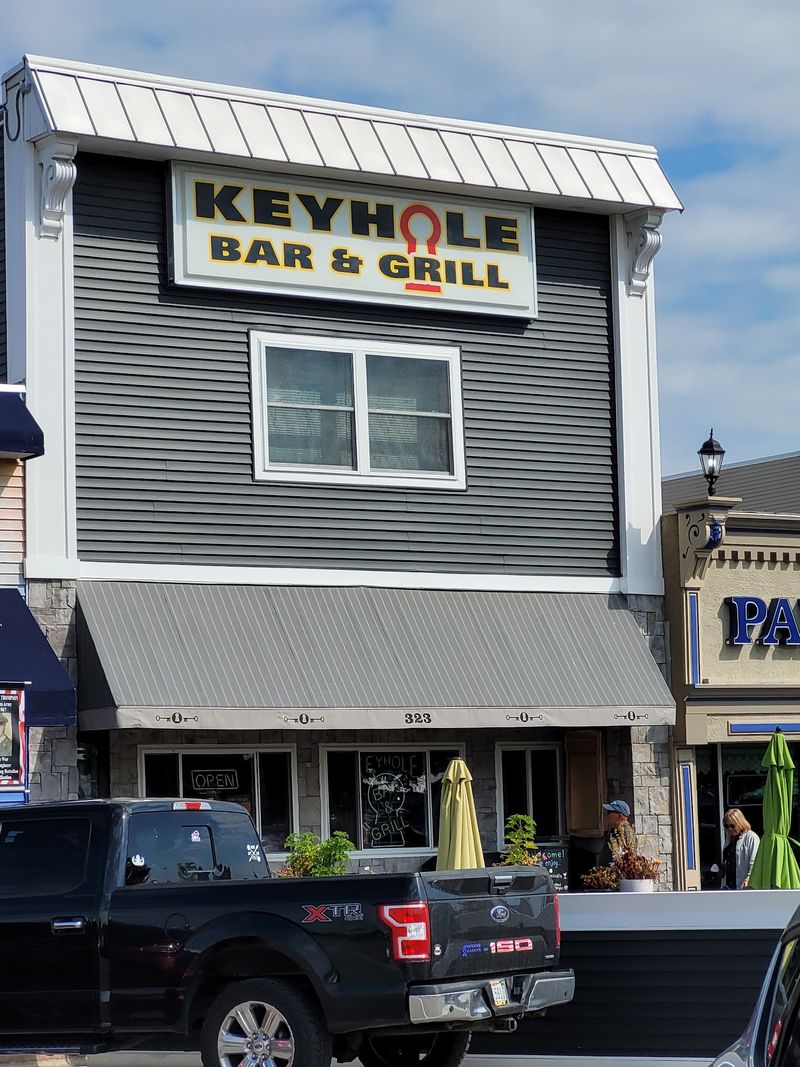
Not every Great Lakes fish stop has to be a shack in the strictest sense. Keyhole Bar & Grill comes up because Michigan locals are usually talking about where to get a good fish meal, not arguing over labels while the fries cool down on the table.
Mackinaw City is busy, and sometimes a bar-and-grill format is exactly what works best. It gives groups more range, which matters when one person wants whitefish, another wants a burger, and somebody else just needs a quick seat and a cold drink after walking around town.
In that setting, a fish sandwich or basket can be the smartest order because it keeps the regional focus without making the meal feel too heavy.
The best approach is to zero in on the items that let the fish speak clearly. Whitefish is again the natural choice here because it matches the area and usually suits a wide range of eaters.
A sandwich can be especially useful if you want a neat, fast meal, while a plated fish dinner may make more sense when you have time to settle in.
Bar and grill menus can get crowded, so discipline helps. Skip the urge to over-order fried sides just because they are available.
One fish-centered item, one supporting side, and maybe slaw or a lighter add-on often creates a more balanced meal. That way the regional catch stays memorable instead of getting buried.
Keyhole lands on this list because it offers a practical version of Mackinaw City fish eating. The appeal is convenience mixed with local flavor, and that is often enough when a travel day is packed.
Go in knowing what you want, keep the order focused, and treat it as part of the larger northern Michigan food circuit rather than a separate category entirely.
9. John Cross Fisheries – Charlevoix, MI
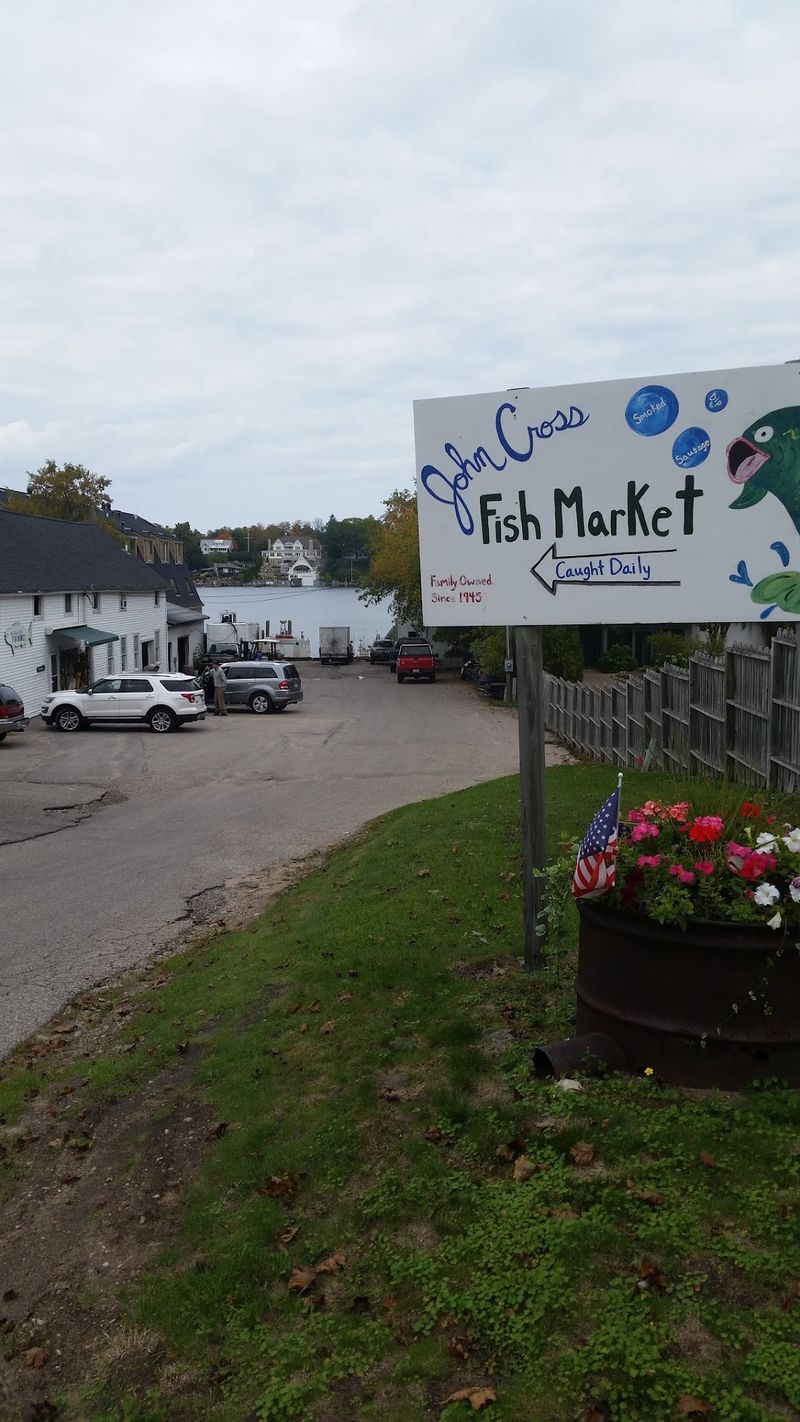
Charlevoix has polished vacation-town charm, but the fish conversation there still circles back to straightforward local names. John Cross Fisheries gets mentioned because many people want something that connects them to the lake itself, not only the resort side of town.
A fisheries stop can sharpen your understanding of regional fish better than a broad menu ever will. When the choices are centered on the catch, it becomes easier to notice differences in preparation, flavor, and how fish fits into everyday Michigan eating.
Smoked whitefish is often the gateway item, especially for visitors who want a recognizable local standard without taking a big risk on stronger flavors.
Charlevoix also lends itself to simple meals built around one main purchase. Pick up fish, add fruit, bread, or a basic salad from elsewhere, and suddenly dinner is handled without much fuss.
That approach works well on boating days, beach afternoons, or evenings when a full sit-down restaurant sounds like too much effort.
There is also a small strategy that helps at markets like this. Think in portions before buying.
Smoked fish can seem light at first, then turn out to be richer and more filling than expected. Buying a little variety instead of too much of one thing often leads to a better experience, especially for families or mixed groups.
John Cross earns a place on this list because it represents a dependable Michigan habit: seeking out the fish market when the goal is local flavor with minimal fuss. The draw is clear, practical, and region-specific.
Choose one classic item first, sample it without too many extras, and build the rest of the meal around it. In a lake town like Charlevoix, that usually lands well.
10. The Cove – Leland, MI
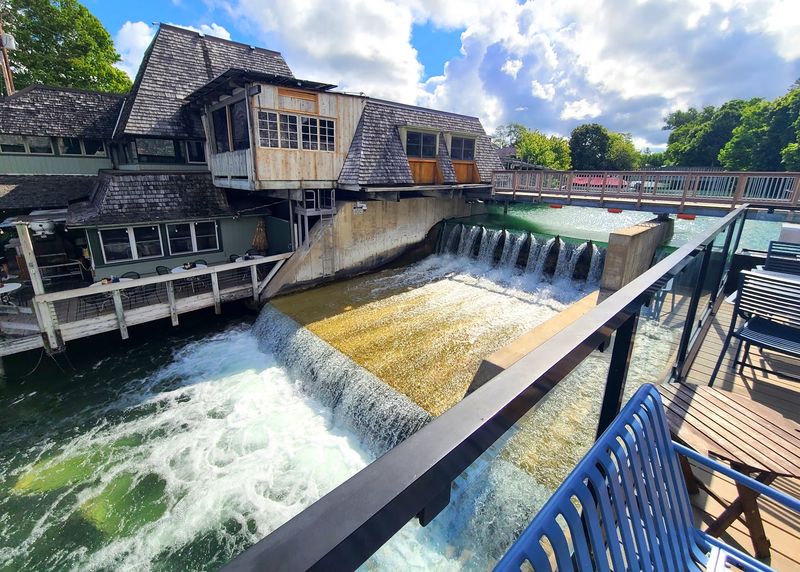
Leland appears twice on this list for a reason. The town has deep fishing ties, a waterfront setting that frames the meal beautifully, and more than one place people connect with Great Lakes fish, including The Cove.
Compared with a market stop, The Cove suggests a sit-down experience where the fish arrives as part of a full meal. That changes the pace.
You are more likely to notice how the fish is paired, how the sides support it, and whether the preparation keeps the lake flavor in front instead of covering it with too much sauce or seasoning. For many diners, whitefish is the logical pick because it gives a clean baseline for judging the plate.
Leland’s harbor area adds a useful bit of context without needing to be oversold. Eating fish near working-water history simply fits.
Still, the smart move is to stay attentive to the food itself. Look for a piece of fish that flakes cleanly, tastes fresh and mild, and comes with sides that make sense rather than crowd the plate.
Potatoes, vegetables, or slaw can all work when they stay in a supporting role.
One helpful tip is to choose the fish preparation that matches your mood and the day. After a long afternoon outdoors, a lighter plate may hit better than a heavy fried dinner.
If the weather is cool or the appetite is bigger, a richer option can make more sense.
The Cove gets named in Michigan fish talk because it offers another angle on Leland’s lake identity. Not every memorable fish meal has to come wrapped in paper or carried to a picnic table.
Sometimes a seated dinner does the job just as well, as long as the fish remains the point. In a town like Leland, that standard matters.