Michigan has no shortage of well-known food spots, but the best meals are often the ones you only find out about through a friend’s recommendation or a lucky wrong turn. Scattered across the state — from the Upper Peninsula to metro Detroit — there are restaurants quietly doing extraordinary things without much fanfare.
These twelve places fly under the radar, but locals swear by them. If you’re ready to eat well and skip the tourist traps, this list is your starting point.
1. Taco Boy — Grand Rapids
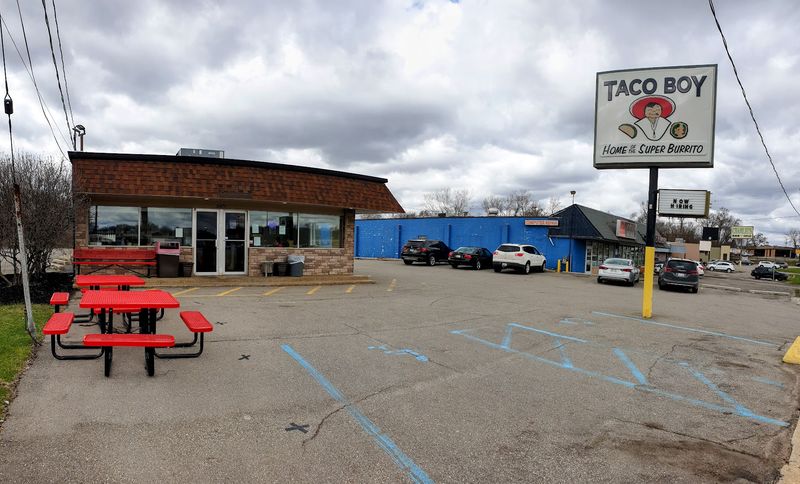
Walk past Taco Boy on the wrong day and you might not even notice it — but ask any Grand Rapids local where they grab tacos, and this spot comes up almost every time. It’s the kind of place that earns loyalty not through Instagram hype but through consistently great food at prices that won’t make you wince.
The vibe is relaxed, the ordering is easy, and the first bite explains everything.
The tacos here lean into bold, authentic flavors rather than Americanized fillings. Corn tortillas, well-seasoned meats, and fresh toppings are the backbone of the menu.
Whether you go for carnitas, al pastor, or something off the specials board, the portions are generous and the flavors are layered in a way that feels genuinely crafted rather than assembled.
Grand Rapids has developed a strong food scene over the past decade, and Taco Boy fits right into that energy without trying too hard. It draws a mix of college students, working professionals, and families who’ve been coming back for years.
That kind of cross-demographic loyalty is usually a reliable sign that a restaurant is doing something right.
If you’re visiting Grand Rapids and planning a food tour, skip the downtown tourist corridor for at least one meal and make your way here. Go hungry, order more than you think you need, and don’t skip the salsas — they range from bright and citrusy to deeply smoky, and each one changes the character of the taco entirely.
Taco Boy isn’t trying to be the best restaurant in Michigan. It just might be your favorite meal of the trip.
2. The Soup Spoon Café — Lansing
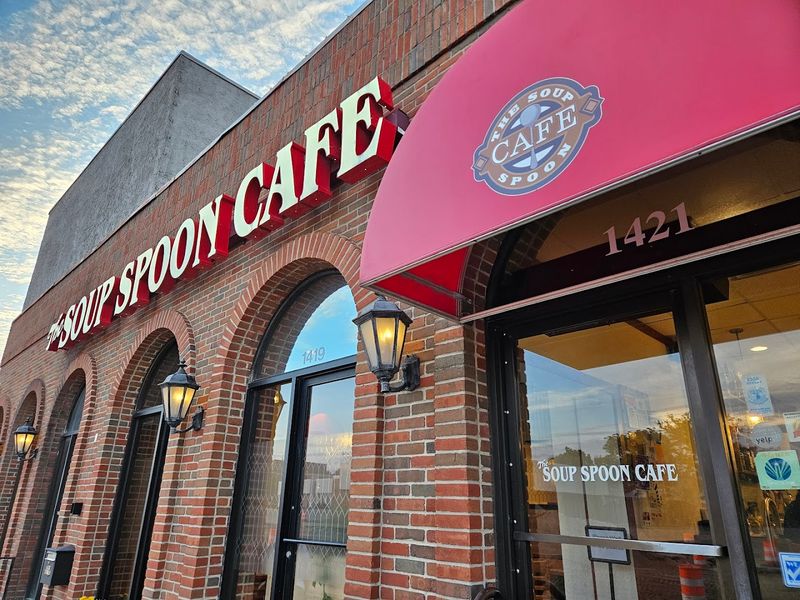
There’s a particular kind of comfort that comes from a bowl of soup made from scratch — the kind where you can actually taste the time someone put into it. The Soup Spoon Café in Lansing has built its entire identity around that feeling, and the result is a neighborhood spot that regulars treat almost like a second kitchen.
Lunch here feels less like eating out and more like eating in.
The menu rotates with the seasons, which keeps things interesting and ensures that ingredients are at their freshest. Expect hearty options like roasted tomato bisque, chicken wild rice, and rotating daily specials that reflect whatever’s looking good at the market.
The sandwiches and sides that accompany the soups are equally well-executed — nothing feels like an afterthought.
Lansing doesn’t always get the food-scene attention that Detroit or Grand Rapids receives, but spots like The Soup Spoon Café are exactly why that narrative is changing. The café has a warm, unpretentious atmosphere that makes it easy to linger over a second bowl.
Service is friendly in that genuinely welcoming way, not the rehearsed hospitality you sometimes get at trendier places.
For anyone working or living near downtown Lansing, this place has likely already appeared on your radar through word of mouth. For everyone else, it’s worth a deliberate detour.
Arrive a little before the lunch rush if you want first pick of the daily soups — popular options sell out, and for good reason. The Soup Spoon Café is proof that a simple concept, executed with care and consistency, can create something that a city genuinely rallies around.
Bring a good book or a good friend — either fits perfectly here.
3. Noble Restaurant — Wyoming
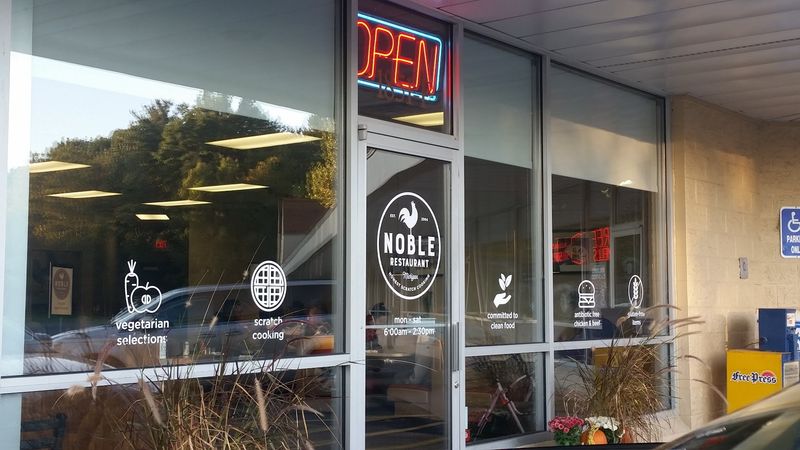
Wyoming, Michigan — the city just south of Grand Rapids — isn’t the first place most people think of when planning a notable dinner out. That’s exactly what makes Noble Restaurant such a satisfying discovery.
Tucked into a neighborhood that doesn’t scream “destination dining,” Noble serves thoughtful, ingredient-driven food that easily holds its own against anything you’d find in a bigger, flashier city.
The kitchen takes a farm-forward approach, working with local producers and letting quality ingredients lead the way. Dishes tend to be unfussy in presentation but complex in flavor — the kind of cooking that makes you slow down and actually pay attention to what you’re eating.
The menu shifts with availability, so return visits rarely feel repetitive. That commitment to seasonality keeps both the kitchen and the guest engaged.
The dining room has a warmth to it that encourages conversation. It’s the kind of space where a first date feels comfortable but so does a long dinner with old friends.
The staff know the menu well and can speak to the sourcing behind the dishes, which adds a layer of context that enhances the experience without feeling like a lecture.
Noble doesn’t get the press coverage that some of its Grand Rapids neighbors attract, but among food-savvy locals in the area, it’s a reliable answer to “where should we go for a real dinner?” Reservations are a smart idea, especially on weekends, because word has been spreading steadily. If you’ve been sleeping on Wyoming as a dining destination, Noble Restaurant is the wake-up call worth answering.
Order the seasonal starter, trust the kitchen’s specials, and leave room for dessert — it consistently earns its place on the table.
4. Lawry’s Pasty Shop — Marquette

Up in the Upper Peninsula, the pasty isn’t a novelty — it’s a cultural institution. And in Marquette, Lawry’s Pasty Shop has been representing that tradition with the kind of quiet confidence that only comes from doing one thing really, really well for a long time.
If you’ve never had a proper UP pasty, this is the place to start. If you already know what you’re doing, you probably already have Lawry’s on your list.
The pasty itself is a handheld meat-and-vegetable pie with Finnish and Cornish roots, brought to the Upper Peninsula by immigrant miners in the 1800s. Lawry’s sticks close to that heritage — thick, hand-crimped crust, hearty filling, and a satisfying weight that makes sense for a meal designed to fuel hard work.
The rutabaga in the filling is a detail that separates authentic UP pasties from imitations, and Lawry’s doesn’t cut corners there.
The shop has a no-frills setup that matches the food’s working-class origins. You order, you wait, you eat — and the simplicity of the whole experience feels intentional rather than lacking.
There’s something refreshing about a place that lets the product speak for itself without needing a curated atmosphere to prop it up.
Travelers passing through Marquette on their way to explore Pictured Rocks or Presque Isle Park should absolutely stop here before hitting the trail. A pasty travels well, stays warm, and gives you the kind of sustained energy that granola bars can’t match.
Lawry’s is also worth visiting even if you’re just in town for the afternoon — it’s one of those experiences that makes the Upper Peninsula feel distinctly itself. Don’t leave without grabbing an extra one for the road.
5. Cherry Point Farm & Market Fish Boils — Shelby
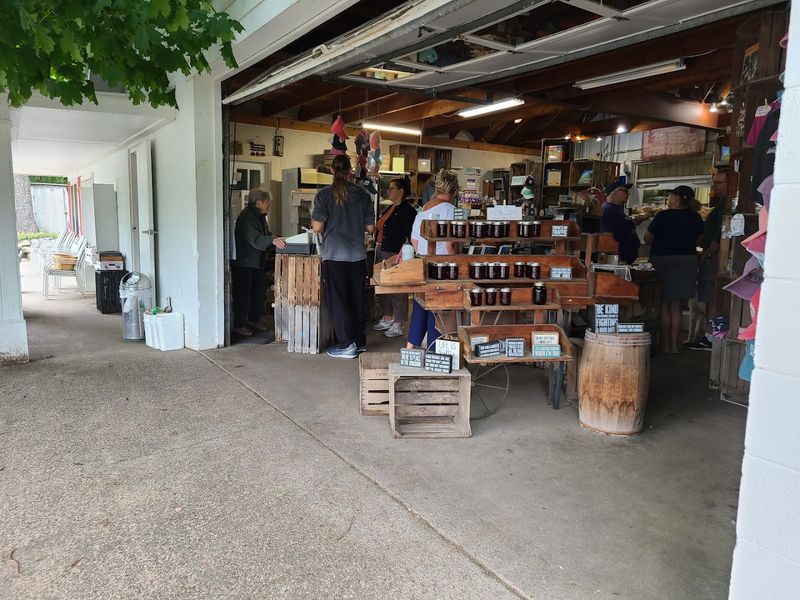
There are dining experiences, and then there are events — and Cherry Point Farm and Market’s fish boils fall firmly into the second category. Located in Shelby along the western Michigan shoreline, this isn’t a restaurant in the traditional sense.
It’s a seasonal, communal outdoor cooking tradition that draws crowds for good reason. If you’ve never watched a fish boil in person, the moment the pot dramatically boils over is something that sticks with you.
The fish boil format has Scandinavian roots and a strong tradition in Great Lakes communities. Fresh whitefish, potatoes, and onions go into a massive pot over an open fire.
The boilover — caused by adding kerosene to the flame — is as theatrical as it is functional, purging the fish oils and creating a clean, flavorful result. Cherry Point serves it up with coleslaw, bread, and cherry desserts that reflect the region’s agricultural identity.
What makes Cherry Point special beyond the food is the setting. The farm market itself is a destination, surrounded by orchards and the kind of landscape that makes you remember why Michigan summers are worth every cold winter.
Families, couples, and solo travelers all mix together around the outdoor tables, and the atmosphere has a genuine festivity to it that’s hard to manufacture.
Fish boils at Cherry Point are seasonal, so checking their schedule before making the trip is essential. They tend to fill up, especially on summer weekends when the western Michigan coast is at its most alive.
Go with an open schedule so you can browse the market before and after. The combination of local produce, handmade goods, and a dramatic outdoor dinner makes this one of the most uniquely Michigan food experiences on this entire list.
6. Buddy’s Pizza, Original Detroit Location — Detroit

Some restaurants are under the radar because they’re new and undiscovered. Buddy’s is under the radar for the opposite reason — it’s so embedded in Detroit’s identity that outsiders sometimes overlook it as “just a chain” without realizing the original location on Conant Street is where Detroit-style pizza was literally invented.
That’s not marketing copy. That’s documented culinary history.
In 1946, Buddy’s began serving square, thick-crusted pizza baked in blue steel pans originally used in auto factories. The result was a style of pizza with a crispy, almost fried bottom crust, airy interior, and cheese that runs all the way to the edges — caramelizing against the hot pan into a golden, slightly crunchy border.
That edge piece became the most coveted slice, and it’s been that way ever since. New York, Chicago, and Naples all have their pizza identities.
Detroit has this.
The original Conant location has a different energy than the newer Buddy’s outposts. It feels like a neighborhood institution rather than a franchise, and the clientele reflects that — you’ll find multi-generational Detroit families sitting next to first-timers trying to figure out what all the fuss is about.
The fuss, they quickly discover, is entirely justified.
If you’re making a Detroit food pilgrimage, the original Buddy’s should be on the itinerary alongside the other classics. Order a corner piece if the server gives you the option.
Try the pepperoni and mushroom combination — it’s a longstanding fan favorite for a reason. And take a moment to appreciate that you’re sitting in the room where an entire pizza category was born.
That kind of history is rare, and Buddy’s wears it without pretension.
7. Detroit Soul — Detroit
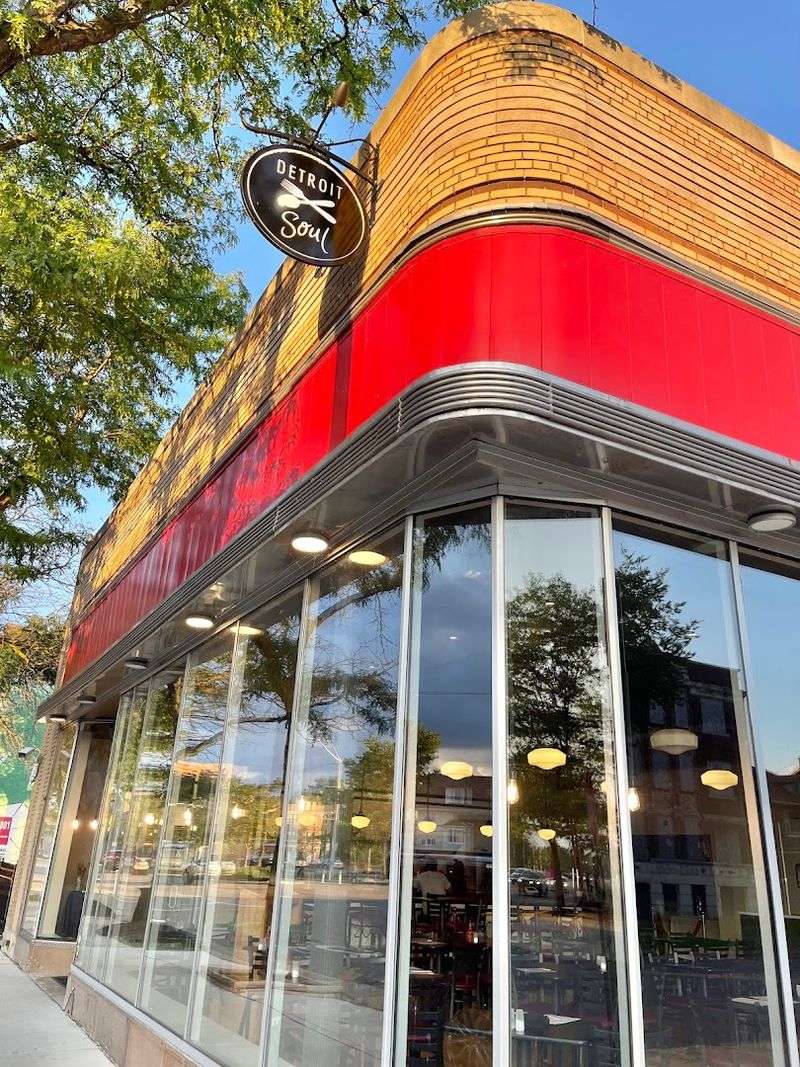
Detroit Soul is the kind of place that understands comfort food is not just about richness or portion size. It is about timing, memory, and trust.
From the first look at the menu, you get the sense that this kitchen is not interested in dressing soul food up as something it is not. The plates are familiar in the best possible way, built around the dishes people return to when they want something steady, generous, and deeply satisfying.
The menu leans into the classics: fried chicken, catfish, turkey wings, meatloaf, smothered pork chops, macaroni and cheese, collard greens, candied yams, black-eyed peas, cornbread. Nothing here feels accidental.
The fried items have the kind of crispness that holds up, the smothered dishes arrive with gravy that earns its place on the plate, and the sides are clearly treated as essential rather than decorative. That matters, because in a soul food restaurant, the sides often tell you just as much about the kitchen as the main course.
What makes Detroit Soul stand out is how grounded it feels. It is not chasing trends or trying to turn tradition into a concept.
It serves food that feels connected to the city around it: practical, warm, flavorful, and made for people who actually came to eat. There is a neighborhood quality to the experience, whether you are a regular picking up dinner or a first-time visitor trying to decide between catfish and turkey wings.
Come hungry and order like you mean it. A full plate with two sides is the move, and cornbread should be part of the plan.
Detroit Soul earns its place on this list because it does not need gimmicks to be memorable. It simply does the work, feeds people well, and reminds you how powerful a properly made plate of soul food can be.
8. The Little Fleet — Traverse City
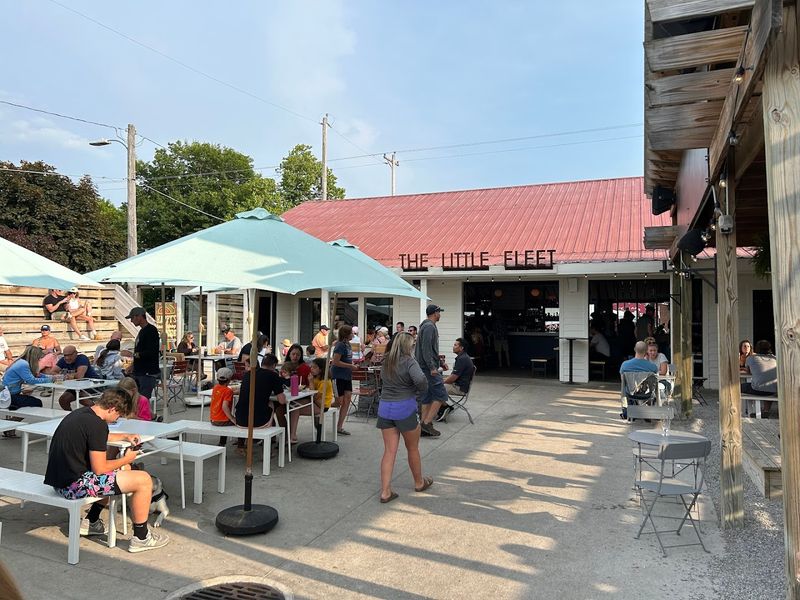
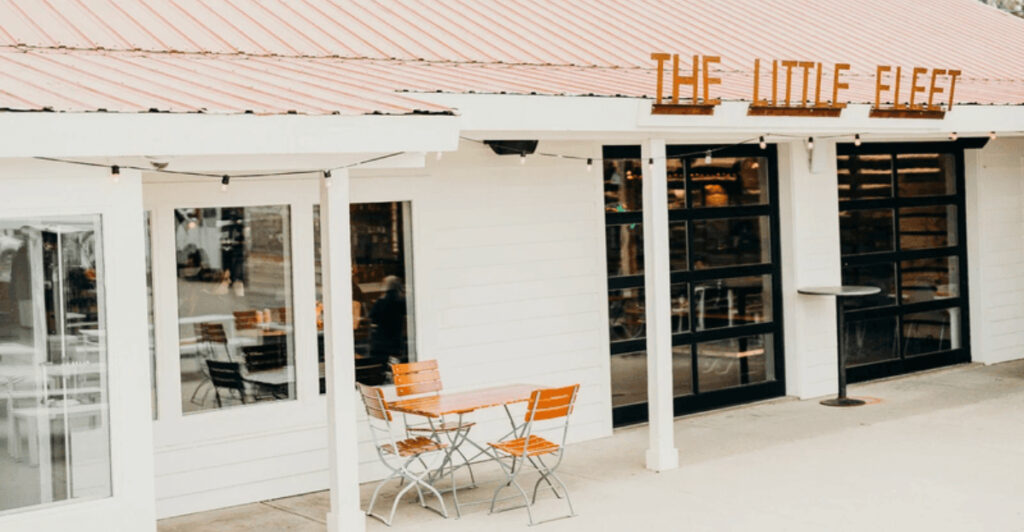
Traverse City already has a reputation for good eating, but The Little Fleet operates a little differently from the wine-country restaurants that dominate the area’s food identity. It’s an outdoor food truck court with rotating vendors, a full bar, and string lights overhead — the kind of setup that sounds casual until you realize how well it actually works.
On a warm northern Michigan evening, there are few better places to spend a few hours.
The rotating food truck lineup keeps things fresh and gives the space an energy that a fixed menu can’t replicate. You might find wood-fired pizza one week and Korean BBQ the next, with craft cocktails and local beers tying the whole experience together.
Groups love it because everyone can order something different without the compromise that comes with picking a single-cuisine restaurant. Picky eaters and adventurous ones coexist happily here.
The bar program at The Little Fleet is genuinely worth noting. Local Michigan craft beers are well-represented, and the cocktail menu reflects the same seasonal awareness that defines the best of Traverse City’s food culture.
Sipping something cold while waiting for your food order in that open-air setting feels like a proper northern Michigan experience — unpretentious and completely enjoyable.
The Little Fleet tends to be at its best in the late afternoon and evening, when the light gets golden and the crowd settles into a relaxed rhythm. It’s a good spot for a first visit to Traverse City because it gives you a cross-section of the local food scene in one location.
Check their social media or website before going to see which trucks are on rotation — some vendors have developed cult followings, and knowing who’s there that day helps you plan your appetite accordingly.
9. Taproot Cider House — Traverse City
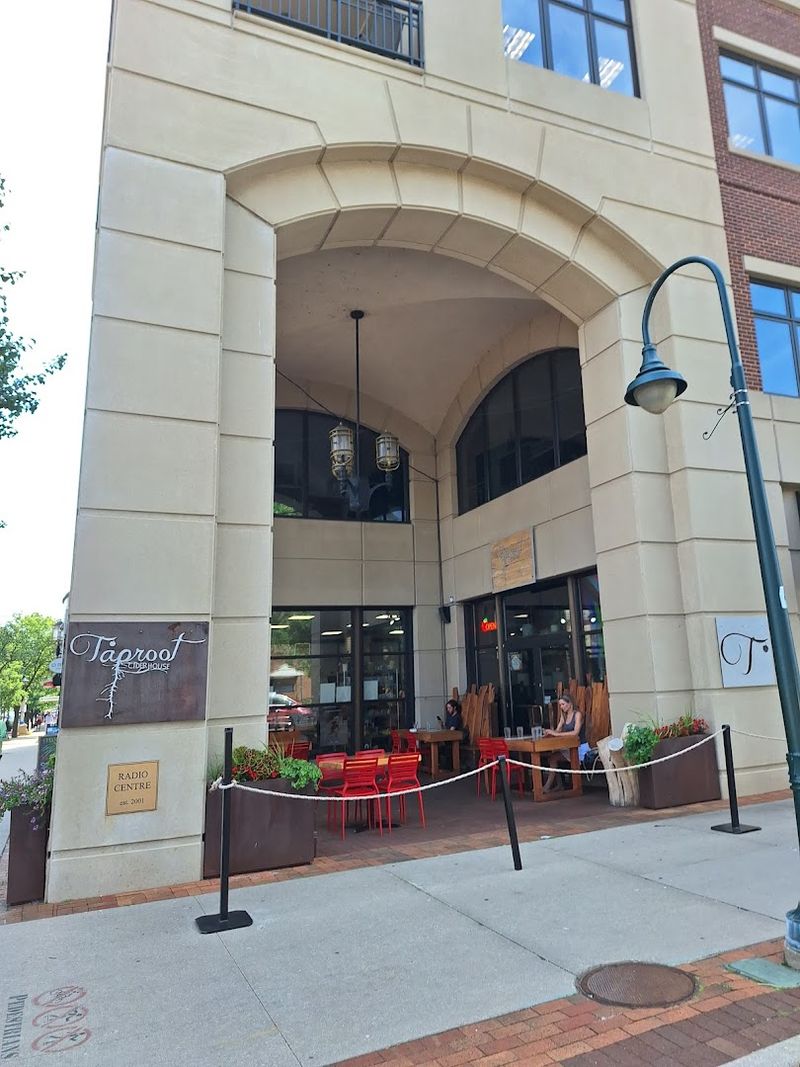
Michigan produces more tart cherries than any other state in the country, and the fruit orchards surrounding Traverse City make the region a natural home for craft cider. Taproot Cider House takes full advantage of that geography, pouring small-batch ciders that reflect the flavors of northern Michigan in ways that are both accessible and genuinely interesting.
If your only cider reference point is a mass-produced grocery store brand, Taproot will reframe the category entirely.
The cider lineup ranges from bone-dry and complex to lightly sweet and fruit-forward, covering enough ground that both cider skeptics and enthusiasts find something to love. The use of local apples and cherries gives the products a regional character that imported or nationally distributed ciders can’t replicate.
Seasonal releases keep regulars coming back throughout the year, and the staff are knowledgeable enough to guide you through a flight without making you feel like you’re in a lecture.
The space itself has a relaxed, welcoming quality that fits Traverse City’s overall character. It’s the kind of place where you can settle in for the afternoon or stop by quickly for a glass before dinner — the pace adjusts to whatever you need.
The food options pair thoughtfully with the ciders, leaning toward shareable plates that encourage lingering rather than rushing through.
Taproot is a strong argument for Traverse City as a destination beyond just wine country. The craft cider movement in Michigan has been growing steadily, and Taproot sits near the top of that conversation.
Visiting during apple or cherry harvest season adds an extra layer of context — you can almost taste the landscape in the glass. Whether you’re a cider enthusiast or simply curious, an afternoon at Taproot feels like a genuinely Michigan afternoon.
That’s a harder thing to manufacture than it sounds.
10. Oishi Restaurant — Novi
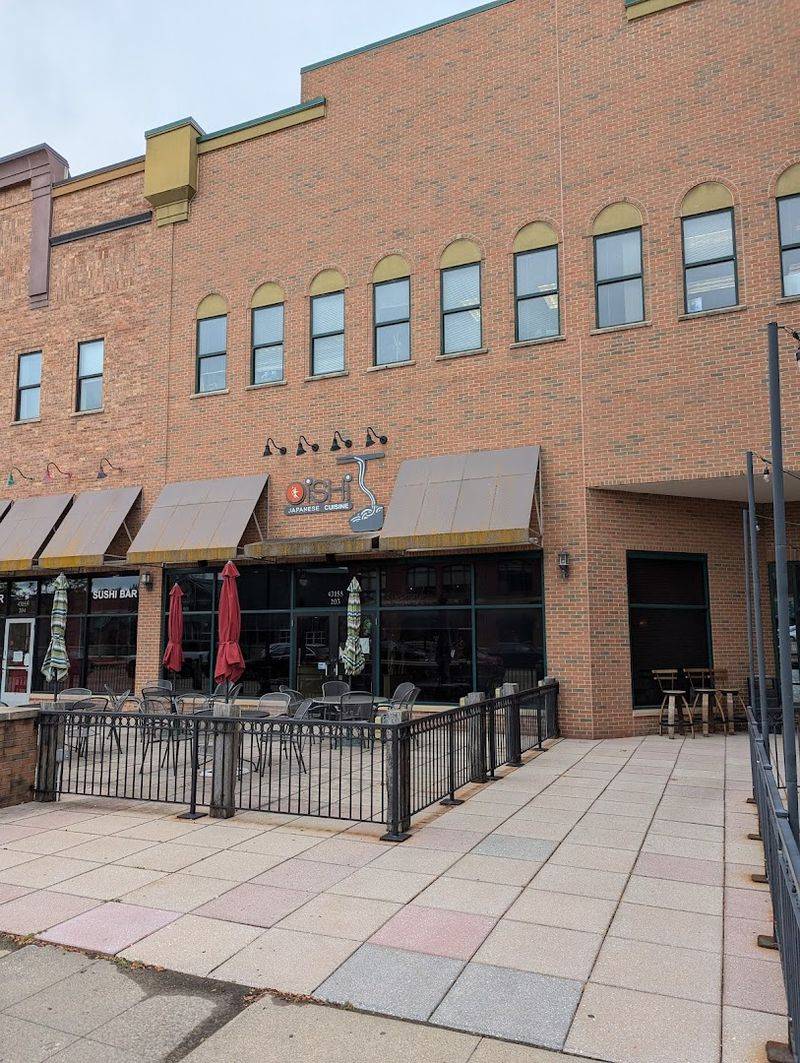
Novi sits in the western suburbs of Detroit, and its dining scene reflects the area’s diverse population in ways that reward exploration. Oishi Restaurant is one of those rewards — a Japanese restaurant that operates at a level of quality and authenticity that surprises people who stumble in without expectations.
Word travels fast among the area’s Japanese food community, and Oishi has earned a loyal following that spans the broader metro Detroit region.
The sushi here is precise — the kind of precision that tells you the kitchen takes the work seriously. Rice temperature, fish quality, and knife technique are details that separate competent sushi from genuinely excellent sushi, and Oishi consistently lands on the right side of that line.
The menu extends beyond sushi rolls into cooked Japanese dishes that are equally well-executed, giving non-sushi eaters plenty of reasons to make the trip.
The restaurant’s atmosphere is calm and composed, which mirrors the food’s character. It’s not a loud, flashy sushi experience designed for social media — it’s a proper sit-down meal that rewards attention.
Service tends to be attentive without hovering, and the staff can make solid recommendations if you’re unfamiliar with parts of the menu.
For metro Detroit residents who’ve been defaulting to the same familiar Japanese restaurants out of habit, Oishi is the kind of discovery that reshuffles the rotation. Reservations are worth making on weekends, as the dining room fills with regulars who clearly know something that the wider public hasn’t fully caught on to yet.
Order omakase-style if the kitchen offers it — putting yourself in the chef’s hands here tends to produce the most memorable results. Oishi is the kind of restaurant that makes you wish more people knew about it, even as you quietly enjoy the fact that they don’t.
11. Pietrzyk Pierogi — Detroit
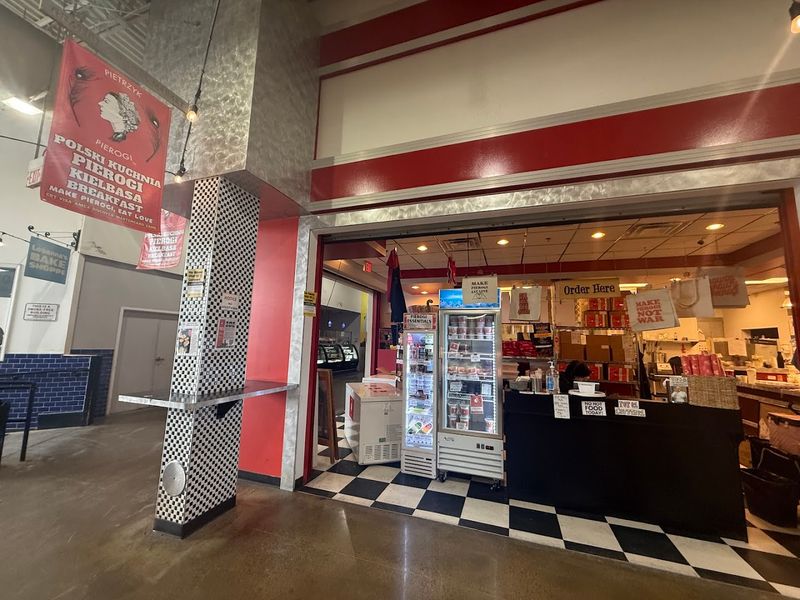
Detroit has deep Polish roots, and Pietrzyk Pierogi is one of the most direct expressions of that heritage in the city’s current food scene. These aren’t frozen dumplings reheated in a microwave — they’re handmade with the kind of attention that makes the difference immediately apparent in the first bite.
The dough has the right amount of give, the fillings are generous, and the preparation options — boiled, pan-fried, or baked — each bring something different to the table.
The menu keeps things focused rather than sprawling. A tight selection of fillings including potato and cheese, sauerkraut and mushroom, and rotating seasonal options means the kitchen can maintain quality across the board without spreading too thin.
That restraint is actually a strength — places that try to do everything often do nothing particularly well, and Pietrzyk avoids that trap by staying in its lane with confidence.
The story behind Pietrzyk has a personal quality that comes through in the food. Family recipes and cultural pride are baked into the product in a way that makes eating here feel like participating in something meaningful rather than just consuming a meal.
Detroit has a long history of immigrant communities building identity through food, and this is a living example of that tradition continuing into the present.
Finding Pietrzyk might require a little effort depending on where you’re coming from — it operates with the kind of low-key presence that doesn’t rely on heavy marketing. But that’s part of the charm.
Asking a Detroit local for a pierogi recommendation and having them point you here feels like being let in on something. Bring cash just in case, come hungry, and order more than you think you need.
The leftovers, if any survive the ride home, reheat beautifully.
12. Lagniappe Cajun Creole Eatery — Marquette
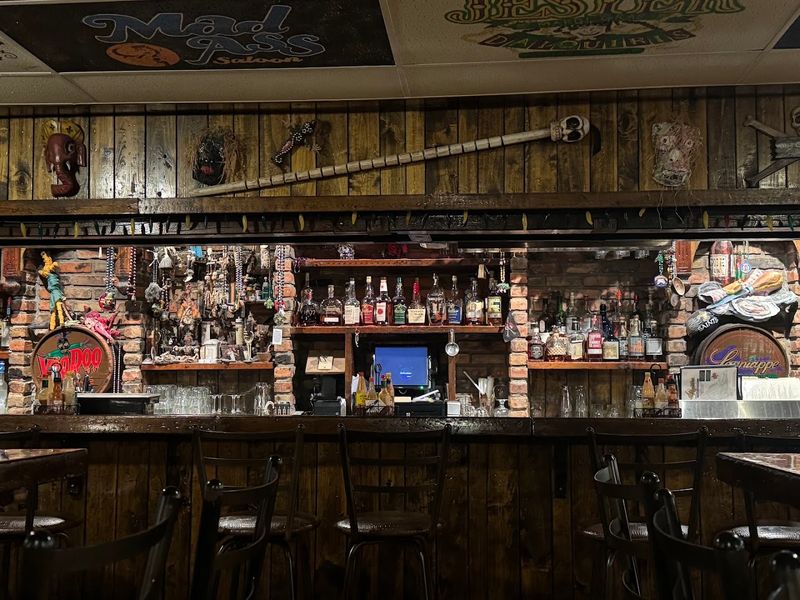
Finding authentic Cajun Creole food in Michigan’s Upper Peninsula is not something most people put on their to-do list — which is exactly what makes Lagniappe such a delightful surprise. Marquette already punches above its weight as a food destination for a small city, and Lagniappe is a big reason why.
The flavors coming out of this kitchen belong in New Orleans, and somehow they’ve landed in the UP, and somehow it works completely.
The word “lagniappe” is a Louisiana term for a little something extra — a small bonus given to a customer as a gesture of goodwill. That spirit carries through the whole experience here.
Portions are satisfying, flavors are bold, and the cooking has the kind of layered complexity that Cajun and Creole cuisine demands. Gumbo, jambalaya, étouffée — these dishes require patience and technique, and the kitchen at Lagniappe clearly has both.
The atmosphere leans festive without being over the top. There’s warmth in the space that matches the warmth of the food, and the contrast between the snowy Upper Peninsula outside and the spicy, vibrant meal inside creates a sensory experience that’s oddly perfect.
It’s the kind of place that makes you understand why regional American cuisines are worth protecting and celebrating.
Marquette visitors who are primarily there for outdoor adventures — hiking, skiing, exploring Lake Superior — often discover Lagniappe on a recommendation and end up making it a nightly ritual. The restaurant has that pull.
If you’re planning a trip to the UP and need a dinner anchor, this is a strong candidate. The heat levels in some dishes can be adjusted, so don’t let spice sensitivity hold you back from exploring the full menu.
Order the gumbo first — it sets the tone for everything that follows.
Share this story