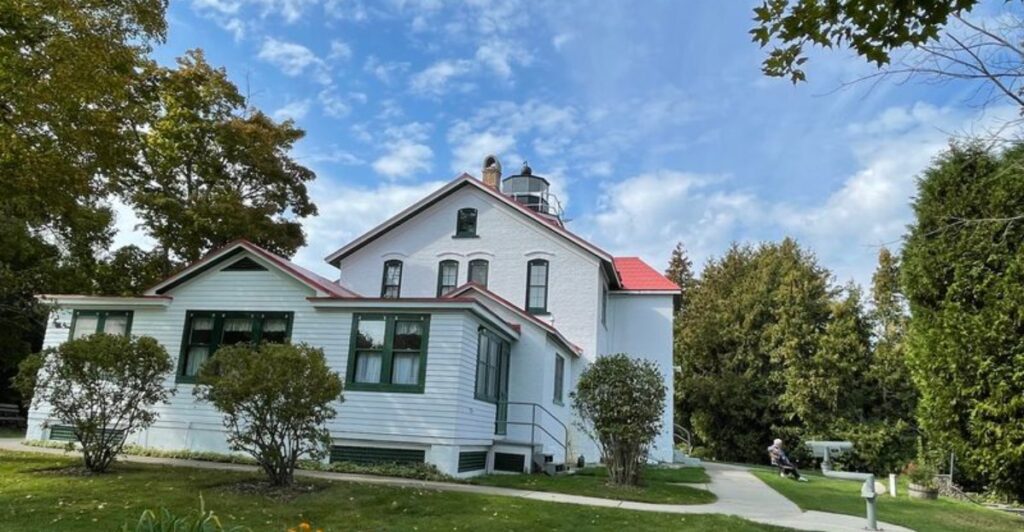
Great Lakes history feels even more interesting when the story reaches below the surface. At the very tip of Michigan’s Leelanau Peninsula, Leelanau State Park gives visitors the drama of “the little finger” location along with a lighthouse experience that connects old maritime life to modern underwater technology.
The appeal comes from that unusual mix, where shoreline scenery, historic character, and hands-on discovery all share the same stop. Instead of only looking back at the tools of the past, visitors can also see how people study and understand the water today.
For anyone looking for a Michigan park with nature, history, and a smart twist, Leelanau State Park stands out.
Where Michigan’s Little Finger Meets the Lake
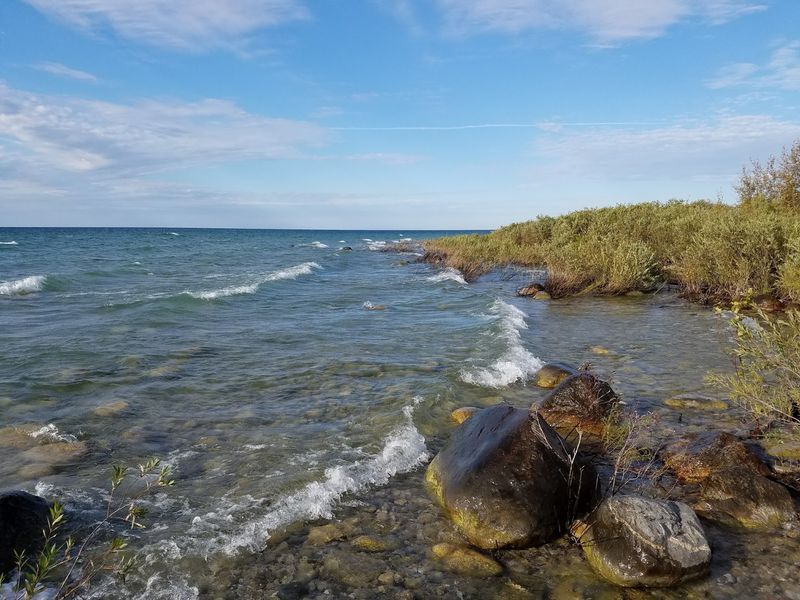
Maps make this park easier to understand, but the shoreline makes it unforgettable. Leelanau State Park sits at the northern tip of the Leelanau Peninsula, where land narrows, trees open up, and Lake Michigan takes over the view.
You are not just visiting another beach stop here.
That far-north setting changes the whole mood of the place. Roads get quieter as you drive up from Northport, houses thin out, and the park begins to feel separated from busy daily life.
By the time you reach Lighthouse Point Road, the trip already feels like part of the adventure.
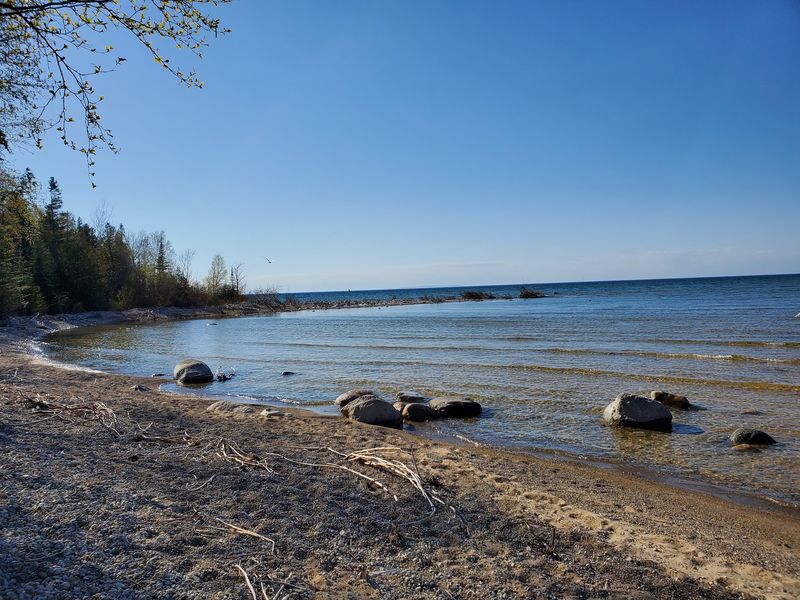
The scenery is broad rather than crowded. Water stretches in multiple directions, the beach is mostly rocky, and the light can shift fast depending on clouds, wind, and time of day.
On clear evenings, the horizon line looks sharp enough to draw with a ruler.
Because the park sits out on a point, you can notice both sunrise and sunset conditions in a way that is harder to catch in many other places. That gives the area a restless, changing look.
Morning can seem pale and quiet, while late day turns the shore bright and glowing.
If you are visiting with kids, showing them Michigan on a mitten map before arriving makes the location more fun. They can connect the shape they know from school to a real place under their shoes.
It turns geography into something they can actually see and walk through.
Bring layers, even in warmer months, since exposed shoreline weather can change quickly. A calm inland afternoon does not always match conditions at the tip of the peninsula.
That little finger on the map may look small, but at ground level it feels big, open, and strongly connected to the lake around it.
A Lighthouse Visit With a Surprising Twist
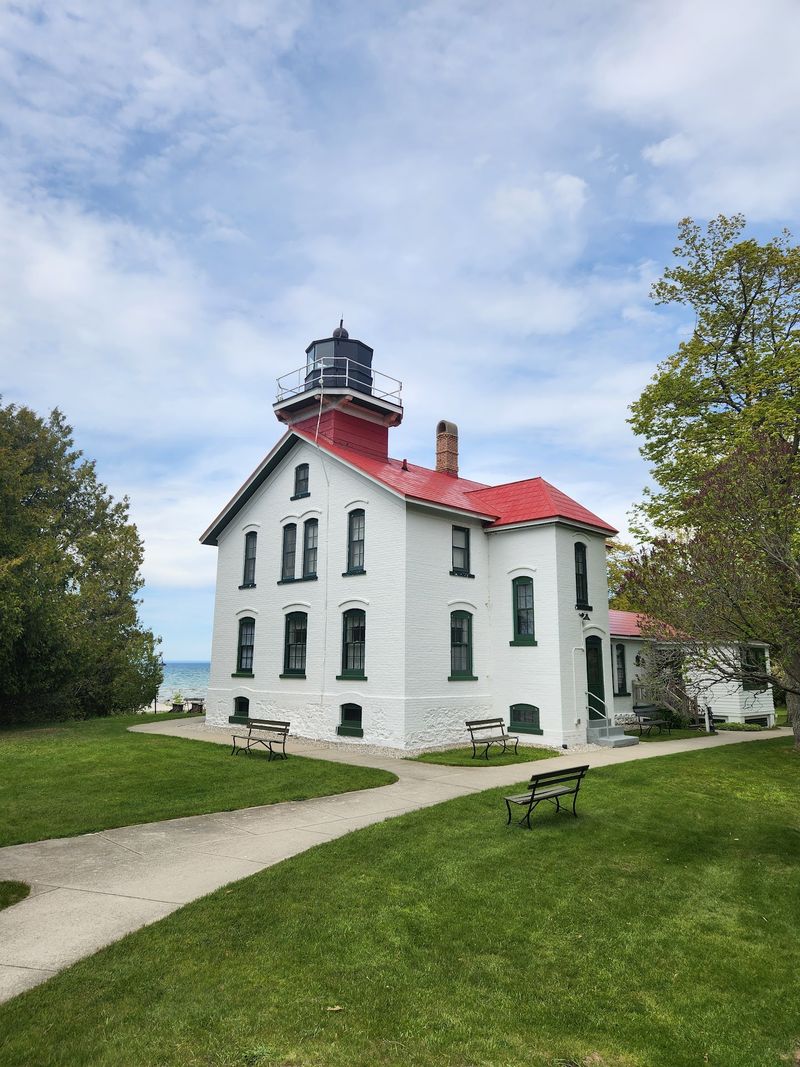
Old lighthouses usually promise stairs, lantern rooms, and stories from the past. At Leelanau State Park, the lighthouse experience can add a modern surprise by introducing an underwater robot, turning a history stop into something much more interactive.
That contrast is a huge part of the appeal.
The idea lands quickly once you think about it. A lighthouse was built to help people move safely across dangerous water, and underwater technology now helps people study that same water in a new way.
One structure connects two different eras of problem solving.
For kids, the robot element can be the hook that pulls them into the rest of the visit. Instead of seeing maritime history as a row of objects behind glass, they get a practical example of how humans still explore the Great Lakes.
Hands-on learning changes the energy in the room.
For adults, the robot adds a fresh layer to a place that might otherwise be approached only as a historic site. The lighthouse still carries the power of age, weather, and duty, yet the tech feature suggests that the water outside remains active, scientific, and full of unanswered questions.
If the robot activity is available during your visit, slow down and let younger travelers take their time with the controls. The fun is not only in moving the machine, but in understanding how careful operators must be.
Precision matters when machines are working in a place humans cannot easily reach.
That pairing of lighthouse and robot is unusual enough to stick out among Michigan park stops. It gives Leelanau State Park a different kind of identity.
You come for shoreline beauty and a famous beacon, then leave talking about how a historic tower introduced an underwater tool built for exploration.
Inside the Grand Traverse Lighthouse Story
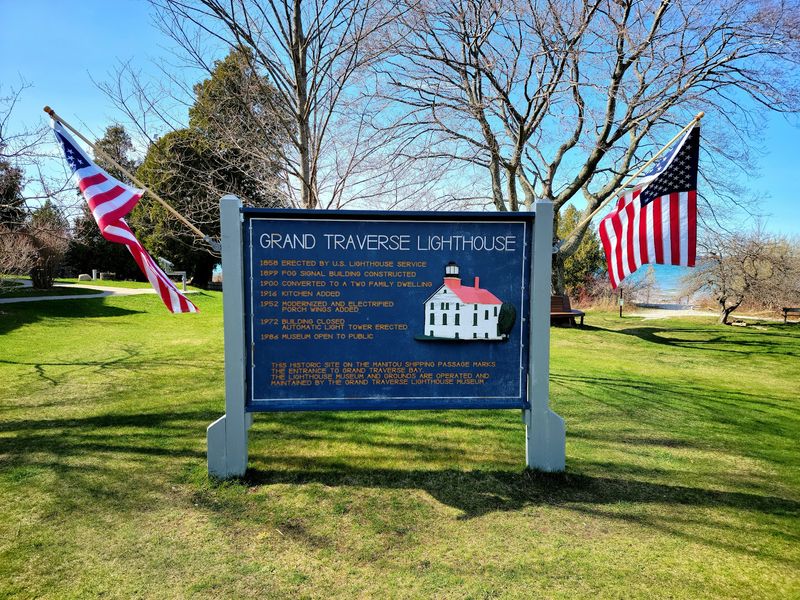
History becomes easier to care about when it is tied to a real place with wind, waves, and distance. The Grand Traverse Lighthouse anchors that connection at Leelanau State Park, giving visitors a clear reminder that this point once played a serious role in Great Lakes travel.
Ships needed guidance here, not decoration.
The building itself carries that message without needing dramatic language. Its shape is practical, its location is strategic, and its presence beside the water explains why lighthouses mattered so much before modern navigation systems became common.
Standing near it, you can picture rough weather arriving faster than expected.
Inside, restored spaces and exhibits help turn the site from a photo stop into a working story about daily life. Lighthouse service involved routine, attention, and responsibility.
Keepers did not simply admire the view. They managed equipment, watched conditions, and supported safer passage for vessels moving through the region.
That human side matters because it keeps the lighthouse from becoming just a symbol. It was a workplace connected to schedules, maintenance, and family life.
Young visitors often understand history better when they realize real people had to cook, clean, climb, and work in the same building they are touring.
Try giving yourself more time than a quick walk around the outside. Reading signs, noticing tools, and looking closely at room layouts make the experience richer.
A short visit can still be enjoyable, but the deeper value appears when you connect the exhibits to the lake just outside the door.
The lighthouse also sharpens your sense of location. At a regular museum, history may feel separated from the land around it.
Here, the story sits exactly where it happened. Step outside again, hear the wind across the point, and the exhibits make more sense because the water that shaped them is still right there.
Rocky Shore, Rare Birds, Big Sky
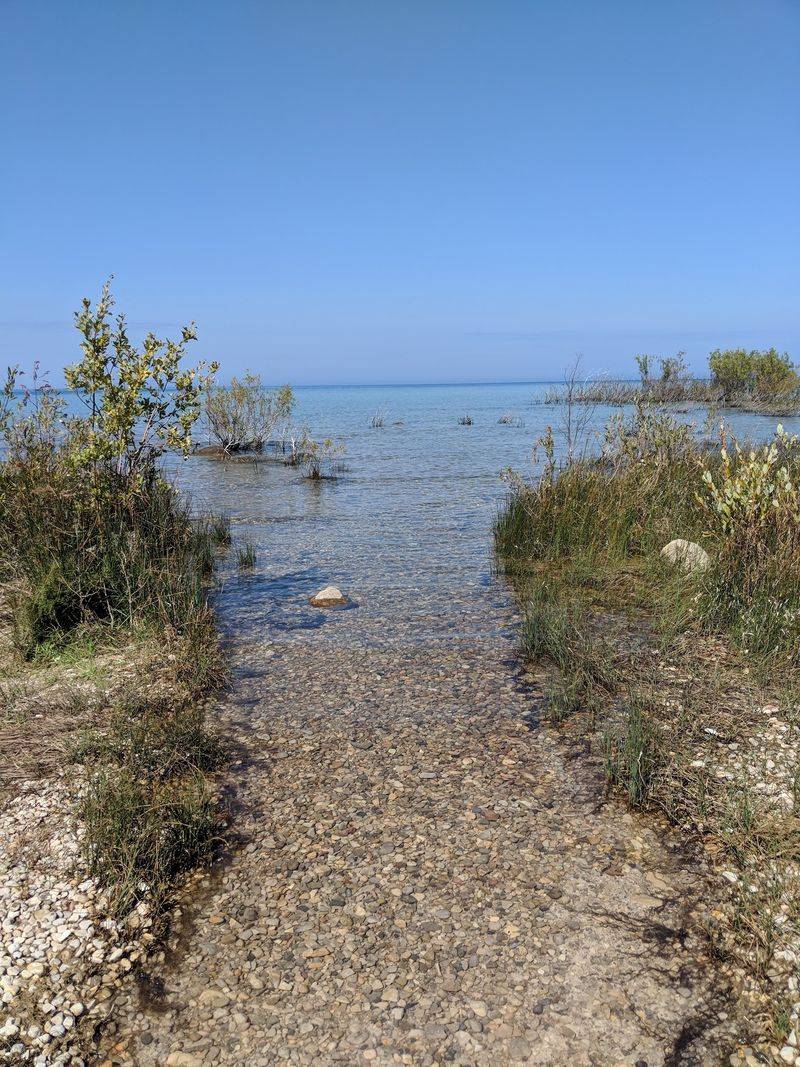
Plenty of parks offer a beach, but this shoreline behaves differently. At Leelanau State Park, the edge of the water is often rocky, which changes how you walk, what you notice, and how long you are tempted to look down for interesting stones.
The beach asks for slower steps.
That slower pace is part of the reward. Instead of racing toward soft sand and setting down a towel, you scan for smooth rocks, driftwood shapes, and changing water colors.
The lake can shift from steel gray to bright blue depending on weather, and the stones near your shoes add their own patterns.
The park is also known for rare birds, including protected species in Great Lakes habitat. That means some areas deserve extra care and extra distance.
If you bring children, it helps to explain that watching wildlife quietly is part of the fun, not a rule that gets in the way.
Binoculars can turn an ordinary walk into a mini field trip. Even if you are not a serious birder, a simple pair makes movement along the shore more interesting.
You may notice how open the point is, how birds use the wind differently, and how much life is packed into a place that looks sparse at first glance.
Shoes matter here more than people expect. Closed-toe footwear or sturdy sandals are smarter than thin flip-flops on a rocky beach.
If you hope to look for stones near the waterline, balance and comfort count for more than style.
Stay alert to changing conditions, especially wind and waves. A quiet shoreline can look different later in the day.
Between the stones, the broad sky, and the chance of spotting sensitive wildlife, this part of the park delivers a kind of outdoor experience that is less about lounging and more about paying attention.
Michigan Camping for People Who Like It Quiet
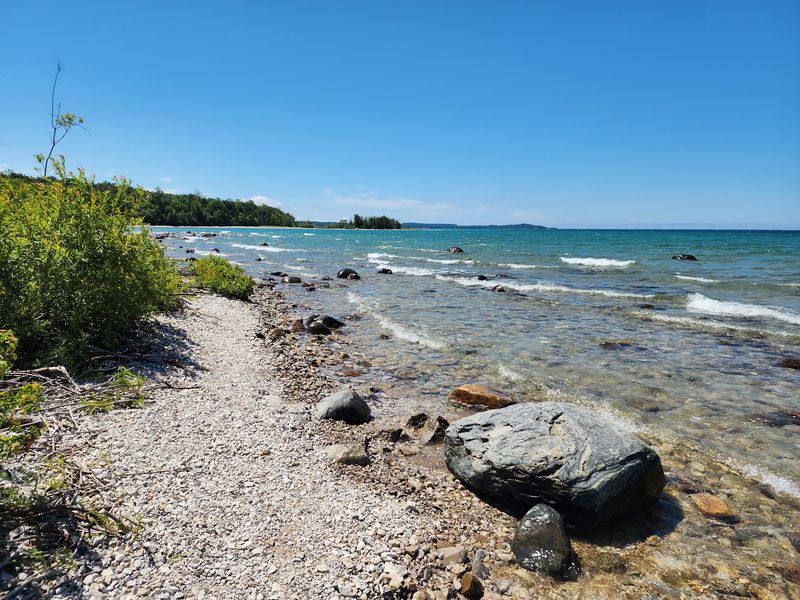
Not every campground tries to entertain you every minute, and that is exactly the point here. Leelanau State Park leans rustic, with a calmer setup that trades extra amenities for scenery, space, and a stronger connection to the shoreline.
If you like simple camping, the park makes a strong case for it.
Many campsites sit close to lake views or easy beach access, which changes how the whole stay unfolds. You can carry a chair toward the water, listen to waves instead of traffic, and let the day stretch out without much planning.
The setting does a lot of the work.
At the same time, rustic means preparing honestly. Reports from the park make it clear that campers should expect vault toilets and no showers, and there is no reason to pretend that suits everyone.
Some travelers will love the stripped-down setup, while others will want to plan only a short stay.
The practical upside is that the park attracts people who are usually there for the place itself. That tends to create a more settled tone around camp loops.
Fewer flashy distractions mean more cooking over fire, more walking to the beach, and more sky-watching after dark.
Pack for bugs, changing weather, and basic campground needs. A flashlight, extra water, simple food storage habits, and shoes you do not mind wearing on rockier ground will all help.
If you camp near the waterfront, expect more exposure to wind than a sheltered inland site might have.
Families should also remember that quieter camping can still be very fun for kids. The park gives them room to explore trails, study stones, and connect the lighthouse visit to the landscape around them.
Instead of nonstop campground activity, the entertainment here comes from the shore, the trees, and the wide northern edge of Michigan.
How to Build the Best Day at Lighthouse Point
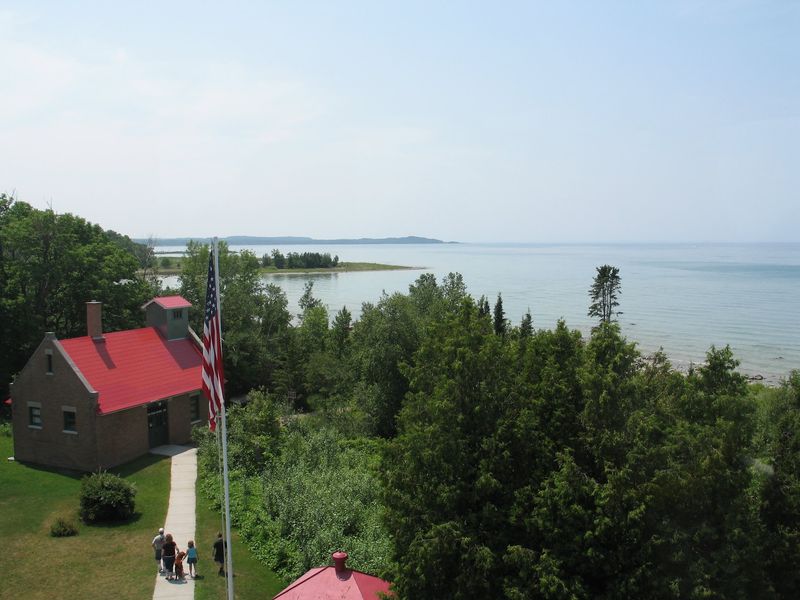
A good visit here works best when you treat the park like more than a single photo stop. Leelanau State Park has enough variety to fill a solid day if you move through it in a smart order, mixing history, shoreline time, and a few easy comfort breaks.
That approach keeps the experience balanced.
Starting at the lighthouse area makes sense for most first-time visitors. You get the landmark view early, learn the story of the point, and, if available, can enjoy the underwater robot feature while everyone is still fresh and curious.
Beginning there also gives kids an immediate focal point.
After the lighthouse, shift your energy outdoors. Walk the rocky beach, take time with the lake views, and let the setting slow your pace.
If you brought binoculars or a small bag for stone hunting, that middle part of the visit becomes more engaging without needing any complicated planning.
The park also offers family-friendly support features that can make a long outing easier. Reviews describe a pavilion, picnic space, and a forest-themed playground near the day-use area.
Those details matter because they create natural breaks between walking, learning, and just letting children move around freely.
Lunch fits nicely between the museum side and the shoreline side of the day. A picnic can save time and help you stay in the park longer, especially since Northport is a drive away.
On windy days, having a sheltered spot to sit can be more valuable than you expect.
Later in the day, return to the water for changing light. Since the park sits so far out on the peninsula, skies often become a major part of the show.
A visit planned in layers, lighthouse first, beach second, break in the middle, then evening views, gives Lighthouse Point room to reveal more than one personality.
Timing, Weather, and Small Details That Matter
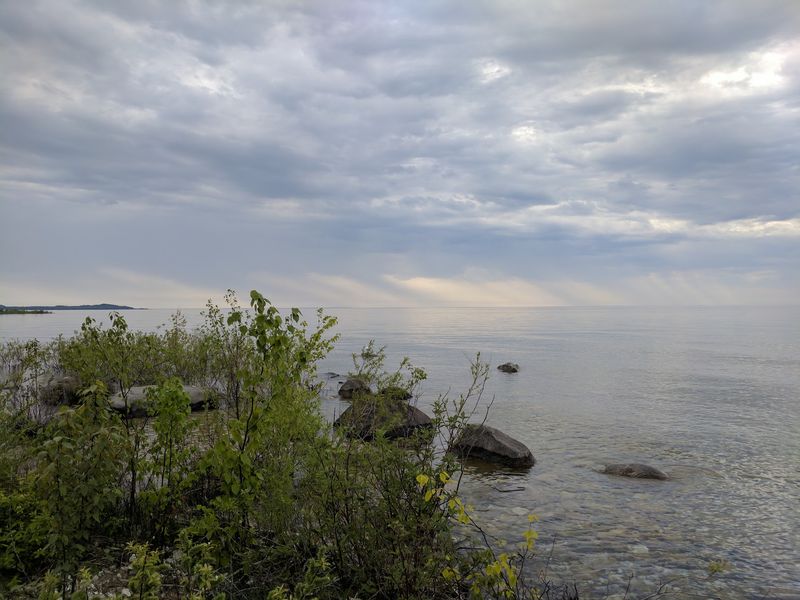
Trips to exposed shoreline parks can go sideways when small details are ignored. Leelanau State Park is open daily, but the best visit still depends on timing, weather, and realistic expectations about a place that is beautiful precisely because it remains somewhat rugged.
Planning well makes the park easier to enjoy.
First, watch the wind forecast, not just the temperature. A mild day inland can feel much cooler at the tip of the peninsula, especially near open water.
Light jackets, layered clothing, and shoes with grip are better choices than summer clothes picked only by looking at a phone app.
Second, give yourself extra driving time. The park is north of Northport, and part of its character comes from being out of the way.
That distance is part of the charm, but it also means you should not expect quick access to restaurants, large stores, or forgotten supplies once you arrive.
If you are hoping to tour the lighthouse or catch a specific feature tied to exhibits, build in flexibility. Historic sites and small park attractions can have limited schedules or occasional closures.
Arriving earlier in the day gives you a better chance of fitting everything in without rushing.
Families should pack snacks, water, and a basic car kit for comfort. Campers will need even more preparation because the campground is rustic.
Day visitors may not need much, but even a short stop goes better with simple practical thinking, especially when children get hungry or weather shifts fast.
One final detail often gets overlooked: the ground itself. Rocky beach edges, uneven walking surfaces, and breezy open areas all shape how long you will want to stay in one spot.
When your shoes fit the terrain and your schedule leaves room to adapt, the park stops being a checklist stop and starts working on its own terms.
Why This Park Has a Story No Ordinary Beach Stop Can Match
Some places are easy to label, and this one resists that. Leelanau State Park is a beach park, a bird habitat, a rustic campground, a scenic tip-of-the-peninsula drive, and a lighthouse destination all at once.
Then it adds the unexpected spark of an underwater robot connection, which changes the whole story.
That mix is what separates it from a simple stop for pictures. The shoreline gives you raw Great Lakes character with rocks, wind, and broad horizons.
The lighthouse adds human history and purpose. The robot element points forward, showing that water is not only a backdrop but also a place still being explored and studied.
For families, that range means different ages can latch onto different parts of the same visit. One child may care most about stones or birds, another about climbing around a historic site, and another about controlling a machine linked to underwater work.
Very few park visits connect those interests so naturally.
Adults get a layered experience too. You can enjoy the drive, take in serious lake views, notice how remote the point feels, and still leave with an educational angle that is not typical of scenic state parks.
The visit does not rely on one trick. It keeps unfolding as you move through the grounds.
There is also a neat lesson hiding in plain sight. At the edge of Michigan’s little finger, the past and the present are not in separate buildings or separate moods.
A lighthouse that once guarded travel on the lake now helps frame a conversation about modern tools used to understand that same water.
That is why the park stands out. Leelanau State Park does not ask you to choose between natural beauty, local history, and curiosity about science.
It lets all three share the same shoreline, with Lake Michigan in front of you and one very unusual lighthouse experience waiting at the point.