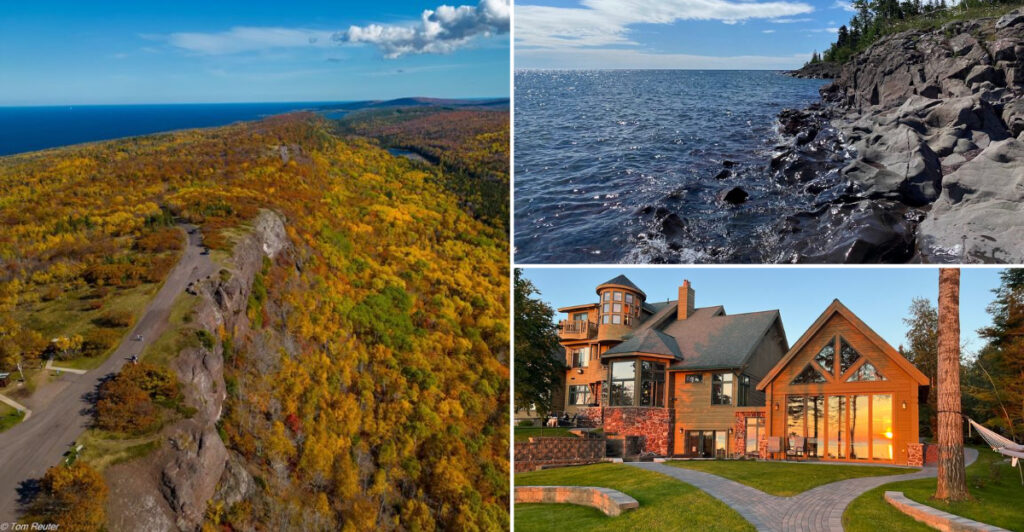
Drive far enough north in Michigan and the roads start to feel like they belong to the wilderness instead of the state. The Keweenaw Peninsula juts boldly into Lake Superior like a finger pointing toward the edge of the known world, and once you arrive, it is easy to understand why people keep coming back year after year.
Ancient copper mines, lighthouses perched on rocky bluffs, dense boreal forests, and skies that explode with northern lights make this one of the most quietly extraordinary places in the entire country.
Where Lake Superior Commands Every View
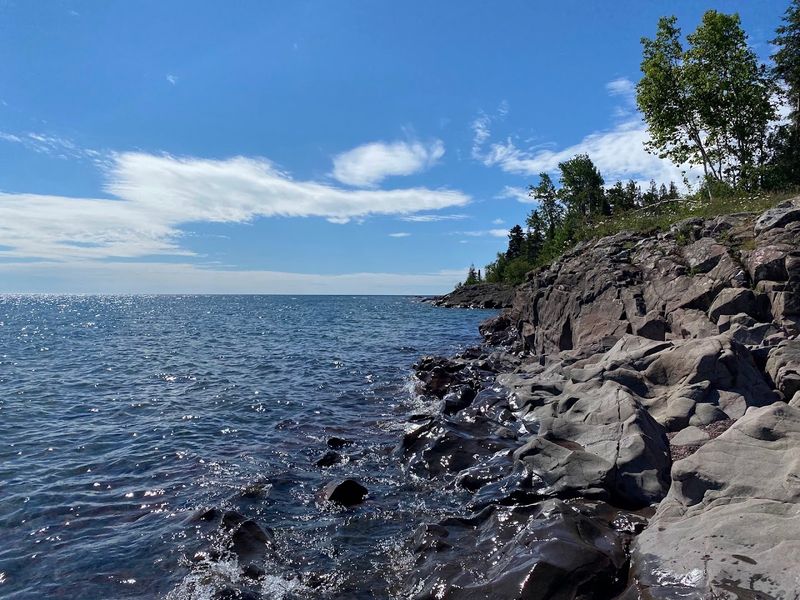
Standing at the water’s edge on the Keweenaw Peninsula, Lake Superior does not feel like a lake at all. The horizon stretches so far that the curvature of the earth becomes a real, tangible thing.
Waves roll in with the authority of an ocean, sometimes crashing hard enough to send spray ten feet into the air against the basalt shoreline.
Lake Superior is the largest freshwater lake in the world by surface area, and the Keweenaw sits right in the middle of its northern reach. The water stays cold even in August, hovering around 55 to 60 degrees Fahrenheit on the surface.
That cold keeps the air crisp and the visibility sharp, so on clear days you can see for miles across a surface that shifts from steel gray to brilliant turquoise depending on the light.
The western and northern shores of the peninsula offer the most dramatic scenery. Agate Beach near Eagle River draws rock hunters who scan the gravel for banded agates tumbled smooth by centuries of wave action.
Farther north, the shoreline near Copper Harbor turns rugged and remote, with wave-carved rock formations that look like something out of a geology textbook.
Sunsets here are genuinely disorienting in the best way. When the sun drops toward the water and the sky turns orange, pink, and deep violet all at once, the scale of the lake makes the whole scene feel cinematic.
Photographers set up on the rocky points an hour before dusk and rarely leave disappointed.
Even on overcast days, the lake has a brooding presence that draws people down to the shore just to stand and watch. The sound alone, that constant deep rush and pull of cold water over ancient stone, is worth the drive north on its own.
Northern Lights Over Michigan’s Northernmost Point
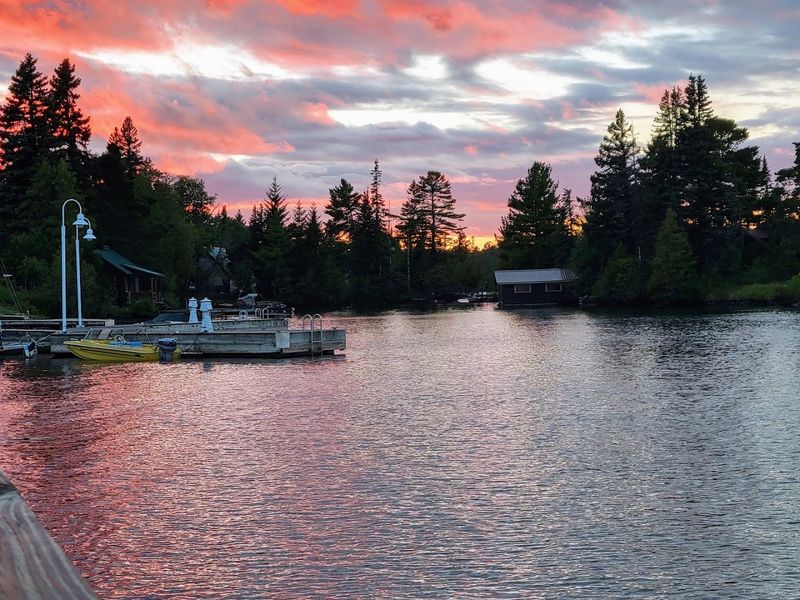
Few places in the continental United States offer a better shot at seeing the northern lights than the tip of the Keweenaw Peninsula. Copper Harbor sits at roughly 47.5 degrees north latitude, which puts it in a prime position when solar activity kicks up.
On strong geomagnetic nights, the aurora can fill the entire northern sky with shifting curtains of green, sometimes edged in purple or red.
Light pollution is nearly nonexistent out here. The nearest major city is hundreds of miles away, and the small communities on the peninsula keep their glow modest.
That darkness is the secret ingredient. When the Kp index climbs above 4 or 5, aurora chasers from across the Midwest make the long drive north specifically because the Keweenaw delivers a sky that most people only see in photographs.
The best viewing spots combine open northern horizons with access to the lake. Brockway Mountain Drive, which climbs to over 700 feet above Lake Superior, offers an elevated vantage point that feels almost like watching the lights from a low-flying plane.
The lake below acts as a mirror, doubling the display on calm nights.
Fall and early spring tend to produce the most active aurora seasons, when the nights are long but the temperatures are still manageable for standing outside with a camera. Late September through November is a particularly reliable window, though summer nights around the solstice can also deliver surprises when solar storms hit unexpectedly.
Bring layers no matter the season. Even a mild August night at the tip of the Keweenaw can drop into the low 40s after midnight, and nobody wants to cut a northern lights session short because they underestimated Michigan’s northern chill.
Copper Harbor and the Curious Pull of a Dead-End Town
Copper Harbor is the kind of place that stops you mid-sentence. You come around a bend in US-41, the northernmost federal highway in the country, and suddenly the road simply ends at a marina where Lake Superior stretches to the horizon.
The town has fewer than 100 year-round residents, a handful of restaurants, a legendary mountain bike trail system, and an atmosphere that feels completely removed from the urgency of modern life.
The mountain biking scene here punches well above its weight. The Copper Harbor Trails system has earned a national reputation for technical singletrack that winds through old-growth forest, over exposed roots, and across rocky ridgelines with sudden views of the lake.
Riders travel from Ohio, Wisconsin, and Minnesota just to spend a weekend on these trails, and the local outfitter keeps a solid fleet of rental bikes for those who show up without gear.
Fort Wilkins State Park sits just east of town and preserves one of the best-restored mid-19th-century military forts in the Midwest. The whitewashed wooden buildings sit on the shore of Lake Fanny Hooe, a calm inland lake that reflects the surrounding birch and maple forest.
In autumn, the color contrast between the white buildings and the orange-red canopy is genuinely striking.
The Keweenaw ferry runs from Copper Harbor across to Isle Royale National Park during warmer months, making this small town the jumping-off point for one of the most remote national parks in the system. Isle Royale sees fewer annual visitors than Yellowstone sees in a single day, which says everything about the kind of traveler the Keweenaw attracts.
Copper Harbor rewards slow exploration. An afternoon here can stretch naturally into a full day without any effort at all.
The Deep History Buried Under Michigan’s Copper Country
Long before Michigan was a state, the Keweenaw Peninsula was already being mined. Indigenous peoples extracted native copper from this land for thousands of years, making it one of the oldest known copper-producing regions on earth.
The copper deposits here formed naturally in pure metallic form, not locked inside ore that required smelting, which made early extraction possible with stone tools alone.
The industrial copper boom of the 19th century transformed the peninsula dramatically. Between the 1840s and the early 1900s, the Keweenaw produced more than 10 billion pounds of copper, fueling the expansion of electrical infrastructure, telegraph lines, and manufacturing across the growing nation.
Towns like Calumet and Hancock grew rapidly, drawing immigrant workers from Finland, Croatia, Italy, and Cornwall, England, each community leaving a cultural imprint that still shows in the local architecture, food traditions, and family names.
Keweenaw National Historical Park preserves this layered story across multiple sites spread throughout the peninsula. The Calumet unit protects an entire downtown district of ornate Jacobean-style buildings, including the Calumet Theatre, which opened in 1900 and hosted performers including Sarah Bernhardt and Lillian Russell.
Walking through downtown Calumet feels like stepping into a preserved industrial city frozen at its peak.
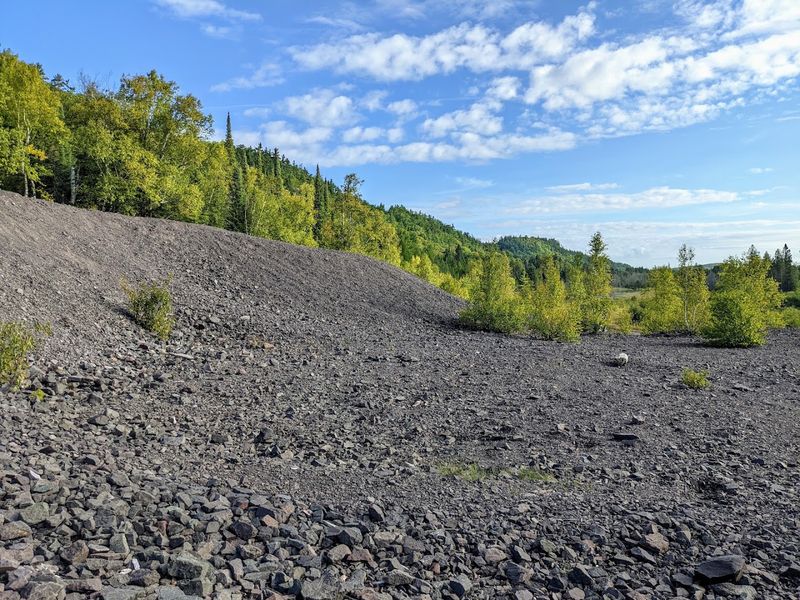
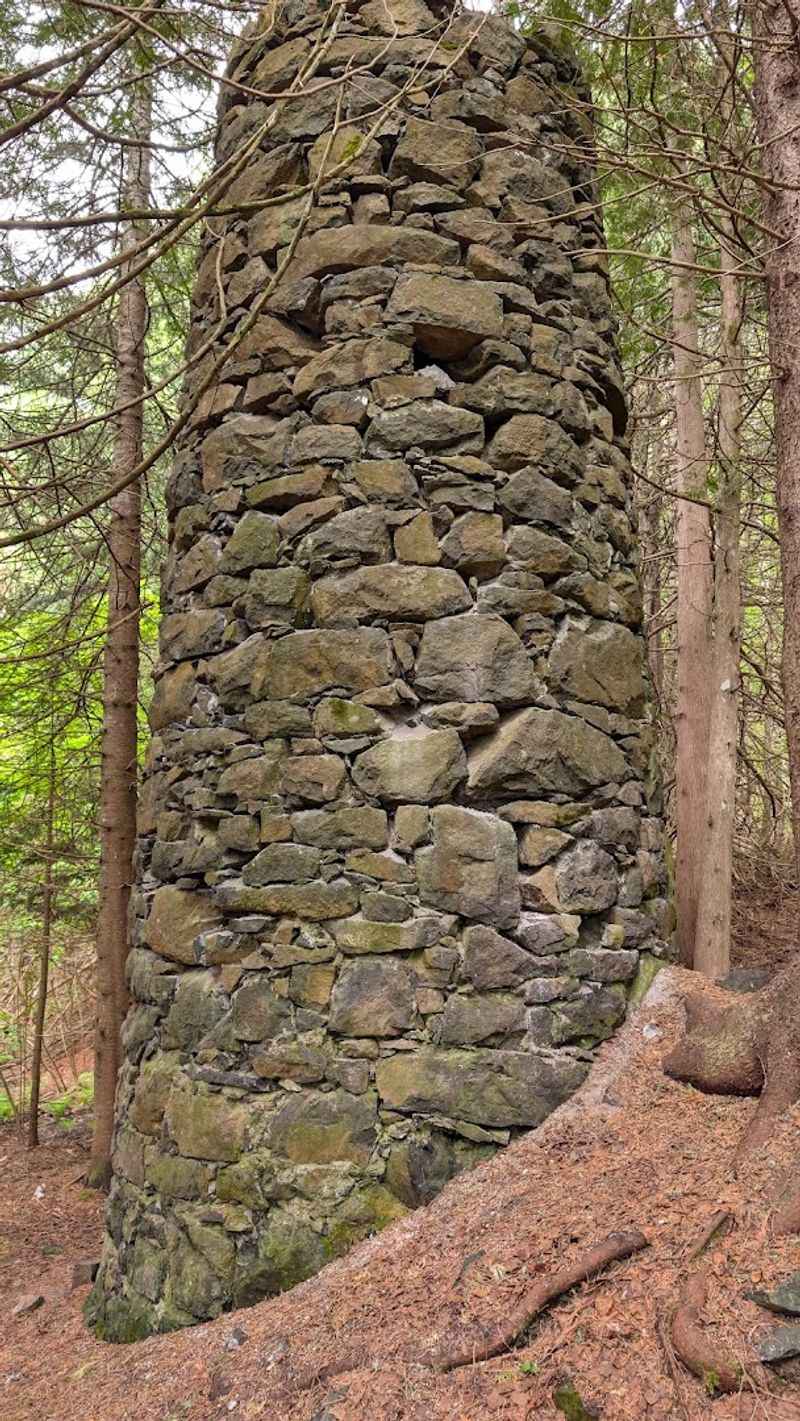
The industrial ruins scattered across the landscape add a different dimension to the history. Stamp mill ruins, engine houses with their distinctive stone walls, and massive rock piles called stamp sands still mark the terrain.
Some of those stamp sands are stained a deep reddish-black from copper residue, creating an eerie, almost alien landscape near the shoreline south of Eagle River.
The geology and the human story are completely inseparable here, which makes every hike or drive feel like reading two books at the same time.
Brockway Mountain Drive and the View That Stops Traffic
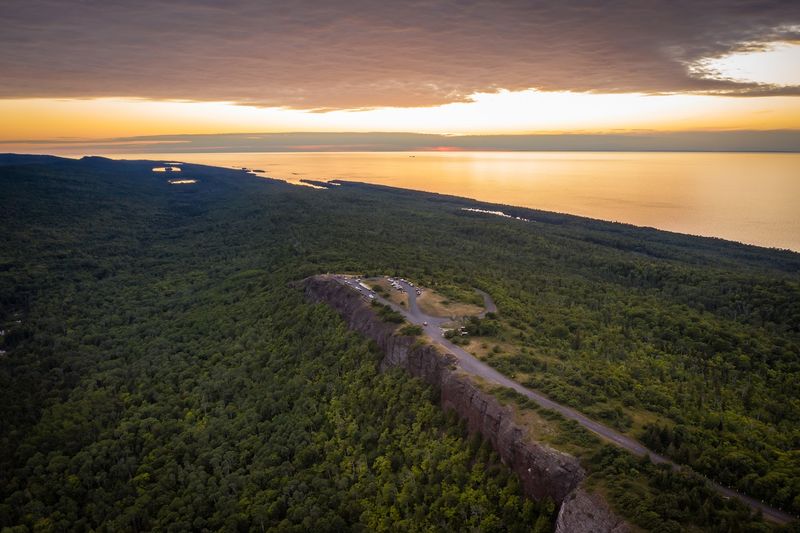
Brockway Mountain Drive is frequently listed among the most scenic roads in the Midwest, and the description holds up completely. The road climbs from Eagle Harbor to a ridge summit that sits 735 feet above Lake Superior, offering uninterrupted views in nearly every direction.
On clear days, the Canadian shore is visible across the water, and the patchwork of forest below shifts dramatically with the seasons.
The drive itself is only about nine miles long, but most people take far longer than the road warrants because the pull-offs are genuinely hard to leave. Hawks and eagles ride the thermal currents that rise off the ridge during migration season, sometimes passing close enough to hear their wingbeats.
In spring, the hawk count at Brockway Mountain is one of the most impressive in the Great Lakes region, drawing birders with spotting scopes who set up for full-day counts.
Fall transforms the drive into something almost theatrical. The hardwood forests below turn orange, red, and gold, while the lake goes a deep cobalt blue as temperatures drop.
The contrast between the warm canopy and the cold water is the kind of scene that makes people stop their cars in the middle of the road and just stand there for a moment.
Sunrise visits reward early risers with light that rakes across the treetops and turns the lake surface into hammered copper. The summit parking area is small and fills quickly during peak autumn weekends, so arriving before 7 a.m. gives you the view mostly to yourself.
Winter closes the upper portions of the drive, but the lower sections remain accessible for snowshoers and cross-country skiers who want the ridge views without the crowds. The snow depth up here regularly exceeds what most people have ever seen.
Planning a Trip to Michigan’s Remote Northern Edge
Getting to the Keweenaw Peninsula requires commitment, and that is part of the appeal. The nearest commercial airport is in Houghton, served by limited regional flights, but most visitors drive.
From Chicago, the journey runs about six hours. From Detroit, plan on seven to eight hours depending on the route.
The drive north through the Upper Peninsula on US-41 passes through enough remarkable scenery that the road itself becomes part of the experience.
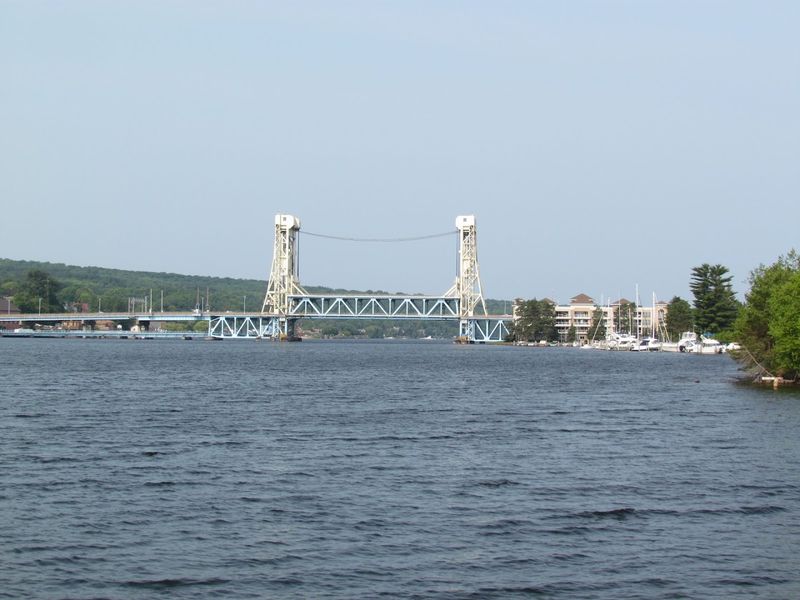
The Portage Lake Lift Bridge in Houghton is the gateway to the peninsula proper. It connects Houghton and Hancock across the Keweenaw Waterway and is one of the largest double-decked vertical lift bridges in the world.
Crossing it signals that you have officially arrived in Copper Country.
Lodging options range from rustic cabins and campgrounds to small inns and bed-and-breakfasts scattered through Copper Harbor, Eagle Harbor, and the Houghton-Hancock area. Fort Wilkins State Park offers campsite reservations and is one of the most popular camping destinations in the Upper Peninsula, so booking early for summer and fall weekends is essential.
Bug spray is not optional from late May through July. The black flies and mosquitoes in this region are legendary, and experienced visitors treat insect protection with the same seriousness as sunscreen.
After mid-August, the bug pressure drops significantly, making late summer and fall the most comfortable window for extended outdoor time.
Cell service becomes unreliable north of Calumet, and nonexistent in parts of Copper Harbor. Download offline maps before leaving Houghton and carry paper backups if venturing onto forest roads.
The lack of connectivity is a feature for many visitors, not a flaw, but arriving unprepared creates unnecessary complications on remote trails.
Why the Keweenaw Stays With You Long After You Leave
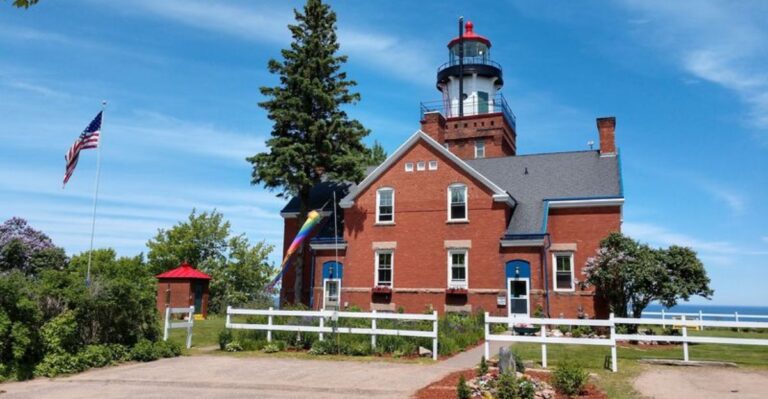
The Eagle Harbor Lighthouse has been guiding ships since 1871, and standing beside it at dusk, watching the beam sweep across the darkening water, connects you to something much older than your own visit. The Keweenaw is full of these moments where the present and the past occupy the same physical space without any conflict between them.
Wild berries grow in abundance along the roadsides and forest edges throughout summer. Thimbleberries, which are native to the Great Lakes region and rarely found elsewhere, ripen in July and August with a flavor that is tart, delicate, and absolutely impossible to describe accurately.
Local bakeries in Copper Harbor and Eagle River make thimbleberry jam that sells out quickly, and jars of it become the most coveted souvenir on the peninsula.
The people who live here year-round have a particular quality that is hard to name but easy to recognize. They are unhurried without being slow, friendly without being performative, and deeply knowledgeable about the land without being territorial about it.
Conversations with locals at the general store in Copper Harbor or the diner in Eagle River tend to run long and cover everything from geology to the best trail conditions after a recent rain.
Snow is the defining feature of winter life on the Keweenaw. Annual snowfall regularly exceeds 200 inches, and some years pushes past 300.
The lake-effect snow from Superior is relentless and sometimes spectacular, piling drifts that swallow first floors and close secondary roads for days. In summer, it is easy to look at the green hills and lush forests and not quite believe those numbers until you see the depth markers on the buildings.
The Keweenaw Peninsula does not try to impress anyone. It simply exists at the end of the road, doing what it has always done, and that turns out to be more than enough.
Share this story