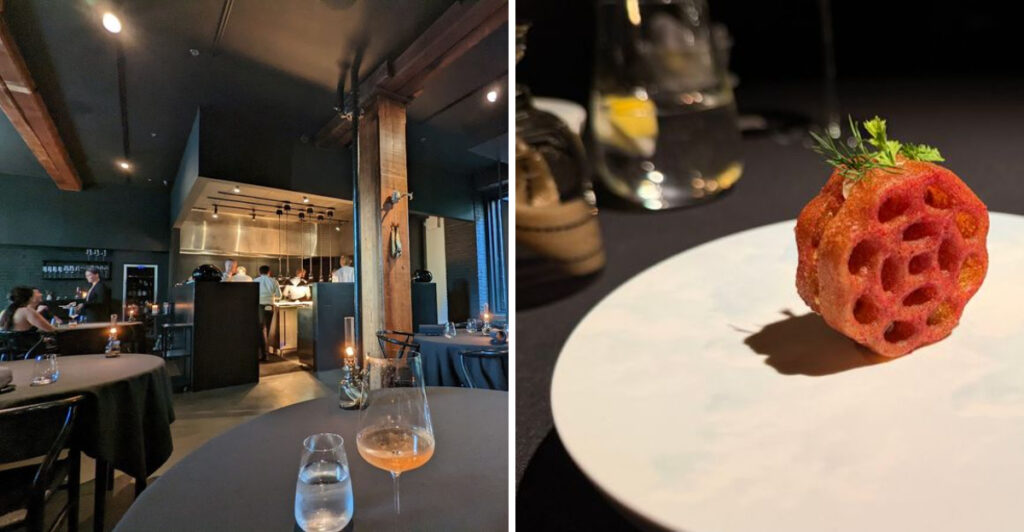
At Aska in South Williamsburg, dinner begins the moment you let go of control. One of New York’s most acclaimed fine-dining experiences, this intimate Brooklyn restaurant removes the usual comfort of choosing from a menu and replaces it with a quiet agreement to follow the kitchen wherever the evening leads.
There is no searching for a familiar favorite or settling into a predictable routine—just a carefully crafted tasting journey that unfolds course by course in a space designed to keep your attention fixed on the experience itself. That leap of trust is exactly what makes Aska feel so thrilling, personal, and memorable. If you want a meal that unfolds like a story instead of a transaction, this is the reservation to chase.
1. The thrill of surrendering to the tasting menu
The first thing that makes Aska feel different is the simple fact that you are not really there to order dinner.
You are there to hand the evening over to the chef and let a seasonal Scandinavian tasting menu guide every bite.
That shift changes your mindset immediately, because instead of comparing options, you start paying attention.
I think that is why so many people talk about the experience as much as the food.
The meal unfolds in a deliberate rhythm, moving from delicate snacks to seafood, game, and dessert with a sense of narrative.
You are not building your own dinner here – you are stepping into someone else’s vision, and that is the whole appeal.
At a place this refined, trust matters more than choice.
Reviews repeatedly describe dishes as thoughtful, beautifully presented, and memorable, even when the flavors are subtle rather than loud.
If you like meals that reveal themselves slowly, Aska rewards patience in a way very few restaurants do.
That also means it may not be for everyone.
Diners who want bold impact, bigger portions, or more direct control might find the format challenging.
But if you are excited by precision, seasonality, and surprise, giving up the menu can feel less like a risk and more like the rare luxury of being completely taken care of.
2. A dining room designed to quiet the city
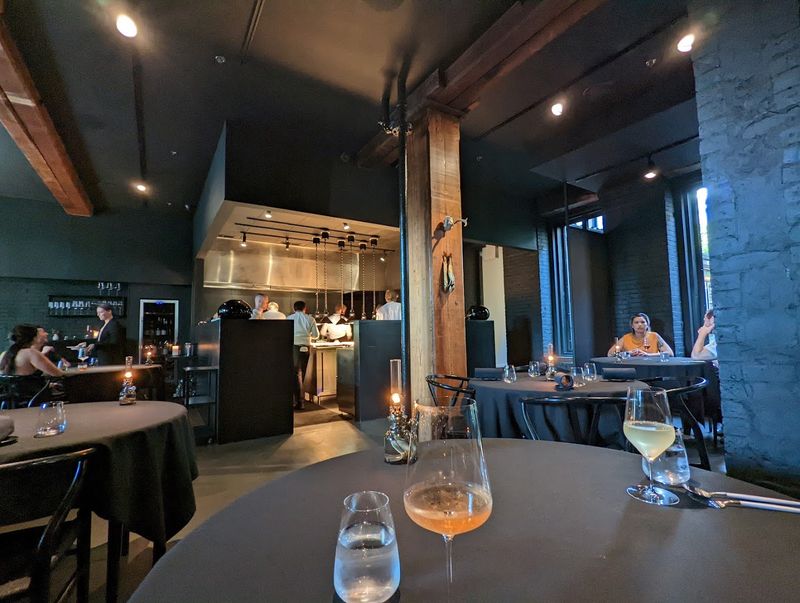
Aska’s dining room seems built to lower your pulse before the first course even lands.
The interior is minimal, dark, and serene, with the kind of Scandinavian restraint that makes every detail feel intentional.
Once you settle in, the noise of New York drops away, and your attention narrows to the table, the kitchen, and the sequence ahead.
One of the most praised details is the open kitchen, which gives the room a quiet current of energy.
You can watch the team move with focus and control, adding a layer of theater without turning the meal into a spectacle.
That balance matters because the restaurant feels elegant and immersive rather than stiff.
The lighting gets mentioned again and again, and for good reason.
It casts a warm glow that flatters the plates, keeps the mood intimate, and subtly directs your eyes toward the food.
Even people celebrating birthdays, anniversaries, or first fine dining experiences describe the room as comfortable instead of intimidating.
There is also a cellar bar and garden element that deepens the atmosphere beyond the main dining area.
It reinforces the sense that Aska is not just serving dinner but creating a complete world around its cuisine.
If you crave a restaurant where design supports concentration, this South Williamsburg address absolutely understands the assignment.
3. How Nordic technique shapes the meal
What makes Aska stand apart is not only that it serves Scandinavian food, but also how seriously it interprets that identity.
The kitchen works with seasonality, preservation, fermentation, and carefully sourced ingredients to create a style that feels both ancient and modern.
You taste ideas rooted in Nordic tradition, but presented with the precision of contemporary fine dining.
Several diners mention that many ingredients come from within roughly sixty miles of the restaurant, with select Nordic products brought in when needed.
That sourcing philosophy gives the meal a grounded, regional core while still allowing touches that connect Brooklyn to Sweden and the wider Scandinavian pantry.
The result is food that feels worldly without losing its sense of place.
What I find most interesting is how often guests describe the flavors as clean, delicate, and balanced.
At Aska, subtlety is not an accident – it is the point.
Herbs, preserved elements, seafood, and carefully built sauces seem designed to reward attention rather than overwhelm the palate.
That means your enjoyment depends on what you value in a tasting menu.
If you want intensity in every bite, you may leave wishing for more force.
But if you are drawn to craft, texture, restraint, and the quiet confidence of a kitchen that does not need to shout, Aska’s Nordic language can feel deeply distinctive.
4. The dishes people remember long after dinner
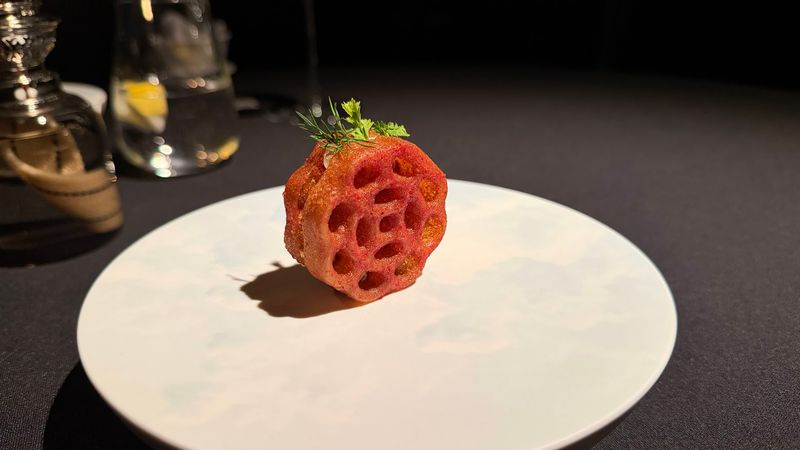
Ask people what they remember from Aska, and certain dishes come up again and again.
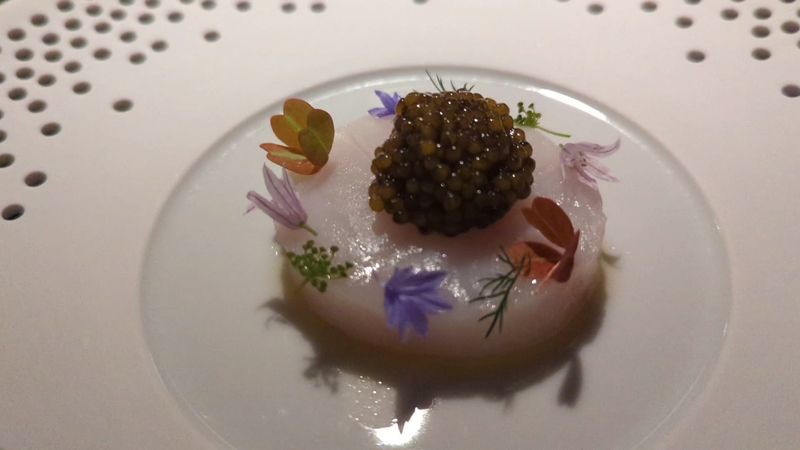
Caviar appears constantly in reviews, often described as one of those tiny courses that freezes conversation for a second.
It seems to capture what the restaurant does best – luxury handled with precision, beauty, and just enough surprise to stay in your head.
Seafood is another major strength, especially courses like hake, langoustine, scallop, crab, and other delicately treated fish.
Diners often point to these plates as proof that Aska can make subtle food feel thrilling.
The flavors may not hit with brute force, but the textures, sauces, and herbal details appear carefully calibrated.
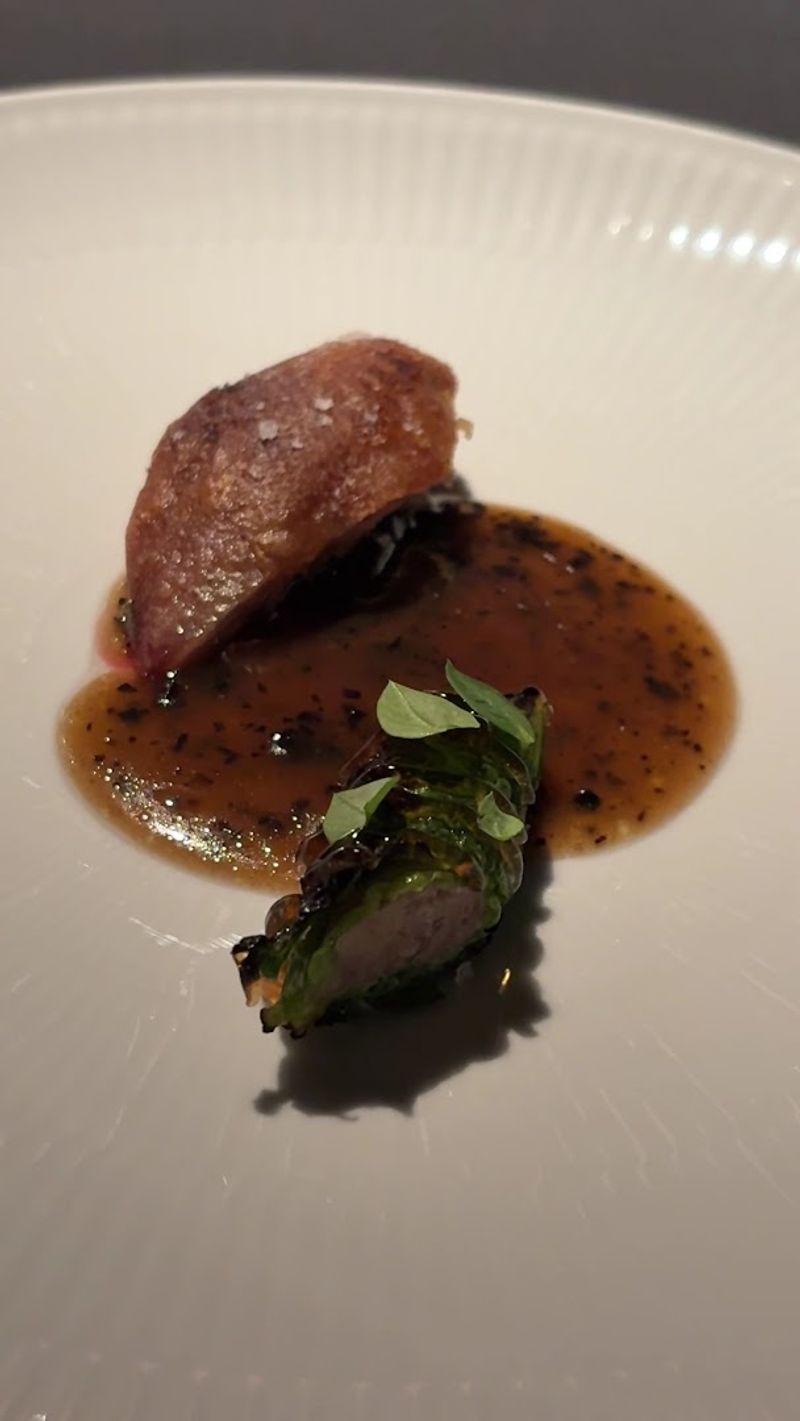
Then the menu usually turns deeper and more savory with quail or venison, which are among the most praised later courses.
These dishes seem to bring a richer, more dramatic contrast after the lighter opening acts.
For many guests, they become the point in the meal where admiration turns into genuine emotional excitement.
Desserts also earn real affection, which matters in a long tasting menu where finales can blur together.
At Aska, the sweet courses sound polished and imaginative enough to complete the arc rather than merely end it.
Even people who struggle to recall every plate often remember a handful of bites here with surprising clarity months later.
5. Service that feels observant, not performative
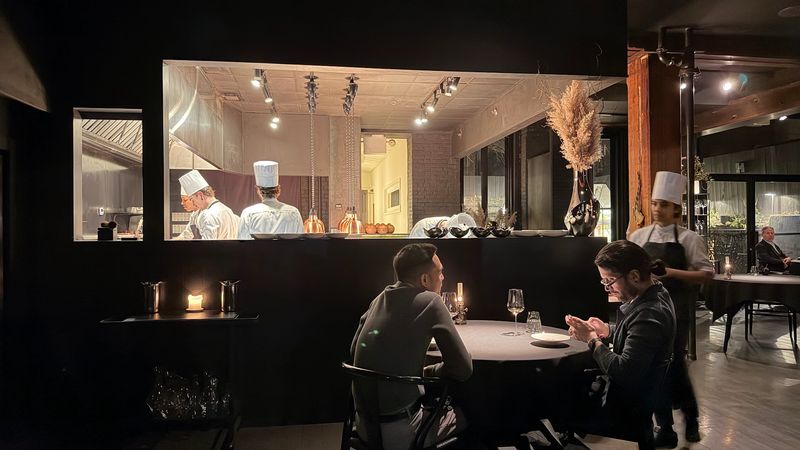
Fine dining service can sometimes feel polished but distant, and that is not the impression Aska leaves on most people.
Review after review describes the staff as warm, attentive, thoughtful, and genuinely hospitable from start to finish.
The formality is there, but it seems softened by a human sense of care that keeps the room from feeling cold.
What stands out most are the small acts of observation.
One guest admired the tableware and later received a printed guide to the pieces used throughout the meal.
Another mentioned that a diner who felt chilly was quickly offered a blanket, which says a lot about how closely the team pays attention without making a show of it.
The explanations matter too.
Courses are often introduced with context about ingredients, sourcing, or the idea behind the dish, helping you understand why each plate belongs in the sequence.
That kind of storytelling turns a meal from impressive to immersive, especially if this is your first serious tasting menu.
Not every review is flawless, and a few guests felt the atmosphere leaned serious or the experience did not fully connect with them.
Still, even more critical diners usually acknowledge the professionalism of the front-of-house team.
At its best, Aska’s service seems to do the hardest thing in luxury dining – make meticulous hospitality feel natural instead of rehearsed.
6. Wine, pairings, and the pleasure of being guided
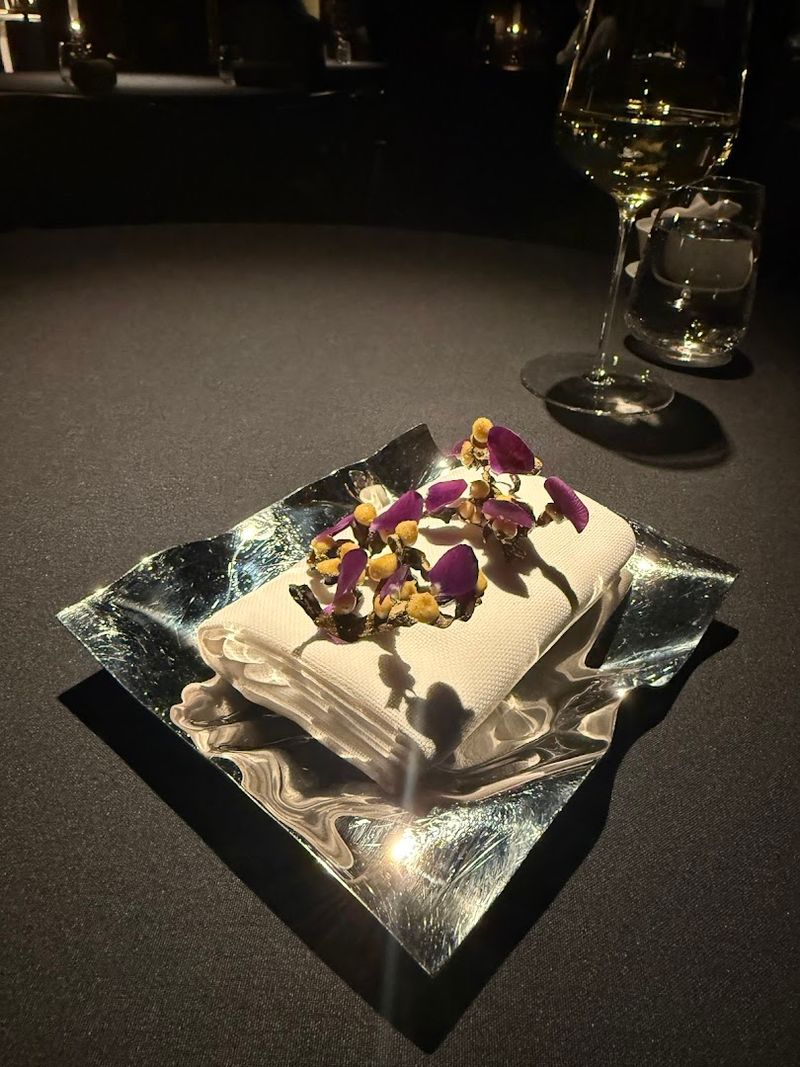
Because you are already surrendering your food choices at Aska, letting the beverage team guide your pairings feels like a natural extension of the experience.
The restaurant offers wine pairings as well as thoughtful nonalcoholic options, and both receive unusually strong praise.
That matters because drinks here are not side notes – they are part of the pacing and emotional texture of the meal.
Several diners highlight the storytelling behind each pour, whether it is a wine selected to echo a specific course or a nonalcoholic pairing built with fermentation and layered aromatics.
Instead of simply filling the glass, the team seems to frame each drink as another expression of the kitchen’s philosophy.
It adds coherence to the evening and makes the menu feel even more composed.
I also noticed how often guests mention generosity in service, including frequent top-offs and patient guidance for people unsure what to choose.
That is especially reassuring if you are not deeply fluent in wine.
You do not need expert knowledge to enjoy the pairings when the staff meets you where you are.
For some diners, the beverage program becomes one of the night’s biggest surprises.
In a restaurant devoted to subtlety, the right pairing can sharpen flavors, soften transitions, and bring hidden notes into focus.
If you are going to trust Aska with dinner, it makes sense to consider trusting them with the glass too.
7. What to know before you book Aska
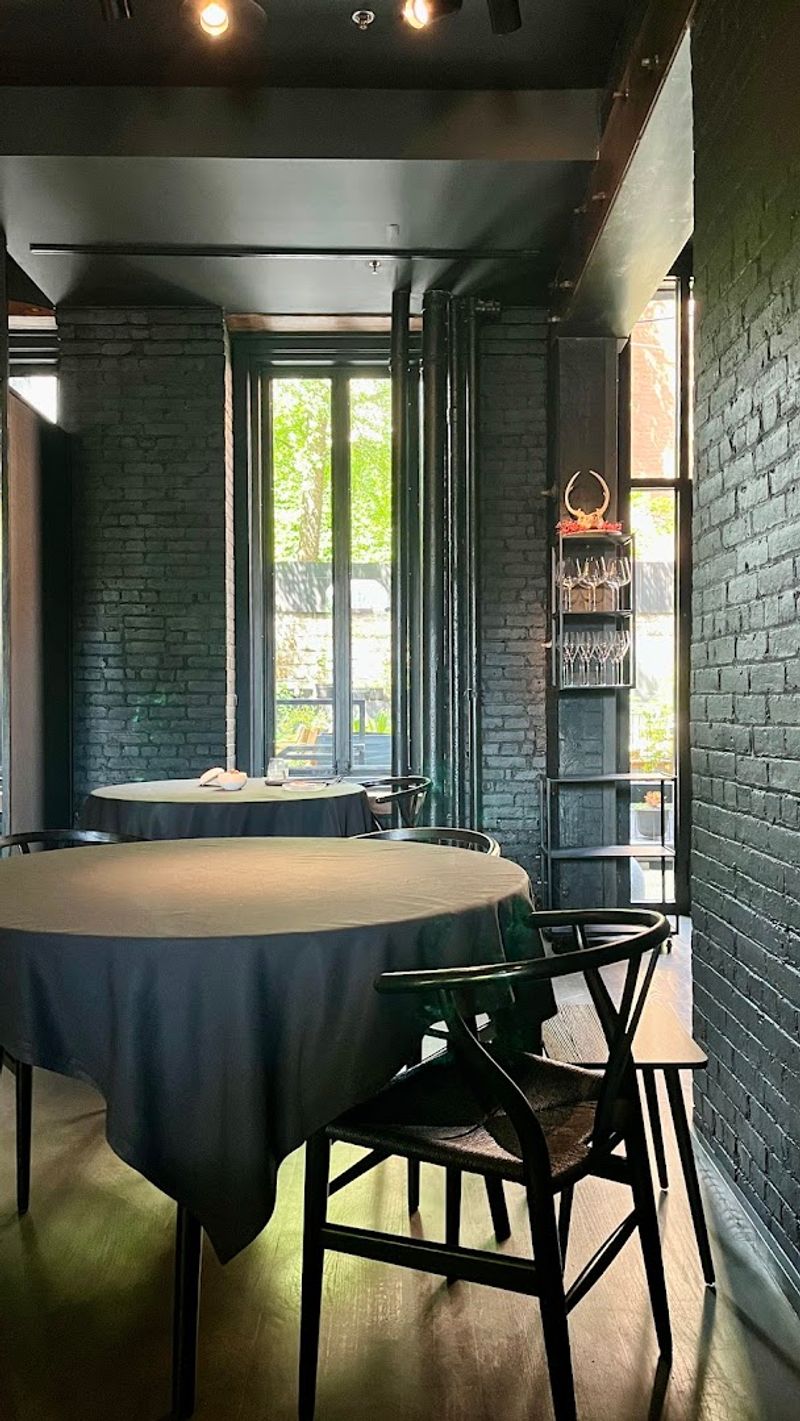
Aska is very clearly a special occasion restaurant, and it helps to go in with the right expectations.
Located at 47 South 5th Street in South Williamsburg, it operates Wednesday through Sunday from 5 to 11 PM and carries the kind of price point that places it firmly in splurge territory.
This is the dinner you plan for, not the one you stumble into on a casual weeknight.
The audience most likely to love it is someone who values craftsmanship over abundance and narrative over customization.
If you are curious about high-level Nordic cuisine, open to subtle flavors, and excited by the intimacy of a chef-driven tasting menu, Aska gives you a rare version of New York fine dining.
It feels serious, but many first-time guests still describe it as welcoming and surprisingly comfortable.
At the same time, honesty makes the recommendation more useful.
A minority of diners find the flavors too restrained, the room too austere, or the price difficult to justify if the menu does not emotionally land.
That does not erase the restaurant’s excellence, but it does mean your preferences should guide the booking as much as the acclaim does.
For the right diner, though, Aska can be unforgettable.
The ratings, repeat praise, and deeply specific memories in reviews suggest a place that leaves a mark when its style matches your palate.
If trust is your favorite ingredient, this Brooklyn restaurant knows exactly how to reward it.
Share this story