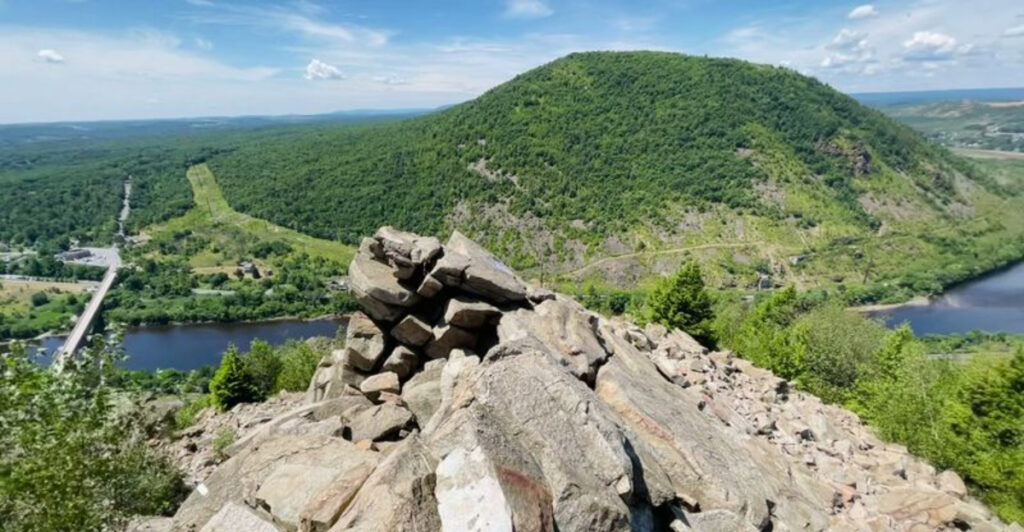
If steep drop-offs make your stomach flip, the Lehigh Gap East Loop is probably not the Pennsylvania hike you want to test yourself on. This route packs rugged climbs, exposed ridgeline walking, and wide-open views that feel thrilling for some hikers and deeply uncomfortable for others. It is beautiful, unforgettable, and a little intimidating in all the right and wrong ways.
The terrain doesn’t really ease you in either—once you start gaining elevation, the exposure becomes a constant part of the experience, with sections where the trail runs close to open rock and the landscape falls away quickly on either side. On a clear day, the views stretch far across the valley, which is exactly what makes it so striking—and exactly what can make it feel overwhelming if you’re uneasy with heights. Before you lace up, here is exactly why this trail can feel like too much if heights are not your thing.
1. The first warning sign is the climb
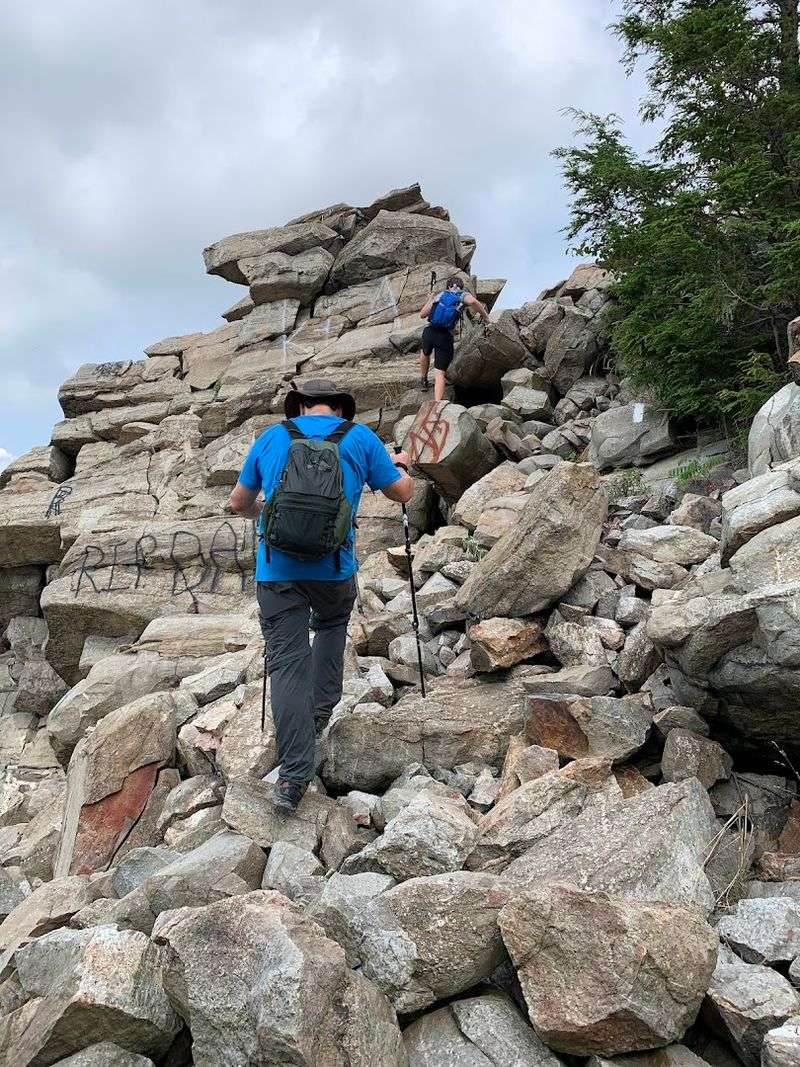
The Lehigh Gap East Loop does not ease you into the experience.
Almost right away, you are working uphill on a steep, rocky climb that feels more intense than many casual Pennsylvania day hikes.
If you already get uneasy when trails rise quickly above the valley floor, this opening section can put your nerves on edge fast.
What makes it harder is how exposed the route begins to feel as you gain elevation.
You are not just climbing through a dense, sheltered forest where the slope stays hidden.
Instead, the landscape opens, the rock underfoot demands attention, and you become very aware that you are moving higher with every step.
For confident hikers, that challenge is part of the fun.
If heights make you freeze, breathe shallowly, or overthink every move, this first stretch alone may tell you everything you need to know.
2. The ridgeline exposure is the real issue
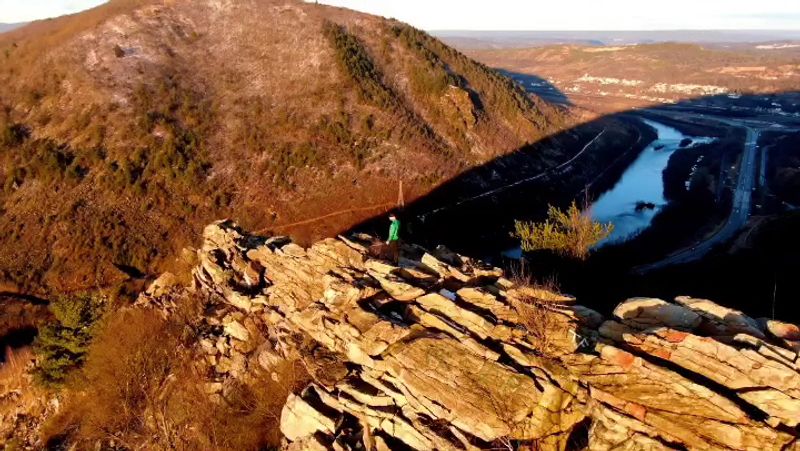
The biggest reason to avoid this hike if you fear heights is the ridgeline exposure.
Once you reach the higher sections, the trail can feel open, airy, and mentally demanding, especially if you are more comfortable with enclosed forest paths.
There are spots where the surrounding views are stunning, but those same views can also make the drop beside you feel impossible to ignore.
This is not necessarily a knife-edge ridge, but it can still feel very exposed when your brain is already locked onto elevation.
You notice the slope, the open sky, and the distance below all at once.
That combination can turn a scenic walk into a tense, stop-and-start experience.
If you usually need handrails, wide paths, or a strong buffer between you and an edge, this trail may push you well past your comfort zone before the loop is over.
3. Loose rock makes every nervous step feel bigger
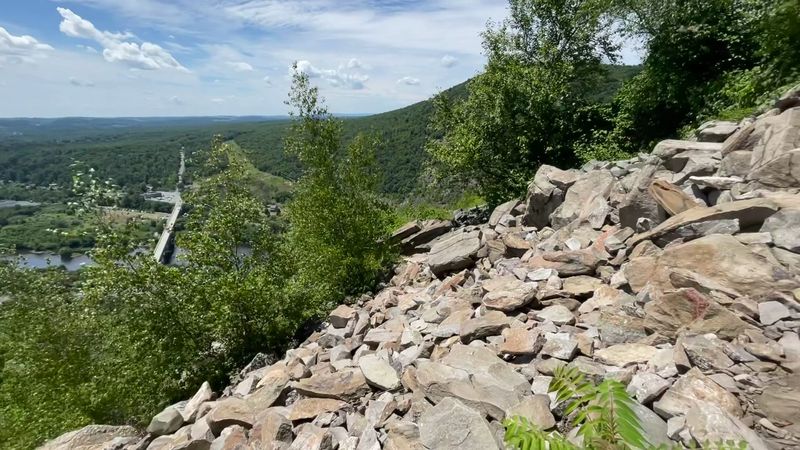
Heights are one problem here, but the footing can make that fear feel even worse.
The Lehigh Gap East Loop is known for rocky terrain, and loose or uneven surfaces have a way of magnifying anxiety when you already feel exposed.
Even a small slip can feel mentally huge when you are hiking above the valley on a rough trail.
Instead of relaxed walking, you may find yourself constantly checking where to place each foot.
That is tiring physically, but it also drains you mentally because your attention never really gets to settle.
On a trail like this, nervous hikers often get stuck between wanting to admire the view and needing to stare at the ground.
Reviews mentioning slippery winter conditions, poles, and traction are a good reminder that this route demands respect.
If shaky footing and high places are both triggers for you, that pairing can be especially uncomfortable.
4. The views are incredible and that is exactly the problem

People love this loop because the views are fantastic, stretching north and south along the ridge with the Lehigh River cutting through the gap below.
If you enjoy dramatic overlooks, it is easy to see why this trail gets so much praise.
But if heights make you uneasy, those same postcard moments can be the exact reason the hike becomes stressful.
Big views usually mean big visual reminders of how high you are.
There is no hiding from the elevation when the landscape suddenly unfolds around you and the valley seems far below.
For some hikers, that feels exhilarating, but for others it creates that wobbly, overaware sensation where every step feels more serious.
This is one of those hikes where beauty and discomfort arrive together.
You may absolutely admire the scenery, yet still spend much of the loop wishing the trail felt less exposed and a little more forgiving.
5. Weather can make an already intimidating trail worse
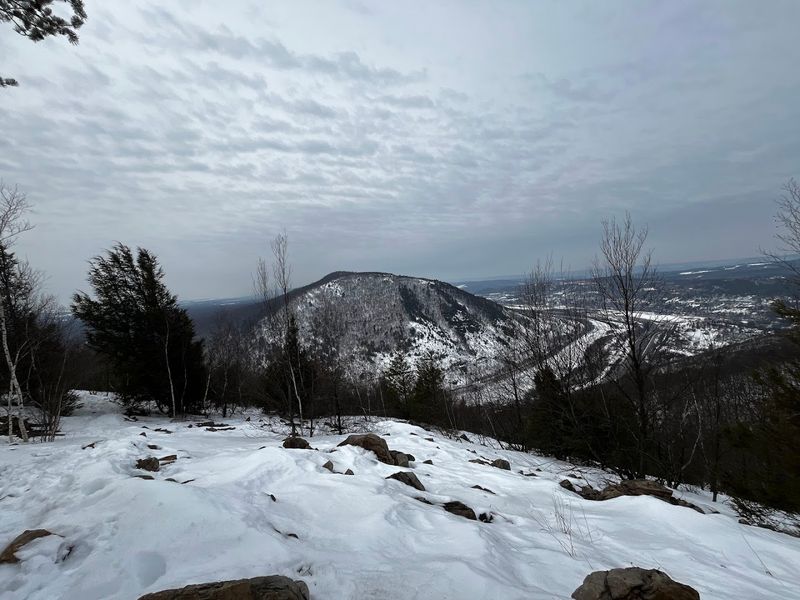
On a calm, dry day, the Lehigh Gap East Loop is already a serious outing for anyone uneasy with heights.
Add wind, rain, cold, or winter ice, and the mental challenge can jump quickly from uncomfortable to overwhelming.
A trail that feels manageable in perfect conditions may suddenly seem much narrower, steeper, and more exposed when the weather shifts.
That matters here because this route is not just about elevation gain.
It is about how secure you feel while moving over rock, across open sections, and down a descent that may keep your legs working long after the view has lost its charm.
Even a little moisture can make careful foot placement feel far more intense.
One review specifically called it a great winter hike but recommended poles and good traction.
If you are already asking whether heights might bother you, poor conditions are a strong sign to choose another day or another trail.
6. Route finding and descent add another layer of stress
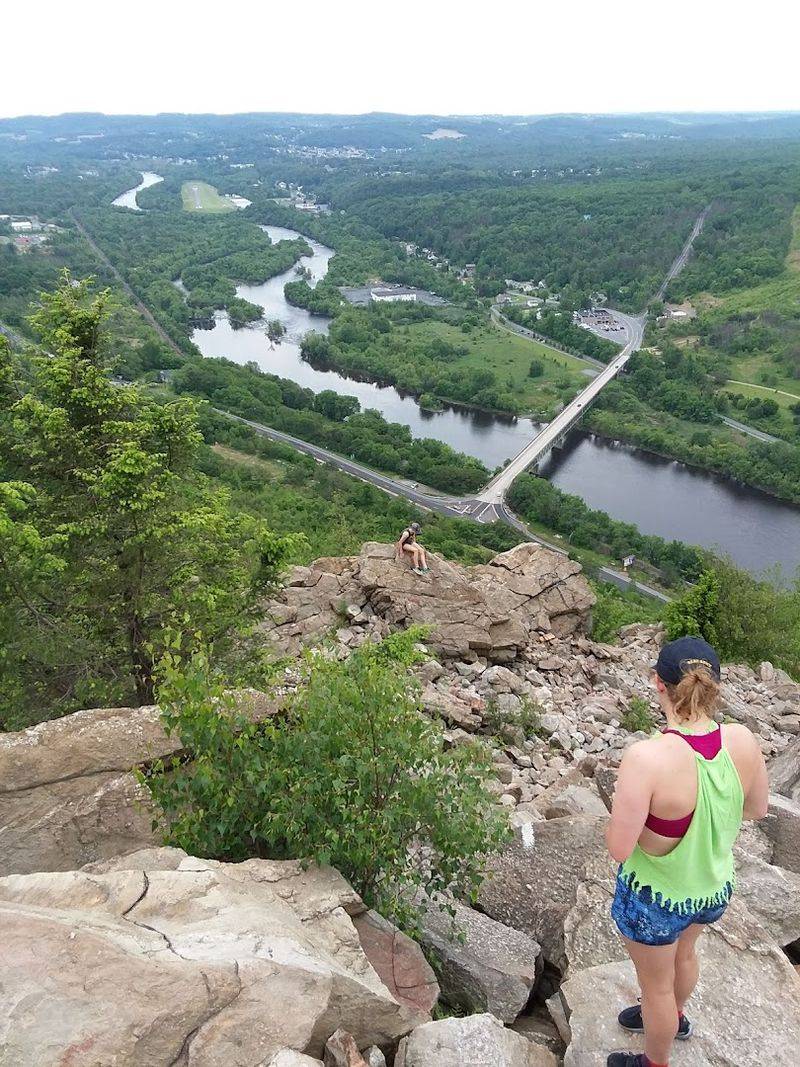
Even after the main climb and ridge sections, this hike can keep your nerves switched on.
Descents are often where people with height anxiety struggle most, because looking down the trail can make slopes appear steeper and more committing than they felt on the way up.
On the Lehigh Gap East Loop, that psychological factor matters as much as the mileage.
Some hikers mention taking the blue trail down for safety, which tells you something important about how this area is experienced in real life.
You want to know your route, understand your bailout options, and avoid wandering toward the wrong entrance or a section that feels beyond your comfort level.
Good planning helps, but it does not remove the exposure.
If you tend to lose confidence during descents, this loop can feel longest near the end.
That is usually when tired legs and anxious thinking start feeding each other.
7. Who should skip it and who will love it
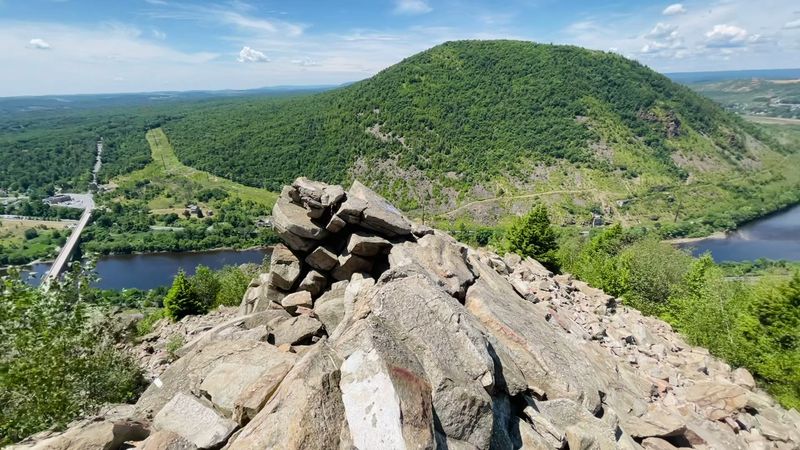
If you know that exposed overlooks, rocky climbs, and steep descents tend to make you panic, this is probably the one Pennsylvania hike to skip.
The Lehigh Gap East Loop is rewarding, but it is not especially gentle, and it does not hide its more intimidating features.
You will likely enjoy the day more on a lower, more sheltered trail where the scenery does not come with a side of adrenaline.
That said, hikers who like a challenge often love this route.
The Appalachian Trail section feels rugged and memorable, the mountain pass setting is striking, and the sense of accomplishment is real once the loop is done.
It earns its reputation because it delivers effort, views, and a little edge.
So if heights are your personal dealbreaker, listen to that instinct.
If they are not, this could easily become one of the most exciting day hikes you do in eastern Pennsylvania.
Share this story