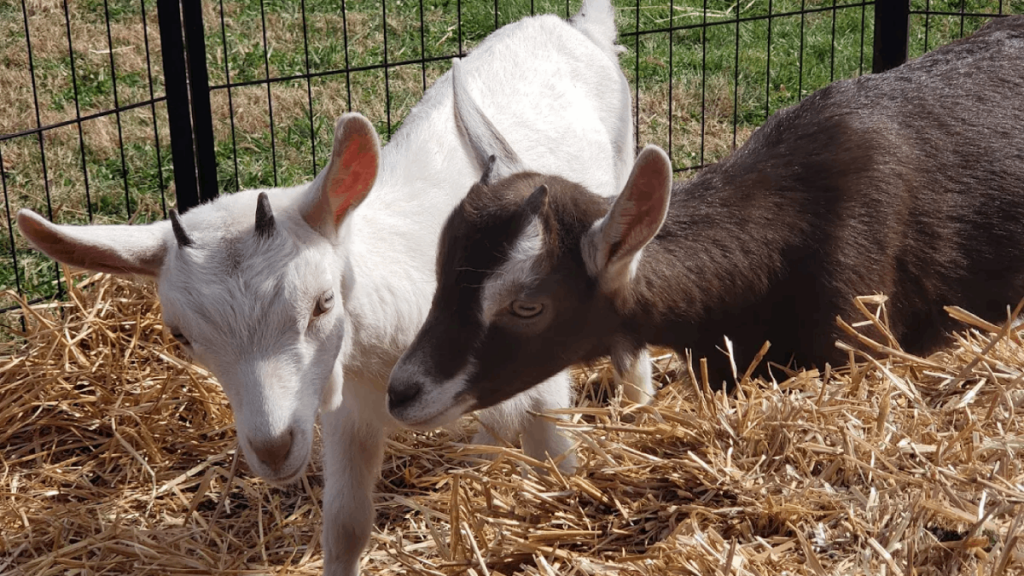
Spring brings something magical to Tennessee farms: baby animals. Fuzzy chicks, wobbly-legged lambs, curious piglets, and playful goat kids are arriving by the dozen, and many farms across the state welcome visitors to meet them up close.
Whether you’re looking for a hands-on experience with bottle-feeding or simply want to watch these adorable creatures explore their world, Tennessee offers incredible opportunities from the rolling hills near Nashville to the Smoky Mountains.
1. Lucky Ladd Farms — Eagleville
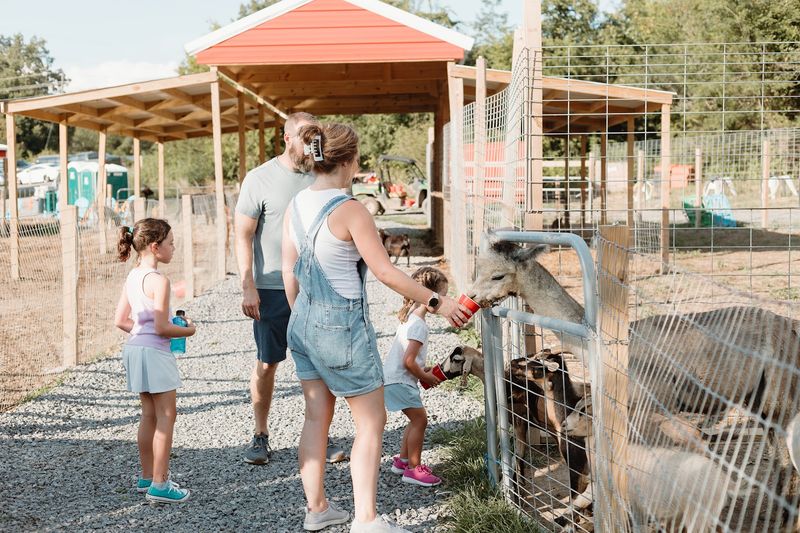
Lucky Ladd sits about 45 minutes south of Nashville, and when spring rolls around, this place transforms into baby animal central. Chicks peep in their brooders, piglets root around their pens, bunnies hop through straw, and lambs test out their new legs while goat kids bounce off everything in sight. The farm makes a big deal out of spring baby season, and for good reason—it’s when the barnyard feels most alive.
The petting farm here is massive, giving kids plenty of space to interact with animals at their own pace. You can hold chicks (gently, always gently), feed goats from your hand, and watch piglets tumble over each other in play. Staff members are around to answer questions and help younger visitors feel comfortable, which makes a difference when a curious lamb gets a little too friendly.
Beyond the babies, Lucky Ladd packs in attractions that keep families entertained for hours. There are wagon rides, pedal karts, giant jumping pillows, and seasonal activities that change throughout the year. The barnyard experience remains the main draw during baby animal season, though, because there’s something irreplaceable about watching a child’s face light up when a fuzzy chick nestles into their palm.
Pack snacks or plan to grab something at the farm’s concession area, because once you’re here, leaving feels impossible. The combination of hands-on animal time and old-fashioned farm fun creates the kind of day that kids remember long after they’ve outgrown their muddy boots.
2. Noble Springs Dairy — Franklin
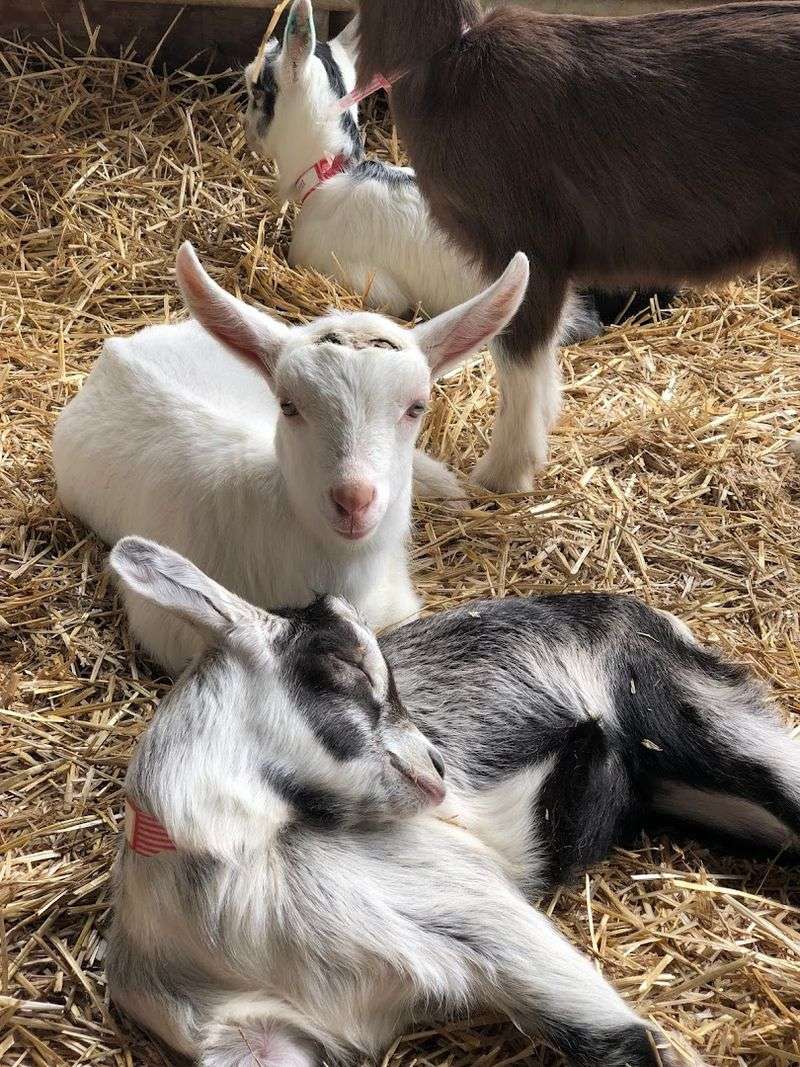
Franklin’s Noble Springs Dairy has built a reputation around one thing: baby goats. When kidding season arrives, the farm opens its doors for baby goat petting and cuddling days that fill up fast. These aren’t just quick photo ops—visitors get real time with the tiniest goats, learning how to hold them, what they eat, and why they’re so ridiculously bouncy.
The farm operates as a working dairy, so tours here come with an education. You’ll learn how goat milk becomes cheese, what daily life looks like for dairy goats, and how baby goats fit into the bigger picture of farm operations. It’s the kind of experience that satisfies curious minds while still delivering the cuteness overload everyone came for.
Baby goat cuddling days require reservations, and they book out weeks in advance during peak season. The farm limits group sizes to ensure both visitors and animals have a positive experience, which means you’re not fighting crowds to get close to the kids. Staff members guide the interactions, teaching proper handling techniques and sharing stories about individual goats that make you feel like you’re meeting personalities, not just animals.
Noble Springs sits close enough to Nashville to make it an easy day trip, but far enough into Williamson County farmland that it feels like a genuine escape. The rolling pastures, well-maintained barns, and obvious care put into every aspect of the operation show a farm that takes both its animals and its visitors seriously. If your family’s primary goal is maximum baby goat contact, this is your spot.
Just don’t wait to book—those cuddling sessions disappear faster than a goat kid can scramble up a hay bale.
3. Falcon Ridge Farm — Toone
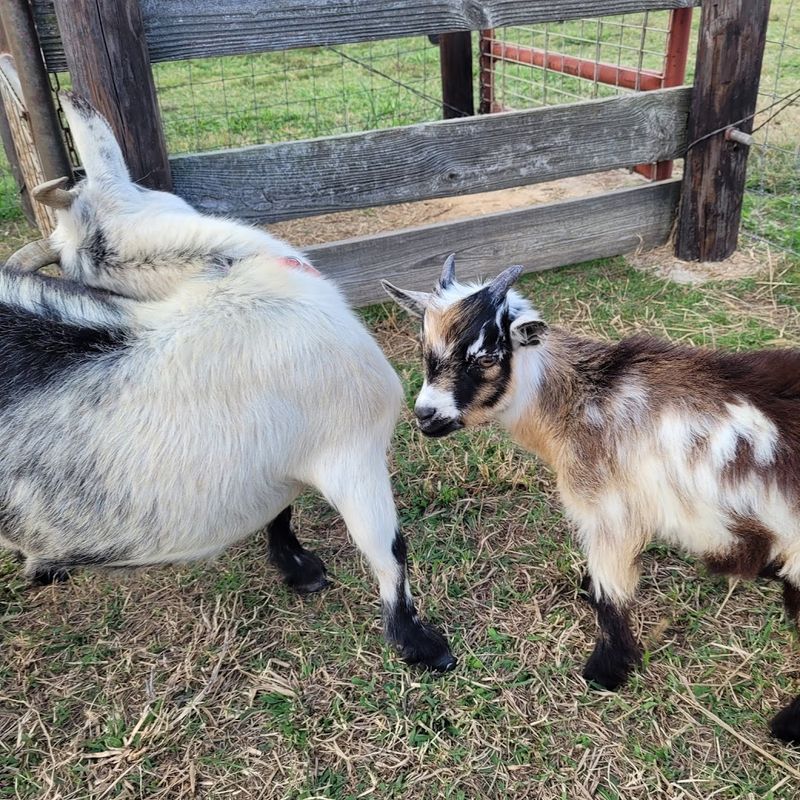
West Tennessee doesn’t always get the attention it deserves when people talk about farm visits, but Falcon Ridge in Toone makes a strong case for the drive. This working family farm runs educational field trips during the school year and opens for seasonal visits when baby animals arrive. With more than 20 attractions spread across the property, it’s built for families who want variety alongside their animal encounters.
The petting zoo here features the usual suspects—goats, sheep, chickens, and rabbits—but the working farm aspect adds depth. You’re not just looking at animals in a display; you’re seeing how they fit into daily farm life. Kids can watch chores happen, ask questions about animal care, and get a sense of what it takes to run a place like this.
That context makes the baby animal experience richer than a simple petting session.
Falcon Ridge also throws in activities that keep older kids engaged when the littlest ones are occupied with animals. There are hayrides, play areas, seasonal mazes, and hands-on stations that teach basic agricultural concepts without feeling like homework. The farm strikes a balance between entertainment and education that works for mixed-age groups, which is harder to pull off than it sounds.
Toone sits about 90 minutes from Memphis and a similar distance from Jackson, making Falcon Ridge a solid option for West Tennessee families who don’t want to drive halfway across the state for a farm experience. The property has that authentic, lived-in feel of a place that’s been working land for generations.
4. Priddy Farms — Arlington
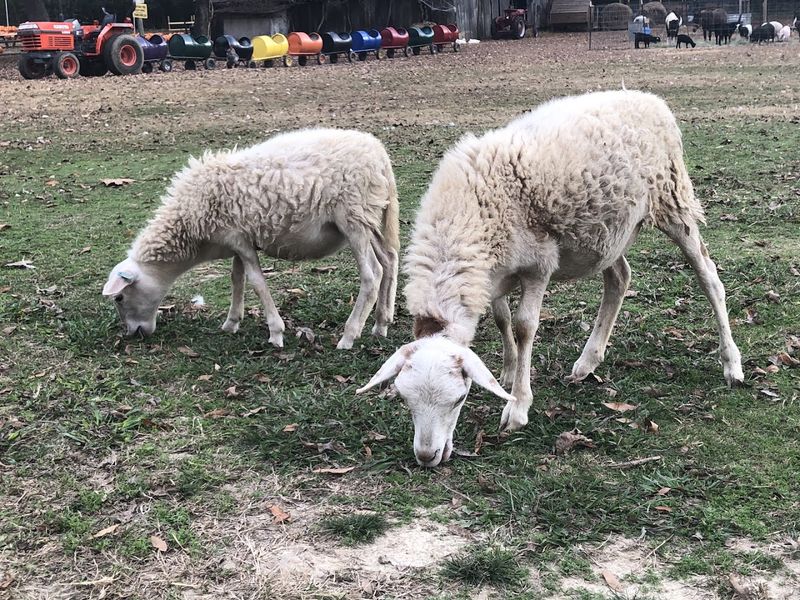
Arlington’s Priddy Farms occupies a sweet spot in the Memphis area, offering seasonal farm experiences that bring in families year-round. During spring, when baby animals make their appearance, the farm becomes a destination for anyone who wants to see new life on a working farm without driving hours from the city. The setup here focuses on accessibility and variety, making it work for toddlers and teens alike.
Priddy Farms operates with a seasonal calendar that changes throughout the year, so what you’ll find during baby animal season might differ from a fall visit. Spring typically brings out the youngest farm residents—chicks, bunnies, and sometimes lambs or goat kids, depending on the year’s breeding schedule. The farm doesn’t oversell the baby animal experience; what’s available is what’s actually on the farm at that time, which keeps things authentic.
Beyond the animals, the farm includes play areas, seasonal activities, and space for kids to burn energy in ways that don’t involve screens. There are usually hayrides, farm games, and opportunities to learn about where food comes from, which appeals to parents looking for educational value mixed with fun.
Located just east of Memphis, Priddy Farms makes a convenient option for families in the metro area who want a farm experience without committing to a full-day trip. You can arrive mid-morning, spend a few hours with animals and activities, and still have time for other plans.
5. Deep Well Farm — Lenoir City
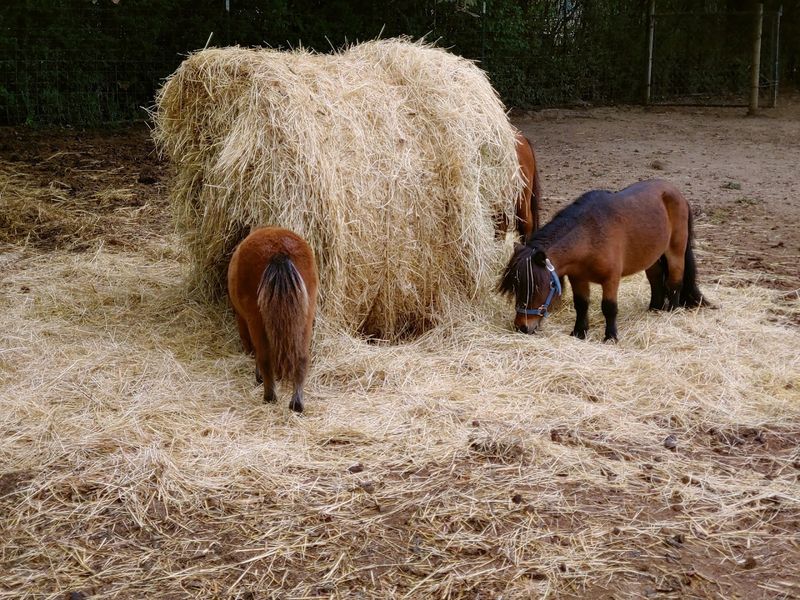
Lenoir City’s Deep Well Farm gives East Tennessee families a local option for farm visits without the trek to more touristy areas. Located between Knoxville and the Smoky Mountains, this farm advertises seasonal fun, farm animals, and space for kids to explore. Baby animal availability varies by season and breeding schedules, so calling ahead before making the trip ensures you’ll find what you’re hoping to see.
The farm’s setup includes play areas designed for younger children, with plenty of room to run, climb, and explore in a farm setting. Farm animals are part of the experience, though the focus here leans more toward overall seasonal activities than intensive animal interaction programs. During spring, when baby animals are most likely to be present, the farm typically welcomes visitors to see and sometimes interact with the newest arrivals, depending on the animals’ age and temperament.
Deep Well Farm also hosts private events, which means the property is maintained with an eye toward creating a pleasant visitor experience. The grounds feel cared for, the animals appear well-tended, and the overall vibe suggests a farm that takes pride in what it offers. That attention to detail matters when you’re bringing small children who notice everything from muddy pathways to friendly (or not-so-friendly) animal encounters.
For Knoxville-area families, Deep Well Farm fills a need for accessible farm experiences that don’t require driving to Sevierville or beyond. The location offers enough to occupy a morning or afternoon, making it suitable for families with young children whose attention spans and patience have limits.
6. Walkapony Goat Ranch — Rossville
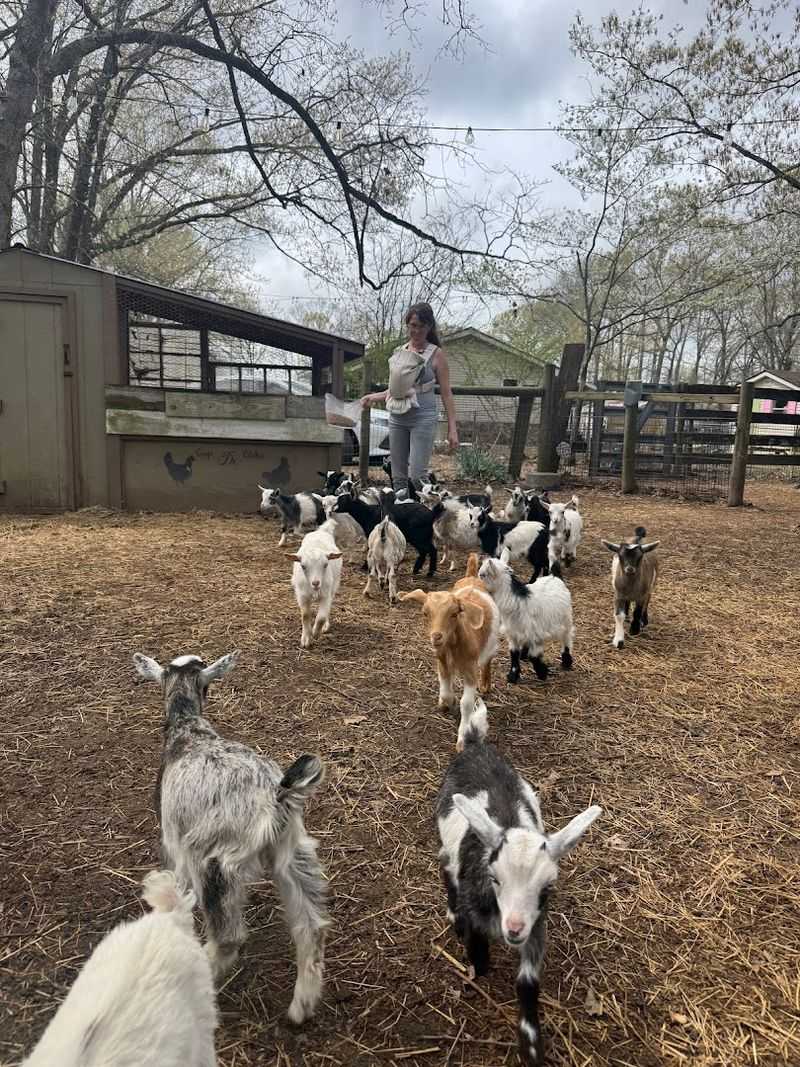
Rossville sits in the southwestern corner of Tennessee, and Walkapony Goat Ranch brings a focused farm experience to the area. As the name suggests, goats take center stage here, which means when kidding season arrives, you’re looking at prime baby goat viewing. The ranch operates with a more specialized approach than general petting farms, appealing to visitors who specifically want goat interaction rather than a broader barnyard experience.
Goat ranches differ from mixed animal farms in the level of goat knowledge and care you’ll encounter. Staff members at places like Walkapony tend to be deeply invested in their animals, ready to share information about breeds, behaviors, and the quirks that make goats such entertaining farm residents. During baby season, that expertise translates into well-managed interactions where visitors learn proper handling and get quality time with the kids (the goat kind).
The ranch setting itself offers a different atmosphere than larger agritourism operations. Expect a more intimate experience, often with smaller groups and more personalized attention. This setup works beautifully for families who prefer a quieter visit or for anyone who finds large, crowded farm events overwhelming.
The trade-off is fewer additional attractions, but if goats are your primary interest, that’s hardly a loss.
Rossville’s location near the Tennessee-Georgia line makes Walkapony accessible to Chattanooga residents and anyone traveling through the area. The ranch provides a specialized experience that rewards goat enthusiasts while still welcoming families who just want their kids to meet baby animals.
7. Selah Farm — Strawberry Plains
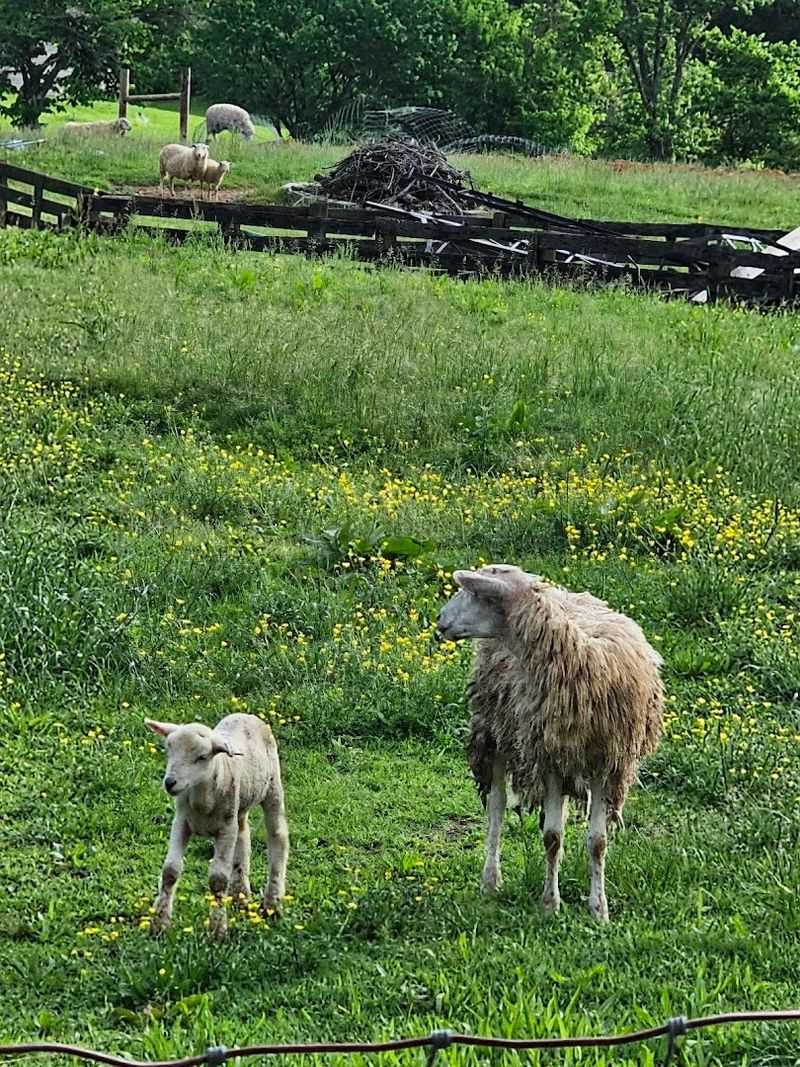
Strawberry Plains might not ring bells for everyone, but this community east of Knoxville hosts Selah Farm, a spot that offers farm experiences in a quieter, less commercial setting. The farm welcomes visitors for seasonal activities and animal encounters, with baby animals appearing during spring when breeding cycles bring new arrivals.
Farm visits here feel more like stepping onto a working property than entering a tourist attraction. The animals live farm lives, the setting reflects real agricultural work, and the experience emphasizes connection with animals and land rather than maximizing attractions per square foot. During baby animal season, that translates to quieter, more meaningful interactions where kids can observe, ask questions, and spend time without feeling rushed through a programmed schedule.
Selah Farm’s location in Strawberry Plains puts it within reach of Knoxville families while maintaining a genuinely rural character. The drive out takes you through East Tennessee countryside that reminds you why people love this part of the state. Once you arrive, the farm’s atmosphere reflects that same appreciation for slower-paced, thoughtful experiences that let both children and adults decompress from everyday rush.
Because Selah operates on a smaller scale than major agritourism farms, checking ahead about visiting hours and baby animal availability makes sense. The farm may not have the extensive marketing presence of larger operations, but that’s part of its appeal—it remains a working farm that shares its animals and land with visitors rather than a business built primarily around tourism.
8. Sunset Valley Farms — Huron
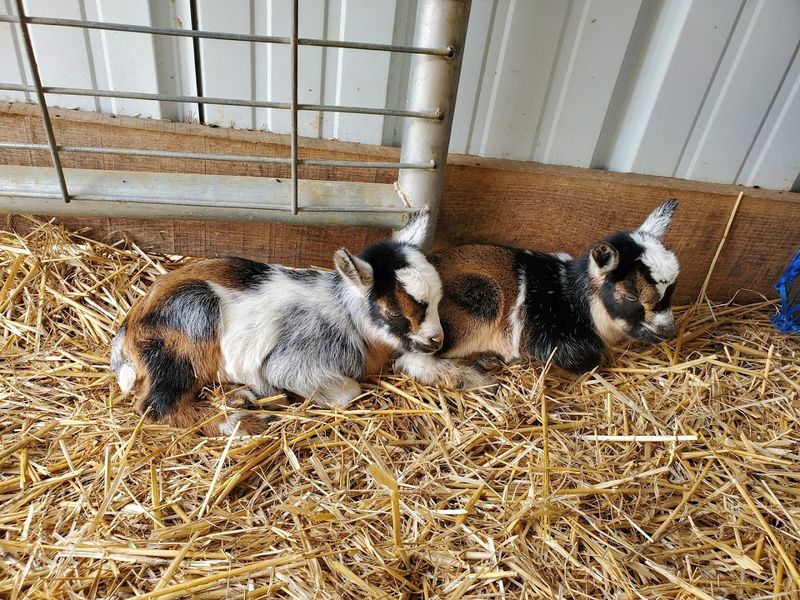
Huron sits in Henderson County, putting Sunset Valley Farms squarely in West Tennessee territory that doesn’t always make the farm tourism lists. That oversight works in favor of visitors who find it, because the farm offers seasonal experiences without the crowds that pack more well-known locations. Baby animal season brings the usual spring arrivals—chicks, possibly piglets, and whatever else the farm’s breeding schedule produces that year.
Sunset Valley operates with a seasonal rhythm that reflects actual farm life rather than year-round entertainment programming. When you visit during baby animal season, you’re seeing the farm during one of its most active and exciting times, when new life demands attention and care. The farm shares that experience with visitors in ways that feel genuine rather than staged, giving families a window into real agricultural cycles.
The property includes space for kids to explore beyond just animal pens, with areas for running, playing, and engaging with farm life in hands-on ways. The setup doesn’t overwhelm with attractions, instead focusing on quality experiences with animals and land. For families who find overly busy farm parks exhausting, Sunset Valley’s more measured approach provides welcome relief while still delivering the baby animal encounters everyone came to see.
Henderson County isn’t on most tourists’ radar, which means Sunset Valley Farms serves primarily local and regional families rather than out-of-state visitors. That local focus creates a different atmosphere—more community-oriented, less transactional, with staff who often recognize returning families and remember names.
Just confirm seasonal hours and baby animal availability before making the drive.
9. Smoky Mountain Deer Farm and Exotic Petting Zoo — Sevierville
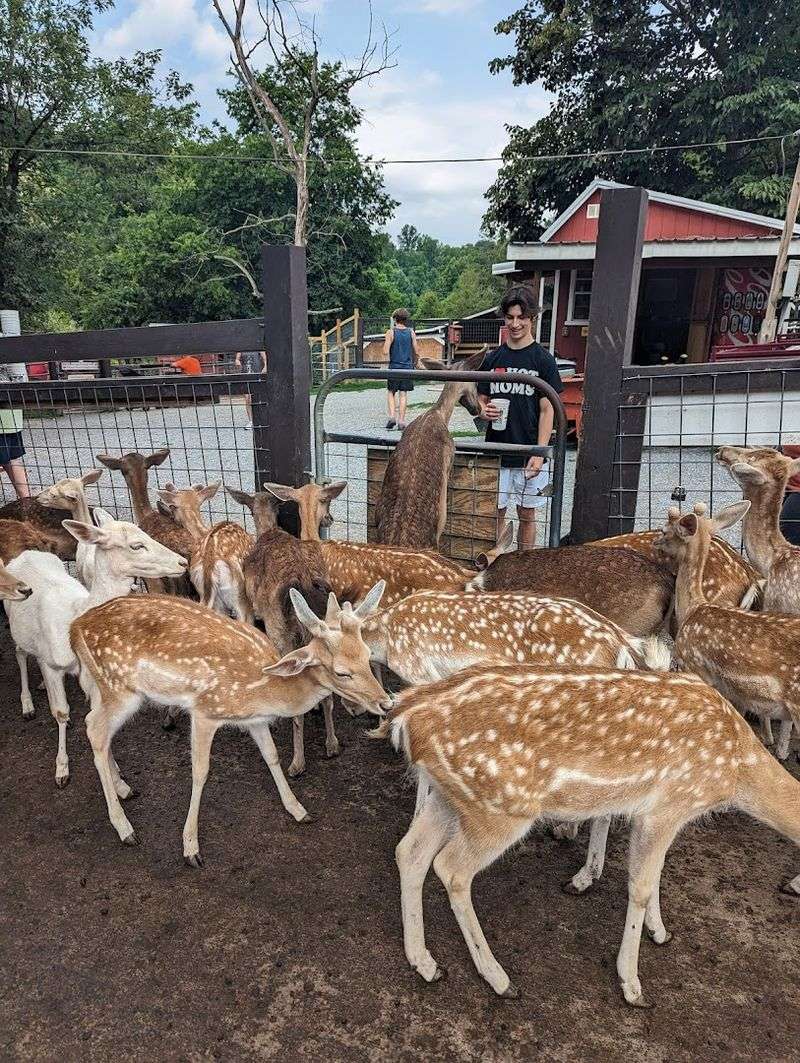
Sevierville’s Smoky Mountain Deer Farm takes a different approach from traditional Tennessee farms, mixing domestic baby animals with more exotic species in a petting zoo format. During spring, the farm typically has baby animals across multiple species, from the expected farm babies to young deer and other animals you won’t find at standard agricultural operations.
The petting zoo format here emphasizes interaction, with opportunities to feed and touch animals throughout your visit. Baby season multiplies the cute factor significantly, as young animals across species explore their enclosures and interact with visitors. The farm maintains careful supervision to ensure both animal and visitor safety, which matters more when you’re dealing with species beyond typical barnyard residents.
Located in Sevierville means you’re in serious tourist territory, which brings both advantages and considerations. The farm is easy to find, well-marked, and accustomed to handling large visitor numbers. It’s also more commercial than rural farm operations, with admission fees, gift shops, and amenities designed for tourist comfort.
Some families appreciate that infrastructure; others prefer more rustic experiences. Knowing what you’re getting helps set appropriate expectations.
The Smoky Mountain Deer Farm works well as part of a Sevierville-area trip, combining easily with other Smoky Mountain attractions. If your family is already planning time in the area and wants to add baby animal encounters to the itinerary, this spot delivers without requiring a separate drive into rural Tennessee.
Just expect a more tourist-focused atmosphere than you’d find at working farms in less-visited parts of the state.
10. Ocoee Riverside Farm — Benton
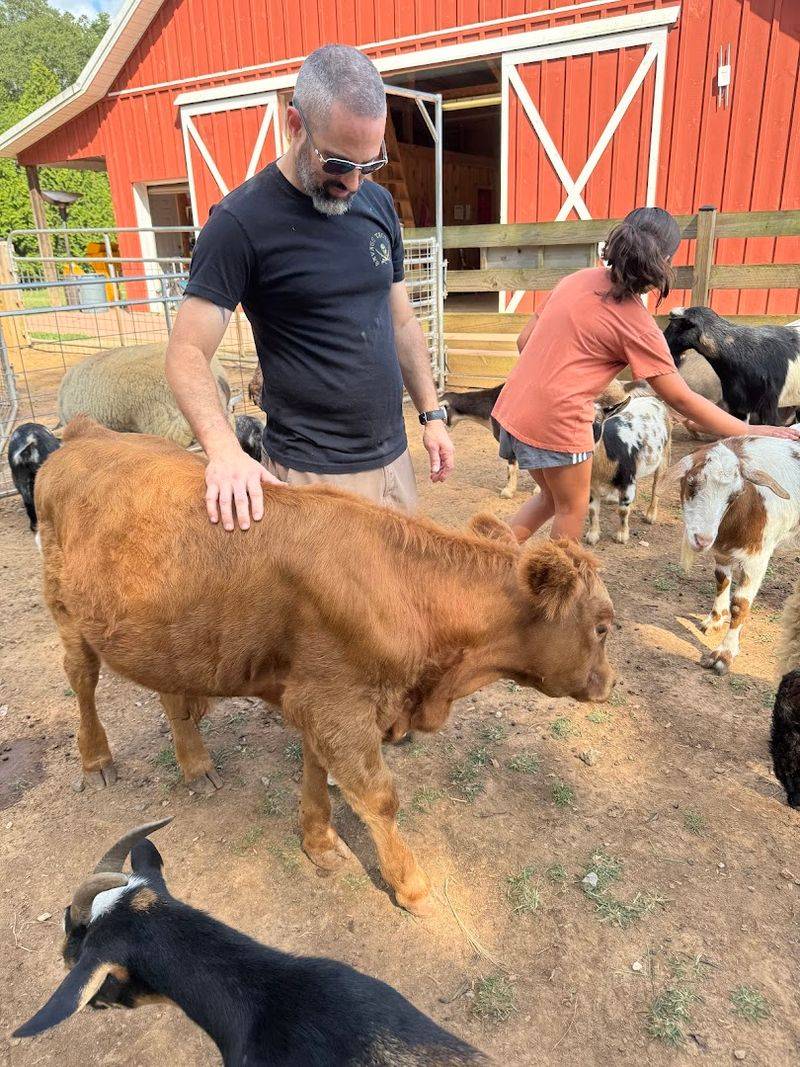
Benton sits in Polk County, where the Ocoee River draws rafters and outdoor enthusiasts to Southeast Tennessee’s mountains. Ocoee Riverside Farm adds an agricultural dimension to the area, offering farm experiences in a region better known for whitewater and hiking. Baby animal season here brings spring arrivals to a farm that benefits from the area’s natural beauty, creating a setting that combines pastoral charm with mountain scenery.
The farm’s riverside location sets it apart from flatland agricultural operations, giving visitors views and surroundings that feel distinctly Appalachian. When baby animals arrive in spring, they’re exploring a landscape that includes mountain backdrops and river sounds, adding atmospheric elements that make the visit memorable beyond just the animal encounters. The farm uses its setting well, incorporating the natural environment into the overall experience.
Ocoee Riverside Farm operates with a focus on seasonal activities and farm animals, welcoming visitors to experience agricultural life in a mountain context. Baby animal availability follows typical spring breeding patterns, with the farm’s specific animals varying by year and breeding success. The farm maintains a more low-key operation than major tourist farms, appealing to visitors who want authentic farm experiences without excessive commercialization.
Polk County’s location in the southeastern corner of Tennessee makes Ocoee Riverside Farm a destination for regional families and a potential add-on for anyone visiting the Ocoee area for outdoor recreation. The farm provides a different pace from whitewater adventures, offering families with mixed interests a way to combine active outdoor time with gentler farm experiences.
If you’re planning Ocoee area activities and have young children in your group, adding a farm visit creates balance and gives everyone something they’ll enjoy.
Share this story