Some of Colorado’s most memorable mountain towns are the ones that never feel overly polished. Nestled high in the Rockies between Denver and Aspen, Leadville combines spectacular alpine scenery with rich mining history, colorful Victorian architecture, and an unmistakable Old West spirit.
As the highest incorporated city in North America, it offers breathtaking mountain views, scenic rail adventures, outdoor recreation, and a historic downtown that feels remarkably authentic. Whether you’re exploring museums, hiking nearby peaks, or simply wandering Harrison Avenue, Leadville delivers a Colorado experience that’s equal parts rugged, historic, and unforgettable.
At 10,119 Feet, Leadville Starts With the Sky
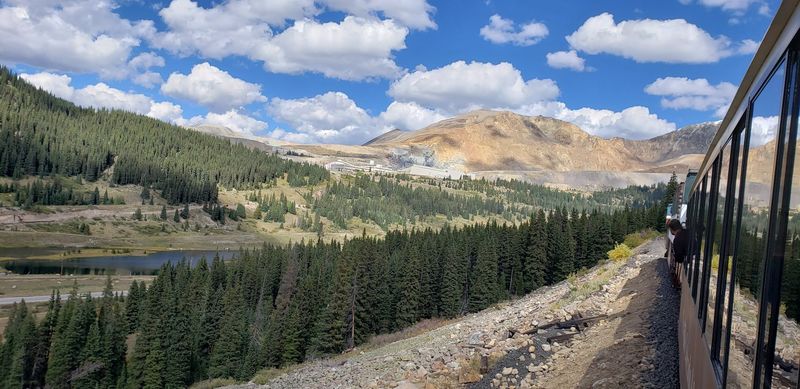
Leadville announces itself with scale before it says anything else. The town sits at 10,119 feet, so the light lands harder, the air feels thinner, and the peaks around town look less like background scenery and more like a wall.
Even before you focus on the buildings, you notice the big Colorado sky pressing down over a place that still looks built for weather, work, and winter.
That elevation changes how everything reads. Colors sharpen, distances seem shorter than they are, and the town’s grid appears almost improbably level until your eyes lift and catch the mountain ranges surrounding it.
There is very little visual softness here, which is part of the appeal. Leadville is handsome in a crisp, high-country way, with wide streets, sturdy storefronts, and a setting that refuses to be ornamental.
You can feel the difference simply by moving through town at a walking pace. A short stroll asks more from your lungs than it would in Denver, and that slight effort makes the place more immediate.
Instead of drifting through on autopilot, you pay attention to the temperature, the light, the wind, and the shape of the streets. Leadville has a way of turning ordinary movement into a sensory check-in.
That first visual hit matters because it frames everything that follows. This is not a manicured mountain village dressed up for postcards.
Leadville looks and functions like a real high-altitude community, and its beauty comes with edge, exposure, and a bit of grit. In Colorado, plenty of towns offer mountain views. Very few make you feel this close to the landscape while standing right in the middle of downtown.
Harrison Avenue Has More Character Than a Whole Resort Village
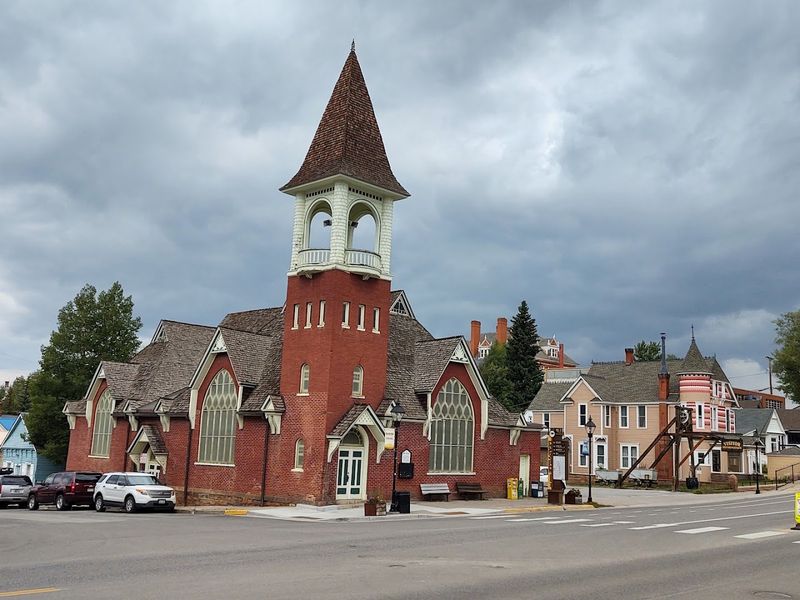
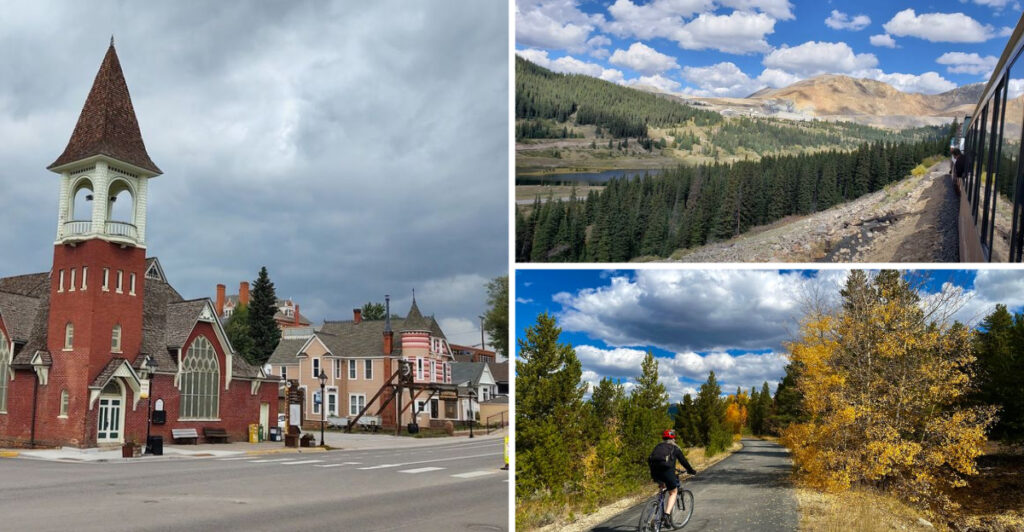
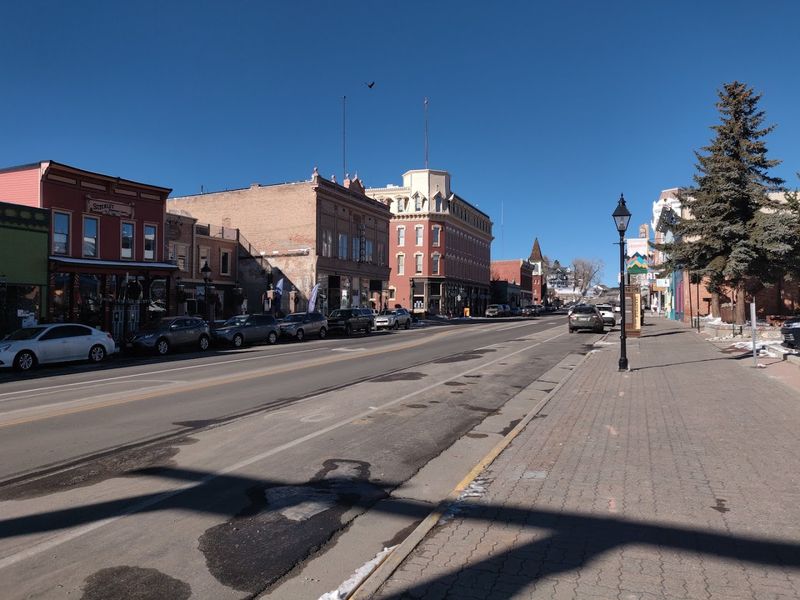
Harrison Avenue is where Leadville shows its face without trying too hard. The main street is broad, practical, and lined with brick buildings that carry the weight of another century without looking staged for a theme set.
Storefront windows, old facades, and the straight shot of the avenue give the town a frame that is immediately legible. You do not need a guide to understand where the center of gravity is.
What makes this corridor interesting is the way utility and history still share the same block. The architecture has texture, but the street does not read like a frozen museum piece.
Cars move through, people duck in and out of businesses, and the whole strip keeps a working-town rhythm that is harder to fake than rustic decor. Leadville’s downtown feels inhabited rather than curated, which gives every corner more credibility.
Walk it slowly and the details start doing the heavy lifting. Upper-story windows, painted signs, weathered brick, and long sightlines down the avenue create an old Colorado streetscape with real depth.
There is enough visual variation to keep it interesting, but not so much polish that the town loses its backbone. Even the emptier moments can be striking, because the width of the street leaves room for mountain light and changing weather to shape the scene.
This is also where Leadville separates itself from more polished mountain destinations. Harrison Avenue does not rely on luxury cues to signal value.
Its pull comes from proportion, history, and the fact that it still works as a main street instead of an outdoor lobby. If you want Colorado with more substance than styling, this stretch makes the case in a single walk.
Mining History Here Is Not Background Decor
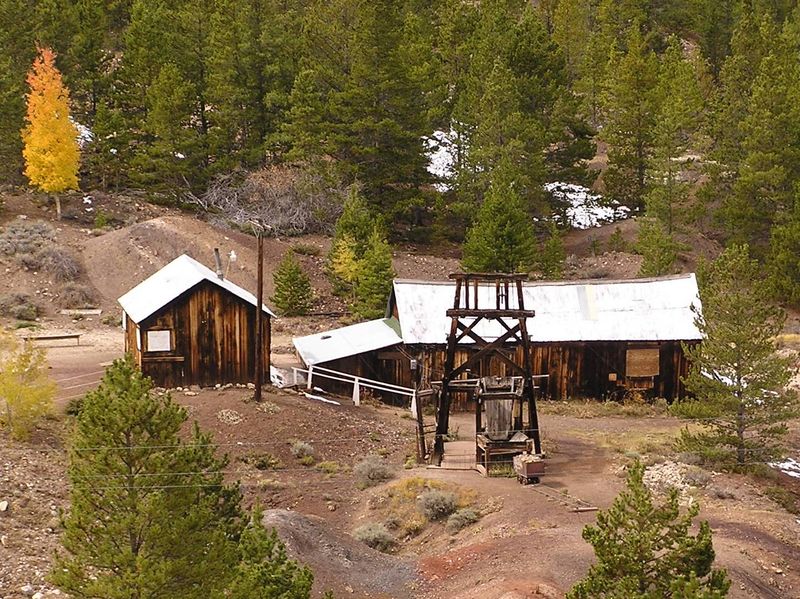
Leadville’s past is not tucked into a corner behind a few plaques. Mining shaped the town’s layout, its architecture, its booms, and the stubborn tone you still pick up in the streets today.
When you look around, the story is built into the place rather than pasted onto it later. That gives Leadville a different historical texture than towns where heritage functions mostly as branding.
The city grew fast during Colorado’s mining era, and that pace still shows in the bones of downtown. Solid commercial blocks, practical street design, and a sense of scale larger than you might expect for a modern population all point back to a period when money, labor, and raw ambition were moving at speed.
You do not need to romanticize the past to recognize how powerfully it shaped what remains. Leadville makes more sense once you read the town as infrastructure first and nostalgia second.
That distinction changes the way you experience historic sites and streetscapes. Instead of searching for quaintness, you start noticing evidence of extraction, transport, and survival at high elevation.
The built environment feels tied to difficult conditions and hard economics, not just to picturesque mountain living. Even the town’s rougher edges can be useful clues, because they keep the history from turning too glossy.
If you are the kind of traveler who likes context, Leadville rewards attention. The place connects Colorado’s mountain beauty to the industries and ambitions that pushed settlement into harsh terrain.
It also explains why the town has a stronger spine than many scenic stops between larger destinations. In Leadville, history is not a side attraction after coffee. It is the framework that helps every street, facade, and view snap into focus.
Where the Pavement Ends, Leadville Keeps Going
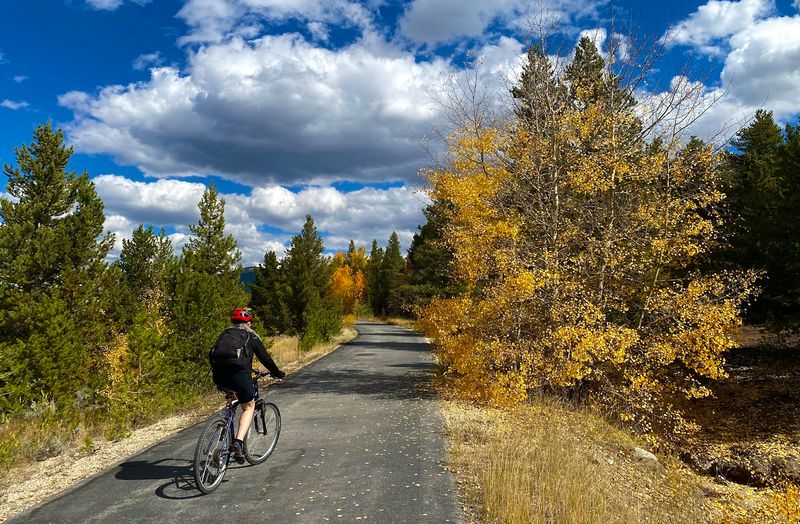
Leadville is unusual because the transition from town to open space happens fast. You can spend part of the day on historic streets, then shift into a landscape of trails, mining remnants, and wide alpine views without a long reset in mood or distance.
That closeness gives the town a practical outdoor identity rather than a purely scenic one. Nature is not an excursion appended to Leadville. It sits right at the edge of daily life.
One of the most accessible ways to understand that relationship is the Mineral Belt Trail, which loops around the city and links movement with context.
Instead of separating exercise from place, the route lets you see how Leadville occupies its basin, how the surrounding peaks frame the town, and how traces of mining history remain visible in the broader landscape.
The trail turns geography into a readable map. Even a short stretch can show you how tightly the community is tied to terrain.
Outside the street grid, the visual language changes quickly. Paved blocks give way to open ground, big views, and a stronger sense of exposure.
Wind becomes more noticeable, distances feel wider, and the town starts looking smaller against the mountains. That scale shift is one of Leadville’s best qualities, because it reminds you that this is not a mountain town pretending to be wild. The wild setting is still the dominant fact.
If your ideal trip includes both walking downtown and getting your shoes dusty, Leadville makes that easy. The outdoor access here does not require complicated logistics to feel substantial.
A modest amount of time goes a long way because the landscape arrives quickly and reads clearly. Few Colorado towns let you understand both urban history and mountain terrain within the same easy orbit.
How to Handle Leadville, Colorado Without Getting Flattened by the Altitude
Leadville is better when you do not rush it. At this elevation, the town quietly sets the pace for you, and ignoring that usually means feeling wrung out before the day has properly started.
A slower morning, extra water, and a little restraint go a long way here. The practical side of visiting matters because the high country is part of the experience, not just a pretty backdrop.
Start by respecting the altitude instead of treating it like trivia. Walking uphill, carrying luggage, or even talking while moving can feel more demanding than expected if you came up from lower ground that same day.
Sun exposure is strong, weather can shift quickly, and cool air can hide how much moisture you are losing. None of that is dramatic if you plan for it.
It just means Leadville rewards travelers who pace themselves like they are actually in the mountains. Timing also shapes what kind of town you see. Early hours bring sharper light, calmer streets, and a cleaner sense of the surrounding peaks before afternoon activity picks up.
Later in the day, downtown can feel warmer in color and more social in rhythm, especially when the light softens against the brick facades. Neither is better.
They simply reveal different versions of the same place, one more crisp and spacious, the other more textured and lived in.
If you only have a short visit, resist the urge to cram in everything at once. Choose a downtown walk, a scenic drive or trail segment, and enough downtime to notice the setting.
Leadville is not a place to speed through with a checklist mentality. The town becomes more interesting once your body adapts, your breathing settles, and the altitude stops being an obstacle and starts acting like part of the show.
Why Leadville Leaves Denver-to-Aspen Travelers Looking a Little Overdressed
Leadville stands out because it refuses the polished mountain-town script that dominates so many Colorado itineraries. On a route between Denver and Aspen, that difference can feel almost defiant.
Instead of leaning into sleek storefront aesthetics or curated rustic luxury, the town keeps its edges visible. That roughness is not a flaw to excuse.
It is the reason Leadville has more personality than places that seem engineered to please everybody at once. The appeal is not about perfection. It is about proportion, honesty, and the way the town still belongs to its landscape rather than sitting on top of it like a product.
Buildings feel built for use, streets feel drawn for movement, and the surrounding peaks never let you forget where you are. There is enough visual drama to be exciting, but not so much packaging that the experience turns generic.
Leadville trusts its setting and history to do the work. That confidence changes how you move through it. You are not nudged from one branded experience to the next.
Instead, the town asks for observation: a longer look down Harrison Avenue, a pause where the mountains suddenly fill the end of a street, a walk that turns from brick and pavement toward open land. Leadville gives you room to connect the pieces yourself.
For many travelers, that freedom is far more satisfying than a highly managed day. So why would locals hope you never find it? Because places with this much character rarely improve by becoming too widely discovered.
Leadville still offers a version of Colorado that feels grounded, high, and unapologetically itself. It is scenic, yes, but scenery is only the opening move.
The stronger draw is that the town has kept its own cadence in a state full of destinations trying very hard to impress you.
Share this story