Car history feels different in Michigan because so much of the story happened right here. Across the state, automotive museums bring that legacy close with early factory spaces, polished classics, racing machines, rare prototypes, and vehicles that helped reshape everyday American life.
Some stops are massive and packed with famous names, while others are smaller, more specialized, and full of local character. Together, these Michigan car museums turn a road trip into a lively look at design, innovation, horsepower, and the machines that helped put the world in motion.
1. Pontiac Transportation Museum – Pontiac
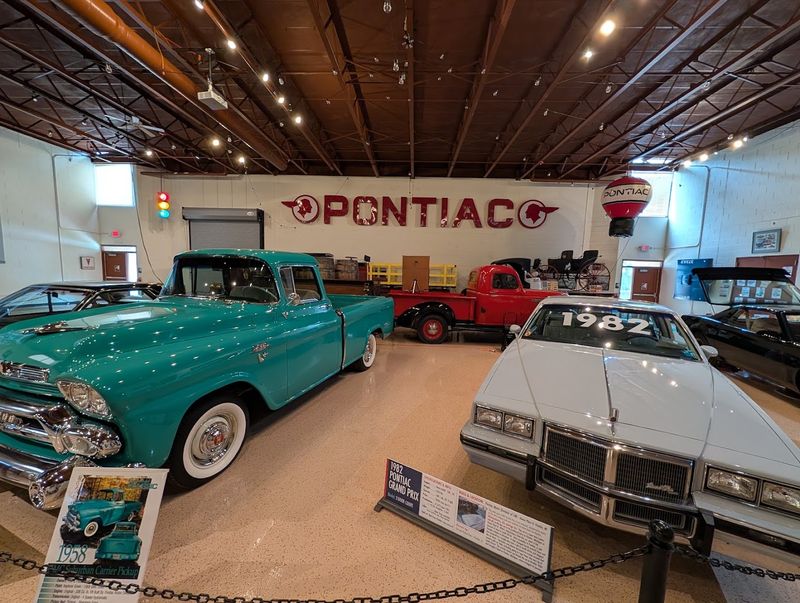
Downtown Pontiac has a museum that speaks directly to the city’s name. Inside, visitors can explore displays centered on Pontiac vehicles and the people, factories, and design ideas tied to them.
That local connection gives the experience a strong sense of place without making it hard for newcomers to follow.
Expect to see classic cars, transportation artifacts, and helpful exhibit text that explains why Pontiac mattered in Michigan’s auto history. Even readers who do not know trim levels or engine codes can enjoy spotting the changes in body lines, grilles, dashboards, and logos across different years.
Kids often notice the colors first, while adults may spend longer on the brand story.
A smart way to visit is to move slowly and compare details instead of rushing from car to car. Look at hood ornaments, steering wheels, and seat shapes, then imagine how each model matched its era.
Those small design clues reveal how style, comfort, and marketing changed over time in a way photos rarely capture.
Because the museum is focused, it works well for travelers who want a manageable stop rather than an all day marathon. Pair it with a walk around Pontiac to connect the vehicles to the city that helped build them.
That combination turns the visit into more than a showroom experience.
Bring a charged phone or small notebook, because this is the kind of place that sparks follow up questions. A single badge, brochure, or old dealership sign can send visitors into a deeper search later.
For anyone building a Michigan museum route, Pontiac Transportation Museum adds brand specific history and a strong hometown perspective.
2. Ford Piquette Avenue Plant Museum – Detroit
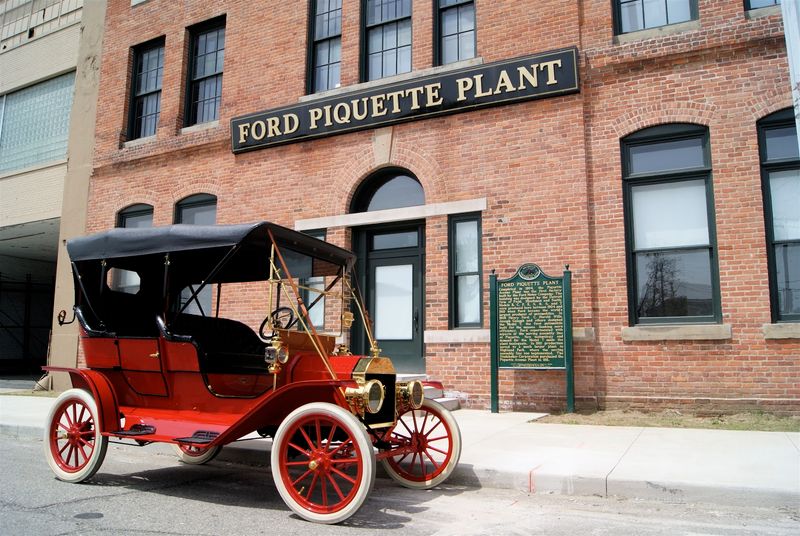
Few museum settings match the punch of an old factory floor, and this Detroit stop uses that advantage well. The building itself helps tell the story, with aged wood, brick, and industrial space shaping the visit before any label is read.
Instead of feeling polished in a modern way, the site leans into its early automotive roots.
Inside, attention naturally shifts to early Ford history, manufacturing ideas, and the kind of machines that launched a transportation revolution. Visitors can study vehicles that look simple by current standards yet changed daily travel in a huge way.
Seeing them in a historic plant makes the gap between invention and mass production easier to understand.
Plan extra time for the structure, not only the cars. Stairways, windows, beams, and room layouts help explain how workers and machines shared space in a growing industry.
That context matters, because the story of automobiles in Michigan is also the story of factories, labor, and problem solving on a large scale.
Families with older kids may find this museum especially useful because it connects school lessons about industry to something physical and memorable. Instead of reading about production systems, visitors stand where important work once happened.
That simple shift makes history more concrete and much easier to picture.
Wear comfortable shoes and be ready to look up, around, and under details that newer museums sometimes smooth away. The Ford Piquette Avenue Plant Museum rewards curiosity more than speed.
For travelers who want one stop that combines architecture, manufacturing history, and iconic automobiles, it offers a strong Detroit experience with a sharper edge than a standard gallery.
3. Wills Sainte Claire Auto Museum – Marysville
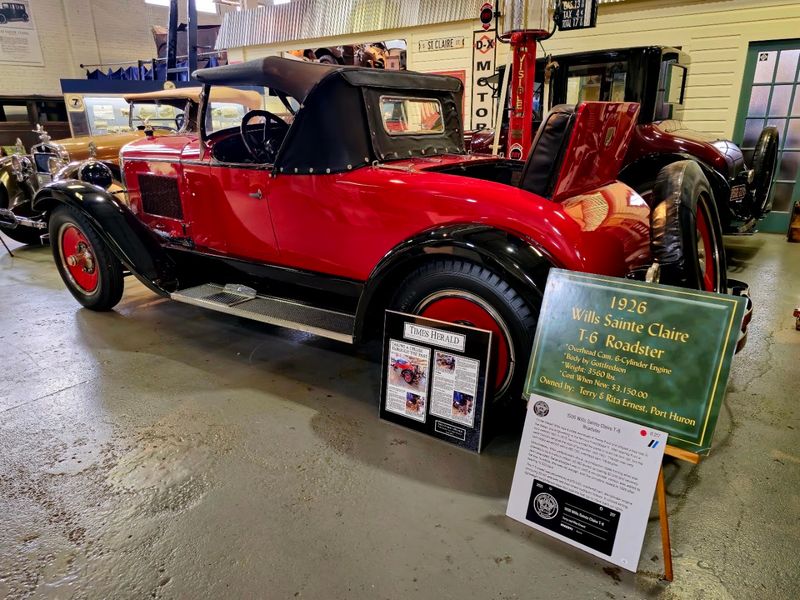
Marysville offers a quieter kind of car museum, and that is part of the appeal. Instead of chasing sheer size, this stop gives attention to a lesser known automotive name that can surprise even seasoned museum goers.
The result is a visit that feels focused, approachable, and a little off the usual path.
The Wills Sainte Claire name opens a door into an earlier chapter of Michigan motoring, when companies experimented boldly with style, engineering, and identity. Rare vehicles and related displays can help visitors understand how crowded and creative the auto business once was.
Not every brand survived, but each one added ideas to the larger story.
Take time to read the interpretive material here, because context is especially important in a museum built around a name many people do not already know. Once that background clicks, the cars become easier to appreciate.
Details such as wheel design, body shape, lamps, and trim begin to stand out more clearly.
Small museums often make conversation easier too. Questions about a certain model, local connections, or the era itself can lead to a richer visit than a fast pass through a giant hall.
That pace works well for travelers who enjoy learning through close looking rather than checking famous names off a list.
Pair the stop with other southeastern Michigan automotive sites if you want a broader route, or use it as a stand alone visit for a shorter day trip. Wills Sainte Claire Auto Museum adds variety to any museum plan because it highlights ambition, rarity, and regional history without relying on blockbuster scale.
Sometimes the most memorable stop is the one that teaches a story many visitors did not expect to find.
4. Gilmore Car Museum – Hickory Corners
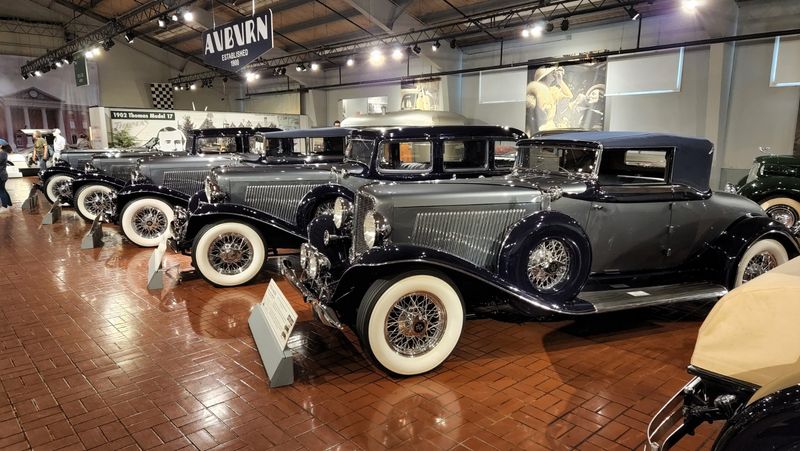
Big museum days need good walking shoes, and Gilmore Car Museum is that kind of place. Spread across a large campus in Hickory Corners, it offers room to wander, pause, and shift from one automotive era to another without feeling boxed in.
The setting adds breathing space that many indoor only museums cannot match.
Visitors often enjoy the variety first. One area may highlight elegant classics, while another leans into everyday cars, signs, mascots, or restored buildings that frame the vehicles in a broader roadside culture.
That mix helps the museum appeal to serious car fans, families, casual travelers, and people who mainly came along for the ride.
A useful strategy is to treat the campus like a neighborhood instead of a single gallery. Pick a few must see sections, then leave room for unexpected finds such as a strange dashboard layout, a bright paint color, or an old service station setup.
Those surprise moments can end up being the stories everyone talks about later.
Because there is so much ground to cover, pacing matters. Start earlier in the day if possible, take breaks, and wear clothes that fit the weather.
A visit becomes more enjoyable when there is time to sit, regroup, and decide what to explore next rather than hurrying through dozens of displays.
Gilmore also works well as a hub because other automotive attractions nearby can turn Hickory Corners into a full destination for enthusiasts. Even so, the museum stands firmly on its own.
Between the large collection, the open layout, and the strong sense of automotive culture beyond the cars themselves, it delivers a broad Michigan experience that rewards both planners and happy wanderers.
5. R.E. Olds Transportation Museum – Lansing
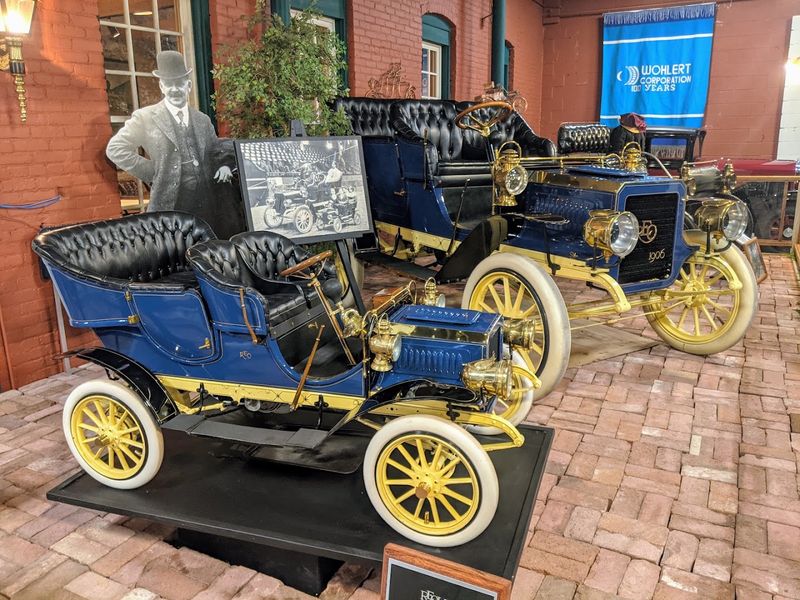
Lansing’s automotive story runs deep, and this museum gives that history a clear home. Centered on R.E.
Olds and related transportation themes, the collection helps visitors trace how one important name connects to Michigan industry. The museum may not overwhelm with size, but it offers a strong through line that keeps the visit easy to follow.
Inside, expect a mix of vehicles, brand history, and exhibits that point to innovation, manufacturing, and changing travel habits. Looking at older Oldsmobiles beside supporting displays can help visitors notice how engineering and public taste moved together over time.
Even small changes in controls or body shape tell part of that larger story.
One smart approach is to compare the museum’s transportation focus with other brand centered stops around the state. Doing that makes Lansing stand out for its role in a broader network of ideas, companies, and workers.
Instead of treating each museum like an isolated attraction, travelers can start seeing a statewide conversation.
The museum also works well for people who want digestible history. Labels and objects usually support one another in a way that lets visitors build knowledge quickly without needing expert background first.
Younger readers may find it easier to connect with history when it comes attached to steering wheels, dashboards, and machines built for real roads.
If possible, leave time after the visit to explore Lansing with fresh eyes. Street names, old industrial areas, and public landmarks can carry more meaning once the R.E.
Olds story is in mind. For a Michigan museum route, this stop adds a useful chapter on how transportation innovation shaped one city while also feeding a much bigger automotive identity across the state.
6. Stahls Motors & Music Experience – Chesterfield Township
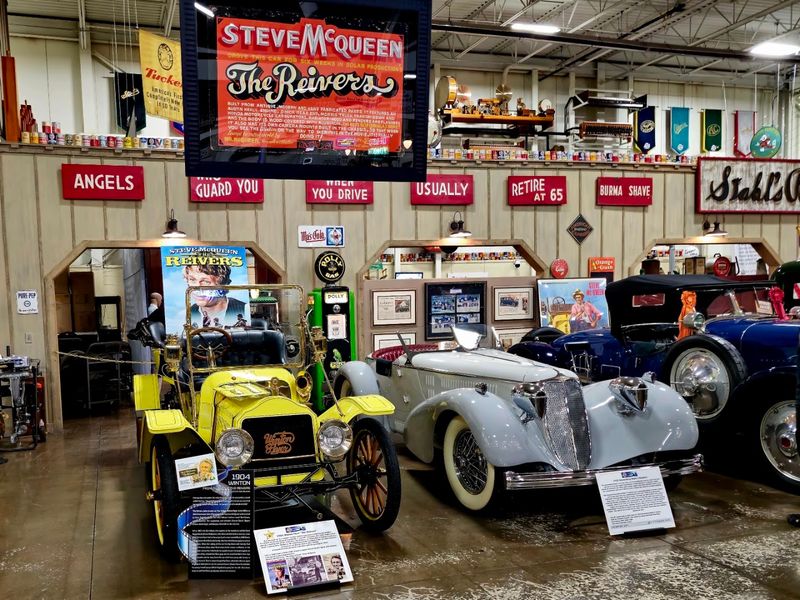
Cars and music share a natural rhythm, and this Chesterfield Township museum leans into that connection with style. A visit here can shift quickly from polished automobiles to jukeboxes, mechanical music, and other pieces of popular culture.
That combination gives the experience a playful twist without losing the historical side.
Instead of looking at cars alone, visitors get a wider picture of how people spent free time, showed off status, and enjoyed technology. Chrome, sound, color, and design all work together in a way that can make even non car fans pay attention.
It is a strong stop for groups with mixed interests because the exhibits offer more than one entry point.
Try noticing how entertainment objects and vehicles often share similar styling cues. Rounded shapes, bright finishes, decorative trim, and bold branding show up across both categories.
Once that pattern clicks, the museum becomes a fun lesson in how design trends spread through everyday life.
The pace here can feel different from a more serious factory museum, and that variety is useful on a longer trip. After several stops focused on production history or one specific company, Stahls changes the mood.
It adds sparkle, sound, and a reminder that transportation history also connects to leisure, taste, and social life.
Bring someone who loves old songs, diner culture, or vintage decor, even if they usually skip automotive attractions. Stahls Motors & Music Experience offers easy conversation starters and plenty of visual interest.
On a Michigan museum loop, it serves as a lively counterpoint to more traditional collections and proves that machines become more memorable when the soundtrack of their era is close by.
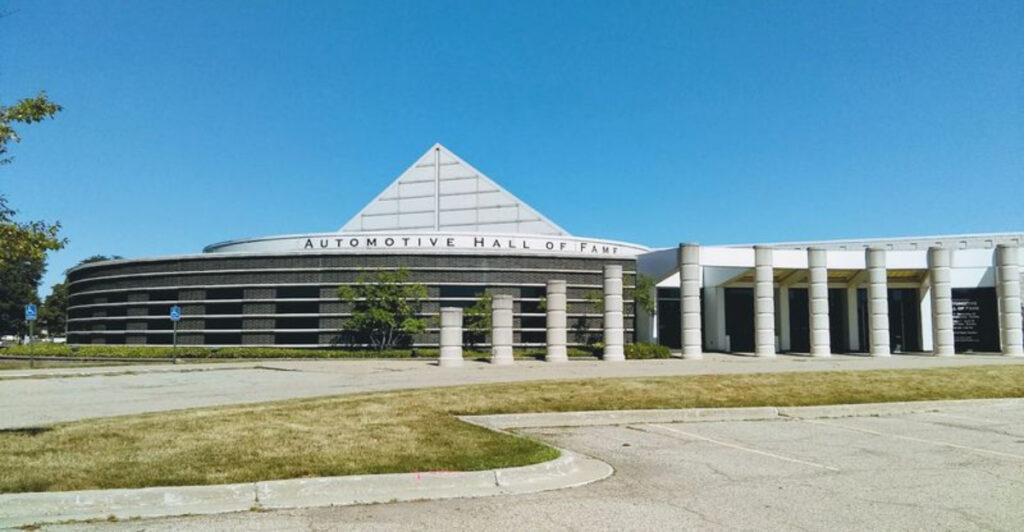
7. Automotive Hall of Fame – Dearborn
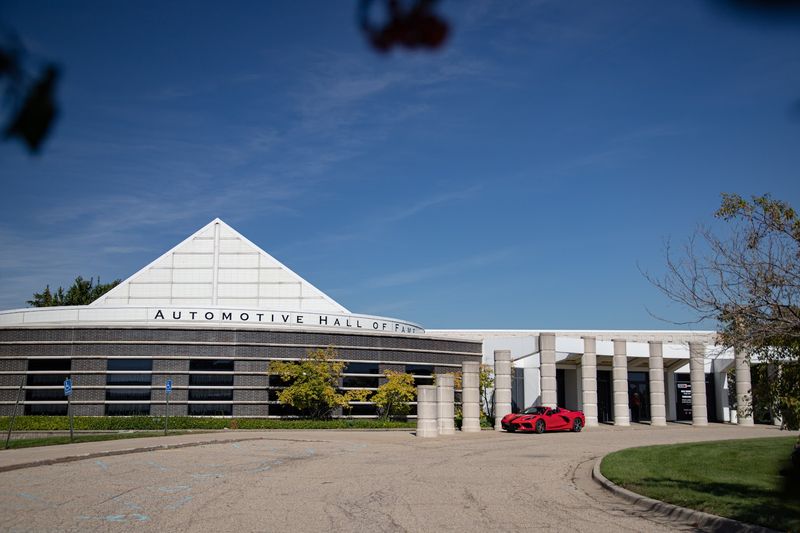
Not every great car museum is built around rows of vehicles, and Dearborn’s Automotive Hall of Fame proves that quickly. Here, the spotlight turns toward the people, ideas, and breakthroughs that shaped the industry.
That shift gives the visit a fresh angle, especially after several stops filled mainly with sheet metal and chrome.
Visitors can expect exhibits that connect major names, inventions, leadership stories, and industry milestones. The value lies in seeing how progress came from designers, engineers, business leaders, and many others whose work influenced the cars on the road.
A museum like this helps explain why certain companies rose, how ideas spread, and where transportation history intersects with everyday life.
Because the focus is broader than one brand, it works well as a middle point in a Michigan museum trip. After seeing specific models elsewhere, travelers can come here and place them into a larger narrative.
That wider frame makes earlier museum visits more meaningful and sharper in memory.
Older students may find this stop especially useful because it ties biography to technology. Reading about a person and then linking that story to a manufacturing change or famous vehicle can make abstract history easier to understand.
It also encourages visitors to think beyond the finished car and consider the many minds behind it.
Set aside a little mental energy for the text and timelines, since this museum rewards reading as much as looking. The payoff is perspective.
Automotive Hall of Fame adds balance to a road trip by showing that Michigan’s machine story was driven by vision, risk, teamwork, and long term influence, not only horsepower numbers or shiny paint under bright lights.
8. Sloan Museum of Discovery’s Durant Vehicle Gallery – Flint
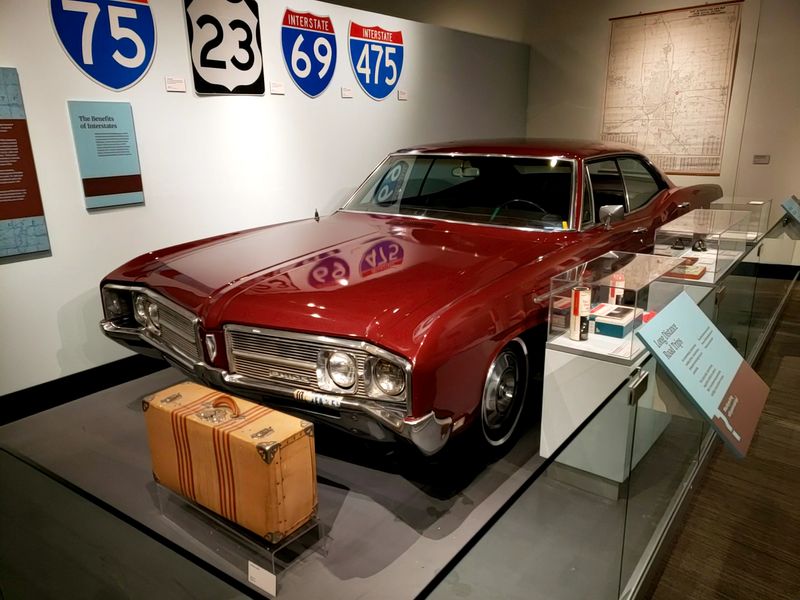
Flint has a central place in Michigan’s auto story, and the Durant Vehicle Gallery helps make that clear in a direct, visual way. Connected to Sloan Museum of Discovery, the gallery gives visitors a focused look at vehicles and history linked to a city that helped shape the industry.
It blends local pride with big industrial context.
The displays can help travelers understand Flint beyond headlines or broad summaries. Through cars, manufacturing history, and related interpretation, visitors start to see how business decisions, innovation, and community life overlapped.
A gallery like this turns local history into something concrete by placing real vehicles at the center of the conversation.
Try visiting with an eye for change over time. Notice how vehicle forms, controls, and interior features reflect shifts in technology and customer expectations.
When those design changes are paired with Flint’s wider story, the museum becomes more than a collection of old machines. It becomes a lesson in how one city participated in national transformation.
Because it is part of a discovery museum setting, the stop may appeal to families who want a broader educational outing rather than a single interest destination. Adults can follow the historical threads, while younger visitors often respond to the scale, shine, and unusual shapes of early vehicles.
That balance makes planning easier for mixed age groups.
Flint rewards thoughtful museum time, and the Durant Vehicle Gallery is a strong place to start. After a visit, the city’s role in American transportation can feel more specific and easier to picture.
For a list of essential Michigan automotive museums, this gallery belongs near the top because it connects vehicles, people, and place with unusual clarity.
9. Lincoln Motor Car Heritage Museum – Hickory Corners
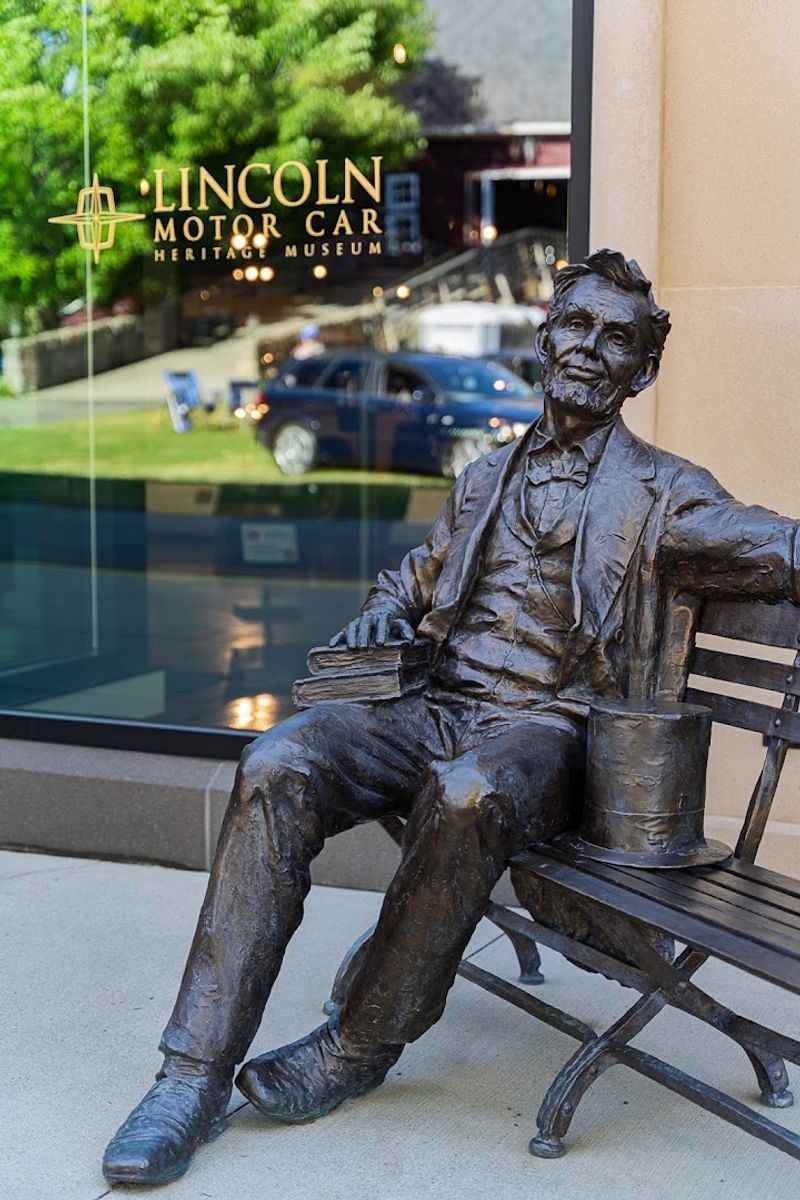
Luxury has its own language, and the Lincoln Motor Car Heritage Museum speaks it through metal, leather, trim, and careful design. Located in Hickory Corners, this museum offers a more specialized look than a broad all brand collection.
That tight focus helps visitors notice the details that define prestige across different eras.
Expect graceful body lines, thoughtful interiors, and exhibits that point toward craftsmanship, branding, and changing ideas of comfort. Looking closely at Lincoln models can reveal how luxury cars communicated status without using the same tricks in every decade.
Some rely on length and presence, while others lean on fine materials or cleaner design.
A good visit here starts with slowing down. Stand back to take in proportions, then move closer to inspect dash layouts, seat treatments, badging, and trim choices.
Those layered observations make the museum rewarding even for people who are not deeply invested in horsepower numbers or restoration terminology.
The museum also pairs nicely with nearby automotive sites, giving Hickory Corners an impressive range for one destination. After seeing broader collections, a Lincoln centered stop can sharpen the eye.
Visitors often leave with a better sense of how one brand tried to define elegance, national identity, and technical confidence at the same time.
Anyone planning a Michigan museum route should consider this a useful contrast piece. Where some collections emphasize industry at scale or everyday mobility, Lincoln Motor Car Heritage Museum leans toward refinement and image.
That difference matters, because the full story of cars in Michigan includes not only practical machines and famous firsts, but also the pursuit of comfort, prestige, and polished design.
10. Ypsilanti Automotive Heritage Museum – Ypsilanti
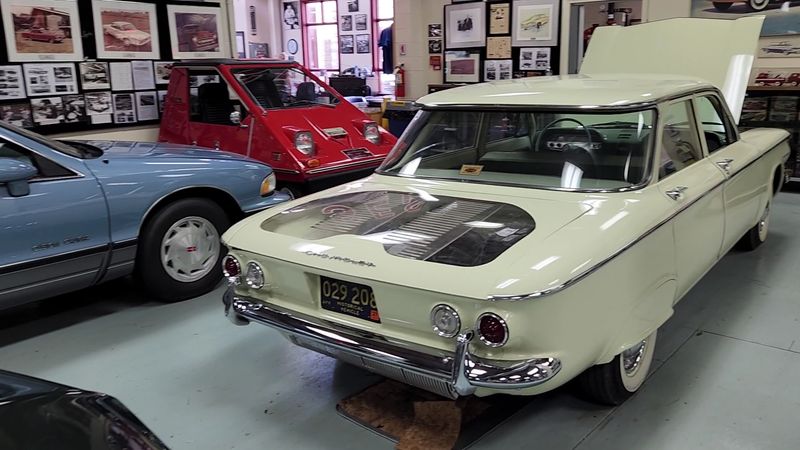
Ypsilanti’s museum carries a strong local flavor, and that gives it real personality. Rather than trying to cover every corner of car history, it concentrates on automotive stories tied to the community and the companies connected to it.
That close to home emphasis makes the visit easy to remember.
Visitors may encounter exhibits that highlight local manufacturing, notable vehicles, and the people who built, sold, or celebrated them. The museum can be especially interesting for travelers who enjoy seeing how national industry grew through specific towns and regional networks.
Big history often becomes clearer when it is told through one place at a time.
Because the setting is more intimate, small details have room to stand out. A sign, badge, photograph, or service item can carry almost as much weight as a full size car when it is placed in the right story.
That scale encourages slower looking and makes conversation feel natural instead of rushed.
Ypsilanti itself adds to the experience. Walking or driving through town after the museum can help visitors connect exhibits to the streets, buildings, and local identity around them.
That extra context is valuable, especially for readers who want museums to feel tied to real communities rather than separate from them.
On a longer Michigan route, Ypsilanti Automotive Heritage Museum offers a welcome change of pace from giant institutions. It brings the automotive story down to human size, where local memory, regional pride, and individual machines all share space.
For travelers who like museums with a clear sense of place and a direct line to community history, this stop earns attention in a very solid way.
11. The Henry Ford Museum of American Innovation – Dearborn
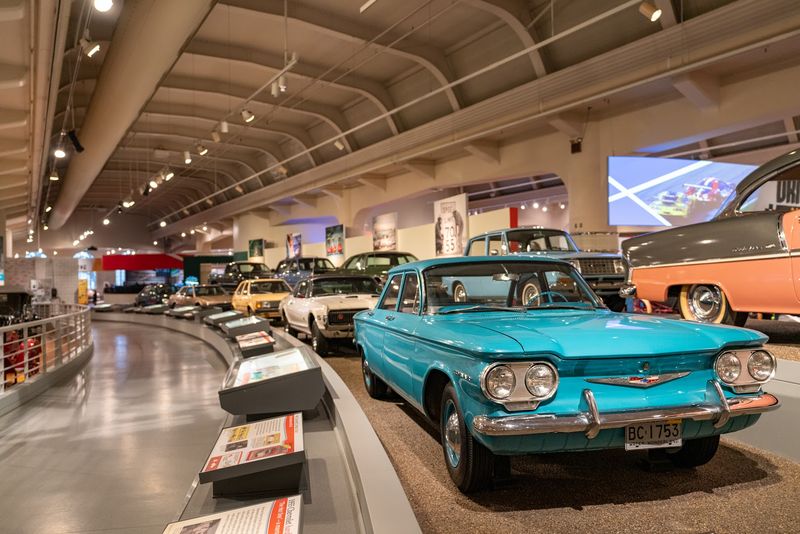
Some museums aim wide, and The Henry Ford does exactly that with confidence. In Dearborn, visitors can move through a huge story about invention, industry, transportation, and American life, with automobiles playing a major role.
The scale alone can be impressive, but the real strength is how many different threads meet under one roof.
Car lovers will have plenty to study, yet the museum works just as well for relatives or friends whose interests stretch toward technology, culture, or national history. Vehicles sit within a larger narrative about problem solving, production, design, and change.
That broad frame helps visitors understand cars not as isolated objects, but as tools and symbols that shaped society.
Going in with a plan makes a big difference. Pick a few must see transportation areas, then allow extra time for surprises in nearby galleries.
A single famous vehicle can pull attention first, but smaller objects, signs, and related inventions often deepen the story in useful ways.
Because the museum is large, breaks matter. Sit down, check the map, and decide what deserves a second look instead of trying to conquer every aisle at once.
Families especially benefit from pacing, since younger visitors may absorb more when the day includes pauses between big visual moments.
For a Michigan museum trip, The Henry Ford provides one of the widest lenses available. It connects rare machines to labor, innovation, design, and daily experience in a way few places can match.
Even travelers focused mainly on classic cars will leave with a broader understanding of how transportation fits into the bigger American story, and that added context can sharpen every museum stop that follows.
12. Packard Proving Grounds Historic Site – Shelby Township
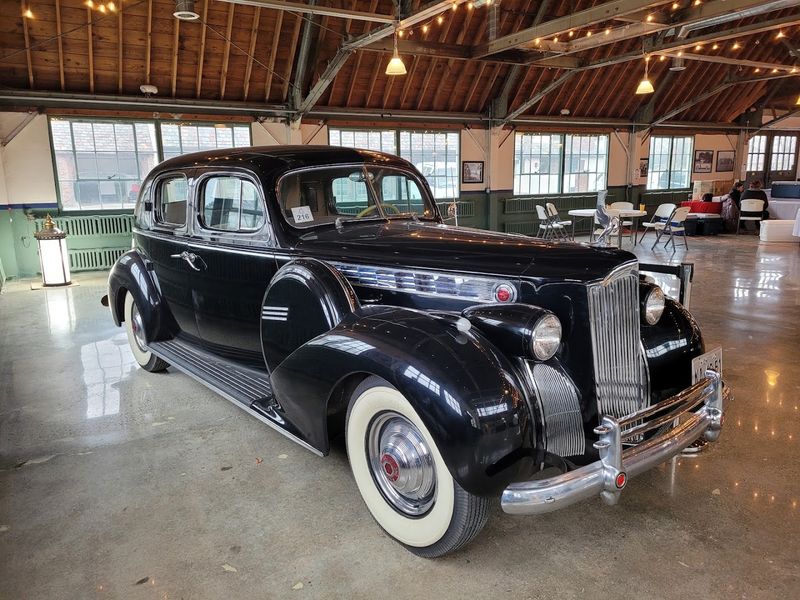
Testing grounds tell a different kind of automotive story, and Packard Proving Grounds brings that angle into view. Instead of focusing only on finished showroom cars, the site points toward evaluation, engineering, and the work required before a vehicle earned confidence.
That perspective adds welcome variety to a Michigan museum list.
The historic setting matters here. Buildings, grounds, and preserved features help visitors imagine a time when performance and durability had to be checked in ways that were physical, direct, and often demanding.
Even without watching a test in action, the site can spark vivid mental pictures of development work behind the scenes.
Packard’s name also adds a layer of prestige and curiosity. Many travelers know the brand as a symbol of luxury, but a proving ground reminds them that reputation depended on more than appearance.
Cars had to be examined, adjusted, and challenged before they reached customers, and that process deserves attention too.
One good way to approach the visit is to focus on process rather than perfection. Ask what questions engineers might have needed to answer, what road conditions mattered, or how changes were measured over time.
Those thoughts make the site more engaging than simply treating it as a background for photographs.
Because it combines architecture, landscape, and automotive heritage, Packard Proving Grounds Historic Site can appeal to visitors who enjoy preservation as much as vehicles themselves. It also breaks up a museum route filled with indoor galleries by adding outdoor context and a different rhythm.
In the bigger picture of Michigan transportation history, this stop highlights the hard, careful work that stood between a bold idea and a dependable machine ready for the road.
13. Model A Ford Museum – Hickory Corners
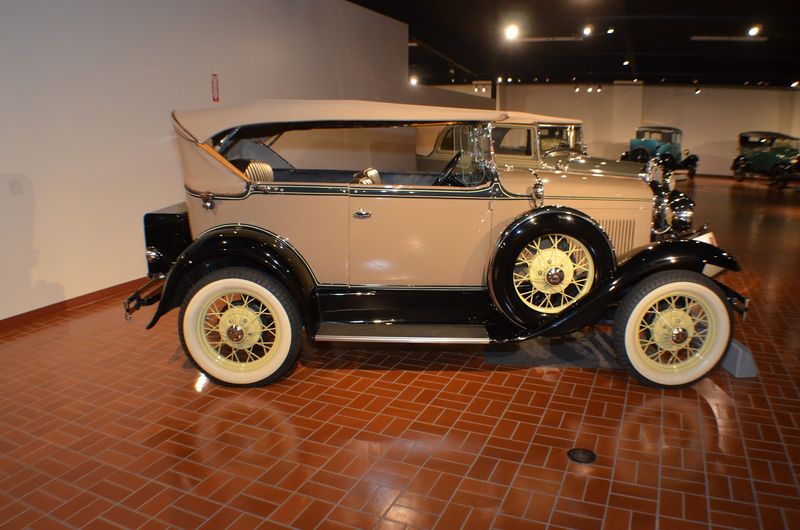
One model can support an entire museum when that model shaped everyday life in a big way. The Model A Ford Museum in Hickory Corners takes that focused route and turns it into a strength.
By staying centered on one famous vehicle line, it gives visitors room to go deeper instead of wider.
At first glance, a museum devoted to Model A Fords might sound narrow, but the opposite often happens. Once several examples are seen together, differences in body styles, accessories, finishes, and practical uses become easier to spot.
That kind of close comparison teaches more than a single car in a mixed collection usually can.
Visitors who are new to old cars may enjoy the clear entry point. There is no need to juggle dozens of brands or timelines at once.
Focus can stay on how one vehicle family fit into its era, how people used it, and how parts of the design balanced function, affordability, and style.
The museum also makes a nice pairing with the broader Hickory Corners attractions nearby. After spending time in larger collections, a dedicated Model A stop can sharpen attention and slow the pace in a helpful way.
It invites visitors to trade quantity for detail, which can be a smart move late in a museum packed trip.
Bring curiosity about ordinary transportation as well as famous history. Model A Ford Museum reminds travelers that automotive change was not only about rare luxury cars or dramatic racing machines.
It was also about dependable vehicles that reached families, workers, and communities in practical ways. That grounded perspective rounds out a Michigan museum route and adds a satisfying final chapter for anyone interested in how classic cars fit real life.
Share this story