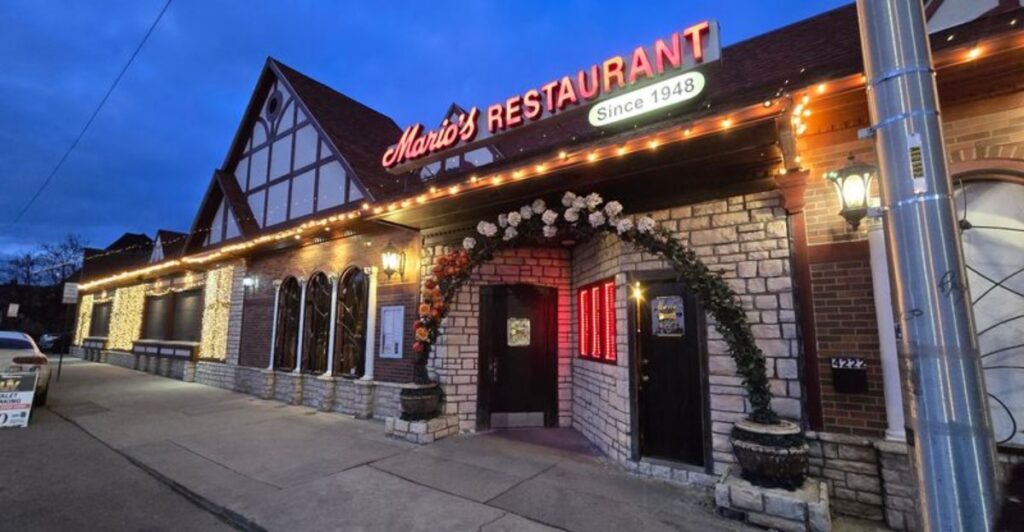
Dinner feels more memorable when the restaurant still treats the whole evening like an occasion. In Detroit, Michigan, Mario’s Northern Italian Cuisine & Banquet Center keeps old-school dining traditions alive with polished service, rich Italian dishes, and a formal atmosphere that encourages guests to slow down instead of rushing through the meal.
The appeal comes from how complete the experience feels, from the room to the service to the sense that dinner still deserves a little ceremony. It carries plenty of history without feeling frozen in time.
For anyone who misses the kind of Michigan restaurant where a night out feels like a real event, Mario’s deserves a closer look.
A Detroit dining room that still dresses for the occasion
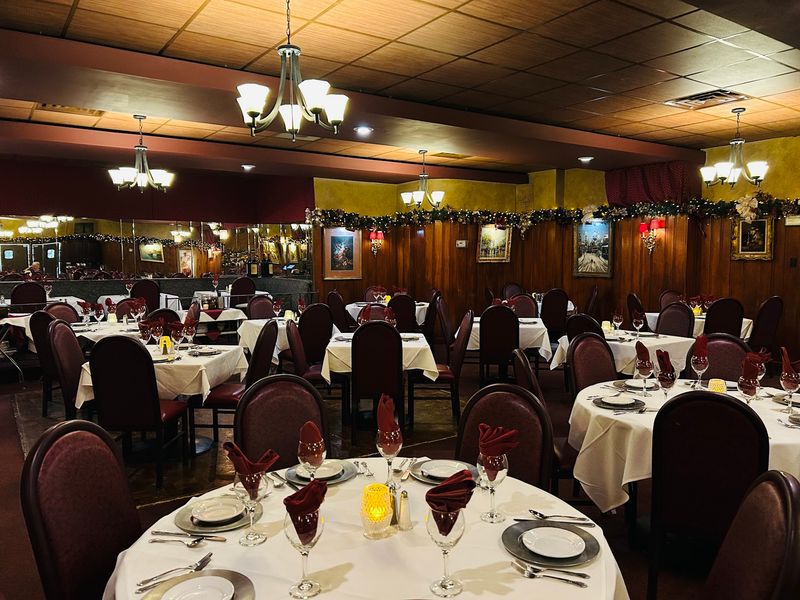
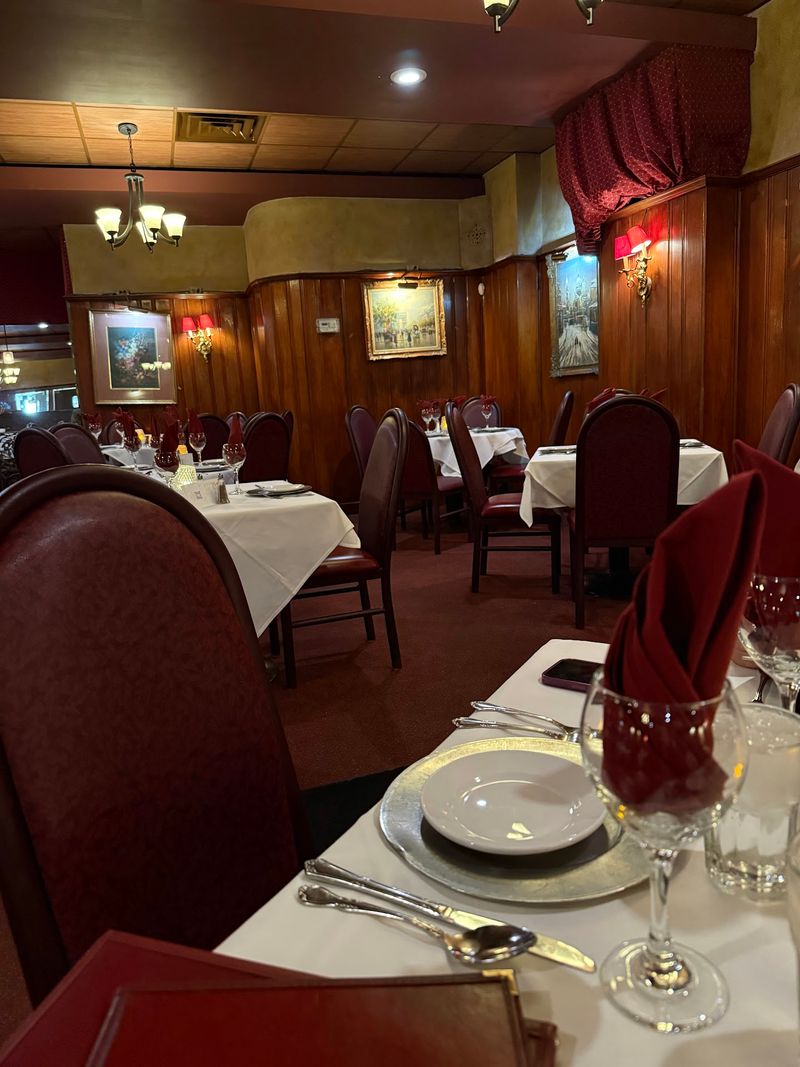
Some places tell you right away what kind of night you are about to have. At Mario’s Northern Italian Cuisine & Banquet Center, the clue is in the room itself: white tablecloths, low light, polished surfaces, and staff in tuxedos moving with steady purpose.
The setting leans into supper club style instead of chasing modern trends, and that choice shapes everything that follows.
Rather than loud screens and quick table turnover, the dining rooms aim for ceremony. A fireplace, classic music, and a separate bar area help create a slower rhythm that fits the restaurant’s long-running identity in Detroit.
If you usually eat in casual spots, the first few minutes may feel almost surprising, but that is part of the charm. Mario’s asks you to settle in, look around, and notice details that many restaurants stopped caring about years ago.
That visual style matters because it changes how people behave. Families dress up a little more, couples lean into date-night mode, and celebrations gain a touch of formality without becoming stiff.
Even lunch can feel special when the room suggests that the meal should be treated as an event.
If you are planning a visit, it helps to embrace the mood instead of fighting it. You do not need to act fancy, but you should expect a polished, old-fashioned setting that values manners, pacing, and presentation.
The reward is a dining experience that stands apart from most current restaurant design. In a city full of energy and reinvention, Mario’s keeps one foot planted in a classic Detroit tradition, and the room itself makes that clear before the bread ever reaches the table.
The meal arrives in waves, not in a rush
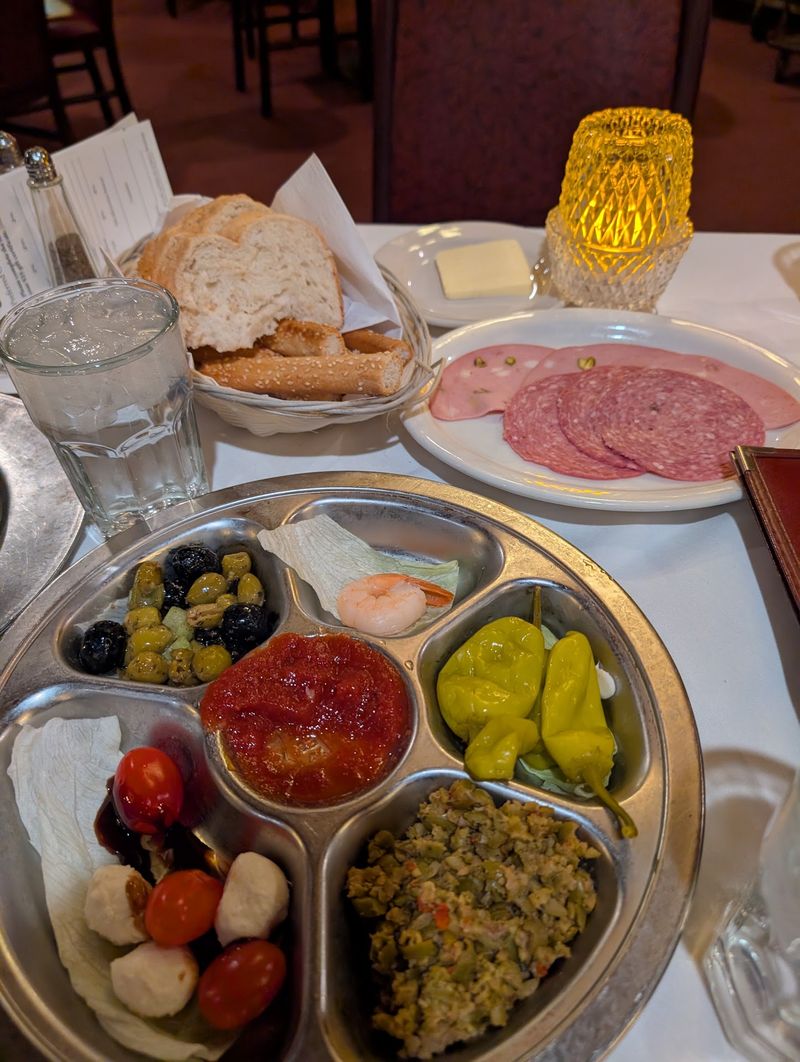
Hunger is handled a little differently here. At Mario’s, dinner is not built around a single plate dropped in front of you as fast as possible.
The experience often unfolds in courses, starting with bread and a relish or antipasto-style tray, then moving to salad, soup, pasta or sides, and finally the main dish.
That structure is a major reason the restaurant stands out. It brings back a style of dining that used to be common in classic American Italian restaurants, where a meal felt layered and generous instead of stripped down.
Warm bread, minestrone, a crisp salad, and small extras turn the table into a fuller scene, not just a stop between errands.
For first-time diners, that pacing can be a surprise, especially if you are used to quicker service. The smartest move is to arrive with time on your side and treat the courses as part of the entertainment.
Order with the full meal in mind, because the early rounds can already be filling before the entree appears.
There is also a practical upside to this approach. It works well for family gatherings, anniversary dinners, and celebratory lunches because each course creates a fresh moment at the table.
Conversation has room to build, and the meal keeps changing shape rather than peaking all at once.
Not every diner wants a long supper, and Mario’s does not pretend otherwise. Still, if you enjoy restaurants that let a meal stretch out and develop, the format can be half the fun.
In a city where quick bites often dominate, this traditional course-by-course flow keeps classic Italian dining alive in a very visible, very edible way.
Tableside touches turn dinner into a small performance
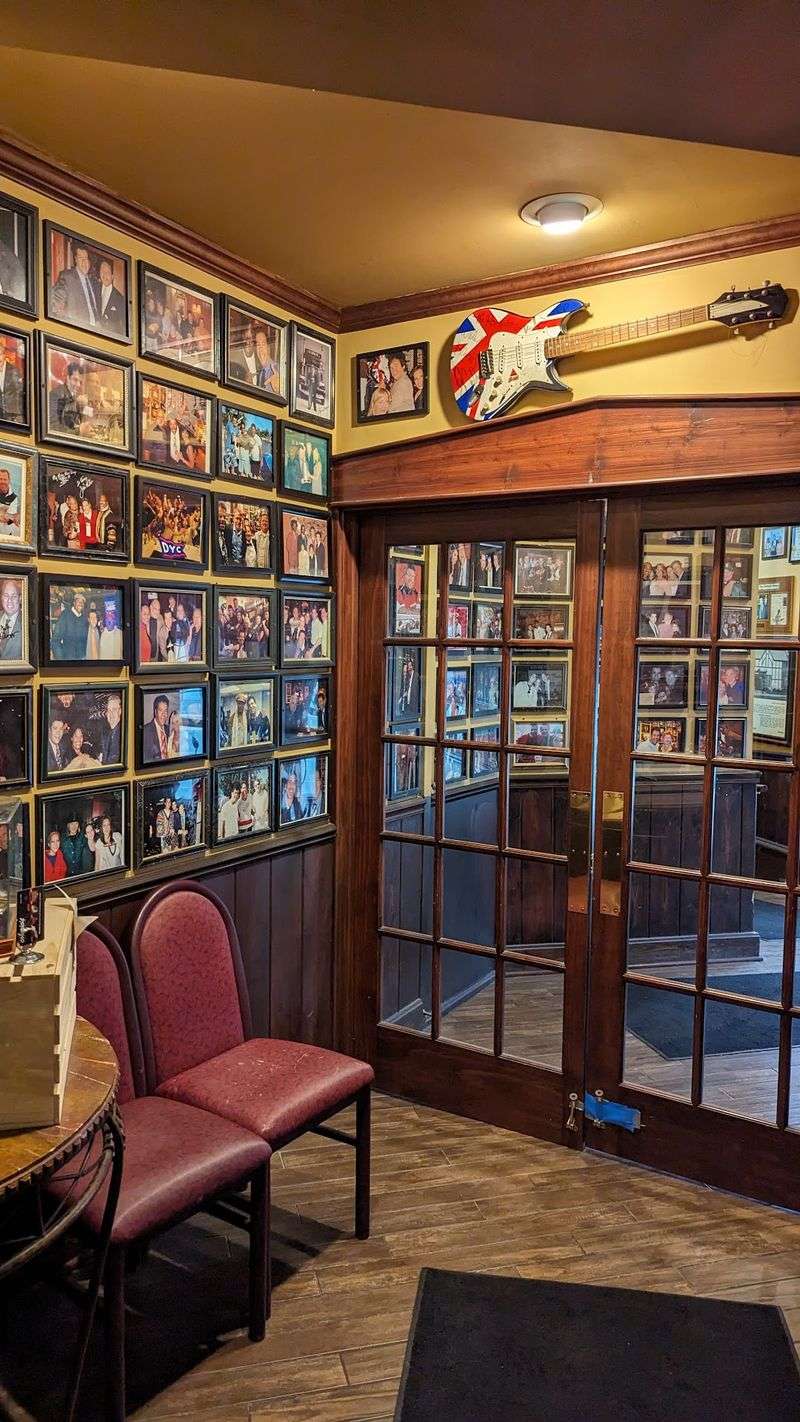
Every restaurant serves food, but only a few still put part of the preparation right in front of you. At Mario’s, tableside service helps keep the meal lively.
Caesar salad tossed near the table or fettuccine Alfredo finished in view adds movement, aroma, and a little stagecraft to the evening.
That old-school flourish is not just for show. It reminds diners that hospitality can be visible and personal, not hidden behind kitchen doors or reduced to a quick plate drop.
When a server mixes, tosses, or finishes a dish in front of you, the meal gains a sense of occasion that chain restaurants rarely offer.
The effect is especially strong in a room already built for classic supper club dining. Soft music, formal service, and vintage decor make those moments land better because the surroundings support them.
Instead of feeling forced, the tableside elements fit the restaurant’s identity and help explain why many longtime diners return for the full experience, not only for a single favorite entree.
If you want to enjoy this side of Mario’s, it is worth asking your server about dishes prepared or finished in the dining room. Some menu items and service details may vary by day or shift, so a simple question can guide you toward the most interactive part of the meal.
That is useful for birthdays, date nights, or bringing someone who has never seen classic restaurant service done this way.
In practical terms, tableside preparation also slows you down in the best possible sense. You watch, listen, and pay attention.
For a few minutes, dinner becomes more than eating. It becomes a shared event, built from small gestures, practiced skill, and the kind of restaurant confidence that is harder and harder to find.
Big flavors carry the old-school Italian promise
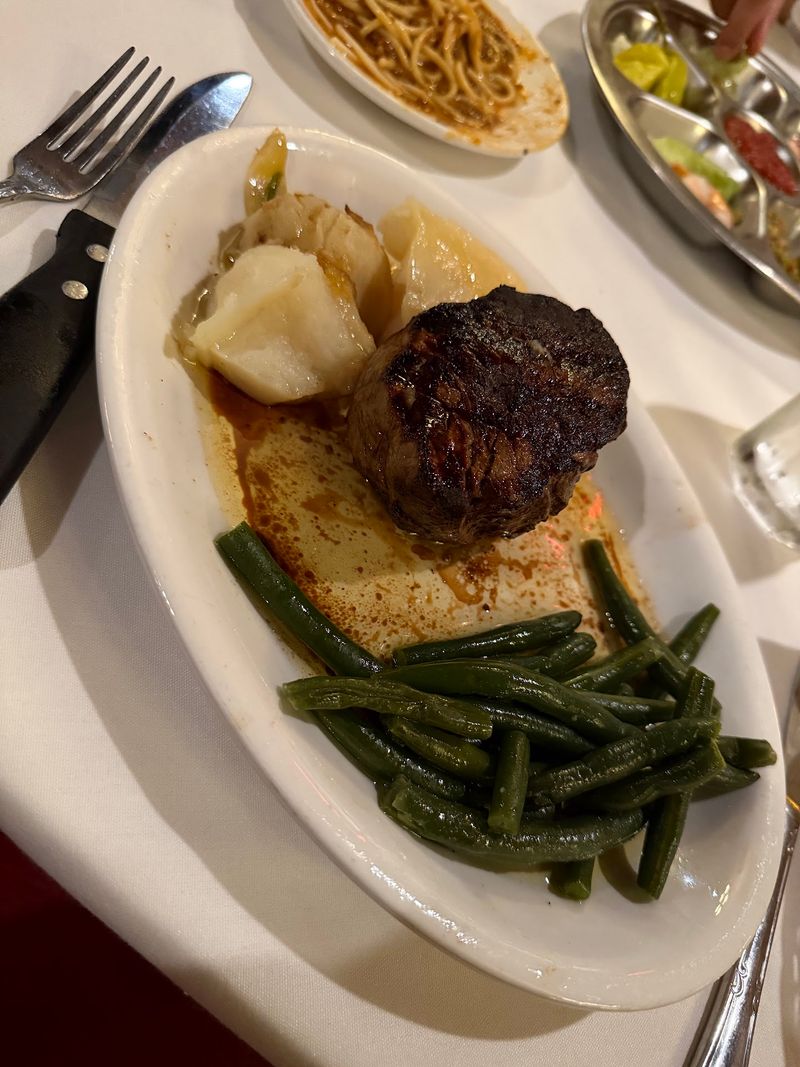
Plenty of nostalgia-focused restaurants lean so hard on mood that the food becomes an afterthought. Mario’s avoids that trap by building its identity around rich, familiar Italian dishes and supper-club favorites that match the room.
Minestrone, chicken piccata, cannelloni, eggplant parmigiana, lamb chops, shrimp cocktail, and pasta dishes all help define the place.
The menu works best when you understand its style. This is not a tiny-portion, ultra-minimal kind of restaurant.
Sauces, soups, bread, sides, and classic preparations are meant to feel hearty and complete, the kind of meal that can carry a full evening and send you home satisfied.
Several details give the food extra personality. The relish tray and bread set the tone early.
Soup and salad add tradition, while popular mains offer both Italian comfort and steakhouse crossover appeal, which fits the supper club model. That range matters if your group includes someone craving pasta and another person eyeing a steak or chops.
If you are visiting for the first time, ordering with balance helps. A lighter starter can leave more room for the entree, especially since the meal often includes more than one opening course.
If you prefer a classic restaurant dish rather than a trendy one, this is the moment to choose boldly and lean into the house style.
No long-running restaurant pleases every palate in exactly the same way, and personal taste always plays a role. Still, Mario’s reputation is tied to abundance, strong flavors, and a menu that has held onto dishes many newer restaurants no longer bother to serve.
That commitment keeps the food grounded in a tradition that still has real appetite appeal in Detroit.
Detroit, Michigan keeps showing up in the story
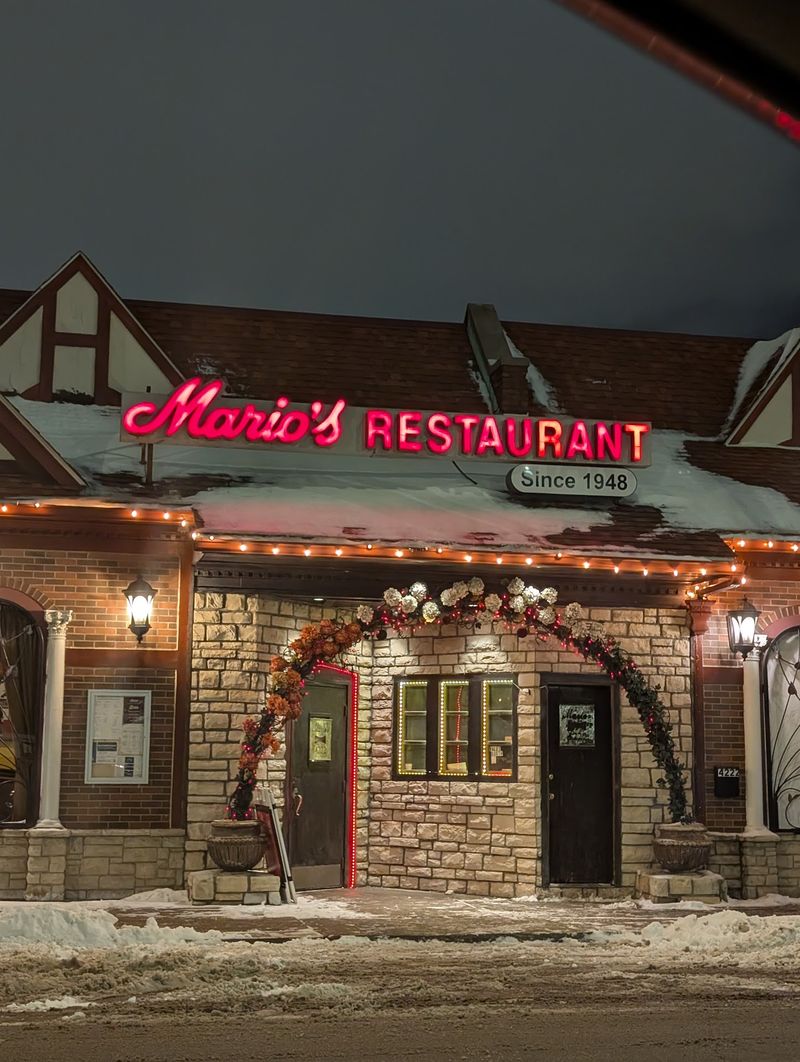
Longevity changes how a restaurant works in a city. Mario’s is not simply a place to eat near 2nd Avenue.
Over many decades, it has become part of how some Detroit families celebrate birthdays, anniversaries, reunions, and special nights out. That local role gives the restaurant weight beyond the menu.
Older establishments often survive by becoming useful at key moments in people’s lives. Mario’s seems to fit that pattern well because its formal dining room, banquet capability, and traditional service naturally suit milestone events.
The setting can hold a quiet dinner for two, but it also makes sense for bigger gatherings where dressing up and lingering over several courses still feels right.
The Detroit connection matters for another reason too. In a city known for reinvention, development, and constant motion, places that hold their identity create a different kind of value.
They offer continuity. You can see it in the way the restaurant keeps supper-club customs alive instead of remaking itself into a casual concept just to match current fashion.
If you are exploring Detroit and want a meal that reflects local dining history rather than only current trends, Mario’s fills that role well. It adds context to the city by showing how older restaurant culture once looked and, in this case, still looks.
That can be especially interesting if your day already includes modern Detroit energy, new venues, and fast-moving neighborhoods.
For locals, the restaurant offers something equally useful: a dependable setting for occasions that need more ceremony than a quick neighborhood spot can provide. For out-of-town visitors, it offers a slice of Detroit hospitality with roots.
Either way, the restaurant’s staying power tells its own story, one built from repeat celebrations, recognizable rituals, and a city that still leaves room for tradition.
Go when you want an evening, not just a quick bite
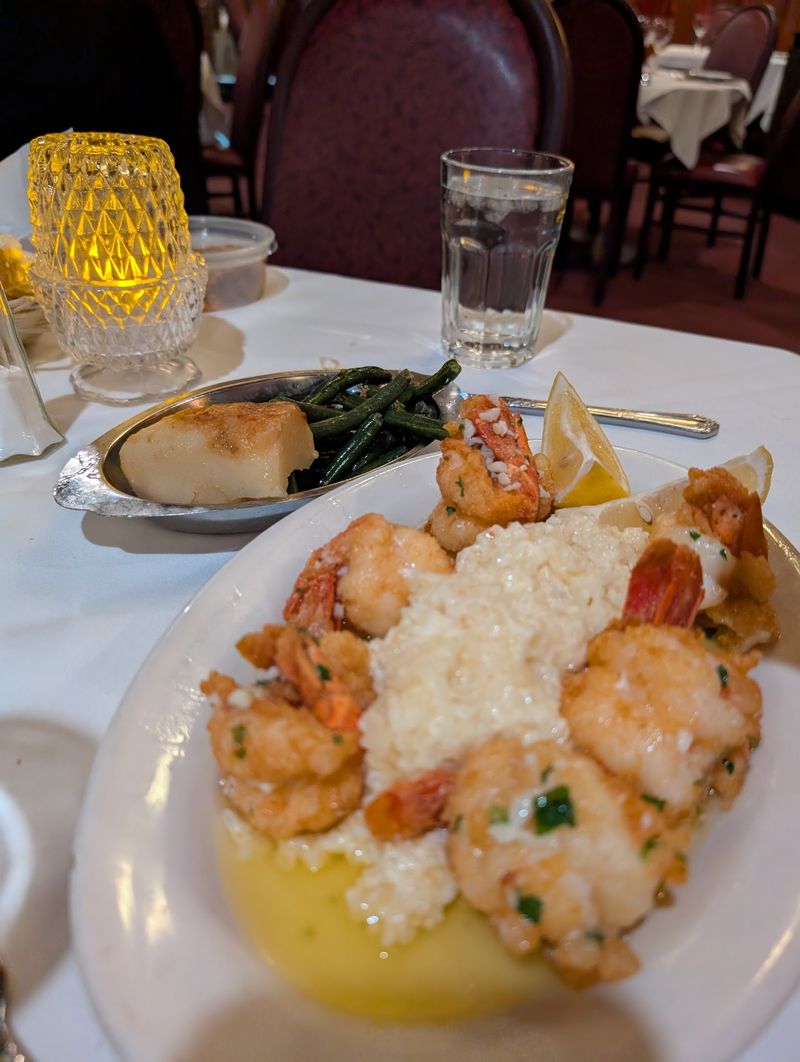
Timing shapes your experience at Mario’s more than it does at most restaurants. This is the kind of place that rewards patience.
If you arrive expecting a fast in-and-out meal, the pacing may feel slow. If you arrive ready for a proper evening, the format makes much more sense.
That difference is useful to know before you book a table. Mario’s leans into the supper club idea, which means several courses, attentive table service, and a dining rhythm that can stretch longer than modern casual spots.
On the right night, that is exactly the point. The meal becomes the plan instead of a stop before the real plan.
For date nights, anniversaries, and family celebrations, this can work beautifully. You have time to talk, listen to music, enjoy tableside moments, and let the room set the pace.
If you are headed to a game, show, or event, though, it is smart to build in extra time or choose a less elaborate outing. A restaurant like this asks for a little schedule awareness.
Lunch can be a strong option if you want the style without the busiest evening energy. Midweek visits may also give you more breathing room to enjoy the details of the room and service.
Weekend dinners, on the other hand, tend to make the most sense when you are intentionally leaning into the classic night-out experience.
A practical mindset helps too. Come hungry, avoid stacking too many appetizers unless you plan to share heavily, and do not be surprised if the table fills up in stages.
Mario’s is at its best when you let it be what it wants to be: a traditional restaurant where dinner has shape, time, and a touch of ceremony built into every course.
Why this old-school classic still matters now
Trends move fast, especially in restaurant culture. Menus shrink, dining rooms get louder, service gets more casual, and meals turn into quick transactions.
Mario’s stands apart because it still commits to a fuller version of going out to eat, one built on ritual, presentation, and time.
That commitment is why the restaurant still matters. It offers a live example of classic Italian-American dining as a social event, not a background activity.
You are not just choosing pasta or steak. You are choosing a room with personality, a service style with history, and a pace that asks you to be present for more than a few rushed bites.
There is also real value in places that do not flatten themselves into sameness. Mario’s has quirks, traditions, and a strong sense of identity.
For some diners, that will be the whole appeal. For others, it may take a visit or two to understand the rhythm.
Either way, the restaurant does not disappear into the giant pile of interchangeable dining options.
If you are curious about old-school restaurants but have only experienced modern chains or trendy small plates spots, Mario’s can be an eye-opening contrast. The formal servers, course-based meals, classic music, and banquet-scale confidence show how dining out once signaled celebration in a much bigger way.
That history becomes easier to appreciate when it is still active instead of framed behind glass.
The strongest takeaway is simple. Mario’s keeps a classic format alive in a city that knows how to honor its past while still moving forward.
That balance gives the restaurant purpose. It is not trying to be the newest room in Detroit.
It is preserving a style of hospitality that many places gave up, and that alone makes it a standout on the local dining map.