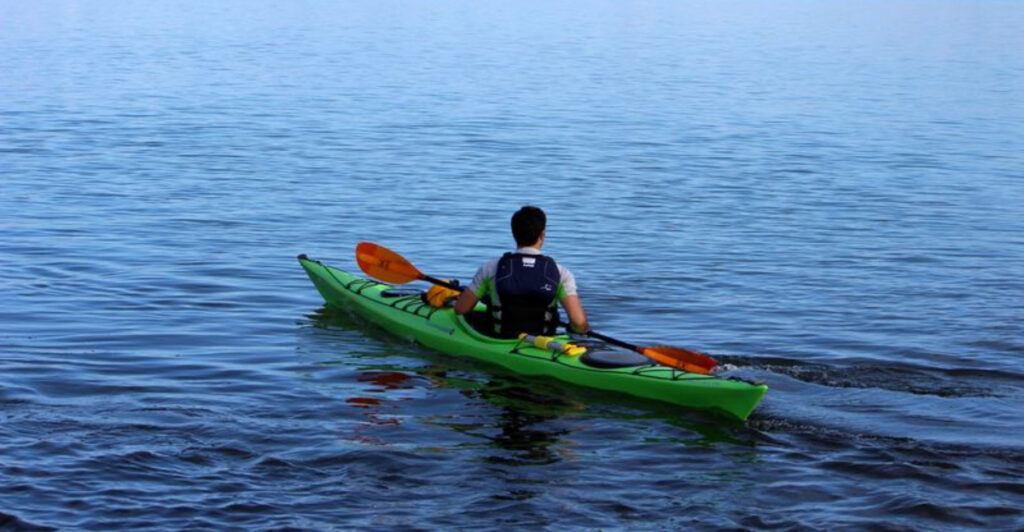
The best paddling days are the ones that make you forget what time you launched. Across Michigan, kayaking routes stretch from calm inland channels to dramatic Great Lakes shoreline, giving every kind of paddler a reason to slow down and stay out longer.
Some trips are quiet and glassy, others come with clear shallows, wooded banks, big-water views, and enough scenery to make turning around feel premature. These 12 Michigan kayaking spots make a strong case for clearing the schedule, packing the dry bag, and letting the water decide the pace.
1. Chain of Lakes Water Trail
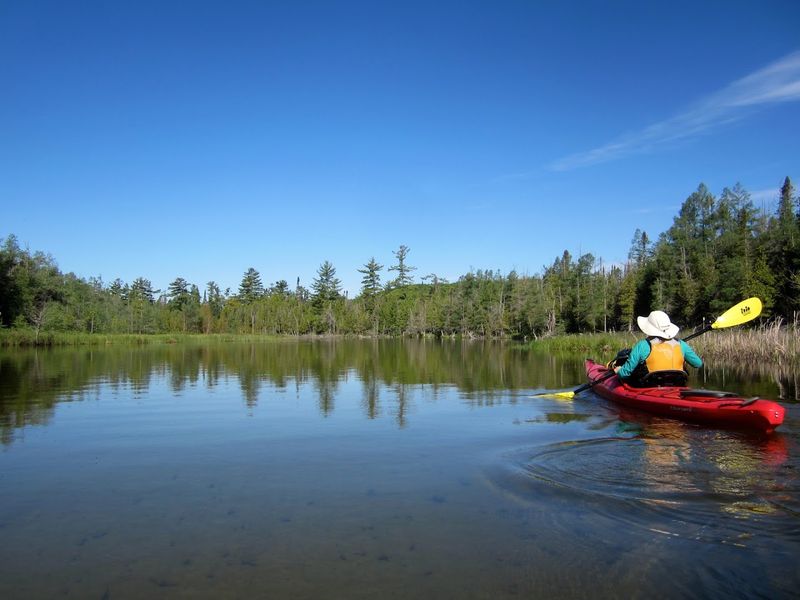
Some paddling routes dare you to move faster. The Chain of Lakes Water Trail does the opposite, and that is exactly why it works so well.
You slip from lake to channel to river with a rhythm that never feels forced, and the variety keeps your eyes busy without turning the day into a workout.
This route shines when you treat it like a long conversation instead of a timed event. One stretch opens wide with bright water and boat houses in view, then another narrows down under trees where the air turns cooler and the pace naturally drops.
You are never stuck staring at the same scene for too long, which makes even a short outing feel layered.
Because the waterway links several distinct sections, you can shape the trip around your mood. Maybe you want a mellow float with plenty of shoreline watching, or maybe you want a longer paddle with gentle transitions and a few pauses for photos, snacks, or a quick swim.
That flexibility gives the trail an easy kind of confidence.
It is also a smart pick for paddlers who like a little social energy without nonstop noise. You may pass cottages, docks, fishermen, or families heading out, but there are still quieter pockets where the soundscape drops to paddle drips and wind in the leaves.
That balance makes the whole route readable and relaxing.
Go slowly here and the details start stacking up. Reflections sharpen in calmer channels, shoreline textures stand out, and every turn feels earned rather than rushed past.
If your ideal day involves steady motion, changing scenery, and enough room to improvise, this trail delivers the right kind of momentum.
2. Tahquamenon River
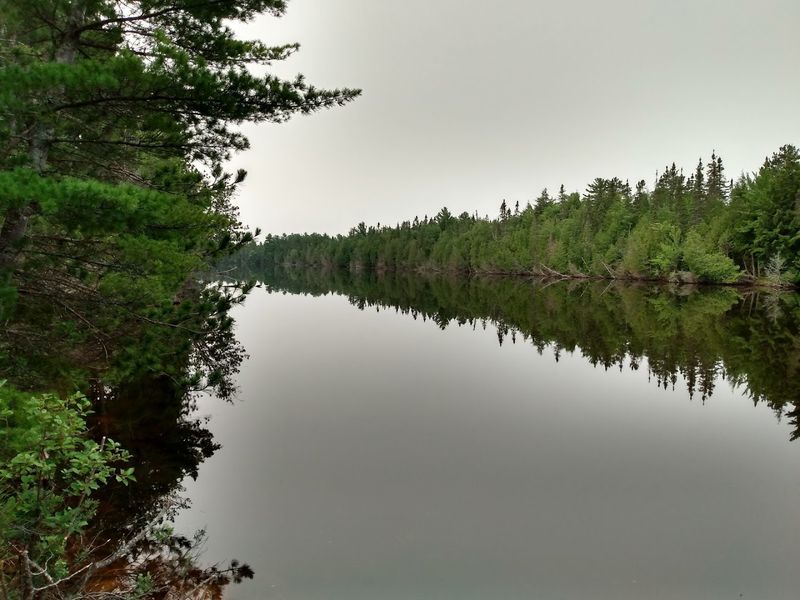
Right away, the Tahquamenon River sets a different tone. The water carries that dark, tea-colored look that makes every reflection richer, and the surrounding woods seem to lean in close enough to quiet the outside world.
It is the kind of river that makes you lower your voice without thinking about it.
This is not a place for choppy, impatient strokes or constant mileage checking. A slower paddle suits the river better because the visual interest lives in the details – twisting banks, overhanging branches, shifting patches of light, and the occasional open bend where the landscape briefly widens.
You move through it rather than across it, which changes your whole mindset.
The river has a moody beauty that plays especially well on overcast days, but sun can make the water glow in its own darker palette too. Either way, there is a steady, grounded quality to the scenery that feels more intimate than flashy.
You are not chasing one big reveal here; you are collecting a series of strong, quiet moments.
That slower tempo also gives wildlife watching a better chance. Even when nothing dramatic appears, you still notice ripples, birdsong, and the little currents working along the edges.
It becomes a route where paying attention is the main event, and that is a nice switch from busier destinations.
If you want a paddle with presence, the Tahquamenon earns a spot high on the list. It has enough character to stay interesting for hours, yet it never seems desperate to impress you.
Bring patience, keep your pace loose, and let the river unfold one bend at a time.
3. Huron River Water Trail
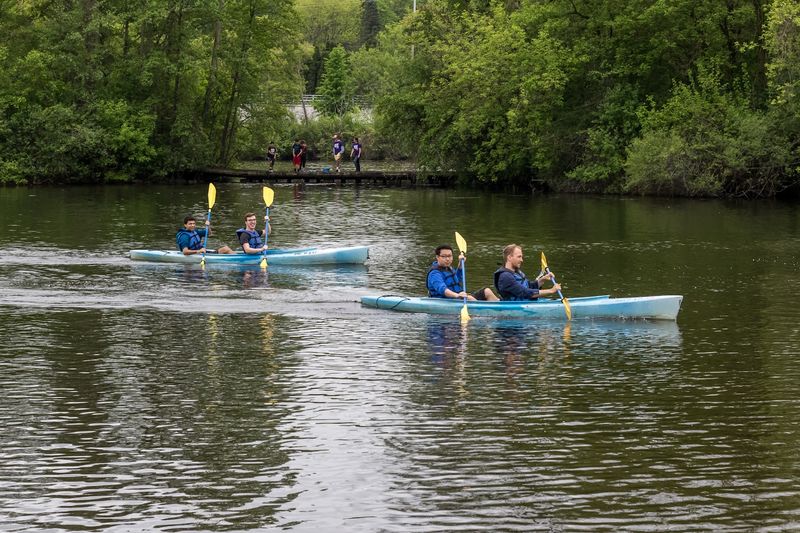
Here is the route for paddlers who want convenience without settling for bland scenery. The Huron River Water Trail threads through changing landscapes in a way that keeps the day lively, moving between wooded banks, open water, and sections where nearby towns briefly peek through.
You can make it easy, make it longer, or mix both in the same outing.
One reason this trail works so well is the sense of progression. The river keeps offering new textures – a quieter bend under trees, a broad reflective stretch, a patch of shoreline activity, then another calmer section where the sound softens again.
That variety helps the miles go down smoothly, especially if your attention tends to wander on repetitive water.
It also feels welcoming for different skill levels without becoming dull for experienced paddlers. You can focus on technique, drift and people-watch, or simply use the trail as an excuse to be outside for a few unrushed hours.
There is room for all of those moods, and the route does not punish you for changing plans midway through.
Another plus is how easy it is to build your own version of a good day here. Paddle a compact section before lunch, commit to a longer point-to-point run, or turn a casual evening into a sunset float with surprisingly strong scenery.
The trail adapts better than many one-note destinations.
When you slow down, the Huron River starts to show why it has such staying power. It balances accessibility with enough visual shifts to stay engaging, and it never requires wilderness-level logistics to feel rewarding.
For a relaxed Michigan paddle that still has personality, this one earns serious consideration.
4. Grand Island National Recreation Area
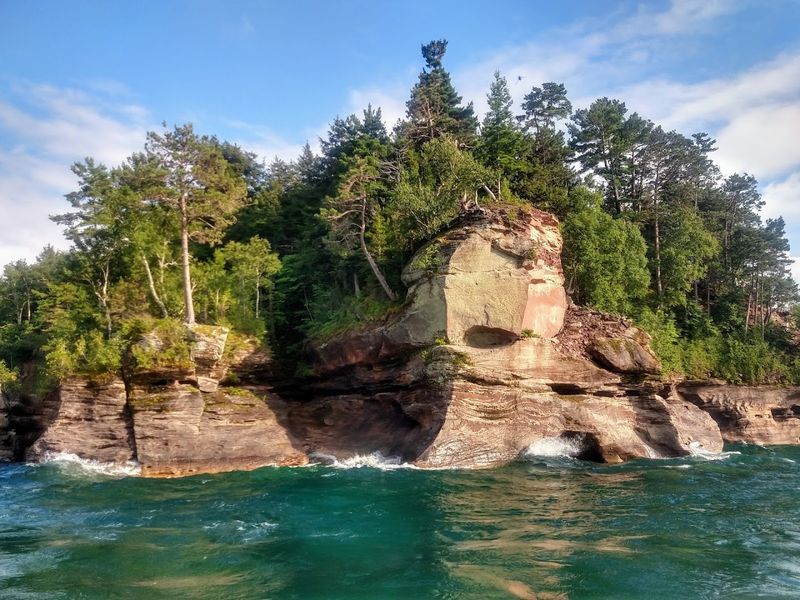
Some places immediately raise the stakes, and Grand Island is one of them. The shoreline looks bigger, the water looks bolder, and the entire outing carries a little more edge than your average inland float.
That does not mean you need to rush through it – quite the opposite, because the visual payoff lives in the slow reveal along the island.
Kayaking here is about scale. Cliffs, rock formations, forested stretches, and changing water colors all compete for attention, so a measured pace lets you actually absorb the transitions instead of blurring past them.
Every section seems to adjust the mood just enough to keep you curious about what waits around the next point.
On calm days, the surface can turn almost glassy near the shore, making the cliffs and trees appear doubled below you. That reflection effect adds a surprising softness to a place that otherwise has a rugged, northern presence.
It is a strong contrast, and it gives the route more depth than a single-note scenic paddle.
You also get the satisfaction of feeling small in a good way. The island does not crowd you, yet it commands attention, and that usually leads to better pacing and smarter stops.
Instead of chasing distance, you start choosing spots where the shoreline shapes, water color, or light deserve a longer look.
Grand Island is a solid pick when you want a day that feels expansive from start to finish. It asks for awareness, respect for conditions, and a little patience, but the reward is a shoreline experience that looks and moves differently from most Michigan paddles.
Slow down here and the whole setting gets sharper.
5. Crystal River
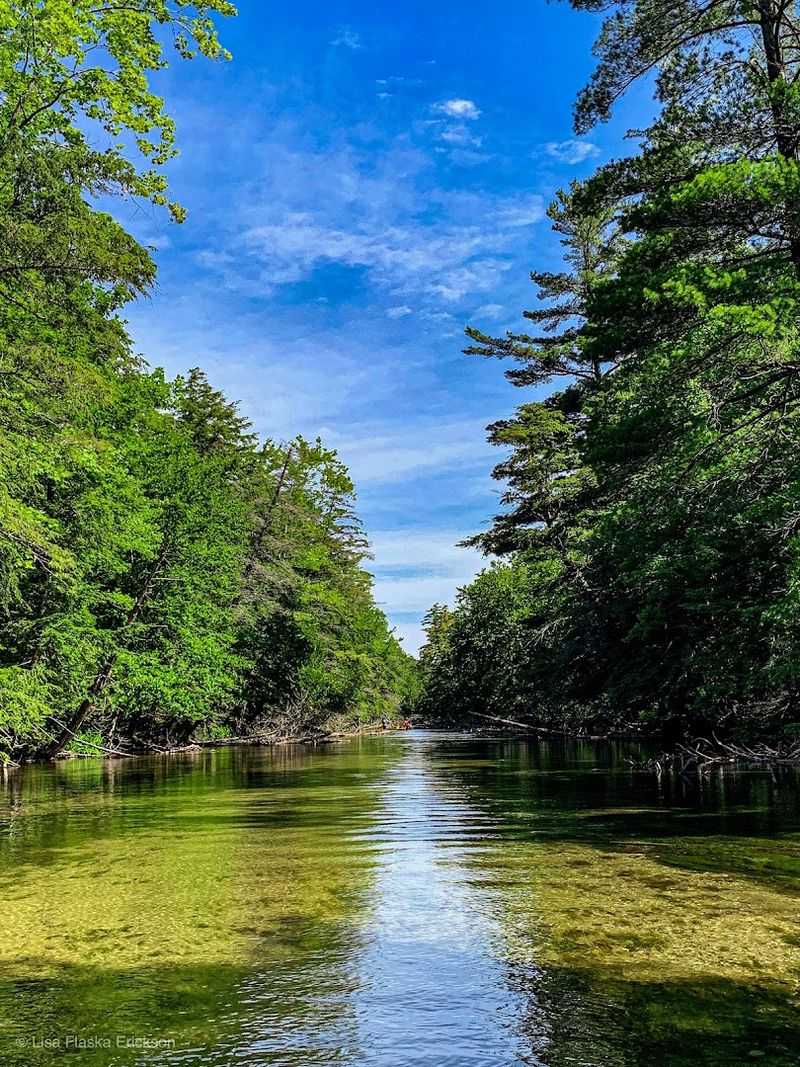
Clear water can be overrated if the route itself is boring. The Crystal River avoids that problem by pairing striking transparency with a gentle, winding path that keeps your attention locked on the riverbed, the banks, and the subtle turns ahead.
It is one of those places where slow paddling is not just recommended – it is the whole appeal.
The first thing you notice is how much you can actually see beneath you. Sand, stones, waving plants, and changing depths create their own moving map, and every stroke seems to slide you over another clean, bright detail.
That underwater visibility makes even short stretches feel unusually immersive.
Above the waterline, the scenery stays soft and easy on the eyes. Trees, grasses, and occasional openings along the banks frame the river without overwhelming it, so the route keeps a calm, polished look from beginning to end.
There is enough variation to avoid monotony, but nothing tries too hard to steal the show.
This is a strong choice for anyone who likes a more meditative paddle. You do not need speed, bravado, or complicated planning to enjoy it, and the river naturally encourages drifting, peeking into the shallows, and noticing small changes in current and color.
Hours can pass here without the day ever feeling heavy.
If your ideal kayaking trip involves clarity in every sense, the Crystal River earns its reputation quickly. It is approachable, visually rich, and best experienced at a pace that lets the water speak for itself.
Bring polarized sunglasses, keep your strokes light, and let the river handle the rest.
6. Two Hearted River
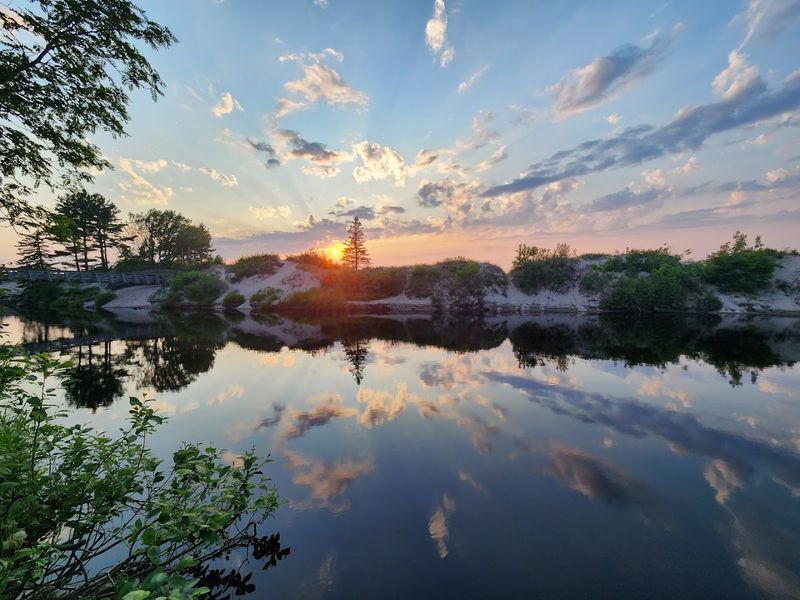
If remoteness is part of the draw for you, the Two Hearted River has plenty of it. The setting leans quiet, wooded, and unfussy, with a kind of straightforward northern character that does not need dramatic tricks to stay memorable.
You come here for space, rhythm, and the satisfaction of being a little farther out.
The river unfolds in a measured way, which makes it perfect for patient paddling. Long bends, tree-lined banks, and recurring pockets of stillness give the route a steady cadence rather than a series of big scenic peaks.
That consistency turns out to be a strength because it lets your attention settle instead of constantly jumping ahead.
There is also a grounded, practical beauty to the place. The scenery is not polished or delicate; it is textured, slightly rugged, and comfortable in its own skin.
You notice shoreline shadows, small current shifts, and stretches where the river seems to exhale and stretch wider before pulling back in.
For paddlers who like a stronger sense of separation from towns and busier recreation corridors, this river hits the mark. It encourages good preparation and rewards that effort with long periods of low-noise travel where your surroundings take over.
Even a moderate distance can feel satisfyingly substantial out here.
The Two Hearted River is best approached with a full day mindset, even if your route is not especially long. It is a place to give yourself extra time, linger at the better bends, and let the river’s natural pacing set your own.
When Michigan kayaking sounds better with fewer crowds and more breathing room, this is a smart call.
7. Isle Royale National Park
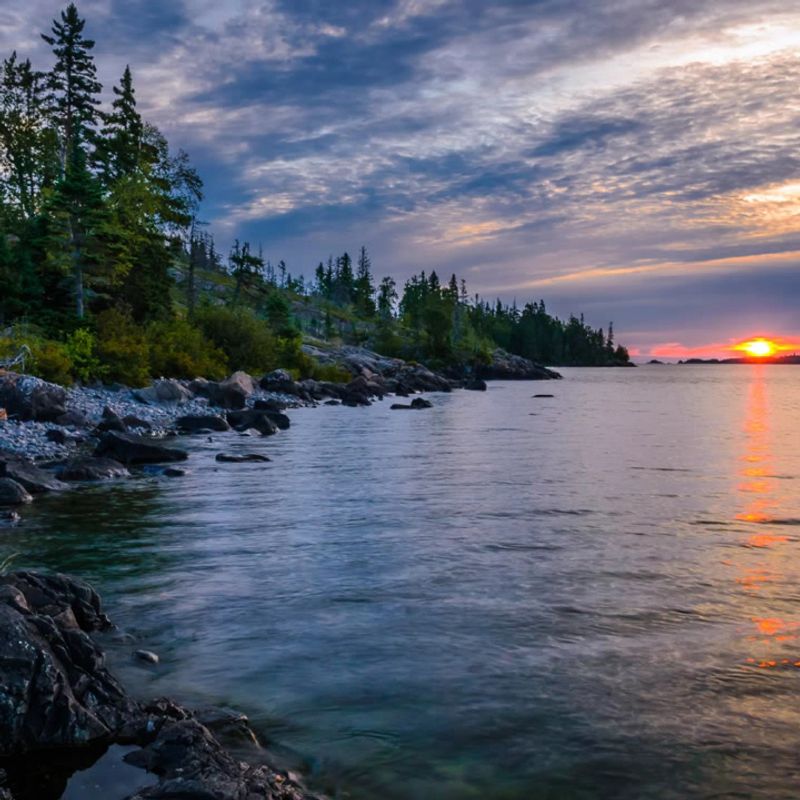
Then there is Isle Royale, which plays in an entirely different category. A kayak trip here carries real wilderness energy, with rocky shorelines, cold clear water, and a sense that the island does not bend to your schedule.
That is exactly why slowing down matters so much.
The scenery rewards careful attention at every scale. From a distance, you get rugged shoreline outlines and forested ridges; up close, you start noticing rock textures, little inlets, shifts in water color, and the precise shape of protected coves.
A rushed paddle would flatten all of that into background scenery, which would be a serious mistake.
Because the setting feels more exposed and more remote, every calm pocket becomes memorable. Tucking into a quieter shoreline stretch after crossing open water can change the whole mood of the day, and those transitions are part of the appeal.
You are not just looking at the landscape here; you are reading it.
There is also a strong satisfaction in how self-contained the experience can feel. Once you are moving along the island, the usual noise of ordinary schedules drops away, replaced by waves, wind, and the simple work of staying present.
That focus tends to sharpen your appreciation for small route decisions and scenic details alike.
Isle Royale is not the pick for casual last-minute paddling, but it is an unforgettable one for those who want a bigger adventure with slower, more observant travel built into it. Give it time, respect the conditions, and keep your expectations flexible.
The island does not need hype – it already has more than enough character on the water.
8. River Raisin Water Trail
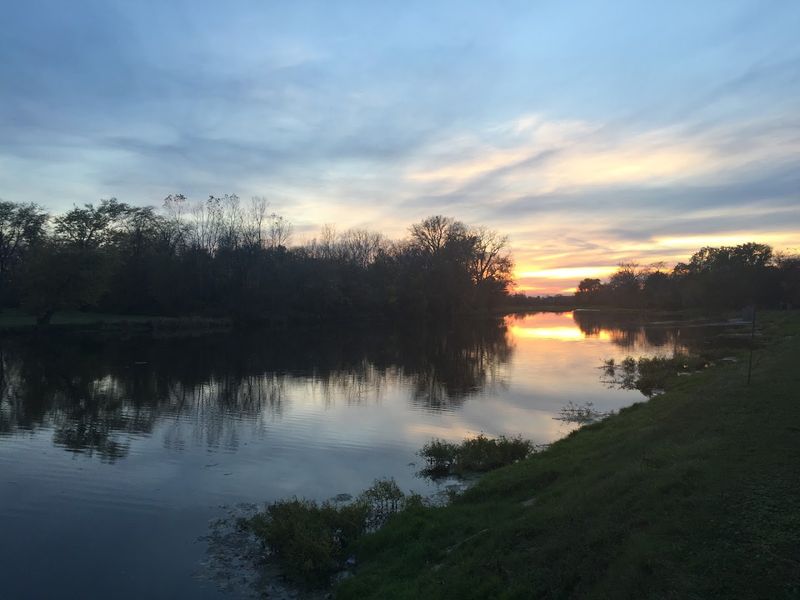
Not every excellent paddle needs cliff drama or remote wilderness credentials. The River Raisin Water Trail proves that a quieter route with approachable water and changing scenery can still deliver a deeply satisfying day.
This is the kind of place where an easy launch can lead to several hours of unexpectedly good drifting.
The appeal starts with flow and accessibility. You can settle into a comfortable stroke quickly, then spend the rest of the trip taking in bends, greenery, open views, and sections where the river briefly brushes against more developed surroundings before sliding back into calmer territory.
That back-and-forth keeps the route from ever feeling static.
It is also a great trail for people who enjoy noticing how a river connects different kinds of Michigan landscapes. One section may feel shaded and leafy, while another opens up with more sky and a broader view ahead.
Those shifts happen naturally, without the route ever becoming disjointed.
Because the overall mood is less intense than some big-name paddling spots, you can focus on the simple pleasures. Watch the current do part of the work, pause when the light improves, and let the day unfold without packing it with unnecessary goals.
A slower tempo suits the trail and usually improves the experience.
The River Raisin is a strong reminder that relaxed paddling can still be memorable when the route has enough variation and enough room to breathe. It invites both casual exploration and longer outings without demanding a heroic effort.
For a Michigan kayak day built on steady scenery and low stress, it makes a convincing case.
9. Au Sable River
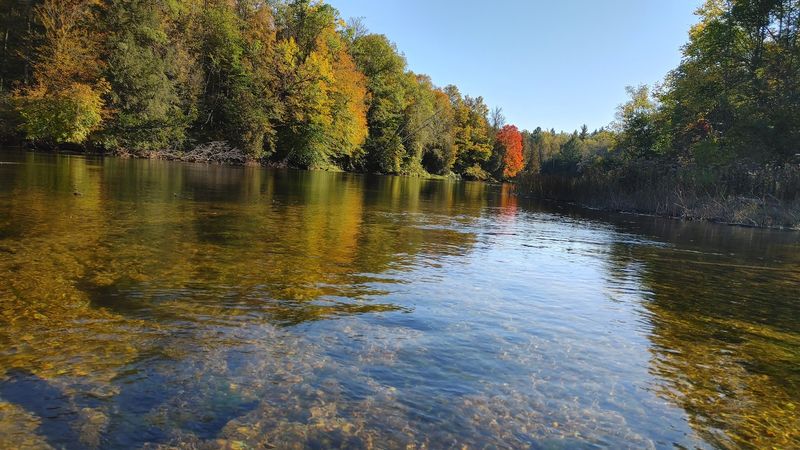
The Au Sable River has one of those names that shows up again and again in Michigan paddling conversations, and for good reason. It offers long, scenic movement through classic northern river country, with enough beauty and flexibility to support both laid-back floats and all-day outings.
You can take it seriously or keep it casual, and it still delivers.
This river rewards patience more than speed. The current, bends, and tree-lined banks create a natural rhythm that makes fast paddling feel unnecessary, almost out of sync with the setting.
A slower pace gives you time to track the changing color of the water, the shape of the shoreline, and the way light moves through the pines.
There is a polished quality to many stretches, but not in a way that seems overworked. The scenery feels settled and balanced, with enough turns and visual layers to hold your attention for hours.
Even when the river looks straightforward on the map, it often feels richer once you are actually in it.
Another strength is how easy it is to shape the experience around your own energy. You can plan a mellow segment and keep plenty of stopping time, or link together a longer route when you want more mileage without sacrificing scenery.
That makes the Au Sable one of the more adaptable picks on this list.
If your ideal Michigan paddle includes reliable flow, classic river views, and a pace that invites you to look around, the Au Sable belongs near the top. It is established for a reason, but it still feels fresh when you give it the time it deserves.
Keep the schedule open and let the river set the tone.
10. Inland Waterway
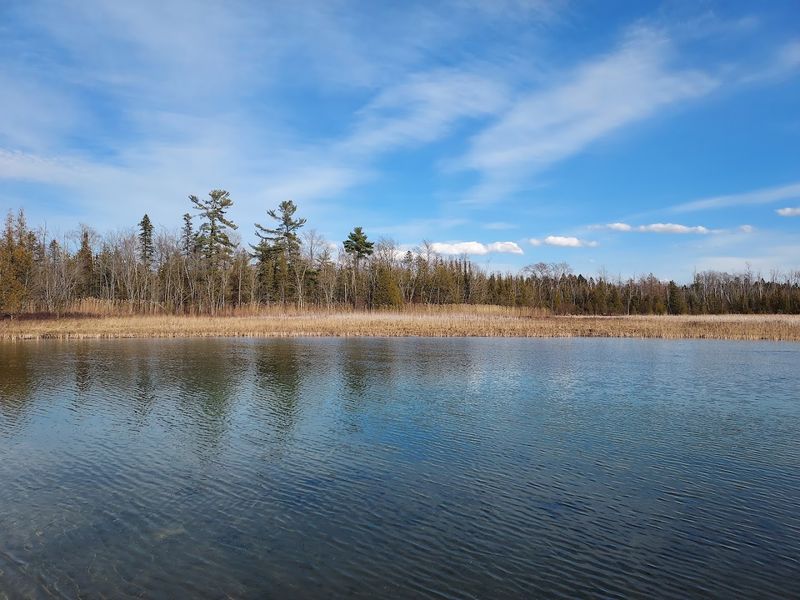
For paddlers who enjoy the idea of a route that keeps evolving, the Inland Waterway is an easy sell. It links rivers and lakes in a way that makes the journey feel broad without becoming overwhelming, and that variety gives you plenty to work with if your favorite pace is slow and observant.
One launch can turn into a very full day.
What stands out most is the constant shift in scale. You might move through a narrower section where the banks pull in close, then emerge into a larger body of water with more sky, more distance, and a different wind pattern to read.
Those transitions keep the route engaging while still maintaining a relaxed overall personality.
This connected layout also gives the waterway an exploratory quality. Instead of feeling locked into one visual theme, you keep gathering new ones – channel views, open-lake stretches, shoreline homes, wooded pockets, and small pauses where the route seems to reset itself.
It is excellent for paddlers who get restless on one-note trips.
At the same time, it stays approachable enough that you can tailor the day to your comfort level. Shorter sections work well for unhurried morning outings, while longer combinations create a more ambitious but still scenic adventure.
You are free to prioritize wandering over mileage, which is not always true on major paddle routes.
The Inland Waterway deserves a spot on your calendar when you want flexibility paired with real movement through different landscapes. It gives you enough change to stay interested and enough calmer stretches to settle into the day.
Bring curiosity, leave extra time between plans, and let the connected water do the heavy lifting.
11. Pictured Rocks National Lakeshore
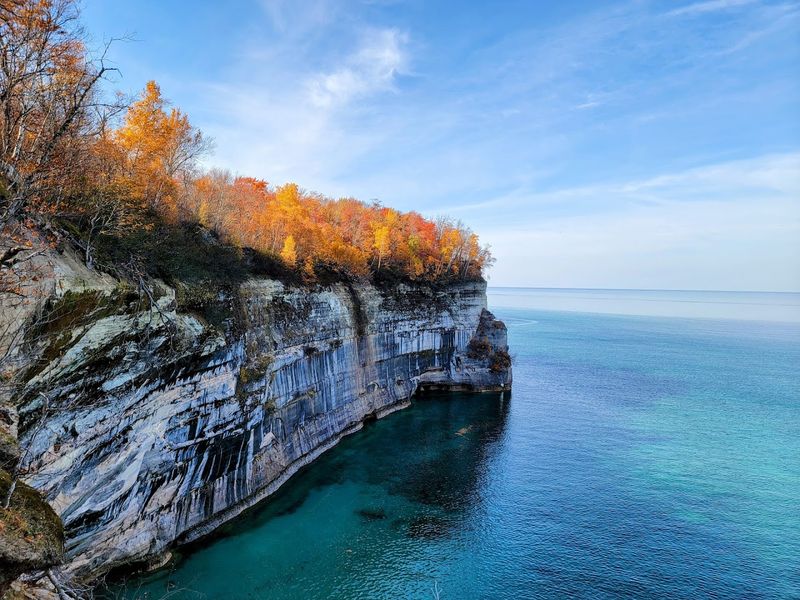
If scenic drama is high on your list, Pictured Rocks shows up ready to dominate the conversation. The cliffs, color bands, carved shoreline, and huge Lake Superior backdrop create one of the most visually striking kayak settings in the state.
This is not subtle scenery, so the smartest move is to slow down and let each section land properly.
From the water, the shoreline reads differently than it does from overlooks or photos. Rock textures become more pronounced, height becomes easier to appreciate, and the changing angle of light can shift the entire palette from one cove to the next.
You keep finding reasons to stop paddling for a moment and simply stare, which is part of the fun.
Even on a route known for big visuals, the smaller details matter. Gentle wave patterns against stone, narrow inlets, darker seams in the cliffs, and patches of surprisingly bright water all add depth to the experience.
Those are the things you miss when you treat the shoreline like a checklist instead of a place to move through carefully.
Because the lake environment adds exposure and scale, the outing tends to feel more substantial than the mileage alone might suggest. That works in your favor if you enjoy a paddle that commands attention and keeps you tuned into conditions.
It is a place where awareness and appreciation naturally go together.
Pictured Rocks deserves a full, unhurried block on your schedule. The shoreline is too layered, too visually strong, and too dependent on changing light to rush through in a hurry.
Take the slower approach, and this stretch of Michigan coast turns into a moving gallery with a very impressive ceiling.
12. Sleeping Bear Dunes National Lakeshore – Platte River
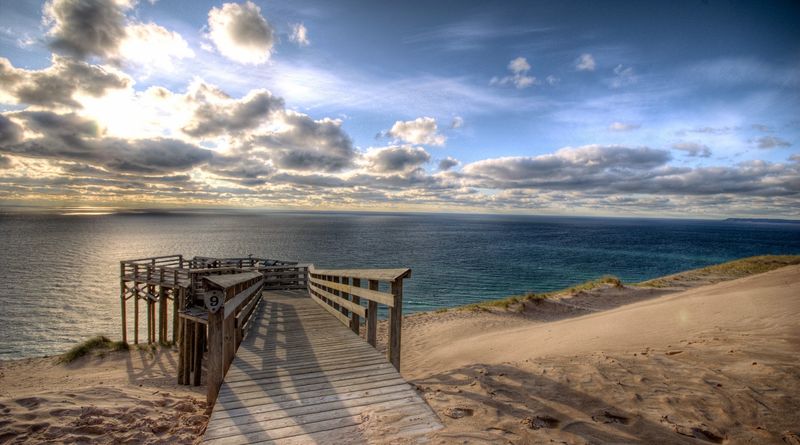
Ending with the Platte River near Sleeping Bear Dunes makes sense because it delivers a little of everything without becoming complicated. You get an easygoing river setting, attractive water, and the larger draw of the surrounding lakeshore landscape nearby.
That combination gives the trip broad appeal while still rewarding people who pay attention to smaller details.
The river itself is the kind of place where your shoulders drop a few minutes after launching. The current and shape of the route encourage a smooth, relaxed stroke, and the scenery stays consistently pleasant with trees, open patches, and clear enough water to keep your eyes moving below the surface.
Nothing about it needs to be forced.
What makes this area especially satisfying is the contrast between mellow paddling and the more dramatic reputation of Sleeping Bear Dunes nearby. You can spend part of the day around big famous scenery, then shift into a quieter on-the-water experience that feels refreshingly grounded.
That change of scale often turns a simple river trip into a better overall outing.
It also works well for mixed groups, because the route tends to support both casual floating and more attentive exploring. Some paddlers will happily drift and chat, while others focus on the clear water, shoreline patterns, and changing light.
A good river lets both styles coexist, and the Platte handles that nicely.
If you want a Michigan kayak spot that is friendly, scenic, and easy to savor without a lot of logistical strain, the Platte River is a strong final pick. It invites you to stretch the day rather than pack it tight.
In a state full of excellent paddles, that easy confidence goes a long way.
Share this story