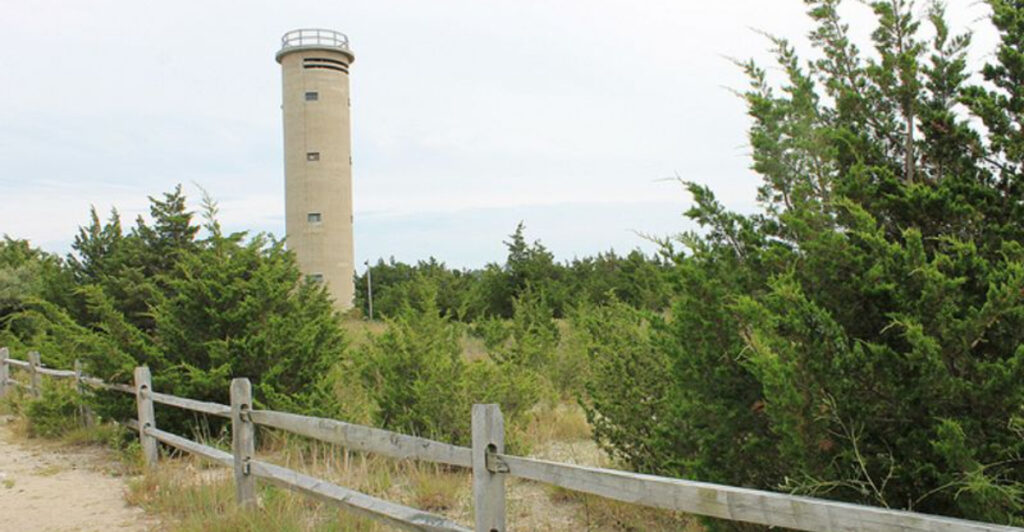
A narrow slit near the top of a concrete tower frames the Delaware Bay like a widescreen photograph. Today, the water beyond it carries ferries, fishing boats, and the occasional pod of dolphins.
In 1942, soldiers stared through that same opening while searching the horizon for enemy warships. Fire Control Tower No. 23 still stands beside Sunset Boulevard in Lower Township, close to the sand and steady breeze of Sunset Beach.
At 71 feet tall, it is not the biggest landmark around Cape May, but its wartime story gives it an unmistakable presence. Visitors can enter the restored tower, climb through six levels of exhibits, and reach the spotting gallery where Army observers once helped aim coastal guns.
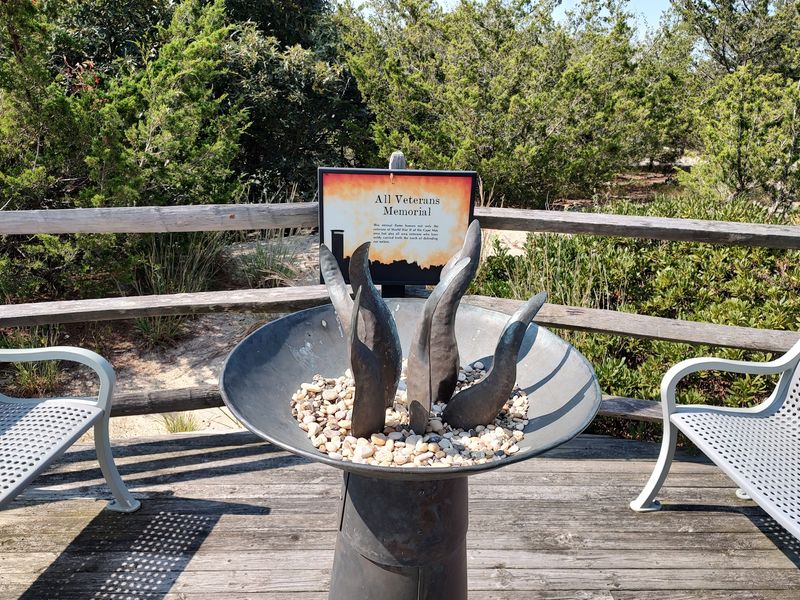
Outside, an accessible boardwalk crosses protected dunes and passes a memorial honoring American veterans. It is a compact attraction, yet it connects Cape May’s peaceful shoreline to a period when an attack on the Delaware Bay felt entirely possible.
Fire Control Tower No. 23 Has Watched Over Cape May Since 1942
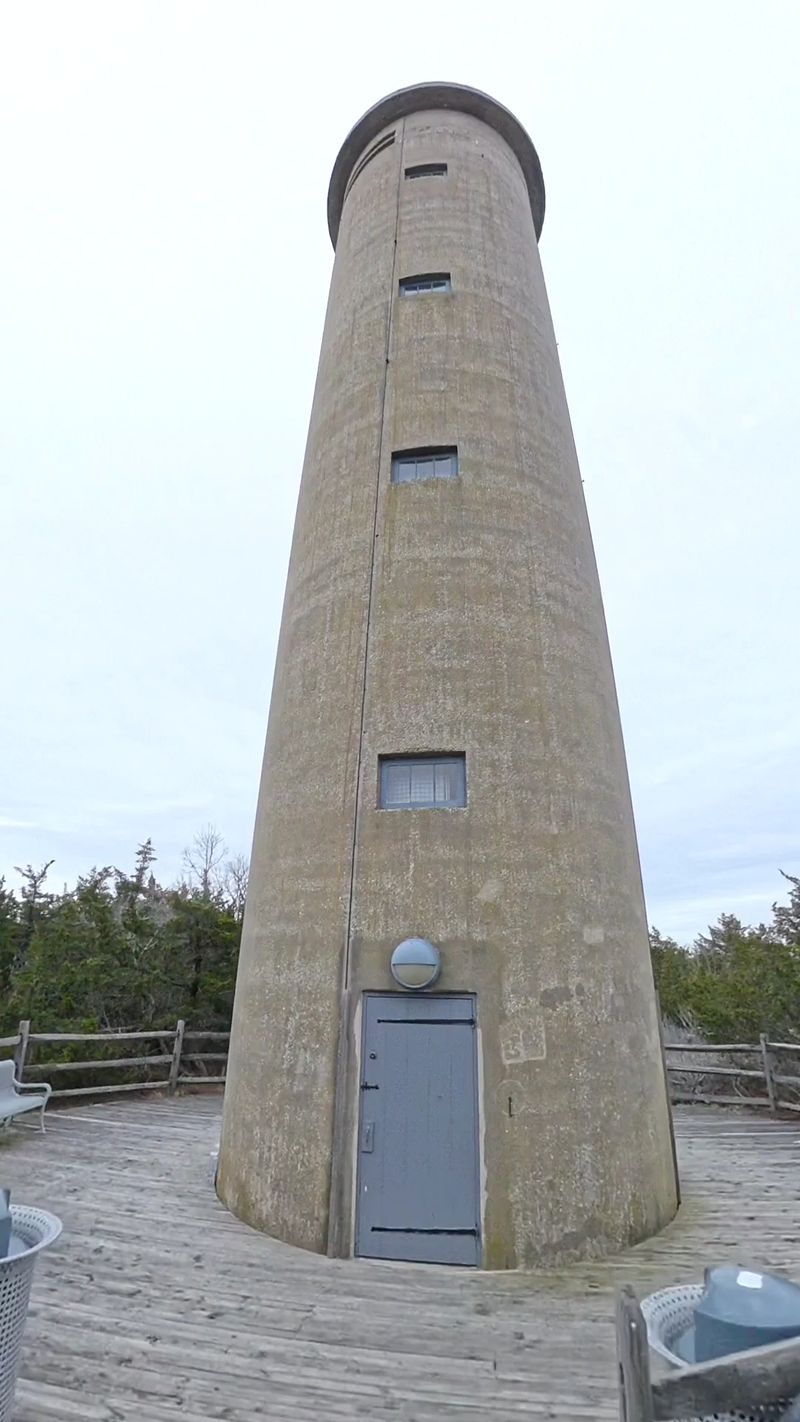
Some landmarks shout for attention. Fire Control Tower No. 23 does not need to.
Its tall concrete shape rises above the Cape May landscape with a quiet confidence that makes you stop and look twice.
Built during World War II, the tower still carries the feel of another era. You do not need to know every military term to appreciate it.
Just standing near the base, you can imagine lookouts scanning the horizon, watching water, weather, and movement along the coast.
What makes the site extra special is its rarity. New Jersey once had several wartime towers, but this is the last freestanding one left in the state.
That alone gives it real weight, especially for visitors who enjoy places that survived change, storms, and decades of shoreline life.
Plan a little time to walk around before heading inside. Read the signs, look at the tower from different angles, and notice how simple the design is.
That plain, sturdy look tells part of the story too, because this structure was built for a job, not for show.
The Tower Helped Protect the Delaware Bay From Enemy Ships
Imagine staring across open water, knowing every detail matters. That was the kind of work connected to this tower during wartime.
Its location gave observers a clear view tied to the defense of the Delaware Bay, a waterway that mattered deeply for shipping and coastal safety.
The tower was part of a system designed to spot threats and help direct protective action. Even if you are not a military history fan, the idea is easy to understand.
People watched, reported what they saw, and helped others make fast decisions in a dangerous moment.
Looking out today, the bay seems calm and almost relaxing. That contrast is part of what makes the visit stick with you.
Peaceful beaches and wartime duty sit in the same place, which gives the tower a powerful sense of purpose instead of making it feel like just another old building.
When you visit, pause at the windows and look long enough to picture the pressure of the job. Wide water can feel beautiful, but it can also feel uncertain.
That mix helps bring the story closer and makes the tower easier to remember later.
Four New Jersey Towers Once Formed Part of a Larger Defense Network
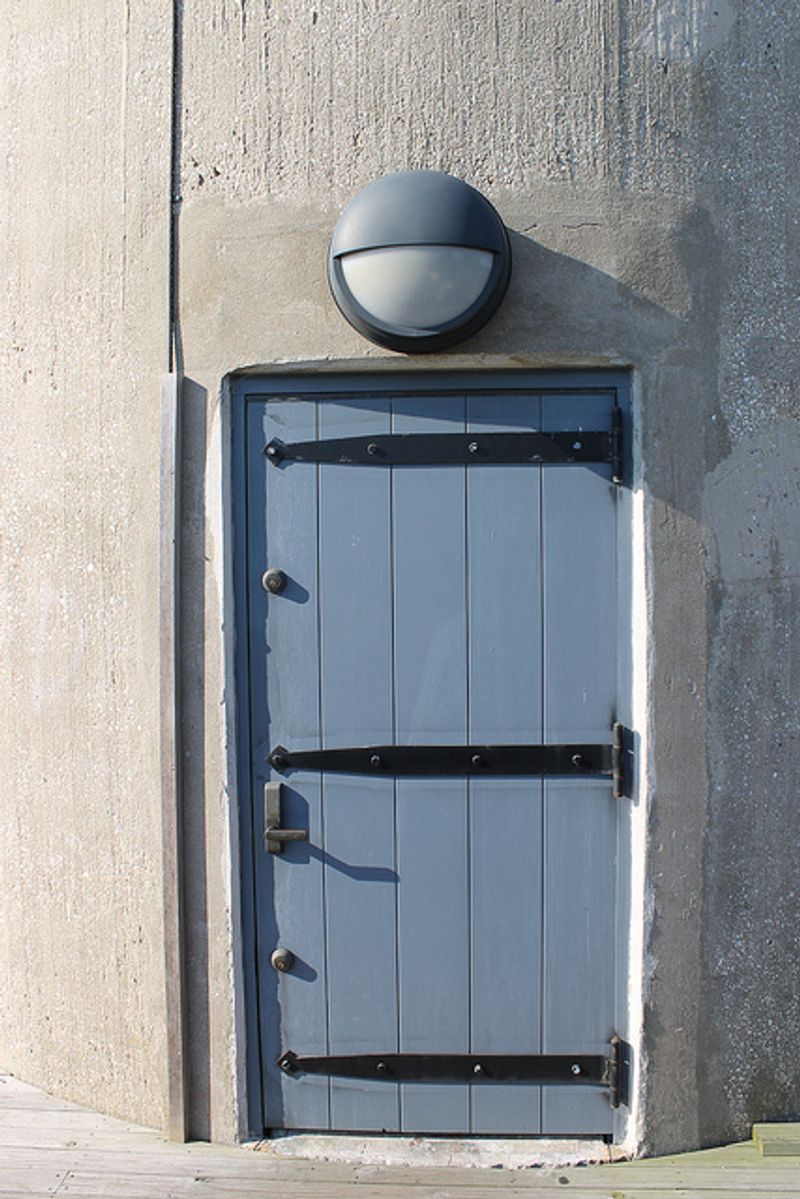
One tower is impressive on its own, but the bigger story is even better. Fire Control Tower No. 23 was not built to stand alone as a random piece of concrete by the beach.
It belonged to a wider New Jersey defense setup that used several towers together.
Knowing that there were once four towers in the state changes how you see the site. Suddenly, it feels less like a single monument and more like one surviving chapter from a larger coastal plan.
That networked idea helps visitors picture people sharing information across distances, all focused on the same mission.
You do not need a giant map to appreciate the concept, though maps definitely help. Think of the towers as linked lookout points, each adding another set of eyes to the shoreline.
In wartime, that kind of coordination could make a real difference.
For curious travelers, this detail adds depth to the visit. It turns a climb into a story about teamwork, planning, and geography.
If you are exploring Cape May with kids or friends, it is a great chance to talk about how places can be connected even when only one structure remains today.
A Six-Story Climb Reveals How Wartime Observers Worked
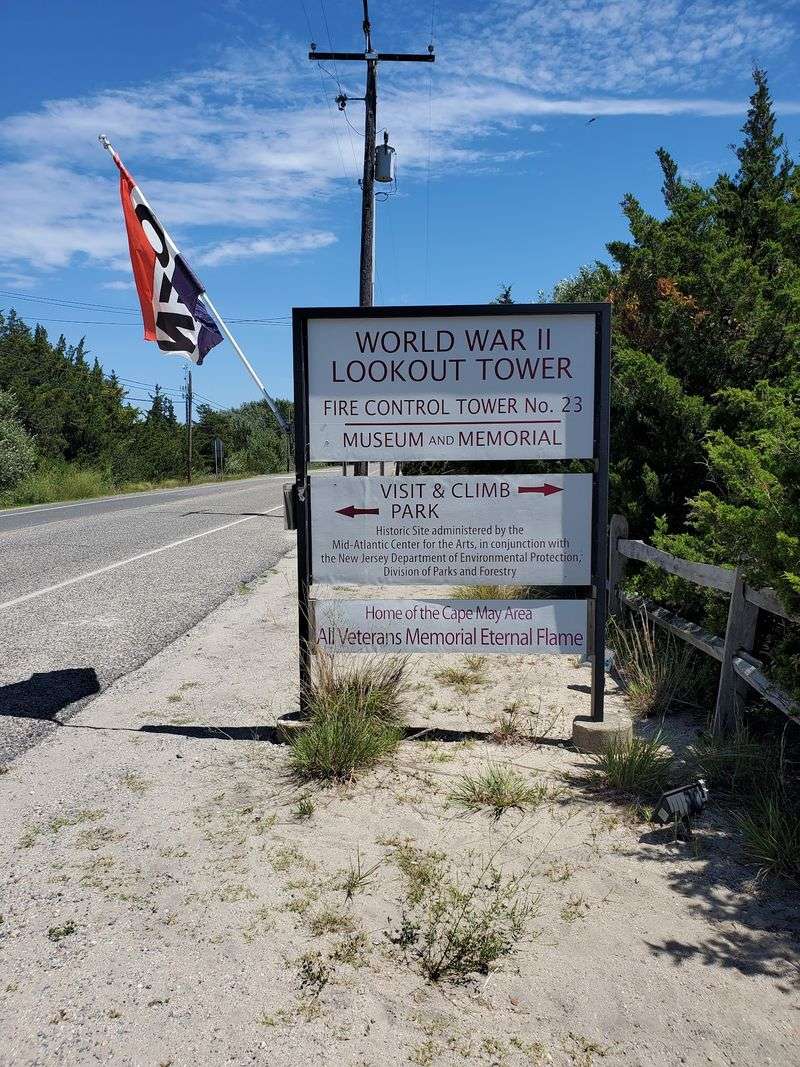
Here is where the visit gets hands on. Climbing six stories inside the tower gives you more than exercise.
Step by step, the space helps explain what wartime observers actually dealt with while carrying out careful, repetitive, high-pressure work above the shoreline.
The climb is part of the lesson. Stairs, windows, and the changing view all make the job feel more real than a textbook page ever could.
As you go up, imagine doing that routine with responsibility on your shoulders and no room for sloppy attention.
At the top, the payoff is not just the scenery. Yes, the view is excellent, but the real value comes from understanding how sightlines mattered.
Observers needed clear angles, patience, and focus. From that height, you can finally see why the tower had to stand exactly where it does.
Wear comfortable shoes and take your time on the way up. If you are visiting with younger kids, encourage them to notice little details instead of racing to the top.
The experience works best when you treat it like a living puzzle, not just a stair challenge with a nice ending.
The Wall of Honor Pays Tribute to Local World War II Veterans

Not every powerful moment at the tower happens at the top. Near the site, the Wall of Honor brings the story back to people, names, and community memory.
It adds a personal layer that can turn a casual stop into something more thoughtful.
History feels different when it is connected to local veterans instead of distant headlines. Reading names slows you down in the best way.
The tower explains the mission, but the memorial reminds visitors that real families, neighbors, and hometown lives were tied to the wartime effort.
For many travelers, this part of the visit leaves the deepest mark. Kids can see that history is not only about giant events and famous leaders.
Adults often appreciate the quieter mood too, especially after climbing through a structure built for defense and observation.
Give yourself a few extra minutes here and do not rush past it. If you are visiting with relatives, it can open meaningful conversations about service, sacrifice, and local pride.
Even without knowing every name, you can still feel the purpose of the tribute, and that feeling gives the whole site more heart.
Sunset Beach Makes This Historic Stop Even More Memorable
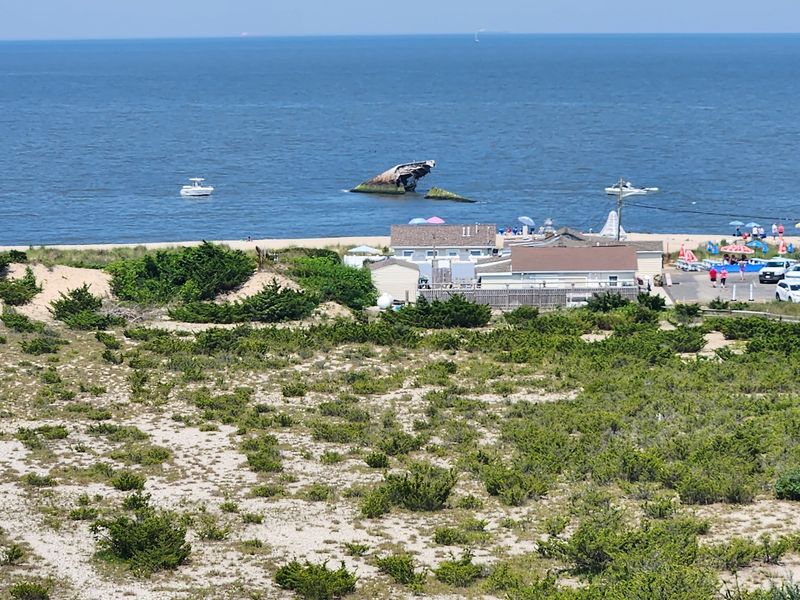
After all the wartime history, Sunset Beach changes the mood in the best possible way. The nearby shore gives your visit a scenic finish, blending serious stories with salt air, open sky, and one of the most relaxing settings in Cape May.
That mix is what makes the stop memorable instead of merely educational. You can climb a historic tower, think about coastal defense, then step outside and hear waves rolling in.
Few places balance reflection and beauty so naturally, which is part of the tower’s local charm.
Sunset Beach also helps stretch the outing into a fuller day. Bring water, walk the sand, and leave time to look around instead of rushing back to the car.
The area invites a slower pace, which works nicely after a vertical climb and a lot of visual detail indoors.
If you time it well, the light near evening can make the whole scene feel extra dramatic. Even on a simple afternoon, the beach adds warmth and breathing room to the experience.
History can be heavy, but here it shares space with fresh air, wide views, and a classic New Jersey shoreline backdrop.
Share this story