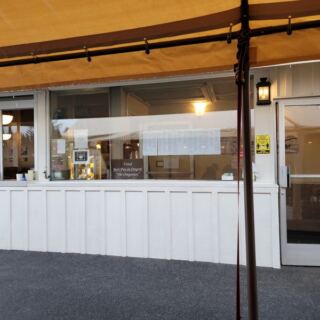
Downtown Denver has a grocery store where you can pick up sashimi-grade tuna, a ready-made chicken katsu meal, and a bag of mochi in one quick stop. It sits a short walk from Coors Field, yet plenty of Front Range shoppers still drive past it on the way to bigger chain markets. Families have trusted it for generations, and some of today’s regular shoppers first came here as kids holding a parent’s hand.
Keep reading to learn its story, what fills the shelves, how to save on parking, and when to go so you can shop like a longtime local.
1. A Small Storefront on Lawrence Street
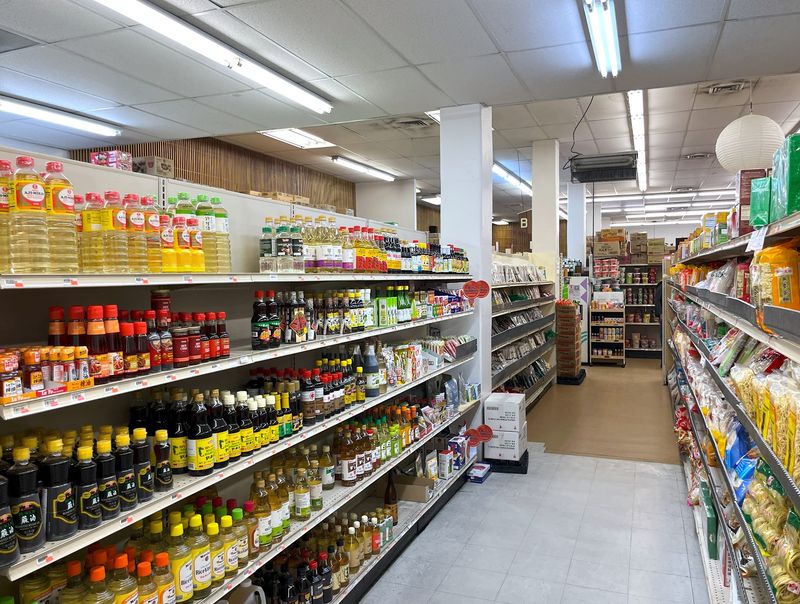
Some of Denver’s best finds hide in plain sight, and this one sits right in the middle of downtown.
Pacific Mercantile Company is located at 1925 Lawrence St, Denver, CO 80202, in the heart of the city near Coors Field. It is a Japanese grocery store that also carries a long list of other Asian foods and household goods.
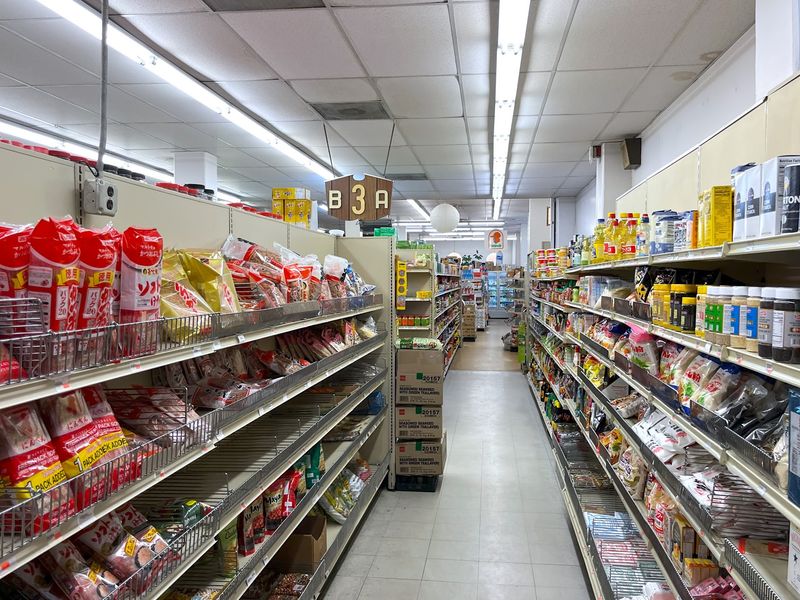
The shop is known as a go-to spot for Japanese and Asian foods and products. Shelves range from noodles all the way to books, so a quick grocery run can turn into a longer browse.
From the outside, the building does not look huge. Inside, the amount of stock tends to surprise first-timers, since the store packs a lot into a modest footprint.
For Denver residents, the location is handy. It works for a lunch-break errand, a stop before a ballgame, or a weekend stock-up trip from the suburbs.
Shoppers who live on the Front Range may find it easier to reach than they expect, especially with the parking tips covered later in this story. The real surprise, though, is how far back its roots go.
2. Roots Older Than Most Denver Landmarks

Here is a twist on the headline. This Japanese grocery is not new at all, and its history may be its most impressive feature.
Pacific Mercantile Company is often described as the oldest continuously operating Asian supermarket in Denver. Counting its earlier years under the name N. Tatsukawa, the business has been part of the city for more than 100 years.
That kind of staying power is rare for any small shop. It is even rarer for a family-run market in a downtown area that has changed so much over the decades.
The store has passed through generations of the same family. Many shoppers enjoy learning about that lineage when they stop in.
Some longtime customers remember coming here as children with their parents for weekly grocery trips. Now they return with their own families, which keeps the tradition going.
The mom-and-pop feel has stayed in place through all those years. It is a big reason the market stands apart from larger chain stores around the metro.
For Coloradans who care about immigrant history and family businesses, this is a place you can still walk into and support today. Its neighbors tell an equally meaningful story.
3. Next Door to Sakura Square
Location matters, and this market shares its block with a piece of Denver’s Japanese American heritage.
The store sits next to historic Sakura Square and the Buddhist Temple. That setting gives the shop deep ties to the local community that has gathered in this area for many years.
Some families have connections to both places. One longtime shopper’s mother taught next door at the temple, and the staff still recognize her and stop to chat when she visits.
Those relationships help explain why the store feels like a neighborhood hub. It is a place where people catch up, not just a place to grab groceries.
There is also a small, charming detail near the entrance. A little bookshelf lets shoppers borrow Japanese books, and it has even held old VCR tapes.
That lending shelf is easy to miss on a rushed trip. It is worth a quick look, especially for anyone learning Japanese or curious about older media.
The area around Sakura Square gives the trip some extra meaning for Denver locals. After the history lesson, though, most people head straight for the fish counter.
4. The Fish Counter Everyone Talks About
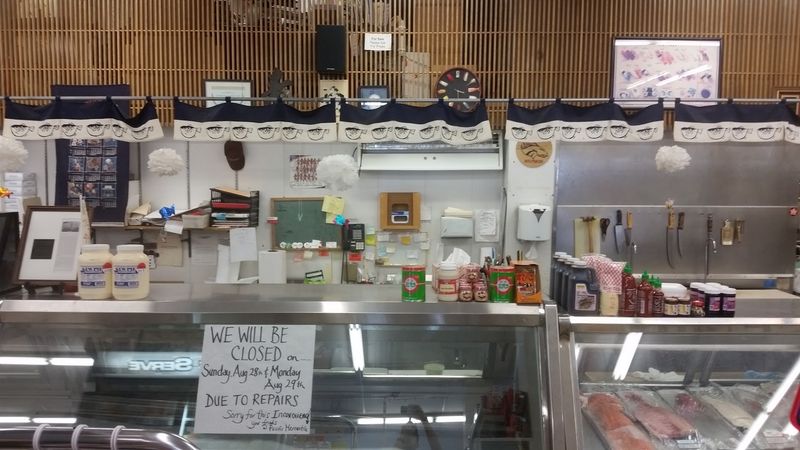
Fish is the star of the show here, and it comes up in conversation more than almost anything else on the shelves.
The fish counter carries fresh bluefin tuna, ahi, and Scottish salmon. Staff can cut these into sashimi for an additional cost, which saves home cooks some knife work.
Many locals call it their go-to source for sushi-grade fish in Denver. People who lived in Japan for years have said it is the closest thing they have found outside the country.
The selection also goes beyond the basics. Shoppers can find seaweed salad, salmon roe, tobiko, and even a yuzu tobiko that has its own fan base.
Sea urchin shows up at the counter too. It is part of a range of fresh sashimi options described as affordable compared with what many expect.
Home cooks often use these picks to build sashimi bowls in their own kitchens. The squid salad is another favorite that regulars make a point of grabbing.
The store’s own team calls the sashimi section a fan favorite. Not ready to slice and assemble at home? The next section has you covered.
5. Ready-Made Meals for Busy Days
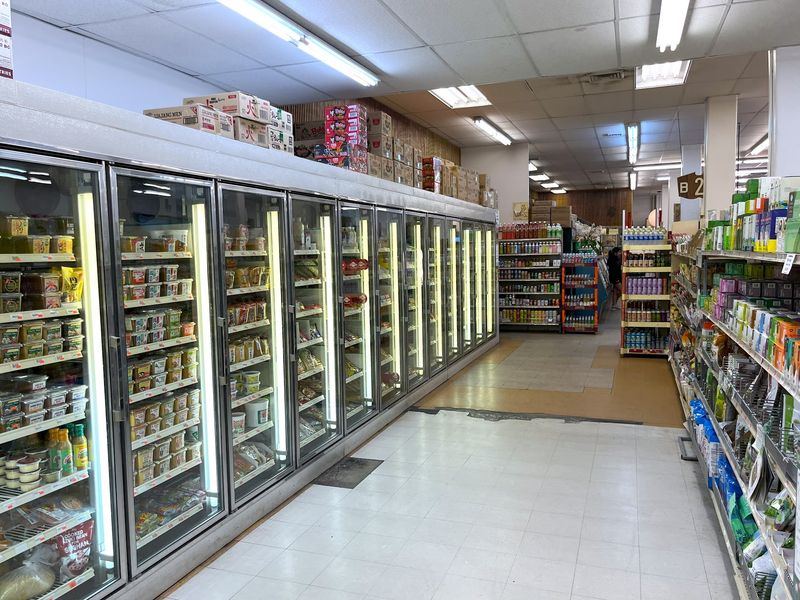
Not every grocery trip needs to end with cooking. Some of the best items here are ready to eat.
The cold section holds fresh sushi options that are popular with people grabbing a quick meal. Longtime shoppers say they enjoy picking these up whenever they stop in.
Premade chicken katsu meals are another hit. They are a natural choice for anyone hunting for a bento-style lunch in downtown Denver.
For downtown workers, that makes the store a handy midday stop. It can also help busy households skip one night of meal prep without leaning on takeout.
The frozen section adds even more options. Shoppers mention liking the frozen selection, and items like veggie gyoza have a loyal following.
Veggie gyoza did run out for a stretch at one point. It came back in stock, which tells you the store pays attention to what people want.
Stocking up on frozen items can stretch a trip further. A few bags in the freezer at home may mean fewer drives downtown each month.
Of course, a meal is better with a treat on the side. That brings us to the aisle where many shoppers lose track of time.
6. Snacks, Mochi, and a Wall of Ramen
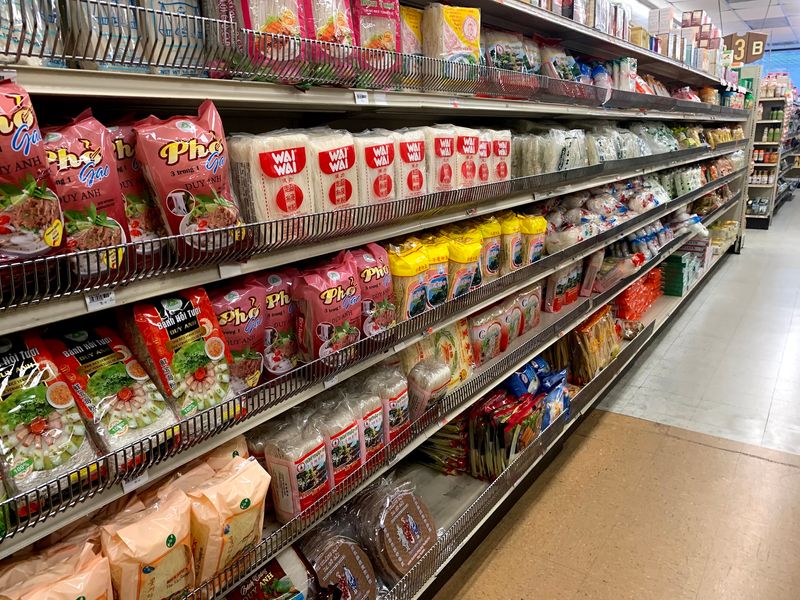
Fair warning: a quick snack run here rarely stays quick.
The snack selection is a big draw for shoppers who come every couple of months to stock up on Japanese treats and staples. Many leave with more than they planned to buy.
Mochi gets plenty of attention. It is one of the items people mention most when talking about what they pick up.
Ramen fans have a lot to work with too. The store usually carries a wide variety of Nissin ramen along with other single-pack ramen options.
Those single packs make it easy to try new flavors without committing to a full case. That is a budget-friendly way to explore.
There is also an interesting convenience section. It gives the store a bit of the feel of shops found in Japan.
Shoppers often say it is easy to get sidetracked by the unique products. Every trip seems to turn up a new meal idea or a fun food to try.
Families with kids may want to set a snack budget before heading in. Once the snacks are in the cart, the produce section deserves a look.
7. Produce and Pantry Staples
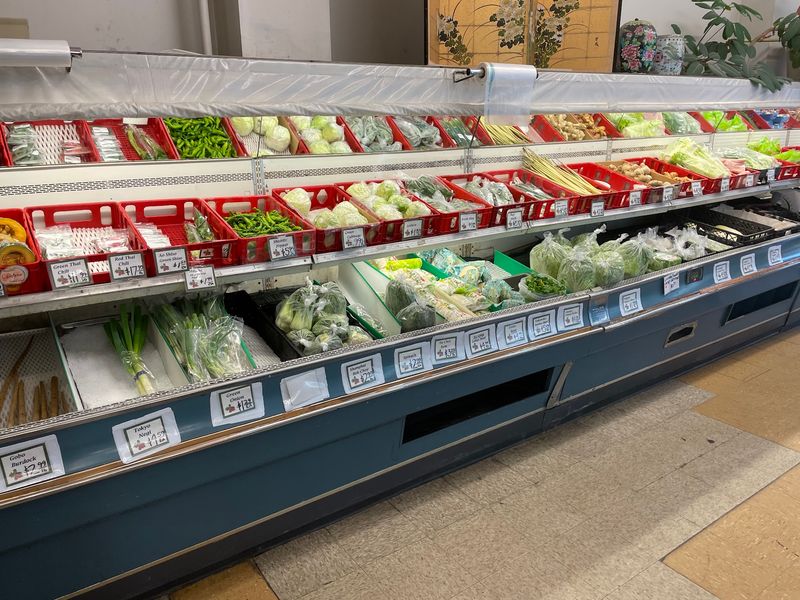
Behind the fun snacks is a working grocery store that covers the everyday basics.
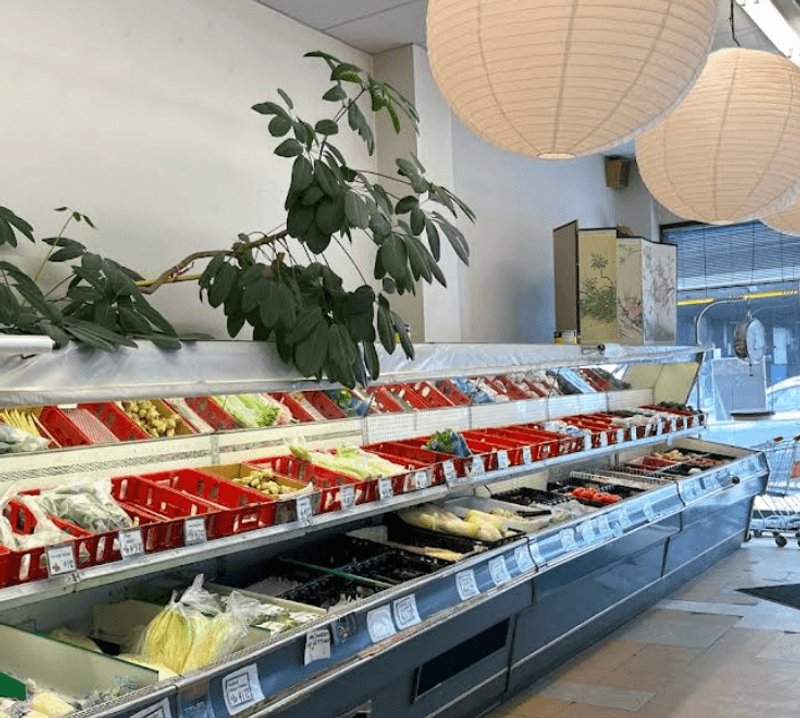
Fresh produce is one of the most frequently praised parts of the shop. It is a key reason some locals treat this as a regular neighborhood market rather than a special-occasion stop.
Daikon is among the vegetables shoppers seek out. It can be harder to find at standard chain grocery stores across the metro.
Bok choy is on hand as well. The store says it normally carries baby bok choy, though stock can vary from day to day.
Pantry staples round out the selection. Noodles, sauces, and other cooking basics make it possible to build a full Japanese meal from one trip.
Some people describe it as fast becoming a favorite neighborhood grocery store. Each visit tends to spark an idea for something new to cook at home.
Cleaning products are on the shelves too. That means a shopper can handle a few household needs while picking up dinner ingredients.
The pantry does not stop at Japanese foods, either. The next aisle takes things a few thousand miles in a different direction.
8. Hawaiian Favorites and Pan-Asian Shelves
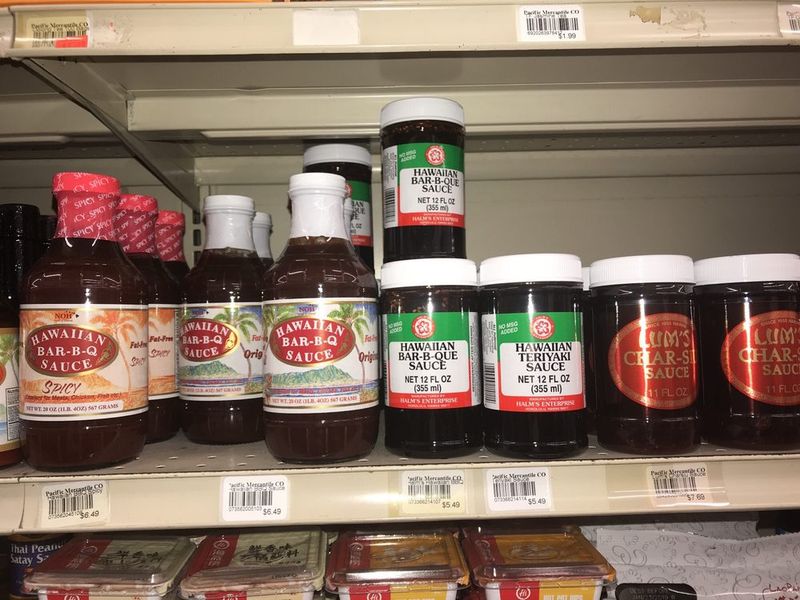
Japanese food leads the way, but the shelves cover a lot more ground.
The store carries Japanese, Korean, Chinese, Vietnamese, and Hawaiian foods. That mix makes it useful for households that cook across several cuisines.
Hawaiian favorites are a standout. Shoppers can find Hawaiian Sun juices, laulau, kalua pig, and Zippy’s chili.
The Hawaiian Sun lineup is especially deep. Some say the store has pretty much every flavor, which is a nice surprise in a landlocked state.
For Coloradans with ties to the islands, that can feel like a small taste of home. For everyone else, it is a chance to try something new without a plane ticket.
Kimchi fans have options too. The store has started carrying a newer, locally made kimchi brand, and vegan kimchi has also earned mentions.
Supporting a local kimchi maker through a local family grocery is a nice bonus. It keeps more dollars circulating in the Denver area.
Groceries are only half the story, though. Toward the back of the store, the shelves switch from food to things you can keep for years.
9. A Bazaar of Bowls, Chopsticks, and Gifts
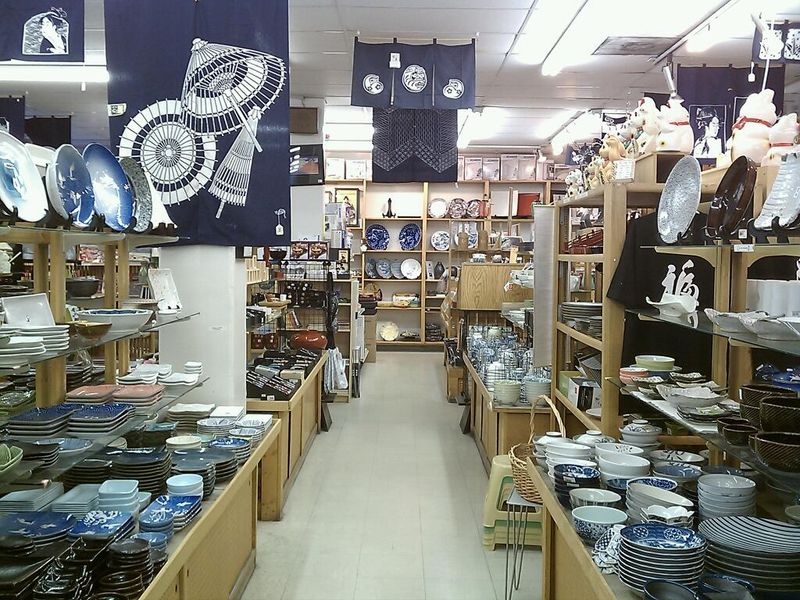
Head toward the back, and the grocery store turns into something closer to a gift shop.
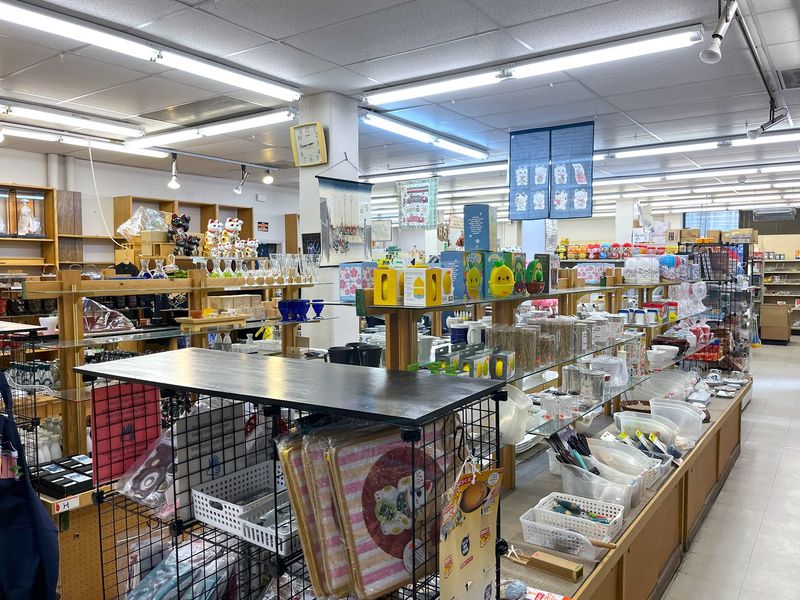
The household corner carries plates, bowls, chopsticks, mugs, and other dinnerware. Japanese tableware and cutlery are a big part of the draw for home cooks who want the right tools.
Kitchenware comes up often when people talk about the store. It is a practical place to outfit a kitchen for Japanese cooking.
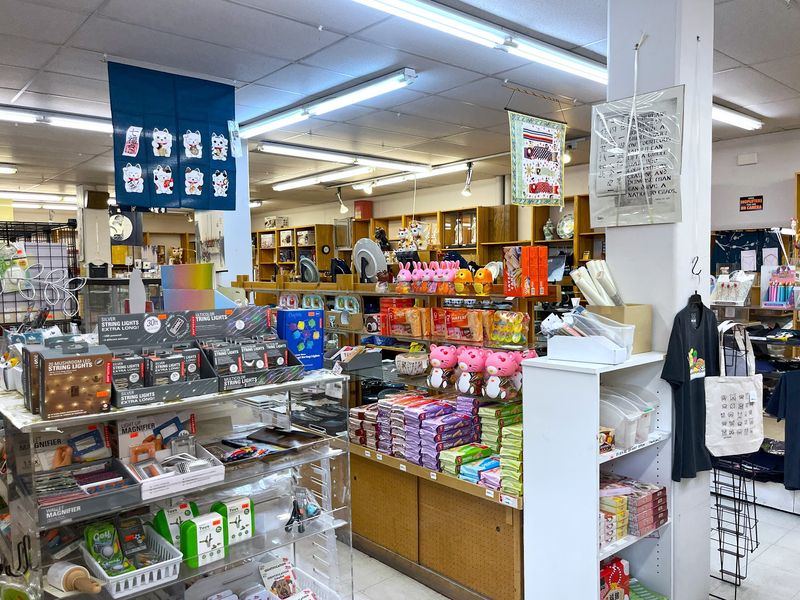
Beyond the kitchen, the selection gets playful. Stationery, decorations, toys, novelties, and even clothing and shirts share the space.
There are Japanese books as well. Combined with the borrowing shelf at the entrance, the store has a small but real reading section.
The shop is packed with interesting items, so taking your time pays off. Some families spend over an hour exploring every corner.
That makes the store a good stop for birthday or holiday gifts. A pair of chopsticks or a set of bowls can make a thoughtful present for a friend who loves to cook.
Of course, the products are only part of what keeps people coming back. The people behind the counter matter just as much.
10. The Family Behind the Counter
Friendly staff is the single most mentioned thing about this store, coming up nearly 100 times.
That is a telling detail. People remember how they were treated here as much as what they bought.
The current owner, Jolee, is known for her warmth. She has welcomed out-of-town families like old friends and even given hugs as they left.
Employees get similar praise. Staff members are described as kind, helpful, and quick to assist when someone is hunting for a specific item.
There is no hard sell. Shoppers can browse at their own pace and ask questions without feeling rushed.
Long relationships are part of the culture too. Staff know some customers by name after years of visits and take time to chat.
The owners also respond to feedback personally. When a shopper mentioned a missing item, the team replied that it is normally carried and might have just been a busy day.
That personal touch is hard to find at a big-box store. It helps explain why so many Denver residents keep returning, and it shapes the overall mood of the place.
11. A Calm, Tidy Mom-and-Pop Market
Crowded megastores can wear anyone out. This shop offers a different pace.
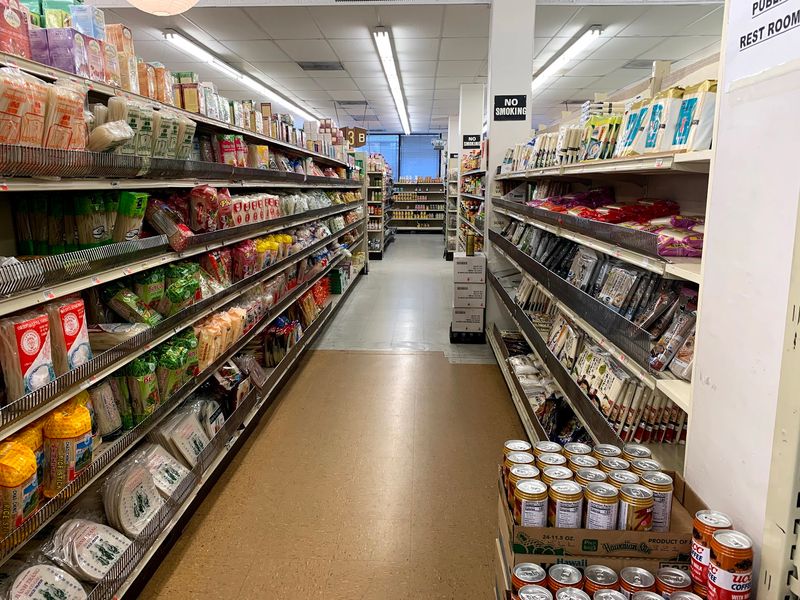
The store is often described as clean, calm, and tidy. Products are well organized, which makes browsing relatively easy even in a compact space.
It has the feel of a real Asian market, with a distinct Japanese mom-and-pop character. That feeling has carried through generations of ownership.
Expectations matter here. The store is not a large Asian big-box outlet, and the variety of some items is more limited.
The owners say as much themselves. As a small, family-owned business, the selection is smaller, but the focus stays on quality and variety in key areas.
So who does it suit best? Home cooks who love Japanese food, families looking for a fun outing, and downtown workers needing a quick lunch all fit right in.
Retirees on a relaxed schedule may enjoy the weekday calm. Parents can turn a trip into a low-cost cultural outing for the kids.
Newcomers to Denver have also found it quickly becomes a staple. Knowing what fits the budget makes the trip even better, so prices come next.
12. Smart Shopping on a Budget
Money talk time. How does this downtown shop stack up against the bigger Asian supermarkets in the metro?
Many groceries are described as competitively priced compared with larger Asian markets in town. Some shoppers even call the prices well beyond reasonable.
Other items can cost a bit more. Imported goods and a downtown location both play a role, and the owners openly say they try to keep things affordable as a small business.
A simple approach helps. Stock up on items that are hard to find elsewhere, like sashimi-grade fish or specialty snacks, and compare prices on common staples.
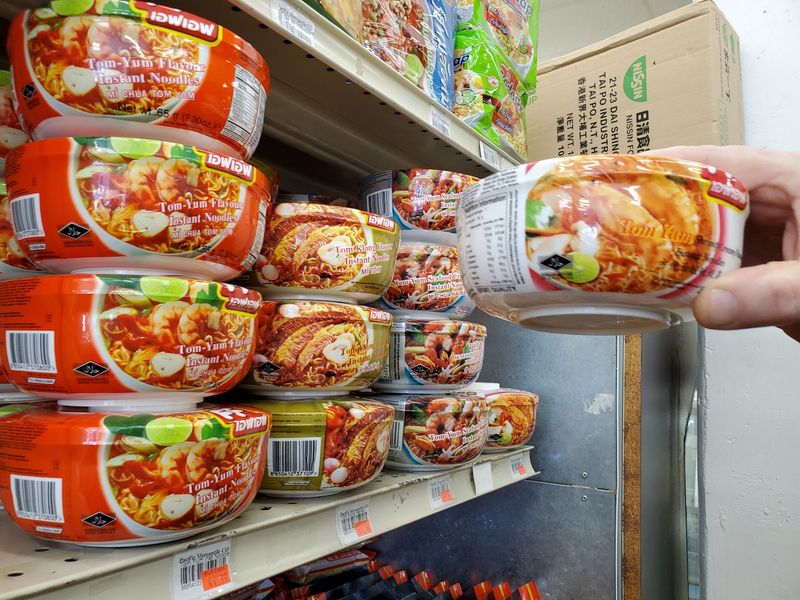
Single-pack ramen and small snack bags let shoppers sample without spending much. That keeps a first trip from turning into a budget buster.
One practical tip stands out. Check expiration dates on canned and dried goods, since a few items have occasionally been found past their best-by dates.
The store stands behind its stock on that point. If it happens, the owners say you can bring the items back for a refund.
A little planning on timing and parking can save money too. Those details are up next.
13. Hours, Parking, and the Validation Trick
Parking downtown can be the hardest part of any errand. Here, there is a handy workaround.
The store offers free parking validation for the lot north of the building. A minimum purchase of 10 dollars is required, and staff will validate your parking stub.
Paid street parking and a nearby garage are also options. The validated lot is usually the better deal for anyone planning a real grocery run.
Hours are straightforward. The store is open Monday through Saturday from 9 AM to 6 PM.
Sunday hours are shorter, running from 9 AM to 2 PM. Plan Sunday trips earlier in the day so you are not rushing the browse.
The location near Coors Field is worth keeping in mind. Game days can bring more traffic downtown, so checking the schedule before heading out may save some stress.
Weekday mornings can be a relaxed time to shop. That timing may also give you first pick at the fish counter.
For those driving in from the suburbs, a single well-planned trip can cover groceries, gifts, and a ready-made lunch. All that leaves one question to answer.
14. Worth the Trip Downtown
So, is this century-old market worth a spot on your regular shopping list? For most Denver residents who love Japanese food, the answer looks like yes.
The fish counter alone makes a strong case. Sashimi-grade tuna, salmon, and specialty roe are hard to match elsewhere in the area.
Add in ready-made katsu meals, sushi, snacks, mochi, and Hawaiian favorites, and one trip covers a lot of ground. The kitchenware and gift corner brings even more value.
The store holds a 4.7-star average from more than 1,100 people, which reflects how much locals appreciate it. Friendly staff and a family touch are a big part of that.
It is not a giant warehouse store, and it does not try to be. Shoppers who go in expecting a focused, well-run family market tend to leave happy.
The history adds meaning to every purchase. Supporting a business with more than 100 years in Denver helps keep a piece of Colorado’s Japanese American heritage alive.
Grab a validated parking spot, bring a shopping list, and leave room for a surprise or two. Odds are good you will be planning the next visit before you reach the car.
Share this story