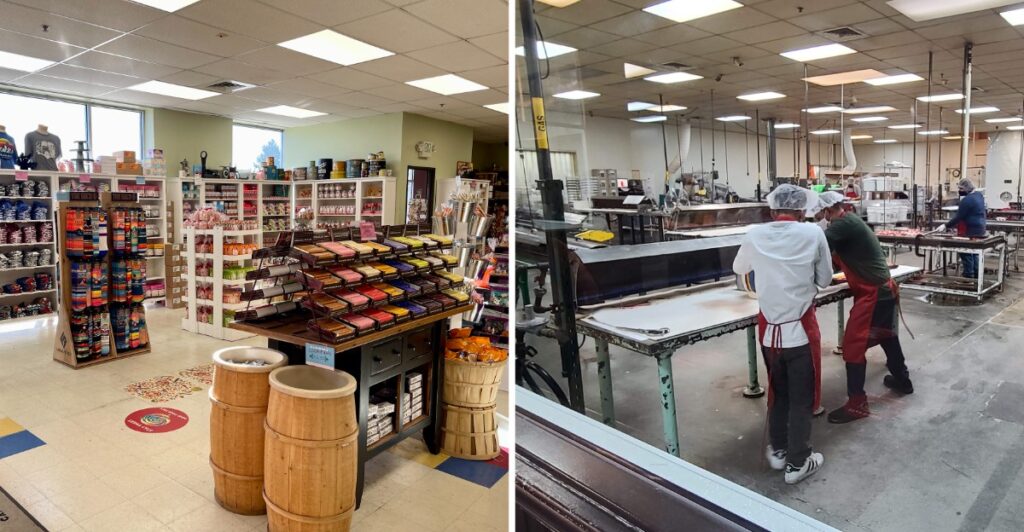
Watching candy being made by hand feels like stepping into a sweeter, simpler era. At Hammond’s Candies in Denver, visitors can peek behind the scenes as classic treats take shape using techniques that have helped define the company for generations.
The factory tour adds movement, color, and a little nostalgia to what could otherwise be an ordinary candy-store visit, especially when freshly made sweets are involved. Afterward, the shop provides plenty of temptation for anyone suddenly craving something sugary. Even better, the tour is free, making this old-fashioned Denver experience as easy on the wallet as it is fun to watch.
A Sweet Surprise on Washington Street

A candy factory does not have to look like a storybook cottage. Hammond’s Candies sits on Washington Street in a working part of Denver, where the buildings around it give little warning of the colorful store and busy production rooms inside.
That contrast makes the arrival more interesting: an ordinary factory address leads to a place devoted to sweets. Look for the factory store rather than expecting a small shop on a downtown sidewalk.
The building can be easy to pass if you are watching only for a bright candy display, so follow your directions carefully as you approach 5735 Washington St. Parking is available near the factory, which helps if you are bringing children or planning to carry home a few boxes.
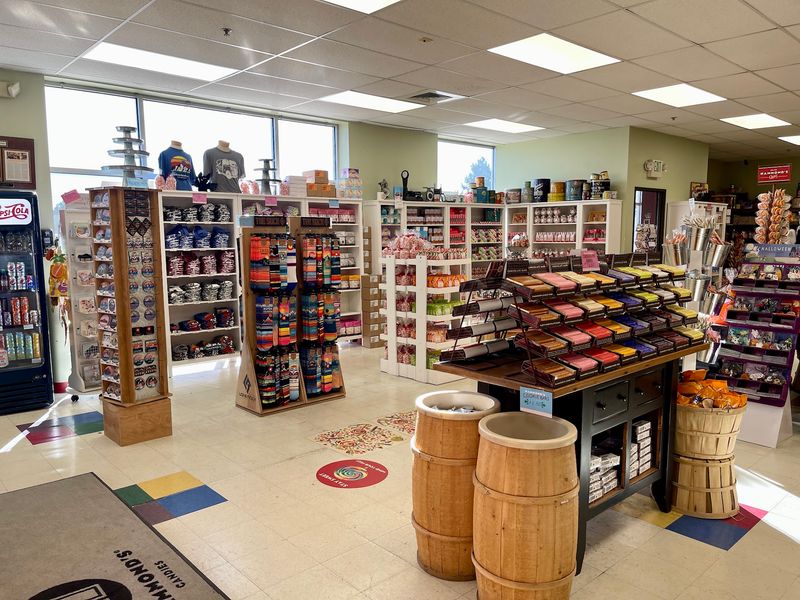
Inside, the first big change is visual. Shelves hold rows of brightly colored candy, while the tour offers a chance to see where part of that selection begins.
It is a useful reminder that a finished candy cane does not arrive on a shelf looking neat by accident. Someone must shape it, check it, and prepare it for sale.
The setting also explains why this visit differs from a regular candy store stop. Hammond’s is both a place to shop and a working factory, so the store is only one part of the experience.
You can arrive with a tour reservation, see the process, then return to the shelves with a better idea of what went into each treat.
Give yourself a few extra minutes to find the entrance and get settled before your tour time. There is no need to rush past the displays on arrival.
The store will still be waiting when the factory visit ends, and those colorful shelves will make more sense after you have seen the work behind them.
The Free Tour Has an Old-School Twist
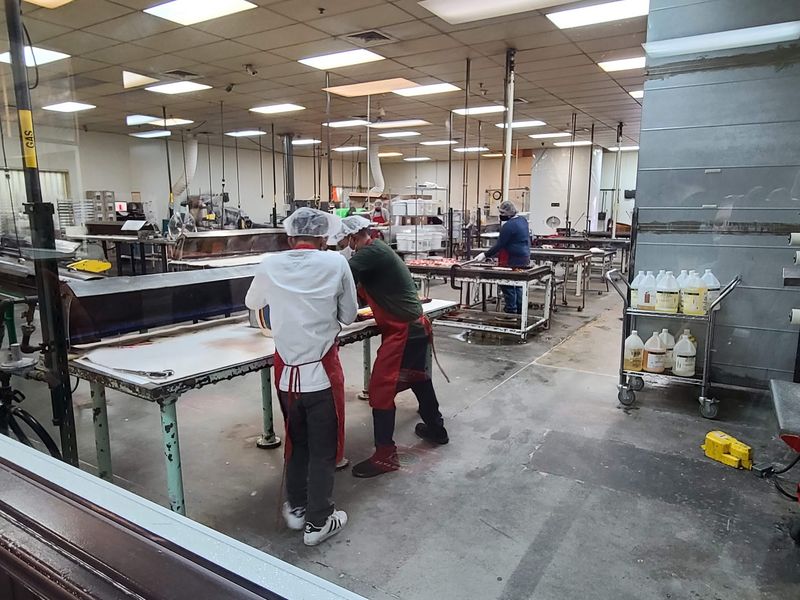
Free admission is a nice surprise, but the tour has a better trick: it slows everyone down long enough to watch how candy gets made. Instead of racing through a maze of exhibits, you begin with an introduction to Hammond’s history and then follow a guide toward views of the production area.
The format is simple and easy to follow. That straightforward setup gives the visit its old-school charm. A guide explains the steps, workers do their jobs behind the viewing area, and the candy takes center stage.
There is no need for special effects when a batch being shaped by hand can hold your attention on its own. The 1950s comparison is about that close look at factory work, not a promise that every part of the building has stayed unchanged.
Plan for a short outing rather than a half-day event. Tour experiences have been described as lasting roughly 20 to 30 minutes, though the exact pace can vary.
A brief video may come first, followed by time watching production and packaging. Ask the guide questions if a step is hard to see or a tool has an unfamiliar purpose.
Because the tour goes through viewing areas, it is not a hands-on candy-making class. Children who expect to stir a pot or wrap their own sweets should know that ahead of time.
What they do get is a close look at adults doing skilled work, plus a chance to connect a finished piece of candy with the people who make it.
Reserve a tour spot in advance, especially if your schedule is tight. A free activity can still fill up, and an appointment makes the visit easier to plan. Afterward, the route leads naturally back to the store, where the products are ready for a closer look.
Watch the Candy Take Shape
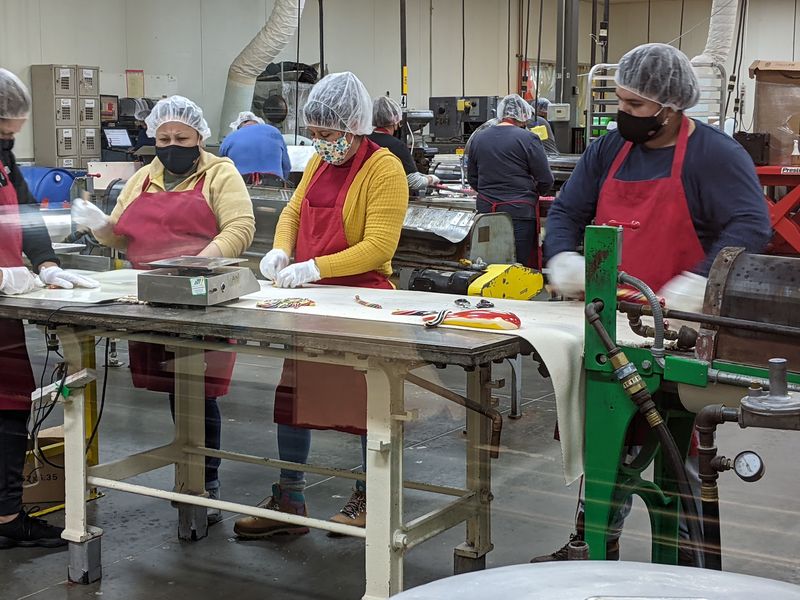
One quick look at a striped candy cane can make it seem simple. Watching candy makers work changes that idea.
At Hammond’s, the factory tour can reveal the steps behind hard candy, from handling a batch to shaping and preparing pieces that will later appear in the store. The exact product on view depends on what is being made that day.
Pay attention to the hands as much as the equipment. A worker’s movements can show how much control goes into making pieces that look alike.
Color must land in the right place, shapes need care, and the finished candy has to pass a quality check. The process gives children something clear to notice: making many treats is not the same as rushing through them.
Some production areas are viewed through glass, which keeps the work separate from the tour group. That is practical for a food factory, even if it means you cannot get right beside a worktable.
Small viewing stands may help younger children see, and a screen can offer another look when a spot near the window is crowded. Let shorter viewers move forward first, then trade places.
Do not expect every station to be busy at every moment. Candy production changes with the day, the season, and the factory’s schedule.
One visit might put shaping in the spotlight; another might offer more action in packaging or a quieter view across the room. A tour still teaches plenty when you watch for the smaller steps between the dramatic ones.
The most useful question to ask is not simply what candy is being made. Find out what the workers are doing at the stage you can see, and what happens next.
That turns a brief look through a window into a lesson about skill, timing, and the work tucked inside a single sweet.
Why This Colorado Factory Has a Story to Tell
Hammond’s history is not tucked away in a dusty corner. The tour opens with a look at the brand’s past, giving context before you watch today’s workers.
That order matters. A candy cane on a shelf is a product; a candy cane seen after a history lesson becomes part of a long-running Denver craft.
Hammond’s dates back to 1920 and is known as Colorado’s oldest candy factory. That does not mean every machine or method is frozen in time.
The story is more interesting than that: traditional handwork remains part of a modern operation that must also make, check, package, and sell its candy. Seeing those jobs side by side helps explain how an old business continues to function.
The factory setting makes the history easier to grasp than a date on a package would. You can hear about the company, then look through a window at people carrying on the work.
There may be machines in view as well as hand shaping, and the mix is worth noticing. Old-fashioned candy making still needs an organized production space.
For families, the introduction offers an easy starting point for conversation. Ask a child to spot one step that uses a person’s hands and another that uses equipment.
Later, compare those steps with the finished candy in the store. It is a small activity, but it helps turn a quick tour into something they can explain in their own words.
The 1950s feeling here comes from watching work happen in front of you, with a guide ready to explain it. There is no need to pretend the factory is a museum.
Its history is most visible when the tour moves from the old story to an active room, where the next batch is underway.
The Store Is Its Own Colorful Detour
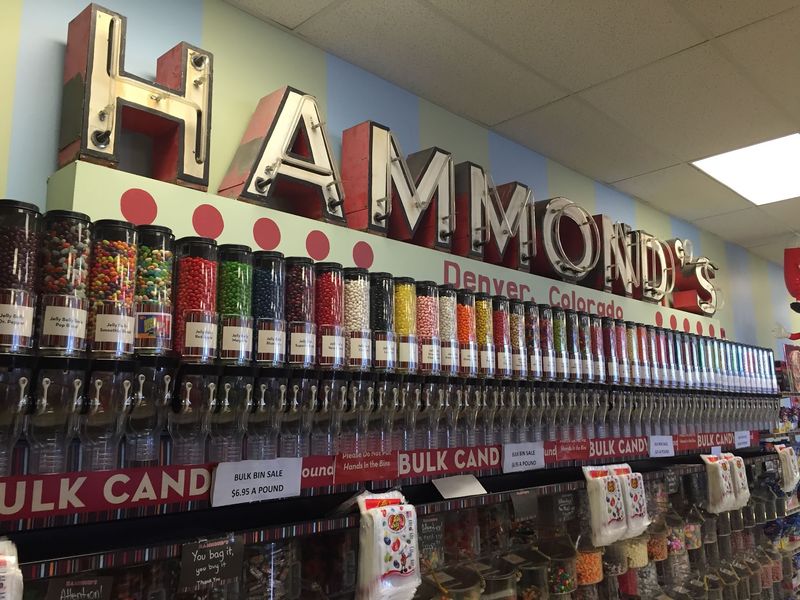
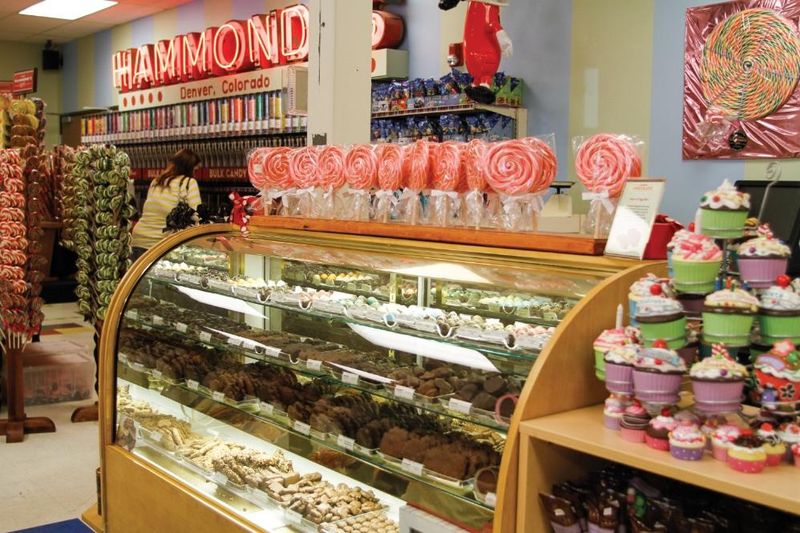
Once the tour ends, the store can turn a quick visit into a serious choosing problem. Candy canes share space with lollipops, chocolates, and gift items, so a small shopping plan helps. Otherwise, it is easy to circle the displays twice and still wonder what to pick.
Start with the sweets tied closely to Hammond’s candy-making story. Hard candy is especially interesting after you have watched workers handle a batch, and the colors and shapes are easier to appreciate up close.
Then move to the softer choices, including chocolates and caramel treats. The Mitchell Sweets, marshmallow-filled caramels, offer a clear change from a crisp candy cane.
There are other ways to browse besides hunting for one famous item. A jellybean display invites you to look for favorite colors and flavors, while packaged treats can work well as gifts.
If you are buying for someone else, check the label for ingredients and flavors rather than judging only by the wrapper. A pretty box is useful, but the candy inside should suit its future owner.
Budget-minded shoppers can look for discounted candy, sometimes called the Oops selection. Stock and prices may change, so treat it as a possible find rather than a guaranteed deal.
The idea is simple: a treat that does not look quite right may still be appealing when appearance is not your main concern. Check the package before buying so you know what you are taking home.
A free tour does not require a purchase, which makes browsing more relaxed. If you do shop, choose a mix that lets you compare textures later: one hard candy, one chocolate, and one softer sweet. It is an easy way to bring the factory lesson home without filling the entire bag.
Pick Your Tour Time With Care
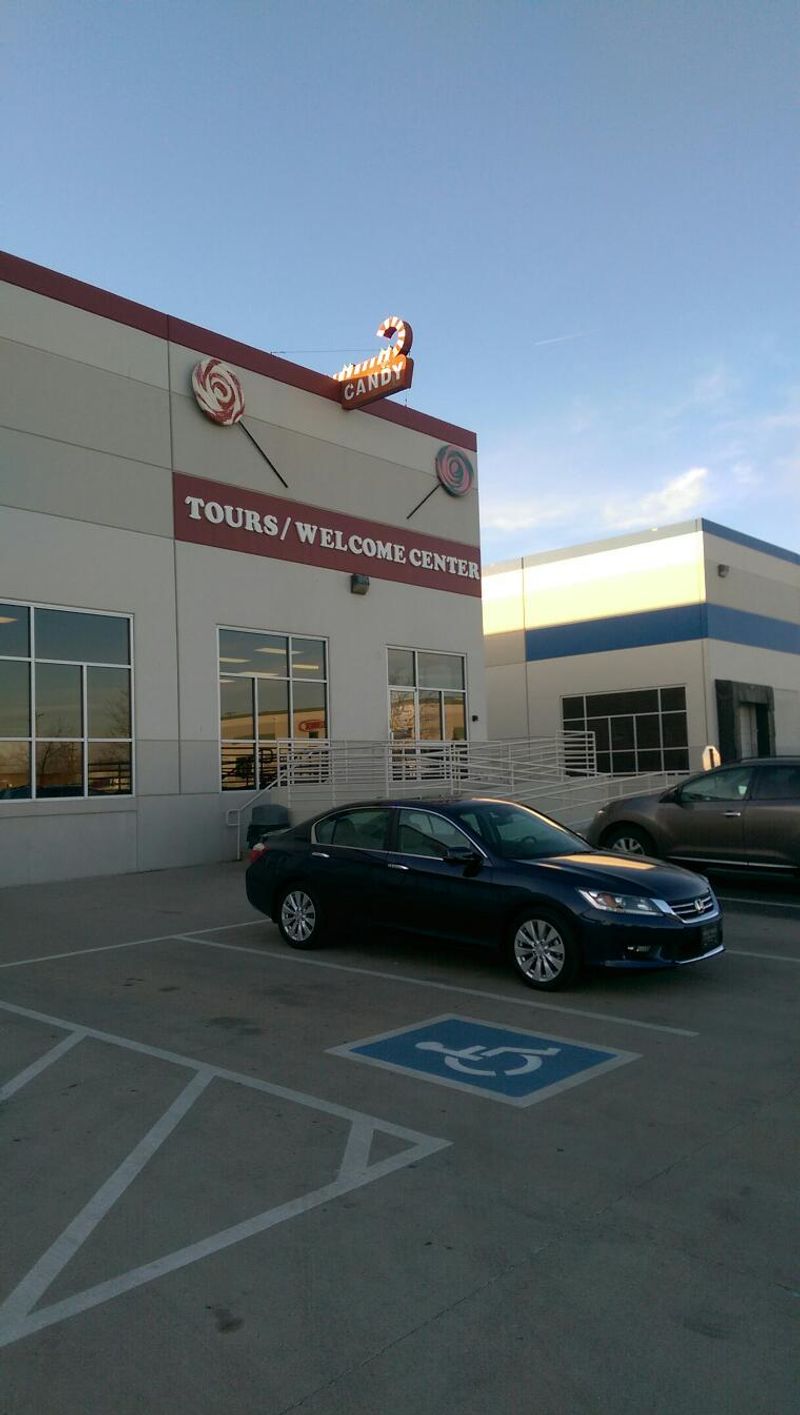
A factory can only show what is happening while you are there. That makes timing the most useful part of planning a Hammond’s visit.
A quiet production room does not mean the tour has gone wrong; it may simply mean fewer tasks are underway during your viewing window.
If watching active candy making is your top goal, ask about production when you arrange your tour. Work can vary by weekday and season, and weekends may have fewer departments running.
Staff cannot promise that a particular sweet will be shaped in front of you, but asking ahead can help you choose a time that suits your expectations. Be ready for whatever batch is on the schedule.
The factory store lists daytime hours, generally 9 a.m. to 4 p.m. Monday through Saturday and 11 a.m. to 4 p.m. Sunday. Tour times may not match every minute the store is open, so do not assume you can arrive near closing and join one.
Confirm current hours and reserve your place before setting out, since schedules can change. Allow enough time to park, find the entrance, and check in without hurrying.
The visit itself is fairly brief, but a rushed arrival can make you miss the opening video or distract a group already listening to the guide.
Families may also want a bathroom stop before the tour begins. Keeping small children close in the viewing areas helps everyone hear the explanation.
For a quieter shopping trip, the store is still an option even when you cannot fit a tour into your day. You can browse the candy without pretending that a shelf visit is the same as watching production. If the factory work is the reason you came, though, book first and make the tour the center of your plan.
A Small Treat With a Big Backstory
The piece of candy at the end of a tour may be the smallest thing you take away from Hammond’s. It also makes a tidy finish to the visit.
After watching workers, hearing about the company, and passing the production and packaging areas, you can look at a finished sweet and understand more of the work it took to get there.
Tour treats have been offered, though the exact candy can vary. Do not promise a child a particular flavor or a full-size cane before you arrive.
Let the surprise be part of the outing instead. If you buy extra candy, keeping the tour treat separate is a fun way to compare what you saw being made with what you found on the shelves.
The tour works best when expectations stay clear. It is short, free, guided, and focused on observing rather than making candy yourself.
Production may be busy or quiet, and the store may tempt you to spend even though the tour costs nothing. Those simple facts make it easier to decide whether the stop fits your day.
For a child, the strongest lesson can be wonderfully ordinary: a familiar sweet comes from real work. For an adult, it is the sight of a functioning factory carrying an older candy-making tradition into the present.
Neither idea needs a grand display to make sense. A viewing window, a guide’s explanation, and a worker carefully handling a batch do the job.
Before leaving, take one last look at the shapes and stripes in the store. They are bright and ready to eat, but now they are also clues to the steps you saw behind the glass.
That is the distinctive pleasure of Hammond’s: the candy counter and the working factory belong to the same visit.
Share this story