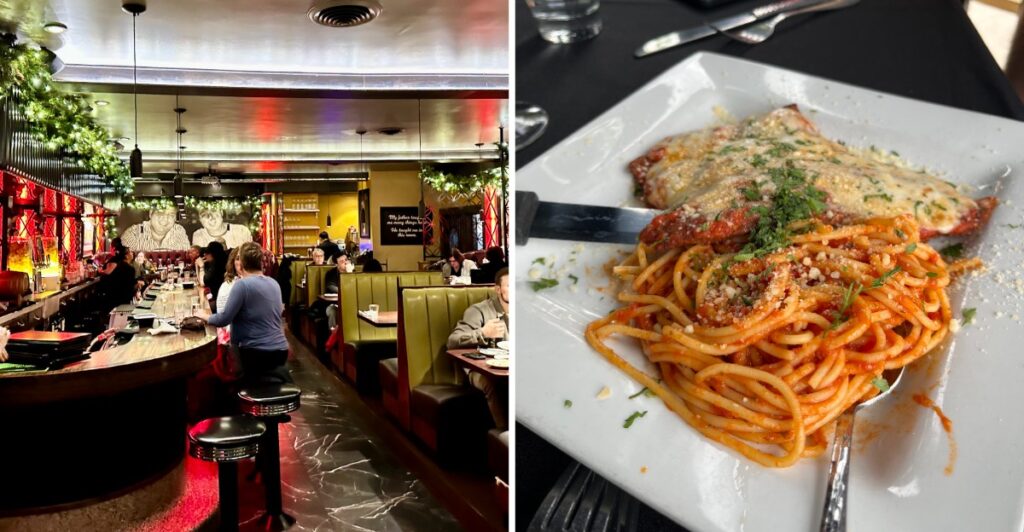
Red sauce, pasta, and decades of Denver history share the table at Gaetano’s. This longtime Tejon Street restaurant has held onto the kind of old-school Italian-American character that feels increasingly rare, pairing familiar comfort dishes with a lively neighborhood atmosphere rooted in another era.
The appeal goes beyond nostalgia, because the food still reflects the straightforward traditions that helped build the restaurant’s reputation in the first place. Settle into the dining room, and modern Denver can seem surprisingly distant for a meal. Gaetano’s offers a delicious reminder that some restaurant traditions are more interesting when nobody tries too hard to reinvent them.
A Corner in Denver That Looks Like It Kept Its Own Time
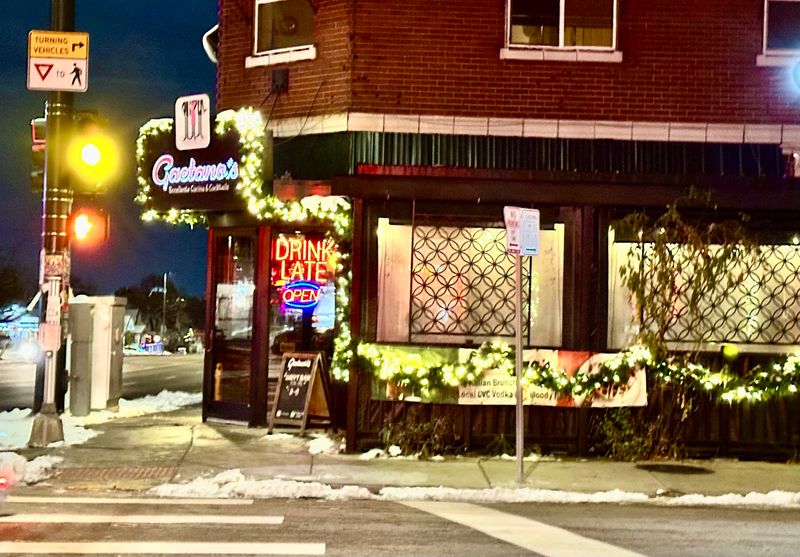
Before a plate even hits the table, Gaetano’s sets a tone that is hard to miss. The building stands on a visible corner in north Denver, and its look carries the kind of old neighborhood personality newer restaurants spend years trying to fake. Nothing about the setting suggests a polished chain formula.
Street presence matters here because the location already tells part of the story. Tejon Street has long been tied to Denver’s Italian-American past, and Gaetano’s still reads like a place shaped by that history instead of wiped clean by trends. The restaurant’s reputation for mob-era lore only adds another layer, giving the address a vivid sense of place.
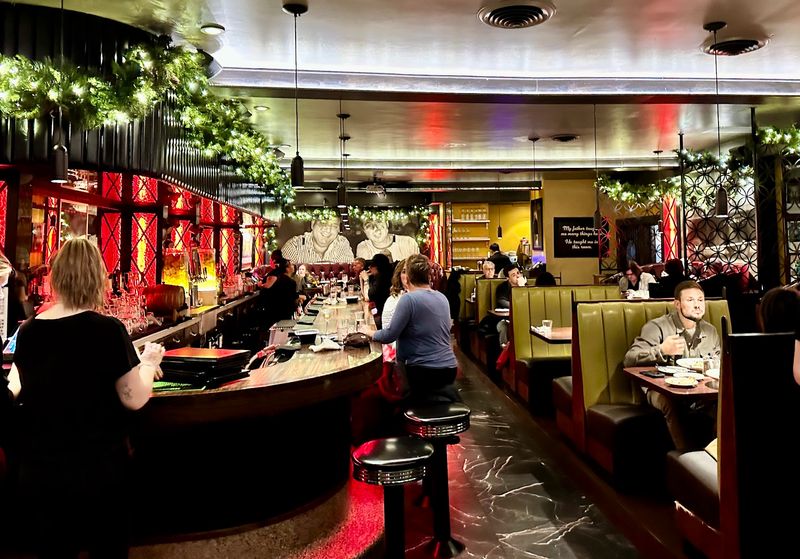
Step inside and the design choices continue that mood with color, character, and a bit of swagger. Diners regularly point out the old-school Italian look, and the room appears built for big dinners, dates, birthday meals, and loud conversation over red sauce. It is lively rather than hushed, which suits the house style.
That visual identity does more than decorate the room. It prepares diners for a meal centered on classics, comfort, and familiar dishes instead of tiny portions arranged like art projects. In a city full of modern concepts, that kind of confidence stands out fast.
For first-timers, the smartest move is to slow down and take in the space before ordering. Notice the details, the tables filling up, and the pace of the room as service begins to move. Even if the dining room gets busy, the setting gives the meal shape.
Gaetano’s works best when seen as both restaurant and neighborhood landmark. The corner, the history, and the unmistakable look all signal the same thing: this is a place built to be remembered long before dessert arrives.
The Pasta Playbook Still Favors Old-School Comfort
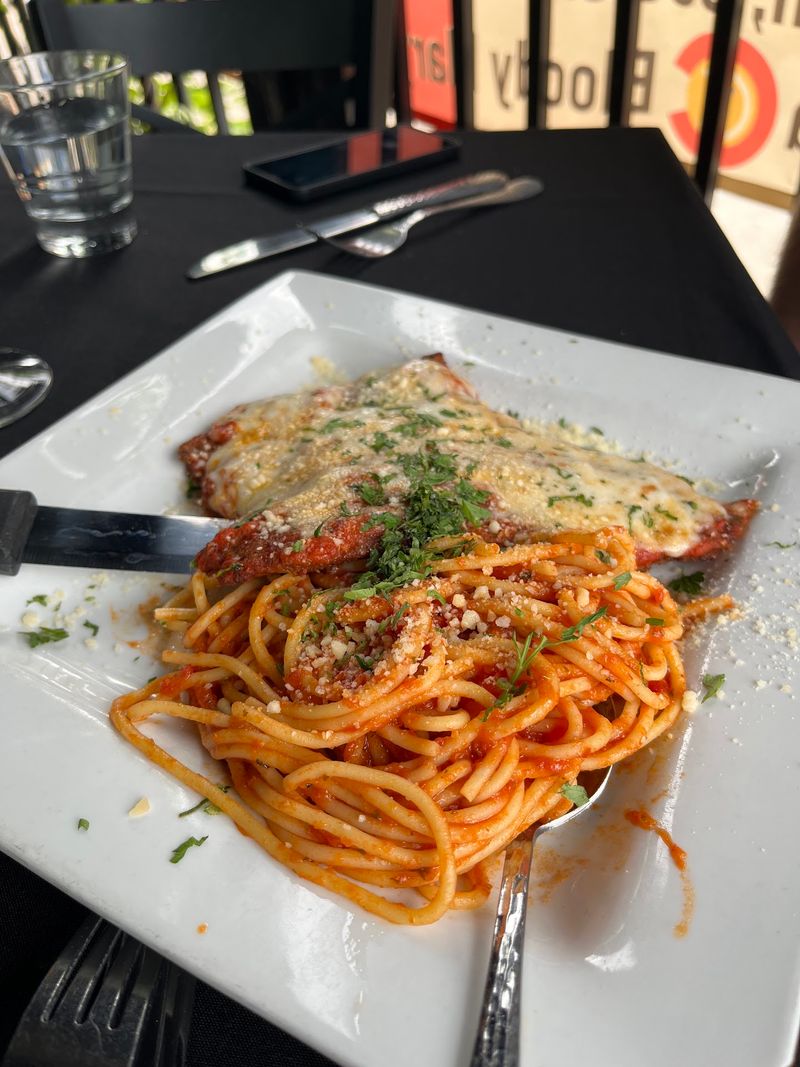
One strong clue to Gaetano’s staying power sits right in the middle of the menu: classic pasta dishes that aim for comfort first.
The restaurant is known for bolognese, gnocchi, ravioli, carbonara, and spaghetti plates that belong to the long-running Italian-American restaurant tradition. That matters for anyone chasing a meal that tastes built for dinner, not for social media.
Sauce appears to be a big part of the appeal. Diners repeatedly call out rich flavor in dishes like bolognese, chicken parm, veal parm, and pesto pasta, which suggests the kitchen understands how much these plates depend on balance rather than flash. A red sauce has to coat, support, and warm the dish, not just sit there.
Texture is where the conversation gets more interesting. Many meals earn praise for freshness and hearty execution, while a few reports mention overcooked pasta.
That contrast is useful because it shows what to order with purpose: house favorites with stronger track records, especially dishes where sauce, cheese, and structure work together.
Chicken parm looks like one of the safer bets, especially for first visits. It comes up again and again, often paired with compliments about crust, flavor, and satisfying portions. Gnocchi, pesto penne, and bolognese also seem to land well when diners want something cozy and classic.
For the best experience, go in with a simple plan. Pick one signature pasta or parm dish, add bread, and round it out with a starter that will not compete too heavily with the main plate. That approach lets the kitchen’s strongest lane speak clearly.
Gaetano’s does not chase novelty for its own sake. The core attraction is a lineup of Italian restaurant staples that still know how to deliver the kind of dinner people actually crave on an ordinary night.
Bread, Starters, and the Extras That Shape the Whole Meal
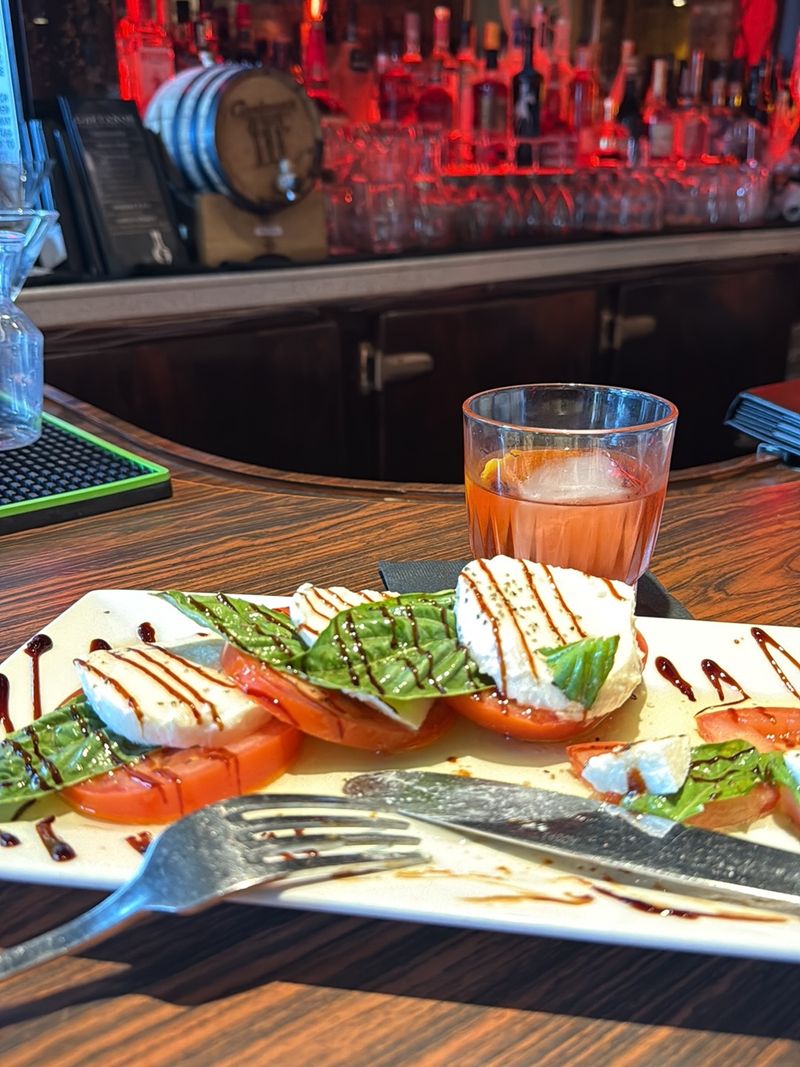
A surprising amount of a restaurant’s personality shows up before the entree arrives. At Gaetano’s, starters and bread seem to set the rhythm of the meal, and several of those opening bites earn almost as much attention as the pasta.
That is usually a sign of a kitchen that takes the full table seriously. The bread basket comes up often, especially the soft, crusty, focaccia-like bread that diners remember with unusual enthusiasm.
Garlic cheese bread also gets strong praise, which makes sense in a house built around classic Italian comfort. A good bread service does more than fill time. It gives everyone a warm place to begin.
Appetizers widen the picture. Bruschetta, burrata, calamari, fried ravioli, and cheese ravioli bites all appear in the conversation around Gaetano’s, showing a menu that knows how to bridge a casual lunch and a bigger evening out. Not every special seems to hit with the same force, but the core starters look built to please groups.
That is helpful for diners planning a shared table. Order one bread option and two starters with contrasting textures, maybe something creamy and something crisp, so the meal starts with variety instead of repetition. It creates breathing room before heavier mains arrive.
Timing matters too. A few diners have noted that courses can move quickly when the room is busy, so it helps to mention pacing clearly if the table wants a slower dinner. Asking for a pause between starters and entrees is a practical move, especially on crowded evenings.
Gaetano’s shines when the opening round is treated as part of the event, not a side note. Bread, bruschetta, and fried bites all build the old-school restaurant experience one layer at a time, turning a basic dinner into a full-table spread.
Colorado History With a Mob-Era Wink
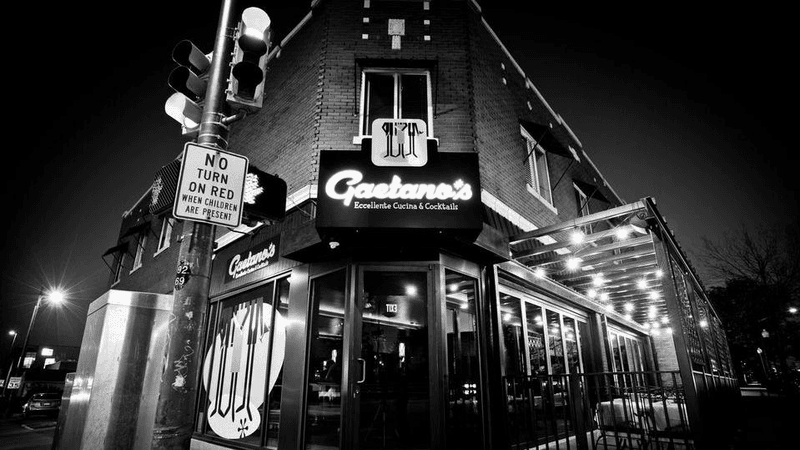
Some restaurants lean on history as decoration. Gaetano’s uses it more like a house language. The place is widely tied to Denver mob lore and old neighborhood stories, and that gives dinner an extra current of curiosity without turning the room into a theme park.
The background matters because it connects the restaurant to a specific piece of north Denver identity. Gaetano’s is not presented as a blank-slate Italian spot dropped into any city block. Its image, reputation, and long-standing local profile all link the meal to a part of Denver that shaped generations of family dining and neighborhood business.
That history shows up in the visual details people notice most. References to gangster-era style, named tables, and even memorable bathroom decor built around mug shots create a sense that the building wants diners to look around, not just eat and leave. There is playfulness in that approach, but it also keeps the story visible.
Good historical atmosphere works best when it supports the food instead of distracting from it. At Gaetano’s, the old-school setting makes dishes like sausage and peppers, chicken parm, and ravioli seem more grounded in the place. The room and the menu are speaking the same language.
For visitors, this is the smart way to approach the experience: treat the history as part of the fun, but keep expectations practical. Ask for a table with character if possible, arrive with time to notice the details, and understand that a lively landmark can run louder and busier than a sleek modern dining room.
Plenty of Denver restaurants can serve pasta. Far fewer can pair that plate with a setting so tied to local legend, neighborhood identity, and a style that knows exactly what kind of story it wants to tell.
Where to Order Boldly and Where to Keep It Simple
Not every table wants the same kind of night, which makes menu strategy useful at Gaetano’s. The restaurant covers familiar Italian standards, seafood pasta, richer meat dishes, desserts, and cocktails, so ordering well can shape the whole visit. A little focus goes a long way here.
Start with the dishes that appear to perform most consistently. Chicken parm stands out as a favorite, and veal parm, sausage and peppers, gnocchi, pesto penne, and bolognese also show up as strong picks.
Those are the kinds of orders that fit the restaurant’s old-school identity and tend to match the room’s hearty, celebratory mood. Lobster ravioli draws attention too, though reactions seem more mixed.
That does not make it a bad choice for every table, but it suggests that first-timers may do better with house comfort classics before branching into richer or more delicate items. If the goal is a dependable introduction, familiar red-sauce and parm dishes look like the safer path.
Dessert deserves planning instead of being treated as an afterthought. Tiramisu gets especially warm praise, while cannoli, olive oil cake, lemon cream cake, key lime pie, carrot cake, and even coconut sorbet round out the finish with a mix of traditional and lighter options. Saving room is a practical decision, not a luxury.
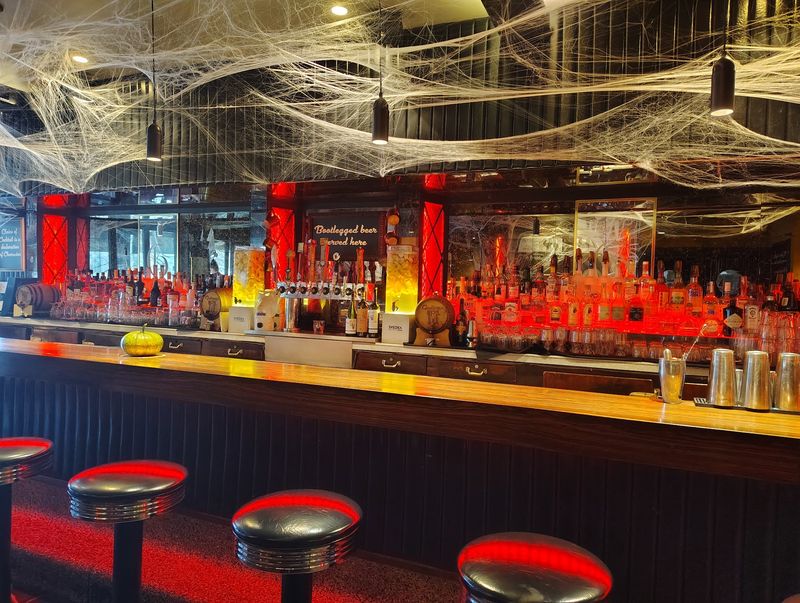
Drinks can be part of the fun as well. Creative cocktails and brunch-friendly favorites such as a bloody mary bar help broaden the experience beyond dinner alone, which is useful for groups with different tastes. If the table wants a fuller outing, pairing a classic entree with dessert and drinks makes sense.
The cleanest strategy is simple: order with confidence, stick close to the restaurant’s strongest classics, and give dessert a seat at the table. Gaetano’s rewards diners who understand exactly what kind of meal the house wants to serve.
When to Go, How Busy It Gets, and What to Expect
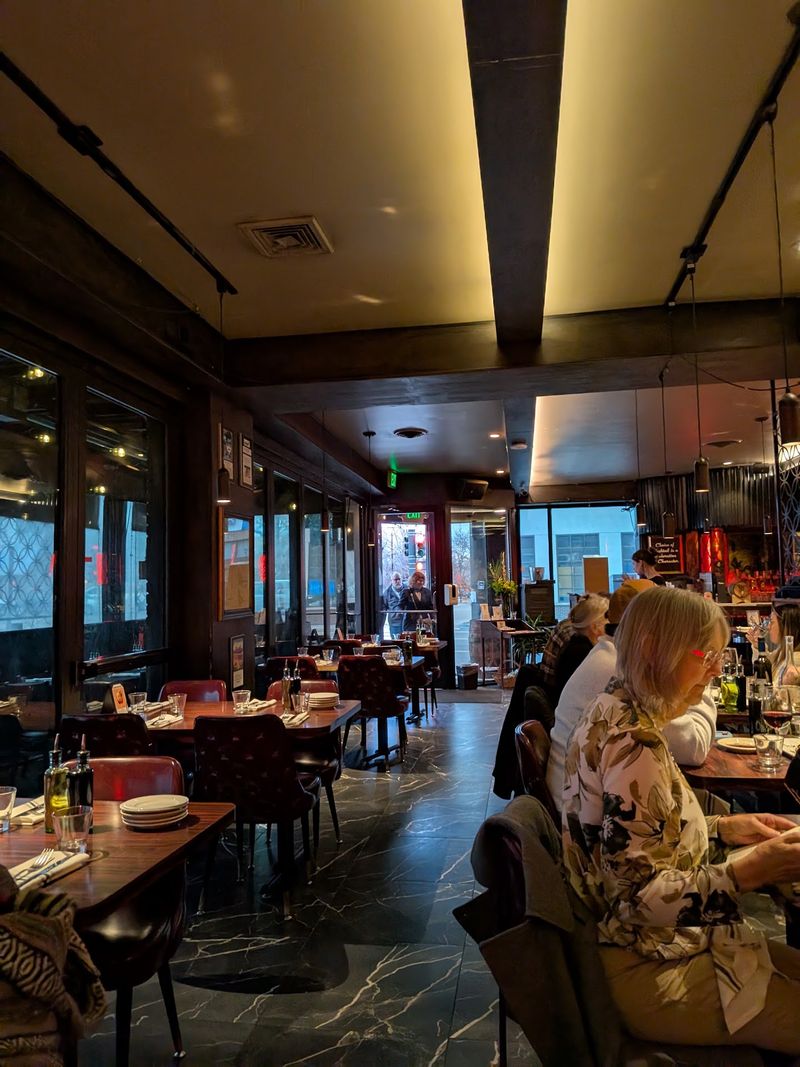
Timing can change the whole experience at Gaetano’s. The restaurant keeps different hours across the week, opens for lunch and dinner on several days, and tends to draw strong traffic during prime meal windows. That means planning ahead matters almost as much as picking the right entree.
Dinner appears to be the busiest lane, especially on weekends and early evening reservation slots. A line forming close to opening time has been noted, which tells diners two useful things right away: the place stays in demand, and the room can fill fast. Popular long-running restaurants often work exactly like this.
Because of that, reservations are a smart move whenever possible. They may not guarantee a flawless special-occasion setup every time, but they still improve the odds of a smoother visit during rush periods. Walk-ins can do well at the bar, especially if flexibility matters more than a specific table.
Service seems strongest when diners build in some patience and communicate clearly. Reports suggest excellent hospitality is common, though busy nights can bring pacing issues, slower check-ins, or course timing that moves faster than expected. A direct, polite note about spacing out appetizers and entrees can help.
There are practical perks too. A free parking lot has been noted, which is valuable in a neighborhood outing where circling for a spot can sour the mood before dinner even starts. Patio seating is another appealing option when weather allows, especially for lunch or a more relaxed meal.
For a first visit, the easiest plan is a weekday lunch or an earlier dinner if quieter pacing sounds appealing. For a louder, more energetic version of Gaetano’s, go at peak time and expect a fuller house. Either way, the restaurant works best when treated like a popular local institution rather than a last-minute backup.
Why Gaetano’s Still Matters in Denver’s Italian Scene
Plenty of restaurants serve Italian food in Denver, but not many tie together location, history, personality, and classic comfort with this much clarity. Gaetano’s matters because it is doing more than filling tables with pasta. It represents a version of neighborhood dining that still has strong local meaning.
The appeal starts with continuity. A place linked to decades of north Denver identity carries different weight than a new concept built around temporary buzz.
That does not excuse inconsistencies when they happen, but it does explain why Gaetano’s remains part of the city’s dining conversation in a bigger way than a standard weeknight restaurant.
Food is still the center of the case. Signature plates such as chicken parm, bolognese, gnocchi, veal parm, sausage and peppers, and tiramisu keep the menu anchored in familiar pleasures that many diners actually want again and again. Add strong bread service, notable starters, and cocktails, and the house offers a full evening rather than one standout dish.
Then there is the room itself. The old-school Italian styling, mob-story associations, busy dining energy, and celebratory feel give the restaurant a point of view. Even when the crowd gets loud or service speed varies, the place rarely sounds bland.
That mix is why Gaetano’s works best for diners who want more than a quiet bowl of pasta. It suits birthday dinners, date nights with personality, family meals, visiting friends, and anyone curious about Denver food history with a side of red sauce. Go expecting character, not perfection.
In the end, the restaurant stands out because it still knows its lane and stays in it. Gaetano’s offers a direct, flavorful, unmistakably local version of Italian dining that continues to hold space in a city where many older styles have disappeared.