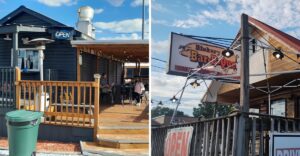
Big Bear Lodge turns a busy Telegraph Road address into a full-on escape hatch for comfort food and cabin-style drama. The look is bold, the menu is broad, and the whole place knows exactly how to lean into its Northwoods character without sliding into parody.
If you want dinner with more texture than another standard suburban chain stop, this Brownstown Township spot gives you plenty to look at before the first basket even lands. Once the food starts arriving, the visual show quickly becomes the side act.
A Log-Cabin Entrance With Real Visual Punch
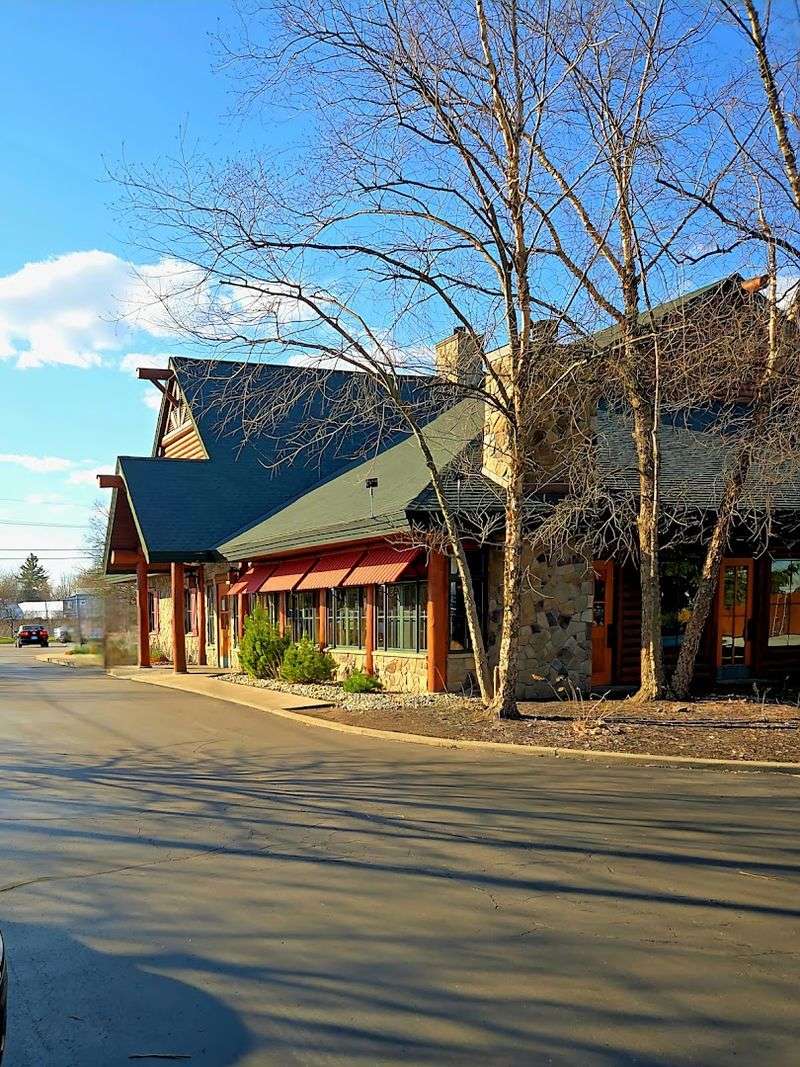
You notice the building before you begin wondering what is on the menu. Along a busy stretch of Telegraph Road, the log-cabin profile rises out of the usual suburban commercial rhythm with enough timber, height, and visual warmth to make drivers look twice.
The restaurant does not ease into its theme. It establishes the Northwoods idea immediately, then carries that confidence through the front doors.
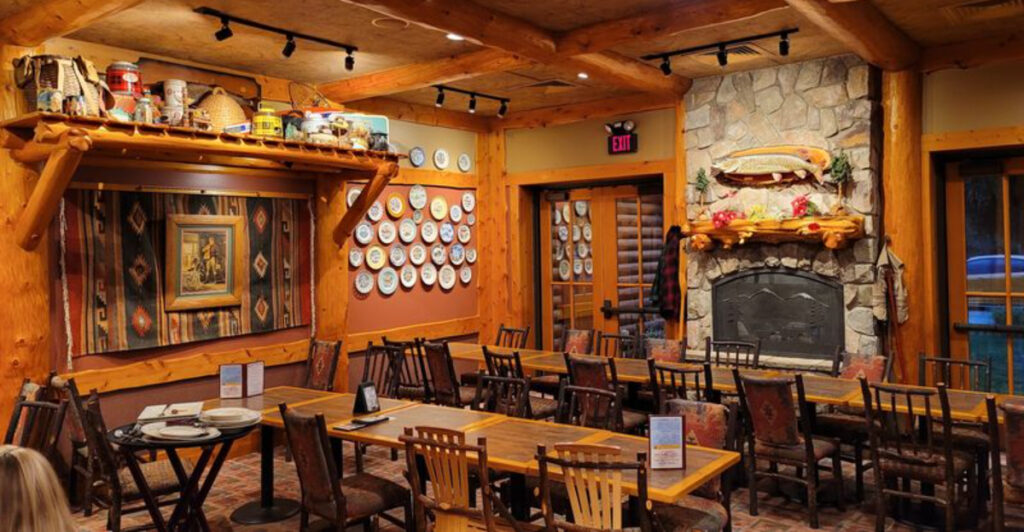
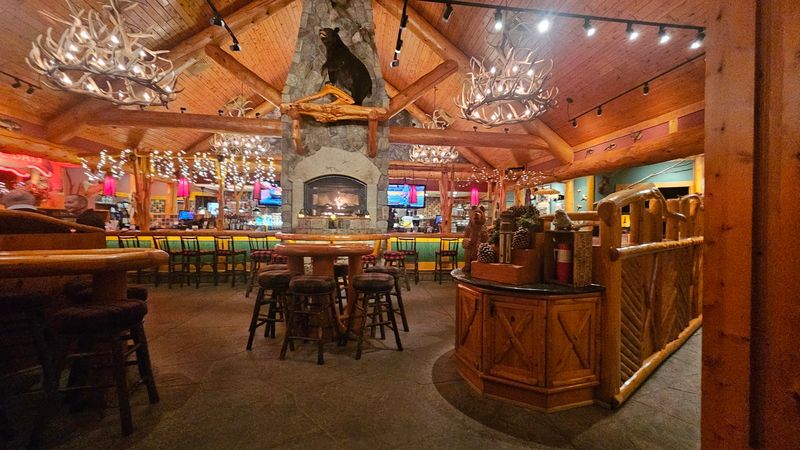
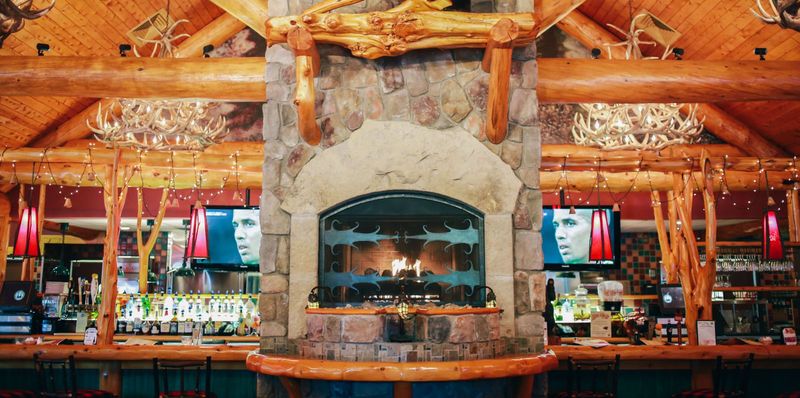
Inside, the scale becomes the strongest first impression. Big Bear Lodge describes its dining room as an “Up North” log cabin, and the official layout includes an open kitchen, a live wood-fired grill, a rotisserie, a pizza oven, three stone fireplaces, six televisions, and semi-private event rooms.
Those practical features sit inside a room shaped by lofty ceilings, substantial beams, warm wood, and a fireplace glow that softens the building’s size.
The effect is theatrical without becoming difficult to use. Guests can settle into an ordinary family dinner, meet friends near the bar, or gather for an event without feeling as though the decor is asking for constant attention.
Once the first few minutes pass, the wood and stone begin functioning as atmosphere rather than spectacle.
That balance matters on Telegraph Road, where convenience usually determines the shape of a restaurant. The large building, accessible location, and on-site parking make the stop easy, but the interior gives the meal more ceremony than the address might suggest.
It encourages a slower look around, a longer conversation, and the sudden belief that an appetizer is probably necessary.
Big Bear Lodge makes a clear promise before the food arrives: this will not feel like dinner in a forgettable box. The entrance establishes the escape, while the room provides enough warmth and operational sense to keep the idea grounded.
Where Wild-Game Burgers Meet Wood-Fired Pizza
Few groups arrive at dinner with perfectly aligned cravings, and the menu here appears designed around that reality. Big Bear Lodge does not confine itself to one narrow category of comfort food.
Its official menu identity stretches from wood-fired pizzas and flatbreads to salads, steaks, ribs, and other substantial American dishes, while wild-game selections give the lodge theme a more direct culinary connection.
The broadness works because the restaurant has a clear center of gravity. This is hearty food served in a room built for abundance, not a collection of unrelated trends competing for attention.
A guest leaning toward steak or ribs can share a table with someone ordering pizza, a burger, salmon, or a lighter salad without making the meal feel divided into separate restaurant concepts.
The open kitchen and live wood-fired equipment also strengthen the menu’s logic. Pizza is not simply attached as an easy crowd pleaser; it belongs to the visible cooking setup that helps animate the room.
Rotisserie and grilled preparations fit the same rustic direction, giving the restaurant several ways to deliver the browned edges, smoke, warmth, and generous portions people expect from lodge-style dining.
That flexibility becomes especially useful for family meals and larger parties. Children, cautious eaters, and adventurous diners all have routes through the selection, reducing the usual table debate over where everyone can find something.
The food remains approachable, but the setting and occasional wild-game option keep it from reading like a generic neighborhood menu.
The strongest approach is to embrace the range rather than search for one dish that explains everything. Start with something shareable, split the table between grill and wood-fired choices, and leave room for dessert.
Familiar cravings gain more personality from the room around them.
The Bread Basket, the Sides, and the Small Signals
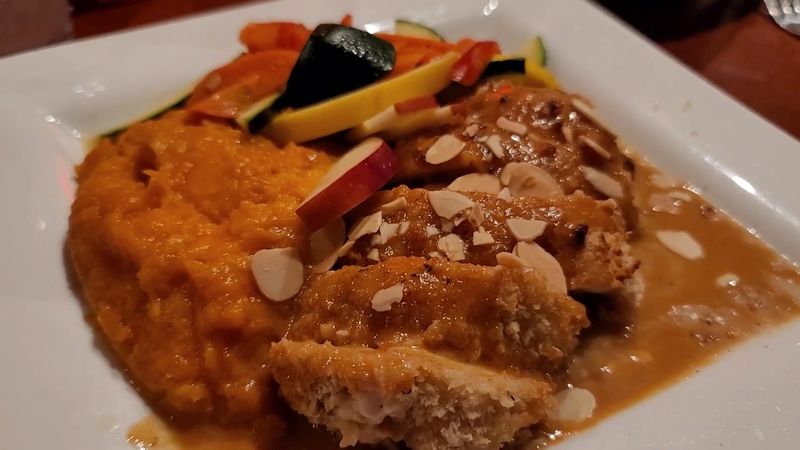
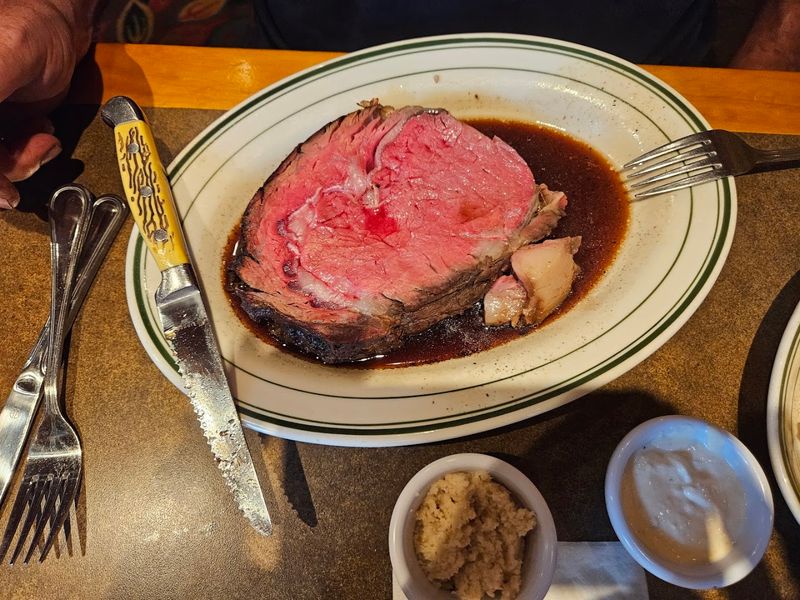
The first real test of a comfort-food restaurant often arrives before the entree. Warm bread, a properly heated bowl of soup, or a side dish with actual seasoning can establish confidence faster than an elaborate menu description.
At Big Bear Lodge, those supporting pieces matter because the restaurant promises abundance from the moment guests enter, and the smaller plates are where that promise begins becoming tangible.
Diners have frequently singled out the complimentary bread as a memorable opening, describing it as warm, substantial, and difficult to ignore once it reaches the table. That kind of early pleasure does more than fill time.
It settles a group, gives everyone something to share, and makes the meal feel generous before the larger orders begin arriving.
Starters and sides carry similar responsibility. French onion soup, stuffed mushrooms, salads, potatoes, vegetables, and other familiar accompaniments may sound secondary beside steaks, ribs, burgers, or wood-fired pizza, but they connect a varied table.
When one guest orders seafood and another chooses meat or pizza, a strong starter or shared side provides a common center and keeps the menu from feeling scattered.
These details reveal consistency quickly. Hot soup, a crisp appetizer, and properly served potatoes support the restaurant’s comfort-first identity.
When timing slips, an underheated side becomes more noticeable because the room and menu have raised expectations.
Dining in gives the food its best chance to land correctly. Bread, melted cheese, fried coatings, and hot sides are vulnerable to delays once boxed.
At the table, they arrive in sequence and help build the meal.
Big Bear Lodge is most persuasive when the supporting cast receives the same attention as the headline dishes. Comfort food feels complete when every plate contributes, not only the largest one.
Big-Table Energy in Brownstown Township, Michigan
Some dining rooms tolerate large groups. This one actively plans for them.
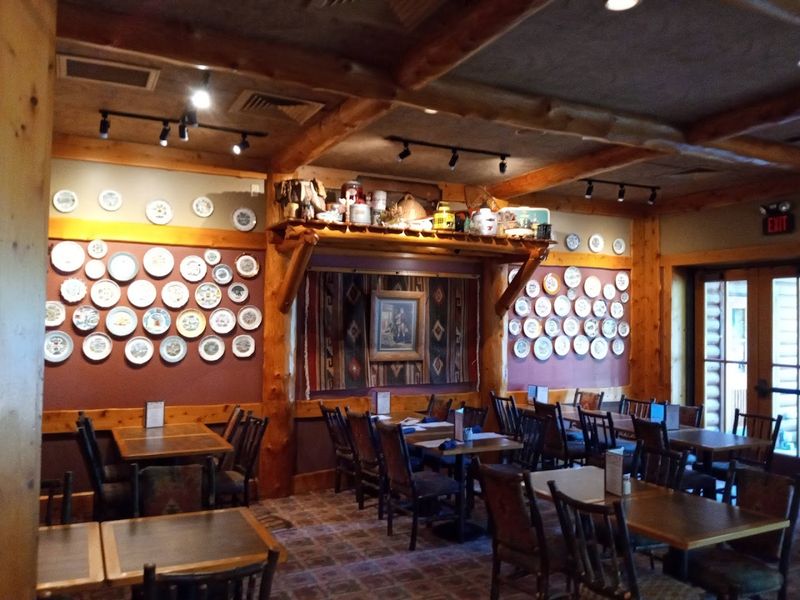
Big Bear Lodge presents special events as a central part of the business, welcoming birthdays, showers, reunions, meetings, memorials, presentations, graduations, and other gatherings that need more structure than pushing several ordinary tables together at the last minute.
The official event setup includes three semi-private dining spaces and customizable menus drawn from the restaurant’s lunch and dinner selections. The Den can accommodate up to 30 guests and includes a fireplace and two televisions.
The larger Banquet Room can host up to 70 people, includes a fireplace on its north side, and can be divided for smaller parties. Full bar service and an in-house baker who can design celebration cakes add practical support for occasions that might otherwise require several vendors.
That infrastructure changes how the restaurant functions in Downriver social life. Multigenerational families can gather without losing the sense that the occasion has its own space.
Work events, memorial luncheons, and reunions also benefit from a menu broad enough to cover pizza, salads, grilled dishes, steaks, and ribs.
The lodge setting helps these occasions feel more distinctive than a standard banquet room. Fireplaces, timber, and the cabin atmosphere provide a built-in backdrop, while the restaurant’s regular service model keeps the experience from becoming stiff or overly formal.
Guests can recognize that it is an event without feeling as though dinner has turned into a production.
Larger parties create pressure on timing and kitchen pacing, especially on weekends. Still, the dedicated rooms and customization options show that group service is not improvised.
For Brownstown Township and surrounding Downriver communities, Big Bear Lodge works as more than a themed restaurant. It offers a ready-made gathering place with enough scale, food variety, and event support to carry genuinely important meals.
Rustic Drama Without the Corny Aftertaste
A themed restaurant can lose credibility the moment the concept begins feeling pasted on. Artificial props, random decorations, and a menu with no connection to the room quickly turn atmosphere into costume.
Big Bear Lodge avoids much of that problem by building its identity around substantial architectural materials and cooking equipment rather than relying only on novelty.
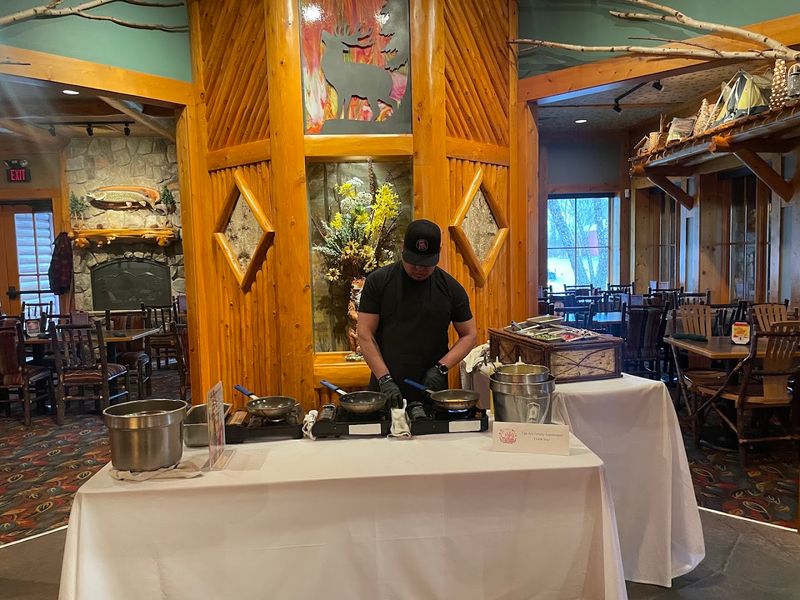
The official description points to a log-cabin dining room with three stone fireplaces, an open kitchen, a live wood-fired grill, a rotisserie, and a pizza oven. Those elements do more than decorate the space.
Fire, wood, stone, and visible cooking all belong to the same visual and culinary language, allowing the lodge character to feel consistent from the ceiling down to the plate.
Everyday features keep that drama usable. A full-service bar, televisions, roomy dining areas, and semi-private rooms keep the restaurant practical rather than ceremonial.
Guests can appreciate the ceilings and fireplace glow while arriving casually for pizza, a burger, or a family dinner.
That tension between escape and familiarity makes the concept effective. The room creates enough distance from Telegraph Road to feel like an outing, but it never asks visitors to pretend they have entered a real wilderness lodge.
The menu supports the same approach. Wood-fired pizza, grilled meats, ribs, salads, and wild-game choices reference the setting without forcing every dish into a gimmicky name or overly literal presentation.
Guests can lean into the theme or simply order familiar American food.
Big Bear Lodge succeeds because the design has a job beyond attracting photographs. It changes the temperature of the experience, gives conversation a warmer backdrop, and turns recognizable comfort food into something with more occasion.
The theme catches your attention, but coherence is what keeps it from wearing thin.
Best Timing for an Easy, Better-Paced Meal
A restaurant this large can feel completely different depending on the hour. Big Bear Lodge handles routine dinners, weekend traffic, and planned celebrations under the same roof, so the dining-room rhythm naturally changes as reservations arrive, event spaces fill, and families settle in for longer meals.
A little timing strategy can improve the experience without making the visit complicated.
Current official hours place dinner at the center of the week. The restaurant opens from 3 to 9 p.m.
Monday through Thursday, remains open from 3 to 10 p.m. on Friday and Saturday, and operates from noon to 9 p.m. on Sunday. Those hours make an early weekday arrival the clearest choice for guests who want a quieter room, easier seating, and a more relaxed opportunity to notice the interior.
Arriving near opening also suits the food. Warm bread, soup, fried starters, grilled dishes, and wood-fired pizza benefit from steady pacing.
The room may feel quieter than on Friday, but service and conversation can be easier before the dinner surge.
Weekend evenings suit guests who prefer more energy. The fireplaces, bar, televisions, and dining room feel livelier when the building is active.
Reservations are sensible when timing matters or the party is large.
Sunday offers a separate advantage because noon opening creates the only regular earlier window. That can work well for families, groups with children, or anyone who wants the lodge experience without waiting until late afternoon.
Dining in remains the strongest way to understand the restaurant. Takeout is available, but the cabin interior, bread service, hot sides, and wood-fired textures are part of the appeal.
The smartest plan is simple: choose the pace you want, arrive accordingly, and give the meal enough time to work as an outing.
Why This Telegraph Road Standout Keeps Its Grip
Plenty of restaurants can produce a satisfying plate, but fewer understand how much the room changes the memory of eating it. Big Bear Lodge has held its place on Telegraph Road by pairing familiar American comfort food with a setting strong enough to give ordinary dinners a recognizable shape.
The meal begins with the building, gathers momentum around the fireplace and open kitchen, and continues through a menu broad enough to keep mixed groups at one table.
That combination gives the restaurant unusual flexibility. It can serve as a casual stop for pizza, salads, burgers, steaks, or ribs, then shift into a celebration venue for birthdays, graduations, reunions, meetings, and memorial gatherings.
Semi-private rooms, customizable event menus, full bar service, and an in-house baker provide operational depth behind the theme. The lodge appearance may attract the first visit, but usefulness helps generate the next one.
The concept also fits its Downriver location. Guests do not have to travel north or turn dinner into an overnight escape to get a little cabin atmosphere.
They can pull off Telegraph Road, park, and step into a room built around timber, stone fireplaces, visible cooking, and the suggestion of a much farther destination.
A menu this broad and a busy dining room will not deliver every service moment with identical precision. Guest reports include both praise and complaints about timing or consistency, especially during peak periods.
Still, the identity remains clear.
Big Bear Lodge wants dinner to feel warm, generous, social, and slightly theatrical. On a corridor filled with practical choices, that clarity is an advantage.
The restaurant keeps its grip because it does more than feed a table. It gives the table a setting, enough options to avoid argument, and just enough scenery to make a familiar meal feel like a Michigan escape.
Share this story