
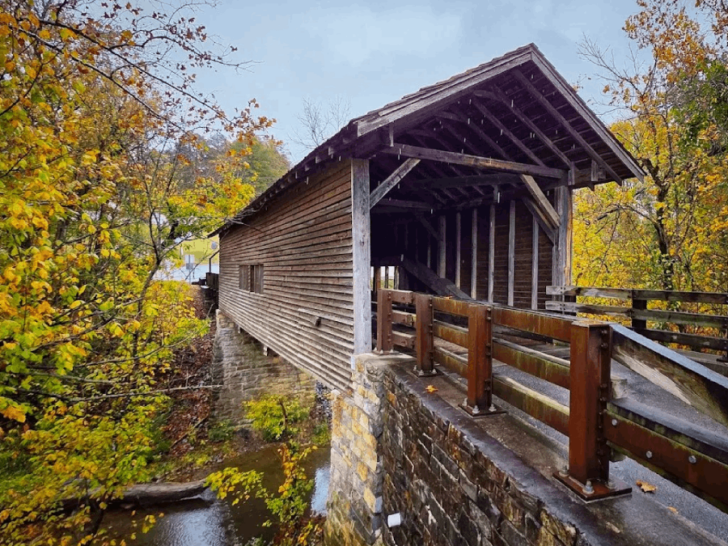
Winding through the Smoky Mountains brings more than just stunning views and fresh air. Hidden along quiet backroads and tucked beside rushing rivers, you’ll find charming covered bridges that tell stories of Tennessee’s past.
These wooden beauties offer perfect photo stops, peaceful moments, and a chance to slow down and appreciate simpler times as you explore the scenic heart of the Smokies.
1. Harrisburg Covered Bridge — Sevierville
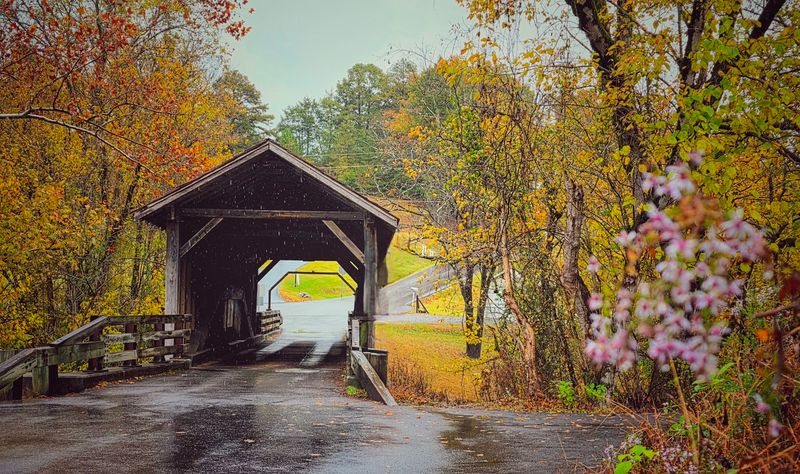
Step away from the neon lights and tourist crowds of Sevierville’s main strip, and you’ll discover something wonderfully different. The Harrisburg Covered Bridge feels like a secret portal to another century, where horse-drawn wagons once rumbled across wooden planks instead of minivans hauling families to Dollywood.
Originally constructed in the 1800s, this bridge has watched generations of visitors come and go. After years of weathering mountain storms and seasonal floods, local preservation groups lovingly restored it to its former glory. The careful work kept the bridge’s authentic character while ensuring it remains safe for modern explorers.
Getting there requires just a short detour from Highway 411, but the payoff is worth every mile. You’ll find ample parking nearby, making it easy to spend as much time as you’d like soaking in the peaceful atmosphere and snapping photos.
2. Emerts Cove Covered Bridge — Pittman Center
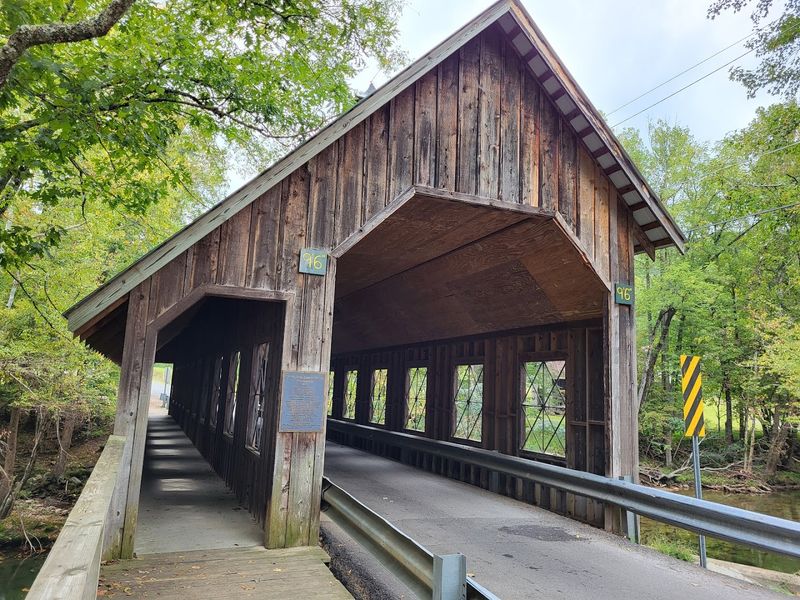
Driving through a covered bridge feels like entering a wooden tunnel into mountain history. Emerts Cove Covered Bridge lets you experience exactly that thrill because it’s one of the few still open to regular vehicle traffic.
This 82-foot span crosses the Little Pigeon River near the Greenbrier entrance to Great Smoky Mountains National Park. The location couldn’t be more perfect for adventure seekers planning a day of hiking or fishing. Pull over after crossing and walk back through on foot to really appreciate the craftsmanship and engineering that keeps this bridge standing strong.
Mountain views from the bridge area are absolutely breathtaking, especially during autumn when the surrounding forest explodes in brilliant reds, oranges, and golds. Listen carefully and you might hear the river singing over smooth rocks below while birds call from nearby branches.
3. Townsend Covered Bridge — Townsend
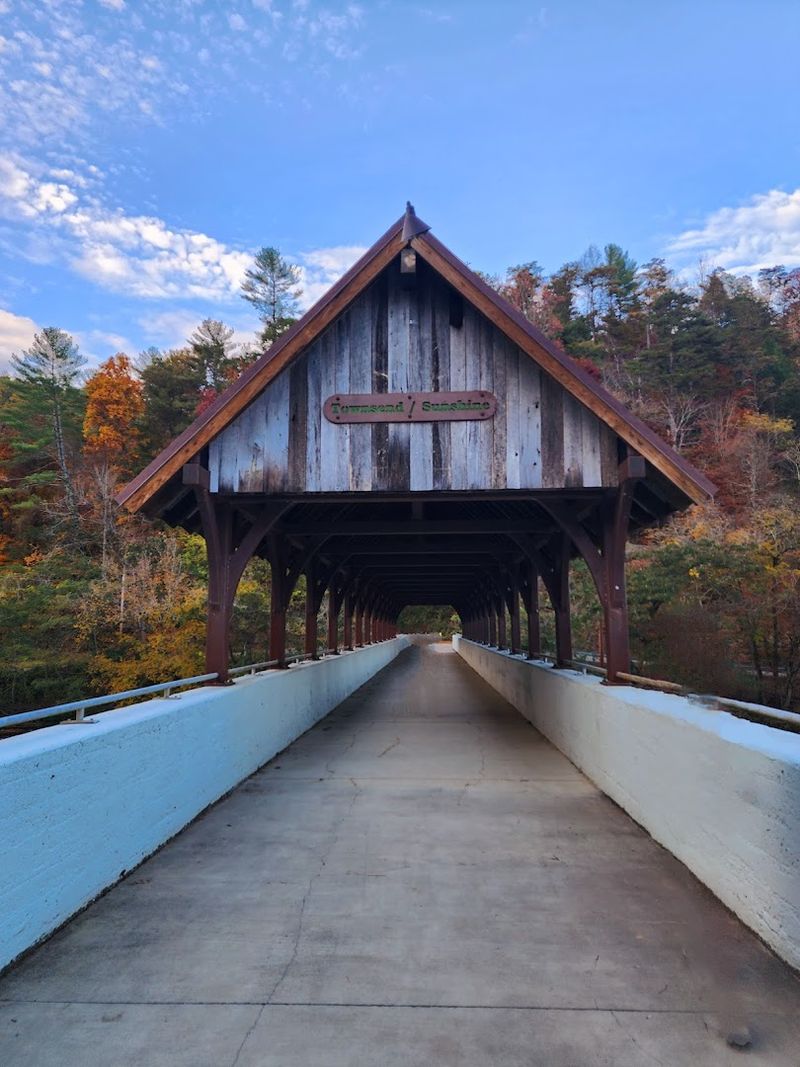
Townsend earned its nickname as the “Peaceful Side of the Smokies” for good reason. Everything here moves at a gentler pace, including the charming covered bridge that spans a scenic mountain river. Unlike some ancient bridges barely holding together, this structure combines old-fashioned covered bridge aesthetics with modern safety standards and construction techniques.
The bridge fits perfectly into Townsend’s laid-back mountain community atmosphere. Visitors appreciate how it enhances rather than dominates the natural landscape around it. Wooden beams frame views of rushing water and tree-covered hillsides, creating a harmonious blend of human craftsmanship and wilderness beauty.
You won’t need hiking boots or special equipment to enjoy this stop. Simply pull into the nearby parking area, stroll onto the bridge, and breathe in that fresh mountain air while watching the river flow beneath your feet.
Many travelers combine their bridge visit with other Townsend attractions like tubing, horseback riding, or exploring Cades Cove. The town’s slower pace encourages you to linger longer than planned. Grab lunch at a local restaurant, browse craft shops, or just sit by the water and appreciate being somewhere truly peaceful and beautiful.
4. Elizabethton Covered Bridge — Elizabethton
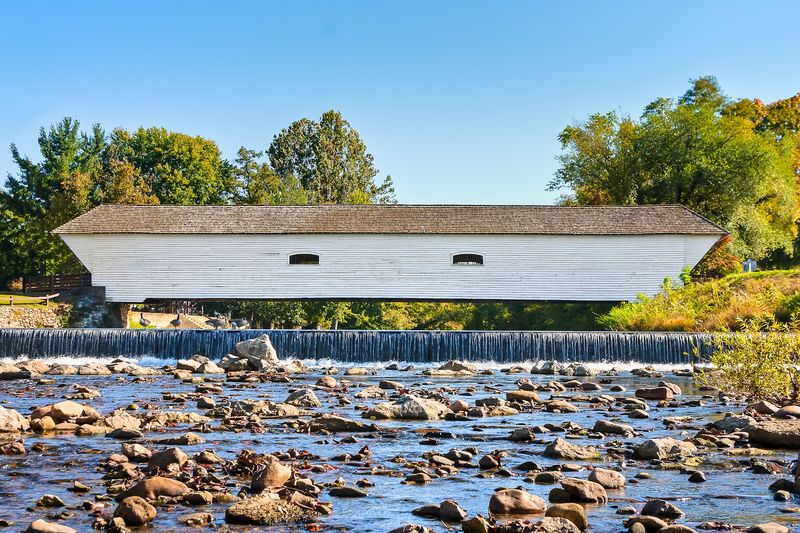
Built in 1882, the Elizabethton Covered Bridge stands as one of Tennessee’s most photographed and beloved historic landmarks. Though it sits slightly beyond the immediate Smoky Mountain region, this magnificent structure absolutely deserves inclusion on any covered bridge road trip. Its age alone makes it remarkable, but the careful preservation work keeps it looking almost exactly as it did over 140 years ago.
The Doe River flows peacefully beneath the bridge’s sturdy wooden framework. Since it’s pedestrian-only now, you can walk slowly through and really examine the construction details that have survived more than a century. Notice how the builders fitted each board and beam together with incredible precision using tools and techniques from another era.
Strolling across this bridge feels genuinely special, like touching living history with your own feet. Families love bringing children here because it sparks conversations about how people lived, traveled, and built things before electricity and modern machinery. The surrounding area includes pleasant walking paths and picnic spots perfect for extending your visit.
Elizabethton itself offers charming small-town appeal with local shops and restaurants worth exploring.
5. Bible Covered Bridge — Midway
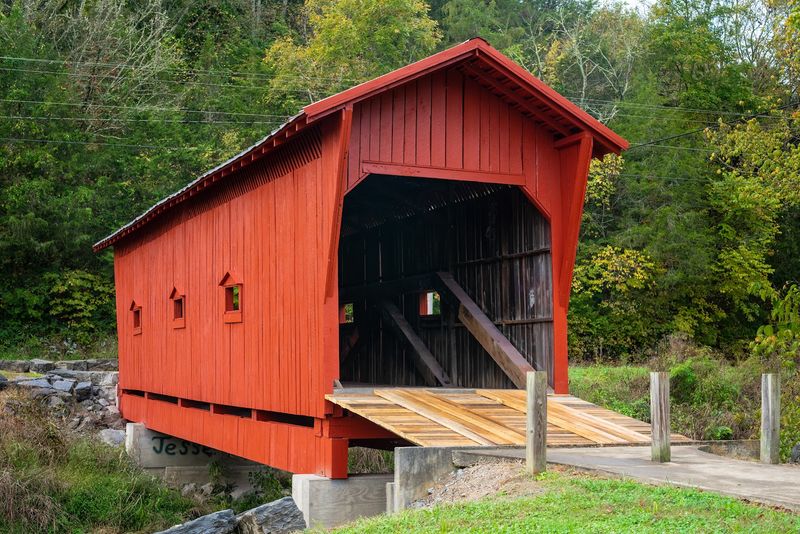
Hidden away from major highways and tourist maps, the Bible Covered Bridge rewards curious explorers willing to venture off the beaten path. Constructed in 1923, it crosses the Little Chuckey Creek in a setting that looks lifted straight from a pastoral painting. Farmland stretches in every direction while rolling hills create a gentle, soothing backdrop.
What makes this bridge truly special is how wonderfully untouched it feels compared to more famous covered bridges. You might have the entire place to yourself, especially on weekday afternoons. That solitude lets you fully absorb the tranquil atmosphere and imagine rural Tennessee life a century ago, when this bridge was brand new.
The surrounding farmland changes character with the seasons, offering different visual treats throughout the year. Spring brings wildflowers and fresh green fields, summer offers lush growth, autumn delivers spectacular color, and winter creates stark, beautiful simplicity. Each season provides unique photography opportunities and reasons to return.
Getting here requires a bit of navigation through country roads, but that’s part of the adventure. Bring a detailed map or GPS because cell service can be spotty in rural areas. The journey itself becomes memorable as you pass farms, old barns, and friendly locals who still wave at passing cars.