Texas is known for its sprawling cities and wide-open spaces, but some of the state’s best-kept secrets are tucked away in tiny towns most people drive right past. These small communities pack more character, history, and adventure into a few blocks than many big cities manage across entire neighborhoods. Whether you’re craving art, nature, live music, or just a break from the ordinary, these hidden gems prove that bigger isn’t always better.
1. Shafter
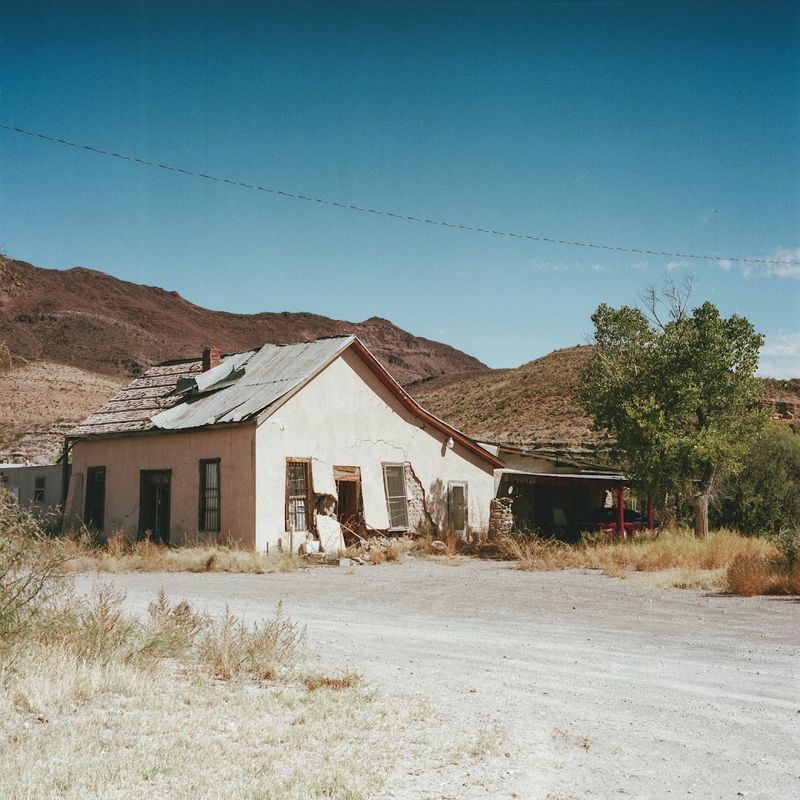
Perched in the stark beauty of far West Texas, Shafter feels like a place time forgot on purpose. This former silver mining boomtown once bustled with fortune seekers and miners, but today it offers something even more valuable: solitude and authentic history. The remnants of old mining operations still dot the landscape, creating an eerie yet fascinating backdrop against the Chinati Mountains.
Walking through Shafter is like stepping onto a movie set, except everything here is real. Crumbling adobe structures stand alongside newer homes, and the silence is so complete you can hear the wind whisper stories from a century ago. The town’s population hovers around just a few dozen people, giving it an intimacy that’s increasingly rare.
Photographers and history buffs find endless inspiration here. The contrast between the rugged desert terrain and the weathered buildings creates stunning visuals at any time of day. Sunrise and sunset paint the mountains in shades of purple and gold that seem almost unreal.
What makes Shafter truly special is its refusal to become a tourist trap. There are no gift shops or guided tours—just the raw essence of a community that survived boom and bust. Locals are friendly but not intrusive, happy to share stories if you ask but equally content to let you explore on your own.
The drive to Shafter is an adventure itself, with miles of empty highway and panoramic views. Pack water and snacks because amenities are scarce. But that’s precisely the point.
Shafter rewards those willing to venture off the beaten path with an experience that feels genuinely untouched by modern commercialism.
2. Wimberley
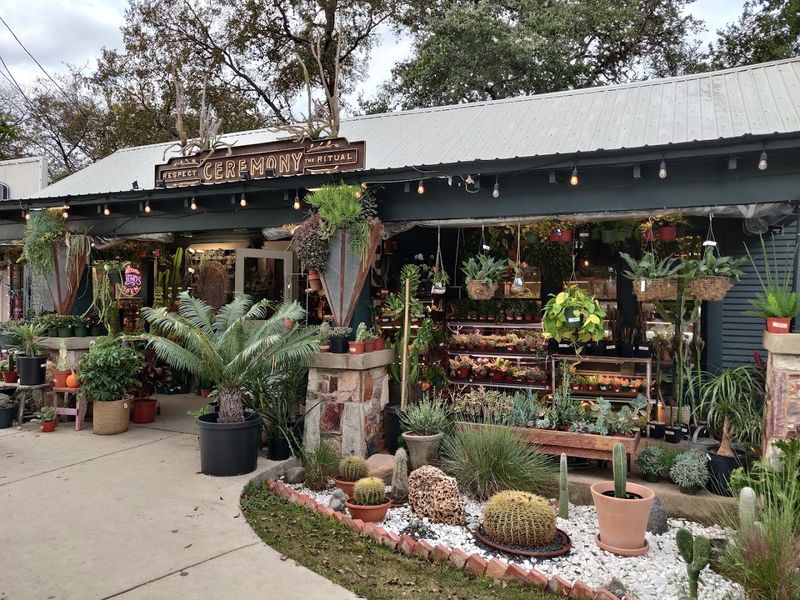
Nestled in the heart of the Texas Hill Country, Wimberley manages to feel both welcoming and wonderfully quirky. Artists, musicians, and nature lovers have transformed this tiny town into a creative haven where gallery hopping and creek swimming share equal importance. The town square buzzes with energy on market days, when local craftspeople sell everything from handmade jewelry to organic honey.
Cypress Creek runs right through town, and locals treat it like their communal backyard. On hot summer days, families gather at Blue Hole Regional Park to splash in the clear water and swing from rope swings. The creek maintains a steady flow even during dry spells, making it a reliable escape from Texas heat.
Wimberley’s art scene punches way above its weight class. Dozens of galleries and studios showcase work from resident artists, and the quality rivals what you’d find in much larger cities. First Saturday is when many studios open their doors for special events, offering visitors a chance to meet the creators behind the work.
Downtown feels like someone designed it specifically for wandering. Boutiques, cafes, and antique shops line streets shaded by old oak trees. You can spend hours browsing without feeling rushed or pressured to buy.
The vibe is relaxed and genuinely friendly, not the forced cheerfulness of manufactured tourist towns.
Weekends bring crowds, especially during festival season, but weekdays reveal Wimberley’s quieter side. That’s when you can have entire hiking trails to yourself or linger over coffee without competing for a table. The town has grown over the years but has managed to preserve the laid-back atmosphere that made it special in the first place.
3. Terlingua
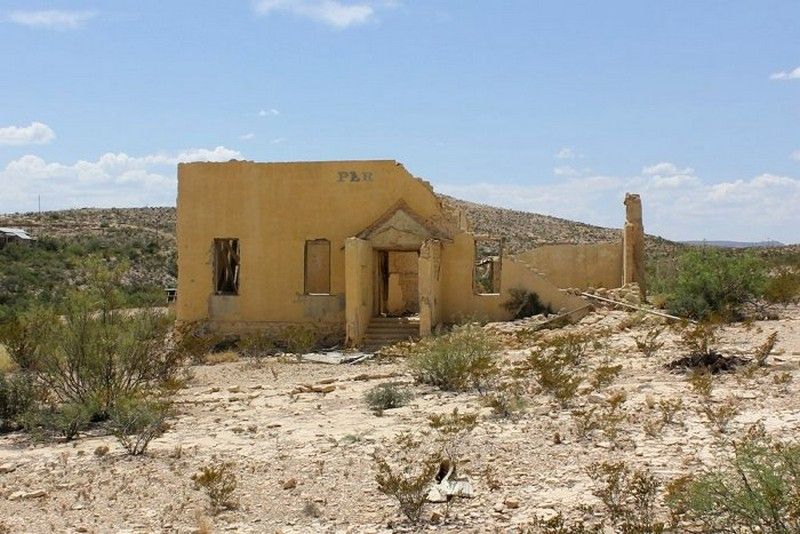
Out where the Chihuahuan Desert meets the sky in endless waves of rock and scrub, Terlingua exists in a category all its own. This former mercury mining ghost town has been resurrected by an eclectic mix of river guides, artists, and folks who simply couldn’t stand city life anymore. The result is a community that defies easy description—part Old West relic, part bohemian outpost.
The Terlingua Trading Company serves as the town’s beating heart, offering cold drinks, hot food, and a front porch perfect for watching spectacular sunsets. Conversations here range from river conditions to philosophy, and nobody thinks that’s strange. It’s the kind of place where a park ranger, a musician, and a retired lawyer might share a table and swap stories until the stars come out.
Old mining ruins provide a haunting backdrop to modern life. You can explore the abandoned structures freely, though caution is advised since some buildings are genuinely unstable. The cemetery on the hill tells stories through weathered headstones, many marking the graves of miners who never struck it rich.
Terlingua’s location near Big Bend National Park makes it an ideal base for exploring one of America’s most remote wilderness areas. After a day hiking through canyons or floating the Rio Grande, returning to Terlingua’s quirky comforts feels just right. The Starlight Theatre serves up live music and surprisingly good food in a building that looks ready to collapse but has stood for decades.
Cell service is spotty and internet connections are unreliable, which many consider a feature rather than a bug. People come here to disconnect and remember what silence sounds like. The night sky puts on a show that city dwellers forget exists, with the Milky Way stretching overhead in brilliant detail.
4. Caddo Lake
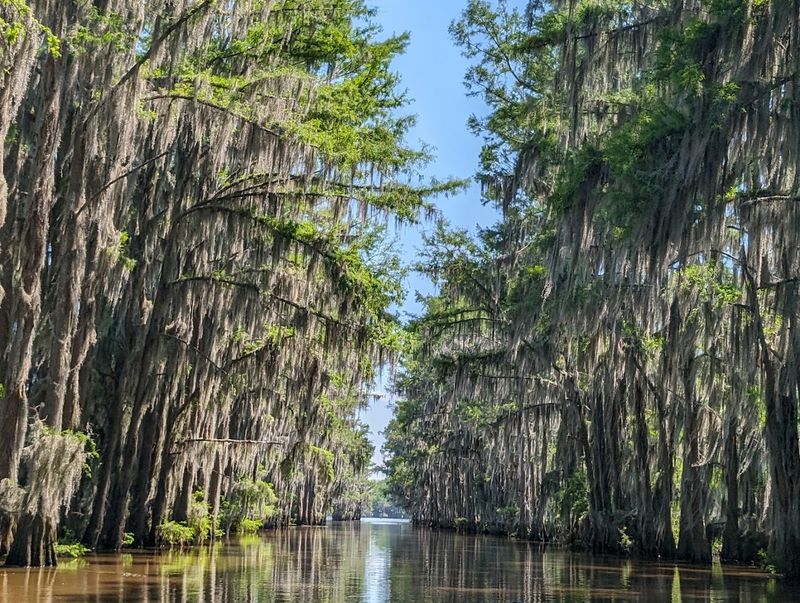
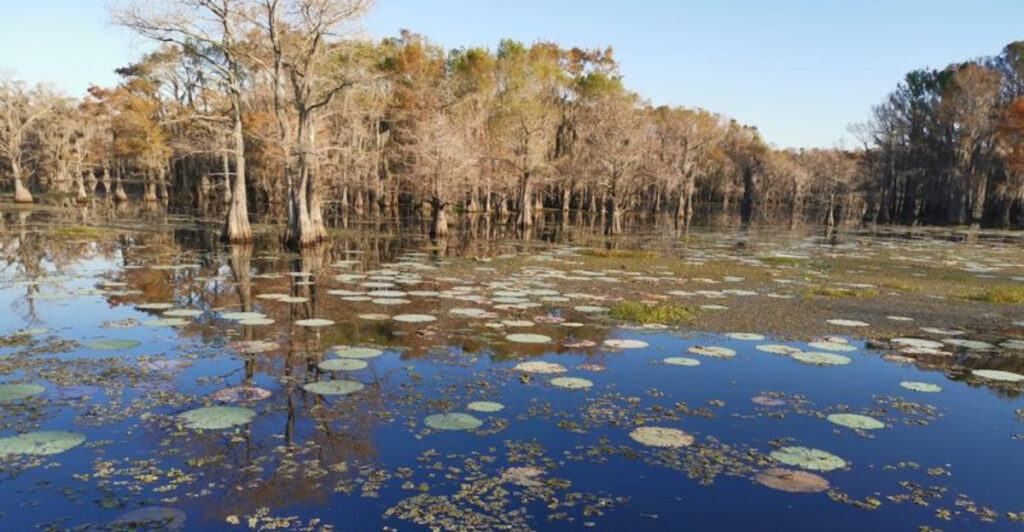
Spanish moss drapes from ancient bald cypress trees like nature’s curtains, creating an atmosphere so otherworldly you might expect to see dinosaurs around the next bend. Caddo Lake straddles the Texas-Louisiana border, and it’s the only naturally formed lake in Texas—a maze of bayous, sloughs, and channels that total over 26,000 acres. Paddling through here feels like entering a forgotten world.
The cypress trees are the real stars, some over 400 years old with trunks thick enough to hide behind. Their knobby knees poke up through the water, creating obstacles for boaters but adding to the prehistoric ambiance. During spring, the lake explodes with life as birds nest and fish spawn in the shallow waters.
Fishing enthusiasts consider Caddo Lake a trophy destination, particularly for largemouth bass and crappie. The complex structure created by submerged logs and vegetation provides ideal habitat for fish, though it also means you’ll lose some lures if you’re not careful. Local guides know the secret spots and can put you on fish even when conditions seem tough.
Renting a kayak or canoe is the best way to truly experience the lake’s magic. Motorboats can navigate the main channels, but the real treasures hide in the narrow passages where only paddle power works. Early morning is prime time, when mist rises off the water and wildlife is most active.
Alligators live here too, though they’re generally shy and more interested in fish than people.
The small communities around Caddo Lake, like Uncertain, Texas, embrace the area’s unique character. Lodges and cabins offer rustic accommodations, and local restaurants serve catfish so fresh it was probably swimming that morning. It’s not polished or pretentious—just real, raw nature at its finest.
5. Port Aransas
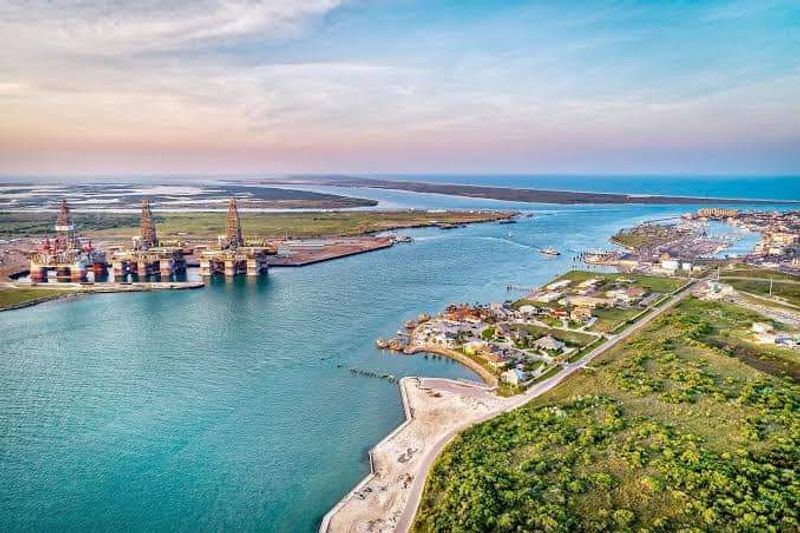
Locals call it Port A, and this barrier island community has perfected the art of laid-back coastal living. Unlike some Texas beach towns that have gone upscale and exclusive, Port Aransas maintains its working-class fishing village roots while welcoming visitors with genuine warmth. Golf carts outnumber regular cars on many streets, and nobody bats an eye if you walk into a restaurant barefoot with sand still clinging to your legs.
The fishing here is legendary, both from shore and offshore. Charter boats leave daily for deep-sea adventures targeting kingfish, marlin, and red snapper, while surf fishers cast from the beach hoping for redfish and speckled trout. The jetties provide excellent structure for fishing and also serve as gathering spots where anglers share tips and occasionally tall tales.
Beach access is abundant and mostly free, a refreshing change from coastal areas where every grain of sand seems privately owned. The beaches themselves stretch for miles, with enough room that even on busy weekends you can find a relatively uncrowded spot. The sand is fine and light-colored, and the Gulf waters are usually calm enough for comfortable swimming.
Mustang Island State Park offers a more natural beach experience with camping available right on the sand. Waking up to sunrise over the Gulf, with waves as your alarm clock, ranks among life’s simple pleasures. The park also has trails through coastal prairie and dunes, showing ecosystems most beach visitors never see.
Downtown Port Aransas packs a lot into a few blocks: seafood restaurants serving shrimp caught that day, shops selling beach gear and souvenirs, and bars where live music spills onto the street. The vibe is casual and unpretentious. People come here to relax, not to be seen, and that attitude permeates everything.
6. Luckenbach
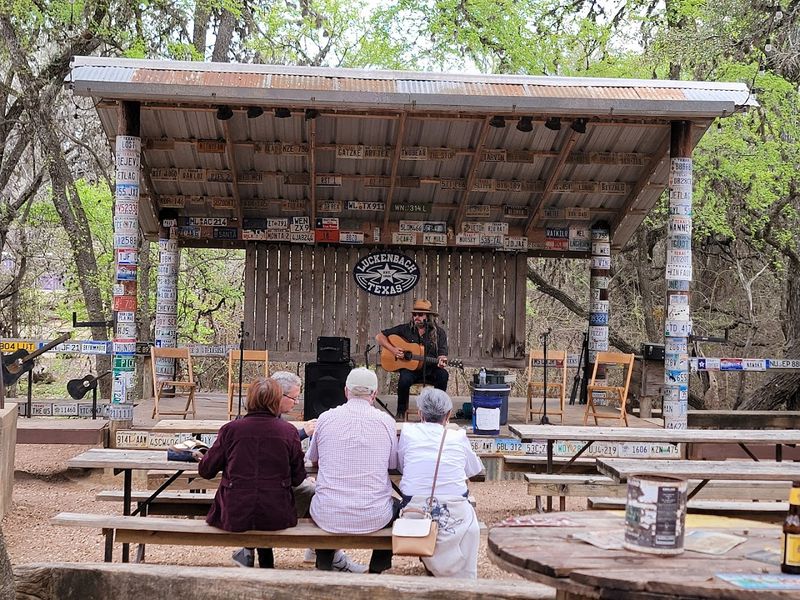
Population: 3. That number alone tells you Luckenbach isn’t your typical town—it’s more like a state of mind preserved in weathered wood and live oak shade. Willie Nelson and Waylon Jennings immortalized this place in song, but Luckenbach was special long before they sang about it.
The old dance hall and general store form the entire commercial district, and that’s exactly enough.
Music happens here organically, almost accidentally. On any given afternoon, musicians might gather under the oak trees for an impromptu picking session. Visitors are welcome to listen or join in if they’ve got an instrument and some skill.
Nobody’s getting paid, nobody’s auditioning—it’s just people making music because that’s what you do in Luckenbach.
The general store sells cold beer, snacks, and souvenirs, but it’s really more of a gathering place than a retail operation. The walls are covered with business cards, photos, and memorabilia left by visitors over the decades. Adding your own contribution to this collection has become an unofficial tradition.
The wooden floors creak in a satisfying way, and the whole building smells faintly of cedar and history.
Weekend concerts in the dance hall draw crowds, but even then the atmosphere stays relaxed and welcoming. Bring a lawn chair, grab a drink, and settle in for an evening of Texas music under the stars. The acoustics in the old hall are surprisingly good, and the intimate setting means you’re never far from the stage.
There’s no hotel in Luckenbach because there’s no room for one. Visitors come for a few hours, soak up the atmosphere, and then head to nearby Fredericksburg for accommodations. This keeps Luckenbach from becoming over-commercialized or losing its essential character.
It remains what it’s always been: a place to slow down, listen to good music, and remember what matters.
7. Marfa
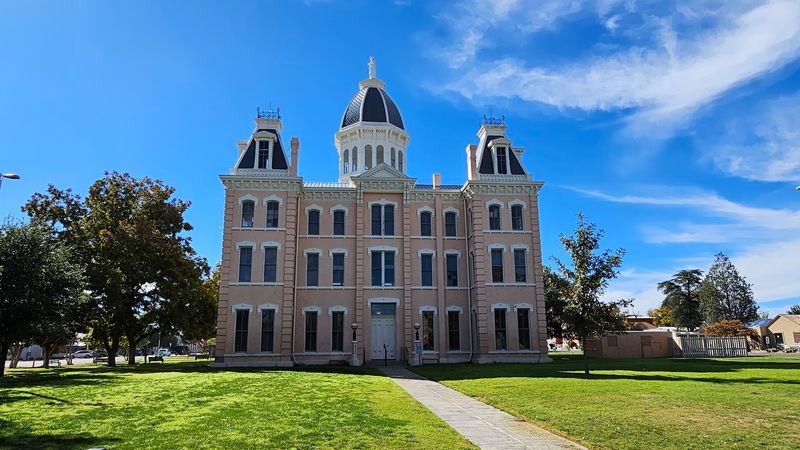
Marfa shouldn’t exist, at least not in its current form. This remote West Texas town, hours from anywhere, has somehow become an internationally recognized art destination while maintaining a population under 2,000. The transformation began when minimalist artist Donald Judd moved here in the 1970s and started installing large-scale sculptures in the surrounding desert.
What he started has grown into something nobody could have predicted.
The Chinati Foundation houses Judd’s permanent installations along with works by other contemporary artists. Visiting requires planning since tours run on a limited schedule, but the experience is worth the effort. Seeing massive geometric sculptures interact with the harsh desert landscape creates a perspective shift that stays with you long after you leave.
Downtown Marfa mixes high art with cowboy culture in a way that somehow works. You’ll find a gallery showing cutting-edge contemporary work next door to a saddle shop that’s been there for generations. Boutique hotels occupy renovated historic buildings, offering accommodations that range from spare and minimalist to quirky and colorful.
Restaurants serve food that’s unexpectedly sophisticated for a town this size and location.
The famous Marfa Lights remain unexplained despite decades of speculation and study. On clear nights, mysterious lights appear in the distance, dancing and flickering in ways that defy easy explanation. A viewing area east of town provides the best vantage point, and watching for the lights has become a Marfa ritual.
Prada Marfa, a permanent sculpture installation resembling a Prada store, sits alone on a highway outside town. It’s never been open for business and never will be—it’s art, not retail. Yet people drive miles out of their way to photograph it, creating their own meaning from this absurd juxtaposition of luxury fashion and empty desert.
8. Gruene
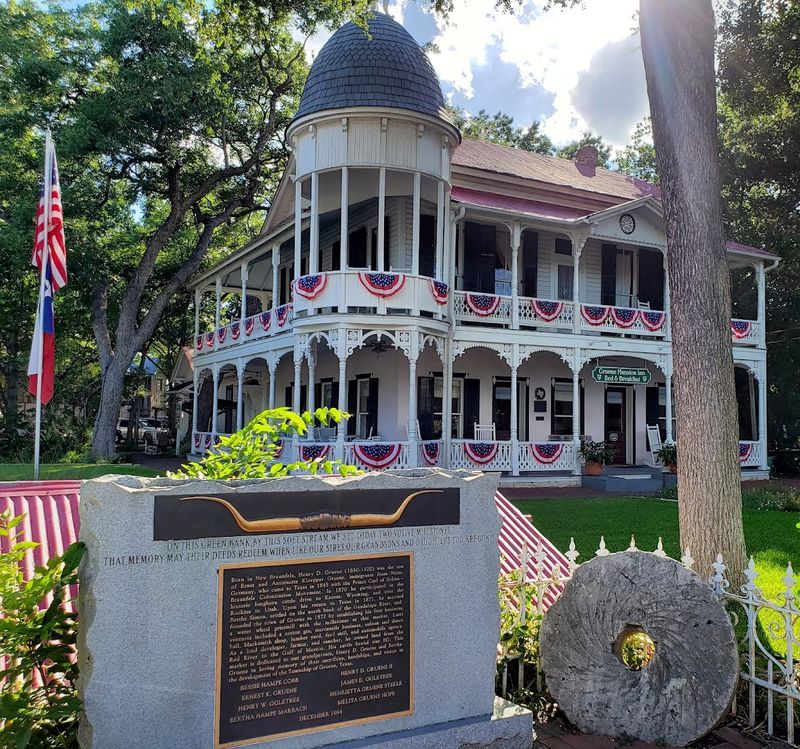
Pronounced “Green,” this perfectly preserved slice of 1800s Texas German heritage sits on the banks of the Guadalupe River like it’s waiting for its close-up. Gruene Hall, built in 1878, claims the title of Texas’s oldest continually operating dance hall, and stepping inside feels like time travel. The wooden floor is worn smooth by more than a century of dancing boots, and the walls are covered with posters from countless concerts and events.
Live music fills the hall most nights, ranging from up-and-coming songwriters to established Texas music legends. The schedule leans heavily toward country, folk, and Americana, genres that feel right at home in this rustic setting. There’s no cover charge for most shows—just buy a drink and enjoy.
The back doors open onto a shaded area with picnic tables, perfect for cooling off between songs.
The Guadalupe River provides natural air conditioning during brutal Texas summers. Several outfitters in Gruene rent tubes, rafts, and kayaks for floating trips that range from a couple hours to all day. The water stays relatively cool year-round thanks to springs feeding the river, and the current is gentle enough for families but interesting enough to stay fun.
Shopping in Gruene means browsing through converted historic buildings that now house antique stores, boutiques, and specialty shops. The merchandise tends toward quality rather than cheap tourist trinkets. You might find handmade furniture, vintage clothing, or Texas-made food products worth taking home.
The Gristmill Restaurant occupies the ruins of an actual cotton gin, with outdoor seating offering views of the river below.
Gruene is technically part of New Braunfels now, but it maintains its distinct identity and historic character. Development has been carefully controlled to preserve the town’s authentic feel. It gets crowded on weekends, especially during summer, but weekday visits reveal a quieter side that’s easier to appreciate.
Share this story