One winter, the capital of Massachusetts piled up more than 110 inches of snow in a single season. That record came from the winter of 2014 to 2015.
One giant pile of plowed snow in a city lot didn’t fully melt until July.
I love this state, honestly. The lobster rolls, the fall leaves, and the deep history make a strong pitch.
Still, I think anyone planning a move deserves the full picture before taping up a single box.
Massachusetts is one of those places you can absolutely love and still complain about on a regular basis. Between the unpredictable weather, confusing roads, and rent prices that make you check your bank account twice, there’s plenty to test your patience.
And just when you think you’ve figured things out, another annual headache rolls around.
But I wouldn’t cross it off my list over a few frustrations. I’d just want to know what I was getting into before packing my bags.
After all, loving a place doesn’t mean you have to love everything about living there.
1. Sky-High Housing Costs
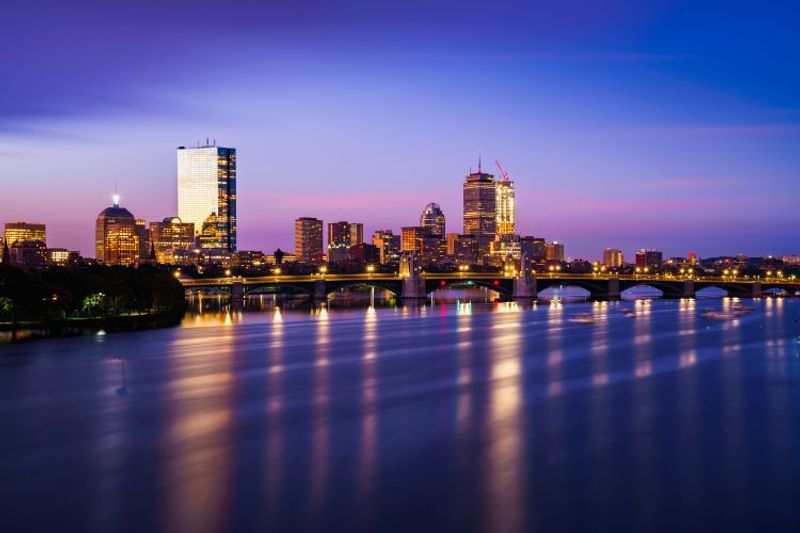
Sticker shock is basically a Massachusetts welcome gift. Housing costs here rank among the highest in the country, especially around Boston and Cambridge.
You’ll feel it whether you rent or buy. A small apartment near the city can cost what a full house costs in many other states.
Why so pricey? Demand is huge, thanks to major universities, hospitals, and tech and biotech companies that keep pulling people in.
Supply hasn’t kept up for years. Many towns have strict zoning rules, which limit how many new homes and apartments can be built.
The state has tried to push back on this problem. The MBTA Communities Act requires towns served by public transit to allow more multifamily housing near stations.
Progress takes time, though. New buildings don’t pop up overnight, and some towns have resisted the rules.
So what can you do? Start by widening your search beyond the trendy neighborhoods you’ve seen online.
Cities like Worcester and Springfield often offer more space for the money. Smaller towns along commuter rail lines can also be a smart middle ground.
Roommates are another common solution. Plenty of working adults in Massachusetts share apartments well past their college years.
Plan for upfront costs too. First month’s rent, last month’s rent, and a security deposit can all be requested when you sign a lease.
Build a cushion before you arrive, and you’ll sleep a lot better. Falling in love with a place is easy, but paying for it takes planning.
2. Moving Day Madness
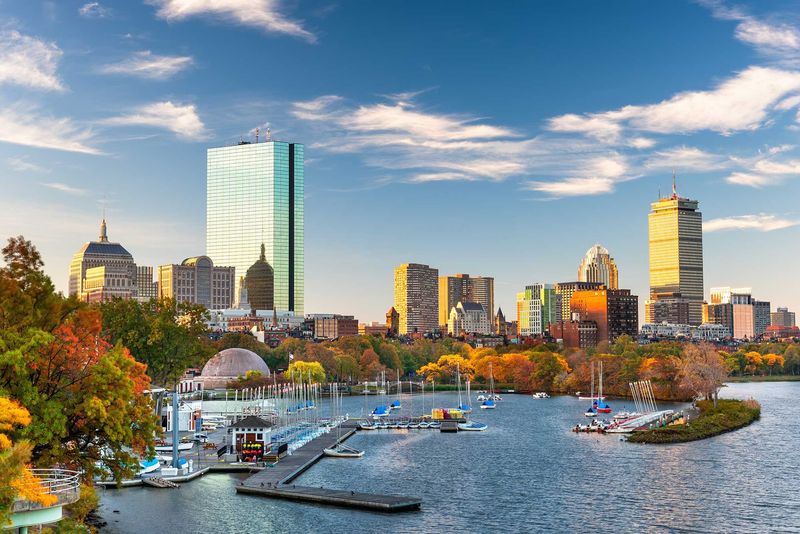
September 1 in Boston feels like a citywide game of musical chairs. A huge share of leases start and end on that same day, so thousands of people move at once.
The reason is simple. With so many colleges in the area, landlords line up leases with the school year.
Picture rental trucks everywhere, and you’re close. Streets near Allston, Brighton, and Fenway fill with vans, boxes, and stressed-out movers.
Trucks also get stuck. The Storrow Drive overpasses are so low that tall rental trucks hit them often enough for the crashes to earn their own nickname: getting Storrowed.
There’s a funny side, too. Locals call the curbside pileup of abandoned furniture Allston Christmas, since free couches and lamps appear on sidewalks.
Before you grab a free mattress, though, think twice. Bedbugs can hitch a ride, and city officials regularly warn people about them.
Broker fees used to make this season even more painful. A 2025 state law changed things so that whoever hires the broker pays the fee, which often means the landlord.
That’s a big relief for renters. Still, read your lease closely and ask questions about any fees before signing.
Smart planning beats panic every time here. Book a moving truck or crew months early, and reserve a city moving permit for street parking if you need one.
If you can, avoid that date altogether. A mid-month move might be calmer, cheaper, and far less sweaty.
3. Long Snowy Winters
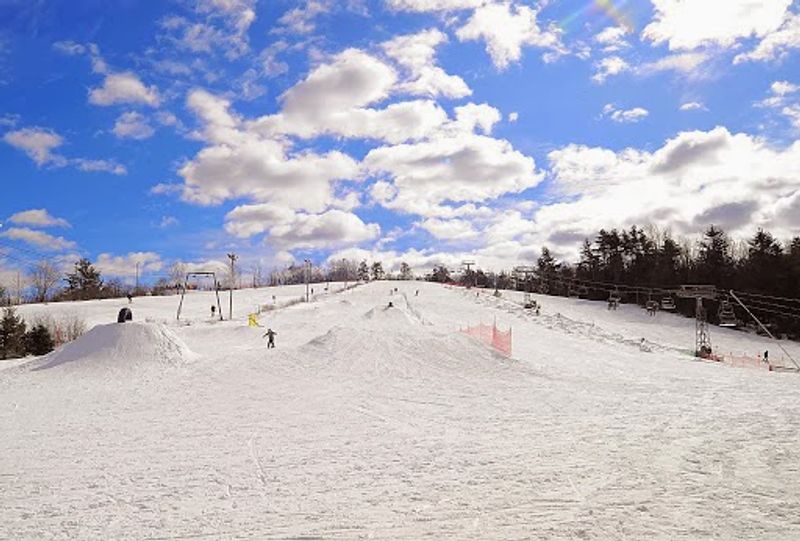
Snow shovels here aren’t tools, they’re personality traits. Winter in Massachusetts can stretch from late November into March, and sometimes April joins the party.
Nor’easters are the big villains. These powerful coastal storms can dump heavy snow, bring strong winds, and knock out power.
History backs up the drama. The Blizzard of 1978 shut down roads across the state for days and left cars stranded on Route 128.
Then came the winter of 2014 to 2015. Boston recorded about 110 inches of snow, setting a city record that people still talk about.
Cold matters as much as snow. Western Massachusetts and the Berkshires often run even colder than the coast, with icy nights that test your heating system.
So, are you ready for this lifestyle? You’ll want a real winter coat, waterproof boots, and gloves that don’t quit after ten minutes.
Your car needs attention, too. Many drivers switch to snow tires and keep an ice scraper and blanket in the trunk.
Shoveling is often your job. Many Massachusetts cities and towns require property owners to clear sidewalks after storms.
Short daylight hours can also wear on your mood. The sun can set before 4:30 p.m. in December, which surprises plenty of newcomers.
Light therapy lamps, winter hobbies, and outdoor walks on sunny days can help a lot. Embrace skiing or skating, and the season gets much friendlier.
4. Notorious Traffic
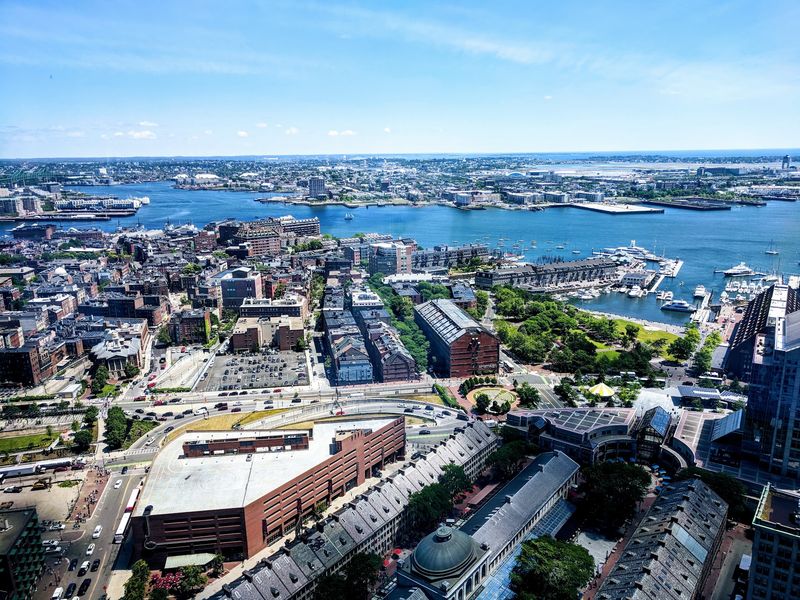
Your GPS may need a stress ball. Boston regularly lands near the top of national traffic studies, including INRIX reports that ranked it among the most congested U.S. cities.
Rush hour can feel endless. Routes like I-93, the Mass Pike, and Route 128 slow to a crawl on many weekdays.
Part of the problem is history. Much of the city’s street grid was laid out centuries ago, long before anyone imagined a minivan.
Streets twist, change names, and end without warning. One road can turn into three different names within a mile.
The Big Dig was supposed to help. That massive project buried the old elevated Central Artery underground and finished in the mid-2000s after years of delays.
It improved downtown in many ways. Still, more people and more cars have kept the pressure on local highways.
Local drivers have a reputation, too. The nickname Massholes exists for a reason, though plenty of drivers are perfectly polite.
Expect quick lane changes and fast merges. Hesitation can earn you a honk.
Here’s how to cope. Live close to work or near a train line if you can, and try to commute outside peak hours.
Remote or hybrid schedules help many people, too. A podcast playlist doesn’t hurt either.
5. Confusing Rotaries
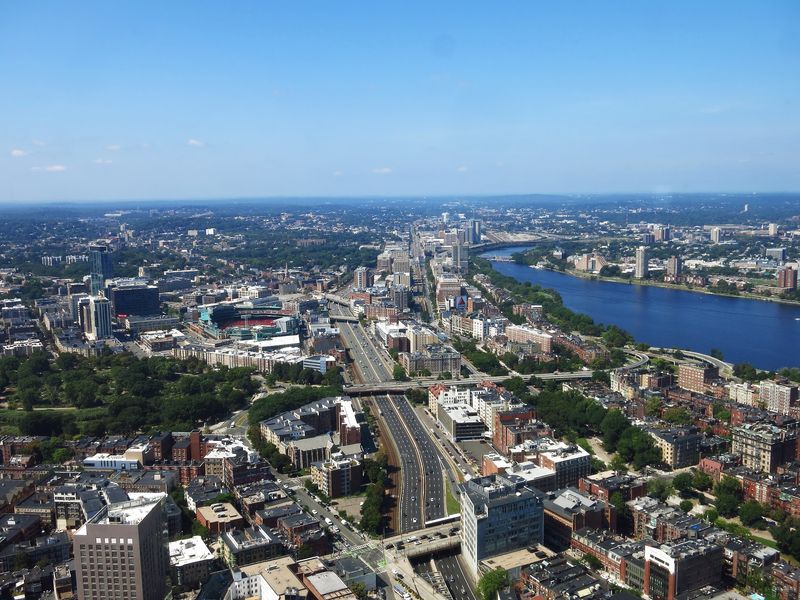
Round and round you go, and where you stop, nobody knows. Massachusetts loves its rotaries, and they baffle plenty of out-of-state drivers.
A rotary is an older, larger version of a roundabout. Cars circle a center island and peel off at different exits.
Sounds simple, right? Then you meet one with multiple lanes, fast traffic, and drivers who seem to have their own rulebook.
The official rule says vehicles entering should yield to vehicles already in the circle. The Massachusetts driver’s manual spells this out clearly.
Real life can feel less tidy. Some drivers barrel in, and others freeze at the entrance.
Cape Cod drivers know the Bourne Rotary well. It sits near the Bourne Bridge, and summer traffic around it can get intense.
Newer modern roundabouts are smaller and slower. Massachusetts has been building more of them because they’re generally considered safer.
Until you get comfortable, take a breath. Know your exit before you enter, and watch the signs closely.
Stay in your lane once you’re inside. Use your turn signal when exiting so other drivers know your plan.
Missed your exit? No big deal, just loop around again.
Laugh it off, because nearly everyone here has done it at least once.
6. MBTA Troubles
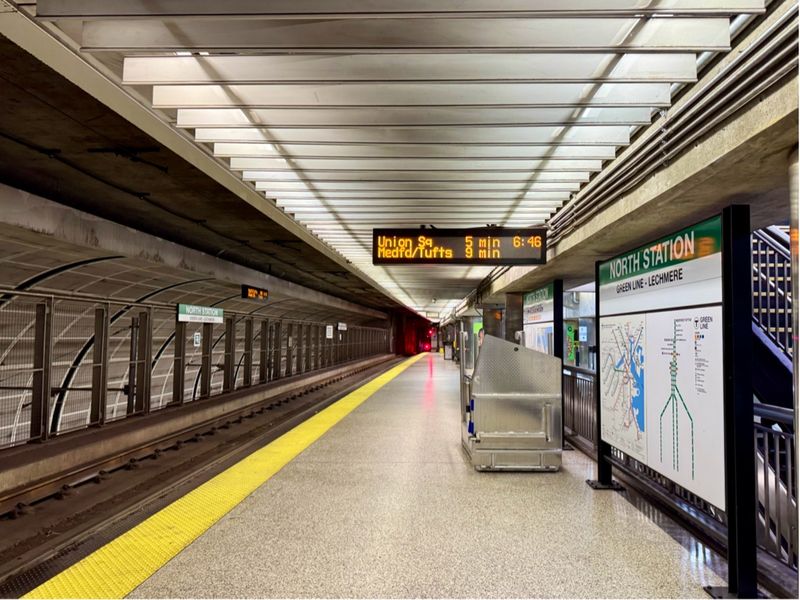
America’s oldest subway comes with some very old problems. Boston’s Tremont Street Subway opened in 1897, making it the first subway tunnel in the United States.
History is cool. Aging tracks and equipment, though, are not so fun on your morning commute.
The MBTA, called the T by locals, has faced serious struggles in recent years. Federal safety officials investigated the system in 2022.
That same year, the entire Orange Line shut down for about a month for repairs. Riders squeezed onto shuttle buses while crews worked.
Slow zones also caused headaches. These stretches forced trains to crawl because of track problems.
Good news has arrived, though. The MBTA announced in late 2024 that it had cleared its slow zones after a big track repair push.
Planned shutdowns still pop up for maintenance. Checking service alerts before you leave home is a smart habit.
On the bright side, the T covers a lot of ground. Subway, buses, commuter rail, and even ferries can get you around without a car.
Many residents rely on it daily. Having options is better than sitting in highway traffic.
Download a transit app and keep a backup plan in mind. Patience, plus a fully charged phone, will carry you far here.
7. High Energy Bills
Opening your utility bill in January might require a deep breath. Massachusetts has some of the highest electricity rates in the continental United States, according to federal energy data.
Winter heating adds even more. Many homes run on natural gas, heating oil, or electric heat, and none of those are cheap here.
Why is energy so pricey? New England sits at the end of the natural gas pipeline system, which can limit supply during cold snaps.
When demand spikes, prices climb. Supply rates from utilities can jump noticeably for winter months.
Older housing makes things harder. Plenty of homes were built long ago, with drafty windows and thin insulation.
Heat escapes fast in those spaces. Your furnace works overtime, and your bill reflects it.
There’s help available, though. Mass Save, the state’s energy efficiency program, offers no-cost home energy assessments plus rebates for insulation and heat pumps.
Heat pumps are becoming more popular across the state. They can heat and cool your home efficiently.
Small fixes add up, too. Weatherstripping doors, sealing windows, and using a smart thermostat can trim costs.
When touring apartments, ask what heating system the building uses. Ask whether heat is included in rent, since that one question can save you a lot of money.
8. Cape Cod Bridge Bottlenecks
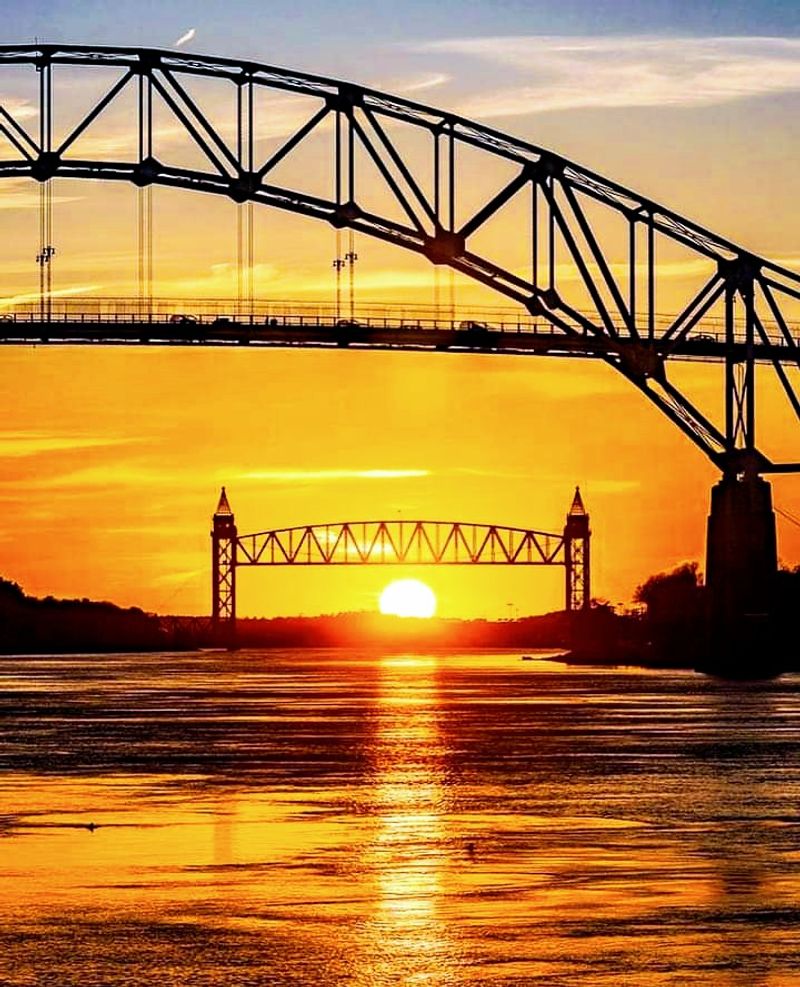
Two bridges hold the key to Cape Cod summer, and everyone wants through at once. Unless you take a ferry or plane, driving onto the Cape means crossing the Sagamore or Bourne Bridge.
Both cross the Cape Cod Canal. Both opened in 1935, long before today’s crowds.
Summer weekends can turn them into parking lots. Friday afternoons heading on and Sunday afternoons heading off are famous for long backups.
A short drive can stretch for hours. Kids get restless, snacks run out, and patience fades.
Change is coming. The state has secured major federal funding to replace the aging bridges, starting with the Sagamore.
Construction will take years, though. Work zones may add their own delays along the way.
Living on the Cape brings another twist. Beach towns are quiet in winter, but summer visitors fill roads, stores, and restaurants.
Simple errands can take longer in July. Some residents plan grocery runs early in the morning to avoid crowds.
So how do you beat the jam? Travel midweek, leave very early, or try arriving late at night.
Ferries from Boston to Provincetown in season offer another option. Once you reach the beach, the trip usually feels worth it.
9. Ticks and Lyme Disease
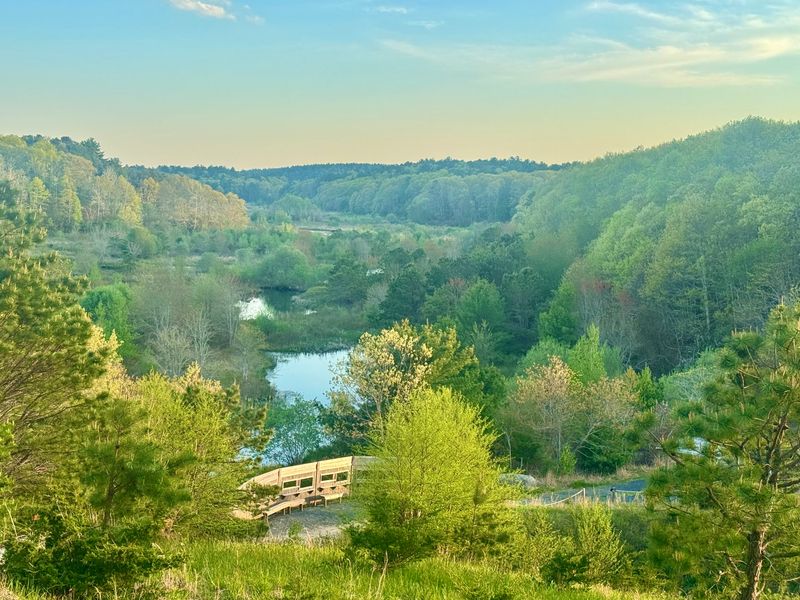
The smallest neighbors cause some of the biggest worries. Ticks thrive in Massachusetts woods, fields, and even suburban backyards.
Deer ticks, also called blacklegged ticks, are the main concern. They can spread Lyme disease, which shows up in high numbers across New England.
Fun fact: Lyme disease is named after Lyme, Connecticut. Researchers studied a cluster of cases there in the 1970s.
Massachusetts consistently reports many cases each year. Cape Cod and the islands are known tick hot spots.
Other illnesses can come from ticks, too. Babesiosis and anaplasmosis are also tracked by the state health department.
That sounds scary, but don’t skip the trails. A few habits make a huge difference.
Wear long pants and tuck them into your socks on hikes. Insect repellent and treated clothing can help keep ticks off.
After time outside, do a full tick check. Look behind knees, around the waistline, and along the hairline.
Pets need protection as well. Ask your vet about tick prevention for dogs and cats.
If you find a tick attached, remove it with fine-tipped tweezers. Watch for rashes or flu-like symptoms afterward, and call a doctor if anything seems off.
10. Potholes and Frost Heaves
Spring here doesn’t just bring flowers. It brings craters big enough to swallow a hubcap.
Massachusetts roads take a beating from the freeze-thaw cycle. Water sinks into cracks, freezes, expands, and breaks the pavement apart.
Repeat that dozens of times each winter, and you get potholes. Late winter and early spring are often the worst stretch.
Frost heaves are another fun surprise. Ground swells as it freezes, creating bumps that can launch your car like a mini roller coaster.
Some rural roads even post Frost Heave warning signs. Take them seriously, especially at higher speeds.
Your car pays the price. Bent rims, flat tires, and alignment trouble are common complaints after a rough season.
Here’s some helpful news. Massachusetts lets drivers file claims for pothole damage on state roads through MassDOT, within certain limits and rules.
Many cities also let you report potholes online. Boston, for example, uses its 311 service for repair requests.
Drive with extra space in front of you. That gives you time to spot holes and steer around them safely.
Check tire pressure often, too. A little attention now can save you a costly trip to the repair shop later.
11. Taxes and Fees
Taxachusetts is a nickname people in Massachusetts have been tossing around for decades. Is it fair?
The answer depends on your situation.
The state has a flat income tax of 5 percent. That’s actually moderate compared to some states.
High earners pay more, though. Voters approved a 4 percent surtax in 2022 on income above a very high threshold, often called the millionaires tax.
The sales tax sits at 6.25 percent. Most groceries and many clothing items under a certain amount are exempt, which helps everyday budgets.
Property taxes vary by town. Some communities have much higher rates than their neighbors.
Car owners face extra costs. Massachusetts charges an annual motor vehicle excise tax based on your car’s value.
Yearly vehicle inspections are required, too. They include safety checks and, for vehicles subject to emissions requirements, emissions testing.
So where does the money go? Massachusetts public schools consistently rank near the top of national education rankings.
Healthcare access is strong, too. Many residents see real value in those services.
Before moving, research property tax rates in towns you’re considering. Use an online paycheck calculator to estimate your take-home pay, because knowing the numbers early beats surprises later.
Share this story