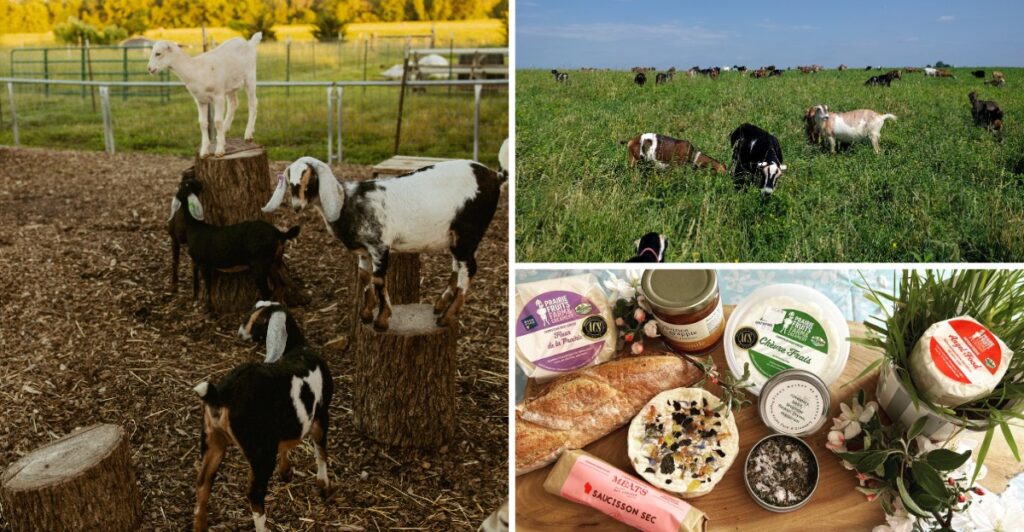
Goats do a lot more than pose for adorable photos at Prairie Fruits Farm and Creamery near Champaign. This working Illinois farm turns fresh goat milk into artisan cheeses and creamy gelato while giving visitors a closer look at how those treats begin.
Depending on the event or season, farm experiences can include meeting the goats, learning about milking, and discovering the process behind turning fresh milk into cheese. Gardens and barns add to the relaxed country setting, making the visit both educational and delicious. For anyone curious about where food comes from, this Illinois farm brings the journey from pasture to plate wonderfully close.
Gravel, Grass, and a Chorus of Bleats on North Lincoln Avenue
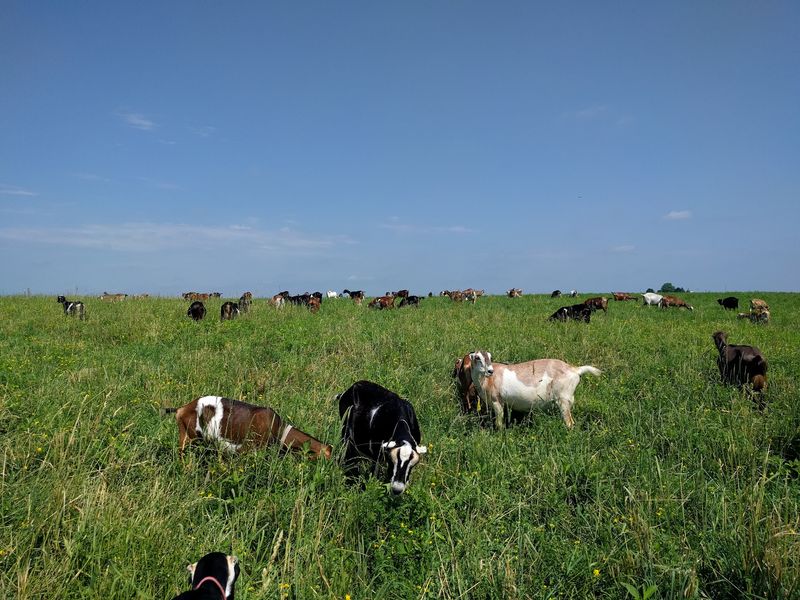
Turn off North Lincoln Avenue and the city drops away fast. Flat Illinois fields stretch out in every direction, and then a cluster of barns, gardens, and a farmhouse pops up like an island in the prairie.
The first sound is usually not traffic. It is a goat, loudly announcing that someone new has arrived. Then another one joins in, and suddenly you have a small, noisy welcome committee leaning against the fence.
The setup is easy to figure out. Clear signs point the way in, and the parking lot is level gravel, which makes pulling in simple even for nervous rural drivers. From the lot, you cross a stretch of grass before reaching the gravel paths near the barn, the pavilion, and the restaurant.
Wear shoes that can handle a little mud. Fancy sandals and soft lawns after a spring rain do not mix well, and you will want to wander once you get here.
The property is laid out so you can see how everything connects. Goat pens sit close to the buildings where their milk becomes cheese. Gardens grow vegetables and flowers that later show up on dinner plates.
Walking trails loop around the land for anyone who wants a slower stroll. For kids, this layout is a big win. Nothing is hidden far away, so little legs do not get tired before reaching the good stuff. Parents can keep an eye on everyone while still enjoying the open space.
On busy event days, the lot fills up and overflow parking stretches out close to the highway. Plan for a short extra walk if you show up during a festival or holiday gathering. Bring a jacket in cooler months too, since the prairie wind has nothing to block it out here.
Meet the Herd Behind Every Wheel of Chevre
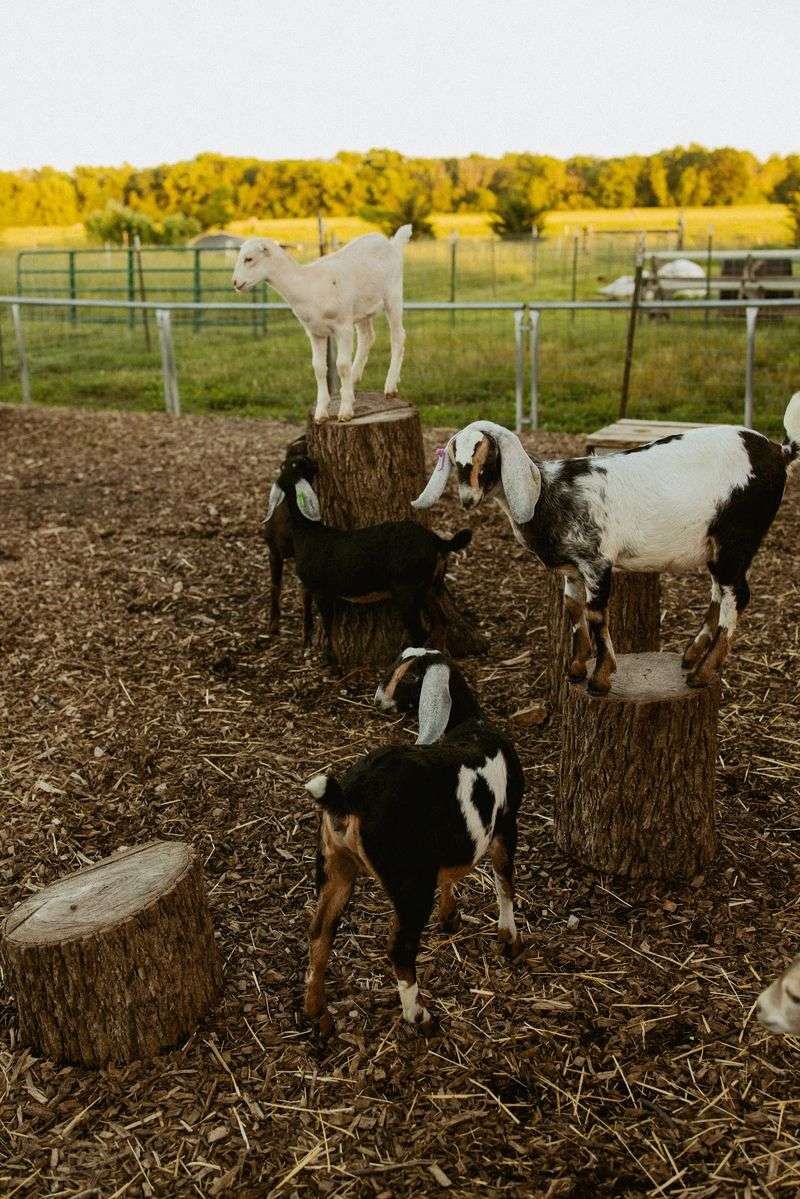
Ears flopping, noses twitching, the goats at Prairie Fruits are the real stars of the show. They are dairy goats, which means every one of them plays a part in the cheese and gelato sold just steps away.
Most visits start right at their pens. The goats are social and curious, often pushing their heads forward for a scratch behind the ears. Some will nibble at your sleeve just to see what you taste like.
Spring brings a special treat. That is kidding season, when baby goats arrive and the barnyard fills with tiny hooves and wobbly hops. Petting a kid that is only a few weeks old is a highlight for visitors of every age, from toddlers to grandparents.
Here is a cool bit of science. A goat only makes milk after giving birth, so those adorable babies are also the reason the creamery has milk to work with each year. Watching the kids bounce around is really watching the start of the cheese cycle.
The animals here are clearly well cared for. Their coats look healthy, their spaces are clean, and staff members know them by personality. Ask a worker which goat is the troublemaker, and you will probably get a funny story.
A few manners go a long way: Keep fingers flat when offering a hand. Move slowly so you do not startle the younger ones. Wash up afterward, since farm animals carry farm dirt, and you will likely be eating soon.
Late summer visits feel different. The kids have grown into lanky teenagers, still playful but much bolder. Either season gives you a close look at the herd that makes this whole operation possible.
Hands on the Udder: Milking and Cheese Lessons
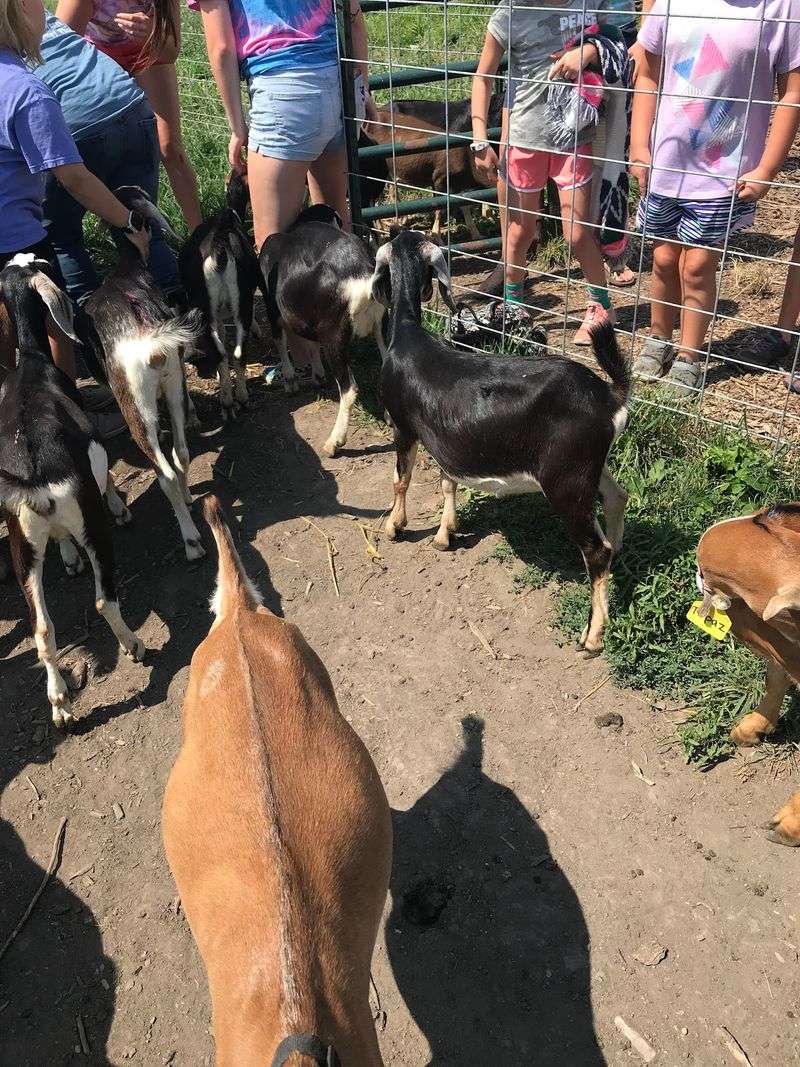
Squeeze, pull, and try again. Hand-milking a goat looks simple until your first attempt sends a tiny stream sideways instead of into the pail.
Prairie Fruits sometimes offers chances to milk the goats yourself. These sessions are not daily, so watch the farm event calendar before you go. When they pop up, they fill quickly, especially with families and curious adults who have never touched a working dairy animal.
The process teaches patience. A goat stands on a raised platform called a milking stand, usually munching on feed to stay calm. A staff member shows you how to trap milk in the teat with your thumb and finger, then roll your other fingers down in one smooth motion.
Getting the rhythm right takes a few tries. Once it clicks, the sound of milk hitting the bucket is weirdly satisfying.
From there, the story moves toward cheese. Fresh goat cheese, known as chevre, starts with milk, a starter culture, and a little rennet that helps it thicken. The curds are drained in cloth or molds until they turn soft and spreadable.
The farm also hosts workshops and special events tied to its dairy work. Topics and formats change over time, so check what is on the schedule for the season you plan to visit. Some events focus on tasting, while others get your hands busy.
Kids especially love this part. Connecting a living animal to a cracker topped with creamy cheese is a lesson no textbook can match.
Wear clothes you do not mind getting a little splashed. Goats do not always stand perfectly still, and a sudden shuffle can turn a careful beginner into a laughing, milk-speckled one.
Coffee Gelato, Garlic Chevre, and a Shelf Full of Local Finds
Goat milk gelato is the dessert people drive across the county for. It is rich and smooth, with a light tang that makes regular ice cream seem a little boring.
Flavors rotate, but coffee is a standout. It tastes bold and creamy at the same time, perfect after a hot afternoon spent near the goat pens. Grab a cup before you leave, even on chilly days.
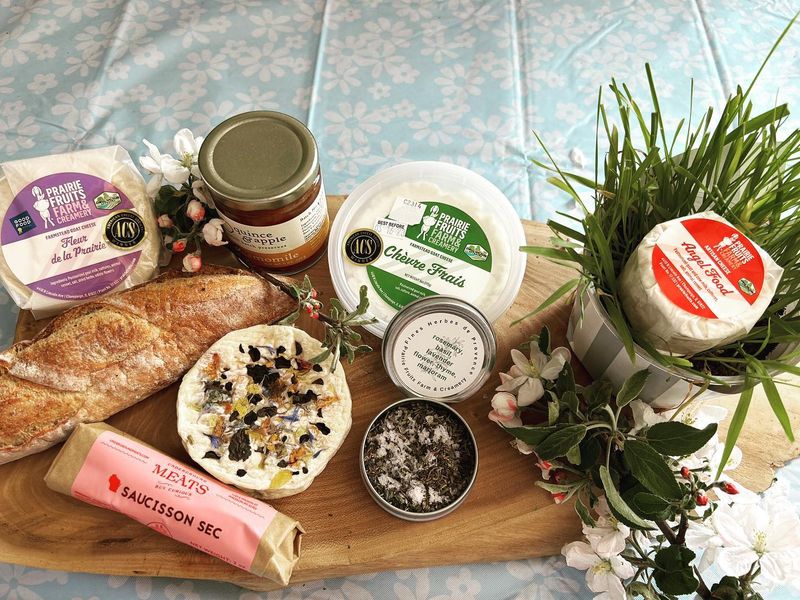
The on-site farm store is where the creamery’s work comes together. Coolers hold fresh chevre in different styles, including a garlic version that disappears from cheese boards fast. Aged cheeses sit nearby for anyone who prefers deeper, nuttier flavors.
It is not only dairy, though. Shelves carry cured meats like garlic and lemon peel saucisson, jars of local honey, baked goods, and handmade gifts. You can even pick up greeting cards from nearby makers.
Bakery fans should keep an eye out for cheese danishes. Flaky pastry wrapped around tangy filling is a smart snack for the drive home, if it lasts that long.
Shopping here works best with a plan. Bring a small cooler with ice packs in the car, especially in summer. Fresh goat cheese and gelato do not love long rides in a warm trunk.
Prices lean higher than a regular grocery store. Small-batch cheese made from a farm’s own herd takes real labor, and that cost shows on the tag. Think of it as buying a few special treats instead of stocking up on basics.
Staff behind the counter know their products well. Ask for a pairing idea, and you might walk out with a cheese, a honey, and a cracker combo you never would have guessed.
Dinner at Caprae, Where the Pasture Meets the Plate
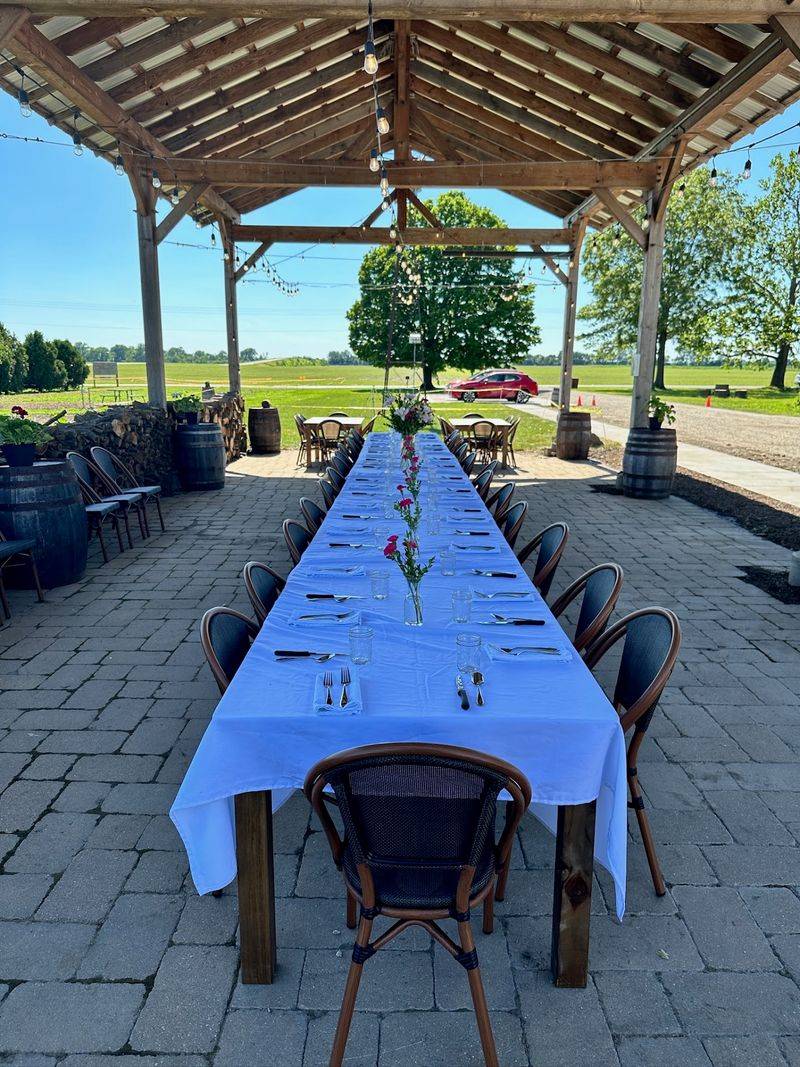
A few yards from the barn, Caprae Restaurant serves meals that start in the fields outside the window. Garden greens, farm cheeses, and local meats make up much of the menu.
Hours run from late afternoon into evening on most weekdays, with longer hours on Saturday and a daytime schedule on Sunday. Weekend brunch is a popular pick, especially for anyone wanting a farm visit and a big plate of food in one trip. The BLT shows up in hearty portions that can easily fill a hungry teenager.
Dinner gets more polished. Dishes like a maple-glazed pork chop, lamb shoulder, and flat iron steak have appeared on the menu, though offerings change with the seasons. Salads often come dressed with edible flowers, adding color and a little crunch.
Start with the charcuterie and cheese board. It is the easiest way to taste the creamery’s best work alongside cured meats and house extras.
For a special night, the chef’s tasting menu stretches into several courses. Some evenings include a farm tour and themed dishes. One past event highlighted Indigenous foods and cooking techniques, with proceeds supporting community causes.
The setting stays relaxed. You can wear jeans, hear goats in the distance, and still eat food that looks carefully planned.
Know before you go: meals are on the pricier side. Local ingredients cost more, and the restaurant has used a no-tipping model focused on paying staff a living wage. Factor that into your budget so the bill brings no surprises.
Reservations are smart for tasting dinners and holiday events. Walk in on a quiet Wednesday, though, and you may find an easy table with a sunset view.
Goat Yoga, Elf Costumes, and Other Wonderfully Odd Illinois Farm Events
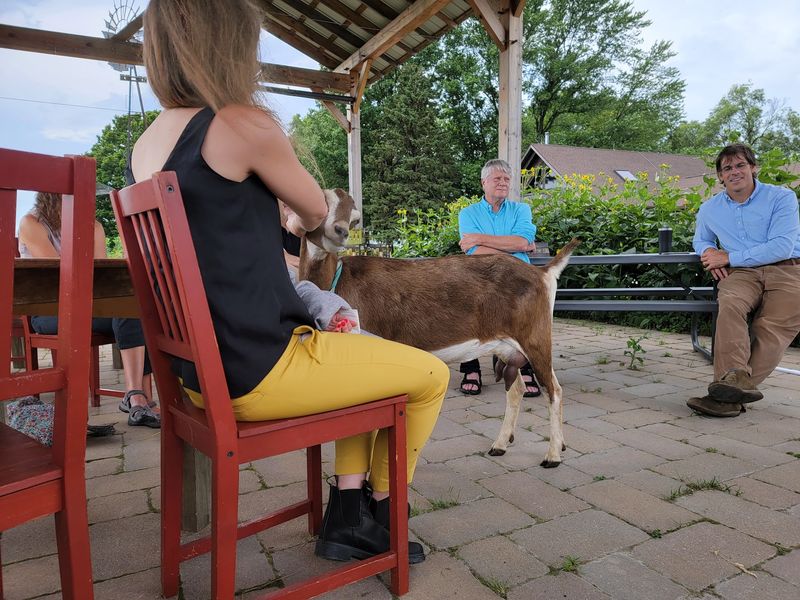
Picture holding a yoga pose while a small goat climbs onto your back. At Prairie Fruits, that silly scene is a real event called goat yoga, and it books up quickly.
The farm’s calendar is packed with surprises like this. Seasons shape the lineup, so a spring visit looks nothing like a December one. Checking the schedule ahead of time is the best way to catch something fun.
Goat hikes let you walk the property with members of the herd trotting alongside. They stop to snack on plants, wander off course, and generally act like four-legged toddlers. It is exercise, comedy, and animal time rolled together.
Fall brings a family Halloween event, with costumes and kid-friendly activities. Then the holidays roll in with festive gatherings and photo sessions featuring goats dressed as elves. Yes, tiny elf goats are exactly as charming as they sound.
Grown-up events show up too. Wine tastings, artist markets, and themed dinners give adults reasons to visit without a single juice box in sight.
Kids sometimes get hands-on garden tasks, like planting seeds. These small jobs help young visitors understand that food starts in dirt long before it reaches a grocery shelf.
Planning tip for busy weekends: Arrive early, since parking spills toward the road during big events. Bring sunscreen for outdoor activities, plus layers for chilly evenings. Many events require tickets in advance, so do not count on walking up.
Small groups can also host meals on the farm. Birthdays, team dinners, and reunions work well in this open setting, where conversation flows easily and the goats provide built-in entertainment between courses.
Timing Your Trip to the Champaign Countryside
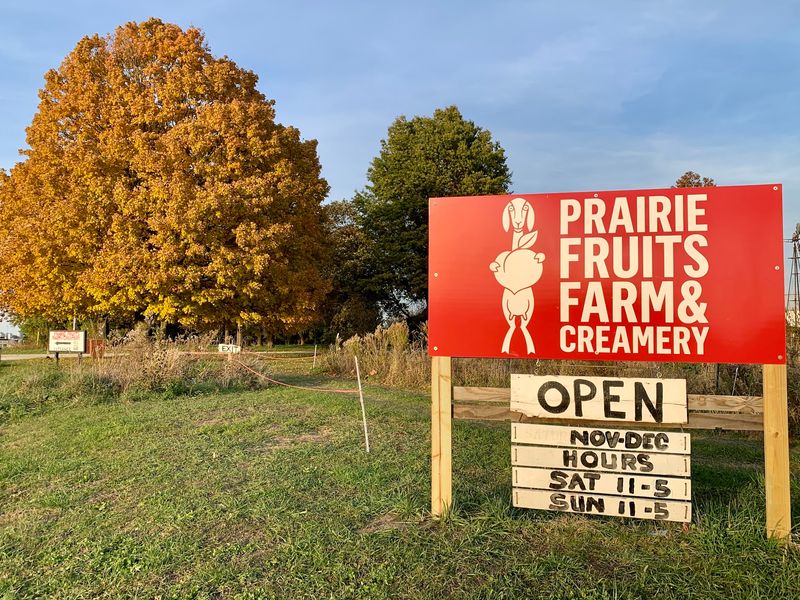
Mondays are off the table. The farm stays closed that day, so build your plans around the rest of the week. Tuesday through Friday, doors open at 4 PM and stay open until 9 PM.
That window works nicely for an after-school or after-work trip. Pet the goats while the light is still bright, then settle in for dinner as the sun drops over the fields.
Saturday is the longest day, running from 9 AM to 9 PM. It is the best choice for anyone hoping to squeeze in brunch, shopping, a trail walk, and an event. Sunday runs from 9 AM to 4 PM, ideal for a slow morning visit.
Season matters a lot. Spring means baby goats and blooming gardens. Summer brings long evenings and peak produce. Fall and winter shift the focus to holiday events and cozy dinners.
Staying overnight is an option too. A cabin on the property has been offered as a vacation rental, letting guests wake up to farm sounds instead of an alarm clock. Availability changes, so search ahead.
The location helps. Sitting on the northern edge of Champaign, the farm is a short drive from town and the University of Illinois campus. Visiting families and college students can pop over without a long road trip.
Budget for treats and a meal if you want the full experience. A free walk past the goat pens is lovely, but gelato and cheese are half the reason to come.
Pack a cooler, wear sturdy shoes, and check the event calendar. Then point the car north on Lincoln Avenue and listen for the goats.
Share this story