Elvis Presley recorded more than 200 songs in one plain little room, and you can sit in it today. Not behind a rope. Right there, near the piano he loved.
That piano is a Steinway, and it still lives in the studio. A small mark on the floor shows the sweet spot where so many lead vocals were sung. I can’t imagine standing there without humming something.
The room also helped shape a smoother style called the Nashville Sound. Dolly Parton, Roy Orbison, and the Everly Brothers all recorded hits in this same Tennessee space. I like how a building this modest holds that much music.
So how does a tour of a working studio actually go? And what happens when the lights go down and a famous voice fills the room?
A Modest Building With A Ridiculous Hit List
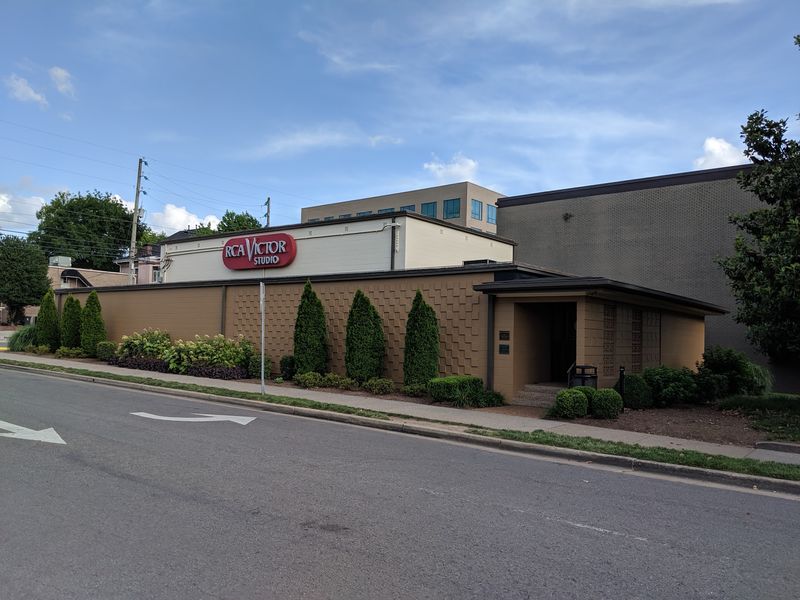
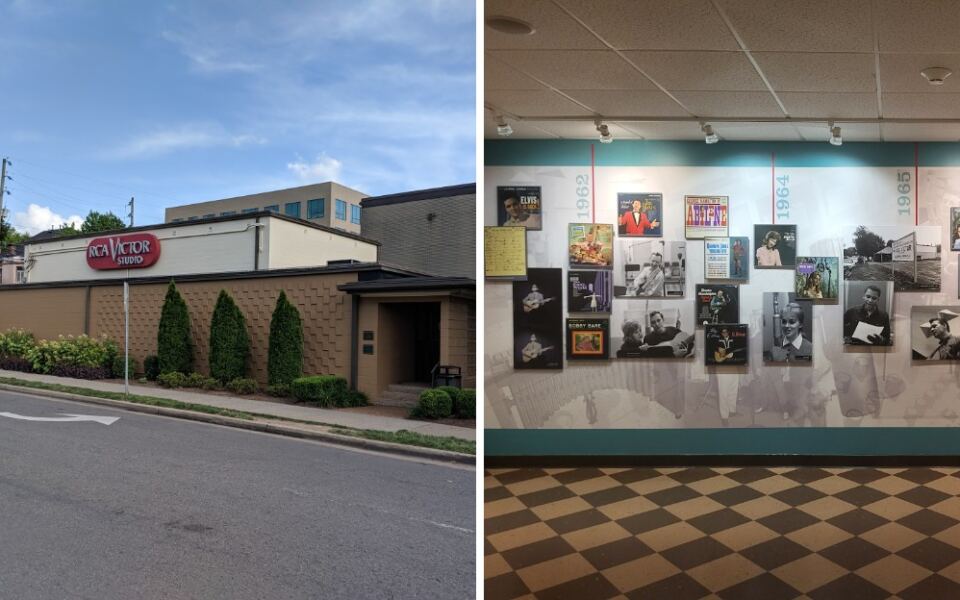
Historic RCA Studio B opened in 1957, and it does not look like a palace of hits. It looks like a simple building on Music Row in Nashville.
Don’t let that plain look shape your expectations, though. Inside, artists recorded songs that sold millions of copies and played on radios across the world.
The list of names is wild. Elvis Presley, Dolly Parton, Roy Orbison, the Everly Brothers, Charley Pride, Waylon Jennings, and Willie Nelson all worked here.
Elvis alone recorded more than 200 songs in this room. That makes the studio one of the most important stops in his whole career story.
Hits like “Are You Lonesome Tonight?” and Dolly’s “Jolene” came out of these walls. Hearing those titles connected to one room feels a little unreal.
The studio became a key part of the Nashville Sound. That style traded twangy edges for smooth strings and polished background vocals.
Producer and guitarist Chet Atkins played a big role in that shift. His work helped country music reach listeners who might never have tuned in otherwise.
Today, the Country Music Hall of Fame and Museum runs tours of the space. It’s a chance to stand where a huge chunk of music history happened, not just read about it.
Your Ticket Starts At The Hall Of Fame, Not The Studio
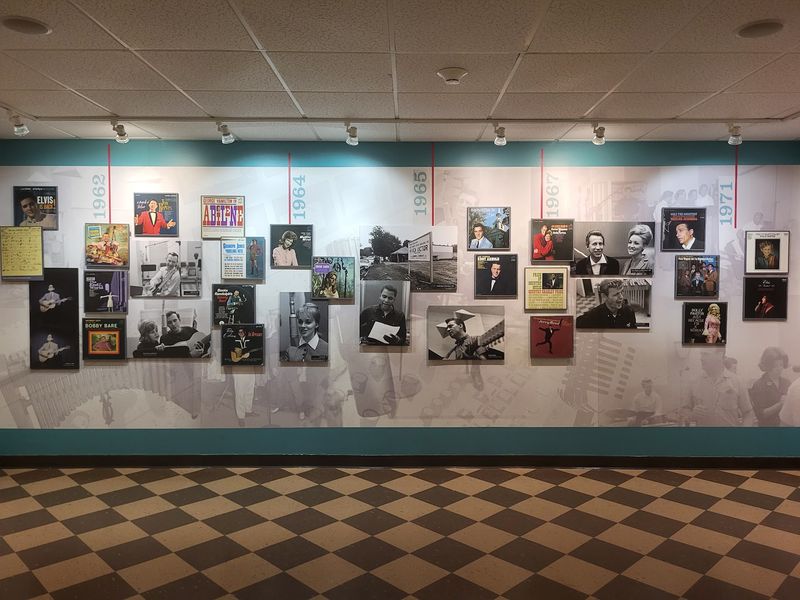
Here’s a twist that catches people off guard. You don’t buy tickets at the studio door.
Tours of Historic RCA Studio B are sold through the Country Music Hall of Fame and Museum in downtown Nashville. You’ll add the studio tour to your museum admission.
Each tour has a set time slot. Spots can fill up, so booking ahead is the smart move, especially on busy travel weekends.
Once you have your ticket, getting there is easy. The museum offers shuttle transportation between downtown and the studio.
That ride saves you from hunting for parking on Music Row. It also means you can spend the morning in the museum and roll right into your tour.
Visitors should head to the Country Music Hall of Fame and Museum, where the guided tour begins. Arrive at least 15 minutes before your scheduled tour, then take the included shuttle to Studio B.
Plan your whole day around the tour time. The museum itself is packed with exhibits, so you’ll want plenty of room on the schedule.
Think of it as a two-part music day. First comes the big museum, then the small room where so many records began.
Honestly, that pairing makes sense. You learn the stories downtown, then hear them in the room where they started.
Elvis’s Favorite Steinway Is Still Waiting In The Corner
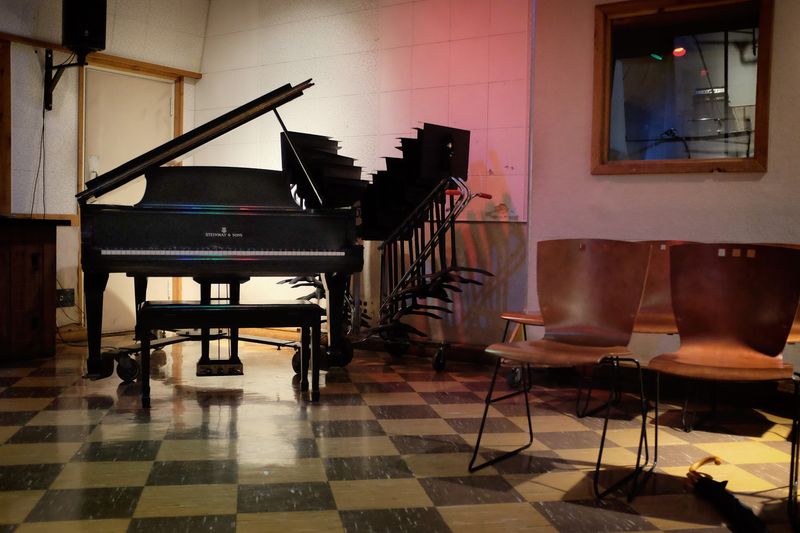
Pianos don’t usually get fans. This one does.
A Steinway grand piano sits inside Historic RCA Studio B, and it’s tied to Elvis Presley. It’s often called his favorite piano in the room.
The instrument shows up on many famous recordings made in the studio. So when you look at it, you’re looking at a real piece of musical gear, not a prop.
Guides often play clips of songs featuring that piano. Hearing the music while the actual instrument sits a few feet away is a pretty special moment.
Elvis was known to warm up by singing gospel songs. A piano like this one fit right into those long, loose studio nights.
Photos are allowed on the tour, so get your camera ready. A picture with the Steinway is easily one of the best souvenirs you can take home.
Video is a different story, though. The museum prohibits video recording during Studio B tours, so stick to still photos without flash.
Take a second to just look at it. The keys, the finish, and the spot where it sits all carry decades of sessions.
It’s a quiet piece of wood and wire. Still, it might be the most famous coworker Elvis ever had.
Find The X And Stand Where The Stars Sang
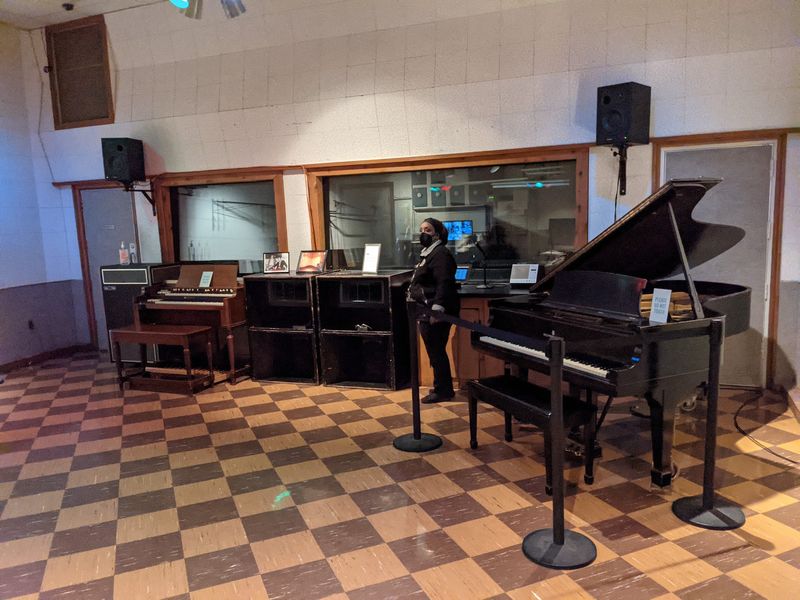
A small X on the floor might be the most powerful spot in the whole building. It marks the sweet spot in the room.
Lead vocals were recorded right there. The acoustics at that exact place made voices sound their very best.
So yes, you can step onto it. Elvis stood there, and so did Dolly Parton and plenty of other legends.
It’s a funny thing to think about. A tiny mark on a floor did more for country music than a lot of big stages.
Go ahead and strike a pose. Many guests snap a photo on the X, and nobody will judge your best air microphone grip.
Try to soak in the room while you’re there. The walls, the ceiling, and the shape of the space all helped create those recordings.
Studio engineers learned how to use this room like an instrument. The sweet spot was part of that know-how.
If singing is your thing, keep it quiet and polite during the tour. Still, a little hum under your breath seems allowed.
You won’t walk away with a record deal. You will walk away saying you stood exactly where hits were born.
When The Lights Dim, The Room Starts Talking
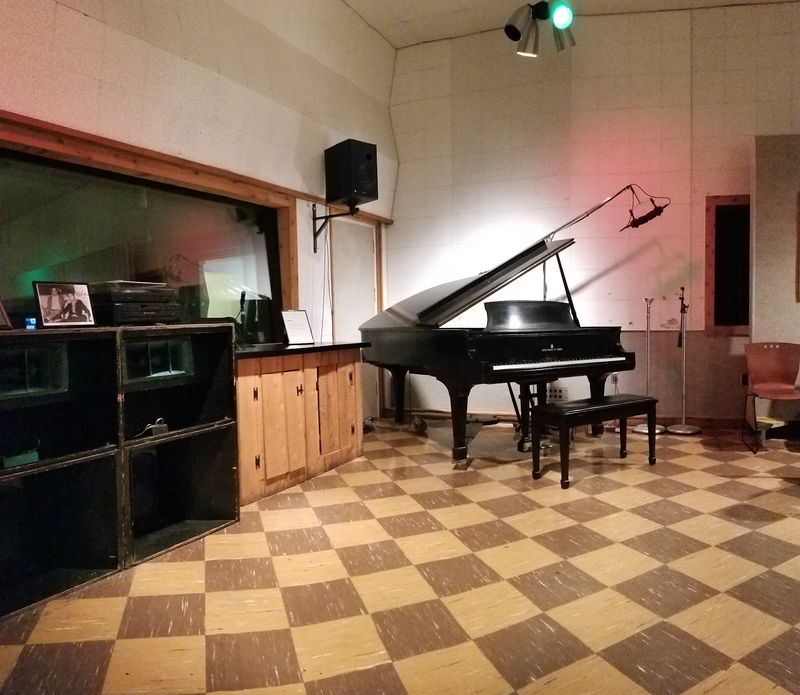
Lights down. Music up. That’s when the tour really changes.
Inside Studio B, guests sit on chairs set around the edges of the room. The guide adjusts the lighting to bring back the feel of an old recording session.
Then the recordings start. You hear songs made in this very space, including well-known Elvis tracks.
The effect is simple but strong. You’re listening to a voice in the room where that voice was captured years ago.
Elvis often recorded late at night. Dimming the lights gives a small taste of how those after-dark sessions might have felt.
Guides share stories between songs. You’ll hear how certain tracks came together and what made the sessions memorable.
The tour leans heavily on Elvis, which makes sense given his huge output here. Still, other artists get mentioned, and Dolly Parton often gets a moment too.
Bring your questions. Guides from the Country Music Hall of Fame and Museum know a lot about the studio and its musicians.
Fair warning for big music fans. You may get goosebumps, and pretending you don’t is optional.
It’s a short stretch of the tour. It just happens to stick with you the longest.
Old Gear Shows How Records Got Made
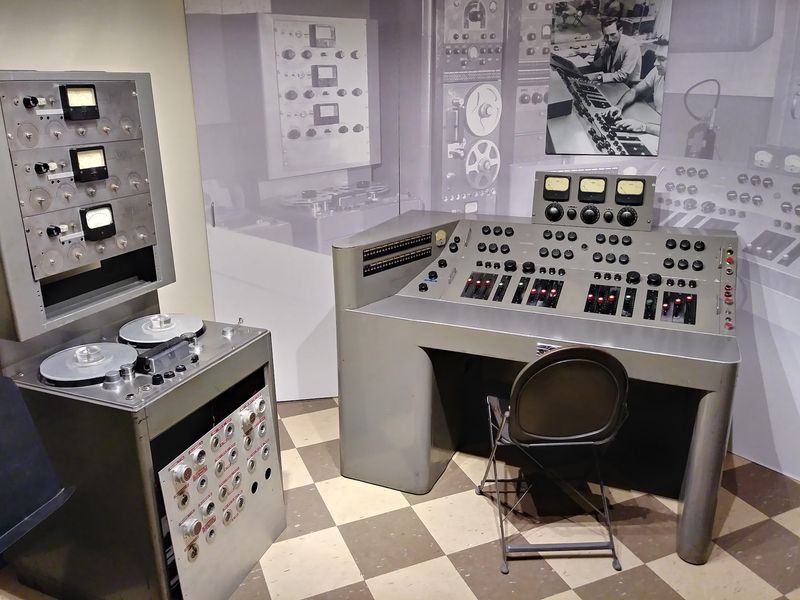
Before laptops, making a record took big machines, lots of knobs, and serious skill. Historic RCA Studio B shows off some of that history.
The tour includes recording equipment from earlier eras. Some pieces date to the 1950s and 1970s.
Looking at the gear helps the music make more sense. You start to see how engineers shaped sound with hands, ears, and patience.
Back then, mistakes weren’t easy to fix. Musicians often had to nail a song in fewer takes, which kept everyone sharp.
Microphones, amps, stands, and baffles also appear around the studio spaces. Each one played a part in shaping what ended up on vinyl.
If you love tech, take a close look when you can. The tour moves along, so grab the details while you’re in the room.
Kids who grew up with phones may find the gear fascinating. It’s like seeing the great-grandparents of their music apps.
Guides explain how the equipment fit into the recording process. Simple explanations make it easy to follow, even if you’ve never touched a mixer.
You’ll leave with a new respect for those classic records. Every smooth song needed a lot of clunky machinery behind it.
Not A Frozen Museum, Because Music Still Happens Here
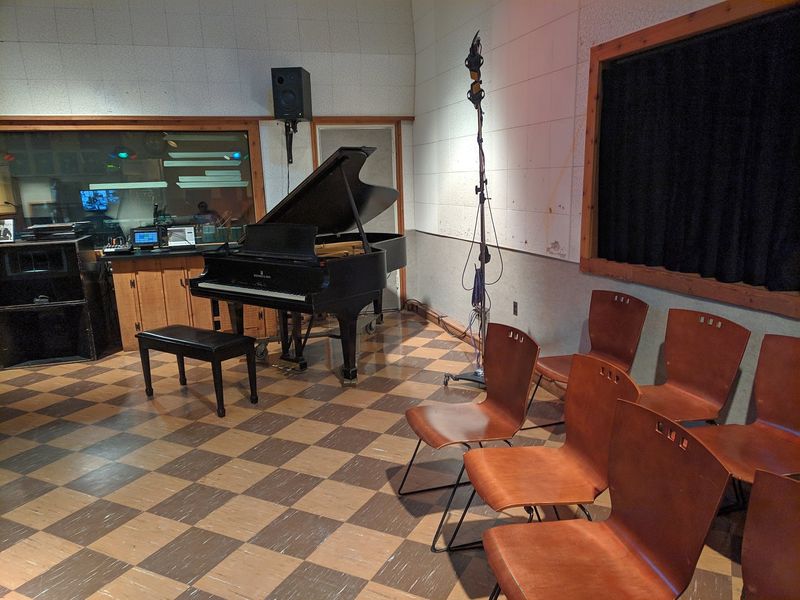
Plenty of historic sites stop the clock. Historic RCA Studio B keeps it ticking.
The studio is still used for recording today. That makes it a working music space, not just a place to look at old photos.
It’s a cool balance. Tour groups come through during the day, while musicians can still use the room for real projects.
The building also supports music education. Students in Tennessee have used it to learn about recording in a truly famous setting.
Picture learning sound engineering where Elvis sang. That’s a pretty great classroom upgrade.
Because it’s an active studio, it might not be set up like a movie scene. Chairs, pianos, and equipment can look practical rather than staged.
That’s part of the charm, though. You’re seeing a real workspace with real history, not a polished replica.
Knowing new music still gets made here changes how the room feels. The story isn’t finished, and that’s exciting.
Maybe a future star is recording here next month. Years from now, tour guides could be telling stories about them too.
Music Row Sits Right Outside The Door
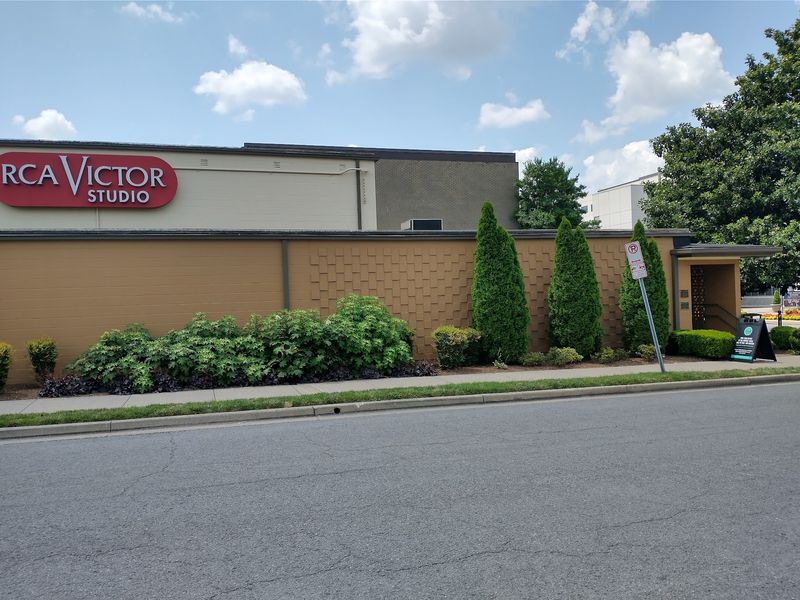
Location matters, and this studio picked a legendary one. Historic RCA Studio B sits at 1611 Roy Acuff Pl, Nashville, TN 37203.
That puts it on Music Row, Nashville’s famous music business district. Record labels, publishers, and studios have filled this area for decades.
The street name itself is a nod to history. Roy Acuff was a major country star often called the King of Country Music.
Not a bad address for the studio of the King of Rock and Roll. Two kings, one block, plenty of crowns.
Music Row is a short trip from downtown Nashville. Still, most visitors arrive by the museum shuttle tied to their tour ticket.
Keep in mind the studio isn’t a walk-in spot. Tours run through the Country Music Hall of Fame and Museum, so plan ahead.
Tours run daily between 10 a.m. and 3 p.m., with advance reservations encouraged. That schedule wraps up early, so morning or midday slots are your best bet.
Give yourself a little extra time if you’re driving. Finding parking on a busy Nashville street can test anyone’s patience.
Once you’re there, look around. The whole neighborhood hums with Tennessee music history.
Smart Tips To Make Your Visit Hit Every Note
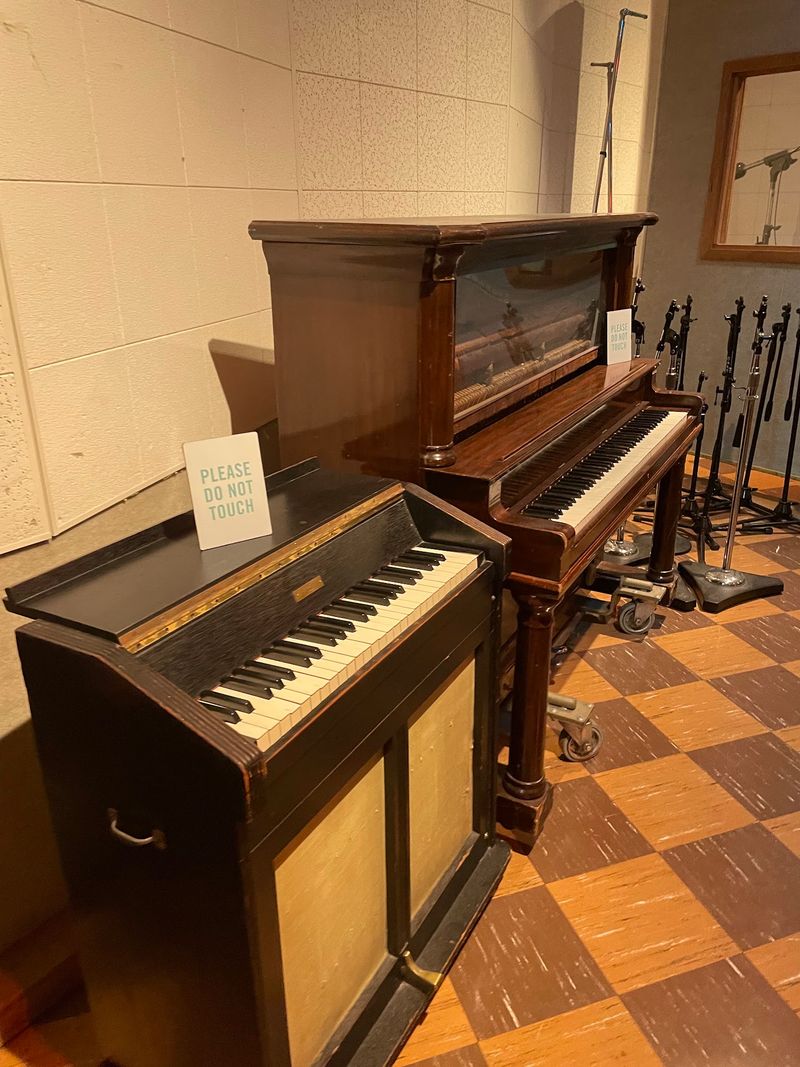
A great visit takes a tiny bit of planning. Luckily, the plan is simple.
First, book your Historic RCA Studio B tour ahead of time. Slots are limited, and you’ll need admission to the Country Music Hall of Fame and Museum too.
Next, pick an earlier tour if you can. The last tours finish by mid-afternoon, which surprises some travelers.
Know what kind of tour to expect. It’s a guided group visit through a few rooms, not a self-paced wander.
Groups move on a schedule, so take photos when your guide gives the green light. The piano and the X are the must-snap spots.
Remember, no video recording. Copyrighted songs play during the tour, so keep the camera on photo mode.
Elvis fans will be thrilled, since he’s a big focus. Fans of Dolly Parton or Roy Orbison will still find plenty of connections to enjoy.
Pair it with the full museum visit for a complete music day in Nashville, Tennessee. Together, they tell a bigger story.
Most of all, slow down in Studio B. Sit, listen, and let that little room show you why it mattered so much.
Share this story