Tennessee offers some of the most beautiful outdoor spaces in the country, from misty mountain trails to rushing waterfalls and quiet lakeside paths. Whether you’re planning a weekend camping trip or just a quick afternoon hike, these natural areas provide endless opportunities for adventure and exploration.
But before you lace up your boots and head out, there’s one important thing every outdoor enthusiast should remember: tick protection. These tiny creatures are common in Tennessee’s woods and grasslands, especially during warmer months, and taking simple precautions can help you enjoy your adventures safely and comfortably.
1. Great Smoky Mountains National Park – Gatlinburg
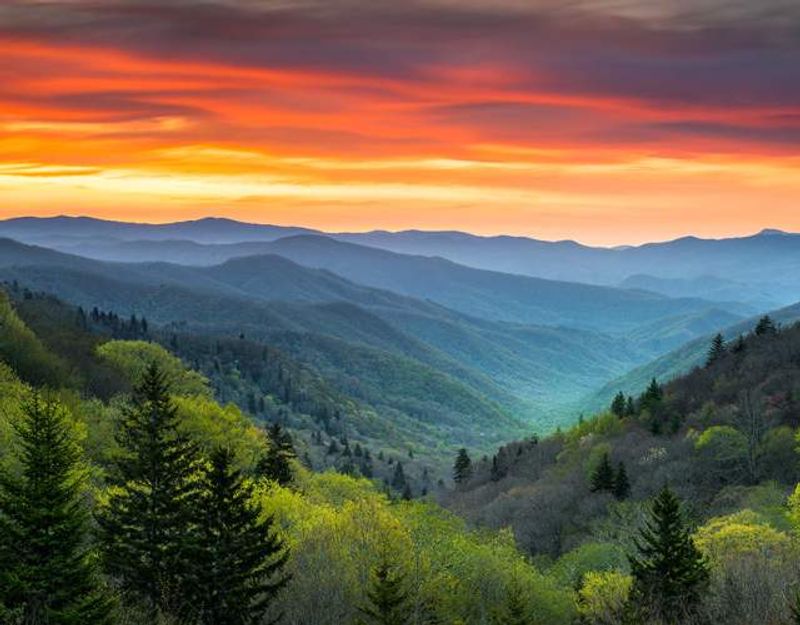
America’s most visited national park sits right on Tennessee’s eastern border, drawing millions of visitors each year to its ancient mountains and diverse ecosystems. The Smokies earned their name from the bluish mist that hangs over the peaks, creating an almost magical atmosphere as you explore over 800 miles of trails.
From easy nature walks to challenging backcountry routes, there’s something here for every skill level.
Families love spots like Cades Cove, where you can spot wildlife from the comfort of your car, or Laurel Falls, a paved trail leading to a stunning waterfall. More adventurous hikers tackle Alum Cave Trail or climb to the summit of Clingmans Dome for panoramic views.
Spring brings wildflower blooms, while fall transforms the forests into a kaleidoscope of red, orange, and gold.
Because of the dense vegetation and humid climate, ticks thrive here year-round but peak in warmer months. Tall grass along trail edges and leaf litter provide perfect habitat for these pests.
Before setting out, treat your clothing with permethrin and apply EPA-approved repellent to exposed skin. After your hike, do a thorough tick check, paying special attention to warm, hidden areas like behind knees, under arms, and along the hairline.
2. Fall Creek Falls State Park – Spencer
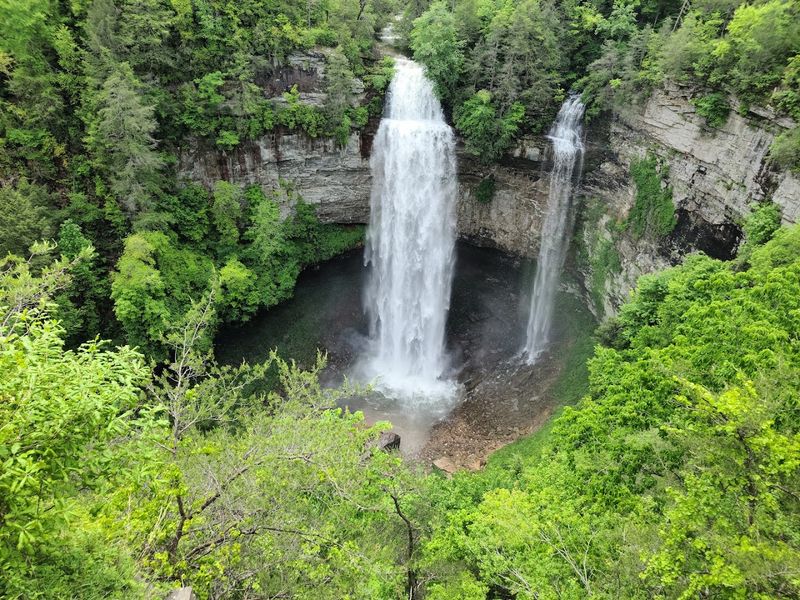
At 256 feet, Fall Creek Falls claims the title of highest waterfall east of the Mississippi River, and seeing it in person will take your breath away. The park sprawls across more than 26,000 acres of Cumberland Plateau wilderness, offering not just the namesake falls but also gorges, caves, and additional waterfalls to discover.
You could easily spend an entire weekend exploring without covering everything.
The main waterfall is accessible via a moderately easy trail that winds through hardwood forest before opening up to the overlook. For a different perspective, take the trail down to the base where you can feel the mist on your face and truly appreciate the power of falling water.
The park also features Cane Creek Falls, Cane Creek Cascades, and Piney Falls, each with its own character and charm.
Woodland trails here pass through prime tick territory, especially during spring and summer when the undergrowth is thick and humidity is high. Wearing long pants tucked into socks might not be the most fashionable choice, but it creates a barrier that keeps ticks from reaching your skin.
Light-colored clothing helps you spot any hitchhikers before they attach. Pack a small mirror or ask a hiking partner to check areas you can’t easily see yourself.
3. South Cumberland State Park – Monteagle
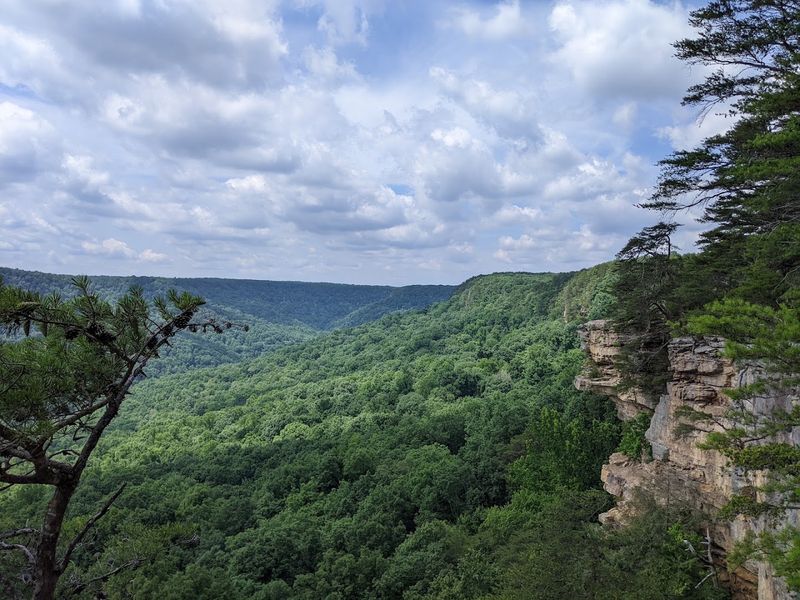
This park functions more like a collection of natural areas spread across the Cumberland Plateau, each offering distinct geological features and recreational opportunities. Stone Door, one of the most popular sections, features a massive crack in the rock that opens to sweeping views of Savage Gulf below.
Fiery Gizzard Trail, considered one of Tennessee’s most challenging and rewarding hikes, takes you past waterfalls, through boulder fields, and along cliff edges.
Foster Falls is another highlight, where a 60-foot waterfall plunges into a swimming hole that’s perfect for cooling off on hot summer days. Rock climbers flock to the sandstone bluffs, while less adventurous visitors can enjoy the view from well-maintained overlooks.
The diverse terrain includes everything from riverside trails to ridgetop paths through mountain laurel and rhododendron thickets.
The variety of habitats means ticks can be encountered almost anywhere in the park, from low-lying creek beds to exposed rocky areas. They’re particularly active from April through September.
Consider treating your daypack, boots, and outdoor gear with permethrin spray at the start of the season for long-lasting protection. Keep insect repellent handy and reapply according to package directions, especially if you’ve been sweating heavily or swimming.
Take breaks in sunny, open areas rather than sitting directly on logs or in tall grass.
4. Frozen Head State Park – Wartburg
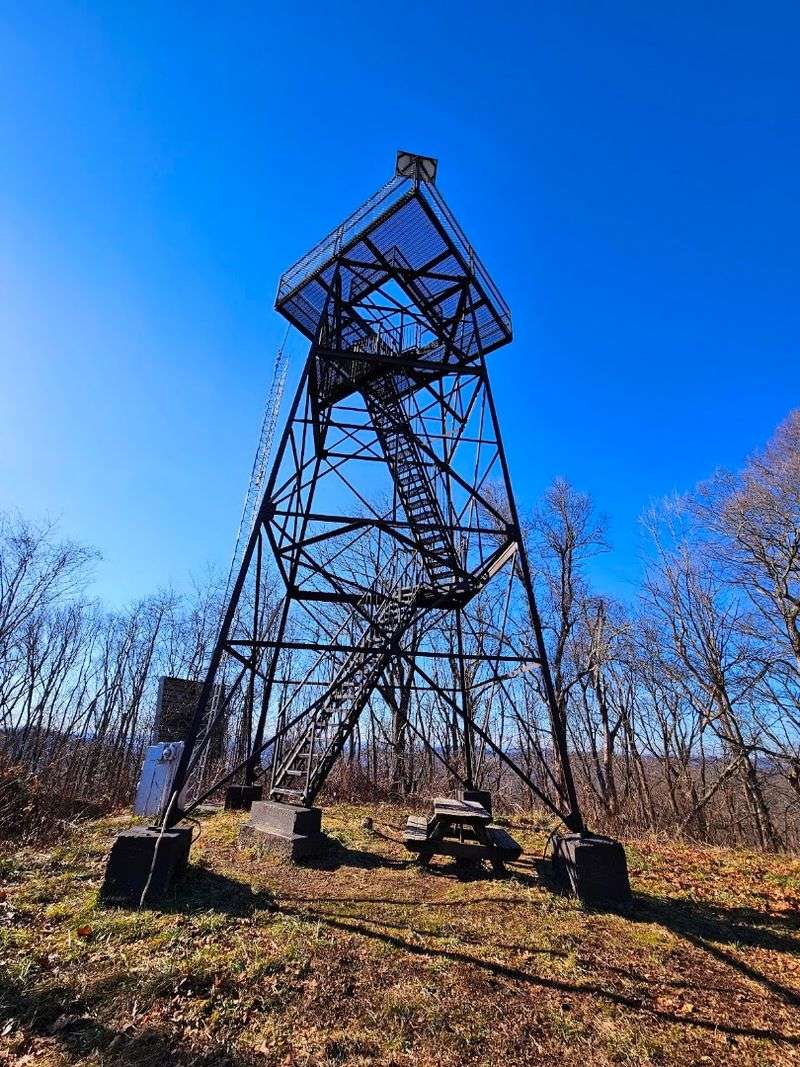
Named for the mountain whose peak appears frozen in winter ice and clouds, this park offers some of the most rugged and remote hiking in Tennessee. Frozen Head Mountain rises to 3,324 feet, and reaching the fire tower at the summit requires serious effort but rewards you with views stretching across multiple states on clear days.
The park served as a backdrop for the infamous Barkley Marathons, an ultra-running event so difficult that only a handful of people have ever finished it.
Beyond the challenging summit trails, Frozen Head features gentler options like the Emory Gap Falls Trail and DeBord Falls Trail, both leading to beautiful cascades. The park’s isolation means you’ll encounter fewer crowds than at more famous Tennessee destinations.
Old-growth forests shelter diverse plant species, and spring brings impressive wildflower displays to the lower elevations.
Remote wilderness areas like this provide ideal conditions for ticks, with abundant wildlife hosts and undisturbed leaf litter. Black-legged ticks and lone star ticks are both present here.
Before your hike, tuck pants into socks and shirt into pants to eliminate gaps where ticks can enter. Choose a repellent containing DEET, picaridin, or oil of lemon eucalyptus, and don’t forget to spray socks and shoe tops.
When you return to your vehicle, do a quick check before getting inside to avoid bringing ticks home with you.
5. Big South Fork National River & Recreation Area – Oneida
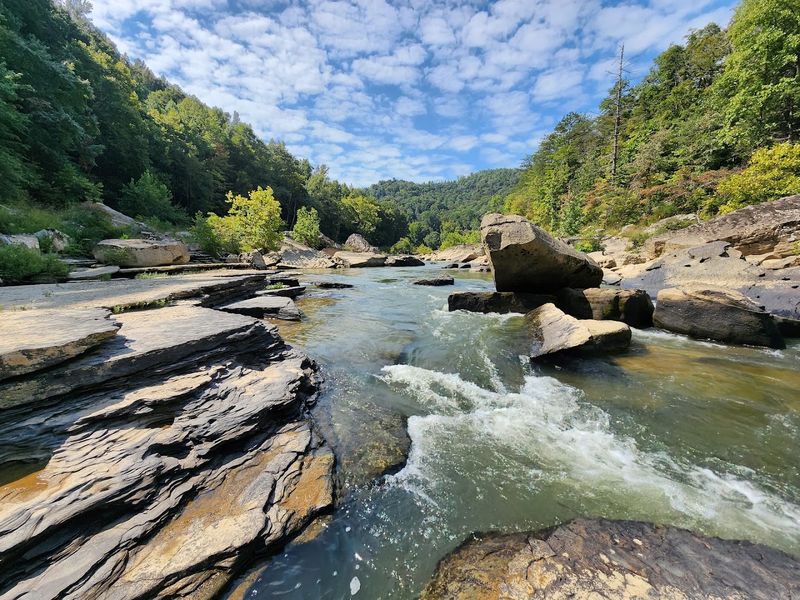
Straddling the Tennessee-Kentucky border, Big South Fork protects one of the last major free-flowing river systems in the Southeast. The Big South Fork River has carved deep gorges through layers of sandstone and shale, creating dramatic cliffs, natural arches, and rock shelters that have attracted humans for thousands of years.
Today’s visitors come for world-class whitewater rafting, horseback riding, mountain biking, and backcountry camping.
Popular destinations include Twin Arches, where two massive natural bridges span 135 and 93 feet respectively, and Yahoo Falls, Kentucky’s highest waterfall at 113 feet (though just across the border, it’s easily accessed from the Tennessee side). The historic Blue Heron Mining Community offers a fascinating glimpse into coal mining life from the early 1900s.
With over 90 miles of designated horse trails, this is also a premier destination for equestrians.
The combination of river corridors, dense forests, and open meadows creates diverse tick habitat throughout the recreation area. Horseback riders face particular risk since they’re moving through brush and tall grass while focused on controlling their mounts.
If riding, treat your clothing and consider spraying saddle pads and other gear. Hikers should stay on established trails when possible rather than bushwhacking through vegetation.
After water activities, remember that ticks can survive brief submersion, so still check yourself thoroughly even if you’ve been swimming or wading.
6. Cummins Falls State Park – Cookeville
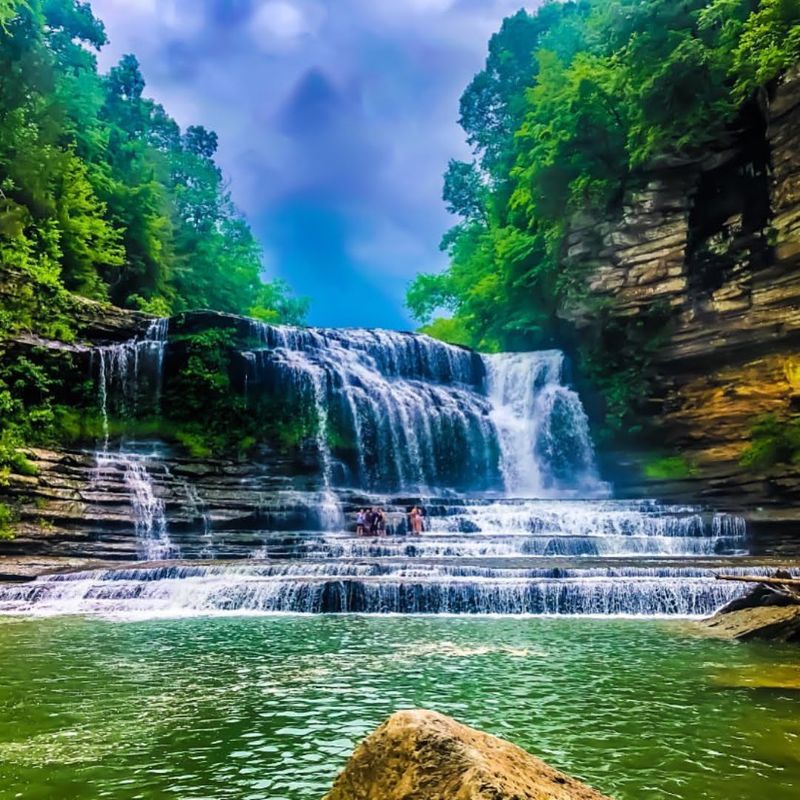
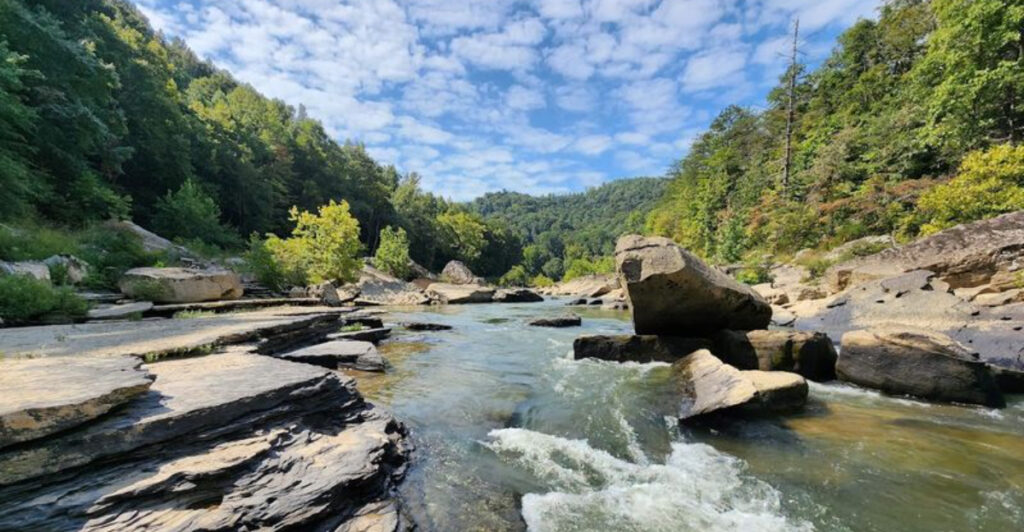
This relatively new state park has quickly become one of Tennessee’s most popular outdoor destinations, and for good reason. Cummins Falls drops 75 feet in a series of cascades into a gorgeous swimming hole surrounded by rock walls and forest.
The hike to reach it involves crossing the Blackburn Fork State Scenic River multiple times, making it an adventure even before you arrive at the falls.
Getting to the falls requires about a mile of hiking, including stream crossings that can be challenging during high water. The park now uses a reservation system during peak season to manage crowds and protect the natural resources.
Once you arrive, you can swim in the pool, sun yourself on the rocks, or simply enjoy the thundering water and cool mist. The setting feels almost tropical on hot summer days.
Water-loving adventurers often let their guard down about ticks, assuming the wet environment offers protection. Unfortunately, ticks are just as common along stream banks and in the forest leading to the falls.
They can cling to vegetation overhanging the trail and transfer to you as you brush past. Wearing water shoes or sandals exposes more skin, so be extra diligent about applying repellent to legs, ankles, and feet.
Bring a change of clothes for after your swim and check yourself before changing. Consider keeping a lint roller in your car to remove any ticks from clothing before they have a chance to crawl onto your skin.
7. Savage Gulf State Park – Palmer
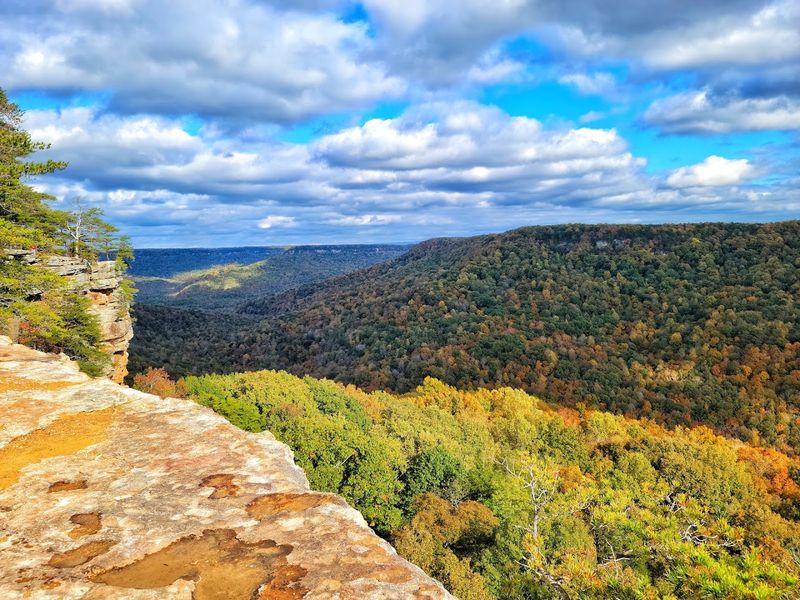
Part of the South Cumberland State Park complex, Savage Gulf deserves special mention for its spectacular wilderness character and extensive trail network. The Gulf is actually a massive gorge system with three main branches carved by the Collins, Savage, and Big Creek rivers.
Sandstone bluffs rise hundreds of feet above the canyon floors, creating some of Tennessee’s most dramatic scenery.
Multiple access points allow for day hikes or multi-day backpacking trips, with backcountry campsites scattered throughout the wilderness. Stone Door connects to Savage Gulf, and serious hikers often complete a challenging loop combining both areas.
Greeter Falls, with its double cascade and swimming hole, provides a more family-friendly option. Spring wildflowers carpet the forest floor, while fall brings spectacular color to the hardwood canopy.
Backcountry camping here increases your tick exposure time significantly compared to day hiking. If you’re planning an overnight trip, treat all your camping gear with permethrin before departure, including your tent, sleeping bag stuff sack, and backpack.
Hang clothes you’re not wearing rather than leaving them on the ground. Each evening, do a thorough tick check before getting into your sleeping bag.
In the morning, check again before getting dressed. Consider bringing duct tape or a tick removal tool specifically designed for backcountry use.
The extra precautions are worth it to fully enjoy this incredible wilderness without worrying about unwanted passengers joining you on the trail.
8. Radnor Lake State Park – Nashville
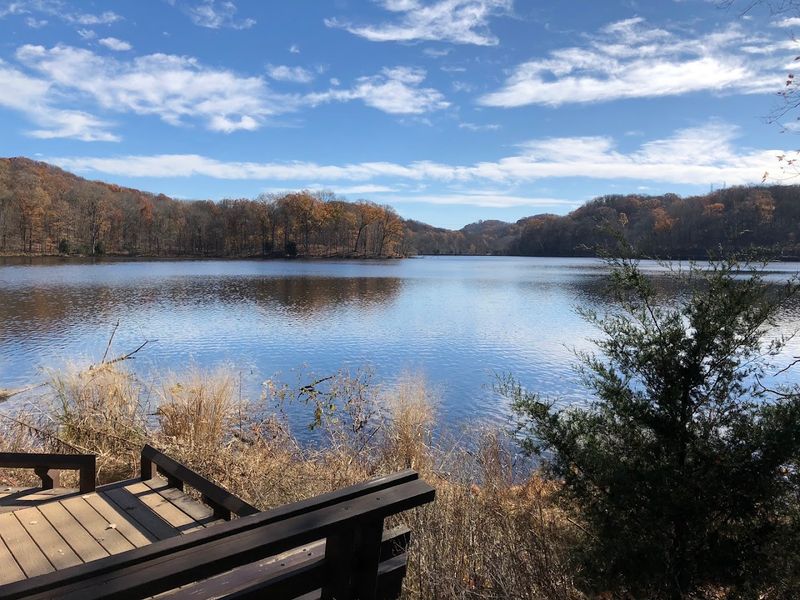
Right in the heart of Nashville, Radnor Lake offers an unexpected wilderness escape just minutes from downtown. This 1,368-acre natural area surrounds an 85-acre lake originally created in 1914 by the Louisville and Nashville Railroad Company as a water source for steam engines.
Today it serves as a wildlife sanctuary where hiking, photography, and nature observation take priority over development.
Six miles of trails wind through forests and along the lakeshore, offering opportunities to spot deer, herons, turtles, and countless bird species. The park’s location along a migratory flyway makes it a birding hotspot, especially during spring and fall migrations.
The easy terrain and well-maintained paths make this an excellent choice for families, older adults, or anyone looking for a peaceful walk in nature without driving far from the city.
Urban parks can lull visitors into a false sense of security about ticks, but these pests don’t respect city limits. Radnor Lake’s combination of woods, tall grass, and abundant wildlife creates perfect tick habitat despite the urban setting.
White-tailed deer, common throughout the park, are major tick hosts. The same precautions apply here as in more remote locations: wear protective clothing, use repellent, and check yourself afterward.
Because many visitors come straight from work or home, consider keeping a small tick prevention kit in your car with repellent, a change of socks, and a lint roller. That way you’re always prepared for a spontaneous nature walk.
9. Edgar Evins State Park – Silver Point
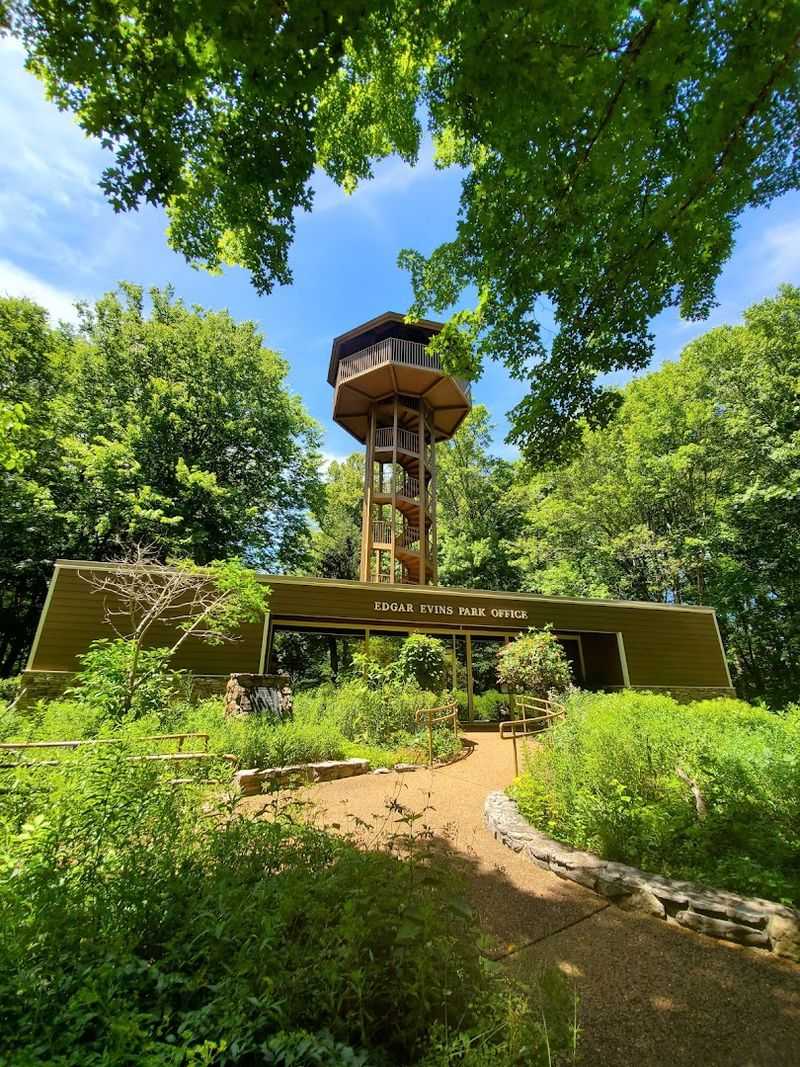
Nestled along the shores of Center Hill Lake, Edgar Evins State Park combines water recreation with woodland hiking in a scenic setting. The park’s location on the lake’s eastern shore provides access to excellent fishing, boating, and swimming opportunities.
A modern marina serves boaters, while the swimming beach offers a safe place for families to cool off during summer heat.
Hiking trails range from easy lakeside strolls to more challenging routes that climb into the surrounding hills. The Millennium Trail connects to Highland Rim Trail for those wanting a longer trek through mixed hardwood forests.
Spring brings blooming dogwoods and redbuds, while the lake provides a stunning blue backdrop year-round. The park also features a restaurant with lake views and comfortable cabins for overnight stays.
Lakeside parks present unique tick challenges because visitors often wear swimwear or light clothing, leaving more skin exposed. Ticks can be found in the grass between parking areas and the beach, in shaded picnic areas, and along the edges of trails.
If you’re planning a day that combines hiking and swimming, apply repellent before your hike and reapply after swimming. When setting up at a picnic table or spreading a blanket, choose sunny open areas rather than shaded spots right against the tree line.
Shake out towels and beach gear before packing them back into your vehicle. Kids playing in grassy areas near the lake should be checked frequently, especially behind the ears and along the hairline where ticks often try to attach.
10. Cherokee National Forest – Unicoi
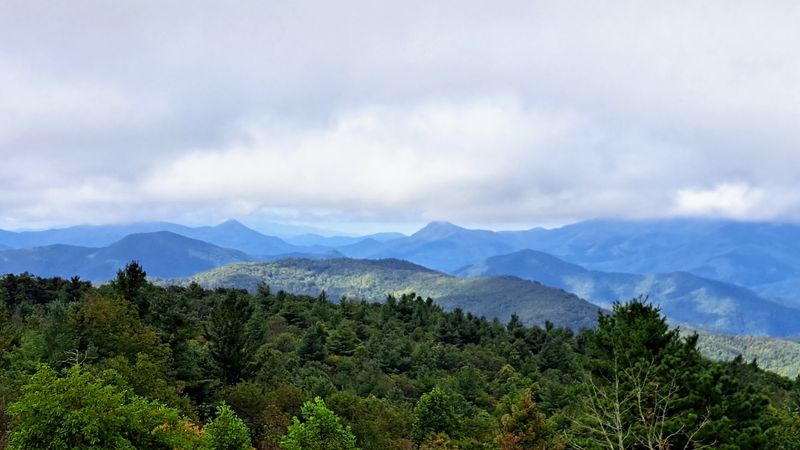
Spanning over 650,000 acres across eastern Tennessee, Cherokee National Forest offers an almost overwhelming variety of outdoor recreation opportunities. The forest is divided into northern and southern sections, with the Unicoi area falling within the southern portion near the North Carolina border.
This region features some of the highest peaks in Tennessee, including Roan Mountain, famous for its rhododendron gardens that bloom spectacularly each June.
The Appalachian Trail passes through Cherokee National Forest for about 150 miles, but you don’t need to be a thru-hiker to enjoy the scenery. Shorter trails lead to waterfalls, mountain balds with 360-degree views, and quiet streams perfect for trout fishing.
The Cherohala Skyway, a scenic byway connecting Tennessee and North Carolina, provides easy access to high-elevation areas with minimal hiking required. Camping options range from developed campgrounds to primitive backcountry sites.
The extensive acreage and varied elevations mean tick populations fluctuate throughout the forest depending on location and season. Higher elevations generally have fewer ticks, but they’re still present.
Lower elevation streams and valleys where you might camp or fish tend to have higher tick populations. If you’re car camping, create a tick-safe zone by setting up on gravel or in open areas rather than directly under trees.
Keep food and gear organized on tables or in vehicles rather than on the ground. For backcountry camping, choose established sites when possible, as these tend to have less vegetation immediately around them.
Always do evening tick checks before bed and morning checks before hitting the trail.
11. Long Hunter State Park – Hermitage
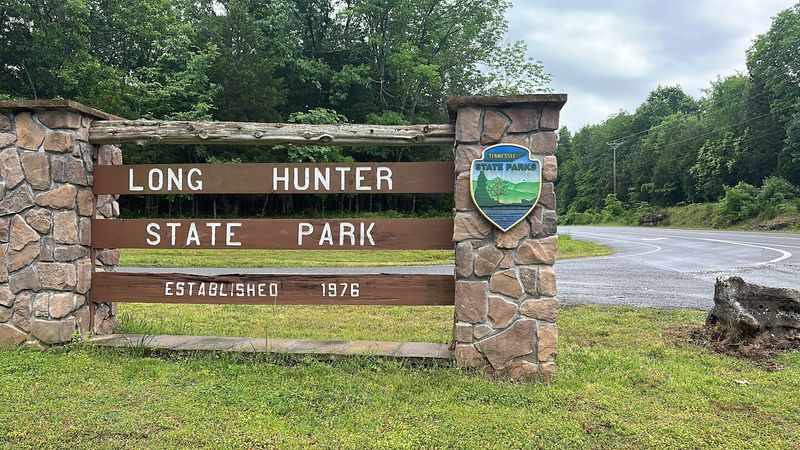
Located just east of Nashville along Percy Priest Lake, Long Hunter State Park provides convenient access to outdoor recreation for Middle Tennessee residents and visitors. The park’s 2,600 acres include a mix of lake shoreline, woodlands, and open fields, with over 20 miles of hiking trails winding through diverse habitats.
The Day Use Area offers a swimming beach, picnic facilities, and boat launch, while the more remote Bryant Grove section appeals to hikers seeking solitude.
Volunteer Trail and Deer Trail are favorites among regular visitors, offering moderate terrain through forests that showcase seasonal changes beautifully. Spring wildflowers carpet the forest floor, while fall foliage rivals more famous destinations.
The lake provides a constant presence, visible through the trees from many trail sections. Birders appreciate the variety of species attracted to the lake and surrounding woodlands, including waterfowl, songbirds, and occasional raptors.
Suburban parks like Long Hunter see heavy use by runners, dog walkers, and families, but tick awareness sometimes lags behind more wilderness-focused destinations. The reality is that ticks don’t care whether you’re on a remote mountain trail or a popular path 20 minutes from downtown Nashville.
They’re waiting in the vegetation either way. Runners and cyclists moving quickly through tick habitat can pick up multiple ticks without noticing.
If you exercise here regularly, develop a routine of checking yourself after each visit. Dog owners should check their pets thoroughly too, as dogs can bring ticks into vehicles and homes.
Consider the first warm day of spring as your reminder to stock up on tick prevention supplies for the season ahead.
Share this story