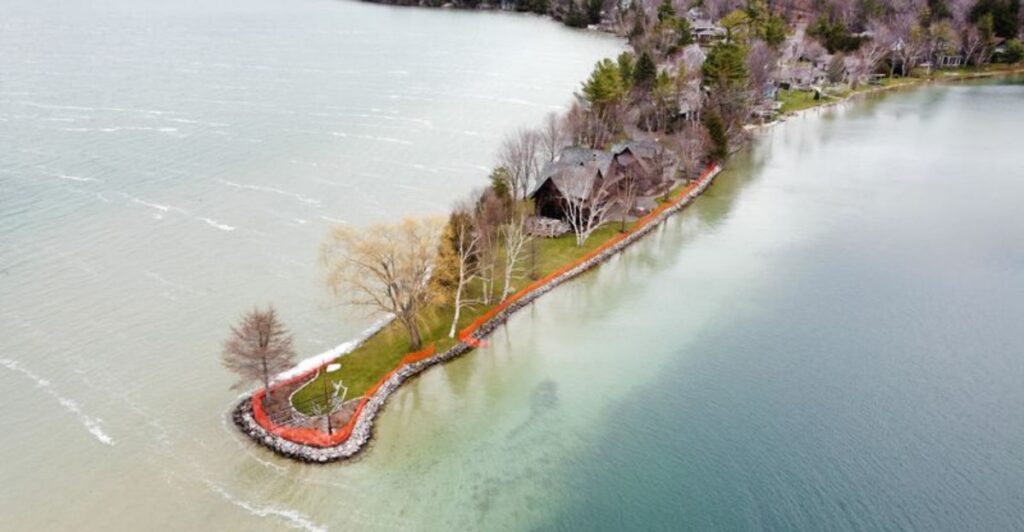
Literary history feels a lot more vivid when you can stand in the landscape that helped shape it. At Walloon Lake in northern Michigan, Ernest Hemingway spent childhood summers surrounded by the water, woods, and quiet roads that later echoed through parts of his writing.
The appeal goes beyond the scenery, because the lake gives readers a chance to connect a famous name with a real place and a much earlier chapter of his life. It is peaceful, beautiful, and layered with the kind of history that rewards a slower look.
For anyone who loves Michigan getaways with scenery and story, Walloon Lake deserves a closer look.
A Northern Michigan Lake That Looks Like A Story Setting
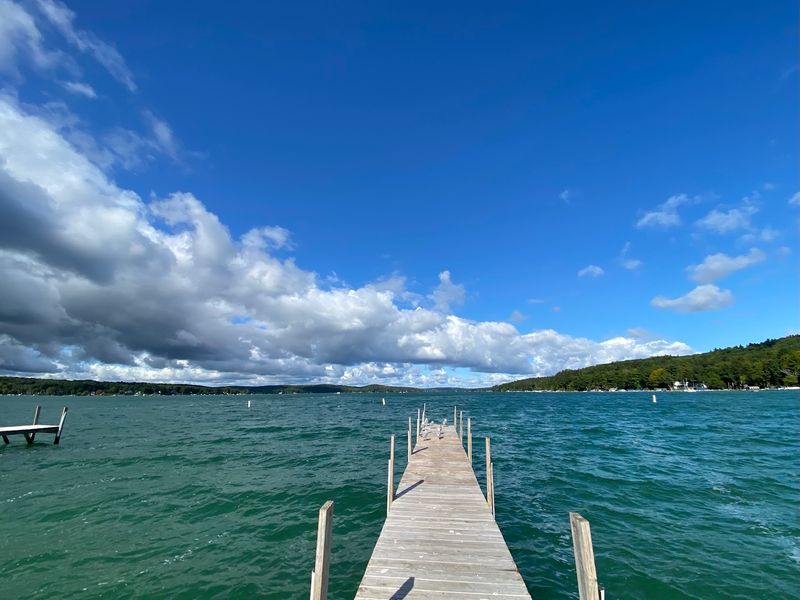
Some places seem built for novels before a single word is written, and Walloon Lake has that kind of presence. The water is strikingly clear, the shoreline curves softly, and the surrounding hills give the area a sheltered, tucked-away look that feels different from flatter lake country.
You do not need to know much about Ernest Hemingway to understand why a young future writer noticed this landscape.
Light plays a big role here. On a calm day, the lake can shift from silver to blue to green in the same hour, and that changing surface gives even a simple walk or drive a strong visual pull.
Houses, docks, trees, and boats sit around the edges, but the setting still offers plenty of open views that let you focus on the natural shape of the place.
For Hemingway fans, that scenery matters because his early experiences outdoors were not abstract ideas. They came from actual places where he could fish, move through the woods, and watch weather change across the water.
Walloon Lake gives you a clearer picture of the real environment behind that kind of writing, especially the attention to simple details.
If you are planning a visit, slow down when you first arrive. Instead of rushing to the next stop, take a few minutes near the shore or along a nearby road and notice how quiet the setting can feel even during busier seasons.
The appeal is not flashy. It works through color, space, and the kind of calm that lets small observations stand out.
That is the right starting point for a Hemingway trip here. Before museums, history notes, or literary connections enter the picture, Walloon Lake itself explains why this corner of Michigan left such a mark.
Where Hemingway’s Summers Took Shape
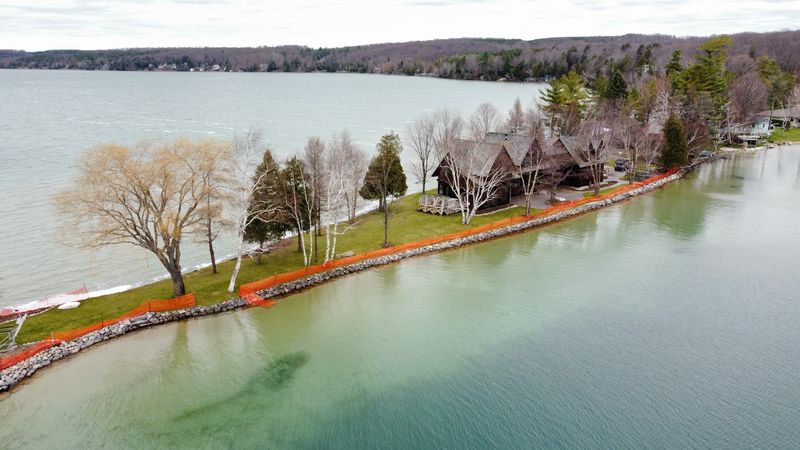
Long before Ernest Hemingway became a major American author, Walloon Lake was part of his summer world. He spent time here as a child and teenager, and that matters because early routines often shape the details writers return to again and again.
Fishing trips, lake days, and time outdoors were not side notes around Walloon Lake. They were part of the rhythm of life.
Seeing the area today helps put that background into place. Even though time has changed the region, the basic geography remains easy to grasp.
The lake, nearby roads, wooded stretches, and small community setting still make it possible to imagine a young Hemingway learning how to pay attention to weather, water, movement, and silence.
That connection gives Walloon Lake more weight than a generic literary stop. You are not only visiting a name linked to a famous person.
You are visiting a place that fed habits of observation. Hemingway became known for sharp, stripped-down prose, and part of that discipline may feel easier to understand when you spend time in a landscape where details stand out so clearly.
If you want the visit to feel richer, brush up on a little biographical context before arriving. Knowing that he returned here during formative years can change the way you look at the lake.
Suddenly, a dock is not just a dock. A stretch of shoreline becomes part of a young writer’s training ground.
Walloon Lake is especially rewarding for travelers who enjoy literary history that is tied to a real environment instead of a single building. The power of the place comes from its role in Hemingway’s early life, and that story is written across the whole setting, not only one landmark.
The Outdoor World Behind The Writing
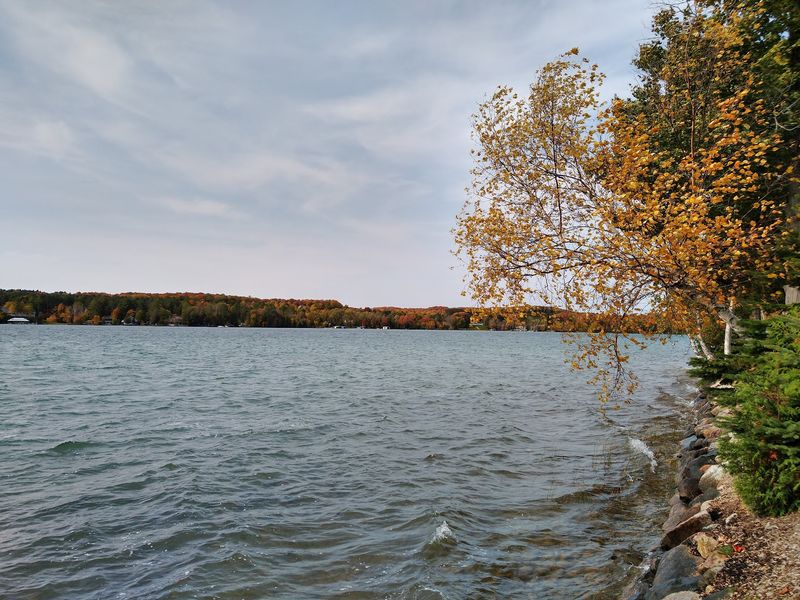
Readers who know Hemingway’s fiction often notice how alert it is to outdoor life. Fish, rivers, trees, camps, weather, and long quiet stretches appear with unusual control, and Walloon Lake helps explain why.
A place like this teaches observation almost by accident. You watch ripples move under a dock, hear wind shift through leaves, and notice how quickly the sky can change over open water.
That kind of attention shows up in Hemingway’s early work, especially in pieces shaped by northern woods and waters. Walloon Lake is not a giant theme park version of literary tourism where every corner has a giant sign telling you what to feel.
Instead, the setting asks you to connect the dots. Fans who enjoy that process will get the most out of a visit.
Bring one of Hemingway’s shorter works or a few selected passages rather than trying to tackle everything at once. Reading a page or two near the lake can sharpen the experience in a simple way.
You may notice how plain language in the writing lines up with the plain strength of the landscape itself. Nothing needs to be overexplained.
The area also makes sense for travelers who are more interested in influence than exact scene matching. Even when a story is fictional, a writer’s sense of place usually grows from real ground.
Walloon Lake gives you that ground. It offers the textures, colors, and outdoor habits that could support the world many Hemingway readers already recognize.
Spend at least part of your time outside rather than only driving through. Sit by the water, watch boats cross the lake, or take a slow walk nearby.
The literary payoff here does not come from speed. It comes from noticing how a northern Michigan landscape can quietly train a writer’s eye.
Small-Town Walloon Lake Adds The Human Scale
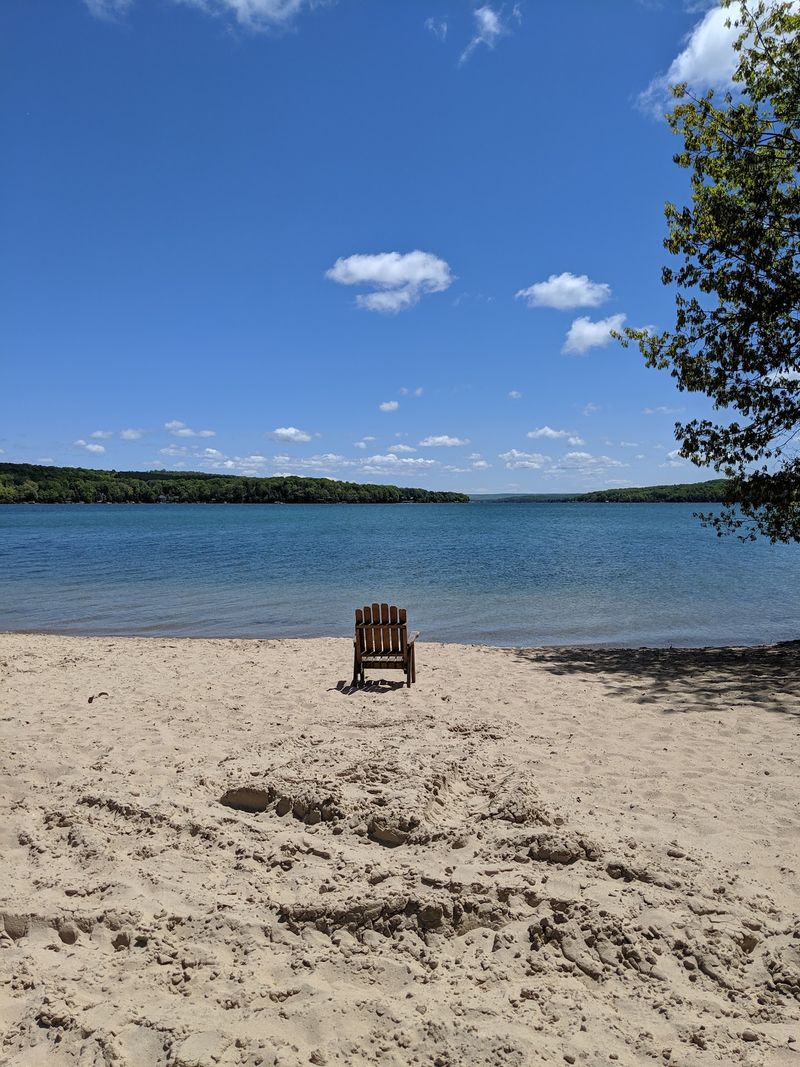
A big part of Walloon Lake’s appeal is its size. The community is small, which changes the whole mood of a literary visit.
Instead of being swallowed by a large city, Hemingway’s connection here sits inside a quieter setting where roads, shoreline views, and local life remain close together. That scale makes the place easier to absorb.
There is a practical upside to that, too. You can spend time looking around without the trip turning into a packed schedule full of long transfers and noisy distractions.
The area invites wandering, pausing, and noticing how the lake community fits into the surrounding landscape. For a writer whose work often valued precision and restraint, that modest scale feels fitting.
The village character also helps explain why Walloon Lake lands differently than more formal literary destinations. Some famous author sites focus heavily on house tours, display cases, and roped-off rooms.
Here, the broader environment carries much of the meaning. You are visiting a living place where everyday summer rhythms still matter, and that makes the history feel connected rather than frozen.
If you go, plan for unhurried time between stops. Even a simple drive through the area can be useful because it shows how tightly water, homes, trees, and local roads are woven together.
A rushed visit can miss that pattern. A slower one lets you notice how a young person spending repeated summers here would build strong memories of place.
For Hemingway fans, the small-town frame does not compete with the story. It supports it.
Walloon Lake remains the kind of location where a writer’s early world makes sense on a human level, close enough to touch, easy to picture, and shaped by ordinary daily surroundings rather than grand spectacle.
How To Experience Walloon Lake Like A Literary Traveler
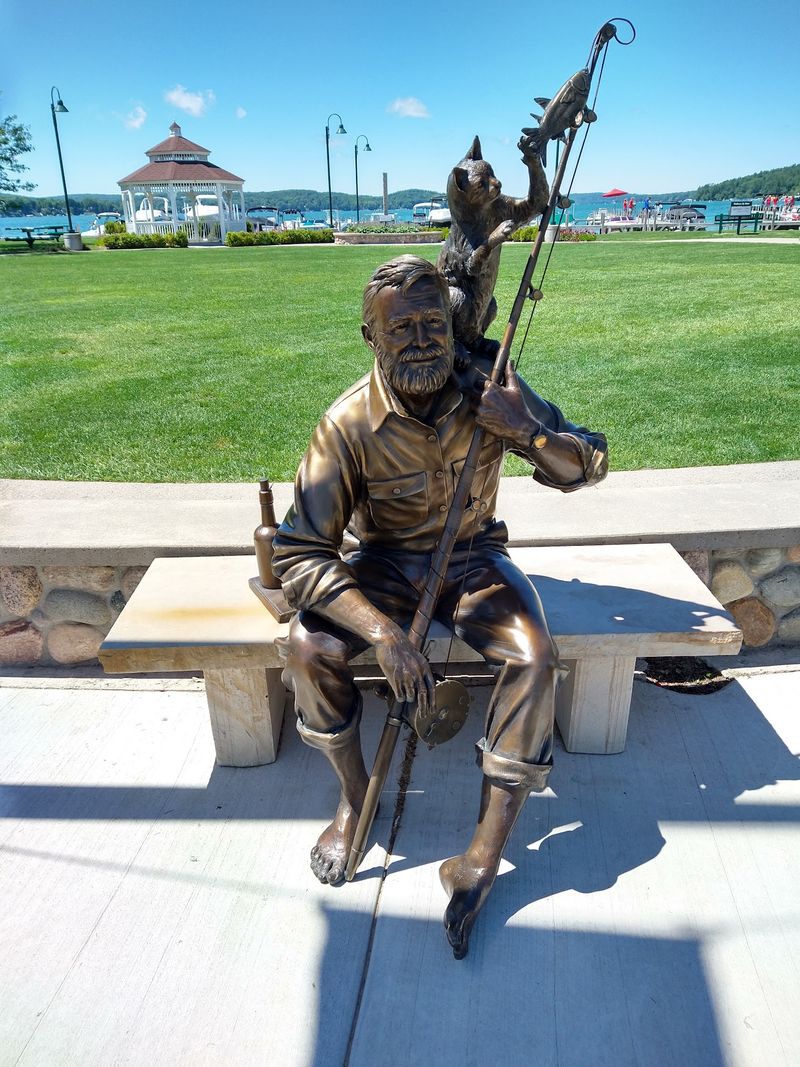
You do not need a complicated itinerary to enjoy Walloon Lake as a Hemingway destination. In fact, the best approach is usually the simplest one.
Build your day around the lake itself, then add reading, walking, and quiet observation instead of trying to cram every hour with activity. The place works best when you give it room.
Start near the water if possible. Morning is especially good because the light is softer, the lake often looks smoother, and the area can feel more settled before the day gets busier.
Bring a small book or a few printed passages from Hemingway and read for a short stretch rather than turning the visit into homework. Ten thoughtful minutes can do more than an overpacked checklist.
After that, explore the surrounding area at an easy pace. A short walk, a lakeside pause, or a drive through nearby roads can help you connect the scenery to the writer’s early life.
Keep your phone in your pocket now and then. Walloon Lake rewards direct attention, and some of its strongest details are easy to miss when you are only hunting for quick photos.
It also helps to think like an observer. Notice the water color, the smell of trees in warm weather, the distance between houses, and the way the land rises and falls around the lake.
Those are the kinds of plain facts that matter in place-based writing. They turn a stop on the map into a fuller experience.
If you are traveling with family or friends who are not devoted Hemingway readers, Walloon Lake still works. The scenery carries the day even without deep literary knowledge.
Fans get the added layer of meaning, while everyone else gets a beautiful northern Michigan setting that is easy to enjoy at a slower speed.
Best Seasons, Timing, And Why The Visit Lands
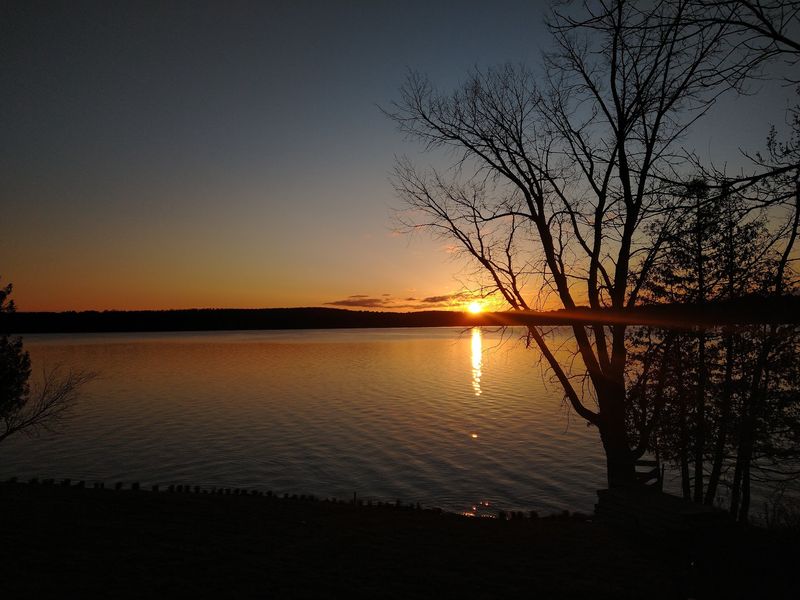
Timing can shape the whole trip at Walloon Lake, and each season brings a different kind of reward. Summer gives you the classic lake picture with green trees, active docks, and long daylight hours.
Early fall adds cooler air and color along the shoreline, which can make the area feel a little quieter and more reflective without losing its visual strength.
If your main goal is to connect with the setting that influenced Hemingway, shoulder seasons may be especially appealing. You can often take in the water, roads, and wooded edges with fewer distractions than peak summer brings.
The landscape becomes easier to study when it is not competing with the busiest vacation energy. That can make a literary visit feel more focused.
Time of day matters too. Morning tends to offer softer light and calmer conditions on the lake, while late afternoon can bring rich color and a fuller sense of movement on the water.
Midday is useful for seeing the lake at its brightest, but it may not deliver the same quiet mood some travelers want. Matching your visit to your purpose makes a difference.
Practical planning is refreshingly simple here. Wear comfortable shoes, allow time for stopping rather than only driving, and prepare for changing weather near the water.
A light layer, a notebook, and a camera are enough for most literary-minded visitors. You are not preparing for a staged attraction.
You are preparing to notice a place.
That is why Walloon Lake stands out for Hemingway fans. The draw is not built on gimmicks or loud nostalgia.
It rests on a real landscape in Michigan that still helps explain a writer’s beginnings. When a destination can offer beauty, history, and a clear link to literary development, it earns more than a quick look.