Texas has a reputation for going big on just about everything, from ten-gallon hats to sprawling ranches that stretch beyond the horizon. But not everything in the Lone Star State follows that supersized script. Some of the most memorable experiences here come in compact packages that pack more charm, flavor, and character than any oversized attraction ever could.
These seven treasures prove that sometimes the best things in Texas are the ones that keep it small, authentic, and refreshingly real.
1. Authentic Neighborhood Taquerias
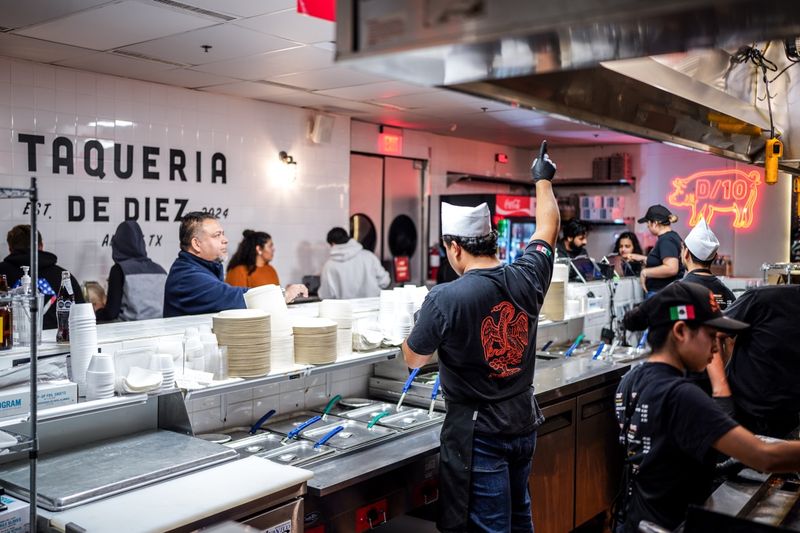
Walk into any strip mall or corner lot in a Texas neighborhood, and you might stumble upon a taqueria that looks like nothing special from the outside. Inside, though, magic happens on a flattop grill. These little spots serve up some of the most flavorful tacos you’ll ever taste, often run by families who’ve been perfecting their recipes for generations.
Forget the flashy Tex-Mex chains with mile-long menus and frozen margarita machines. Real taquerias keep things simple: handmade tortillas, perfectly seasoned meats, fresh cilantro, and maybe a salsa bar that’ll make your eyes water in the best way possible. The menu might be scrawled on a chalkboard, and the seating could be plastic chairs under a tent, but that’s part of the charm.
What makes these places truly special is how they become gathering spots for their communities. You’ll see construction workers grabbing breakfast tacos at dawn, families piling in after church, and late-night crowds fueling up after a concert. The owners know their regulars by name and their usual orders by heart.
Size doesn’t matter when it comes to flavor, and these taquerias prove it every single day. A tiny kitchen can turn out barbacoa that melts in your mouth, al pastor with just the right char, and breakfast tacos that redefine your morning routine. The portions might not be Texas-sized, but the taste always is.
You won’t find these gems in tourist guides or Instagram roundups. They’re the spots locals guard like secrets, tucked into neighborhoods where authenticity trumps square footage. That hole-in-the-wall with the line out the door?
That’s exactly where you want to be. Sometimes the smallest kitchens serve up the biggest memories, one perfectly crafted taco at a time.
2. The Hill Country’s Rolling Landscapes
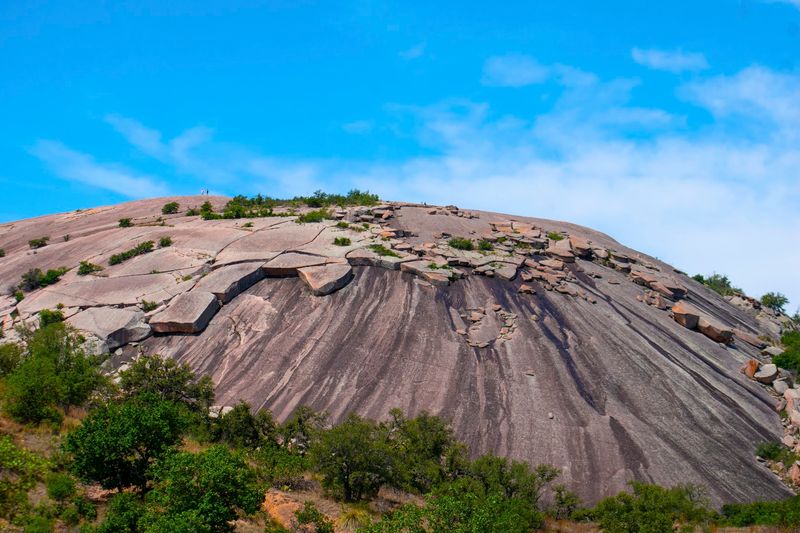
Most people picture Texas as flat, endless prairie stretching to infinity. Then they visit the Hill Country and realize they’ve been completely wrong. These rolling hills create a landscape that feels almost intimate compared to the state’s vast plains, with gentle slopes covered in wildflowers and twisted live oaks that have been standing for centuries.
The terrain here rises and falls like ocean swells frozen in time. Unlike the dramatic peaks of mountain ranges or the overwhelming flatness of West Texas, the Hill Country offers something more approachable. You can actually see the contours of the land, follow creeks as they wind through valleys, and spot wildlife moving across the hillsides without binoculars.
Spring transforms these hills into a painter’s palette when bluebonnets blanket entire fields in violet-blue. Indian paintbrush adds splashes of red, while pink evening primrose fills in the gaps. The whole landscape becomes a living quilt that draws photographers and families looking for the perfect backdrop.
Even without flowers, the golden grasses of summer and fall create their own kind of beauty.
Drive the backroads between Fredericksburg and Wimberley, and you’ll understand why this area feels special. The hills aren’t trying to impress anyone with dramatic elevation changes. Instead, they create pockets of privacy, hidden swimming holes, and scenic overlooks that reward those who take their time exploring.
Vineyards have figured this out, planting rows of grapes that follow the natural curves of the land.
What makes the Hill Country remarkable is how it invites you in rather than overwhelming you. The scale feels human, accessible, and surprisingly gentle for a state known for extremes. These aren’t mountains demanding conquest or plains that swallow you whole.
They’re hills that welcome you home, offering beauty without the intimidation factor.
3. Historic Mission Churches
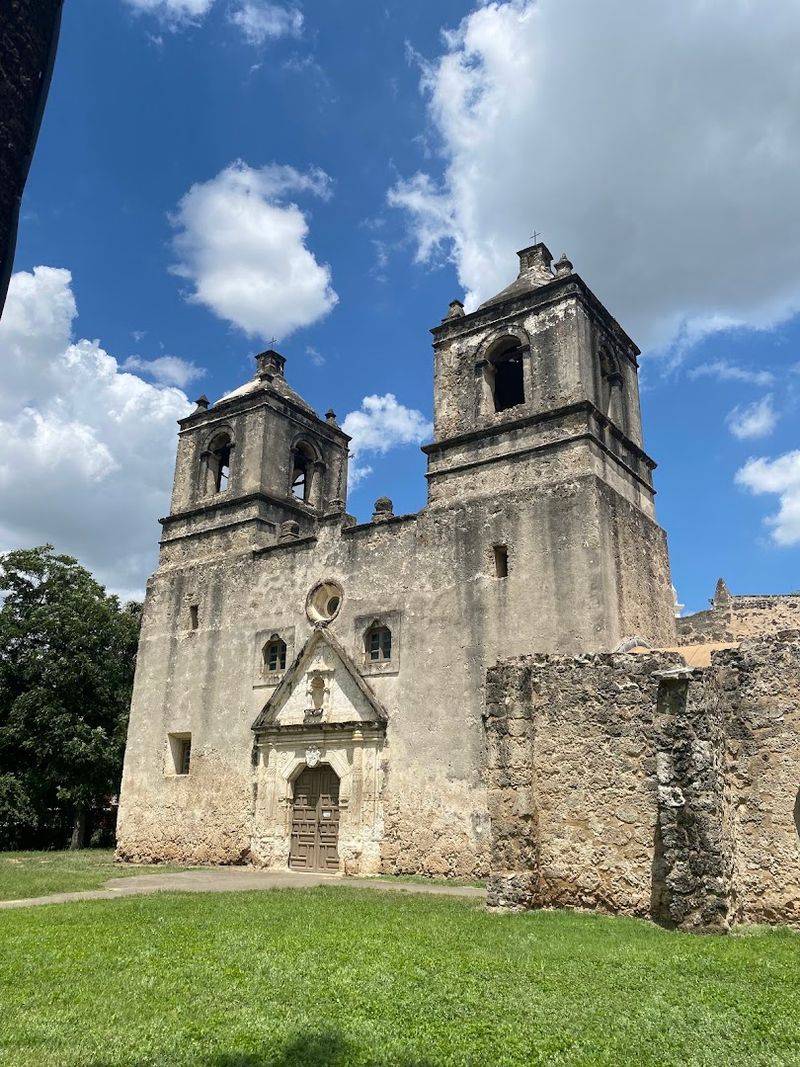
Standing before one of Texas’s historic mission churches feels like stepping through a portal into the 1700s. These structures weren’t built to impress with towering spires or massive cathedrals. Instead, they’re remarkably human-scaled buildings crafted from limestone and adobe, designed to serve communities rather than showcase power.
The walls are thick, the doorways arched, and the whole atmosphere whispers stories from centuries past.
San Antonio’s missions, including the famous Alamo and four others along the Mission Trail, represent some of the best-preserved Spanish colonial architecture in North America. Walk through their courtyards, and you’ll notice how everything feels purposefully compact. Rooms open onto central plazas where daily life once unfolded.
The church sanctuaries themselves might seat only a hundred people, creating an intimate worship space that contrasts sharply with modern megachurches.
The craftsmanship in these buildings tells its own story. Hand-carved wooden doors still swing on their original hinges. Frescoes painted directly onto plaster walls have survived hundreds of years.
Stone archways frame views of gardens where the same types of plants have been growing since the missions were active communities. Every detail reflects careful, deliberate work by hands that understood their materials.
What strikes visitors most is how these missions remain active parish churches, not just museum pieces. People still attend Mass in sanctuaries where their ancestors worshipped generations ago. The sense of continuity is palpable, connecting past and present in ways that massive modern buildings simply can’t replicate.
Texas might be known for going big, but these mission churches prove that some of the state’s most significant historical treasures come in modest packages. Their power lies not in size but in survival, authenticity, and the quiet dignity of structures built to last centuries rather than make a splash.
4. Intimate Live Music Venues
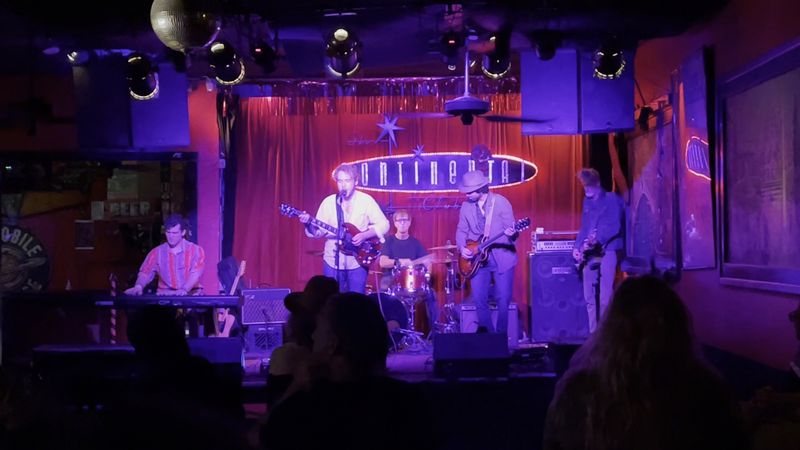
Texas music legends weren’t born on massive festival stages or in sold-out arenas. They cut their teeth in small rooms where you could practically reach out and touch the guitar strings. These intimate venues scattered across Austin, Houston, Dallas, and smaller towns create the kind of connection between performer and audience that stadiums can only dream about.
When there’s no barrier between you and the artist, every note hits differently.
Places like the Cactus Cafe in Austin or the Blue Light Live in Lubbock hold maybe a couple hundred people on a packed night. The stages are low, the sound systems are dialed in perfectly, and you can see the expressions on musicians’ faces as they play. There’s no jumbo screen needed because you’re close enough to watch fingers work the fretboard and see the moment inspiration strikes during an improvised solo.
These small venues give emerging artists room to experiment and established acts space to strip things down. A singer-songwriter who normally plays amphitheaters might book a surprise club show just to reconnect with the raw energy of a tight room. The audience becomes part of the performance, singing along, requesting songs, and creating an atmosphere that feels more like a living room jam session than a concert.
The intimacy works both ways. Artists feed off the immediate reactions, adjusting their sets based on the vibe they’re feeling. You might hear stories between songs that never make it into arena shows, or witness spontaneous collaborations when another musician happens to be in the crowd.
These moments become the stuff of local legend.
While Texas boasts plenty of massive venues and outdoor amphitheaters, the state’s musical soul lives in these smaller spaces. They’re where genres blend, traditions continue, and the next generation of Texas musicians learns their craft. Sometimes the biggest musical experiences come from the smallest rooms, where every voice matters and every performance feels personal.
5. The Alamo
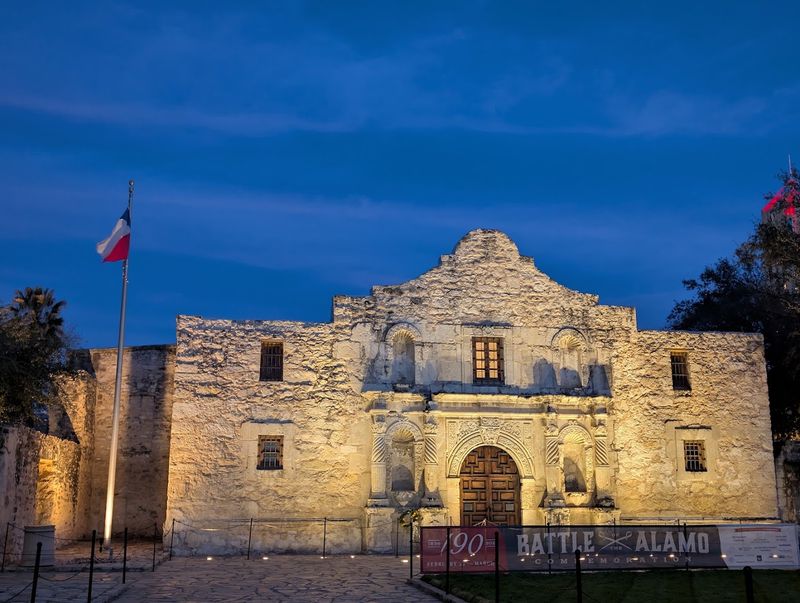
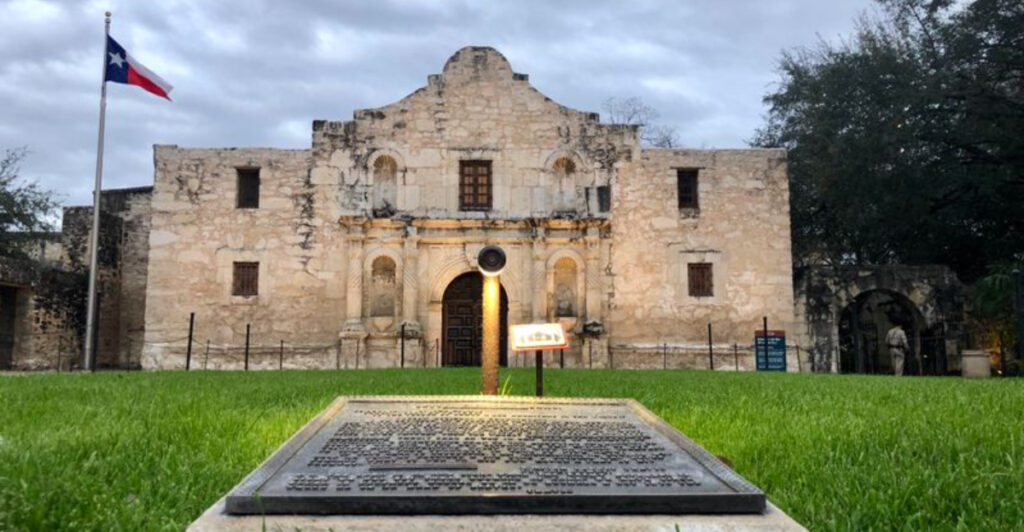
Here’s a shock for first-time visitors: the Alamo is tiny. After hearing “Remember the Alamo!” your whole life and building it up in your imagination, you arrive in downtown San Antonio expecting something massive. Instead, you find a relatively modest Spanish mission chapel surrounded by modern buildings that dwarf it.
The entire complex covers just a few acres, and the iconic facade that appears in every history book is maybe thirty feet tall.
The disconnect between the Alamo’s enormous historical significance and its actual physical size surprises almost everyone. This was the site of one of the most famous battles in American history, where 189 defenders held out against thousands of Mexican troops for thirteen days in 1836. The sacrifice made here helped secure Texas independence and became a rallying cry that echoed for generations.
Yet the building itself feels almost humble, especially compared to the grand monuments erected for less pivotal events.
Walking through the chapel and the Long Barrack, you get a visceral sense of just how cramped conditions must have been during the siege. The rooms are small, the ceilings low, and the whole space feels claustrophobic when crowded with tourists. Imagine it packed with desperate defenders, limited supplies, and the constant threat of attack.
The scale suddenly makes the story even more remarkable.
Modern San Antonio has grown up around the Alamo, creating a strange juxtaposition. You’ve got this weathered limestone mission sitting in the shadow of hotels and office towers, with tourists snapping selfies where history was made. Some find it disappointing that the site isn’t grander.
Others appreciate how the modest size makes the courage of those defenders even more extraordinary.
The Alamo proves that historical importance has nothing to do with physical dimensions. This compact mission compound changed the course of history and remains Texas’s most visited heritage site. Sometimes the smallest buildings carry the biggest legacies, reminding us that true significance isn’t measured in square footage.
6. Perfectly Scaled State Parks
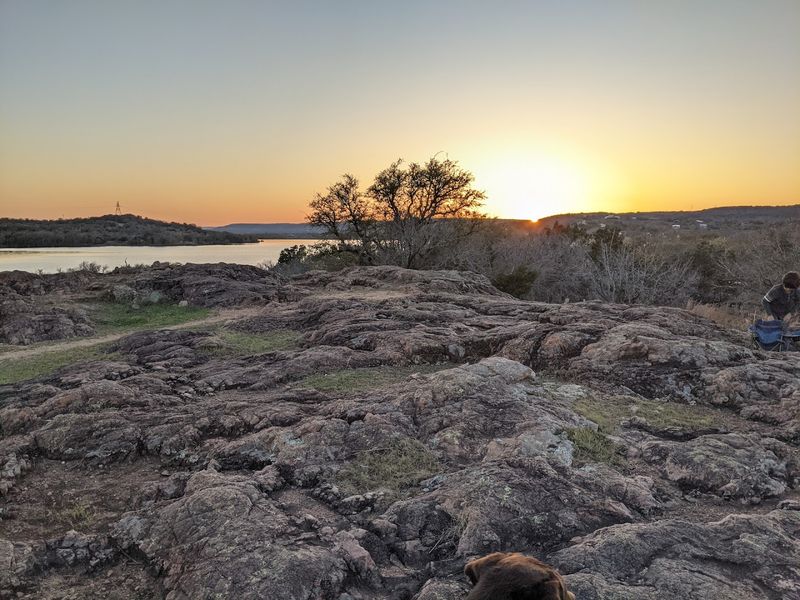
Texas operates over eighty state parks, and while a few sprawl across thousands of acres, many offer perfectly scaled outdoor experiences that don’t require a week-long expedition to enjoy. Parks like Inks Lake, Dinosaur Valley, and Garner State Park pack incredible natural beauty into manageable spaces where you can actually explore everything in a day or weekend without feeling overwhelmed.
These mid-sized parks typically range from a few hundred to a couple thousand acres, enough to feel like genuine wilderness without getting hopelessly lost. Trails might be three to five miles instead of thirty, making them accessible to families with young kids or visitors who want a taste of nature without committing to backcountry camping. You can hike to a scenic overlook, swim in a spring-fed pool, and still make it back to your campsite for lunch.
What these parks lack in vast acreage, they make up for in concentrated beauty and accessibility. Pedernales Falls State Park, for example, offers stunning waterfall views, river swimming, and excellent hiking on just over 5,000 acres. You’re never more than a reasonable walk from your car, yet you still get that immersive nature experience that makes you forget about city life completely.
The smaller scale also means these parks tend to be less crowded than national parks or massive wilderness areas. You might share a swimming hole with a few other families instead of fighting for space among hundreds. Campsites feel more private, trails less trampled, and the whole experience more relaxed.
Rangers actually have time to chat and offer recommendations instead of just managing crowds.
For a state that loves to brag about size, these perfectly proportioned parks show admirable restraint. They’re designed for actual use rather than just impressive statistics. You can explore thoroughly without needing a GPS, enjoy nature without extreme preparation, and leave feeling satisfied rather than exhausted.
Sometimes the best outdoor experiences come in packages sized for real people, not just hardcore adventurers.
7. Charming Historic Downtowns
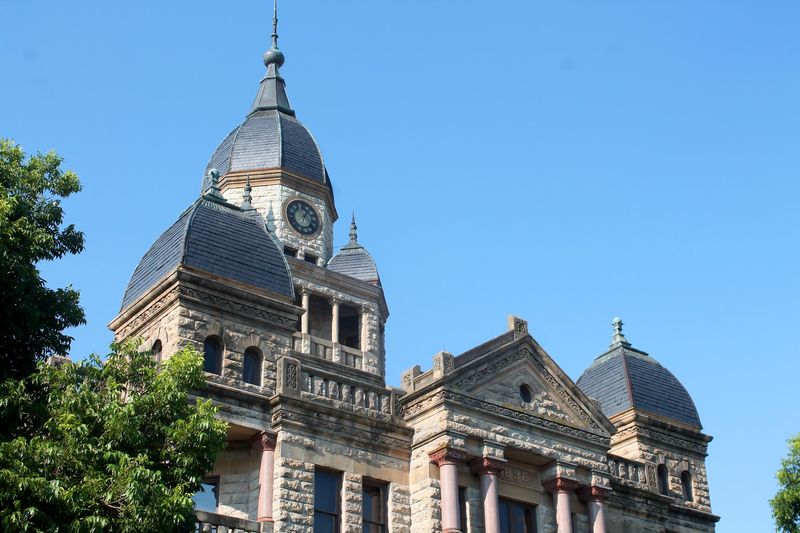
Scattered across Texas, you’ll find historic downtowns that feel like time capsules from an era when communities built around courthouse squares and Main Street was actually the center of everything. Places like Georgetown, Granbury, Jefferson, and Lockhart preserve that small-town charm in just a few walkable blocks. These aren’t sprawling urban centers, they’re compact districts where everything worth seeing sits within easy strolling distance.
The typical Texas historic downtown follows a familiar pattern: a grand courthouse anchoring a central square, with brick buildings radiating outward on streets named after trees or founding families. Most cover only four to six blocks, small enough that you can explore every shop, restaurant, and gallery in an afternoon. The buildings themselves rarely top three stories, maintaining a human scale that modern downtowns have long since abandoned.
What makes these downtowns special is how they’ve adapted without losing their character. Those century-old storefronts now house coffee shops, antique stores, craft breweries, and boutiques instead of dry goods merchants and haberdashers. The bones remain authentic while the businesses reflect current life.
You might grab artisan ice cream in a building that once sold farm equipment, or sip craft cocktails where cowboys used to buy saddles.
The compact size encourages actual community interaction. Shop owners stand outside their doors chatting with neighbors. Locals gather on benches around the courthouse square.
Farmers markets take over entire streets without disrupting much because there’s not that much to disrupt. Everything feels accessible and genuinely welcoming rather than curated for tourists, even though visitors are definitely appreciated.
These small historic downtowns represent Texas’s quieter side, the part that values preservation over constant expansion. They’re reminders that not everything needs to be supersized to be worthwhile. A few well-preserved blocks can offer more character, charm, and authentic experience than entire districts of modern development.
Sometimes the best main streets are the ones that never got big enough to forget what made them special in the first place.
Share this story