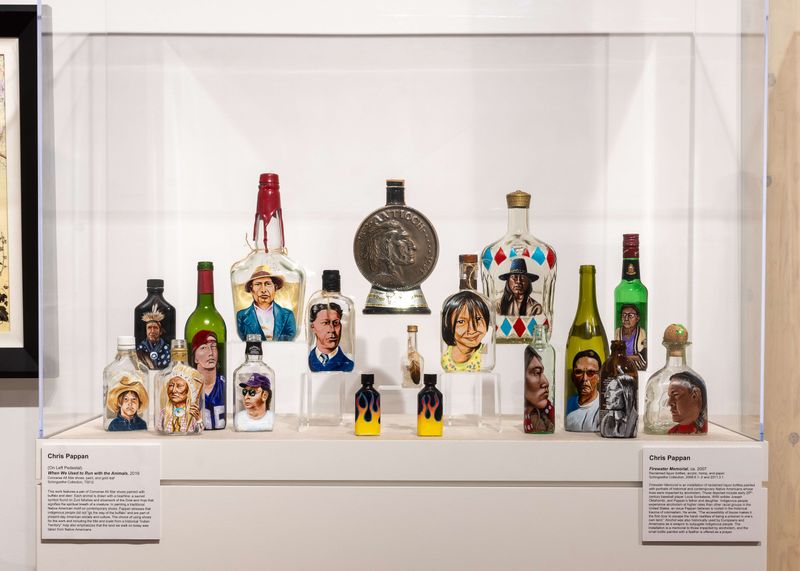
The sound of a drum can bring a whole gathering together, but a powwow is about much more than music. Across Illinois, Native communities host events where dancing, handmade regalia, and family connections share the spotlight.
These ten powwow traditions offer places to begin learning and planning a respectful visit. Some have changed locations or paused over time, so treat this list as a starting point, not a verified calendar of upcoming events.
1. American Indian Center Powwow
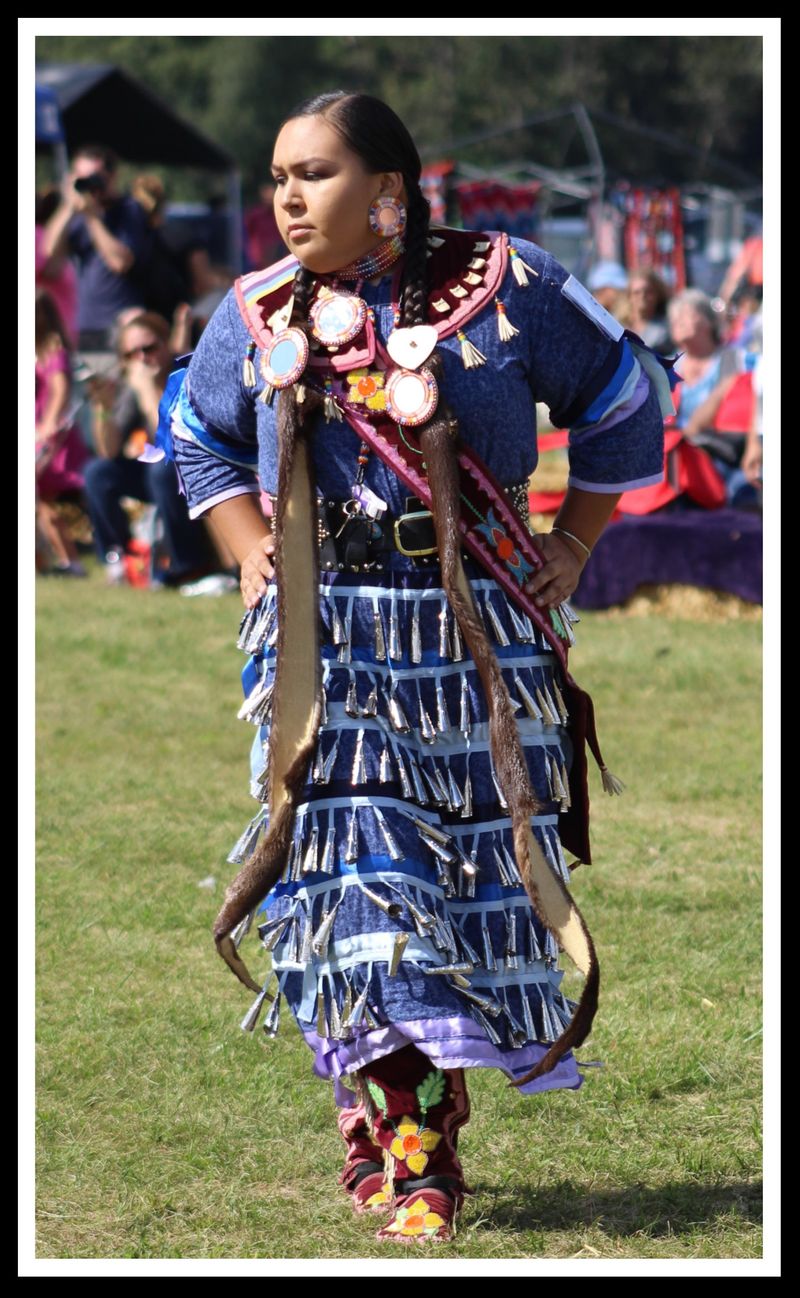
Chicago’s Native community is not a footnote to the city’s story, and the American Indian Center’s powwow makes that clear. The center brings together people from many Native nations, giving this gathering a strong urban community identity rather than a single-tribe focus.
Its annual powwow has used different locations over time, including Busse Woods in the northwest suburbs. Check the American Indian Center’s official announcement for the current venue, dates, admission, parking instructions, and whether the event is open to the public before making plans.
Once there, listen to the announcer as closely as you watch the dancers. Those explanations can help first-time guests understand when to stand, when photography is restricted, and whether an intertribal dance welcomes visitors.
Regalia is personal clothing with cultural and family meaning, not a costume. Admire the beadwork and sewing without touching, and ask permission before taking someone’s portrait.
For Chicago-area readers, the appeal is a chance to connect with a living local institution. Allow time for the gathering itself rather than treating it as a quick photo stop.
2. Midwest SOARRING Foundation Harvest Pow Wow
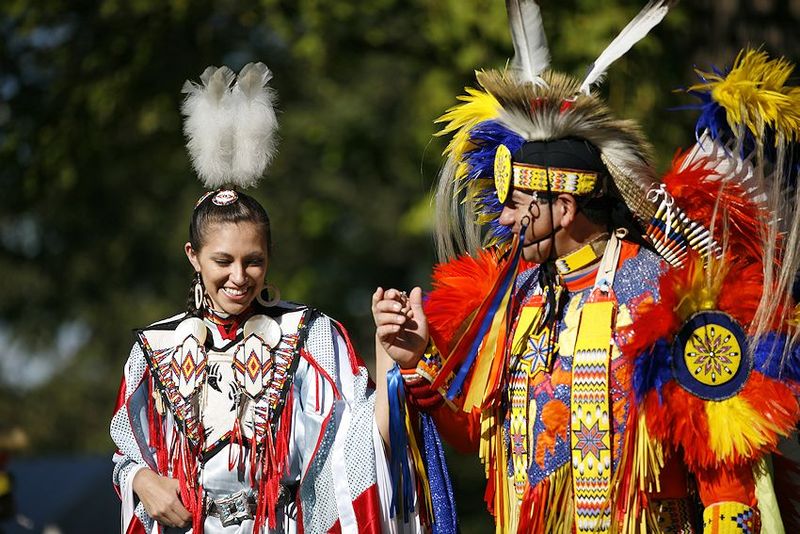
A harvest gathering offers a different rhythm from a downtown outing: room to linger, listen, and make a day of learning. Midwest SOARRING Foundation’s Harvest Pow Wow is associated with the organization’s work in Native cultural education and community connection.
Published editions have taken place at Naper Settlement in Naperville, but an older listing is not proof of the next location. Use the foundation’s current event notice to confirm the site, ticket prices, public access, and daily program before booking anything.
The host organization gives this entry its distinct purpose. Reading about its work beforehand helps visitors see the powwow as a community gathering with an educational mission, not simply a dance show.
If vendors are listed, leave time to browse and talk respectfully with makers. Ask who created an item and what materials were used rather than assuming every object has the same origin or meaning.
Naperville can work as a day trip for parts of northeastern Illinois, though traffic and parking affect the plan. Check the actual venue before adding nearby food stops, and follow event rules about outside food and seating.
3. Grand Village of the Kickapoo Powwow
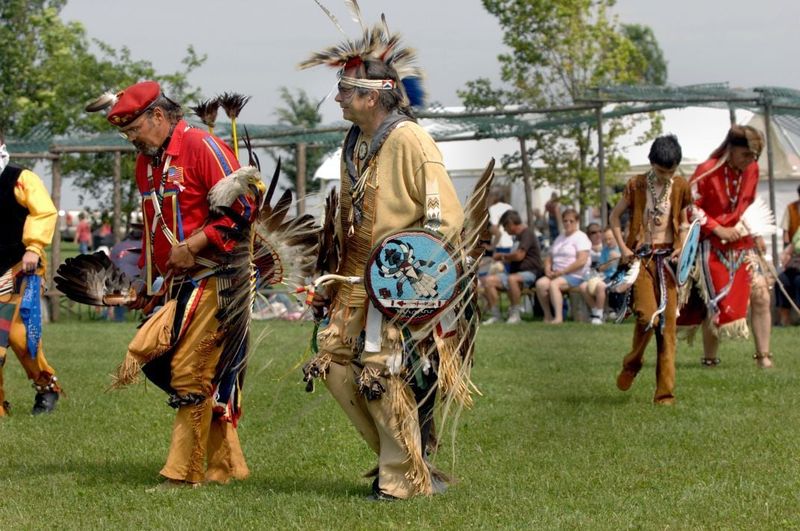
Central Illinois farmland holds Native history that many drivers pass without noticing. The Grand Village of the Kickapoo gathering near Le Roy connects a powwow setting with a place whose name points directly to that deeper history.
The site’s association with the Kickapoo is a reason to learn more before arriving. It does not mean that every dancer, song, or piece of regalia at an intertribal gathering is Kickapoo, and visitors should avoid making that assumption.
Look for a current announcement from the Grand Village organizers before planning a visit. Confirm whether a powwow is scheduled, its exact address, public attendance rules, admission, and the condition of parking and walking areas.
For readers starting around Bloomington-Normal, this is a regional option to investigate rather than a Chicago-centered outing. Anyone coming from farther away should build the trip around a confirmed program, not a historical calendar entry.
Bring curiosity about both the gathering and the land. Reading site information, listening to the announcer, and asking appropriate questions can turn a day of watching into a better understanding of Native presence in central Illinois.
4. University of Illinois Urbana-Champaign Powwow
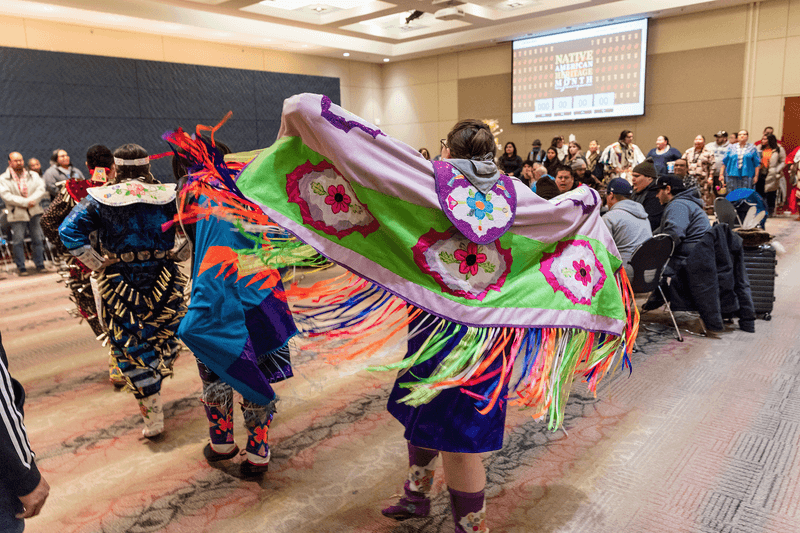
A university campus can become a meeting place where students, families, and visiting Native community members learn from one another. Powwows connected with the University of Illinois Urbana-Champaign bring that possibility into a setting many Illinois readers already know.
The university’s Native American House is a useful starting point for finding reliable information about Native campus programming. However, the existence of that office does not establish that a powwow happens every year or that an old event listing remains valid.
Check the current campus calendar and the named organizer for a confirmed date, building or outdoor location, admission policy, and public invitation. Campus parking restrictions may also differ between weekdays and weekends.
The distinctive reason to consider this gathering is its educational setting. Students can encounter Native cultures as living communities rather than as subjects confined to a textbook, while local visitors can learn about Native life on campus.
During dancing, keep walkways and the dance area clear. Save longer conversations for an appropriate break, and never expect a participant to explain personal regalia simply because a visitor is curious.
5. Northwestern University Pow Wow
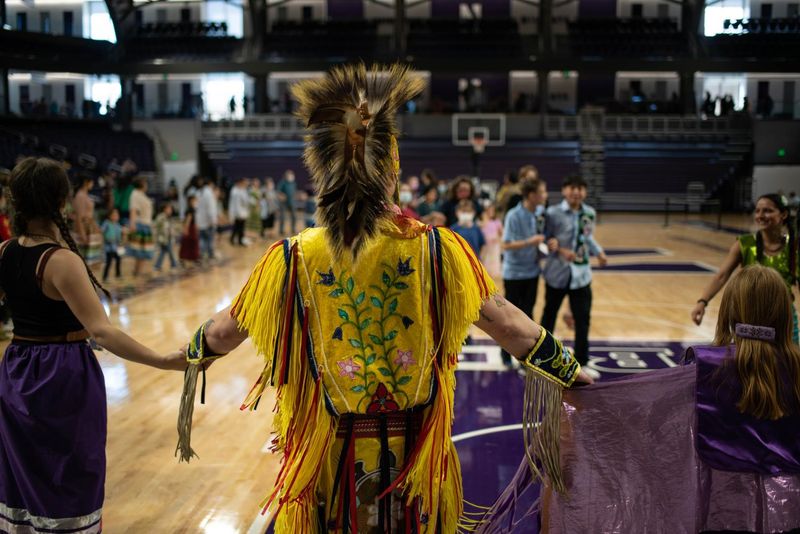
Student leadership gives Evanston’s campus powwow a particular energy. Northwestern’s Native American and Indigenous student community has organized gatherings that create space for Native identity at a university, while inviting others to listen and learn.
That purpose matters as much as the dancing. A campus powwow can help Native students build connections away from home and make their presence visible to classmates who may know little about contemporary Native life.
Before traveling, locate the current announcement from Northwestern’s Native American and Indigenous Student Alliance or the university’s Indigenous programming channels. Confirm that an edition is scheduled and check its venue, public access, cost, and photography guidance.
Evanston offers transit options for some Chicago-area visitors, but the best route depends on the actual campus location and event hours. Do not assume the nearest station will be a short walk from every venue.
Arrive ready to follow the host’s lead. When the announcer explains a song or asks the audience to stand, that guidance is part of being a considerate guest, not an interruption to the experience.
6. University of Illinois Chicago Powwow
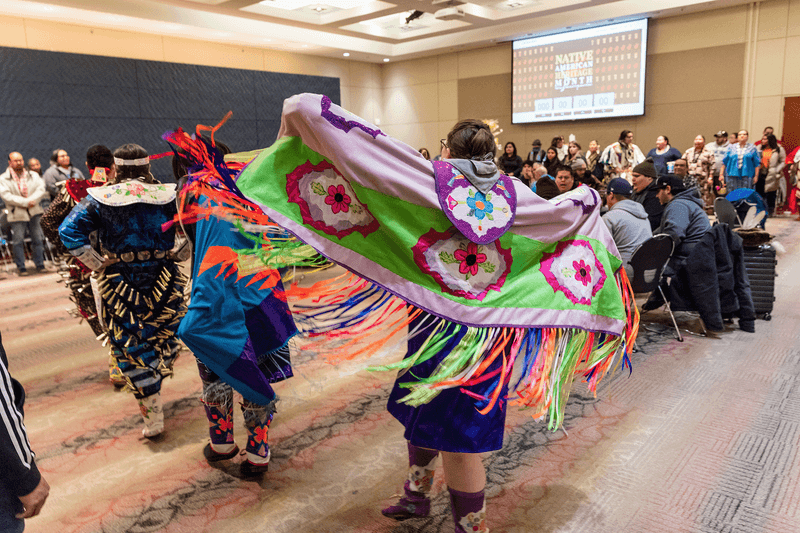
In a city with a large network of Native organizations, a campus gathering can connect students with community beyond the classroom. Powwow programming at the University of Illinois Chicago belongs in that wider urban story.
UIC’s Native American Support Program is a sensible place to begin checking for relevant announcements. Past campus events should not be treated as a promise of an upcoming annual powwow, especially when organizers, funding, or venues may change.
For a confirmed edition, review the host’s details about public attendance, admission, accessibility, and the day’s schedule. Also check the campus building address rather than relying on a general university map pin.
The useful distinction here is the connection between a public university and the Native community of Chicago. Visitors may encounter a gathering shaped by student needs, community relationships, and the realities of Native life in a major city.
Give yourself enough time to stay through a meaningful part of the program. A drum group is not background music for conversation, and lowering your voice while songs are underway helps everyone hear what they came to experience.
7. Southern Illinois University Carbondale Powwow
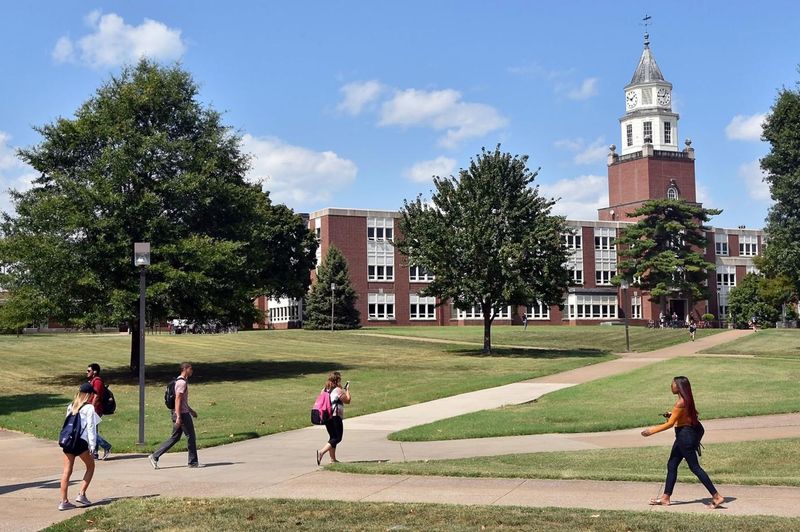
Southern Illinois deserves a place in the conversation, too. Powwow events associated with Southern Illinois University Carbondale offer a regional lead for readers whose nearest major campus is far from Chicago or the northern suburbs.
Campus and student organizers have supported Native cultural gatherings, but schedules can be irregular. Search SIU’s official event listings and contact the named host to establish whether a current powwow is planned and open to visitors.
Ask practical questions before committing to the drive: Is admission charged, where should guests park, and is the gathering indoors or outdoors? A confirmed location also helps visitors assess seating, mobility access, and weather needs.
The reason to seek out this option is geographic as well as cultural. It can provide a southern Illinois setting for hearing drum groups and seeing dancers without assuming every reader can make a day trip to the Chicago area.
If a public intertribal dance is announced, follow the invitation and instructions rather than stepping in on your own. Watching respectfully is also full participation as a guest, especially when you are still learning the gathering’s expectations.
8. McHenry County College Powwow
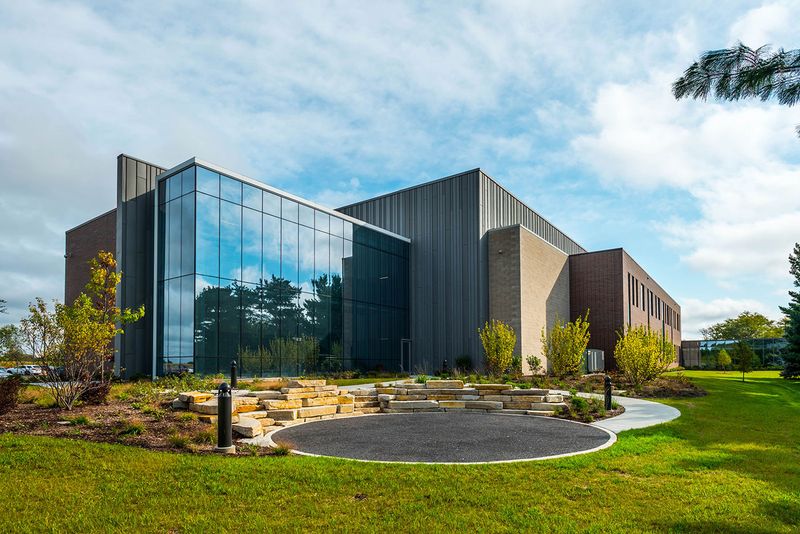
A community college can make cultural learning feel close to home. McHenry County College in Crystal Lake has hosted powwow programming that brought Native participants and local audiences together in a familiar public institution.
This is a historical event lead, not a confirmed annual outing. Older photographs and calendar pages may remain online long after a program ends, so contact the college or a named organizer before assuming another edition is planned.
If a new public gathering is announced, its community-college setting is the reason to consider it. Readers in McHenry County may find an opportunity to learn locally instead of building an entire trip around a larger city event.
Confirm the specific campus entrance, parking area, admission charge, and start times. Families should also ask about seating and program length rather than assuming every gathering follows the same format.
For children, a little preparation goes a long way: explain that regalia belongs to the dancer and must not be touched. Encourage them to notice colors, movement, and sound while understanding that different Native nations and families have different traditions.
9. Aurora University Powwow
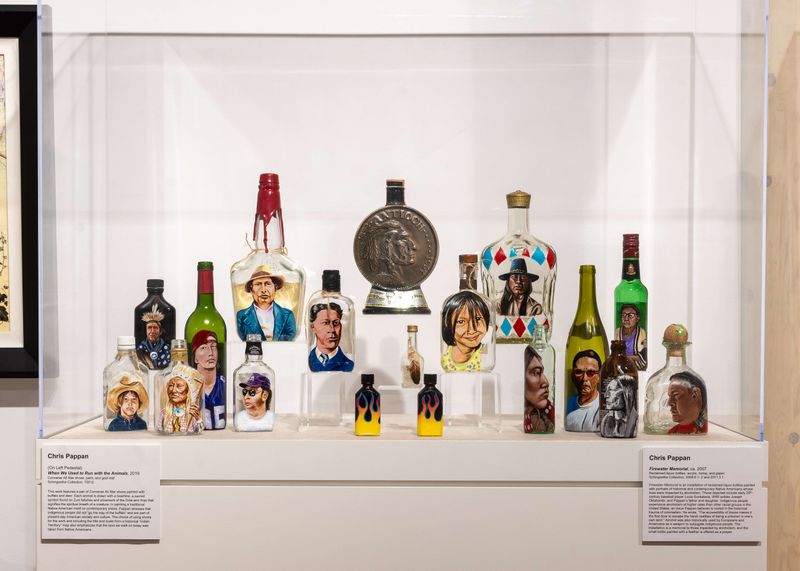
Museum learning and a live community gathering offer different ways to understand Native cultures. Aurora University’s history of powwow programming provides a connection between those experiences, alongside the university’s Schingoethe Center.
The center’s Native American collections are not a substitute for hearing contemporary Native voices. Nor should museum objects be treated as a guide to what every dancer’s regalia means, since nations, families, and individuals have distinct histories.
Aurora University’s powwow belongs on this list as a documented past tradition rather than a verified upcoming event. Ask the university whether public powwow programming is currently planned, and check the Schingoethe Center separately for museum hours and visitor policies.
If the gathering returns, the educational connection would make it different from an outdoor festival-style outing. A visitor could approach the day with questions about how museums represent Native people and how living communities speak for themselves.
Do not travel based only on an archived date. For Fox Valley readers, the practical first step is a current university announcement that clearly identifies the host, venue, admission terms, and public invitation.
10. Honoring the Mounds Powwow
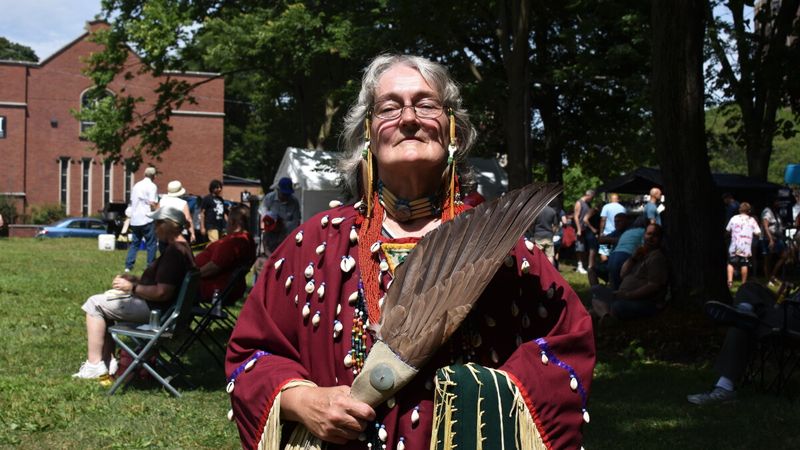
Rockford’s Beattie Park asks visitors to look beyond the modern city around it. Its surviving Native earthworks give the Honoring the Mounds powwow a place-based focus that differs from a campus or suburban festival ground.
Past gatherings associated with this name have drawn attention to Native heritage and the importance of respecting the site. The earthworks are not props, climbing features, or convenient platforms for photographs.
Because this is a past-event lead, verify any new edition with its organizers and the relevant Rockford park authorities. Confirm the exact location, public invitation, fees, schedule, and restrictions before planning an outing.
The park’s history does not establish a direct connection between every participating dancer and the people who built the mounds. Keep those distinctions in mind, and rely on qualified site interpretation rather than guessing from clothing or songs.
For Rockford-area readers, the value is a chance to connect a familiar city landscape with a deeper story. If no powwow is currently scheduled, a respectful park visit may still be possible, but it should not be described as a substitute powwow experience.