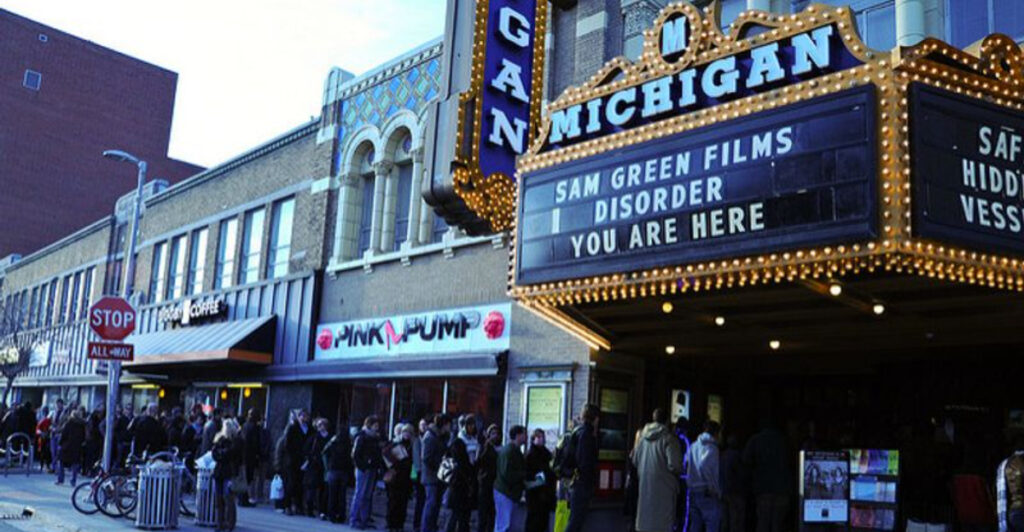
Film feels more exciting when the crowd, the city, and the story on screen all bring something different to the experience. Across Michigan, creative festivals are giving movie fans a reason to look beyond big chains and blockbuster releases, with indie films, emerging voices, live events, art, music, and local energy shaping the atmosphere.
Some festivals feel intimate and community-driven, while others bring larger city momentum and a wider cultural mix. Together, they show a smarter, more surprising side of Michigan’s film scene.
For anyone who wants fresh stories, lively audiences, and cinema with a stronger sense of place, these festivals are worth watching.
1. Hell’s Half Mile Film & Music Festival – Bay City
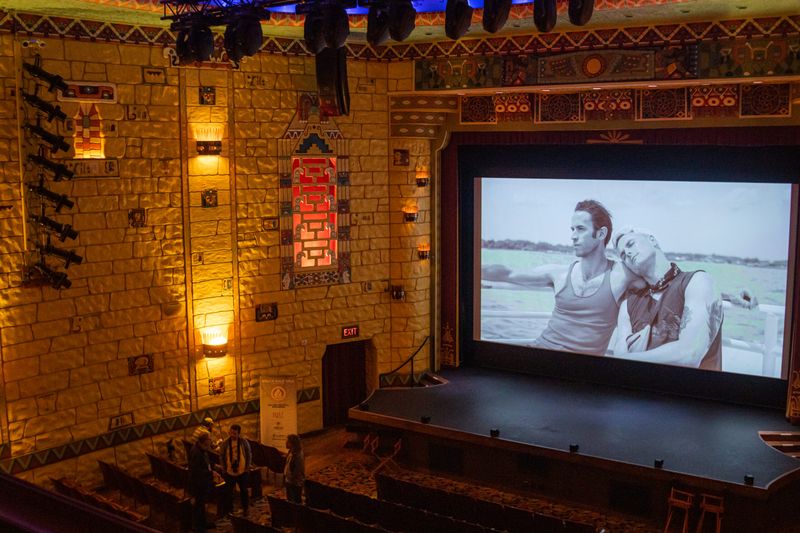
Bay City knows how to give a film weekend a little edge, and Hell’s Half Mile leans into that mood in a way that stands out fast. The festival mixes movies with music and downtown energy, so the experience can feel bigger than simply sitting down for one screening after another.
Historic buildings, walkable streets, and a compact layout help visitors move between events without much stress. That matters when a schedule is packed, because it is easier to catch a film, grab food, and still make it to the next venue on time.
Programming at a festival like this often appeals to viewers who want more than safe choices. Expect the appeal to come from discovery, whether that means a bold indie feature, a music-focused title, or a short film that sparks a long conversation afterward.
Bay City itself adds a strong local flavor. Between screenings, coffee shops, bars, and restaurants nearby make it simple to reset and compare notes with friends instead of spending the whole day in one building.
A smart plan helps here. Pick one must-see title, leave room for one wildcard, and wear shoes that can handle a few downtown blocks without complaint.
First-time visitors should also check how spread out the venues are before arriving. Even a quick look at a map can save time and help avoid that annoying rushed feeling that turns a fun festival day into a scramble.
The best approach is to stay curious. Hell’s Half Mile works well for moviegoers who like a little grit, a little surprise, and a setting where film culture spills out onto the street instead of staying tucked away behind a lobby door for the whole weekend.
2. Soo Film Festival – Sault Ste. Marie
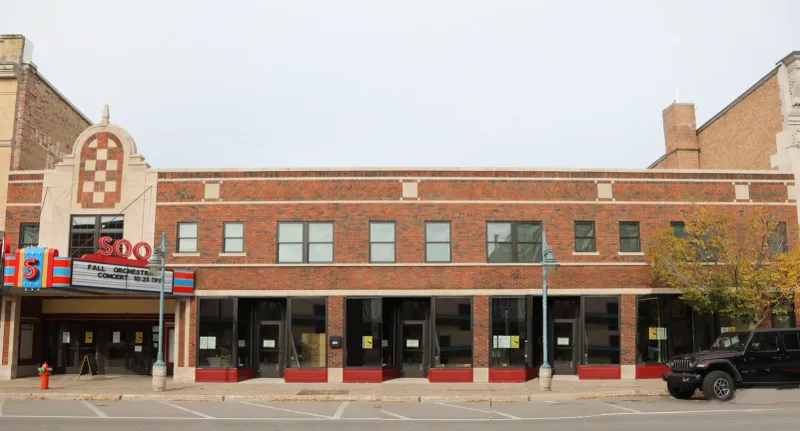
Up in the eastern Upper Peninsula, the Soo Film Festival offers a movie experience with a quieter rhythm and a strong sense of place. Sault Ste.
Marie brings border-town character, a northern setting, and the kind of pace that lets visitors slow down enough to notice the details around the screenings.
That slower pace can be a real advantage. Instead of racing through an oversized event, festivalgoers can focus on the films, talk with other attendees, and enjoy a lineup that often rewards curiosity more than hype.
Smaller festivals have a special strength: they can feel approachable. A newcomer does not need expert knowledge of cinema history to fit in, and the setting makes it easier to take chances on titles with unfamiliar names or unusual subjects.
The city adds another layer to the trip. Time between shows can include a walk near the water, a meal downtown, or a break that clears the mind before the next screening starts.
Because travel in the Upper Peninsula takes planning, it helps to build the festival into a full weekend rather than a rushed day trip. Checking lodging early is a good move, especially if a favorite screening lands on a busy night.
Weather matters too. Northern Michigan can shift quickly, so packing one extra warm layer is a simple choice that pays off when temperatures dip after sunset.
Movie fans who enjoy intimate settings may connect strongly with the Soo Film Festival. It suits viewers who want independent film without big-city noise, and it turns that calmer setting into part of the appeal.
By the end of the weekend, the memory is often a mix of good conversations, bold stories, and a location that makes the whole event stand apart from the usual movie routine back home.
3. Detroit Black Film Festival – Detroit

Detroit brings scale, style, and cultural depth to any arts event, and the Detroit Black Film Festival sits right in that creative current. A festival centered on Black filmmakers and Black stories can open up fresh viewing choices while also highlighting work that deserves focused attention.
For many visitors, the biggest draw is perspective. Instead of getting a narrow slice of independent cinema, audiences can spend time with stories shaped by different communities, lived experiences, and artistic voices that may not get enough space in mainstream movie culture.
Detroit is a strong setting for that kind of event because the city already carries major artistic energy. Music, visual art, neighborhood history, and local pride all shape the wider experience, even before the first film begins.
Going in with an open schedule helps. It is smart to choose one screening that matches personal taste, then add another that covers a topic or style that would not normally make the list.
That strategy often leads to the best discoveries. A documentary can change the tone of the day, while a short film block may introduce several directors at once and give a clearer sense of where new talent is heading.
Detroit also makes post-screening time easy to enjoy. Restaurants, coffee spots, and cultural stops around the city create room for conversation, and that matters when a film leaves people with ideas they want to unpack instead of rushing straight home.
Anyone attending should keep practical details in mind, including parking, traffic, and travel time between neighborhoods. A little prep goes a long way in a larger city.
At its best, the Detroit Black Film Festival offers more than entertainment. It creates a strong way to engage with independent cinema through voices, subjects, and creative choices that bring real substance to the screen and fresh energy to Michigan’s festival calendar overall.
4. Fresh Coast Film Festival – Marquette
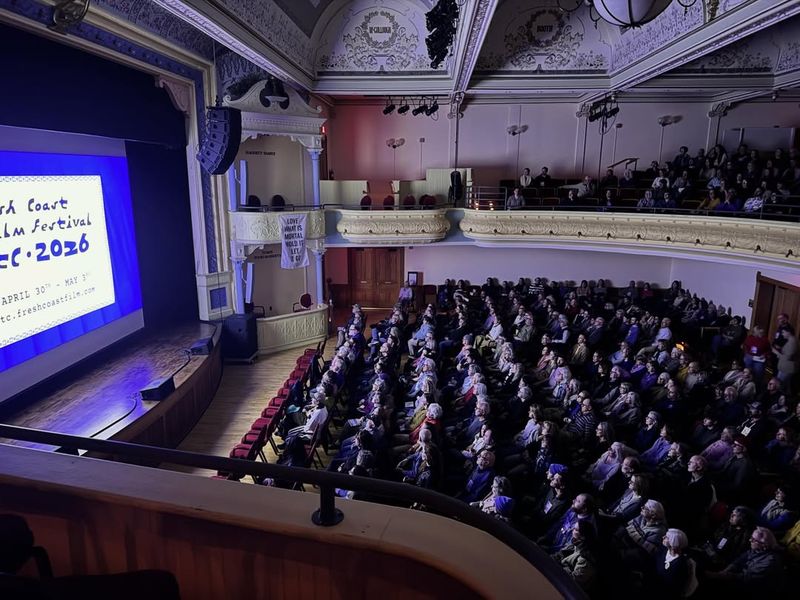
Lake Superior changes the mood before the opening credits even roll, and that is part of the pull at Fresh Coast Film Festival in Marquette. The setting gives the event a crisp, outdoor-minded character that pairs especially well with independent films, documentaries, and thoughtful storytelling.
Marquette is the kind of place where nature and downtown life sit close together. That makes it easy to spend part of the day at a screening and part of it walking, eating, or getting a breath of cold air by the water before heading back inside.
Festivals in scenic places can sometimes lean too heavily on the backdrop, but a good one uses the location as an extra layer rather than a distraction. Here, the local landscape can sharpen the experience, especially when the lineup includes films connected to adventure, environment, community, or place.
Visitors should treat the schedule with a little flexibility. Pick a film that sounds timely or challenging, then leave space for a title chosen on instinct after reading a short festival blurb.
That second pick often turns into the surprise favorite. Smaller conversations in line, at nearby cafes, or outside a venue can point people toward screenings they might otherwise skip.
Marquette also rewards practical planning. Weather near the lake can shift, parking may take a few extra minutes, and comfortable layers help when moving between indoor venues and the shoreline.
Food breaks matter here too, because the town gives visitors a chance to pause instead of racing through the day. That breathing room can make the films land harder and the festival feel less like a checklist.
Fresh Coast is a strong match for movie fans who enjoy independent cinema with a regional twist, a relaxed northern backdrop, and a weekend structure that leaves room for both serious viewing and simple time outdoors between showtimes.
5. Ann Arbor Film Festival – Ann Arbor
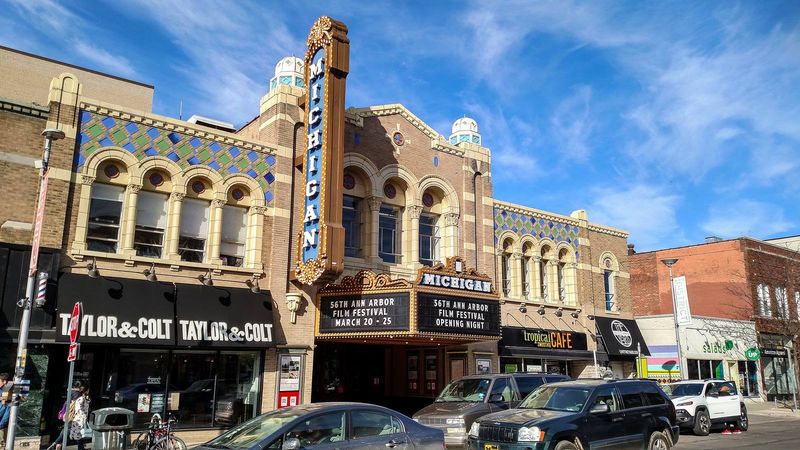
Some festivals ask audiences to stretch a little, and the Ann Arbor Film Festival has that reputation in the best possible way. Ann Arbor is a natural home for adventurous cinema, with a college-town mix of curiosity, conversation, and arts culture that supports films outside the usual lane.
Viewers who only know standard narratives may find the lineup eye-opening. Experimental work, artist-driven shorts, and unconventional structures can challenge habits built by commercial movies, but that challenge is often the whole point.
Instead of expecting every film to explain itself right away, it helps to treat the festival like a gallery in motion. One screening might be funny and strange, the next may be abstract or sharply political, and a short piece can stay in the mind longer than a full-length feature.
Ann Arbor makes that kind of watching easier because the city already encourages discussion. Cafes, bookstores, and walkable streets create room to talk through a film that confused, impressed, or surprised the group ten minutes earlier.
For first-time attendees, short film programs are often the smartest starting point. They offer variety, lower the risk of getting stuck with one style for too long, and provide a better sense of the festival’s wider personality.
Reading descriptions in advance also helps. A little context can make challenging work more inviting without spoiling the fun of discovery.
Because the event can attract serious film fans, newcomers should not let that intimidate them. Nobody needs expert vocabulary to respond to a movie, and a thoughtful reaction matters more than sounding polished in the lobby afterward.
Among Michigan festivals, this one is especially appealing for audiences who want cinema as art, experiment, and conversation. Ann Arbor delivers a setting where unusual work gets real attention, and that makes the trip memorable for viewers ready to see film from a less predictable angle.
6. Capital City Film Festival – Lansing
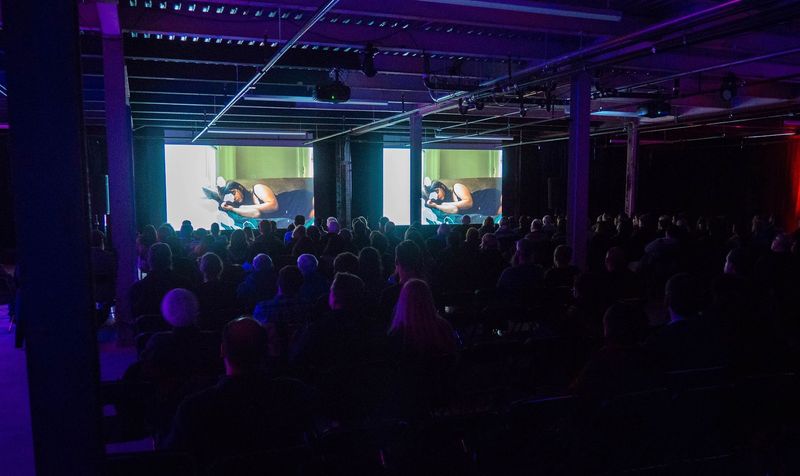
Lansing often gets talked about through government and geography, yet the Capital City Film Festival shows another side of the city with a creative, community-centered frame. Film, music, and local culture can overlap here in a way that makes the event approachable for regular moviegoers and arts fans alike.
Being in the state capital gives the festival a useful balance. There is enough city activity to support a lively program, but the scale can still feel manageable, which helps visitors move through the weekend without the fatigue that comes with oversized events.
That balance is part of the appeal. A lineup may include narrative features, documentaries, shorts, and crossover events, giving people room to build a day that matches their energy instead of following one narrow track.
Downtown Lansing also works in the festival’s favor. Venues, restaurants, and hangout spots can sit close enough together that the event feels connected, not scattered.
For a smoother visit, start by looking at timing gaps between screenings rather than only choosing titles. A smart schedule leaves enough room for food, travel, and the kind of spontaneous stop that can improve the whole day.
Another good move is mixing one familiar type of film with one category that is usually ignored. Someone who always picks fiction might end up talking about a documentary all week, while a shorts program can introduce several styles in under two hours.
Lansing’s central location is also practical for people coming from different parts of Michigan. That makes it a strong meeting-point festival for friends who want a shared weekend built around movies without too much travel hassle.
Capital City Film Festival fits readers looking for variety, convenience, and a local arts pulse that extends beyond one screen. The result is a festival stop that feels active, grounded, and easy to fold into a broader Michigan movie adventure.
Share this story