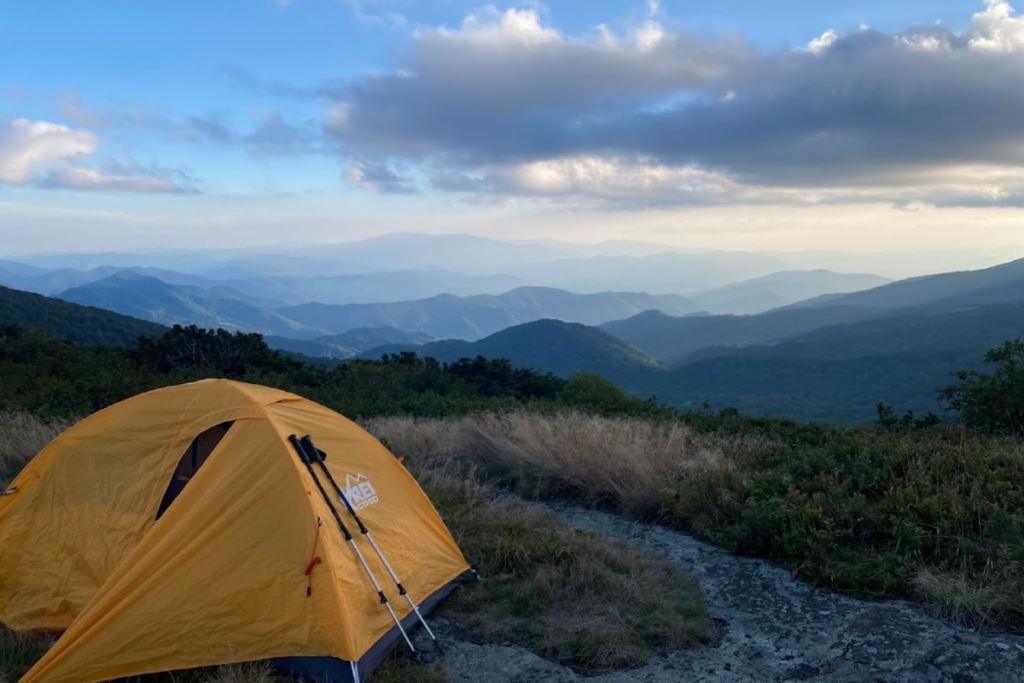
Tennessee stretches nearly 500 miles from the Mississippi River to the Appalachian Mountains, and that geography delivers an incredible variety of landscapes you can explore without spending a dime on admission. From cypress swamps in the west to cloud-scraping peaks in the east, the state’s public lands offer waterfalls, wildlife, forest trails, and river bluffs that rival any paid attraction.
Whether you live here or you’re passing through, these spots prove that the best experiences in Tennessee don’t require an entrance fee.
1. Watch Eagles and Explore the Shoreline at Reelfoot Lake State Park
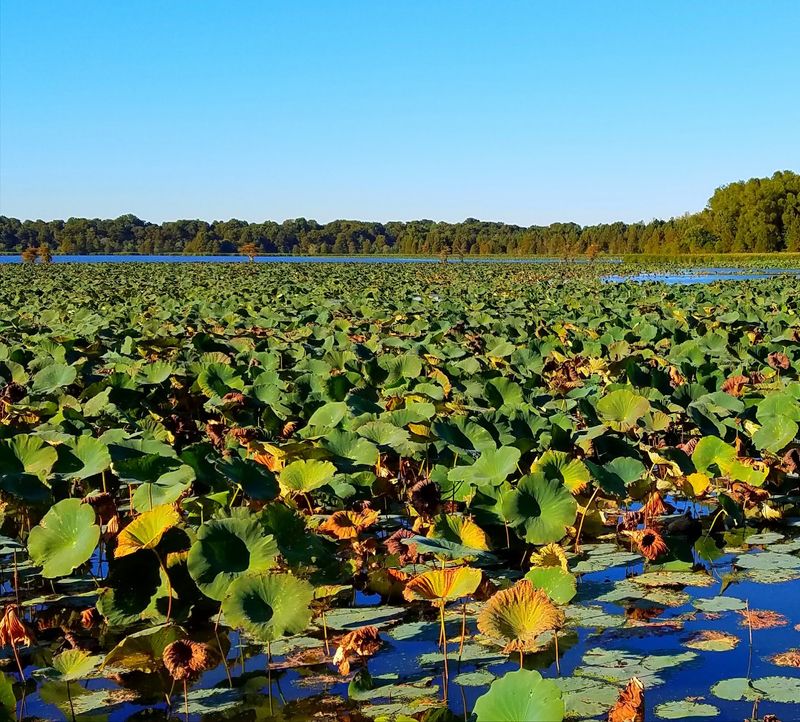
Reelfoot Lake sits in the northwest corner of Tennessee, and it looks nothing like the rest of the state. Bald cypress trees rise straight out of shallow water, their knobby knees breaking the surface like something from a bayou postcard.
The lake formed during the New Madrid earthquakes of 1811 and 1812, when the ground dropped and the Mississippi River backfilled the depression.
Winter brings bald eagles by the dozens, and the park runs free viewing programs from late December through mid-March. You can walk the boardwalks that wind through the cypress forest, scan the water for herons and egrets, and watch raptors hunt from the treetops.
The scenery feels more Louisiana than Tennessee, which makes it a perfect starting point if you want to understand how diverse this state really is.
Several trails loop through the park, including paths along the shoreline and through bottomland hardwood forest. The terrain stays flat, so these walks work well for families or anyone looking for an easy outdoor day.
You’ll find picnic areas, a visitor center with natural history exhibits, and plenty of spots to sit and watch the water.
Spring and fall migration periods add even more bird species to the mix, turning Reelfoot into a birding hotspot. The park doesn’t charge a general admission fee, so you can visit as many times as you want without worrying about the cost.
If you’ve only seen the mountainous side of Tennessee, this western edge will surprise you with how different the landscape can be.
Pack binoculars, bring a camera, and give yourself time to wander the boardwalks slowly. The cypress reflections alone are worth the drive, and spotting an eagle perched above the water makes the trip unforgettable.
2. Hike Through the Forest at Meeman-Shelby Forest State Park
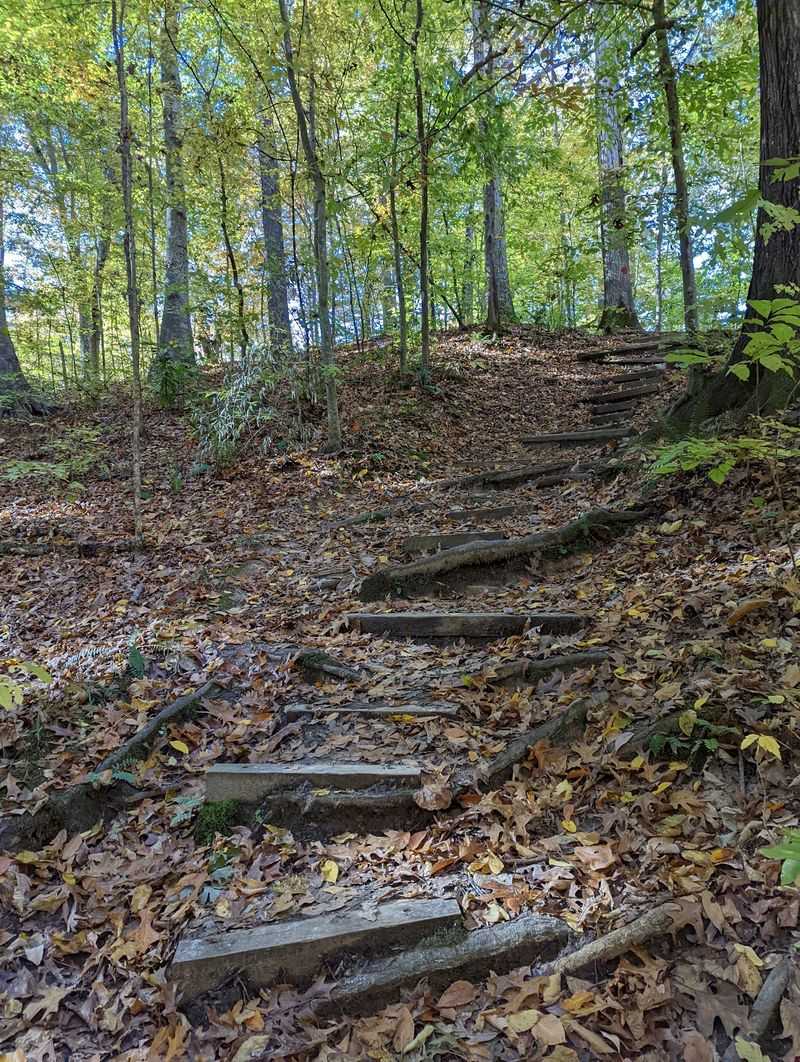
Just north of Memphis, Meeman-Shelby Forest State Park covers more than 13,000 acres of bottomland hardwood forest and bluff-top woodlands along the Mississippi River. The park sits close enough to the city that you can reach it in under half an hour, but once you’re inside, the traffic noise fades and the forest takes over.
Tall oaks, hickories, and sweetgums line the trails, and the terrain rolls from river flats up to bluffs that offer long views across the water.
The trail system includes options for short walks and longer hikes, with some routes following the bluff line and others dropping down into the bottomlands. You might spot white-tailed deer, wild turkeys, or woodpeckers working the dead snags.
Spring wildflowers carpet the forest floor, and fall colors light up the canopy in shades of gold and crimson.
Chickasaw Bluff Trail is a popular choice, running about six miles and giving you a good mix of elevation changes and river overlooks. If you want something shorter, the Woodland Trail loops through the interior forest and takes less than an hour.
Either way, you’ll get a solid dose of nature without driving across the state.
The park also includes a lake for fishing and a campground if you want to extend your visit overnight. Admission to the park is free, so you can hike as often as you like without worrying about the budget.
It’s a solid option for anyone in the Memphis area who wants to escape into the woods without a long road trip.
Bring water, wear sturdy shoes for the bluff sections, and check the trail map at the visitor center before you head out. The combination of river scenery and hardwood forest makes this park feel much more remote than it actually is.
3. Explore the Trails at Natchez Trace State Park
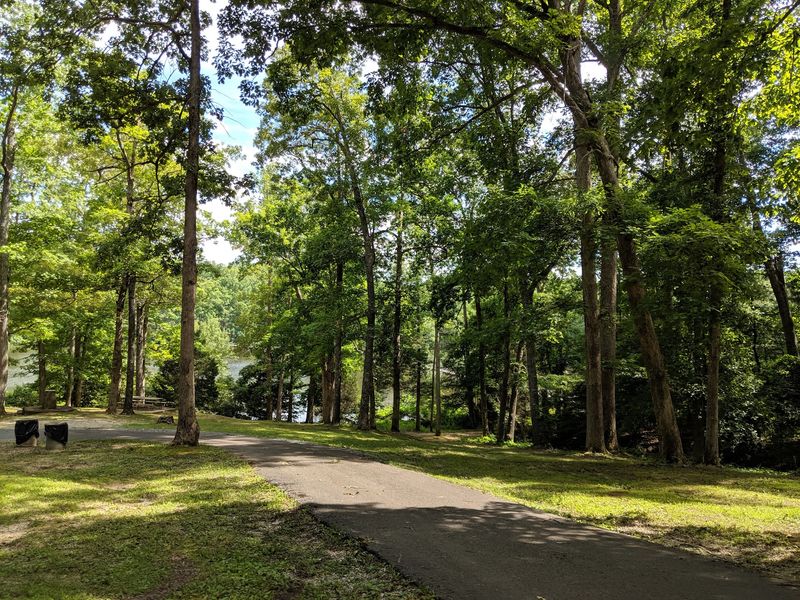
Natchez Trace State Park sprawls across nearly 50,000 acres in western Tennessee, making it one of the largest state parks in the system. The park sits between Jackson and Camden, and it offers a network of trails that wind through mixed hardwood forest, around lakes, and over rolling terrain that never gets too steep.
If you want room to roam without bumping into crowds, this place delivers.
The trail system includes everything from short nature walks to longer backcountry routes. Pin Oak Trail runs about six miles and takes you through dense forest and past wetland areas where you might see wading birds or turtles sunning on logs.
Red Leaves Trail offers a shorter option, looping through the woods near one of the park’s four lakes.
The lakes themselves add variety to the landscape, and you can walk along the shorelines or find a quiet spot to sit and watch for wildlife. The park doesn’t charge an admission fee, so you can visit whenever you want and explore a different trail each time.
It’s a good middle-ground option if you’re not quite ready for the steep climbs of East Tennessee but you want more than a quick stroll.
Fall brings vibrant color to the forest, and spring wildflowers bloom along the trails in waves from March through May. Summer can get warm, but the tree cover keeps the trails shaded for most of the day.
You’ll find picnic areas, restrooms, and a park office with trail maps and information.
Pack snacks, bring a trail map, and wear shoes that can handle dirt paths and occasional roots. The size of the park means you can spend a full day hiking without retracing your steps, and the quiet, wooded atmosphere makes it easy to forget you’re still in western Tennessee.
4. Walk to Jackson Falls Along the Natchez Trace Parkway
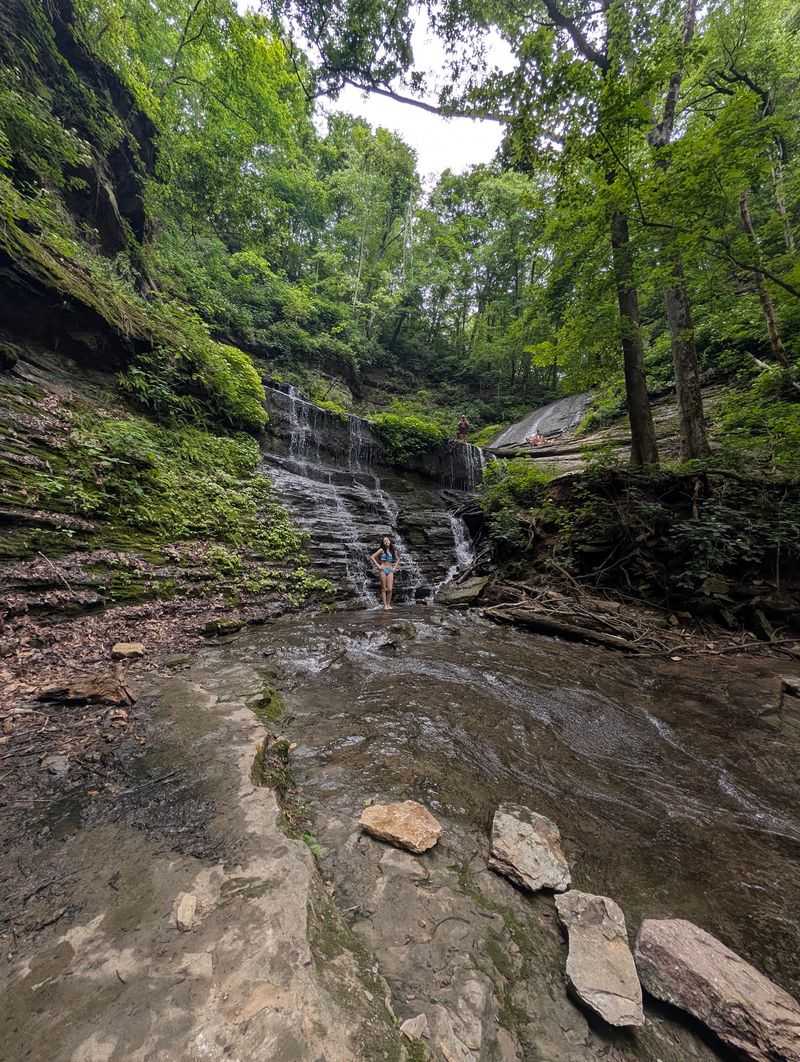
Jackson Falls sits just off the Natchez Trace Parkway near the Duck River, and it’s one of those easy-access waterfalls that rewards you without demanding a long hike. The walk from the parking area to the falls runs less than half a mile, following a woodland path that drops gently toward the creek.
The trail stays well-maintained, and the scenery shifts from upland forest to rocky streamside as you approach the cascade.
The falls themselves spill over a series of rock ledges, creating a wide curtain of water that spreads across the creek bed. During spring runoff, the flow picks up and the falls roar.
By late summer, the volume drops, but the rock formations and surrounding greenery still make it worth the visit.
You can climb down to the base of the falls and stand on the flat rocks near the water, or you can stay on the trail and view the cascade from above. Either way, the setting feels peaceful and secluded, even though the parkway runs nearby.
The Natchez Trace Parkway itself doesn’t charge tolls or admission fees, so you can combine this stop with a scenic drive and make a full afternoon of it.
The trailhead includes a small parking area and an informational sign, but not much else. Bring water, wear shoes with good grip for the rocky sections, and be careful near the water if the rocks are wet.
The short distance makes this an ideal stop if you’re traveling with kids or anyone who wants to see a waterfall without committing to a strenuous hike.
Timing matters if you want to see the falls at their best. Spring and early summer usually offer the most impressive flow, but fall colors around the cascade add their own appeal.
The walk takes about 20 minutes round trip, so it’s easy to squeeze into a travel day or pair with other stops along the parkway.
5. Hike Around Radnor Lake
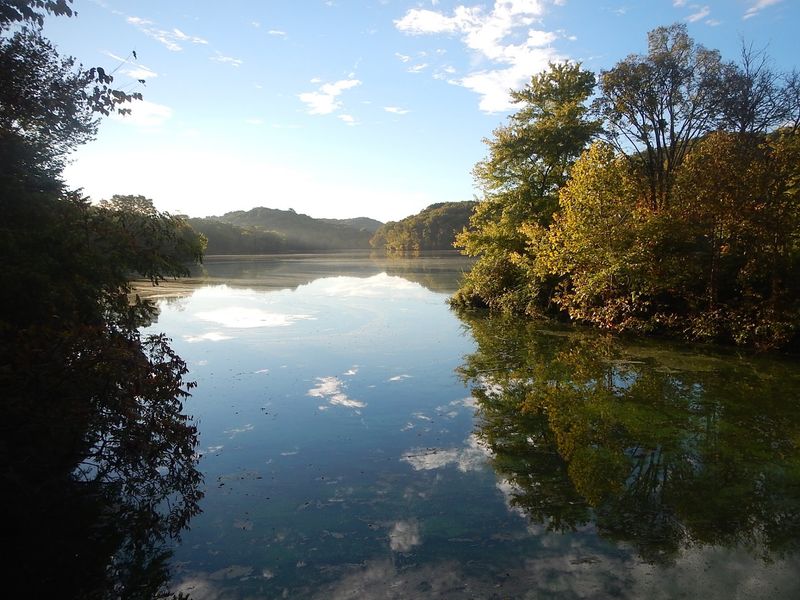
Radnor Lake State Park sits just a few miles south of downtown Nashville, but stepping onto the trails feels like entering a different world. The park protects an 85-acre lake and the surrounding forested hills, creating a wildlife refuge that’s become a favorite escape for locals and visitors alike.
The lake itself formed in the 1910s as a water source for steam locomotives, and today it’s a protected natural area where motorboats aren’t allowed and the focus stays on quiet observation.
The main trail loops around the lake, running about two and a half miles and staying relatively flat. You’ll walk through hardwood forest, pass wetland areas, and catch glimpses of the water through the trees.
The park’s popularity means you’ll likely see other hikers, especially on weekends, but the atmosphere stays calm and the scenery keeps your attention.
Wildlife sightings are common. White-tailed deer wander the forest, great blue herons fish along the shoreline, and beavers leave evidence of their work on downed trees.
The park’s protected status means animals feel comfortable here, and you can often get surprisingly close views if you move quietly and watch patiently.
Additional trails climb into the hills surrounding the lake, offering longer hikes and ridge-top views if you want more than the basic loop. The park doesn’t charge admission, and parking is free, though the lot fills up quickly on nice-weather weekends.
Arriving early or visiting on a weekday gives you a better chance at a parking spot and quieter trails.
Bring binoculars if you’re interested in birds, and keep your camera ready for deer encounters. The park’s rules prohibit pets, bikes, and jogging, which helps maintain the peaceful atmosphere.
It’s one of the easiest ways to get a nature fix without leaving the Nashville area, and the protected status ensures the experience will stay wild for years to come.
6. Hike the Narrows of the Harpeth
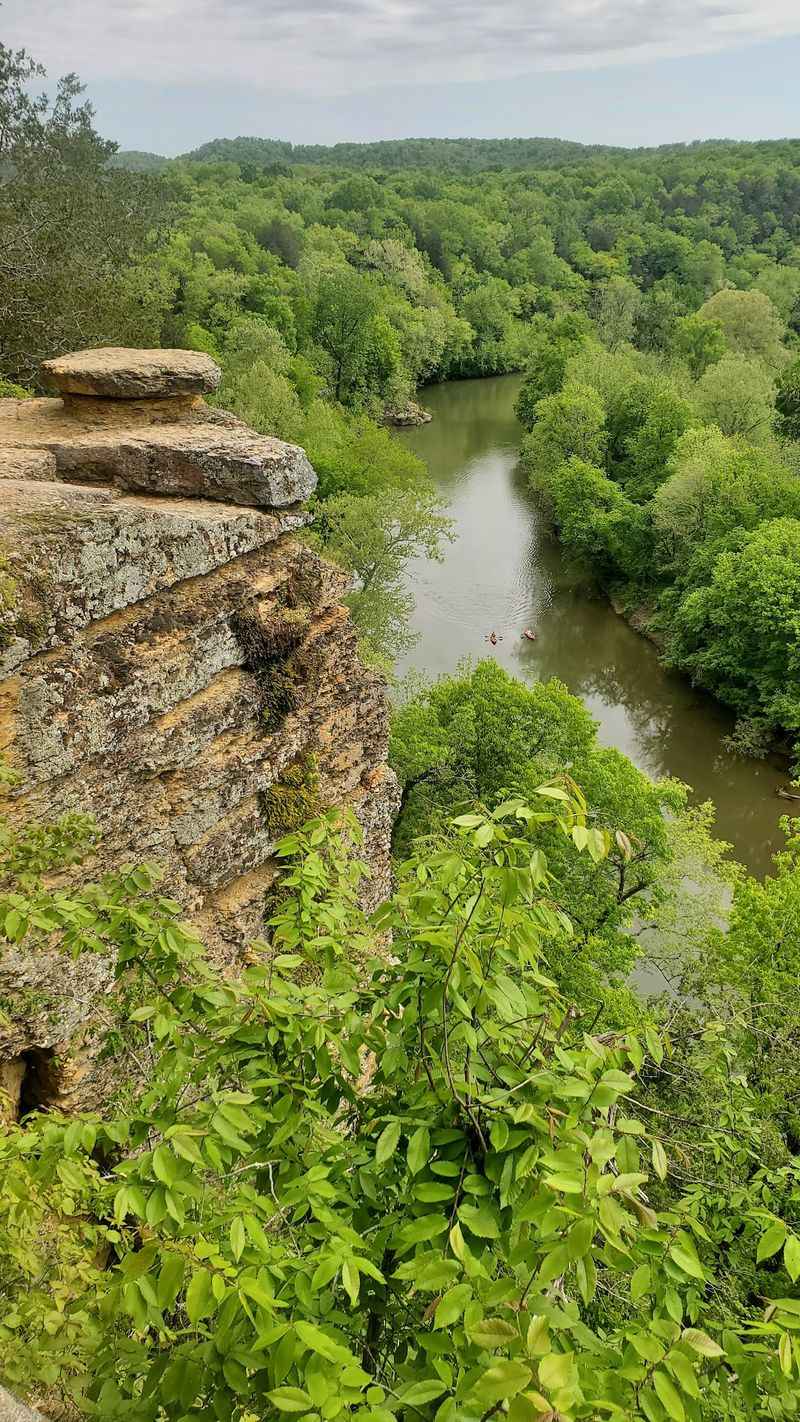
Harpeth River State Park protects several scattered sites along the Harpeth River, but the Narrows section near Kingston Springs stands out for its combination of natural beauty and historic intrigue. The river loops through a narrow bend here, carving a tight curve around a limestone bluff before nearly doubling back on itself.
Early settlers saw an opportunity and dug a tunnel through the bluff to power a water mill, creating a shortcut that still exists today.
The hike to the Narrows runs about two miles round trip, following the river upstream before climbing onto the bluff. The trail passes through riverside woods, crosses rocky sections, and eventually reaches the tunnel opening.
You can walk through the tunnel if you don’t mind a short scramble, or you can view it from the outside and continue to the overlook above.
From the bluff top, you get a clear view of the river’s horseshoe bend and the surrounding forest. The elevation gain isn’t extreme, but the rocky terrain requires decent shoes and a bit of caution.
Spring wildflowers bloom along the trail, and fall colors make the river views even more dramatic.
The park doesn’t charge admission, and the Narrows trailhead includes a small parking area and an informational kiosk. The site attracts history buffs interested in the old mill works as well as hikers looking for a scenic river walk.
You can combine the Narrows hike with a visit to other sections of Harpeth River State Park if you want to explore more of the area.
Bring water, wear shoes that can handle rocks and roots, and plan for a couple of hours to hike the full loop and spend time at the overlook. The combination of river scenery, limestone formations, and historic features makes this a particularly interesting Middle Tennessee outing, and the free admission means you can return to see how the seasons change the landscape.
7. See One of Tennessee’s Most Impressive Waterfalls at Fall Creek Falls
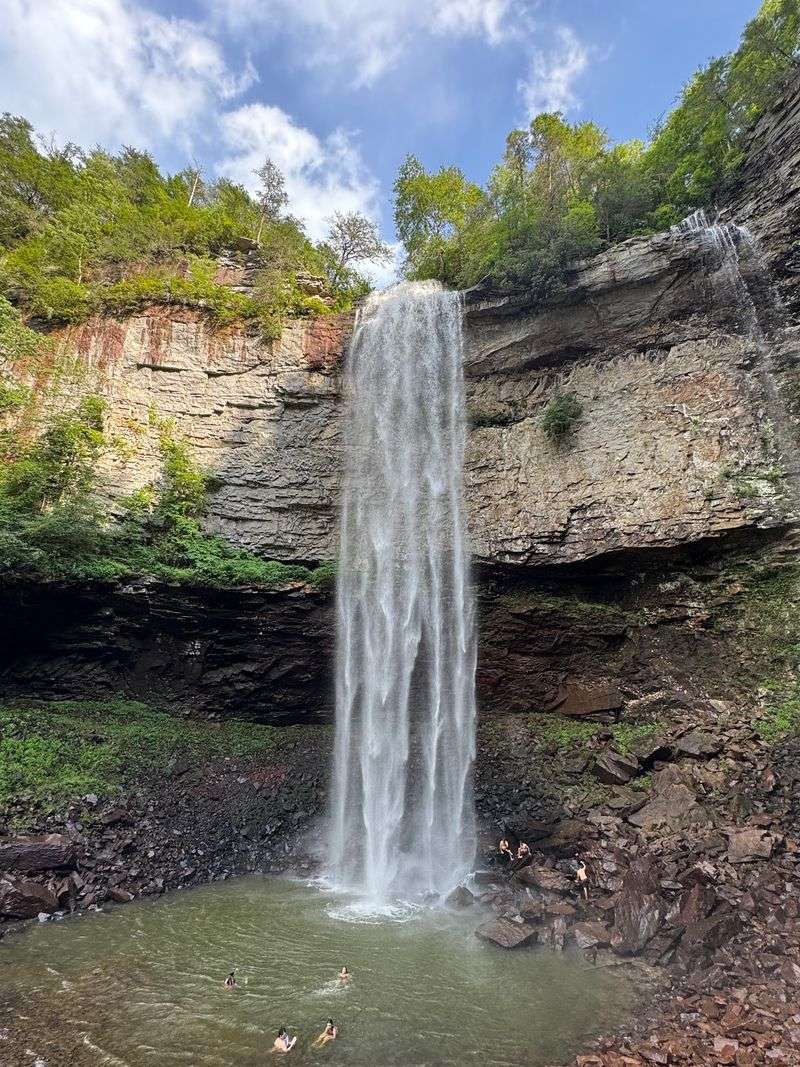
Fall Creek Falls State Park sits on the Cumberland Plateau near Spencer, and it’s home to one of the tallest waterfalls east of the Mississippi River. The main falls drop 256 feet into a deep gorge, creating a thundering spectacle that draws visitors from across the region.
The park doesn’t charge a general admission fee, so you can explore the trails, overlooks, and waterfalls without paying to get in.
The trail system includes routes to multiple waterfalls, overlooks, and gorge-bottom areas. The easiest way to see Fall Creek Falls is from the overlook platform, which requires only a short walk from the parking area.
If you want a closer view, you can take the trail down to the base of the falls, though the descent involves stairs and a steeper path that climbs back up.
Beyond the main attraction, the park offers trails to Cane Creek Falls, Piney Falls, and Cane Creek Cascades, giving you plenty of options if you want to spend a full day hiking. The gorges cut deep into the plateau, and the forested ridges above offer cooler temperatures even in summer.
The size of the park means you can avoid crowds by exploring the less-visited trails, though the main falls area stays popular year-round.
Facilities include a visitor center, picnic areas, campgrounds, and a swimming pool complex (pool admission requires a separate fee, but the trails and natural areas remain free). The park’s scale makes it one of the best outdoor destinations in the state, and the variety of trails means you can tailor your visit to your fitness level and interests.
Wear sturdy shoes, bring water and snacks, and give yourself enough time to visit more than just the main falls. The combination of waterfalls, gorges, and forested trails makes this a highlight of any Tennessee outdoor adventure list, and the free access ensures everyone can experience it.
8. Walk to Burgess Falls
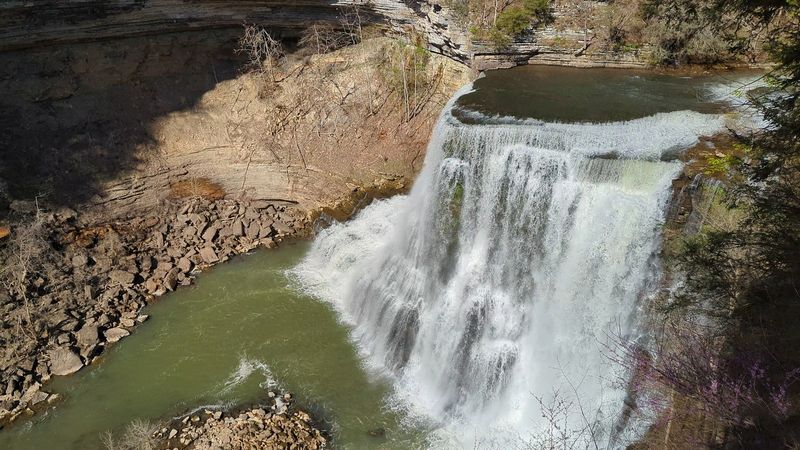
Burgess Falls State Park near Sparta protects a series of waterfalls along Falling Water River, culminating in a 136-foot main drop that plunges into a rocky gorge. The trail to the falls runs about 1.5 miles one way, following the river downstream and passing three smaller cascades before reaching the dramatic finale.
The path stays relatively easy for the first mile, then gets steeper and rockier as you approach the main falls.
The first cascade you’ll encounter drops about 15 feet, followed by a 20-foot falls, then a 30-foot falls. Each one builds anticipation for the big drop ahead, and each offers its own photo opportunities and places to stop and rest.
The trail passes through hardwood forest, and the sound of rushing water accompanies you for most of the walk.
When you reach the main falls, the gorge opens up and the full height of the cascade comes into view. Water crashes into the pool below, sending up mist and creating rainbows on sunny days.
The overlook platform sits at the top of the falls, giving you a clear view down into the gorge and across to the opposite cliff face. It’s an impressive sight, and the relatively short hike makes it accessible to most visitors.
The park doesn’t charge admission, and the trailhead includes parking and restrooms. The trail can get busy on weekends, especially in spring and fall when the weather is mild and the water flow is strong.
Arriving early or visiting on a weekday gives you a better chance at a peaceful experience.
Wear shoes with good traction, bring water, and take your time on the rocky sections near the main falls. The trail back to the parking area climbs uphill, so save some energy for the return trip.
The combination of multiple waterfalls and a dramatic final drop makes this one of the best waterfall hikes in Middle Tennessee.
9. Take the Short Hike to Ozone Falls
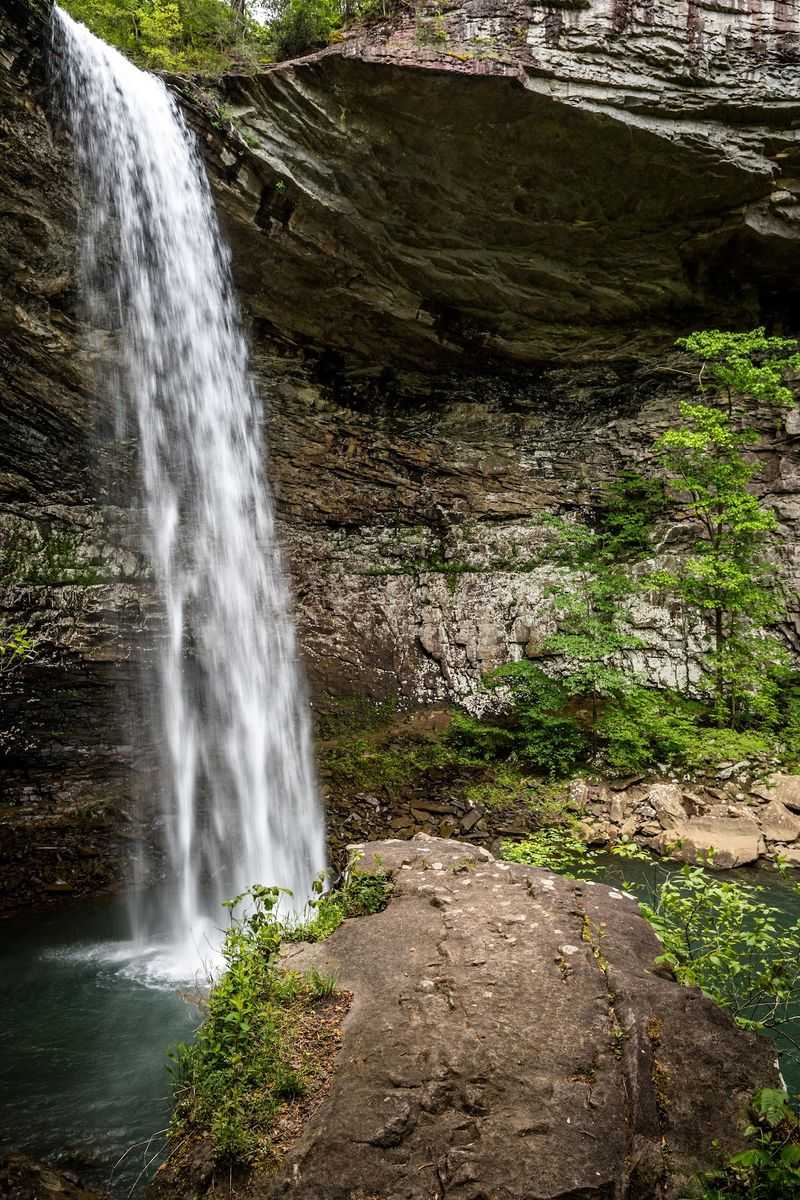
Ozone Falls State Natural Area sits along U.S. Highway 70 between Crossville and Crab Orchard, and it packs a big visual punch into a small package.
The waterfall drops 110 feet into a rocky amphitheater, creating a scene that looks like something from a fantasy movie. The best part? You can reach the overlook in less than five minutes from the parking area.
The main trail leads to the top of the falls, where you can peer over the edge and watch the water plunge into the gorge below. If you want a different perspective, a steeper, more rugged trail descends to the base of the falls, letting you stand in the gorge and look up at the cascade.
The base trail requires more effort and involves scrambling over rocks, but the view from below is worth it if you’re comfortable with the terrain.
The gorge itself is a stunning natural feature, with sheer rock walls rising on three sides and the waterfall as the centerpiece. After heavy rain, the flow increases and the falls roar.
During drier periods, the volume drops, but the setting remains impressive. The rock formations, moss-covered walls, and pool at the base create a scene that’s hard to forget.
The site doesn’t charge admission, and the small parking area rarely fills up because most visitors only stay for 20 or 30 minutes. It’s an ideal stop if you’re driving through the area and want a quick nature break, or if you’re looking for a low-effort waterfall experience.
The short distance makes it accessible to families and anyone who can’t commit to a long hike.
Bring a camera, wear shoes that can handle uneven ground if you plan to descend to the base, and be cautious near the cliff edges at the top. The combination of easy access and dramatic scenery makes Ozone Falls one of Tennessee’s best-kept secrets, even though it sits right next to a major highway.
10. Hike the Mountain Trails at Frozen Head State Park
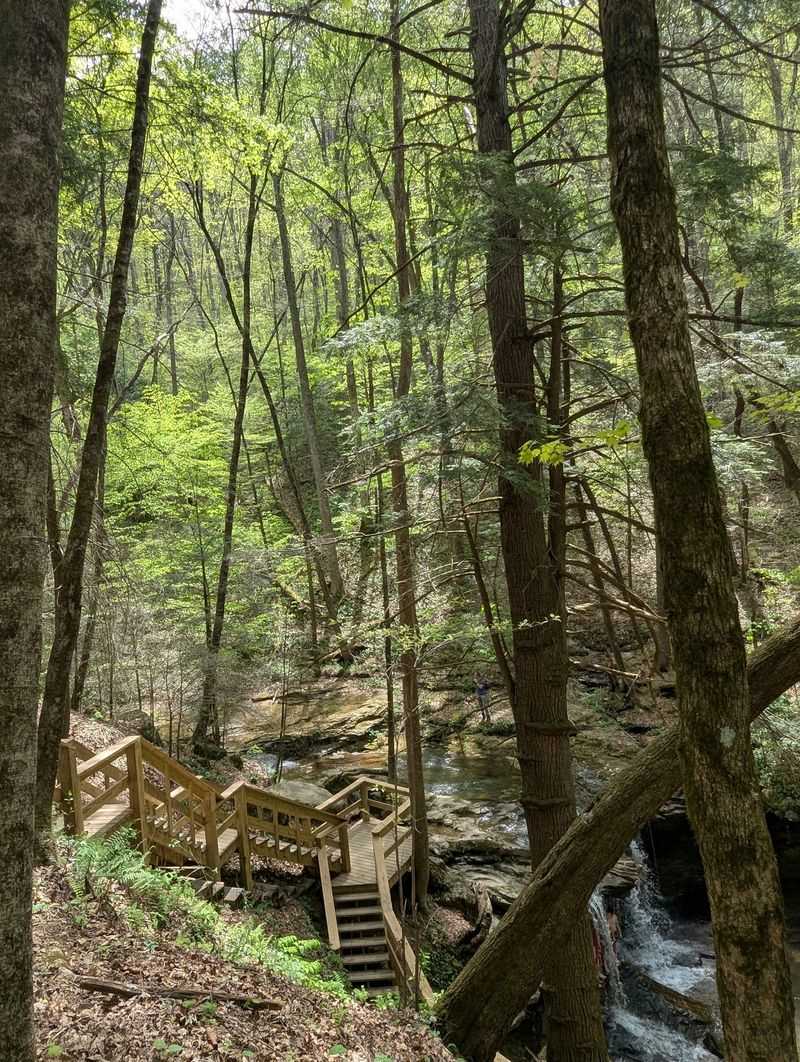
Frozen Head State Park sits in the Cumberland Mountains near Wartburg, and it offers some of the most challenging and rewarding hiking in Tennessee outside of the Smokies. The park’s trail system climbs from low-elevation valleys up to mountain ridges, passing through cove hardwood forests, rhododendron thickets, and rocky outcrops.
If you want a serious mountain workout without fighting Smoky Mountain crowds, this is your spot.
The trails range from moderate riverside walks to strenuous climbs that gain more than 2,000 feet in elevation. Chimney Top Trail is one of the most popular routes, ascending about 3.5 miles to an overlook with views across the surrounding mountains.
The climb is steady and steep in sections, but the payoff at the top makes the effort worthwhile. Other trails loop through the park’s interior, connecting ridges and valleys in various combinations.
The park’s name comes from the way fog and ice coat the highest peaks in winter, giving them a frozen appearance. Spring brings wildflowers to the lower elevations, and fall colors light up the ridges in waves of red, orange, and gold.
The forest stays dense and green through summer, providing shade even on the steepest climbs.
Frozen Head doesn’t charge admission, and the park stays relatively quiet even on weekends because it’s off the main tourist routes. You’ll find a visitor center, picnic areas, and campgrounds, but the focus here is on hiking and backcountry exploration.
The trail system is extensive enough that you could spend multiple days exploring different routes without repeating yourself.
Bring plenty of water, wear sturdy hiking boots, and check the trail map before you start. The elevation changes are real, and the climbs can be tough.
The reward is a genuine mountain experience in a park that still feels wild and uncrowded, with scenery that rivals anything in East Tennessee.
11. Explore Roan Mountain
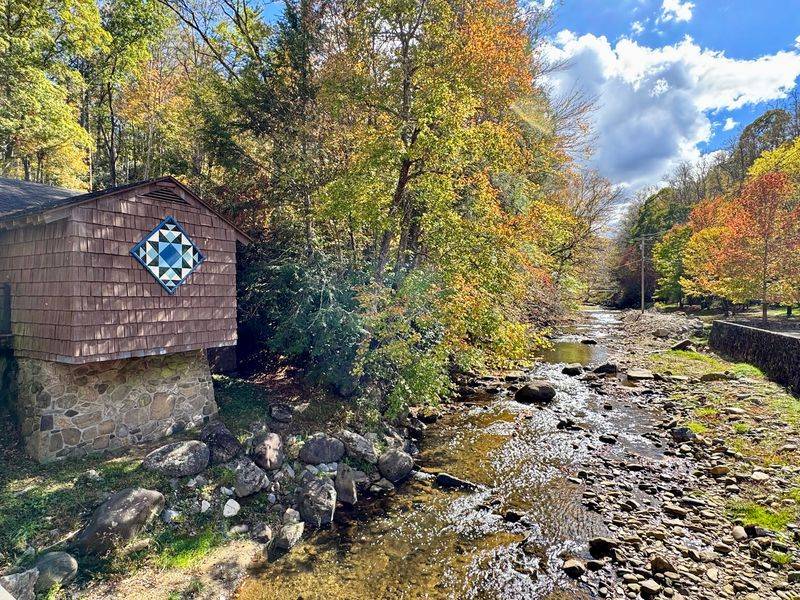
Roan Mountain straddles the Tennessee-North Carolina border in the northeastern corner of the state, and it’s one of the most distinctive mountain landscapes in the entire Appalachian chain. The summit area features grassy balds, open meadows that sit above 6,000 feet in elevation and offer 360-degree views across the surrounding peaks.
The Roan Highlands also include the famous Rhododendron Gardens, where dense thickets of Catawba rhododendron bloom in late June, covering the slopes in waves of purple flowers.
The trail system includes sections of the Appalachian Trail, which crosses the Roan Highlands and passes through some of the highest terrain in Tennessee. You can hike from Carvers Gap to Roan High Bluff, crossing multiple balds and enjoying long-range views the entire way.
The elevation keeps temperatures cooler than the valleys below, and the open balds create a feeling of space and exposure that’s rare in the heavily forested Smokies.
The state park section at the base of the mountain includes the Rhododendron Gardens, which are worth visiting even if you don’t plan to hike to the summit. A paved path winds through the gardens, making it accessible to visitors of all ages and abilities.
The peak bloom period usually falls in mid to late June, drawing crowds who come specifically to see the flowers.
Access to the Roan Highlands is free, though parking at some trailheads can be limited during peak season. The high elevation means weather can change quickly, so bring layers even in summer.
The combination of grassy balds, rhododendron displays, and long-distance views makes this area feel very different from the rest of Tennessee, and it’s a strong finish to any exploration of the state’s diverse landscapes.
Wear hiking boots, bring wind protection for the exposed balds, and plan for cooler temperatures than you’d expect based on the season. The views from the balds are some of the best in the southern Appalachians, and the unique high-elevation ecosystem makes Roan Mountain a must-visit for anyone interested in Tennessee’s natural diversity.