
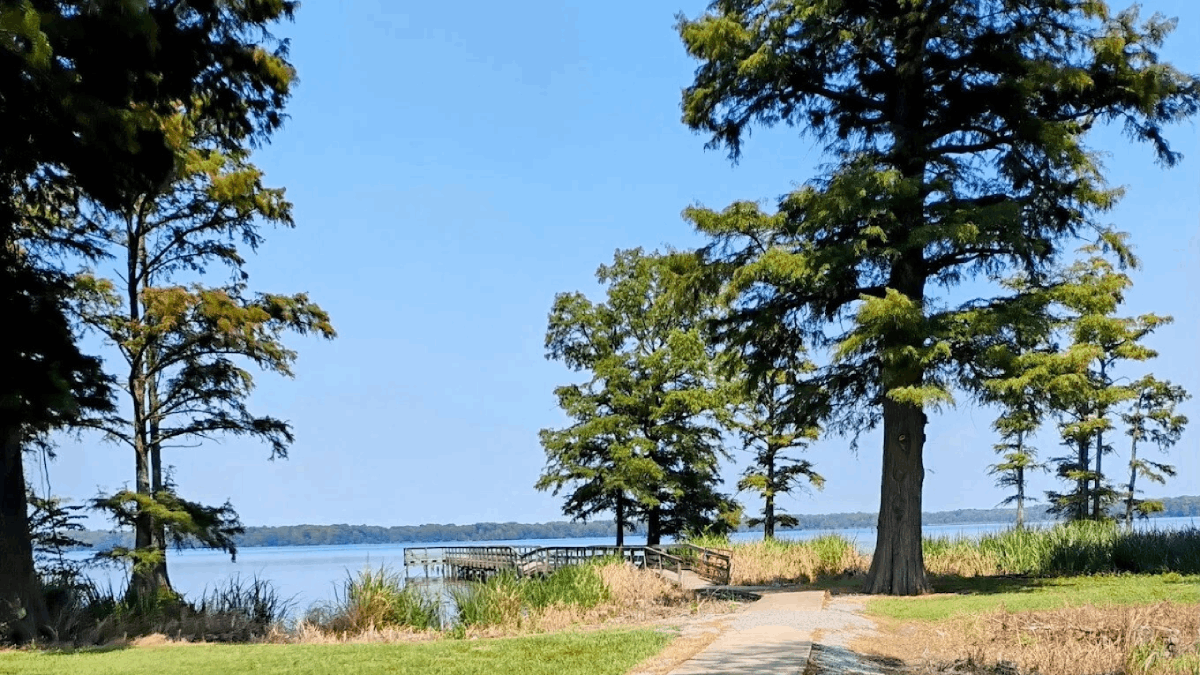
Deep in the northwest corner of Tennessee lies a lake that shouldn’t exist. Reelfoot Lake wasn’t carved by glaciers or built by humans—it was violently born from one of the most powerful earthquakes ever recorded in North America. Between 1811 and 1812, the New Madrid earthquakes shook the ground so hard that the mighty Mississippi River actually ran backward for three days, creating this stunning natural wonder.
Today, this shallow lake covered in ancient cypress trees stands as a living reminder of nature’s incredible power.
A Natural Wonder Born From a Powerful Earthquake
Most lakes take thousands of years to form, but Reelfoot Lake appeared almost overnight. When the earth violently shook in the winter of 1811-1812, it transformed the landscape in ways that seemed impossible. The ground rose and fell like ocean waves, creating depressions that would soon fill with water.
What makes this lake truly special is its sudden birth. The New Madrid earthquakes were so powerful that they rang church bells in Boston, over a thousand miles away. People reported the ground opening up and swallowing entire forests.
The Mississippi River itself reversed course for three days, flowing backward and flooding into newly formed depressions. This backward flow helped create Reelfoot Lake, filling it with water and debris. Today, the lake covers about 15,000 acres and serves as proof that nature can reshape our world in an instant.
How the New Madrid Earthquakes Created Reelfoot Lake
Between December 1811 and February 1812, three massive earthquakes struck the central United States. Scientists estimate these quakes measured between 7.0 and 8.0 on the Richter scale. They remain some of the strongest earthquakes ever recorded in North America.
The earthquakes caused the ground to sink in some areas and rise in others. Where the land dropped, depressions formed that would become Reelfoot Lake. The shaking was so intense that it created sand blows, where sand and water shot up through cracks in the earth.
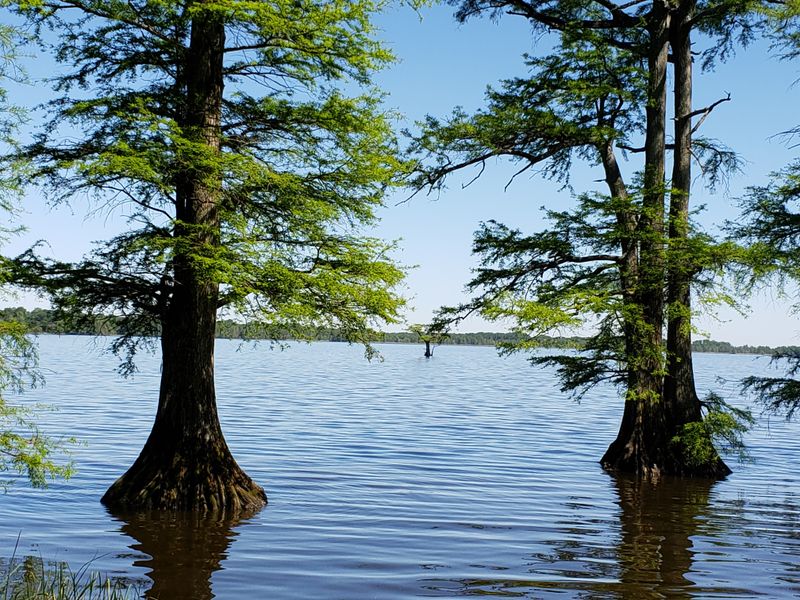
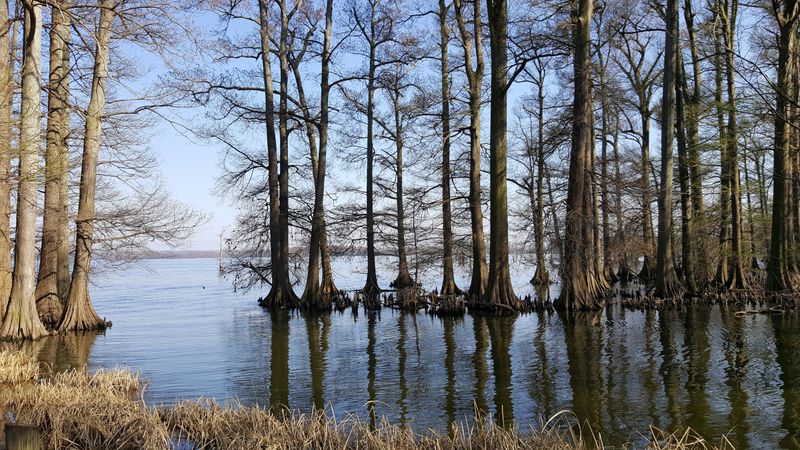
When the Mississippi River temporarily reversed direction, it flooded these newly formed low spots. Trees that once stood on dry land suddenly found themselves submerged. Many of these ancient cypress trees still stand in the lake today, their trunks rising from the water like ghostly monuments to that terrifying winter over two centuries ago.
Why This Tennessee Lake Looks Unlike Any Other
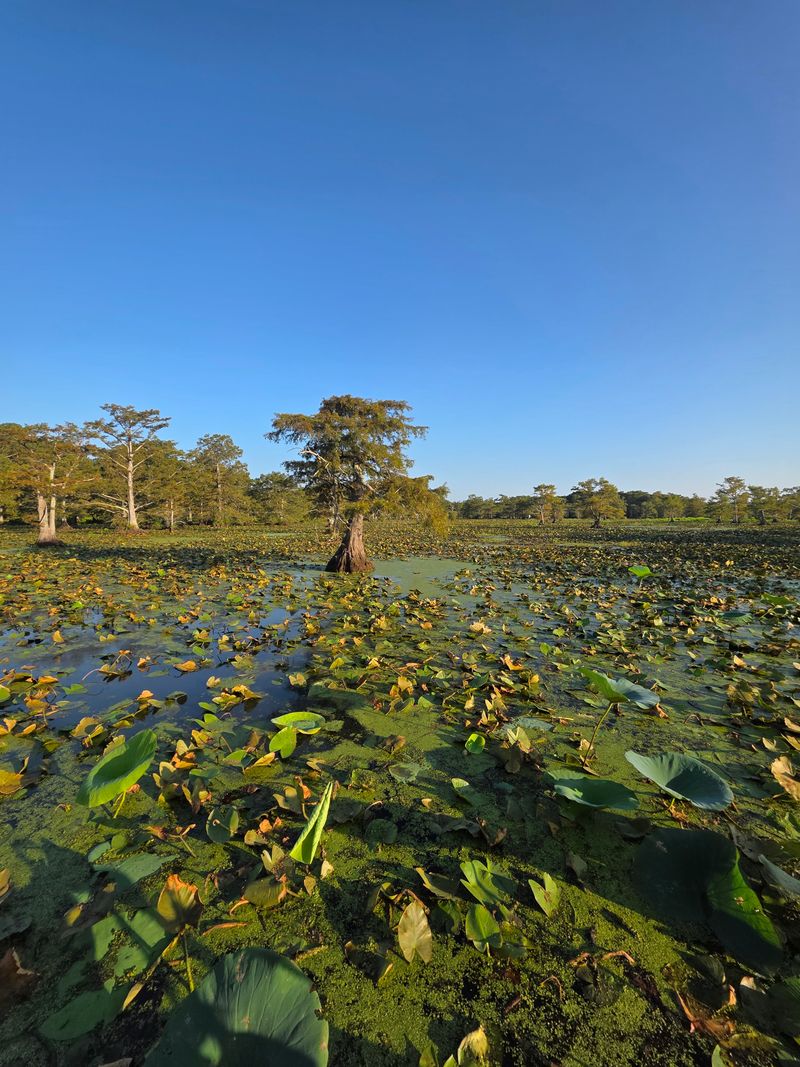
Reelfoot Lake doesn’t look like a typical Tennessee lake because it wasn’t created the same way. Its average depth is only 5.5 feet, making it incredibly shallow compared to most lakes. This shallow nature creates a unique ecosystem found nowhere else in the state.
Thousands of cypress trees grow directly out of the water, their knobby knees poking above the surface. These knees help the trees breathe and create an otherworldly landscape that photographers love. Dead tree stumps also dot the lake, bleached white by sun and water.
The lake bottom is covered with stumps from the original forest that was flooded during the earthquakes. Aquatic plants thrive in the shallow water, creating a maze of vegetation. This unusual environment supports wildlife you won’t find at other Tennessee lakes, making Reelfoot a one-of-a-kind natural wonder worth seeing in person.
The Cypress Trees, Wildlife, and Eerie Beauty of Reelfoot Lake
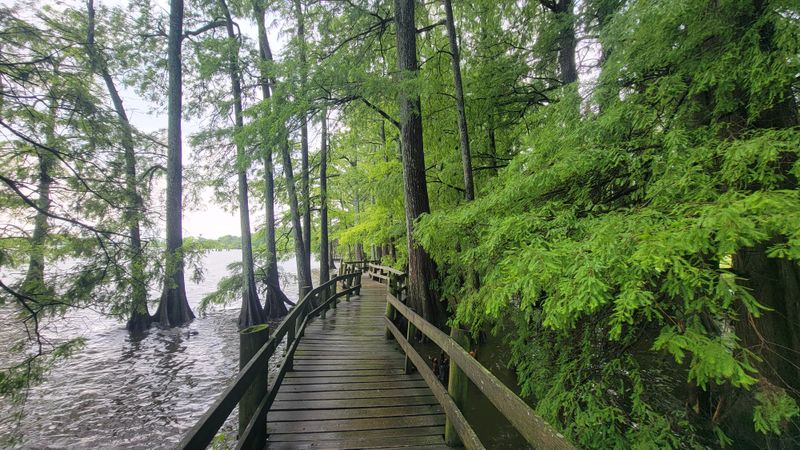
Reelfoot Lake has become a haven for wildlife, especially birds. Over 200 bald eagles winter here each year, making it one of the best eagle-watching spots in America. Visitors often see these majestic birds perched in cypress trees or soaring overhead, hunting for fish.
The lake also attracts thousands of pelicans during their spring migration. Watching these huge white birds glide across the water is unforgettable. Hawks, owls, and countless waterfowl call this place home too.
The cypress trees create an eerie, beautiful atmosphere, especially during foggy mornings. Their Spanish moss drapes like curtains, and their reflections in the still water create mirror images. Deer, raccoons, and even the occasional river otter can be spotted along the shoreline.
The combination of ancient trees, abundant wildlife, and misty waters gives Reelfoot an almost haunted beauty that captivates every visitor who experiences it firsthand.
What You Can Do at Reelfoot Lake Today
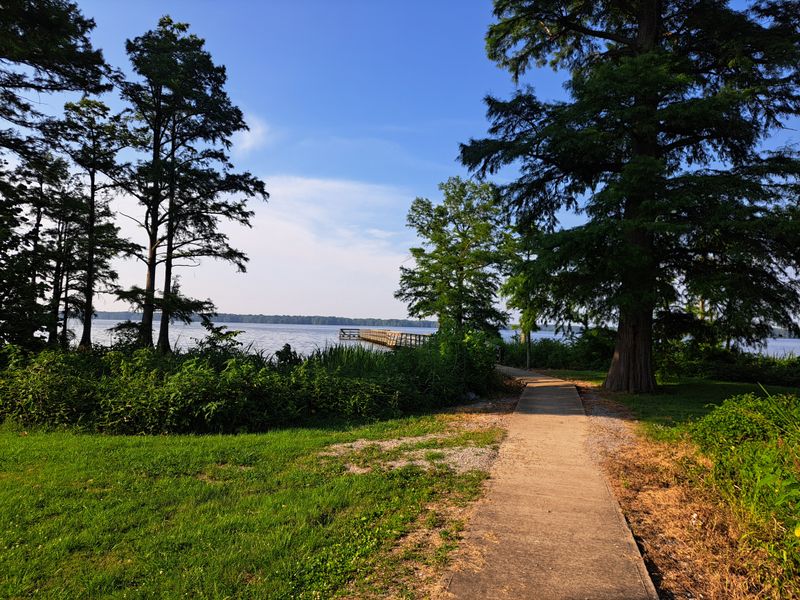
Reelfoot Lake State Park offers incredible opportunities for outdoor fun and learning. Pontoon boat tours take visitors through the cypress forest, where knowledgeable guides share stories about the lake’s formation and point out wildlife. These tours are available from spring through fall and are perfect for families.
Fishing is hugely popular here, with crappie being the main catch. The shallow, stump-filled waters make for challenging but rewarding fishing. Many visitors come specifically during crappie season to test their skills.
Hiking trails wind through the park, including boardwalks that extend over the water. The visitor center features a museum explaining the New Madrid earthquakes and displays of local wildlife. You can even see live birds of prey during ranger programs.
Camping, picnicking, and photography are other favorite activities. Whether you want adventure or relaxation, Reelfoot Lake delivers an unforgettable Tennessee experience.
Where Reelfoot Lake Is Located—and How to Visit
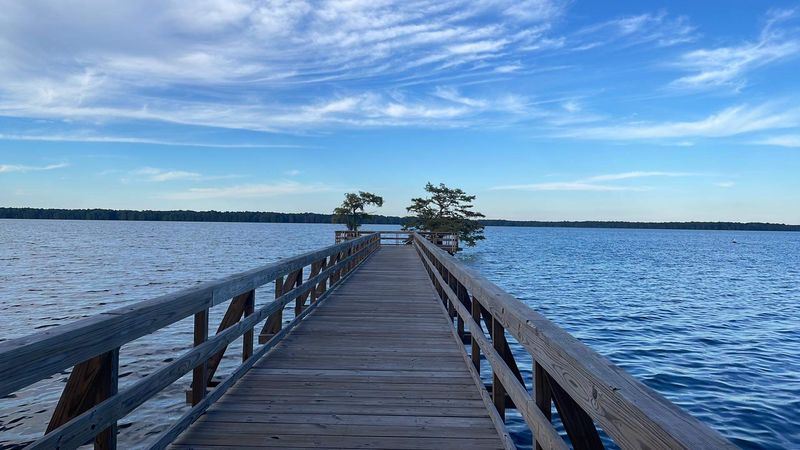
Reelfoot Lake sits in the far northwest corner of Tennessee, near the small town of Tiptonville. The state park is located at 2595 TN-21 East, about 30 minutes from Interstate 55. While it’s a bit off the beaten path, the drive is absolutely worth it.
The park is open daily from 8 AM to 4:30 PM, and admission is free. The visitor center features clean restrooms, a gift shop, and educational displays. Staff members are incredibly friendly and helpful, often going above and beyond to ensure visitors have great experiences.
Why Reelfoot Lake Is One of Tennessee’s Most Fascinating Natural Sites
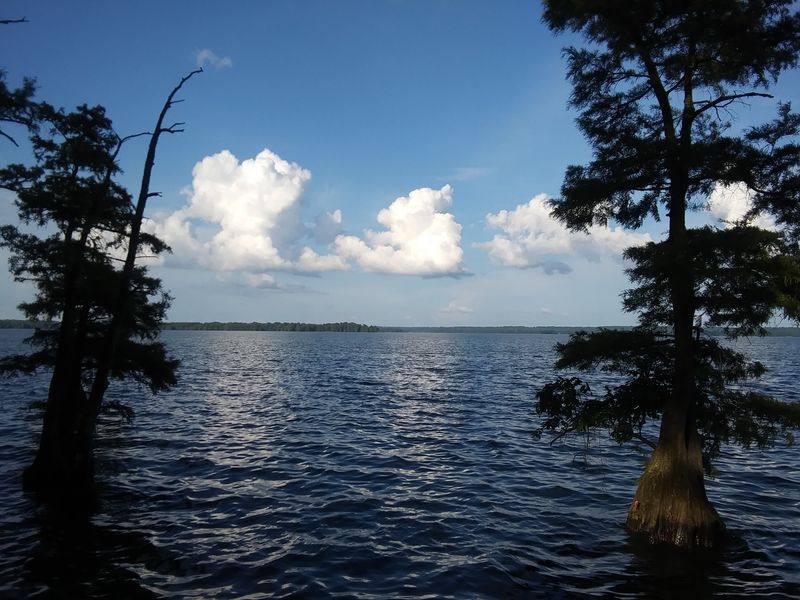
Reelfoot Lake tells a story that few places on Earth can match. It’s a living history lesson about the power of nature and how landscapes can change in moments. The fact that you can still see submerged tree stumps from forests that existed before the earthquakes makes history feel incredibly real and close.
The combination of geological significance and natural beauty creates something truly special. Where else can you witness the aftermath of earthquakes from over 200 years ago while watching bald eagles hunt? The lake’s unique ecosystem supports species that depend on its shallow, plant-filled waters.
This earthquake-born wonder proves that sometimes nature’s most violent moments can create its most beautiful and enduring treasures worth protecting for future generations.