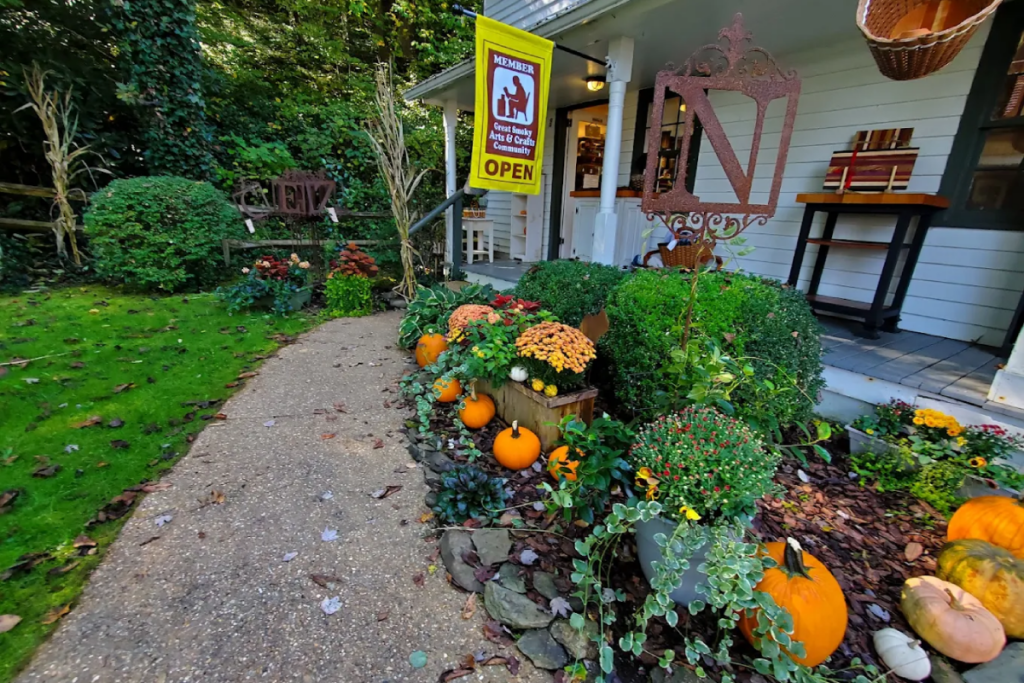
Tucked away in the foothills of the Smoky Mountains sits something truly special that most visitors drive right past without realizing what they’re missing. The Great Smoky Arts & Crafts Community in Gatlinburg is an eight-mile loop where over 100 local artisans have set up shop, keeping traditional Appalachian crafts alive while welcoming anyone curious enough to stop by.
Whether you’re hunting for one-of-a-kind souvenirs or just want to watch skilled hands turn raw materials into beautiful works of art, this hidden corner of Tennessee offers an escape from the tourist crowds and a genuine connection to mountain culture.
A Creative Side of Tennessee Hides Just Beyond Downtown Gatlinburg
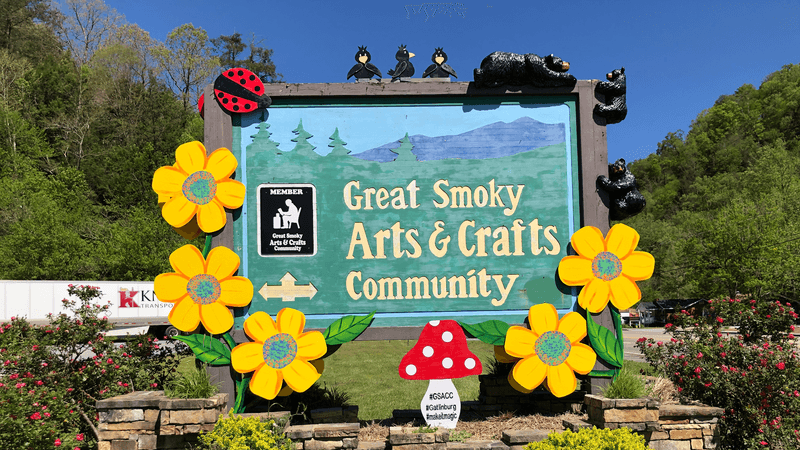
Most people think Gatlinburg means packed sidewalks, pancake houses, and miniature golf. They’re not wrong, but they’re missing the whole picture. Just a few minutes outside the main strip, Glades Road winds through a quieter, more authentic side of the Smokies where creativity takes center stage.
This isn’t some manufactured attraction designed to look quaint. The Great Smoky Arts & Crafts Community grew organically over decades as local artisans claimed spaces along this scenic route. What started as a handful of workshops has blossomed into the largest group of independent artisans in North America, all concentrated along one beautiful loop.
The contrast hits you immediately when you turn off the main drag. Traffic thins out, neon signs disappear, and suddenly you’re surrounded by charming studios tucked between mountain views. Each shop reflects the personality of the person who runs it, from hand-painted signs to gardens bursting with native plants.
Parking is easy, which already makes this better than downtown. Most shops cluster together in groups, so you can walk between several without moving your car. Restrooms are available at various points, and the locals actually seem happy to see visitors rather than overwhelmed by them.
Cell service gets spotty in places, which honestly adds to the charm. You’re forced to slow down, pay attention, and engage with real people instead of your phone. Grab a map at the first shop you visit because GPS can get confused along the winding roads.
The vibe here feels like stepping back to a time when people knew their neighbors and took pride in making things by hand. It’s refreshing, especially after battling crowds at Ripley’s Aquarium. This creative corner of Tennessee rewards those willing to venture just slightly off the beaten path.
Meet the Artists Keeping Appalachian Traditions Alive
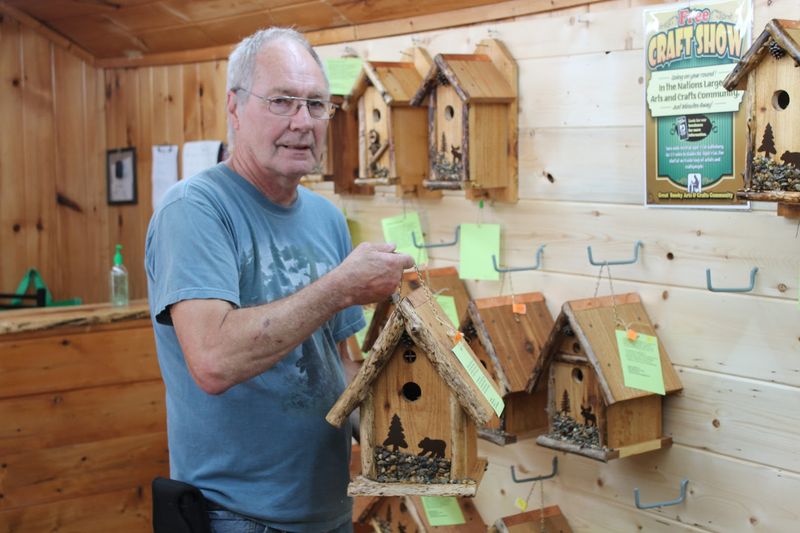
Walk into almost any shop along this loop and you’ll meet the actual person who made what you’re looking at. Not a sales clerk reading off a script, but the artist whose hands shaped that clay bowl or carved that wooden bear. That personal connection changes everything about the shopping experience.
These aren’t hobbyists dabbling in crafts on weekends. Many come from families who’ve practiced these skills for generations, passing down techniques that would otherwise disappear. Basket weavers still use white oak splits like their grandparents did.
Blacksmiths fire up forges using methods unchanged for centuries.
The conversations you’ll have here are worth as much as anything you might buy. Artists love talking about their process, their inspiration, and the history behind their craft. Ask questions and they’ll open up with stories about learning from their elders or adapting old techniques for modern pieces.
Several shops offer hands-on classes where you can try your hand at basket weaving, pottery, or other traditional crafts. Students rave about patient instructors who make beginners feel comfortable even when mistakes happen. Learning directly from a master craftsperson creates memories that last longer than any souvenir.
What strikes visitors most is how down-to-earth everyone is. No pretension, no attitude, just genuine mountain hospitality from people proud of what they create. They’ll chat about the weather, recommend other shops worth visiting, or share the best local spots for a good meal.
Supporting these artisans means supporting a way of life that modern convenience threatens to erase. Every purchase helps keep traditional Appalachian culture alive for another generation. You’re not just buying a product; you’re investing in the preservation of regional heritage and helping real families make a living doing what they love.
Every Studio and Workshop Offers Something Different
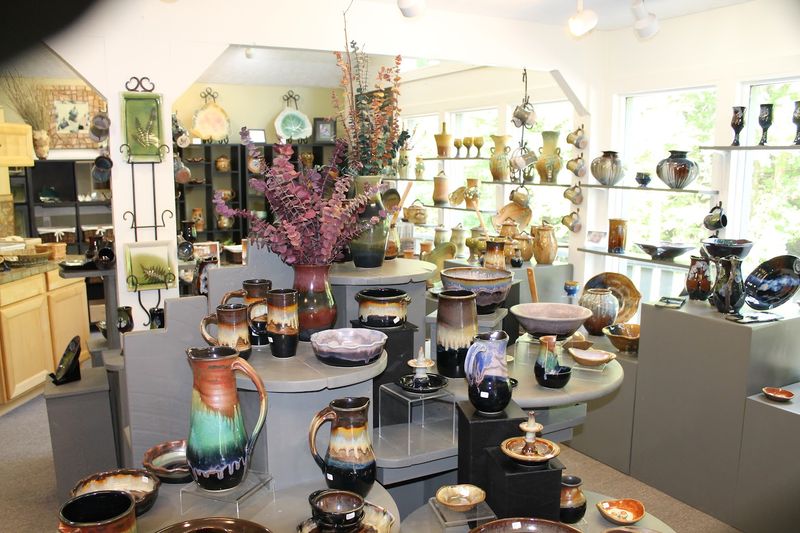
Variety might be the community’s greatest strength. You could spend an entire day exploring and never see the same type of craft twice. One shop specializes in hand-thrown pottery with gorgeous glazes. Next door, a woodworker creates furniture from salvaged barn wood. Across the street, someone’s blowing glass into delicate ornaments.
Jewelry makers work with everything from traditional silver to modern mixed media. Painters capture mountain landscapes in styles ranging from photorealistic to abstract. Weavers create textiles using looms that look like museum pieces but still produce stunning work.
Don’t overlook the more unusual specialties. Goat milk soap makers offer products gentle enough for sensitive skin, with scents ranging from lavender to lemongrass. Broom makers still craft functional pieces using traditional techniques.
One shop focuses entirely on leather goods, from belts to bags, all hand-stitched with impressive attention to detail.
The quality varies, as honest reviews point out. Some studios showcase museum-worthy craftsmanship while others lean more toward rustic charm. That’s actually part of the appeal because you get to discover your own favorites rather than following some curated corporate experience.
Prices span a wide range too. You can find affordable small items perfect for gifts alongside investment pieces that belong in serious collections. Most artisans price fairly, understanding that accessibility matters.
They’d rather sell to someone who truly appreciates their work than price out regular folks.
Woodcarvers range from those creating whimsical bears to artists producing intricate relief sculptures. The mix of skill levels and price points means everyone finds something that fits their budget and taste.
Watch Handmade Crafts Take Shape Right Before Your Eyes
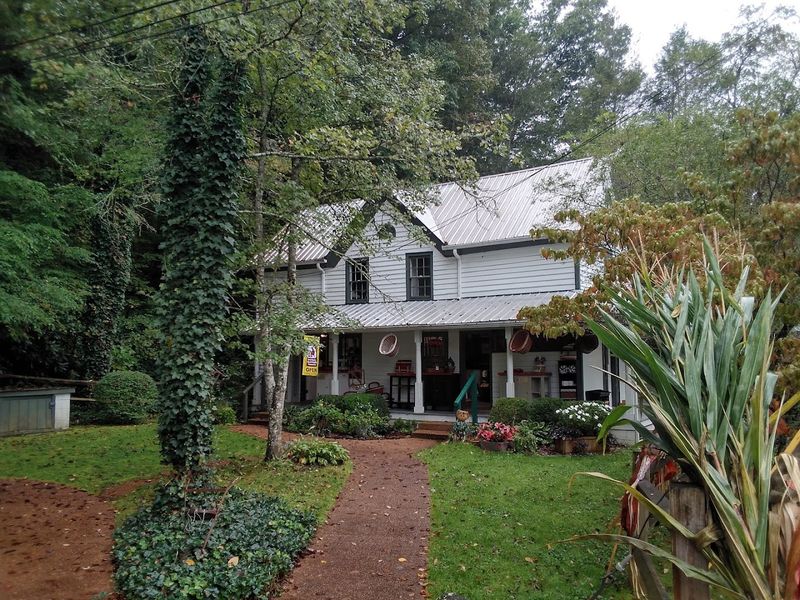
Seeing is believing, and that’s exactly what makes this place special. Many artisans work in open studios where visitors can watch the creative process unfold in real time. There’s something mesmerizing about watching skilled hands transform raw materials into finished pieces.
Potters center clay on spinning wheels, their movements so practiced they make it look effortless. Watch long enough and you’ll see a lump of mud become a perfectly symmetrical vase. The concentration on their faces shows how much focus the work demands, even after years of practice.
Glass blowers are particularly captivating. The dance between artist and molten glass happens fast, with pieces taking shape through breath, gravity, and precisely timed movements. Heat radiates from the furnace as glowing orange glass stretches and twirls into ornaments, vases, or abstract sculptures.
Woodcarvers work with chisels and knives, coaxing bears, birds, and other figures from blocks of native hardwood. Watching chips fall away to reveal hidden forms feels almost magical. The smell of fresh-cut wood fills their workshops, mixing with the sound of tools against timber.
Weavers operate looms with rhythmic precision, threads interlacing to create complex patterns. The mechanical clicking becomes hypnotic as fabric grows inch by inch. Some demonstrate spinning wheels, showing how raw wool becomes yarn before being woven into textiles.
Blacksmiths heat iron until it glows, then hammer it into hooks, hinges, or decorative pieces. Sparks fly with each strike, and the ring of metal on metal echoes through their forges. It’s physical, dramatic work that commands respect.
This transparency builds appreciation for handmade goods. When you see how much skill, time, and effort goes into each piece, prices suddenly make perfect sense. You’re not just buying an object; you’re compensating someone for years of learned expertise.
From Pottery to Paintings, the Variety Is Remarkable
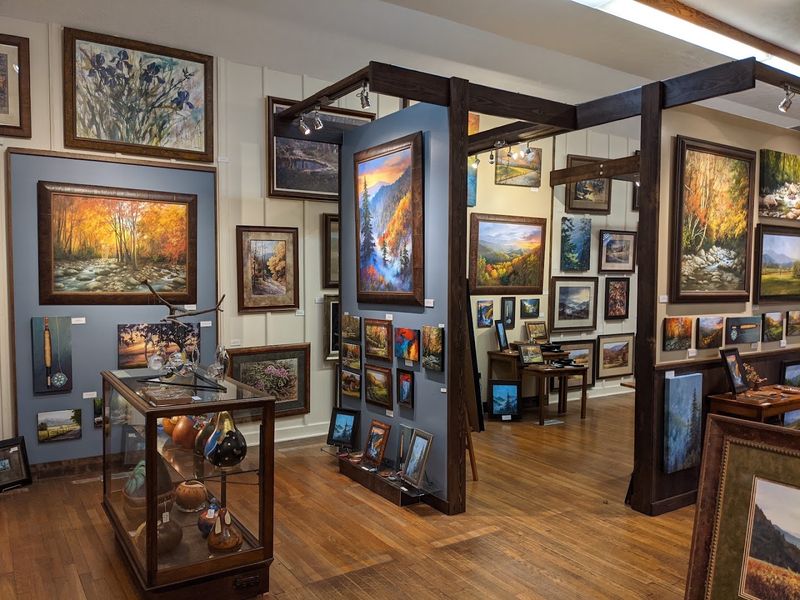
Walking through this community feels like touring a living museum where everything’s actually for sale. The range of artistic expression on display would impress even the pickiest art lover. Traditional Appalachian crafts sit alongside contemporary interpretations, creating a fascinating blend of old and new.
Pottery ranges from functional pieces you’d actually use daily to sculptural works that belong on display shelves. Glazes come in every color imaginable, from earthy browns and forest greens to vibrant blues and sunset oranges. Some potters stick with classic forms while others push boundaries with modern shapes.
Paintings capture the Smokies in every season and style. Misty mountain mornings, fiery autumn forests, snow-dusted peaks, and wildflower meadows all make appearances. Some artists work in oils, others prefer watercolors, and a few create mixed-media pieces incorporating natural materials like pressed leaves or bark.
Textile arts get serious attention here. Hand-woven blankets, quilts stitched with intricate patterns, and embroidered items showcase needle skills passed down through generations. The workmanship is exceptional, with some pieces requiring hundreds of hours to complete.
Wood crafts span from practical furniture to purely decorative carvings. Rocking chairs built to last generations share space with whimsical yard art. Cutting boards, turned bowls, and carved walking sticks all demonstrate different approaches to working with timber.
Metalwork includes everything from delicate jewelry to heavy iron gates. Copper pieces develop beautiful patinas over time. Silver smiths create rings, pendants, and bracelets incorporating local gemstones. Blacksmiths forge functional items that also qualify as art.
The variety means you’ll definitely find something that speaks to you personally. Whether your taste runs toward rustic country charm or sleek contemporary design, some artisan along this loop is making exactly what you didn’t know you needed until you saw it.
The Scenic Eight-Mile Loop Makes Exploring Part of the Fun
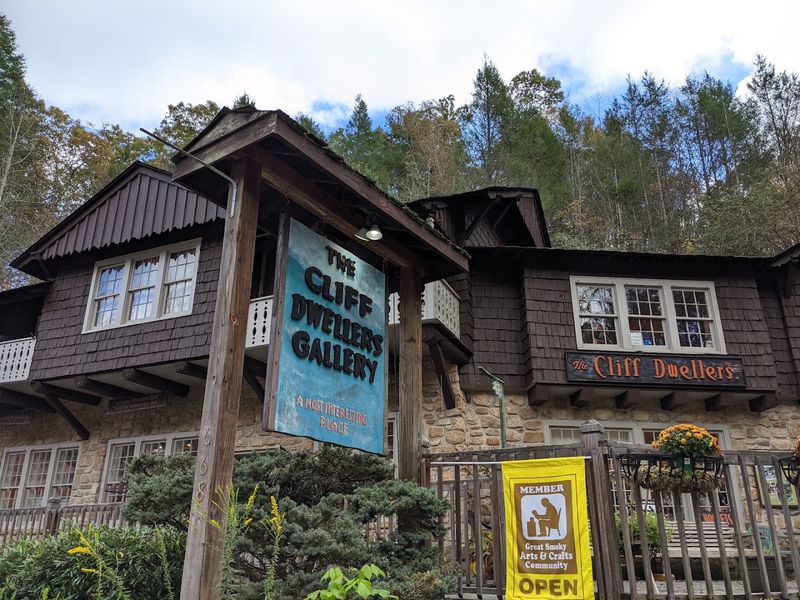
Geography plays a huge role in what makes this community special. The eight-mile loop follows natural mountain contours, offering beautiful views between shop clusters. Driving or walking this route becomes part of the experience rather than just transportation between destinations.
Shops group together in nodes, making it easy to park once and explore several studios on foot. These clusters happen naturally where the terrain flattens out, creating little artistic neighborhoods. You might find five or six shops within easy walking distance, then drive a bit to the next grouping.
The road itself winds through forest and countryside, providing breathing room between commercial areas. Mountain views pop up around curves, especially gorgeous during fall when leaves explode into color. Spring brings wildflowers, summer offers lush greenery, and winter reveals the landscape’s bones.
Some visitors complete the entire loop in a few hours, hitting highlights. Others dedicate a full day to thorough exploration, stopping at every open studio. The flexible format lets you set your own pace without feeling rushed or bored.
Rain doesn’t ruin the experience since you’re mostly driving between indoor shops. Most shops provide free maps showing all member locations, with updated hours since they vary considerably.
The loop’s length means you’re genuinely exploring rather than just walking a crowded downtown street. It feels like a treasure hunt, never quite knowing what you’ll discover around the next bend. That sense of adventure keeps things interesting even for repeat visitors.
Physical accessibility varies by shop, with some easier to navigate than others. Parking is generally plentiful, a huge advantage over downtown Gatlinburg where finding a spot can take longer than your actual visit. The relaxed atmosphere encourages lingering rather than rushing through on a tight schedule.
Why This Gatlinburg Arts Village Is Worth Slowing Down For
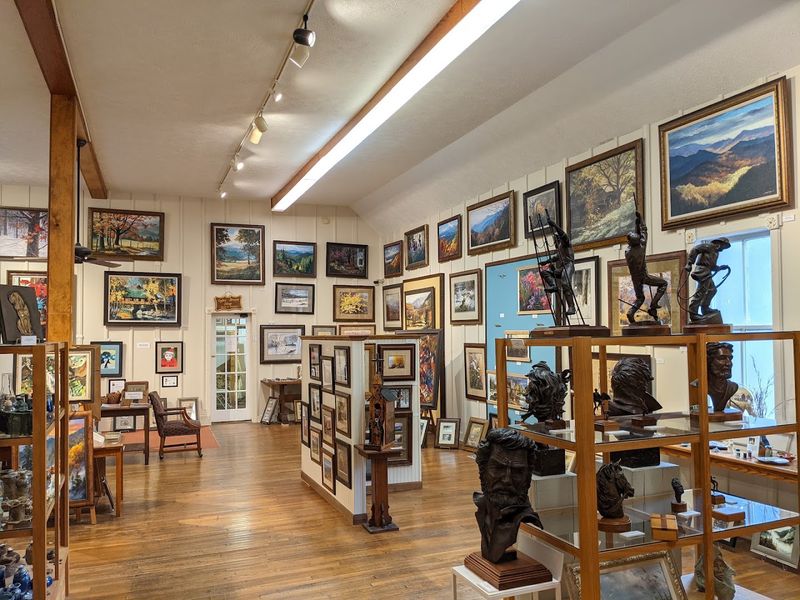
Modern life moves fast, constantly pushing us to the next thing on our schedule. This community offers permission to slow down and actually pay attention to quality, craftsmanship, and human connection. That might be its most valuable offering in an age of mass production and online shopping.
Buying directly from makers changes the transaction into something meaningful. You hear the story behind each piece, understand the techniques involved, and support someone’s livelihood in a direct, tangible way. That connection adds value no Amazon purchase can match.
The absence of corporate chains and franchise restaurants feels refreshing. Everything here reflects individual creativity and personal vision rather than focus-group-tested marketing strategies. You’re supporting actual families, not shareholders.
Visitors consistently mention how friendly everyone is, from shop owners to fellow tourists. The relaxed pace encourages conversations that would never happen in busier settings. You might learn about local history, get restaurant recommendations, or just enjoy chatting with someone who genuinely loves what they do.
For families, this offers educational value beyond typical tourist attractions. Kids see that products don’t just magically appear in stores; real people make them through skill and hard work. Some shops welcome questions from young visitors, planting seeds of appreciation for handmade goods.
The community provides an antidote to downtown Gatlinburg’s sensory overload. After battling crowds and neon, this quieter alternative lets you reset and remember why you came to the mountains in the first place. Nature, creativity, and authentic culture matter more than another T-shirt shop.
Prices are generally fair, especially considering you’re buying one-of-a-kind handmade items. You’ll find affordable small gifts alongside investment pieces. Most importantly, you’ll leave with something truly special rather than generic souvenirs that could come from anywhere.
Share this story