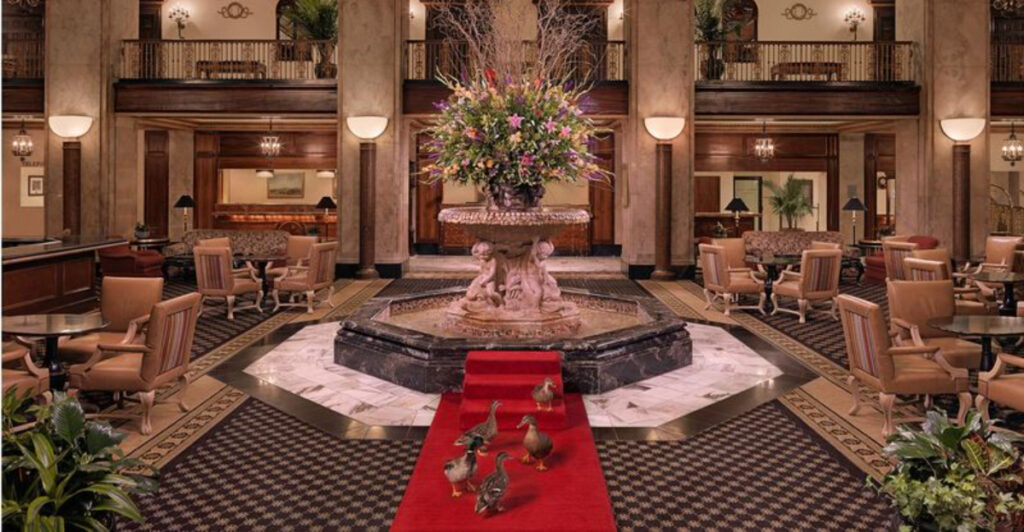
Memphis has barbecue, blues, and something you won’t find anywhere else on the planet—five mallard ducks who march through a grand hotel lobby like they own the place. The Peabody Memphis has been rolling out the red carpet for these feathered celebrities since 1933, turning what started as a practical joke into one of the most beloved traditions in Tennessee.
Twice daily, crowds gather in the marble-columned lobby to watch these ducks waddle to and from their fountain home, proving that sometimes the quirkiest ideas become the most memorable experiences.
The Twice-Daily Duck March That Stops Traffic
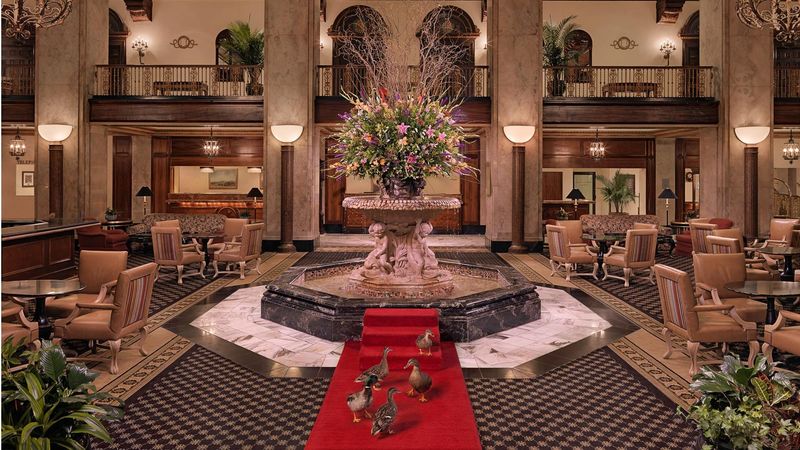
Picture this: John Philip Sousa’s “King Cotton March” starts playing, a red carpet rolls out across gleaming marble floors, and five North American mallards waddle down from their penthouse suite like they’re headed to the Oscars. That’s 11 a.m. and 5 p.m. every single day at The Peabody Memphis.
Hundreds of people pack the lobby, phones out, watching ducks do what ducks do best—steal the show.
The whole thing started in 1933 when General Manager Frank Schutt came back from a hunting trip feeling mischievous. He released his live duck decoys into the lobby fountain as a prank.
Guests loved it so much that what began as a joke became a permanent fixture.
In 1940, a bellman named Edward Pembroke—who’d worked as a circus animal trainer—taught the ducks their famous march. He served as Duckmaster for fifty years, setting the standard for the role that continues today.
The current Duckmaster, Kenon, doesn’t just shepherd ducks; he entertains the crowd with stories, jokes, and genuine warmth that makes strangers feel like regulars.
Getting a good spot means arriving at least thirty minutes early. The lobby fills fast, especially during tourist season and weekends.
Folks line the railings, claim spots near the fountain, and position themselves along the carpet route like they’re waiting for a royal procession.
After the march, many visitors grab drinks at the lobby bar or explore the shops tucked inside the hotel. The whole experience is free, which makes it even sweeter.
You don’t need to be a hotel guest to witness this slice of Memphis magic.
What makes the duck march special isn’t just the novelty—it’s the shared joy. Kids giggle, adults grin like children, and for five minutes, everyone forgets their phones long enough to watch something wonderfully weird.
That’s the kind of memory that sticks around long after vacation photos fade.
The Rooftop Palace Where Ducks Sleep Like Royalty
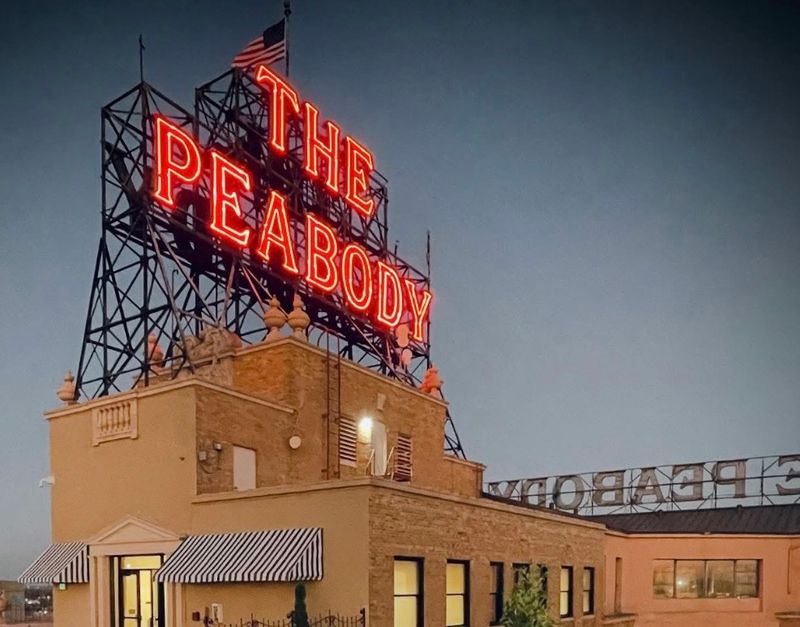
While guests sleep on the ninth floor, the Peabody ducks spend their nights one level up in accommodations most humans would envy. The rooftop Royal Duck Palace isn’t some glorified chicken coop—it’s a custom-designed habitat complete with its own fountain, swimming area, and shelter that protects the famous five from Memphis weather.
The ducks get the penthouse treatment because they’ve earned it. They’re not just hotel mascots; they’re the main attraction, drawing visitors from across the globe.
Their rooftop digs give them space to paddle, preen, and do normal duck things away from the crowds that gather twice daily in the lobby below.
Each morning, the Duckmaster takes the elevator up to collect the ducks for their 11 a.m. march. The birds know the routine so well they waddle right into the elevator without coaxing.
After their lobby shift ends at 5 p.m., they ride back up to their rooftop retreat, where they’ll spend the evening splashing around in private.
The setup reflects how seriously The Peabody takes its duck program. These aren’t random mallards plucked from a pond—they’re carefully selected from a farm and rotate through the role.
After their service at the hotel, they retire to a farm where they live out their days in duck paradise.
Security measures keep the ducks safe from overeager fans and Memphis’s unpredictable weather. The rooftop habitat stays off-limits to guests, maintaining the birds’ privacy and wellbeing.
Hotel staff monitors the ducks’ health, diet, and comfort with the kind of attention usually reserved for VIP guests.
The contrast between the ducks’ luxurious lifestyle and their humble mallard origins creates part of the charm. They’re regular birds living an irregular life, and somehow that captures the imagination better than any exotic species could.
At The Peabody, even the ducks understand that location matters, and rooftop real estate beats everything else.
The Duckmaster Who Makes Magic Happen
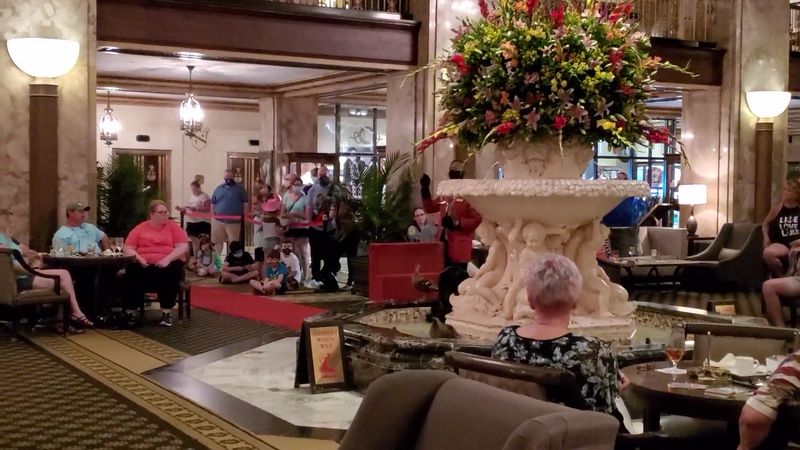
Kenon doesn’t just herd ducks—he hosts one of Memphis’s most popular daily shows with the timing of a comedian and the warmth of your favorite uncle. As The Peabody’s current Duckmaster, he’s the human face of a tradition that’s outlasted most Broadway productions, and he treats every march like opening night.
The role demands more than animal handling skills. A good Duckmaster reads the crowd, delivers history with humor, and makes sure every person crammed into that lobby feels included in the experience.
Kenon nails all three, weaving together 150 years of hotel history with Memphis lore and duck trivia that keeps everyone engaged.
What separates great Duckmasters from good ones is genuine care. Kenon takes time with kids, answering their questions about where the ducks sleep and what they eat.
He jokes with adults, poses for photos, and never acts like he’s done this thousands of times before, even though he has.
The position carries serious responsibility. These ducks represent The Peabody’s brand, and the Duckmaster is their guardian, spokesperson, and choreographer.
Edward Pembroke, the original Duckmaster, set an impossibly high standard during his fifty-year tenure. He turned a quirky hotel feature into a Memphis institution that rivals Beale Street for tourist attention.
For fifteen bucks, visitors can take Kenon’s historic tour, which goes beyond the duck march into the hotel’s fascinating past. He shares stories about famous guests, architectural details, and Memphis history that you won’t find in guidebooks.
The tour runs about an hour and gives context that makes the duck march even more meaningful.
Watching Kenon work reveals why some traditions endure while others fade. He respects the history without treating it like a museum piece.
He keeps things fun without going cheesy. And he genuinely seems to love those ducks, which makes everyone else love them too.
The Grand Lobby That Serves As Duck Central
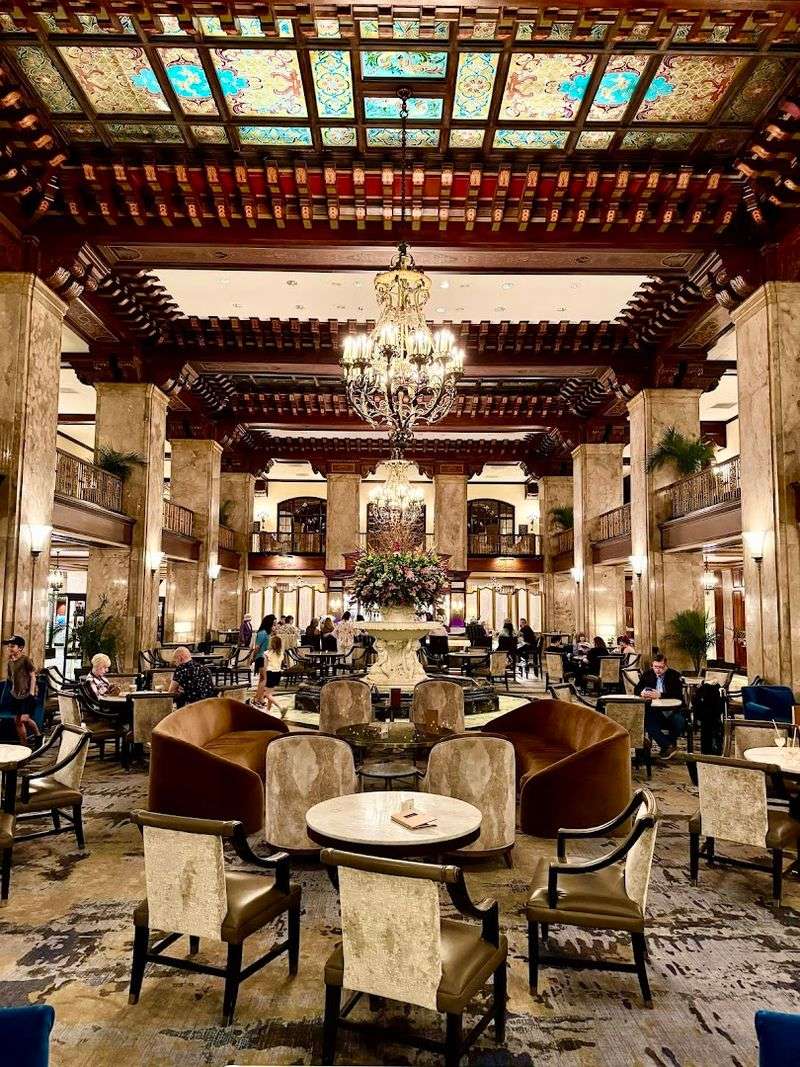
Walking into The Peabody’s lobby feels like stepping onto a movie set where someone forgot to yell cut. Travertine marble columns stretch toward ornate ceilings, Italian marble floors gleam under massive chandeliers, and right in the center sits the fountain that five ducks call home for eight hours daily.
This isn’t just a hotel lobby—it’s a stage.
The fountain itself became famous by accident, but now it’s as essential to The Peabody’s identity as the ducks themselves. Guests gather around its edge with drinks from the lobby bar, watching mallards paddle in circles while live piano music drifts across the space.
The whole scene feels pleasantly stuck in time, like Memphis decided the 1930s got some things right and saw no reason to change them.
Architectural details throughout the lobby showcase the craftsmanship that modern construction often skips. Hand-carved woodwork, detailed moldings, and Art Deco touches remind visitors that this thirteen-story building opened in 1925 with the goal of being the South’s finest hotel.
Nearly a century later, that ambition still shows in every corner.
The lobby bar does steady business with both hotel guests and locals who drop by for expertly crafted cocktails. Bartenders mix drinks featuring local favorites alongside classic recipes, served in an atmosphere that encourages lingering.
Watching the duck march with a bourbon in hand has become a Memphis rite of passage for those who appreciate the finer points of regional tourism.
Security presence throughout the lobby stays professional but unobtrusive. The Peabody sits half a mile from Beale Street, making it popular with visitors who want easy access to Memphis nightlife without sleeping in the middle of it.
The lobby serves as a sophisticated buffer zone between the historic hotel and the city’s rowdier attractions.
What makes the space special isn’t just the marble and the ducks—it’s how the lobby functions as Memphis’s living room, where tourists and locals mix naturally, united by their appreciation for a tradition that refuses to take itself too seriously.
The Historic Hotel Behind The Famous Fowl
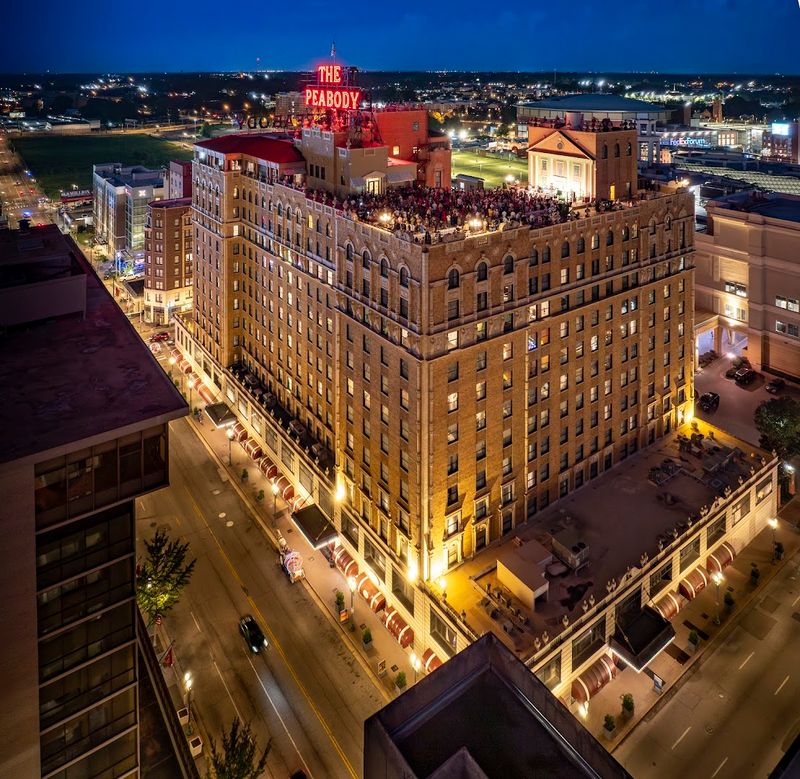
Before the ducks made The Peabody famous, the hotel was already making history. The current building opened in 1925, replacing an earlier Peabody that had operated since 1869.
For nearly a century, this thirteen-story landmark has hosted presidents, celebrities, and countless travelers who wanted to experience what Southern hospitality looks like when money’s no object.
Location puts guests within walking distance of Beale Street’s music scene, downtown restaurants, and the Mississippi River. The hotel sits far enough from the loudest bars that you won’t hear blues guitar at 2 a.m., but close enough that you can stumble back after a night out without needing a ride.
That balance matters in a city where nightlife runs late and loud.
Guest rooms blend contemporary style with classic elegance—vibrant decor, flat-screen TVs, comfortable bedding that guests rave about in reviews, and Wi-Fi that actually works. Bathrooms run small by modern standards, a quirk of vintage architecture that some find charming and others find cramped.
The hotel doesn’t hide its age; it celebrates it.
Specialty suites take luxury further with features like spiral staircases, fireplaces, and wet bars. The Romeo and Juliet suite attracts couples celebrating anniversaries or honeymoons, though whether Shakespeare would approve of the association remains debatable.
These rooms cost significantly more than standard accommodations, but they deliver the kind of experience people remember decades later.
Dining options include a French restaurant and Italian steakhouse, plus the lobby bar that stays busy from morning coffee through late-night cocktails. Sunday brunch and afternoon tea offer more civilized ways to experience The Peabody’s culinary program.
Room service delivers meals on rolling carts with tablecloths, flowers, and decorative plates—touches that feel extravagant until you realize they’re just standard procedure.
Amenities cover everything modern travelers expect: indoor pool, spa, fitness center, business center, and abundant event space that makes The Peabody popular for weddings and conferences. The hotel balances its historic character with contemporary conveniences better than most properties that try walking that line.
Yes, you’re staying in a building that’s nearly 100 years old, but your room has everything a brand-new hotel would offer, plus considerably more personality.
Share this story