A little red fishing shack on the Massachusetts coast became so famous that artists simply call it Motif No. 1. That alone tells you how much history can hide inside an ordinary-looking town.
And it only gets more interesting from there. One place on this list claims a connection to the birth of the American Navy.
Another still has a grist mill dating to 1654. Elsewhere, old granite quarries, fishing traditions, battle greens, sea captains’ homes, and brick sidewalks keep the past close enough to notice without stepping inside a museum.
These are the kinds of towns that reward a slower pace. Park the car, wander the Main Street, read the historical markers, and give yourself time to duck into an old shop or follow a side street just because it looks interesting.
I love that so much of Massachusetts history is still sitting in plain sight. Rushing through these places would feel a little like skimming the best chapter of a book.
1. Concord
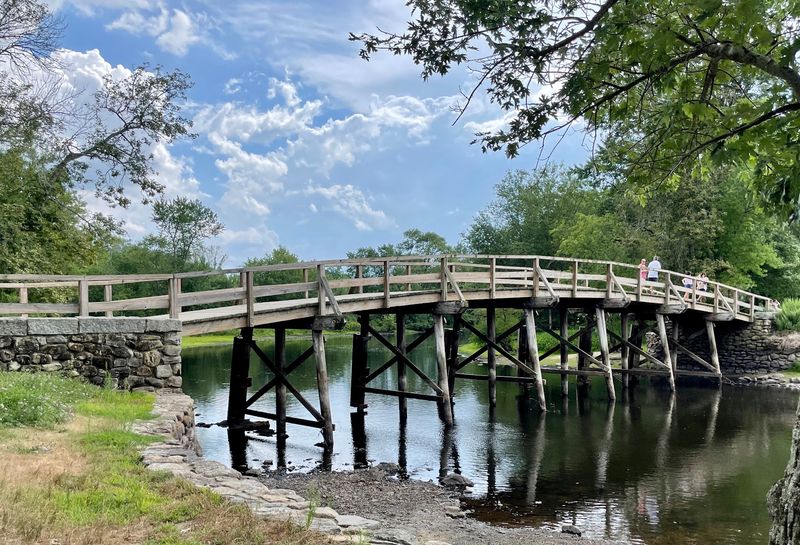
Few small towns can claim a famous battle, a classic novel, and a legendary pond within a short drive. Concord pulls off that hat trick with surprising ease.
Start at the Old North Bridge, part of Minute Man National Historical Park. Colonial militia faced British troops here on April 19, 1775, in one of the first fights of the American Revolution.
Near the bridge stands the Minute Man statue by sculptor Daniel Chester French. Lines from Ralph Waldo Emerson’s poem about the ‘shot heard round the world’ are carved into its base.
The North Bridge Visitor Center sits on a hill above the river. It’s a handy place to grab maps and get your bearings before exploring.
Book lovers, this is your stop. Louisa May Alcott wrote Little Women at Orchard House, and the home is now a museum you can tour.
Emerson’s own house still stands in town too. Henry David Thoreau, meanwhile, lived in a small cabin at Walden Pond from 1845 to 1847.
Walden Pond State Reservation lets you walk the shoreline and see a replica of that cabin. It’s a calm spot to think, which feels pretty fitting.
Back in the town center, independent shops and colonial buildings line walkable streets. Plan time to browse instead of just snapping photos through the windshield.
For a quiet finish, visit Authors Ridge at Sleepy Hollow Cemetery. Emerson, Thoreau, and the Alcotts rest on this shady hill, bringing the town’s literary story full circle.
Spring brings Patriots’ Day events honoring the 1775 battle. Check the park’s schedule ahead of time, since ranger programs change with the seasons.
A smart plan? Pair one history site with one literary site each day, and Concord will reward your slower pace.
Address: Concord, Massachusetts 01742
2. Lexington
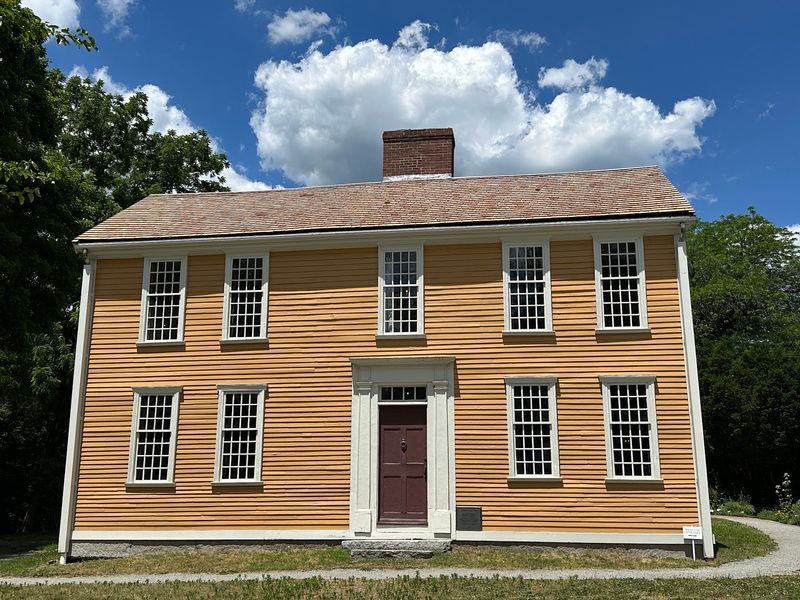
History buffs argue about plenty, but Lexington’s spot in the story is hard to beat. The first shots of the American Revolutionary War rang out on its town green in April 1775.
That green is now called the Lexington Battle Green. It’s a simple grassy triangle, yet standing there gives you a real sense of how small and personal that first clash was.
Look for the Minuteman statue at the edge of the green. It honors Captain John Parker, who led the local militia that morning.
Right across the street sits Buckman Tavern. Militia members gathered here while waiting for British troops to arrive, and the building now welcomes visitors as a museum.
Hancock-Clarke House is another must. John Hancock and Samuel Adams were staying there when Paul Revere rode in with his famous warning.
Then there’s Munroe Tavern, which British soldiers used during their retreat. Seeing all three historic houses gives you the full arc of that wild day.
Got kids who get restless in museums? Rent bikes or bring your own for the Minuteman Commuter Bikeway, which runs right through town on an old rail line.
Massachusetts Avenue serves as the main drag, with shops and places to eat near the green. It feels like a classic New England main street without trying too hard.
The town also hosts a dawn reenactment of the battle on Patriots’ Day each April. Expect an early alarm clock, since the action starts before sunrise.
Lexington pairs naturally with neighboring Concord. The Battle Road Trail in Minute Man National Historical Park links the two towns along the route British troops traveled.
Give yourself at least half a day here. Rushing past the green would mean missing the spot where a whole country’s story began.
Address: Lexington, Massachusetts
3. Stockbridge
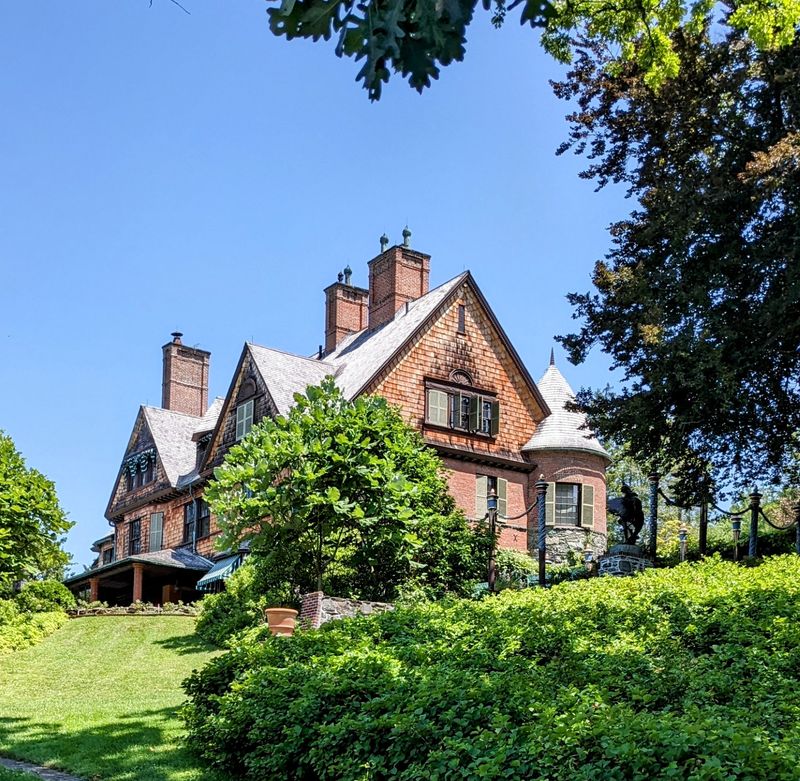
Norman Rockwell once painted this Main Street, and honestly, it still looks ready for a canvas. Stockbridge has that kind of storybook charm.
The town was established in 1734 in the Berkshires of western Massachusetts. Today it’s home to fewer than 2,000 people, which keeps the pace pleasantly slow.
Anchoring Main Street is the Red Lion Inn, which has welcomed travelers since around 1773. Its long front porch is one of the most photographed spots in town.
Rockwell lived and worked in Stockbridge for years. The Norman Rockwell Museum holds a large collection of his original art, along with his relocated studio.
Art fans should also visit Chesterwood. Sculptor Daniel Chester French used this estate as his summer home and studio, and he worked on the Lincoln Memorial statue there.
For something older, head to the Mission House. It dates to the 1700s and tells the story of the town’s early mission to the local Mohican community.
Main Street itself is short and walkable. Historic storefronts and country inns line the sidewalk, so slow down and pop into a few shops.
Gardeners will love the Berkshire Botanical Garden just outside the town center. Naumkeag, a grand Gilded Age estate with famous gardens, is also close by.
Visiting in December? Stockbridge recreates Rockwell’s famous Main Street painting with vintage cars during its holiday celebration.
Fall brings bright foliage across the surrounding hills. Plan your drive along back roads rather than the highway to soak in the scenery.
Stockbridge isn’t a place for checking boxes. It’s a place for lingering on a porch and letting the afternoon stretch out.
Address: Stockbridge, Massachusetts
4. Plymouth
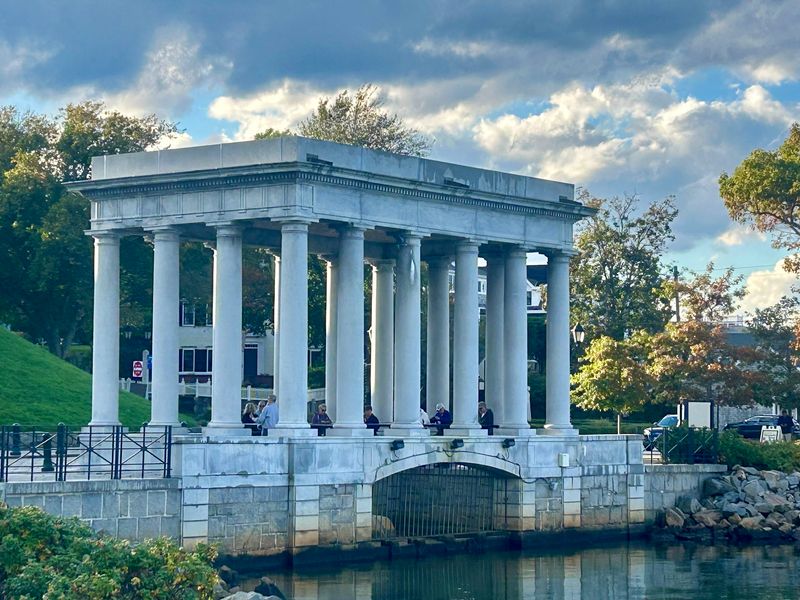
A single rock draws visitors from around the world to this seaside town. Plymouth calls itself America’s Hometown, and it’s got the receipts.
English Pilgrims arrived aboard the Mayflower in 1620 and founded the settlement here. It became one of the earliest English colonies in North America.
Plymouth Rock sits inside a granite portico at Pilgrim Memorial State Park. Yes, it’s smaller than many people expect, and that’s part of the fun.
Docked nearby, the Mayflower II gives you a feel for the original ship. This full-scale replica lets you see just how cramped that ocean crossing must have been.
Pilgrim Hall Museum opened in 1824. It’s known as the oldest continuously operating public museum in the United States, and it holds real Pilgrim belongings.
Plimoth Patuxet Museums brings the 1600s to life just outside downtown. You can explore a recreated English village and learn about the Wampanoag people who lived here first.
Want a view? Climb Burial Hill above the town center, where early settlers were laid to rest and the harbor stretches out below.
The waterfront itself is great for a stroll. Boats bob in the harbor, and shops and seafood spots line the streets nearby.
Thanksgiving week brings parades and special events. If crowds aren’t your thing, try a late spring or early fall visit instead.
Plymouth’s history runs deeper than one famous story. Give the museums real time, and you’ll leave with a fuller picture of how Massachusetts began.
A full day here goes quickly. Two days feels just right for seeing the town without racing between landmarks.
Address: Plymouth, Massachusetts
5. Salem
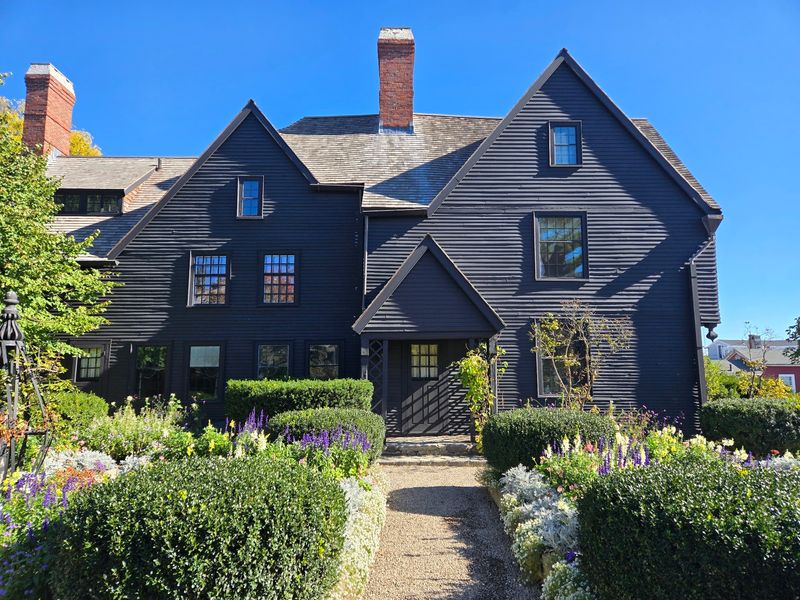
Witches get most of the headlines, but Salem’s sailing history might surprise you even more. This seaport city has stories that stretch far beyond 1692.
Salem was founded in 1626. The infamous witch trials happened here in 1692, and the town now remembers that dark chapter with care.
The Salem Witch Trials Memorial offers a quiet place to reflect. Stone benches carry the names of the people who were accused and executed.
Now for the ships. Salem Maritime National Historic Site preserves wharves, warehouses, and the Custom House from the days when Salem traded with ports across the globe.
Author Nathaniel Hawthorne once worked at that Custom House. He also put the House of the Seven Gables on the map, and you can tour the real mansion today.
The Peabody Essex Museum is a big draw too. Its collections span art and culture from around the world, tied to Salem’s trading past.
Brick walkways make downtown easy to explore on foot. Federal-style homes from the 1700s and 1800s line many streets, so look up as you walk.
October is Salem’s busiest month by far, thanks to its Haunted Happenings celebration. Book rooms early, or consider a calmer visit in spring or summer.
Love spooky shops and psychic readings? You’ll find plenty, but don’t skip the harbor walk and historic houses.
Getting here is simple, since commuter rail runs from Boston. Leave the car behind and save yourself a parking headache.
Salem works best when you mix the eerie with the elegant. Balance a witch museum with a maritime tour, and the city’s full personality shines through.
Address: Salem, Massachusetts
6. Rockport
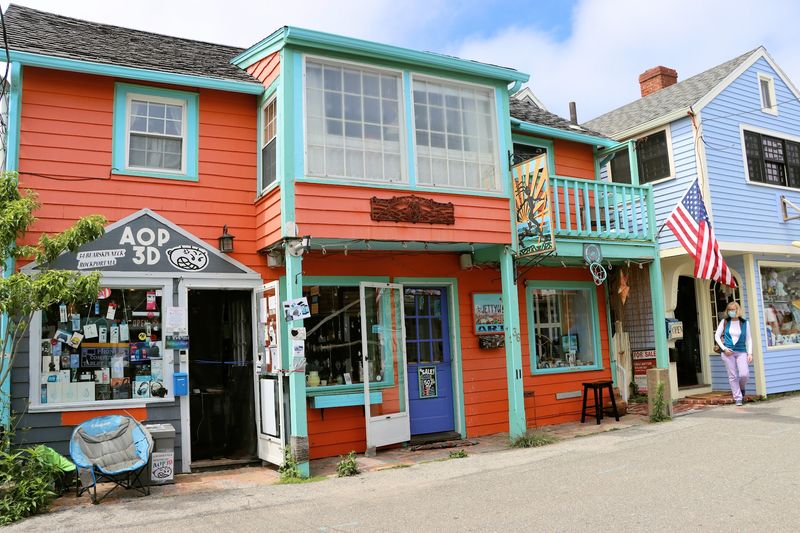
One red fishing shack has inspired so many paintings that artists named it Motif No. 1. Rockport wears that fame proudly.
The shack sits on a wharf in the harbor, covered in colorful lobster buoys. The original was lost in the Blizzard of 1978, and the town quickly rebuilt it.
Rockport sits on Cape Ann at the tip of the Massachusetts North Shore. In the 1800s, it thrived on granite quarrying and fishing.
That granite still shows up around town. Halibut Point State Park lets you explore an old quarry filled with water, with ocean views on clear days.
Bearskin Neck is the main event for walkers. This narrow strip of land pokes into the harbor and is packed with small shops, galleries, and snack spots.
Walk to the very end of the Neck for a view of the open Atlantic. It’s a great spot to catch the breeze after browsing.
Art has deep roots here. The Rockport Art Association and Museum was founded in 1921 and still shows work by local artists.
Galleries dot the downtown streets too. Even if you’re not buying, wandering through them is a fun way to spend an afternoon.
Parking can be tight in summer, so consider the park-and-ride shuttle when it’s running. Commuter rail also connects Rockport with Boston.
Bring a sketchbook or at least a good camera. You’ll probably find your own Motif No. 2 somewhere along the water.
Rockport is small, but it doesn’t rush you. Let the harbor set the tempo, and the day will take care of itself.
Address: Rockport, Massachusetts
7. Marblehead
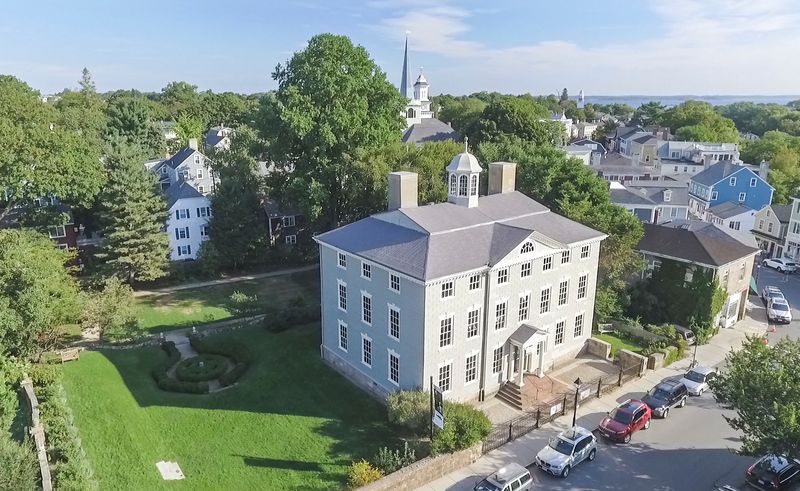
Marblehead proudly calls itself the birthplace of the American Navy. For a small harbor town, that’s quite the title.
Settled in 1629, the town is famous for sailors who served during the Revolution. Its harbor is still packed with boats on summer days.
Wandering the Old Town feels like stepping back a few centuries. Narrow, winding lanes are lined with colonial and pre-Revolutionary homes, many marked with their original build dates.
In fact, Marblehead has one of the largest collections of original colonial architecture in the country. You don’t need a tour to enjoy it, just comfortable shoes.
Stop by Abbot Hall, the town hall with the tall clock tower. Inside hangs The Spirit of ’76, the famous painting of a fife and drum trio.
The Jeremiah Lee Mansion is another highlight. Built in 1768 for a wealthy merchant, it’s a museum today with original hand-painted wallpaper.
For harbor views, head to Fort Sewall at the mouth of the harbor. The old fort dates back to the 1600s and makes a great picnic spot.
Chandler Hovey Park sits out on Marblehead Neck. Its iron lighthouse and rocky shoreline make for an easy, scenic outing.
Old Burial Hill offers a quieter view over the water. It’s one of the oldest burial grounds in New England, and the headstones tell local stories.
Parking near the Old Town fills quickly on weekends. Arrive early or plan to walk a bit from the edges of downtown.
Marblehead rewards curiosity more than speed. Take a wrong turn down a tiny lane, and you’ll likely find something worth seeing.
Address: Marblehead, Massachusetts
8. Sandwich
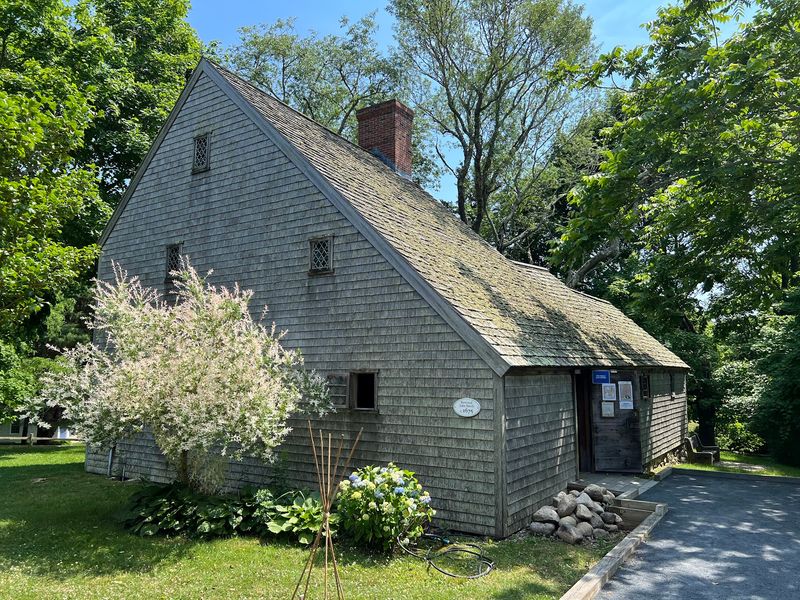
Cape Cod’s oldest town shares its name with a famous snack, but its history goes back much further. Sandwich still has a grist mill dating to 1654.
Settled in 1637 and incorporated in 1639, Sandwich sits right where the Cape begins. It’s a quiet first stop for anyone crossing the canal.
The Dexter Grist Mill stands beside Shawme Pond in the village center. Its waterwheel and wooden frame make it one of the prettiest sights in town.
Just across the pond sits the Hoxie House. Built in the 1600s, it’s one of the oldest houses on Cape Cod and gives you a peek at early colonial life.
Glass lovers have their own reason to visit. The Sandwich Glass Museum tells the story of the town’s 19th-century glassmaking boom, with live glassblowing demonstrations.
Craving salt air? The Sandwich Boardwalk stretches over a marsh to Town Neck Beach, and it’s an easy, scenic walk.
Heritage Museums and Gardens is another favorite. Its grounds feature gardens, antique cars, and a classic carousel that kids and adults both enjoy.
The town green and nearby historic homes make the village center easy to explore on foot. Most of the main sights are close together.
Spring is a lovely time to come, when the gardens start blooming. Summer brings more visitors to the Cape, so plan ahead for beach days.
Sandwich is easy to rush past on the way to busier Cape towns. Don’t make that mistake, because the village has more history per block than you’d guess.
Grab a map, park once, and wander. This little Massachusetts town makes a perfect slow-start to any Cape trip.
Address: Sandwich, Massachusetts
9. Sturbridge
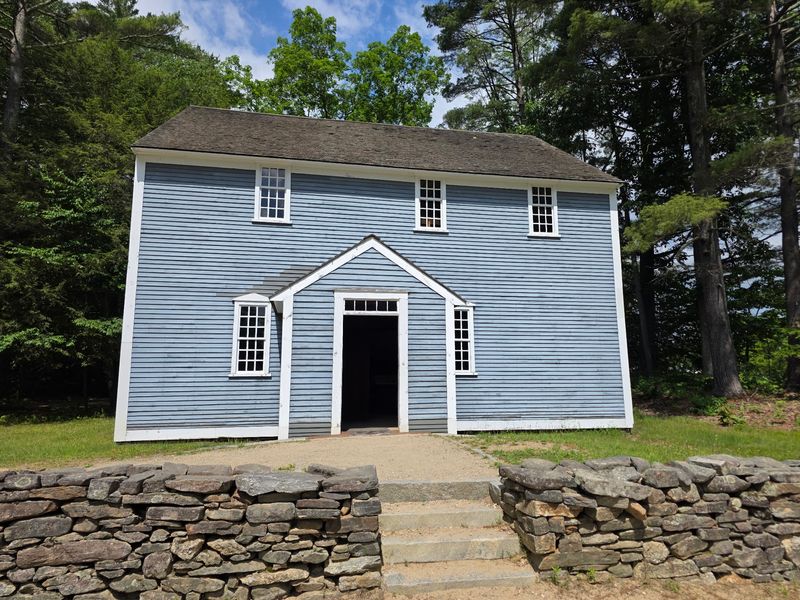
Ever wanted to time travel without the sci-fi side effects? Sturbridge offers the next best thing, right off the Mass Pike.
The star attraction is Old Sturbridge Village. It’s a large living history museum that recreates a rural New England village from the early 1800s.
Costumed interpreters work the farms, shops, and homes across the grounds. You can watch traditional crafts like blacksmithing, pottery, and tin work in action.
The village includes historic buildings moved from around New England. Walking from the meetinghouse to the mill gives you a real feel for small-town life two centuries ago.
Kids especially love the farm animals and hands-on activities. Older visitors tend to enjoy chatting with interpreters about daily chores and old-time tools.
Wear good shoes, because the grounds are spread out. Plan for a full day if you want to see the main highlights without hurrying.
Outside the museum, Sturbridge keeps its country charm. Wooded roads and a classic town common give the area a traditional village look.
The Publick House is a historic inn dating back to 1771. It’s still welcoming guests and diners, making it a fitting stop after a day of history.
Fall brings bright foliage and seasonal events at the village. Winter visits can be magical too, especially during holiday programs.
Sturbridge sits in central Massachusetts, so it’s an easy add-on to a road trip. It’s roughly an hour from both Boston and Springfield.
Think of it as a classroom without the boring parts. You’ll leave knowing a lot more about how early New Englanders really lived.
Address: Sturbridge, Massachusetts
10. Newburyport
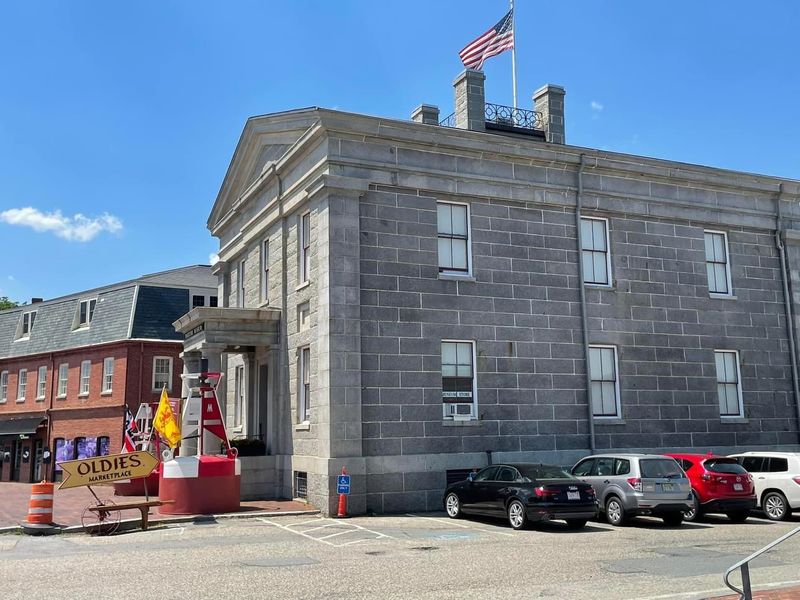
Brick sidewalks, river breezes, and shipbuilding stories make Newburyport feel like a postcard come to life. It’s a small city that walks like a village.
In the 1700s and 1800s, this port bustled with trade and shipbuilding. Wealthy merchants and sea captains built grand homes that still line its streets.
Start at Market Square, the heart of downtown. Brick buildings from the 1800s house shops, bakeries, and restaurants, and the area is easy to explore on foot.
From there, stroll the waterfront boardwalk along the Merrimack River. Boats come and go, and benches make it easy to pause and watch.
The Custom House Maritime Museum sits near the water. Its granite building dates to 1835 and now shares the city’s long seafaring history.
High Street is worth a slow drive or long walk. It’s known for its Federal-style mansions, many built when shipping money flowed freely.
Nature lovers get a bonus nearby. Plum Island and the Parker River National Wildlife Refuge offer beaches, trails, and great bird watching.
Newburyport sits near the New Hampshire border on the Massachusetts North Shore. Commuter rail connects it with Boston, so a car isn’t required.
Spring and fall are lovely times to visit. Summer weekends bring more people downtown, so morning strolls are a smart move.
Bring an appetite for browsing. Independent shops make it easy to spend an extra hour or two just poking around.
Newburyport proves history doesn’t have to feel stuffy. Here, it mixes easily with river views, ice cream cones, and long walks.
Address: Newburyport, Massachusetts
11. Deerfield
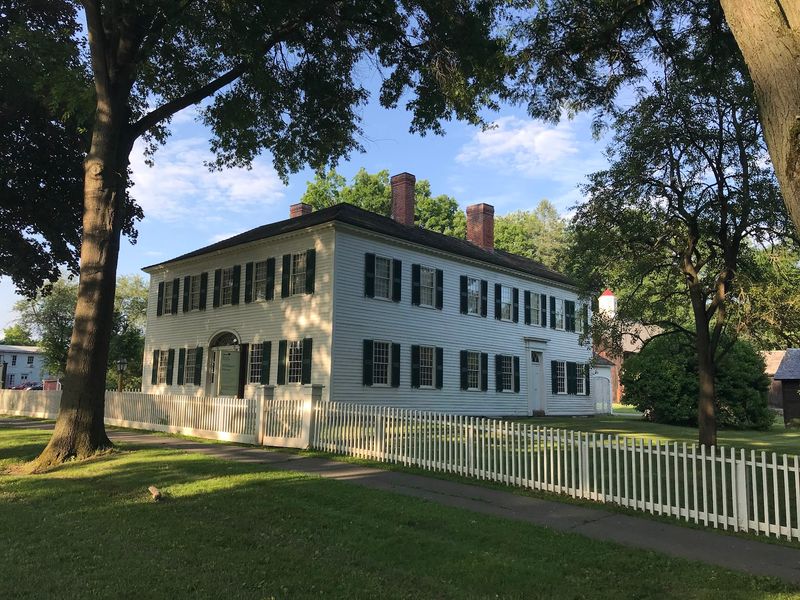
A single mile of Main Street holds enough history here to fill a textbook. Deerfield knows how to make a short walk count.
This rural town sits in the Pioneer Valley of western Massachusetts. Farmland surrounds the village, giving it wide open views and a calm pace.
Historic Deerfield is the big reason to visit. It’s a preserved 18th-century village with museum houses that show colonial frontier life.
Guided tours take you inside the old homes. You’ll see furniture, textiles, and household tools that reveal how early families lived and worked.
The Flynt Center of Early New England Life adds even more. Its galleries display crafts and decorative arts from the region’s past.
Deerfield’s history includes hard times too. The town was attacked in a famous 1704 raid, and exhibits explain that story from several points of view.
Deerfield Academy, founded in 1797, also sits along the street. Its brick campus blends right into the historic setting.
Walking the full mile is the best way to take it all in. Tall trees, old houses, and quiet fields make the stroll feel peaceful.
Fall is a beautiful time to visit, when the valley turns gold and red. Spring brings green fields and fewer visitors.
Want a fun side trip? The Yankee Candle flagship store sits nearby in South Deerfield, and it’s packed with seasonal displays.
Deerfield isn’t flashy, and that’s exactly the point. Slow down, read the signs, and let the old village tell its stories.
Address: Deerfield, Massachusetts
12. Chatham
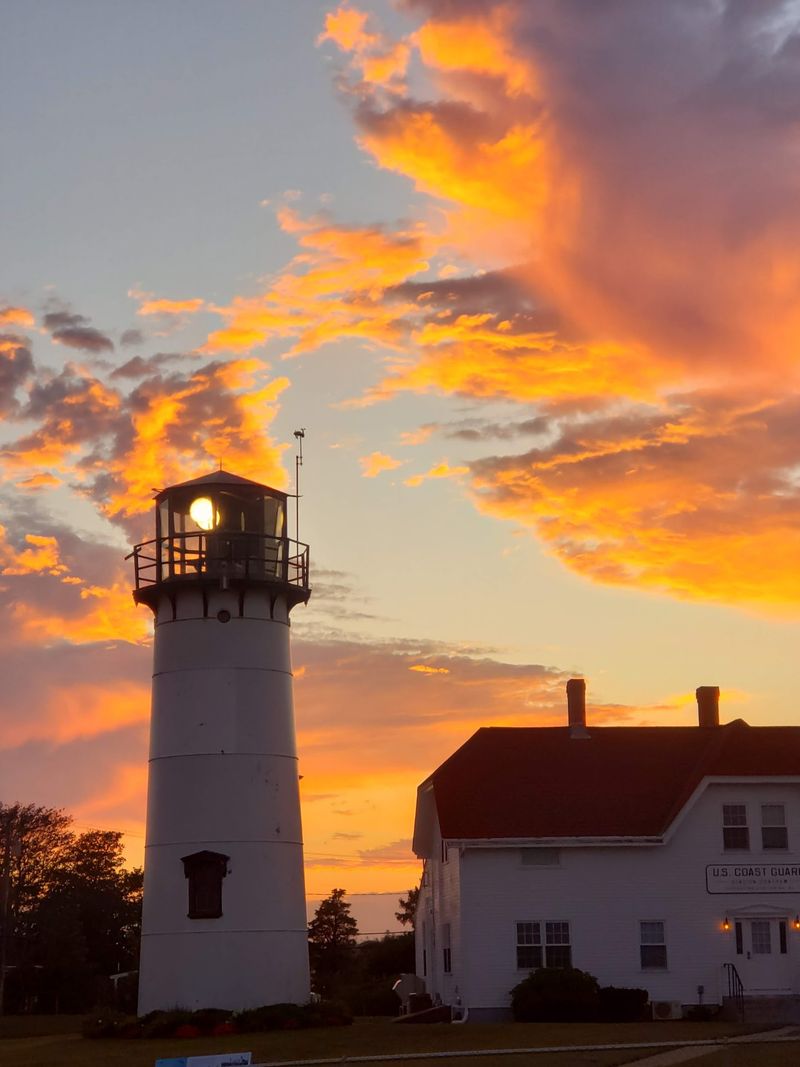
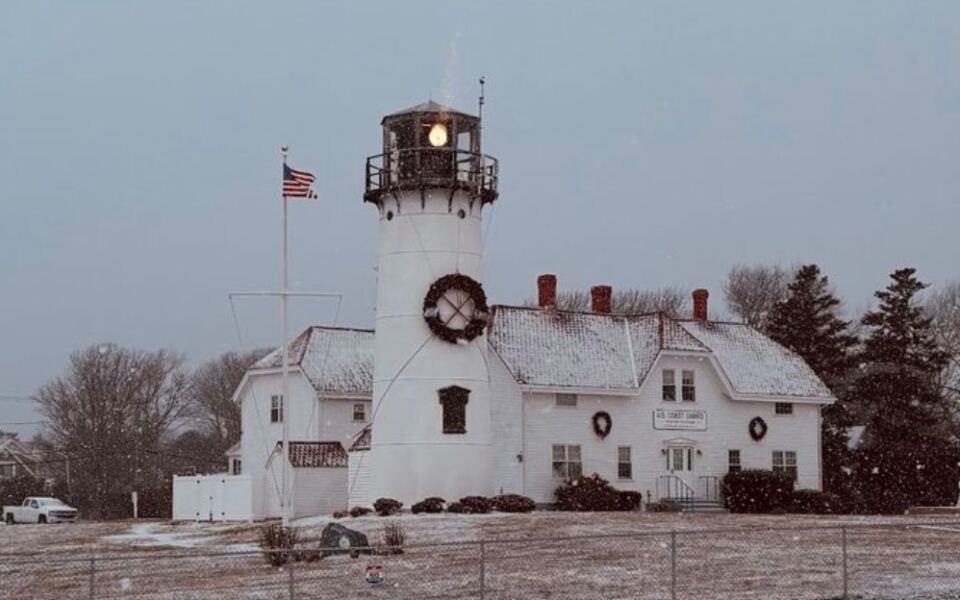
Thomas Jefferson was president when Chatham Light first lit up in 1808. That’s a pretty impressive résumé for a Cape Cod lighthouse.
Chatham sits at the elbow of Cape Cod, where the land meets the open Atlantic. Its roots date back to the 1600s, and sea captains once built homes here.
The lighthouse still overlooks the shore today. Stop at the overlook across the street for wide views of the beach and the ocean beyond.
Main Street is made for strolling. Local boutiques, galleries, and historic inns line the sidewalks, so give yourself time to wander.
Want to see working boats? The Chatham Fish Pier has an observation deck where you can watch fishing crews unload their catch.
Keep your eyes on the water near the pier. Gray seals often swim close by, and they’re a fun bonus for wildlife fans.
Monomoy National Wildlife Refuge sits just off the coast. Boat tours head out to see seals and seabirds in their natural setting.
History buffs should visit the Atwood House Museum. It shares Chatham’s past through old homes, local artifacts, and maritime exhibits.
Summer brings Friday night band concerts in Kate Gould Park. Families spread out blankets and enjoy music on the lawn, a long town tradition.
Chatham is one of the most scenic towns in Massachusetts. Visit in early fall for calmer streets and still-pleasant beach weather.
It’s a fitting final stop on any slow tour of the state. Take one more walk down Main Street before heading home.
Address: Chatham, Massachusetts
Share this story