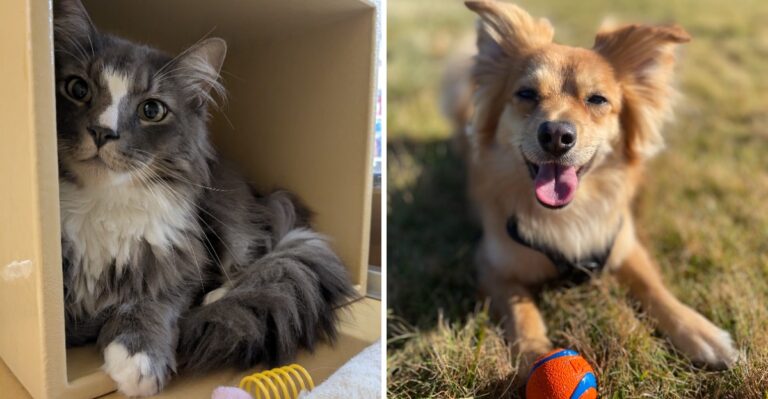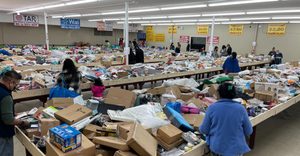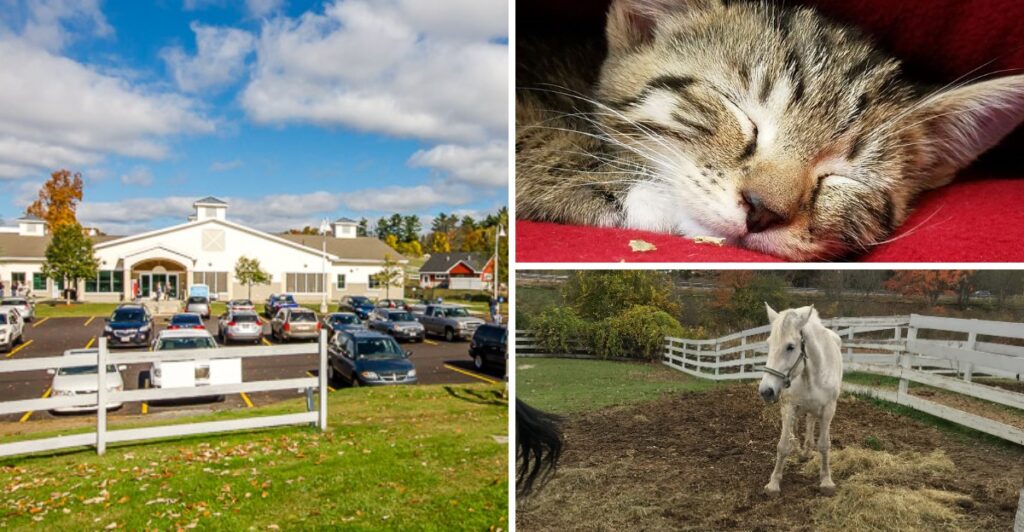
One rescue in Massachusetts may be caring for a nervous cat and a full-grown farm animal on the same day. At MSPCA at Nevins Farm in Methuen, the 55-acre property gives household pets and farm animals space for care, recovery, and the chance to move on to suitable homes.
That mix makes the work here feel very different from a typical animal shelter, with each species bringing its own needs and challenges. Visitors can get a closer look at what those second chances actually require behind the scenes.
If you have ever wondered what animal rescue looks like on a much bigger scale, Nevins Farm gives you plenty to discover.
A Massachusetts Rescue With Room Beyond the Kennels
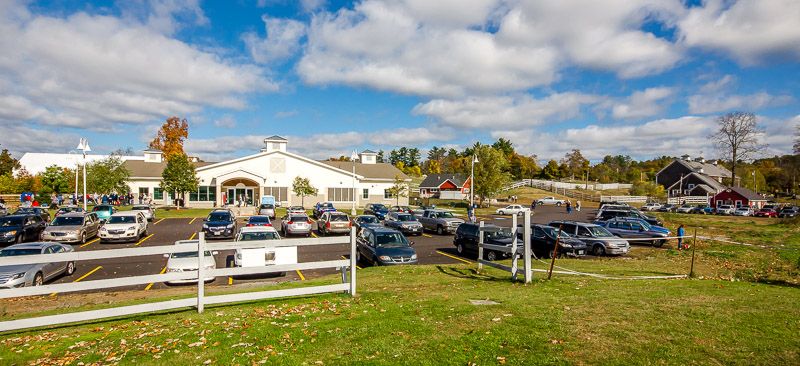
A shelter that handles cats and cattle cannot squeeze its whole mission into a row of cages. Nevins Farm occupies 55 acres in Methuen, giving its work a farm setting alongside the familiar role of an animal adoption center.
The scale helps explain the title, but acreage alone does not tell the story. Different animals need different kinds of housing, handling, food, and attention, so caring for them takes more than simply providing extra space.
A household cat may need a quiet enclosure and somewhere to hide. A horse needs safe fencing, room to move, and people who understand how to work around a large animal without rushing it.
For you, the interesting contrast is between the everyday address on Broadway and the wide range of needs handled there. It is a working animal welfare property, not a petting zoo where every resident is available for touching or feeding.
That distinction should shape your visit from the start. Follow posted directions, remain in areas open to the public, and ask staff before approaching an enclosure or moving toward a barn.
Animal populations change as residents arrive, receive care, and leave for new homes. The cats, cows, horses, or birds associated with Nevins Farm are examples of its broad mission, not a promise that every species will be visible that afternoon.
Comfortable shoes make sense for a property with outdoor areas, especially after wet weather. Keep children close, and let fences serve their purpose rather than treating them as invitations to lean over.
Start by checking where visitors may go that day. A clear understanding of the boundaries lets you appreciate the farm without interrupting feeding, cleaning, medical work, or an animal’s much needed rest.
Here, the land supports care; it is not simply scenery for a day out in Methuen.
Small Paws, Big Decisions
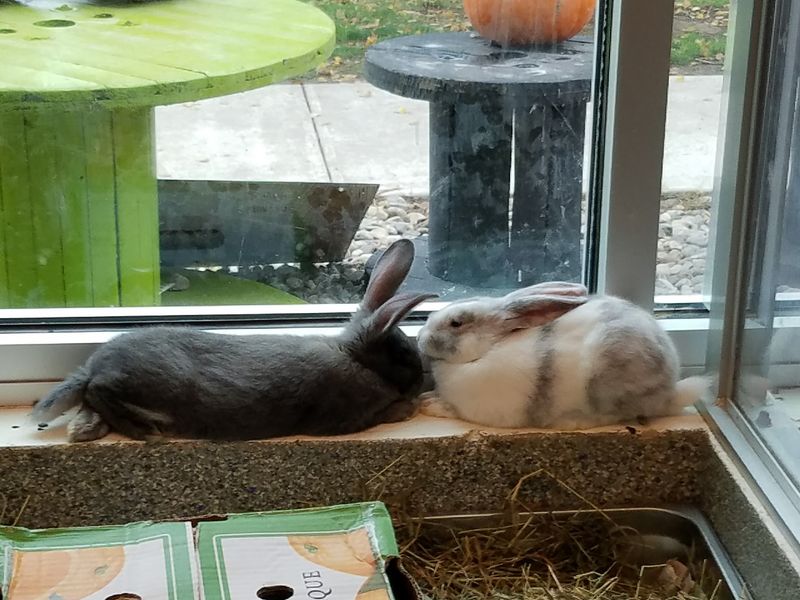
A rabbit’s twitching nose can steal your attention before you have even finished reading its information card. At Nevins Farm, the smaller residents deserve the same careful consideration as the dogs and cats that usually lead an adoption search.
Cats, rabbits, and birds have different daily needs, even when they all fit inside a home. Choosing by appearance alone can leave you unprepared for the cleaning, feeding, space, and veterinary care that come afterward.
Before meeting an animal, think about your actual routine. How long is the home empty, how much room is available, and who will handle care when school, work, or travel changes the schedule?
For a cat, ask about known health needs, litter habits, and comfort around other animals. A shy response in a shelter does not tell you everything about future behavior, but it gives you a useful starting point for conversation.
Rabbits need more than a small cage and a bowl of pellets. Discuss hay, exercise space, safe chewing options, and access to a veterinarian who treats rabbits before deciding that one is the easy choice.
Birds bring their own checklist, including suitable housing, social needs, and noise. A small body does not mean a small commitment, especially when daily interaction and careful household safety are involved.
Availability changes, so arrive open to learning rather than expecting a particular species or individual. Ask which animals are ready for adoption and whether a meeting requires arrangements beyond simply entering the building.
If children join you, turn the visit into practice in noticing boundaries. Quiet voices and patient observation are more useful than tapping an enclosure to get attention.
The best choice is the animal whose needs you can meet consistently. A thoughtful match begins with honest answers about your home, not with the cutest photograph or the smallest pair of paws.
The Barn Side Changes the Scale
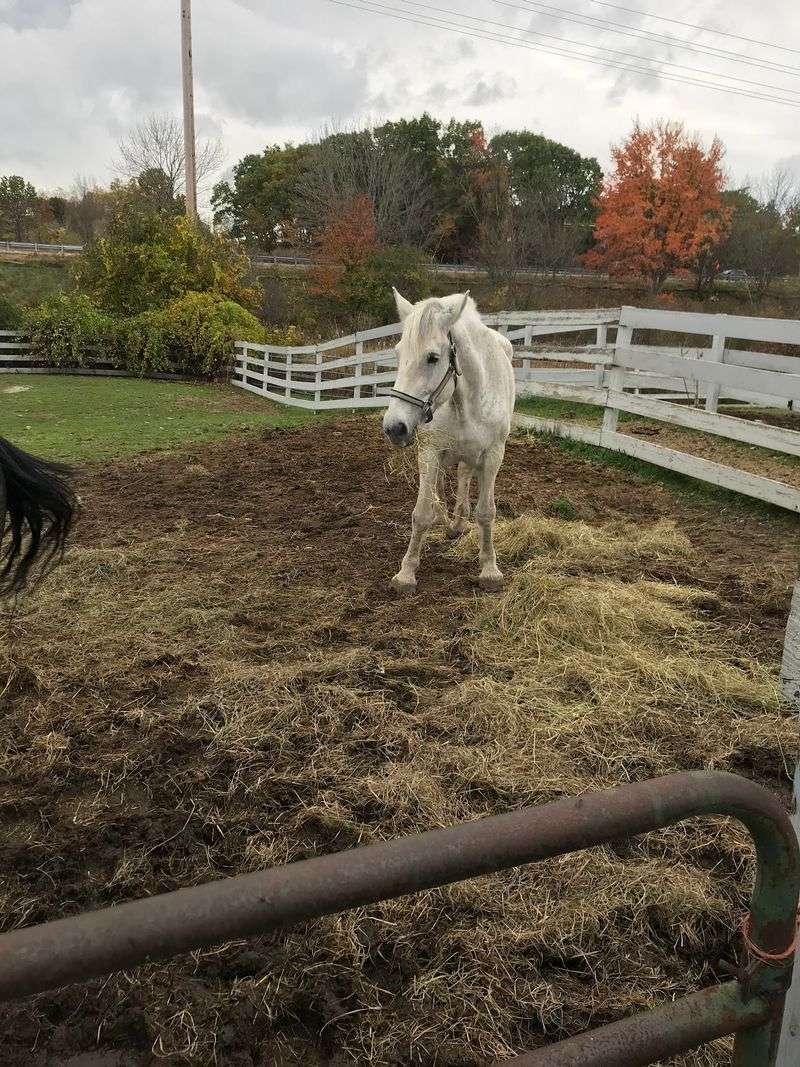
A horse beside a fence puts the word shelter into a different frame. Nevins Farm’s work includes farm animals, bringing needs that reach far beyond a carrier, a leash, or a spare room.
Horses, cows, pigs, and farm birds illustrate the range associated with this rescue. Which animals are present and available changes, so treat the barn side as an active care area rather than a guaranteed collection of species.
Large animals need suitable facilities before an adopter can bring them home. Secure fencing, dependable water, shelter, and safe transport are basic questions, not details to figure out after falling for a friendly face.
Daily costs also look different here. Feed, bedding, hoof care where needed, and veterinary visits can quickly make the adoption fee only a small part of the long term budget.
If you are considering a farm animal, explain your experience and property setup clearly. Ask about the individual’s known health, handling needs, diet, and whether living with other animals is part of an appropriate plan.
Even a barn cat requires preparation. Ask whether any working cat placements are currently offered and what secure settling arrangements, shelter, food, and ongoing care would be required.
For someone visiting without adoption plans, the lesson is simpler: size changes the safety rules. Never offer snacks, put fingers through fencing, or assume an animal approaching you wants contact.
Food that seems harmless can be unsuitable, and a large animal can move suddenly. Give staff room to handle gates and equipment without having to navigate a crowd.
Watch only from approved areas, and accept that some spaces may be closed. The barn’s most revealing details are practical ones: a sturdy barrier, a water supply, and housing suited to the animal using it.
Those basics turn an open property into a workable place for daily animal care.
Healing Happens on an Animal’s Schedule
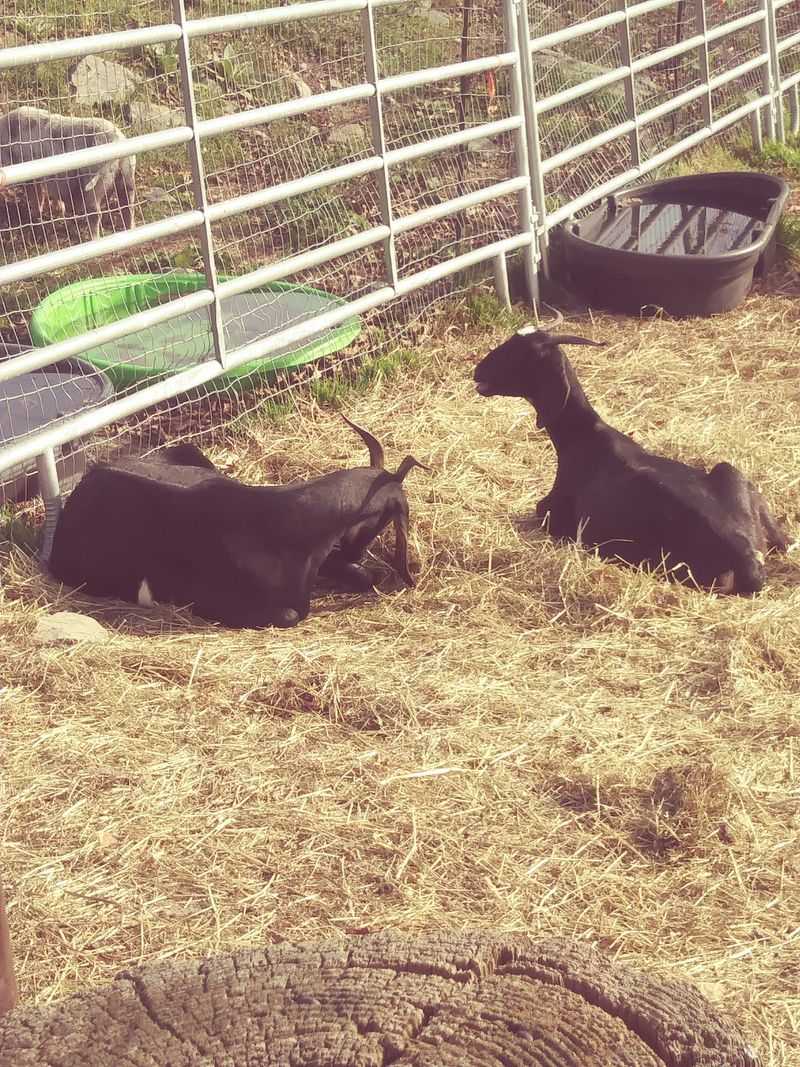
Sometimes the most useful thing you can give a shelter animal is less attention. Rest, predictable routines, and space can be as necessary as the moments when someone offers food or begins a careful introduction.
At Nevins Farm, healing should not be understood as a promise that every animal arrives injured or leaves fully recovered. Residents can have very different histories, and their needs may involve medical care, behavior support, or simply adjusting to unfamiliar surroundings.
The medical side is part of the broader picture here, with veterinary services associated with the Methuen location. Public adoption hours should not be treated as clinic hours, and appointments, service availability, and any eligibility rules need separate confirmation.
If you are adopting, ask for the available medical records before making your decision. Discuss current medications, known conditions, recommended follow up care, and anything that remains uncertain.
An estimated age is still an estimate. Likewise, observations made in a shelter cannot guarantee how an animal will act in a busy kitchen, around a new pet, or when left alone.
That uncertainty makes preparation useful, not adoption impossible. Arrange veterinary follow up and plan a calm arrival home with appropriate supplies and a space where the animal can settle.
During your visit, resist the urge to wake a sleeping resident for a better photograph. Avoid flash, sudden movements, and repeated attempts to draw an animal toward the front of its enclosure.
Access to certain animals or areas may be limited to reduce stress or support care. Ask how meetings work rather than assuming every kennel is open for browsing.
A quiet afternoon can hide plenty of work. Cleaning, observation, feeding, and treatment do not need an audience to be meaningful.
Let the care plan set the pace, even when that means waiting, returning later, or observing from farther away.
A Good Adoption Starts Before the Handshake
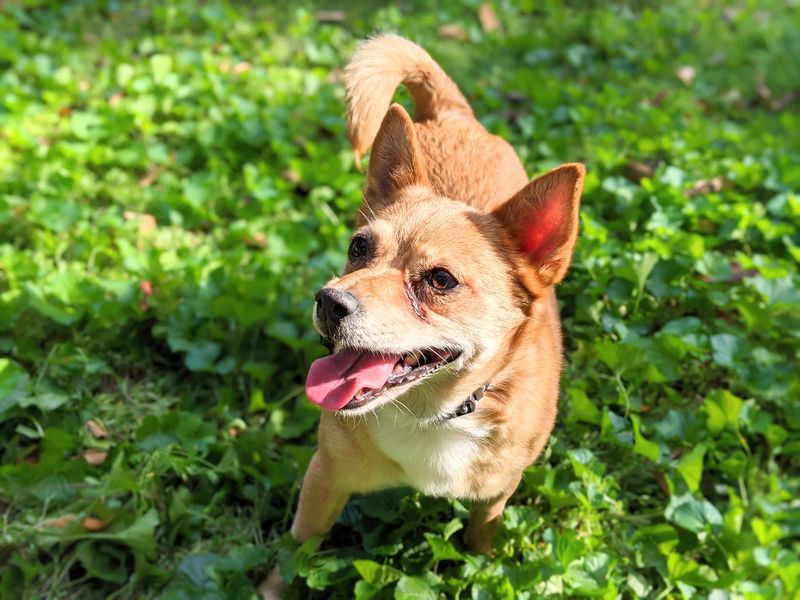
Bringing home an animal is exciting; understanding the agreement is less glamorous but just as necessary. Nevins Farm’s adoption process is a chance to compare an animal’s needs with what your household can realistically provide.
Go prepared to describe your living situation, other pets, and daily schedule. If you rent, confirm any animal restrictions before visiting, rather than discovering a problem after you have made a connection.
Tell the counselor what matters most to you, but avoid turning preferences into guesses about behavior. A dog’s size, a cat’s color, or a rabbit’s breed cannot answer every question about living together.
Ask to discuss the known history and available assessments. Useful questions cover exercise, handling, health, comfort with other animals, and any situations that may require extra management.
Take time with the paperwork before signing. Ask staff to explain any terms involving stray animals, ownership claims, returns, or support after adoption so you understand the responsibilities being accepted.
Fees and special events deserve clear questions too. If an adoption promotion is advertised, confirm its dates, eligible animals, and conditions instead of assuming an earlier meeting qualifies for a later offer.
A same day adoption may be possible in some situations, but it should not be your fixed expectation. Animal availability, staffing, medical readiness, and the meeting process can affect what happens during your visit.
Before leaving, clarify how to seek help if adjustment becomes difficult. Ask what guidance the shelter can provide and which concerns will need your own veterinarian or another qualified professional.
Keep copies of records and agreements somewhere easy to find. Those documents are far more useful than trying to recall every detail of an exciting conversation.
Finally, prepare the home before pickup whenever possible. A secure carrier or suitable transport setup is part of the adoption plan, not an errand for afterward.
Plan Around the Afternoon Window
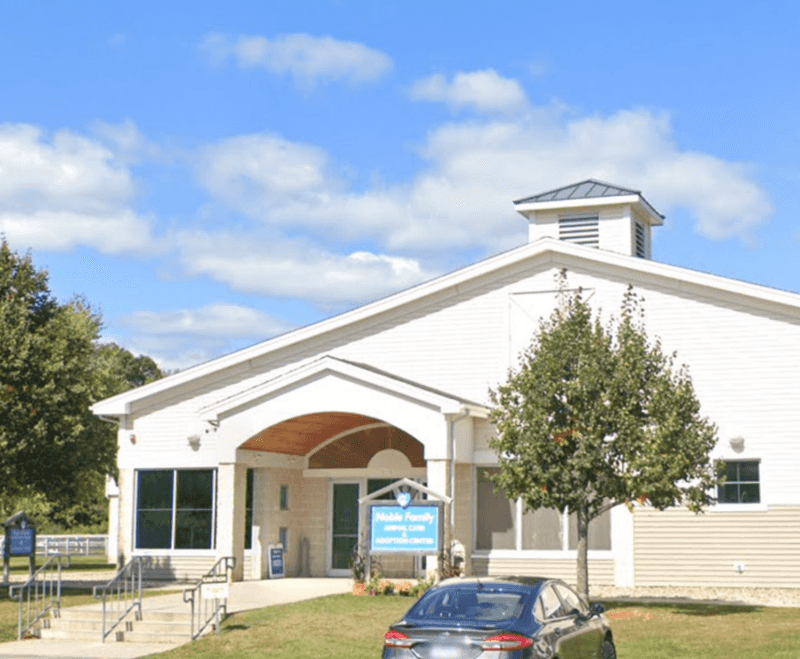
Noon is the key detail when planning a regular visit. The supplied public hours for MSPCA at Nevins Farm are Tuesday through Sunday, from 12 to 4:30 p.m., with Monday listed as closed.
Use those hours as a planning guide, then confirm the current schedule before traveling. Holiday changes, special events, and separate services can affect what is available on a particular day.
The address is 400 Broadway, Methuen, MA 01844. Enter the full location into your navigation system so your trip leads to Nevins Farm rather than another MSPCA facility.
If adoption is your goal, arriving well before closing gives you more flexibility. A posted closing time does not guarantee that a new animal meeting or a full adoption conversation can begin at the last minute.
Confirm that the animal you hope to meet is still available, especially before a long drive. Listings and placements can change quickly, and interest in an animal does not automatically reserve it.
Ask whether you need an appointment, an application, or particular documents for your intended visit. Veterinary care, animal surrender, and adoption meetings may follow different arrangements even though they share the same location.
Choose shoes that handle outdoor walking and check the weather before leaving. A farm setting calls for more practical clothing than a quick stop inside a storefront.
Families should set expectations in advance. Explain that some animals may be resting, certain areas may be unavailable, and staff instructions take priority over a child’s wish to touch or feed.
Do not assume your own pet should come along. Ask first whether bringing an existing animal is appropriate or needed for any planned introduction.
Leave room in the afternoon for waiting and questions. A flexible schedule is more useful here than a tightly packed outing, particularly when your visit could lead to a serious adoption discussion.
Help Without Taking an Animal Home
You can leave Nevins Farm without a carrier and still make a useful contribution. Adoption is one way to support its work, but it is not the right step for every household or every season of life.
Start by asking what help is currently needed. Donation priorities, volunteer openings, and foster opportunities can change, so a current request is a better guide than a guess based on what you have at home.
For supplies, confirm the accepted items and their required condition before shopping or loading the car. Storage space and animal diets are practical limits, even when a gift comes with good intentions.
A financial donation offers another option if it fits your budget. Ask about designated giving if you want to support a particular area, and keep the donation separate from expectations about adoption approval or fees.
Volunteering requires its own preparation. Find out about age rules, training, time commitments, and available roles before assuming you can arrive and begin walking dogs or helping in a barn.
Fostering, when available, can involve more than providing temporary affection. Ask about supplies, transportation, medical arrangements, household separation, and the likely demands of the specific animal before agreeing.
Even a simple visit can support better habits around animals. Teach children to respect barriers, explain why rest matters, and show them that caring sometimes means stepping back rather than reaching closer.
Sharing accurate adoption information is useful too. Check that a listing is current and avoid promising traits or outcomes that staff have not confirmed.
Nevins Farm stands out because its responsibilities span both household pets and animals needing farm facilities. That range turns support into a practical question: which part of the work can you reliably help sustain?
Choose a contribution you can follow through on. An approved supply delivery or a steady commitment beats a grand plan that never happens.
Share this story