Harriman, Tennessee wasn’t always the charming riverside town you see today. Founded in the 1890s with big dreams and even bigger prohibition rules, this Roane County city has transformed from an ambitious industrial experiment into a scenic Tennessee gem. Tucked along the Emden and Tennessee Rivers, Harriman’s journey from temperance town to modern community tells a uniquely American story of reinvention, resilience, and natural beauty that still surprises visitors who stumble upon it.
The Temperance Town That Started It All
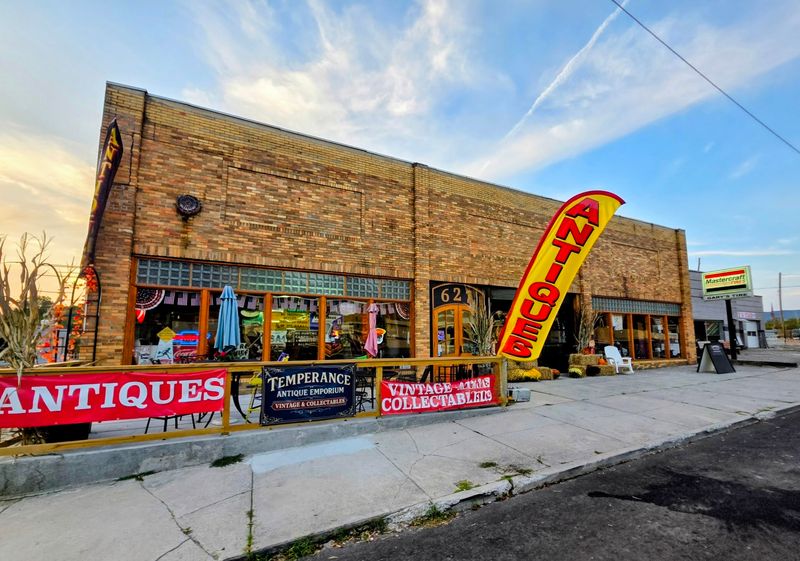
Back in 1890, a group of businessmen from the East Tennessee Land Company had a wild idea: build an entire industrial city where alcohol was completely banned. They purchased 600 acres along the railroad lines and named it after Union General Walter Harriman, one of the investors. The streets were laid out in a perfect grid, and the founders genuinely believed their alcohol-free utopia would become the manufacturing capital of the South.
The prohibition clause wasn’t just a suggestion. Every single deed included language forbidding the manufacture or sale of alcoholic beverages, and those restrictions stayed in place for decades. Thousands of people flooded into Harriman during those early years, attracted by jobs in the iron furnaces, textile mills, and railroad shops.
At its peak, the town buzzed with the energy of workers, families, and entrepreneurs all betting on this grand experiment.
Of course, the temperance dream didn’t quite pan out as planned. While Harriman did grow into a legitimate industrial center, the alcohol ban eventually loosened as times changed. Today, you can actually grab a cold beer in town, something that would’ve shocked those original founders.
The historic downtown still showcases beautiful brick buildings from that era, standing as reminders of when Harriman thought it could change the world one sober factory worker at a time. Walking these streets feels like stepping into a time capsule where ambition met reality and somehow both survived.
Watts Bar Lake Transforms Everything
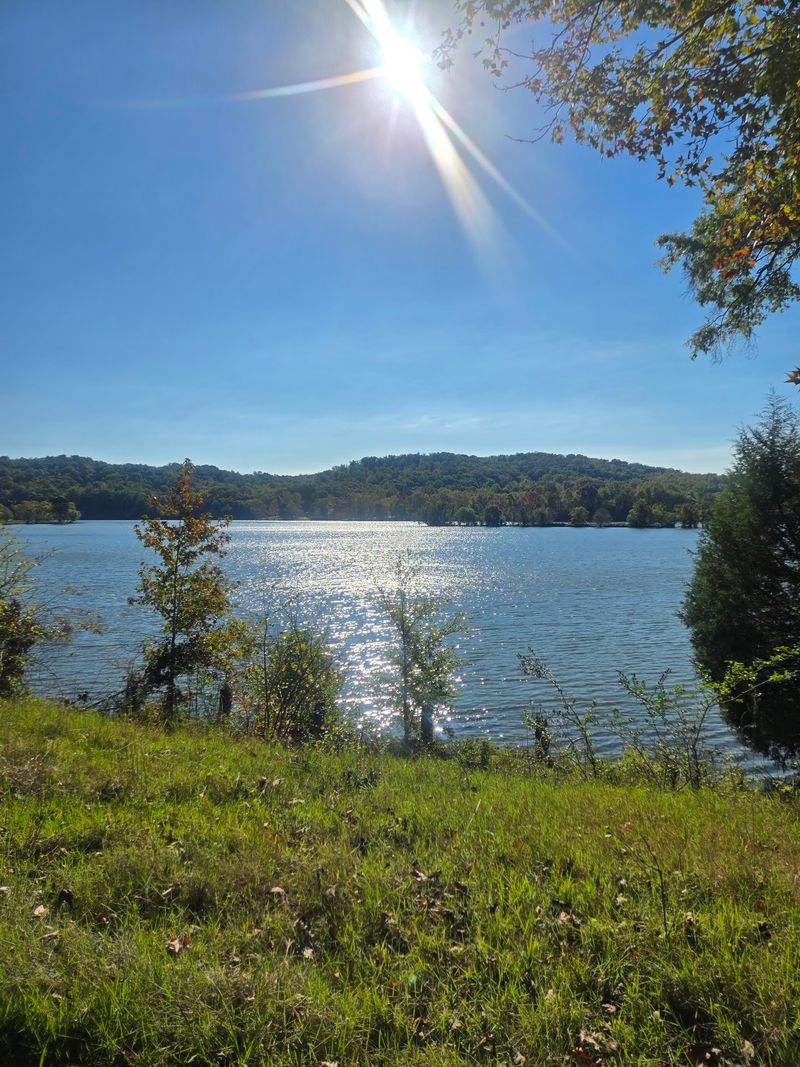
When the Tennessee Valley Authority dammed the Tennessee River in 1942, nobody in Harriman quite knew what to expect. Watts Bar Lake flooded the valleys and created 72,000 acres of water that completely changed the town’s identity. Suddenly, this landlocked industrial town had waterfront property and all the recreational possibilities that came with it.
The lake stretches for 72 miles upstream, and Harriman sits right where some of the best fishing and boating happen. Largemouth bass, crappie, and catfish thrive in these waters, drawing anglers from across Tennessee and beyond. Summer weekends see the boat ramps packed with folks launching everything from fishing boats to pontoons loaded with families ready for a day on the water.
What really makes Watts Bar special is how it blends into daily life here. This isn’t some tourist trap where only visitors enjoy the water. Local families have their favorite swimming spots, fishermen know exactly which coves produce the biggest catches, and evening sunsets over the lake have become part of the town’s rhythm.
The marinas stay busy year-round, and you’ll find everything from serious tournament anglers to grandparents teaching kids how to bait a hook.
The transformation from coal and iron town to lakeside community didn’t happen overnight, but Watts Bar Lake gave Harriman a second act. Those old industrial jobs disappeared, but the water brought new life, new residents, and a completely different reason for people to put down roots here.
Cornstalk Heights Park Brings Families Together
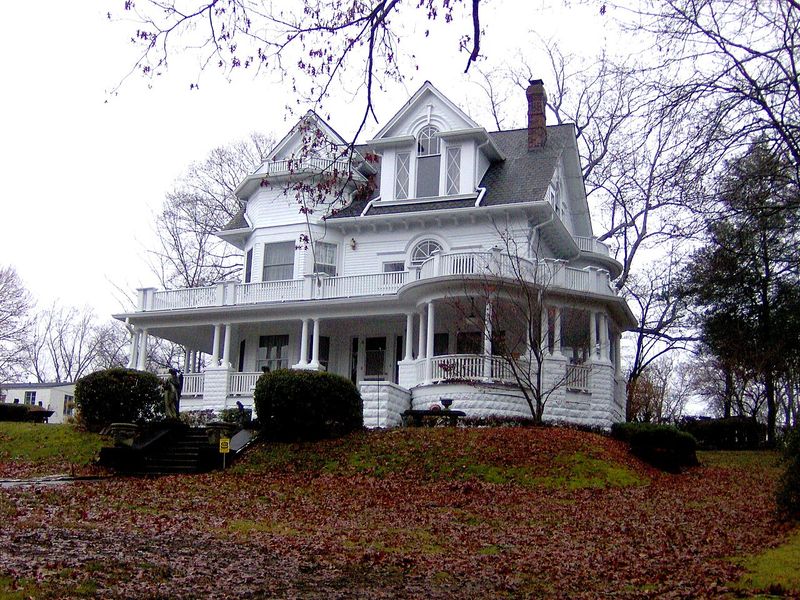
Perched on a hill overlooking town, Cornstalk Heights Park serves as Harriman’s unofficial community living room. The 20-acre park packs in baseball fields, walking trails, playgrounds, and enough picnic pavilions to host half the town at once. On any given Saturday, you’ll find youth baseball games, birthday parties, and families just spreading out blankets for an afternoon in the shade.
The park gets its quirky name from the area’s agricultural past, though these days you won’t find any actual cornstalks. Instead, the well-maintained grounds showcase what happens when a small town actually invests in its public spaces. The playground equipment stays modern and safe, the fields get regular maintenance, and the walking trail loops through enough trees to make you forget you’re still in city limits.
What makes Cornstalk Heights special isn’t fancy amenities or expensive features. It’s the fact that multiple generations of Harriman families have memories tied to this spot. Parents who played Little League here now watch their own kids round the bases.
The big pavilion has hosted countless family reunions, church picnics, and graduation parties. Even the benches scattered along the walking trail seem to know everyone’s stories.
During summer evenings, the park becomes the coolest spot in town, literally and figuratively. The elevation catches breezes that don’t quite make it down to the valley, and the mature trees provide serious shade. You’ll see walkers making their daily loops, kids running wild on the playground, and teenagers claiming the basketball court.
It’s the kind of place that reminds you why small-town parks matter.
Downtown’s Surprising Comeback Story
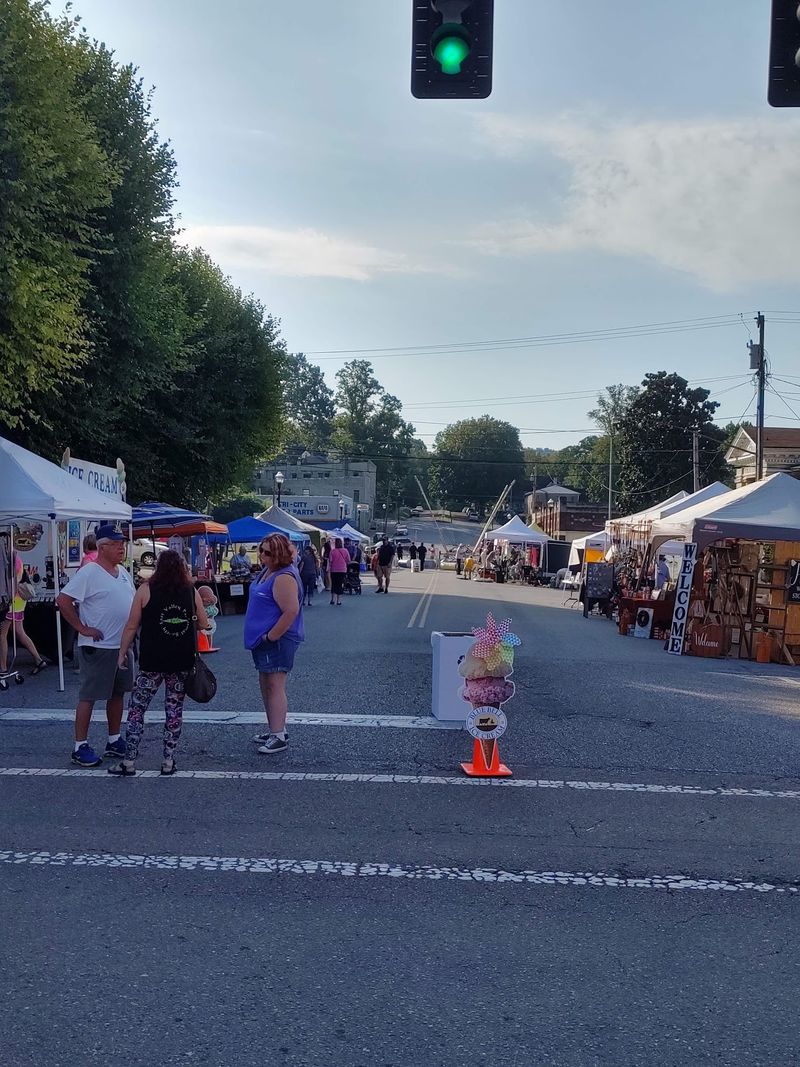
Harriman’s downtown looked pretty rough for a few decades. Like so many small Tennessee towns, the arrival of big-box stores and strip malls sucked the life out of the historic commercial district. Storefronts sat empty, buildings deteriorated, and locals drove past their own downtown to shop elsewhere.
The beautiful brick architecture from the 1890s seemed destined to crumble into memory.
But something shifted in recent years. New owners started buying those old buildings and actually restoring them instead of tearing them down. Coffee shops, antique stores, and local restaurants began filling the empty spaces.
The city invested in streetscape improvements, better lighting, and sidewalk repairs that made downtown walkable again. Slowly, the heart of Harriman started beating.
Today’s downtown isn’t trying to be Nashville or Knoxville. It’s authentically small-town, with locally-owned businesses that actually know their customers’ names. You can grab breakfast at a diner where the waitress remembers how you take your coffee, browse antiques in buildings that are antiques themselves, and pick up locally-made crafts without fighting tourist crowds.
The pace feels refreshingly unhurried.
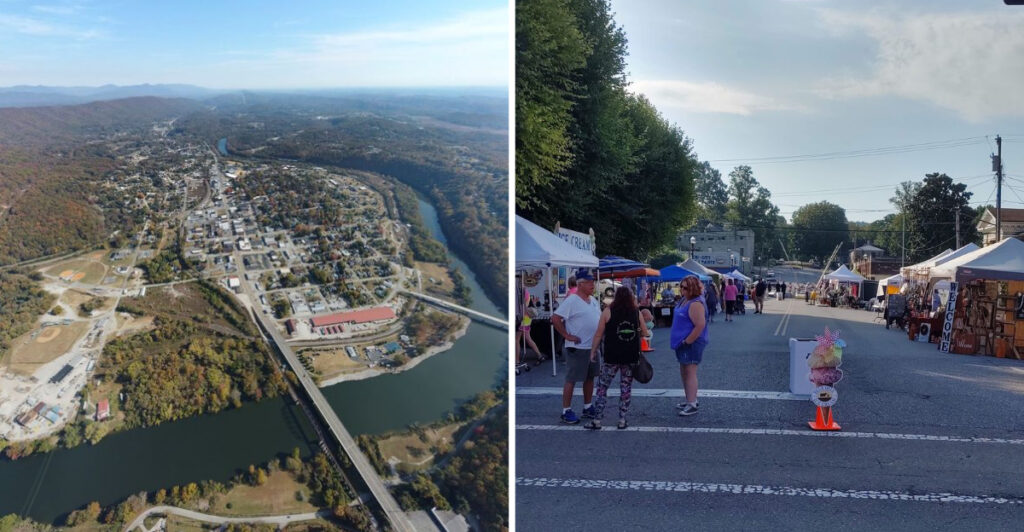
The courthouse square anchors everything, just like it has since the beginning. Seasonal events bring people back downtown, from car shows to farmers markets to Christmas celebrations. Young families are discovering that raising kids in a walkable downtown neighborhood actually works.
The comeback isn’t complete, and probably never will be, but Harriman’s downtown proves that historic commercial districts can find relevance again without losing their soul in the process.
The Railroad Legacy Lives On
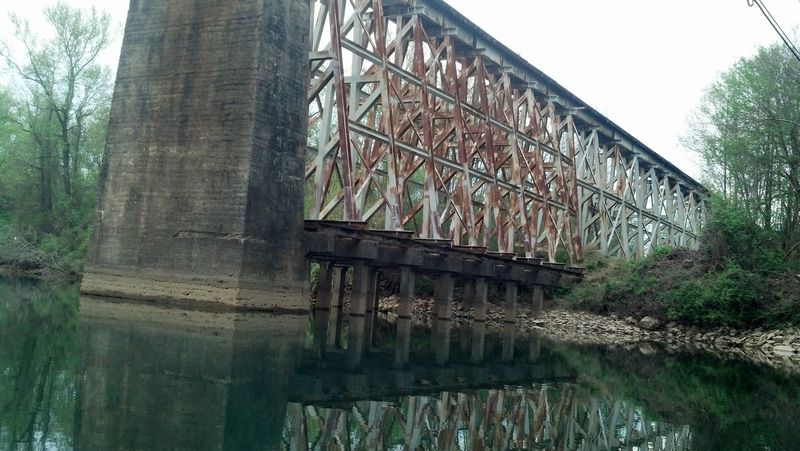
Railroads made Harriman possible in the first place. The town’s founders specifically chose this location because multiple rail lines intersected here, making it a natural hub for moving goods and people. The Cincinnati Southern Railway and the East Tennessee, Virginia, and Georgia Railroad both ran through town, and for decades, the sound of train whistles defined daily life.
Those early railroad shops employed hundreds of workers who maintained locomotives, repaired cars, and kept the trains running. Entire neighborhoods grew up around the rail yards, with families whose lives revolved around shift schedules and paydays. The depot buzzed with activity as passengers came and went, and freight trains hauled everything from coal to manufactured goods through Harriman’s yards.
The railroad industry eventually downsized, and those big shop jobs disappeared. But the trains never stopped running through Harriman. Freight lines still rumble through town multiple times daily, and the tracks remain a visible reminder of the town’s industrial heritage.
Some folks complain about the train noise, but longtime residents barely notice anymore. It’s just part of the soundtrack.
The old depot building still stands downtown, repurposed but recognizable. Railroad memorabilia shows up in local museums and antique shops, and older residents love sharing stories about when the rail yards employed half the town. CSX trains keep Harriman connected to the larger freight network, even if passengers don’t board here anymore.
The railroad’s importance has faded, but its legacy is literally built into Harriman’s DNA.
Affordable Living With River Views
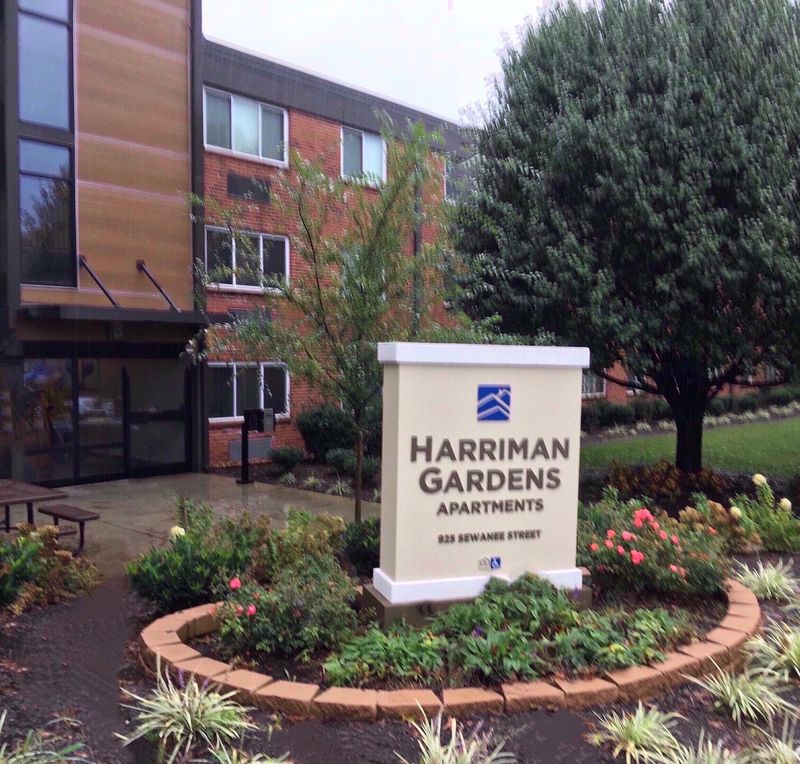
Housing prices in Tennessee have gone absolutely crazy in recent years, but Harriman remains surprisingly affordable. You can still find decent homes here for prices that would barely buy a parking spot in Nashville. The median home price hovers well below the state average, making Harriman attractive to young families, retirees on fixed incomes, and anyone tired of getting priced out of trendier markets.
The housing stock mixes everything from historic homes in the original grid streets to newer subdivisions on the outskirts. Some of those older houses need work, sure, but they’ve got character and bones that modern construction can’t match. Renovators and DIY enthusiasts find good deals on properties with potential.
Meanwhile, the newer developments offer move-in-ready options for folks who don’t want a project.
What really sweetens the deal is the location. Harriman sits close enough to Knoxville for commuting, about 45 minutes on a good traffic day. Oak Ridge is even closer, providing employment opportunities for folks willing to drive a bit.
You get small-town affordability and quiet while keeping bigger cities accessible. That combination attracts people looking to escape urban prices without completely disconnecting from urban jobs.
The waterfront properties along Watts Bar Lake command premium prices, but even those cost less than comparable lakefront homes elsewhere in Tennessee. Neighborhoods near the water fill up with a mix of year-round residents and weekend retreats. Property taxes stay reasonable, utilities run cheaper than in bigger cities, and the overall cost of living makes it possible to actually save money instead of just surviving paycheck to paycheck.
Gateway To The Cumberland Plateau
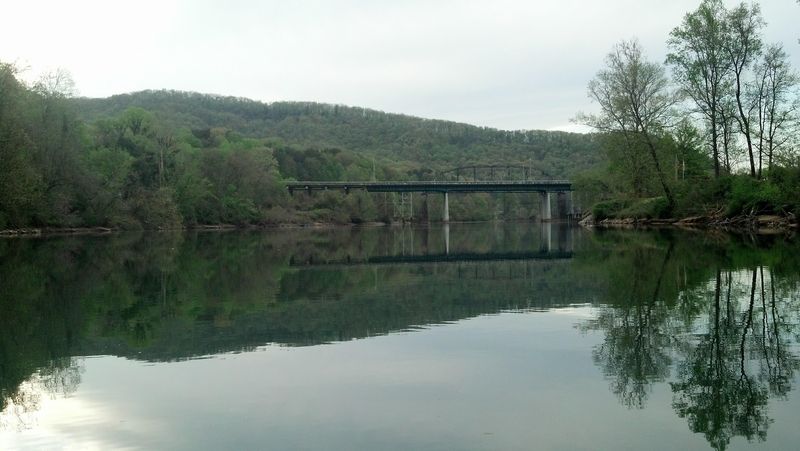
Geography blessed Harriman with an incredible location. The town sits right at the edge where the Tennessee Valley meets the Cumberland Plateau, putting serious outdoor adventure within easy reach. Head west and you’re in the valley lowlands.
Drive east for 20 minutes and you’re climbing into the mountains, forests, and rock formations that make the plateau famous.
Frozen Head State Park lies just northeast of town, offering some of Tennessee’s most challenging hiking trails and pristine wilderness. The park’s rugged terrain attracts serious backpackers and trail runners, including participants in the legendary Barkley Marathons. Even if you’re not running 100 miles through the mountains, Frozen Head’s day hikes provide stunning views and genuine solitude.
Closer to town, the plateau’s foothills create perfect conditions for mountain biking, rock climbing, and exploring. Local trails wind through forests thick with oak, hickory, and pine, and the elevation changes keep things interesting. Spring brings wildflowers, fall delivers spectacular color, and even summer stays cooler up in the hills than down in the valley.
This positioning makes Harriman ideal for outdoor enthusiasts who want adventure nearby but don’t want to live in complete isolation. You can kayak Watts Bar Lake in the morning and hike plateau trails in the afternoon. The variety of terrain within 30 minutes means you never run out of new places to explore.
For a town of less than 6,000 people, Harriman punches way above its weight in outdoor access and natural beauty.
Small-Town Schools That Know Every Kid
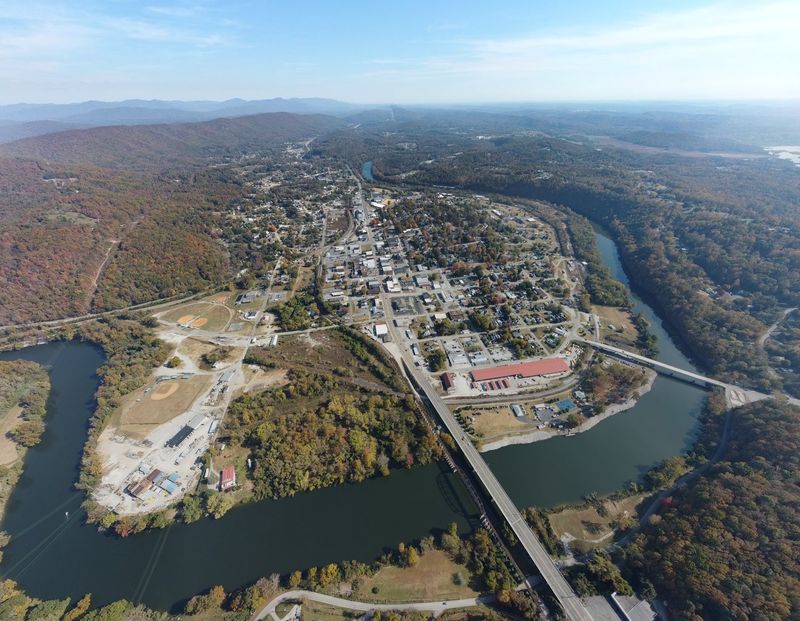
Harriman City Schools serves about 1,400 students across four schools, and that small size creates something you don’t find in bigger districts. Teachers actually know their students as individuals, not just names on a roster. Class sizes stay manageable, and kids don’t get lost in the shuffle.
Parents can actually talk to administrators without navigating layers of bureaucracy.
Harriman High School’s enrollment hovers around 450 students, meaning everyone knows everyone. The football team plays on Friday nights with genuine community support, not just parents in the stands. Students participate in multiple activities because there’s room for everyone.
The school musical, sports teams, and academic clubs all depend on kids wearing multiple hats, which builds versatility and confidence.
The schools face the same funding challenges as most small Tennessee districts, but they make it work. Facilities stay maintained, technology gets updated when possible, and teachers genuinely care about student success. The graduation rate runs above the state average, and college-bound students get personalized attention from counselors who’ve known them since elementary school.
For families weighing where to raise kids, Harriman’s schools offer a different experience than large suburban districts. Your child won’t be student number 47,892 in a massive system. They’ll be known, seen, and held accountable by adults who remember teaching their older siblings.
The sports teams might not win state championships every year, but kids learn teamwork, discipline, and perseverance in an environment where everyone matters. That small-school experience has real value that standardized test scores don’t always capture.
A Town That Keeps Reinventing Itself
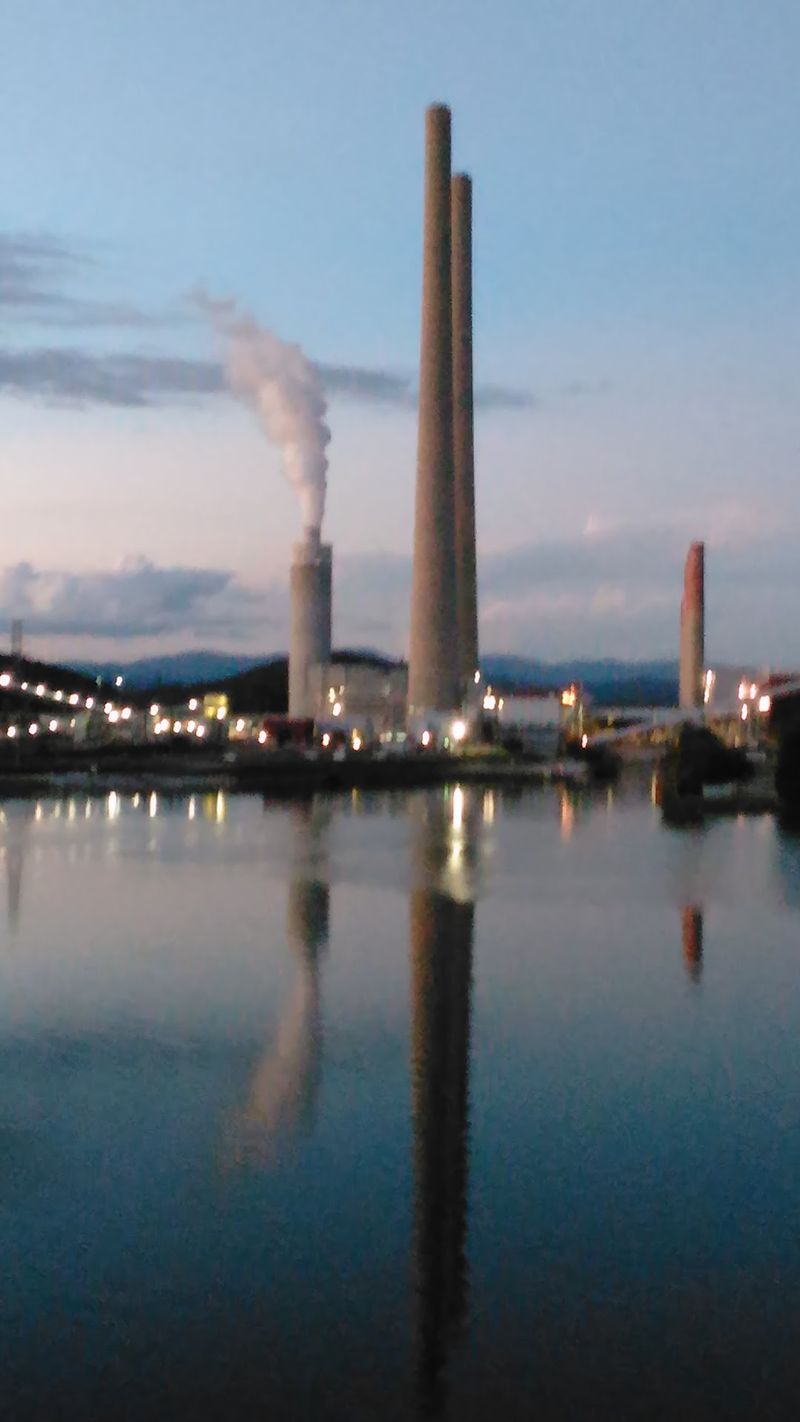
Harriman’s greatest strength might be its willingness to adapt. The temperance experiment failed, but the town survived. The industrial jobs left, but new opportunities emerged.
The downtown died and came back. Every time circumstances changed, Harriman figured out how to move forward instead of clinging to what used to be.
That adaptability continues today. The town actively courts new businesses while supporting existing ones. Community leaders recognize that Watts Bar Lake provides recreational and economic opportunities worth developing.
Efforts to preserve historic buildings coexist with openness to new development. There’s a pragmatic balance between honoring the past and building for the future.
Recent infrastructure improvements show a town investing in itself. New water and sewer lines, road repairs, and park upgrades demonstrate that Harriman isn’t just coasting. The city government may be small, but it functions with reasonable efficiency and transparency.
Local organizations from the Chamber of Commerce to church groups actively work on community betterment projects.
The people who choose Harriman today aren’t looking for the next big boom town. They’re looking for affordability, natural beauty, genuine community, and a slower pace. They’re artists opening studios downtown, retirees stretching fixed incomes, young families buying first homes, and outdoor enthusiasts wanting lake and mountain access.
Each new wave of residents adds their own chapter to Harriman’s ongoing story.
From coal country to riverside beauty isn’t just a catchy phrase. It’s an accurate description of how this Tennessee town keeps writing new chapters while respecting where it came from. That’s a story worth experiencing firsthand.
Share this story