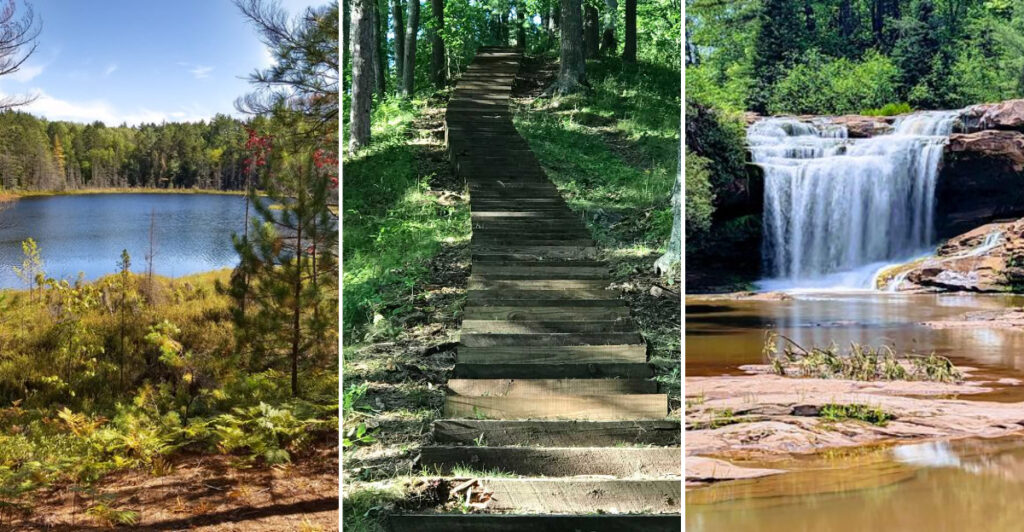
National forest trails make Michigan feel bigger, wilder, and much easier to slow down in. Across the state, these routes lead hikers toward waterfalls, river views, wooded ridges, quiet paths, and stretches of land where the noise of daily life starts to fade.
Some trails are easy enough for a relaxed outing, while others reward extra planning, energy, and a stronger sense of adventure. That variety is what makes them so memorable, giving each hike its own pace, view, and reason to linger.
For anyone looking to explore Michigan beyond the busiest parks, these national forest trails offer a beautiful place to begin.
1. Bruno’s Run Trail
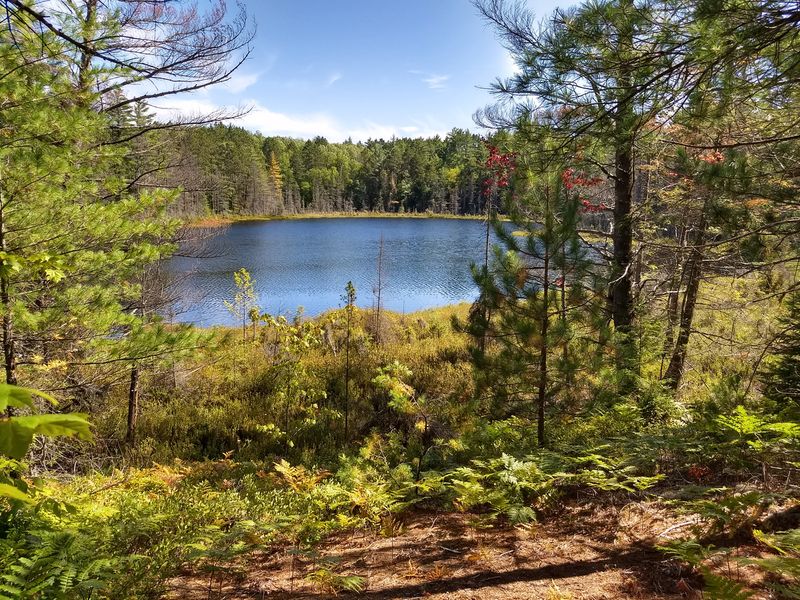
Bruno’s Run Trail is the kind of path that makes a regular walk feel a little more adventurous. Curves in the route, changing tree cover, and a steady sense of movement keep the hike interesting without needing huge cliffs or dramatic crowds.
It is a smart pick for hikers who want a forest-centered outing where the scenery keeps shifting in small, satisfying ways.
Along the way, expect stretches of pine, hardwood shade, and spots where the trail opens just enough to reset the view. That mix matters because a hike can start to drag when every mile looks the same, and Bruno’s Run usually avoids that problem.
The route tends to reward steady walkers who enjoy paying attention to details like roots, light, and the quiet sounds of the woods.
Footwear matters here more than fancy gear. A pair of shoes with grip, water, and a simple map or downloaded trail app can make the day smoother, especially if the path feels longer than expected once the miles add up.
Bug spray also earns its place during warm months.
Timing changes the mood in a big way. Morning brings cooler air and softer light, while fall can turn the trail into a corridor of gold, rust, and deep green.
Summer offers thick forest color, but it can also mean more insects and warmer midday stretches.
Families, casual hikers, and people getting back into trail walking often appreciate the balanced feel of this route. It offers enough variety to stay engaging, yet it usually does not rely on extreme terrain to make its point.
That makes Bruno’s Run a reliable choice when the goal is a good forest hike, not a complicated expedition.
2. Highbanks River Trail
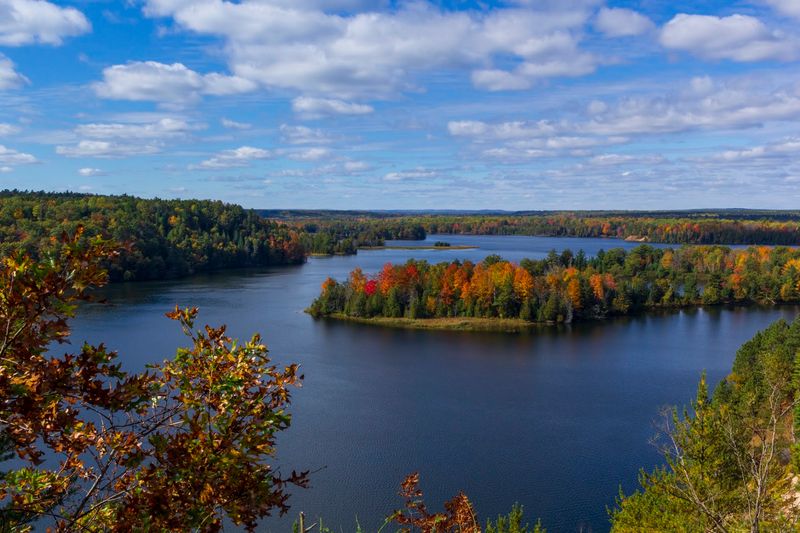
Highbanks River Trail knows how to make an entrance. One minute the woods feel close and quiet, and the next the land drops away enough to give you a strong river view that changes the whole pace of the walk.
That contrast is the star here, and it gives the trail a bolder personality than many forest routes.
Bluffs above the water create the main appeal, so this is a hike for people who enjoy looking out as much as looking down at the path. The river adds motion, light, and a sense of scale that breaks up the tree cover in a satisfying way.
On clear days, those open views can become the moments everyone talks about later.
Because elevation plays a role, a slow and steady rhythm works better than rushing. Some sections may feel more demanding than a flat woodland loop, especially for hikers carrying extra gear or walking in summer heat.
Bringing enough water matters, and short rest stops at safe viewpoints can make the outing more enjoyable.
Trail conditions can shape the day, too. After rain, dirt paths near slopes may feel slick, so sturdy shoes are a better idea than smooth-soled sneakers.
A small snack, sun protection, and a camera or phone with storage space are also useful, since the river tends to earn plenty of photos.
Highbanks River Trail is a strong option for anyone wanting forest shade with a visual payoff. It mixes the closeness of wooded hiking with the wider view of a river corridor, which keeps the experience from feeling one-note.
For hikers who like a little edge, a little scenery, and a route with real presence, this trail brings all three.
3. O Kun de Kun Falls via North Country Trail
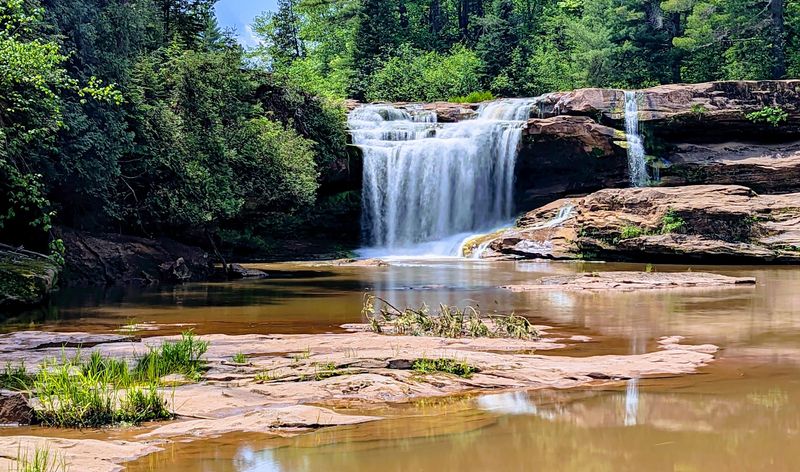
Waterfalls have a way of stealing attention, and O Kun de Kun Falls does exactly that. The route to the falls adds extra appeal because the North Country Trail brings a real journey feel, turning the outing into more than a quick stop beside moving water.
By the time the sound of the falls grows louder, the payoff already feels earned.
Expect the scene to shift from wooded trail walking to a more focused destination hike as the waterfall draws closer. Rocks, damp ground, and changing terrain can make the final approach more interesting than casual walkers first expect.
That is part of the fun, but it also means paying attention to footing instead of charging ahead for the first photo.
A little planning goes a long way here. Shoes with traction help on slick areas, and a light rain jacket can be useful if wind pushes mist toward viewing spots.
Packing a snack and giving yourself extra time is smart, since waterfalls tend to slow people down in the best possible way.
Season matters on this trail. Spring and early summer may bring stronger water flow, while autumn can add bright leaves and cooler hiking weather.
In every season, staying on marked paths and respecting barriers helps protect both the site and the people visiting it.
Plenty of trails offer trees and miles, but not all of them finish with a broad, roaring curtain of water. O Kun de Kun Falls via the North Country Trail combines motion, sound, and forest travel in one outing that stays memorable without needing gimmicks.
Hikers who want a clear destination, a strong visual reward, and a route with a little texture will find plenty to like here.
4. Grand Island Rim Trail
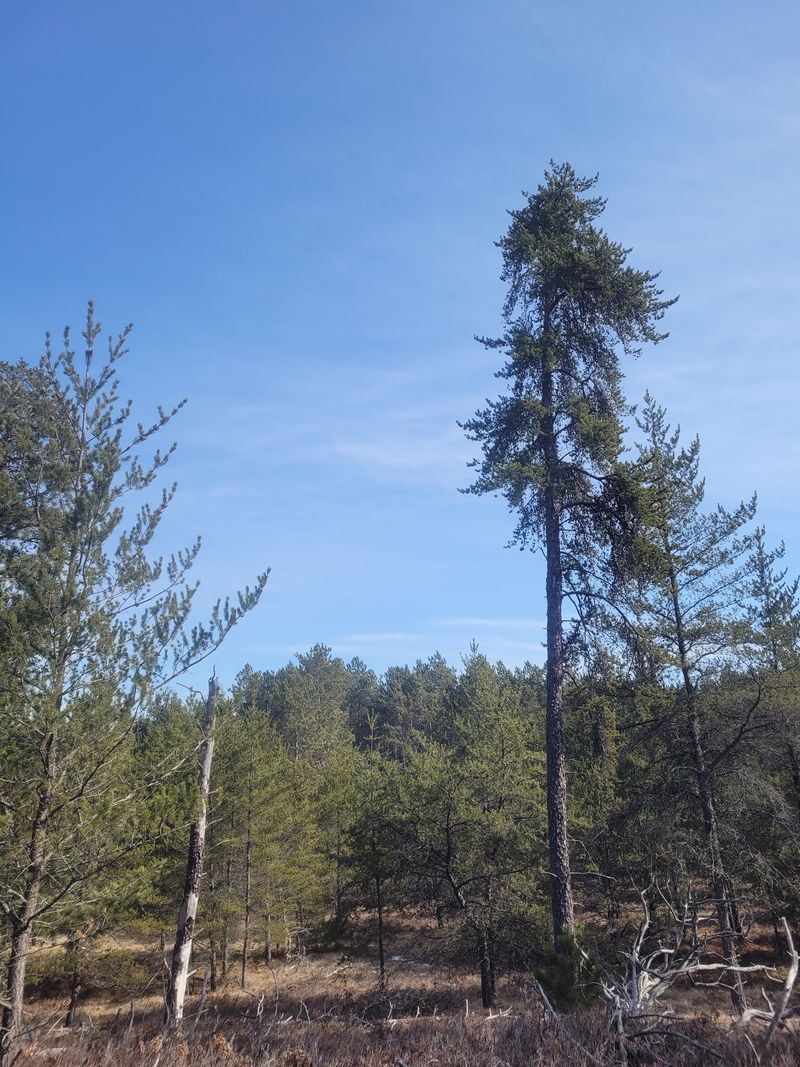
Grand Island Rim Trail brings a bigger stage than most hikes on this list. Wide views, higher edges, and the presence of Lake Superior give the route a windswept, open quality that feels very different from a sheltered inland forest walk.
It is the kind of trail that makes people stop mid-step just to look longer.
The rim setting shapes the whole experience. Instead of staying tucked among trees for every mile, hikers get repeated reminders that land and water are sharing the show.
That back-and-forth between wooded sections and broad overlooks keeps the trail lively and gives each stretch its own mood.
Because exposed areas can feel cooler, brighter, or breezier, layered clothing is a smart move even on a decent weather day. Sunglasses, water, and good walking shoes help, especially when the trail includes uneven ground or longer distances than a scenic photo stop might suggest.
A packed lunch can also turn the outing into a slow, satisfying half-day adventure.
There is a practical side to enjoying this trail well. Taking time to check access details, timing, and daylight can prevent a rushed return, and staying back from edges is the obvious rule that deserves repeating.
Scenic trails are best when they are treated with a little respect.
Grand Island Rim Trail works especially well for hikers who want strong views without giving up the forest part of the experience. It offers scale, texture, and that unmistakable northern Michigan mix of rock, water, and trees.
Some trails are good for exercise, some for photos, and some for daydreaming a bit while walking. This one handles all three at once.
5. Manistee River Trail-North Country Trail Loop
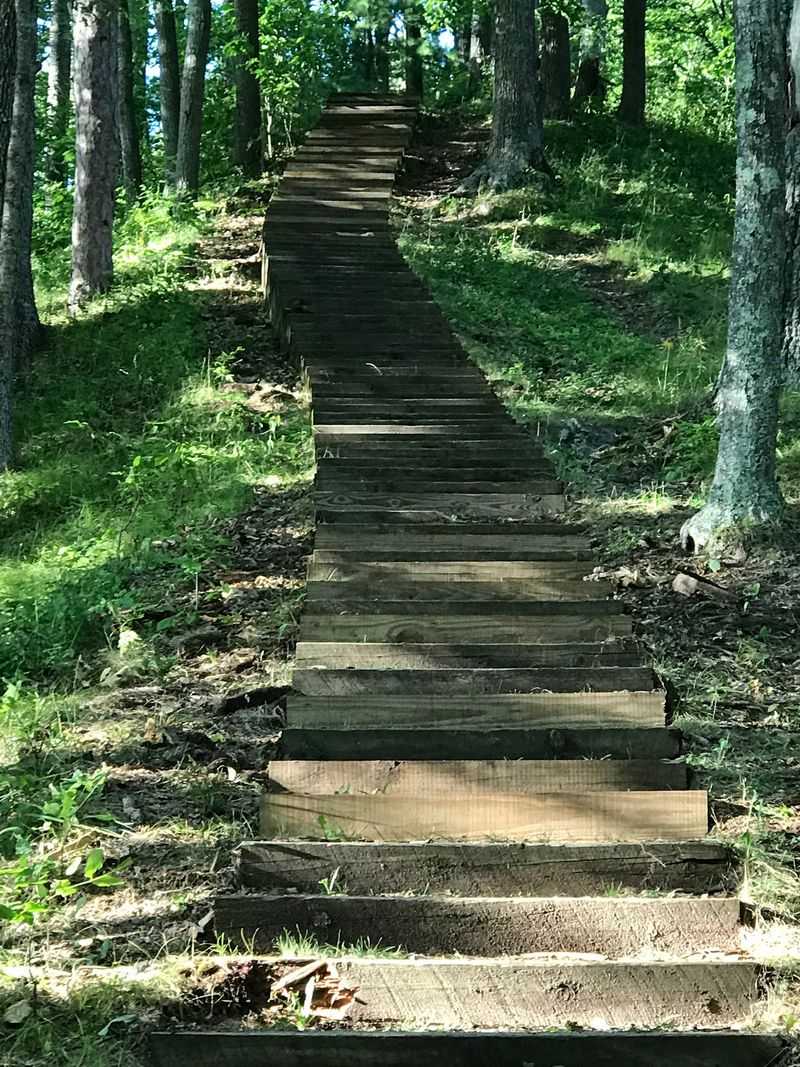
For hikers who like a trail with range, the Manistee River Trail-North Country Trail Loop delivers a lot to work with. River scenery, changing elevation, longer mileage, and the simple satisfaction of completing a loop all help it stand out.
It has a fuller, more all-day character than a short out-and-back walk.
The river is the anchor, but it is not the only reason people talk about this route. Bridges, overlooks, and the steady switch between wooded segments and open river views keep the miles from blending together.
That variety can make a longer hike feel more manageable because there is usually another visual change ahead.
Pacing matters on a loop like this. Starting early gives more flexibility, and carrying more water than you think you need is usually a smart move, especially in warmer months.
Snacks with a little salt, a basic first-aid kit, and a downloaded map are helpful without overpacking.
Footing and energy use deserve attention here. Some parts may feel easy and smooth, while others can remind hikers that loop trails earn their reputation one section at a time.
Saving a little energy for the second half is often wiser than charging through the first few miles.
Backpackers often notice this trail for overnight potential, but day hikers can enjoy it just as much by choosing a comfortable pace and turning around if needed. There is no prize for rushing past river bends and viewpoints that are clearly meant to be noticed.
The Manistee River Trail-North Country Trail Loop suits people who enjoy a route with momentum, strong scenery, and enough length to make the day feel well spent.