A little clay on your hands can do wonders for a stale routine. Across Michigan, pottery studios and art centers are giving people a chance to slow down, get messy, and turn an ordinary day into something creative and surprisingly satisfying.
Some classes focus on wheel throwing, others keep things relaxed with handbuilding, glazing, or beginner-friendly workshops, but each one offers that rare mix of focus and fun that makes time disappear fast. From metro Detroit favorites and community art spaces to Ann Arbor staples with real personality, these 11 Michigan pottery classes are built for anyone ready to trade screen time for studio time and leave with clay on their sleeves.
1. Pewabic Pottery – Detroit, Wayne County
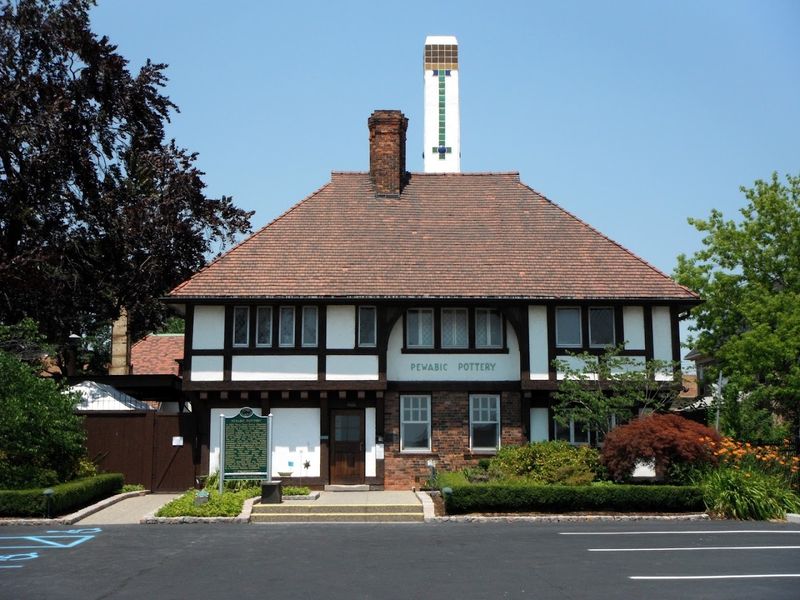
Start with Pewabic if you want your pottery class to come with a strong sense of place. In Detroit, this studio carries visual character before a lump of clay even hits the wheel, and that matters when you want a creative escape that feels rooted instead of generic.
You are not only signing up to make a bowl or test your centering skills here, you are stepping into a space where ceramic surfaces, glaze, and design naturally get more attention.
That focus can be a gift for beginners because it nudges you to notice details early. The curve of a rim, the thickness of a wall, and the way glaze changes a piece from plain to striking all become part of the fun instead of technical chores.
More experienced students can also appreciate a setting that encourages slow looking, careful making, and curiosity about how clay lives beyond the wheel.
Expect the appeal here to lean visual, tactile, and slightly design-minded. If your ideal class includes studying texture, browsing finished work for inspiration, and letting the room itself sharpen your eye, Pewabic fits the mood.
Detroit also adds to the outing, because a pottery session here can slide easily into a fuller city day with coffee, gallery stops, or a long walk after your hands are finally clean.
This is a smart pick when you want pottery to feel a little bigger than a one-off craft activity. The setting encourages patience, and patience is usually where the best pieces begin.
Bring clothes that can handle clay, stay open to a slower pace, and give yourself room to enjoy the visual side of ceramics as much as the making.
2. Blue Lotus Pottery – Vernon, Shiawassee County
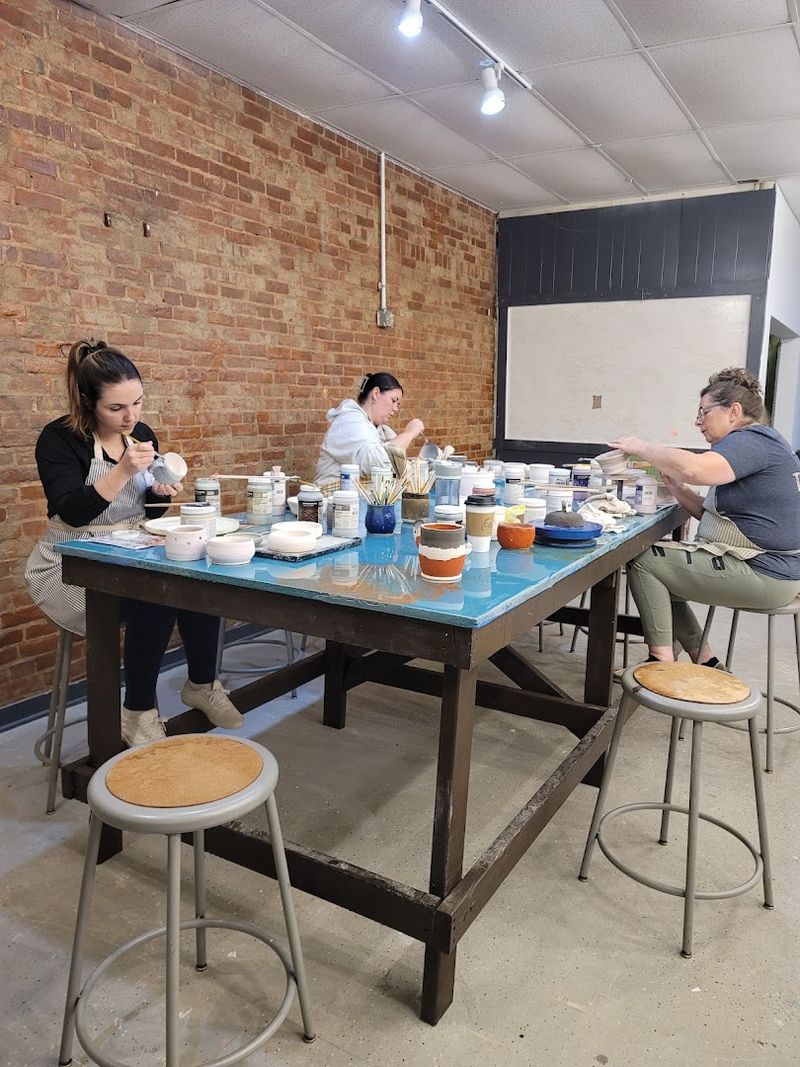
Blue Lotus Pottery has the kind of name that already hints at a slower rhythm, and that is exactly why it stands out for a creative escape. In Vernon, the draw is not big-city buzz or a packed arts district, but the chance to settle into clay without too much noise around the experience.
You can focus on your hands, the spinning wheel, and the satisfying reality that pottery demands attention in the best possible way.
Smaller community studios often appeal to people who want the class itself to be the event. There is less temptation to rush through, and more room to enjoy the tiny victories that make ceramics addictive, like finally pulling even walls or shaping a mug that does not wobble.
If you are new, that can make the learning curve less intimidating. If you already know the basics, it can make practice feel more intentional.
Blue Lotus works well for anyone chasing calm with a side of mess. Clay has a way of cutting through mental clutter because it responds instantly to pressure, speed, and balance, and a quieter setting can make that feedback easier to notice.
You may find yourself paying closer attention to texture, water, and form than you would in a busier environment.
Choose this one when you want pottery to interrupt your routine, not compete with it. Vernon gives the outing a more tucked-away personality, which can be exactly the point when your week has been loud.
Keep expectations loose, let the process stay imperfect, and treat the class as a reset powered by mud, motion, and concentration.
3. Birmingham Bloomfield Art Center – Birmingham, Oakland County
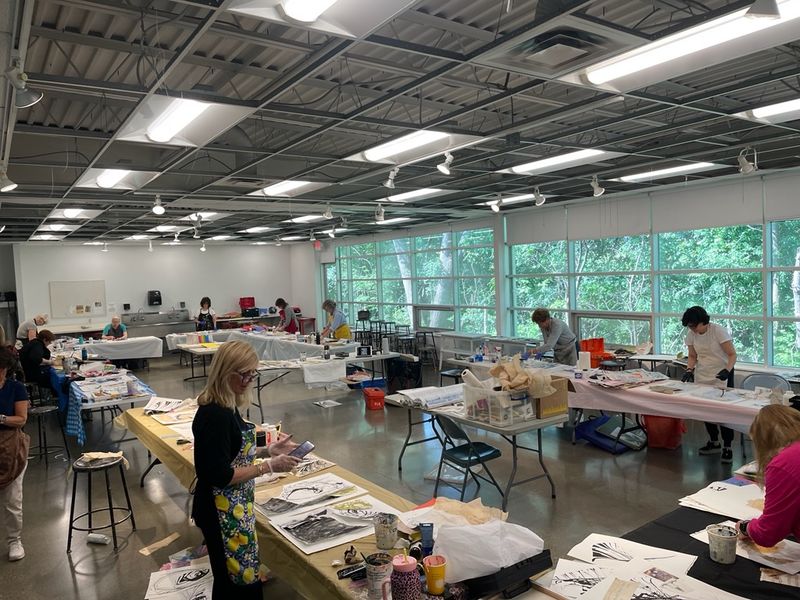
If structure helps you relax, Birmingham Bloomfield Art Center deserves a close look. This Birmingham spot brings the appeal of a broader community arts setting, which often means you are entering a place built to welcome newcomers while still keeping serious creative momentum in the room.
That balance matters when you want guidance, but not the stiff vibe that can make art classes feel like homework.
Ceramics classes in a center like this can be especially good for people who like learning in layers. You get the hands-on part, of course, but you also pick up energy from being around other disciplines, other makers, and the quiet reminder that creative practice is normal here.
For some students, that makes it easier to return week after week, because the class becomes part of a larger habit instead of a one-night experiment.
The Birmingham location is another plus if convenience shapes your choices. You can fit a class into a busy schedule without turning it into a major production, and that simple fact can be the difference between dreaming about pottery and actually doing it.
Once you are there, expect the real payoff to come from repetition: wedging, centering, trimming, glazing, then noticing your hands get smarter each session.
This is a practical pick, but not a dull one. It suits students who want a polished, accessible place to build skills, meet other creative people, and keep clay in their routine.
When a class offers both steady instruction and a friendly entry point, it becomes much easier to stop overthinking and just sit down at the wheel.
4. Clayworks Pottery – Grand Ledge, Clinton County
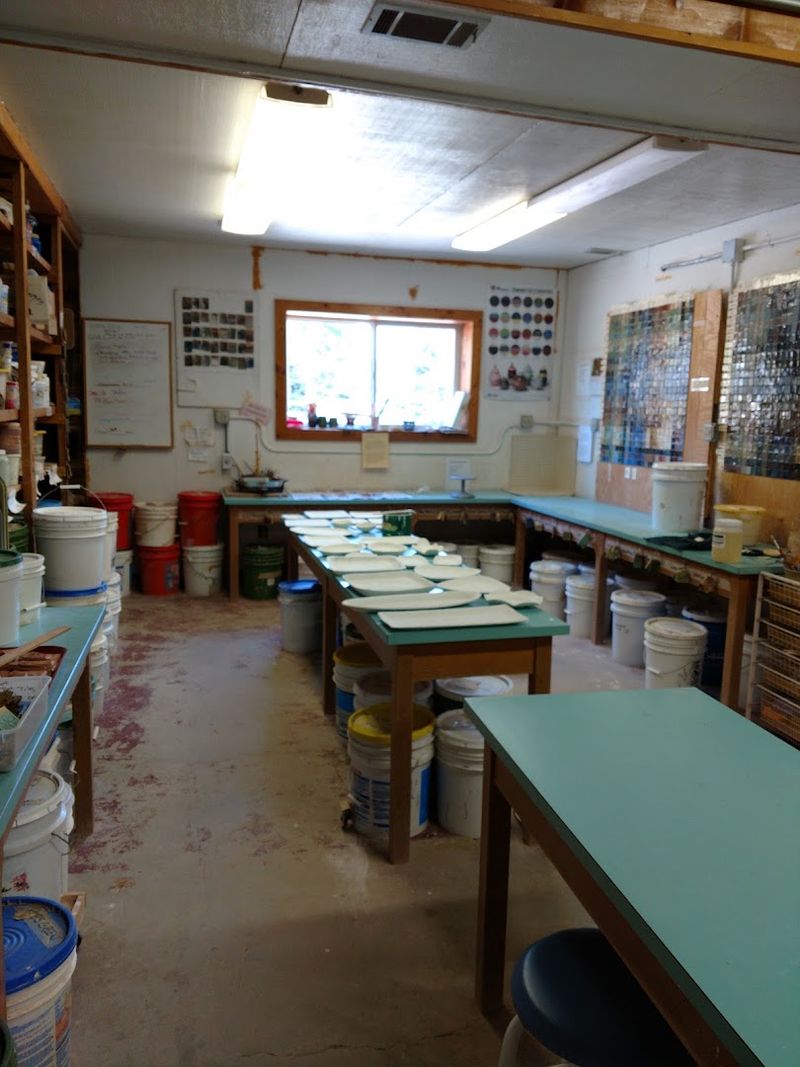
Clayworks Pottery sounds direct, practical, and focused, which is a strong sign for anyone who wants less fluff and more time actually making things. In Grand Ledge, this pick brings the straightforward charm of a studio where clay is clearly the main event.
You are here to learn how the material behaves, how to respond when it collapses, and how to turn a rough start into something useful.
That no-nonsense quality can be surprisingly freeing. Instead of chasing a perfect masterpiece on day one, you can settle into the physical rhythm that makes pottery so absorbing: pressing, lifting, trimming, smoothing, then trying again when the first version goes sideways.
Classes become less about producing a showroom piece and more about building comfort with process, which is exactly where confidence usually starts.
Grand Ledge also gives the outing a slightly off-the-beaten-path appeal without making it feel remote. If your routine mostly runs on screens, errands, and packed calendars, a studio session here can cut through all of that with welcome bluntness.
Clay does not care about your inbox. It asks for attention, decent posture, a steady hand, and a willingness to laugh when your bowl suddenly turns into something closer to abstract sculpture.
Pick Clayworks when you want your creative escape to stay grounded and hands-on. It is well suited to students who like the craft side of ceramics, where technique and repetition are part of the pleasure rather than obstacles to the fun.
Expect to leave a little messier, a little calmer, and much more aware of how satisfying it is to make an object from almost nothing.
5. Michigan Art Center – Garden City, Wayne County
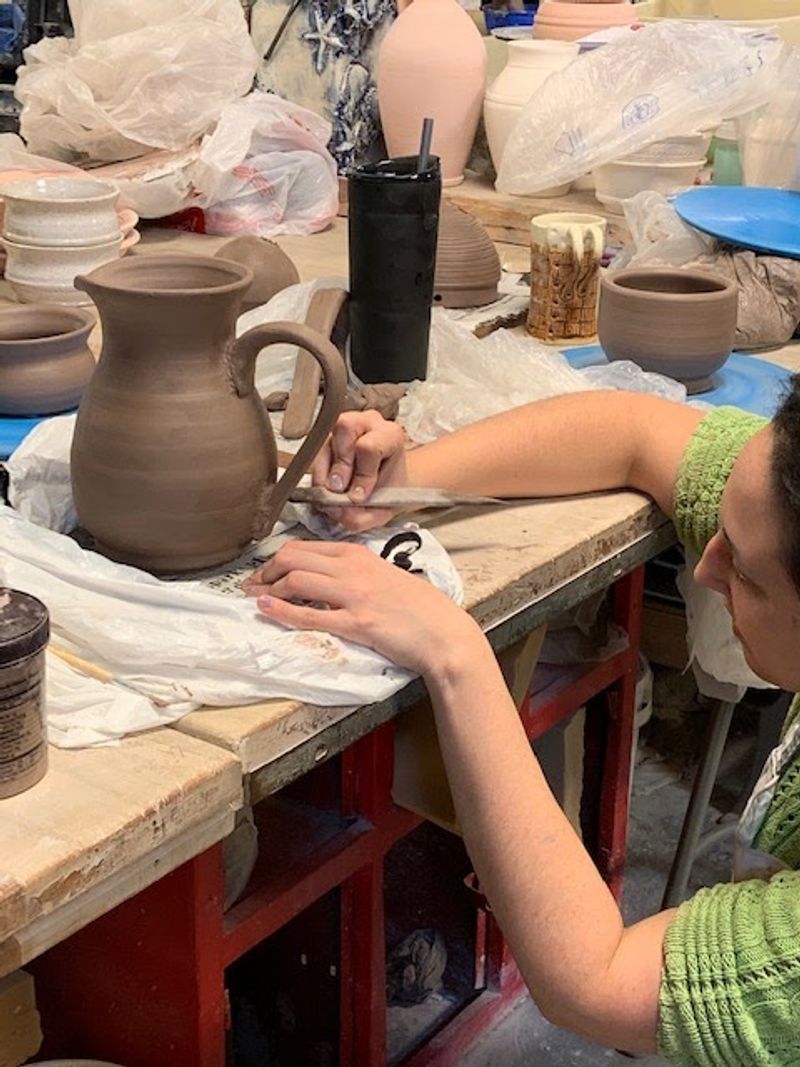
Michigan Art Center in Garden City makes sense for students who want a solid, approachable place to try ceramics without turning the search into a dramatic quest. Community-focused art centers often do their best work by making creativity feel accessible, and that can be exactly what gets you through the door.
You do not need a grand artist identity to enjoy a pottery class. You just need time, curiosity, and clothes that can survive splatter.
There is also real value in a studio that feels tied to everyday local life. Pottery can seem intimidating from the outside because wheels, kilns, and glaze shelves look specialized, but a welcoming neighborhood setting softens that edge quickly.
Once clay is in front of you, the experience becomes practical fast: wedge it, shape it, keep it centered, fix what slumps, and accept that your hands will learn by doing.
Garden City gives this choice a useful middle-ground appeal. It is not trying to sell a fantasy retreat or a flashy arts spectacle.
Instead, it offers the kind of creative break that fits into normal life while still changing the tone of your day. That matters more than people admit.
A two-hour class where you focus completely on form and texture can reset your brain better than another evening spent scrolling on the couch.
Go here if you want a pottery outing that feels friendly, grounded, and easy to return to. The best classes often remove unnecessary friction, letting the material itself do the exciting work.
Michigan Art Center suits that goal well by giving you space to experiment, make a few awkward pieces, and slowly start understanding why clay pulls so many people back in.
6. The Potters Guild – Ann Arbor, Washtenaw County
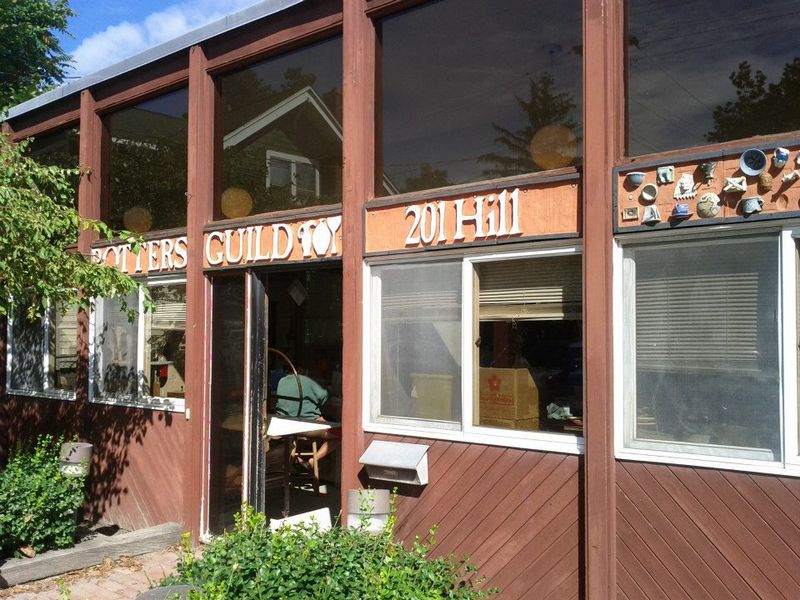
The Potters Guild in Ann Arbor immediately signals community, and that is a big part of the draw. A guild setting suggests shared knowledge, working makers, and the kind of environment where pottery is treated as an ongoing practice rather than a quick novelty.
If you want your class to place you near people who care deeply about clay, this is the sort of pick that can sharpen your attention fast.
For beginners, that can be motivating instead of intimidating when the culture stays welcoming. You see the range of what ceramics can become, from functional pieces to more expressive work, and your own lopsided first attempts start to look less embarrassing and more like proper initiation.
For returning students, a guild-style space can add momentum because it keeps the craft in view as something people actually stick with.
Ann Arbor is a natural fit for this kind of experience. The city already rewards curiosity, and pottery slides neatly into that rhythm of learning, making, and lingering over ideas.
A class here can be part of a fuller day, but it also stands well on its own because clay gives you enough to think about. Every decision matters: pressure, speed, moisture, trimming, and the moment you realize a form finally holds together.
This is an especially strong choice if you want more than a casual dip into ceramics. The Potters Guild suggests continuity, shared standards, and plenty of visual inspiration close at hand.
Even one session can leave you looking at cups, plates, and surfaces differently, which is one of the sneaky pleasures of pottery once your hands start understanding how much work and judgment a simple form contains.
7. Pontiac Creative Arts Center – Pontiac, Oakland County
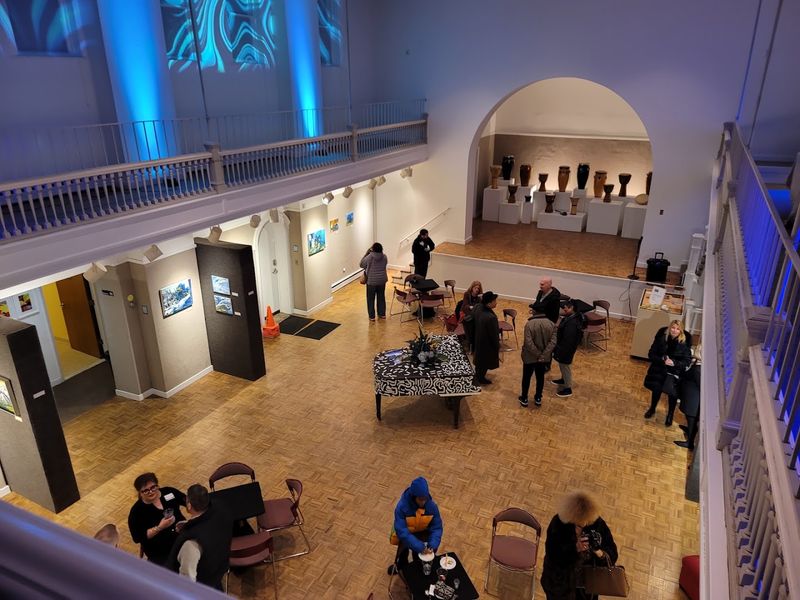
Pontiac Creative Arts Center is a strong option when you want clay with a side of community energy. Arts centers often attract a mix of ages, goals, and experience levels, which can make the room more dynamic than a narrowly specialized studio.
You might arrive hoping to make one decent mug and leave with new ideas about sculpture, surface design, or simply how much concentration your brain has been missing.
Pontiac adds a practical urban edge to the experience. The setting does not need to be precious for ceramics to click.
In fact, pottery often works better when the vibe encourages experimentation over perfection, because the medium constantly reminds you that control is relative. The wheel wobbles, the handle droops, the glaze surprises you, and somehow that unpredictability becomes part of the fun instead of a problem to solve away.
This kind of center can also be ideal for students who prefer creative spaces with broader access points. Whether you are testing a new hobby or returning after years away, it helps when a class does not act like everyone already knows studio etiquette and firing schedules.
You can learn through repetition, pick up cues from other students, and build comfort one project at a time.
Choose Pontiac Creative Arts Center if you want your pottery class to feel lively, useful, and connected to a wider local arts scene. It suits people who learn best by jumping in, getting messy, and seeing what happens once the clay starts responding.
By the end of a session, you may not have a flawless piece, but you will almost certainly have a better grip on process and a stronger urge to come back.
8. Creative Arts Studio – Royal Oak, Oakland County
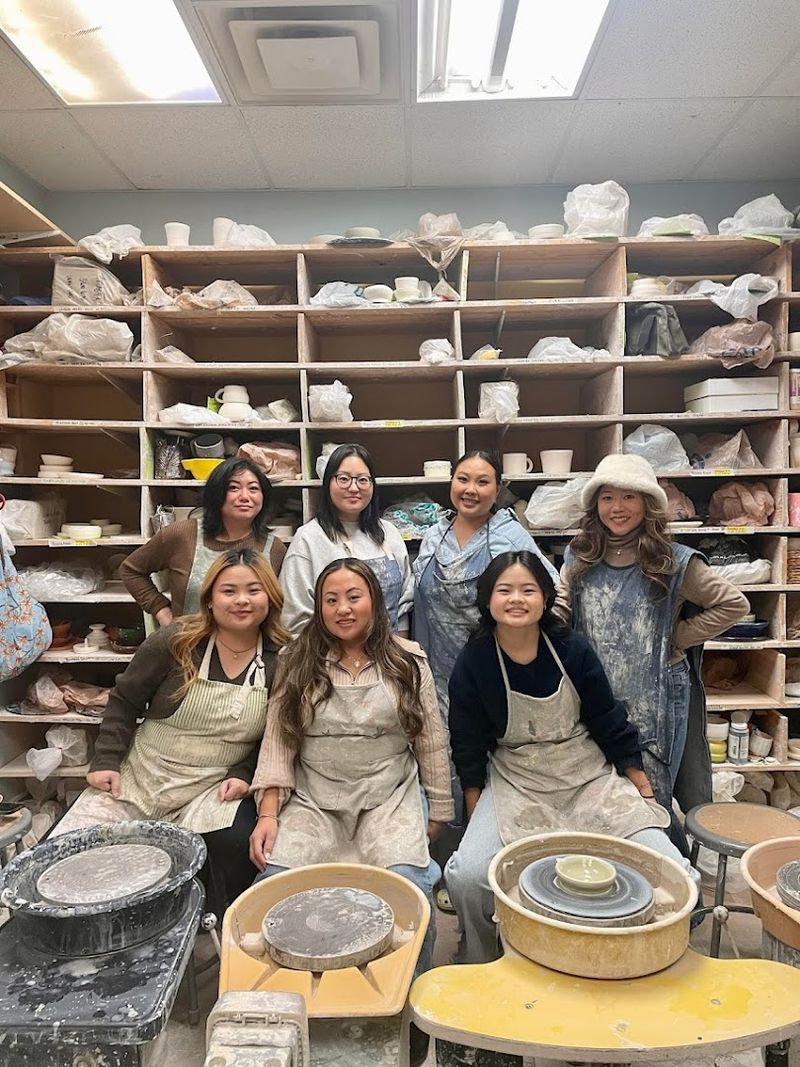
Royal Oak is already a convenient place to build an evening around, and Creative Arts Studio fits nicely into that plan. The name promises flexibility and variety, which can be appealing when you want a pottery class that feels welcoming rather than highly formal.
You can show up ready to learn, laugh at the first wonky attempt, and let the session break up the usual work-dinner-repeat pattern.
Studios with a broad creative identity often attract students who are curious, social, and open to trying something with their hands. That can give ceramics classes a lighter rhythm, especially for beginners who do not want to be surrounded only by serious wheel veterans trimming with laser focus.
There is room to ask basic questions, compare projects, and enjoy the process without feeling like every inch of clay must prove something.
Royal Oak also makes this a smart pick for people who value ease. Sometimes the best class is the one you will actually attend consistently, and a well-placed studio can solve that problem before it starts.
Once class begins, the convenience fades into the background and the tactile work takes over. You pay attention to pressure, speed, and moisture, and suddenly an hour passes faster than expected because your hands are fully occupied.
Creative Arts Studio is especially appealing when your goal is to reconnect with play while still learning real skills. Pottery rewards patience, but it also benefits from a little looseness, and this kind of setting can support both.
Expect a session that helps you unplug, make a mess with purpose, and remember that creative time does not need a dramatic setup to improve your week.
9. Oakland Community College Ceramics Program – Farmington Hills, Oakland County
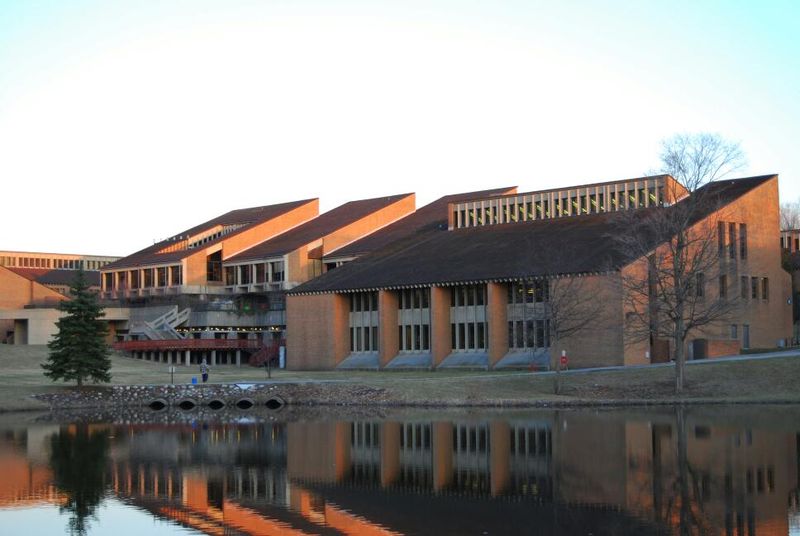
For students who want a stronger skills track, the Oakland Community College Ceramics Program in Farmington Hills stands out immediately. A college program suggests a more structured learning path, which can be a relief if you are tired of one-off workshops that leave you inspired but still fuzzy on fundamentals.
You get closer to the part of pottery that builds lasting ability: repeated practice, clearer sequencing, and more time spent understanding why techniques succeed or fail.
That format works especially well for people who enjoy progression. Instead of treating clay as a cute side activity, you can approach it as a craft with real depth, where centering, pulling, trimming, and glazing each deserve proper attention.
Beginners benefit because the foundation matters. Intermediate students benefit because consistent instruction can help clean up habits that have been limiting their forms without them even noticing.
Farmington Hills gives the program an accessible suburban location, but the bigger appeal is the academic framework itself. Ceramics becomes less mysterious when the learning environment encourages patience and process.
You are allowed to repeat, revise, and look critically at your own work without turning that into self-doubt. In pottery, technical setbacks are normal.
A collapsed cylinder is often just information in muddy form.
Choose this program when you want your creative escape to come with discipline and direction. There is still plenty of pleasure in the tactile side of the work, but the structure helps convert that enjoyment into actual growth.
If your ideal class leaves you with clay under your nails and a clearer sense of what to practice next, a community college ceramics program can be a very smart move.
10. Still Life Studios – Ferndale, Oakland County
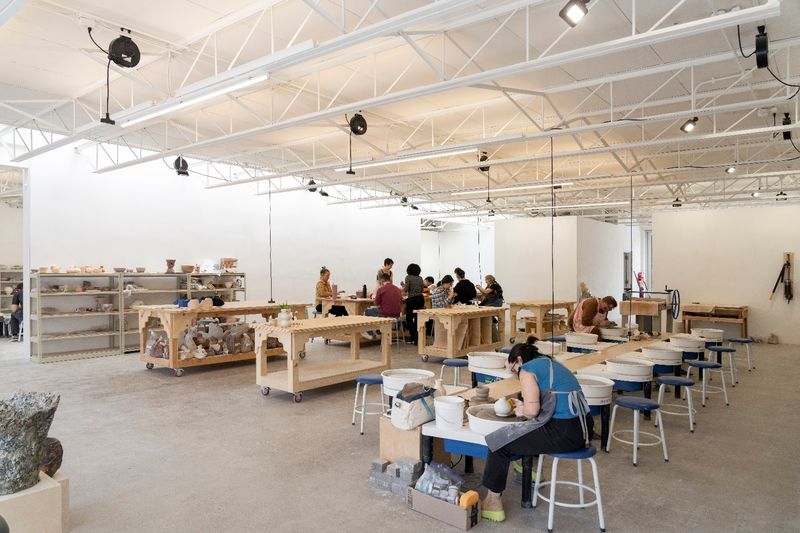
Still Life Studios in Ferndale sounds artful before you even arrive, and that can shape the whole experience in a good way. Ferndale already attracts people who enjoy creative spaces with personality, so a pottery class here has natural appeal for anyone wanting a little edge with their studio time.
You are not chasing a rustic fantasy. You are carving out a few grounded hours in a place that likely understands visual culture, experimentation, and style.
That can matter if you are drawn to pottery not only for the process, but also for how objects look in the end. Form, proportion, silhouette, and surface all start to feel more alive when you are in a setting that seems tuned into aesthetics.
Even beginners can connect with that quickly. A simple cup becomes a study in line and balance, not merely a container that happened to survive the kiln.
Ferndale is also ideal for turning a class into a low-stakes outing with actual personality. You can build your day around it or let the studio be the main event.
Either way, clay does its usual trick of demanding focus fast. The minute your hands start shaping wet earth, outside noise drops.
Deadlines, messages, and background stress lose ground to pressure, timing, and whether that wall is getting too thin.
Pick Still Life Studios if you want pottery with a slightly more design-aware flavor. It suits students who enjoy creativity that is tactile but visually sharp, playful without being chaotic, and social without swallowing the work itself.
A good class here can leave you thinking differently about everyday objects, which is one of the best side effects ceramics has to offer.
11. Ann Arbor Art Center – Ann Arbor, Washtenaw County
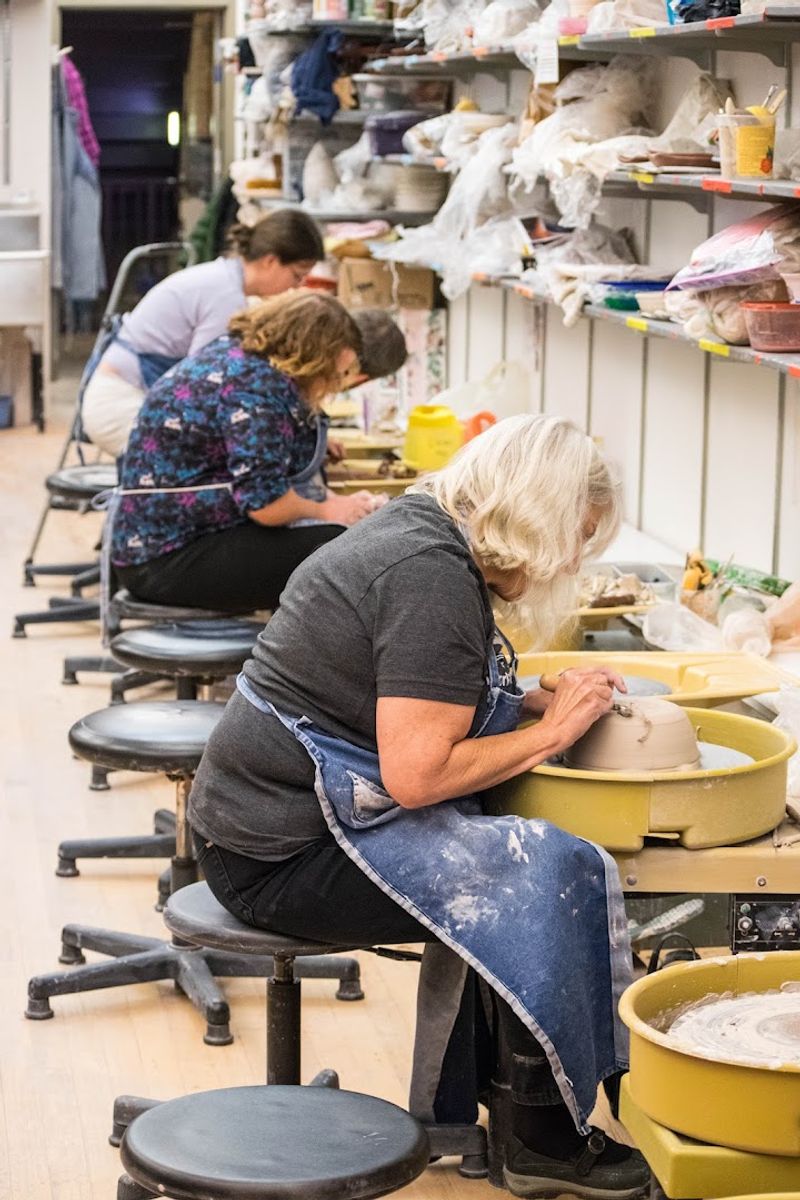
Close the list with Ann Arbor Art Center, a pick that combines accessibility, creative credibility, and the easy momentum of a city that already loves the arts. For many people, that combination is ideal because it lowers the barrier to entry while still making the class feel like a meaningful outing.
You can arrive curious, slightly uncertain, or already obsessed with mugs, and there is still a clear place to begin.
Art centers tend to be strong at inviting a wide range of students into the same room. That mix helps.
Newcomers see that everyone starts somewhere, and repeat students get the steady rhythm that keeps a practice alive. In ceramics, regular exposure matters more than dramatic talent.
The medium rewards attention, patience, and a willingness to keep learning from pieces that crack, slump, or emerge better than expected.
Ann Arbor itself adds another layer of appeal without overshadowing the class. It is the kind of place where making things seems normal, and that context can encourage you to take your own creative time more seriously.
Once you are working, the experience narrows beautifully. Center the clay.
Pull the walls. Trim the foot.
Think about glaze. Notice how satisfying it is to care deeply about an object that did not exist an hour earlier.
This is a smart choice when you want a well-rounded pottery experience that can fit many goals, from casual stress relief to longer-term skill building. Ann Arbor Art Center offers the kind of setting where you can experiment without feeling lost and improve without feeling boxed in.
That balance is hard to beat when you want a creative escape with enough substance to pull you back for another round.
Share this story